New Mexico And Utah Target ‘Homewrecker’ Laws That Protect Cheaters’ Spouses And Kids
 If the Utah legislation succeeds, which it’s on track to do, that will leave only four states with alienation of affection laws on the books.
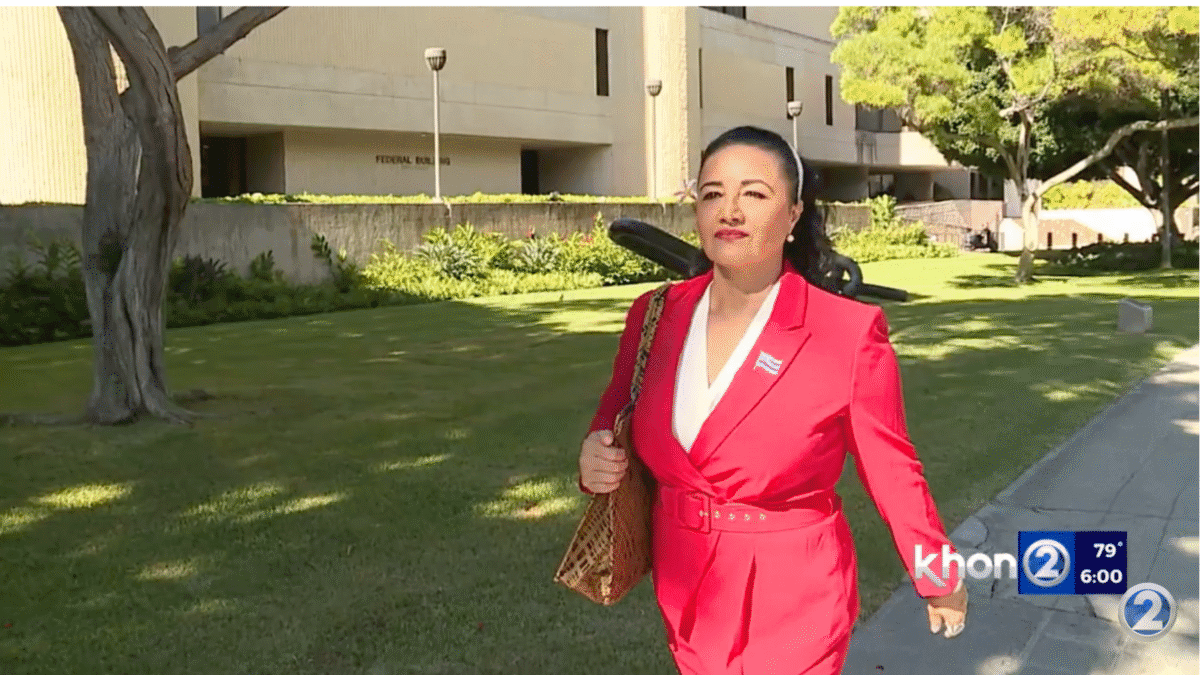
Something shocking just happened between Hawaii — a state that already has some of the strictest gun laws in the nation — and the Supreme Court, and Blaze Media co-founder Glenn Beck is sounding the alarm.
In defense of a sweeping gun restriction, Hawaii argued that Americans’ rights only exist if someone else gives permission, citing "Black Codes" written to disarm freed slaves as “historical tradition.”
This means that gun owners can’t carry on private property, unless the owner explicitly allows it.
“That means your constitutional right only exists if somebody else says yes. And the judges are like, ‘I’m sorry, how are you doing the math on this one?’ And Hawaii steps up to the microphone and says, ‘Yeah, your honor, don’t worry, history supports us on this,’” Glenn says.
The initial Black Code law that Hawaii’s new law is modeled after was written after the Civil War, and it was meant to disarm newly freed slaves so they were unable to defend themselves from mobs, the clan, or corrupt authorities.
“People who normally recoil from Black Codes, you know, like garlic with a vampire, suddenly embrace them because it helps restrict guns,” Glenn explains.
“But the case isn’t really about guns,” he says. “And that’s what I think everybody who is analyzing this case is missing. It is not about guns. It’s about whether your rights exist before government or only after permission is granted.”
“Hawaii says your right exists if someone else allows it. The Constitution says no, no, your rights exist because you exist and you’re free. And the court’s being asked to answer the question, do we define American liberty by its highest principles? Or by its darkest moments?” he continues.
“And once you use poisoned history to limit rights, rights stop being rights,” he adds.
To enjoy more of Glenn’s masterful storytelling, thought-provoking analysis, and uncanny ability to make sense of the chaos, subscribe to BlazeTV — the largest multi-platform network of voices who love America, defend the Constitution, and live the American dream.
In an effort to prevent mass layoffs at the Oregon Department of Transportation, Oregon Governor Tina Kotek (D) is proposing a new, mandatory tax program for electric vehicles. While Republicans say the governor's proposal would be unnecessary if the state managed its money well, the tax proposal is set to be considered today in a special session announced last month.
Oregon is attempting to fill a $354 million budget gap for transportation infrastructure construction and repairs, possibly resulting from vehicles becoming more fuel-efficient.
'We invite Democrats to join us in funding essential services without raising taxes, to stand with Oregonians who cannot afford to shoulder more costs.'
“This could still be prevented today, without a special session, if Democrats made the decision to use existing revenue from the emergency board. We can still protect these jobs without raising taxes — and we should,” Oregon House Republican Leader Christine Drazan said last month. "We invite Democrats to join us in funding essential services without raising taxes, to stand with Oregonians who cannot afford to shoulder more costs.”
RELATED: Out of juice: Only 5% of US car buyers want an electric vehicle

The proposal, according to the AP, includes an EV road-usage charge that is equivalent to 5% of the state’s gas tax. It also includes raising the gas tax by six cents to 46 cents per gallon, among other fee increases.
EV drivers would be required to enroll in a pay-per-mile system based on road usage. They could either pay 2.3 cents per mile or a flat $340 annual fee, with a break-even point just under 14,800 miles per year.
ODOT policy adviser Scott Boardman said drivers would have several options for the government to track their mileage, including a smartphone app and the vehicle's telematics technology.
Oregon's existing system, OReGO, which was launched on July 1, 2015, is currently a voluntary program. Kotek's proposal would mark a departure from this system by making it mandatory. Skeptics warn that this may discourage car buyers from considering buying electric vehicles in the future, with the program set to take effect starting in 2027 and extending to hybrids in 2028.
If it passes, Oregon will join Hawaii as the only states to begin a mandatory pay-per-mile program for electric vehicles. Oregon lawmakers will debate and vote on the bill, which requires a supermajority in both the House and Senate to pass.
Like Blaze News? Bypass the censors, sign up for our newsletters, and get stories like this direct to your inbox. Sign up here!
 The Democrat-led law targeted the Babylon Bee and other satirical sites, claiming their content risks 'changing ... voter behavior.'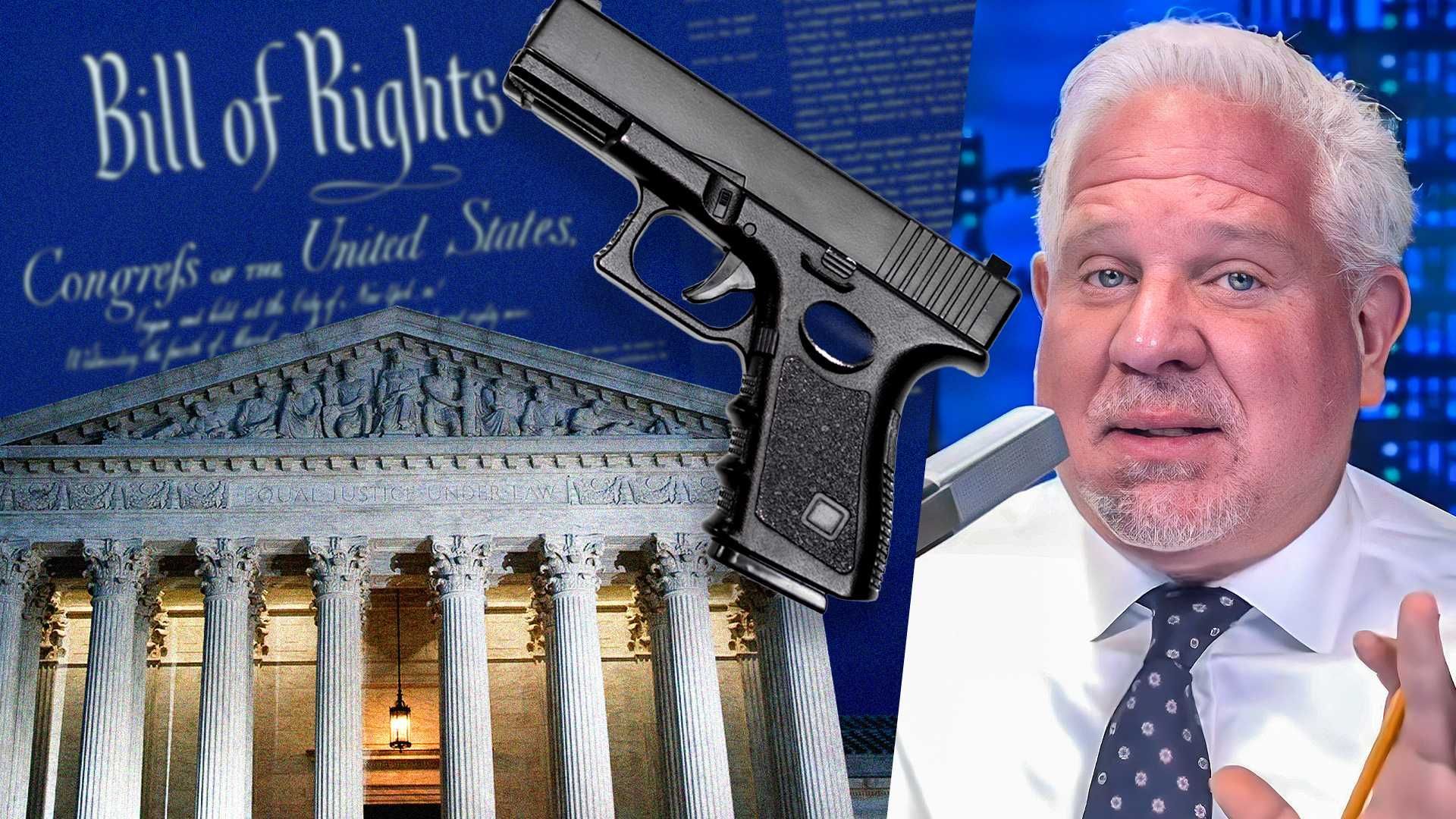
 The weaponization of the DOJ against Republicans won’t stop until the depths of the problems are known.
 You're 'relegating the Second Amendment to second-class status,' said Justice Alito.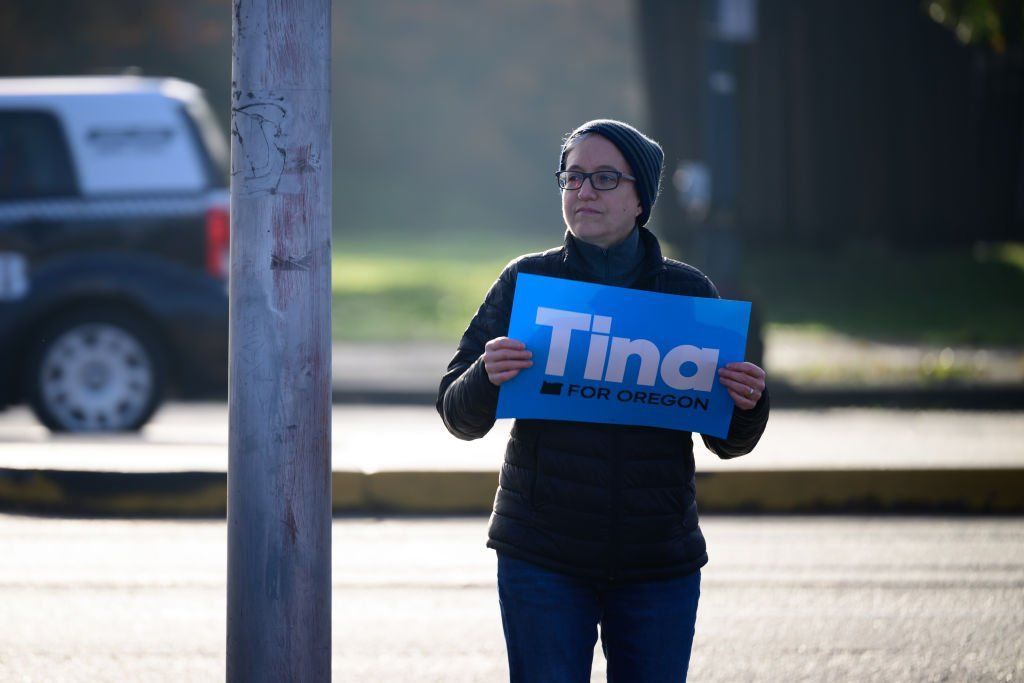
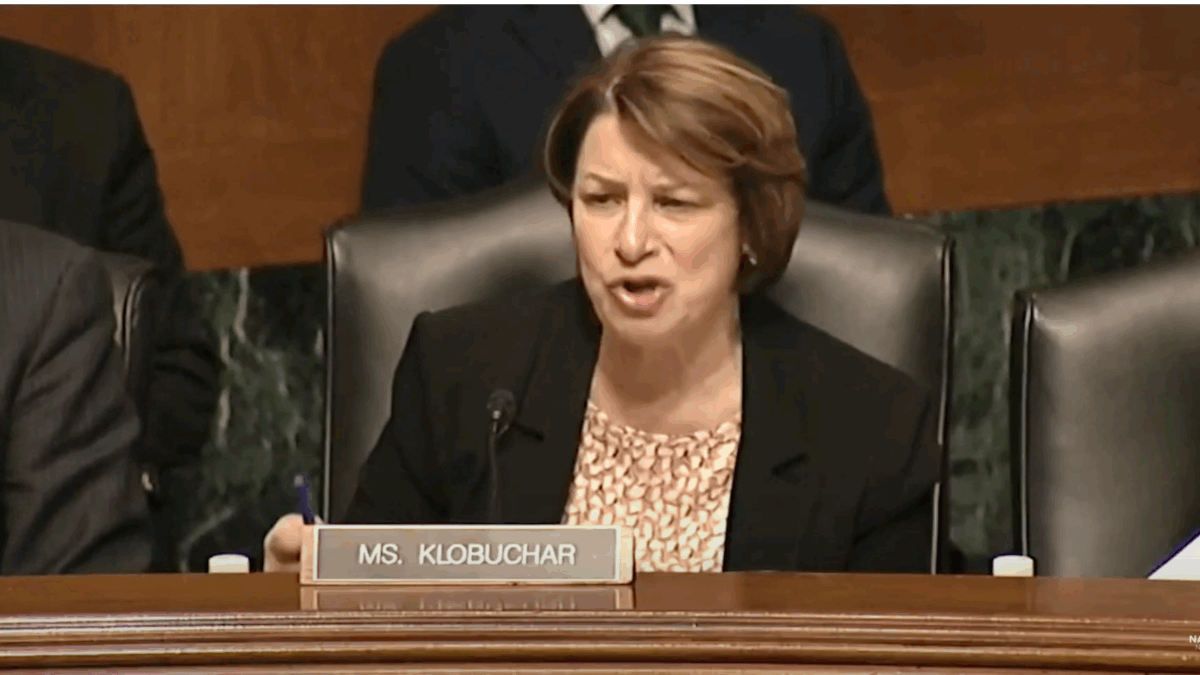 Sen. Amy Klobuchar wants you to know it was not her saying such 'vulgar and absurd' things. And she wants to punish the people who do.
 This new interpretation of the 2002 cult film has a brand-new ending that changes the story's message.
 www.theblaze.com
 www.theblaze.com
 thefederalist.com
 www.theblaze.com