Homer Simpson would be proud of this defense
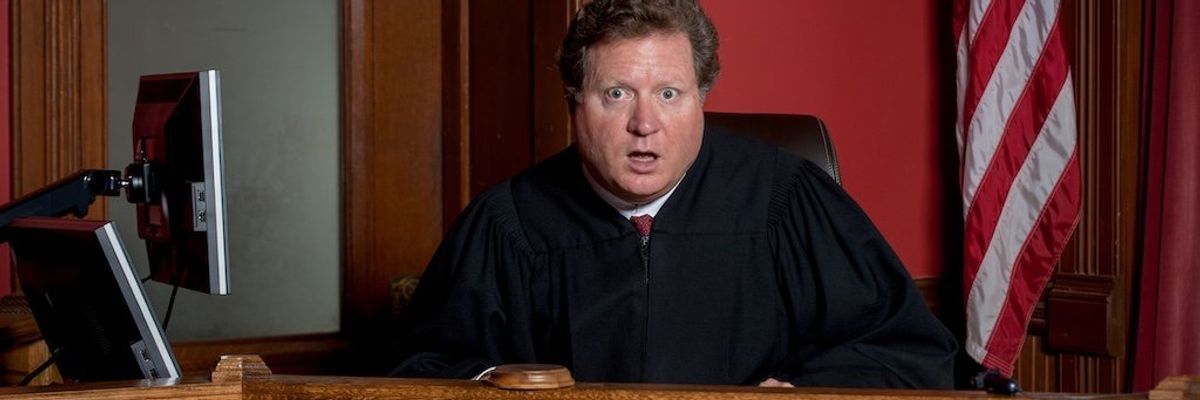
Five of the seven suspects in the now-infamous Cincinnati beatdown case appeared in court Thursday for arraignments and bail hearings. It was a routine appearance — until one defense attorney made what may be the most unintentionally revealing courtroom statement of the year. Maybe even the decade.
“Vernon’s attorney, Clyde Bennett, argued that the case against his client had been inflamed due to race and politics, but in reality it was just a fight fueled by alcohol.”
The sooner we remind people that they are moral agents — capable of making choices and accountable for them — the sooner we’ll see fewer ‘Cincinnati beatdowns’ in the news.
Let that sink in for a moment. According to Bennett, it would be unfair to frame the case as racial or political. No — don’t get it twisted — it was just about drunken violence. Ah, yes, much better.
The irony is thick enough to spread on toast.
For two decades, Americans have been told everything is about race and politics. We’ve lived under a constant drumbeat of racialized news coverage. We don’t have to reach back to Trayvon Martin or Michael Brown — George Floyd in 2020 will do. Cities burned for months while the national media insisted the destruction was “mostly peaceful.”
Back then, pointing out the deadly fentanyl in Floyd’s system, the crime he’d just committed, or broader issues like high crime rates in certain neighborhoods or the role of fatherlessness in cycles of violence was “racist.” Facts didn’t matter. Only the race narrative did.
Sick of the double standard
The narrative claimed that violence disproportionately involved black men, which supposedly proved “systemic racism.” Why? Because in the Marxist worldview, crime stems from the environment — people are violent because the “system” forces them to be. If you took the same statistics and said, “Yes, something is going wrong with crime, violence, and broken families — let’s talk about it,” you were branded a racist.
It’s always been a one-way street. Race gets invoked when it advances a left-wing narrative of grievance and dependency. When it doesn’t fit, race suddenly disappears from the discussion and you’re told to drop the subject.
Americans are sick of this double standard. Racism is wrong for everyone.
The statistics show something is deeply wrong, and ignoring it won’t fix anything. But the left’s “solutions” aren’t solutions — they’re programs to stoke grievance, increase dependency, and keep personal responsibility out of the conversation. It is always someone else’s fault, and that fault is usually “whiteness.”
Which brings us back to Thursday’s courtroom gem. Bennett’s “blame it on the alcohol” defense isn’t just legally flimsy — it’s philosophically bankrupt. Being drunk while committing a crime is not a defense. You can’t rob a store, beat someone up, or kill a man and then shrug because you had one too many.
That’s not how the law works. That’s not how life works.
Choices have consequences
The bigger problem is that this mindset — “I had no choice, the system made me do it, those people made me do it, the booze made me do it” — has become the default for too many Americans. It strips people of agency and moral responsibility. It says, “I don’t make choices. Things just happen to me.” That’s a recipe for failure.
We need to bring back the idea that character matters. If someone can control his anger and walk away from a fight, that shows good character. If he can’t, we don’t help him by letting him blame booze, “the system,” or “the man.”
At some point, everyone needs to learn that choices have consequences.
We’ve gone from laughing at “blame it on the alcohol” to taking it seriously as social theory. That’s not progress. It’s regression — into a world where no one is accountable for anything. In this world, you can declare yourself a victim and opt out of morality.
RELATED: The awful irony of the White House’s crackdown on juvenile crime

The incentive to claim oppression is huge. If you’re white, the easiest way is to identify as an “oppressed” sexual minority. This isn’t just about sex — it’s about securing a lifetime exemption from blame.
The Cincinnati case is ugly. And yet a defense attorney stood in court and suggested that drunken mob violence is better than racial politics. That’s how far we’ve drifted from personal responsibility.
If we want to cut crime and restore order, we must stop rewarding this thinking. We must revive the idea that personal responsibility isn’t outdated. We must stop letting people hide behind whatever excuse is in fashion — race, politics, poverty, wealth, or booze.
Thirty years ago, “I wasn’t asleep; I was drunk!” was a Homer Simpson joke. Today, it could be a legitimate legal defense in certain left-wing circles.
The sooner we remind people that they are moral agents — capable of making choices and accountable for them — the sooner we’ll see fewer “Cincinnati beatdowns” in the news. Until then, leftists, having injected race into every conversation, should take responsibility for what they created.

 www.theblaze.com
 thefederalist.com