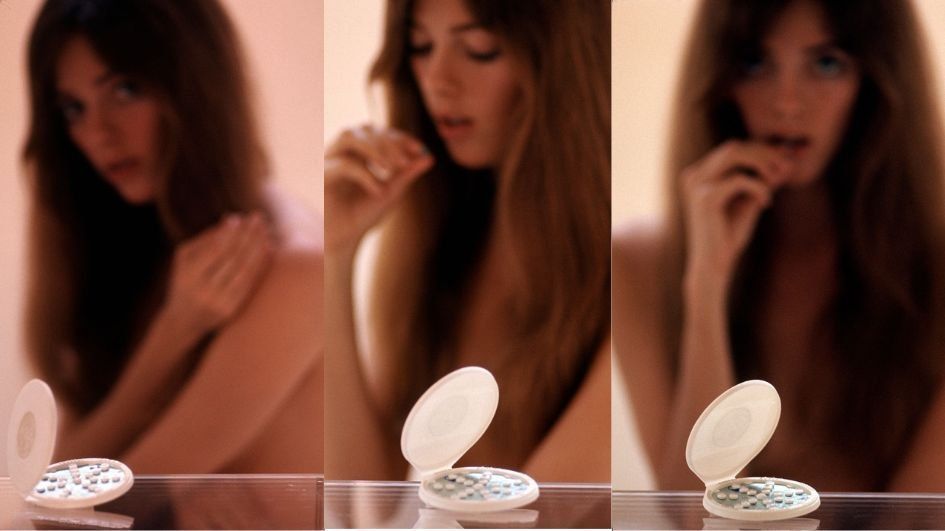
Do birth control pills make women all think the same?



Could hormonal birth control be turning women into NPCs?

That’s “non-player characters,” by the way. You may remember the meme, which reached the height of its popularity a few years ago and has largely disappeared now.

Only now, many decades after it was unleashed on the world, are we starting to understand hormonal contraception’s effects more fully.

The NPC is a person who lacks any kind of unique identity. Who they are is completely determined by their social circumstances and by the values and information fed to them by a narrow range of approved sources: the government, scientists and “experts,” the mainstream media, Hollywood and Netflix, handpicked celebrities and influencers.

The NPC exercises no independent judgment, no free-thinking of their own. They simply do as they’re told, and they get very angry if you don’t do the same.

The NPC is represented by a special Wojak — a cartoon person — with grey skin and generic facial features: pindot eyes, a semi-triangle nose, and a horizontal line for a mouth.

During the pandemic, for example, the NPC meme was used to mock everyone who chose to “trust the science” unquestioningly. It was also widely used in Donald Trump’s first presidency to describe devotees of the mainstream media who repeated its various platitudes and mantras ad infinitum — “orange man bad,” “diversity is our strength,” and so on.

That sync-ing feeling

A new study suggests that hormonal birth control reduces the “functional individuality” of women’s brains, making them more alike with one another. Making women NPCs, in other words.

Researchers analyzed the brain activity of 26 users by means of MRI scans. They looked in particular at something called “functional connectome fingerprinting,” a method of identifying patterns of brain connectivity that are distinct to each person.

They found that while each woman’s brain patterns remained identifiable, the overall distinctiveness of those patterns was reduced by hormonal birth control.

In basic terms, there was a general “dampening” or “normalizing” effect on the brain as a whole.

The changes affected certain networks more than others, though: networks involved in executive function, muscle control, perception and attention, and the so-called “default mode network,” which is active during various kinds of introspection, including daydreaming, thinking about oneself and others, remembering the past, and planning for the future.

The default-mode network is central to the creation of an “inner self” and a coherent “internal narrative.”

In other words, a distinct identity.

RELATED: Time for RFK Jr. to expose the dark truth about the pill
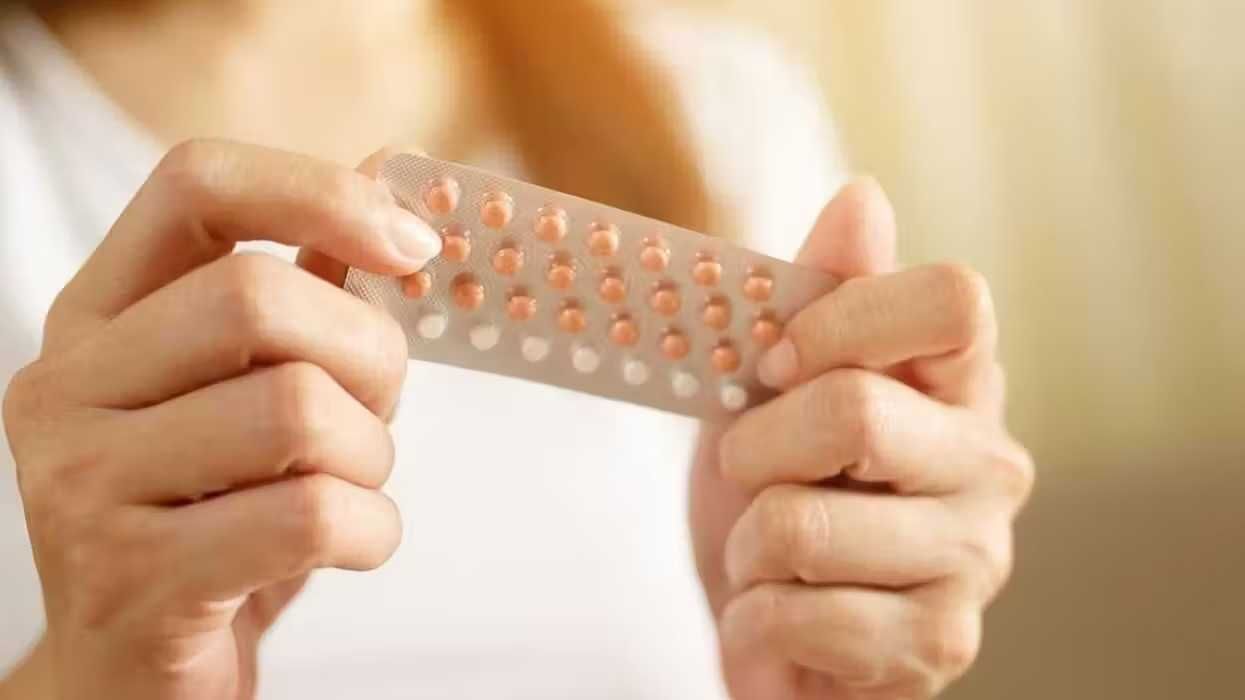
Rattankun Thongbun via iStock/Getty Images

Mood for thought

In truth, I might have been exaggerating just a little bit when I said birth control could be turning women into NPCs. Yes, we’ve seen changes in particular regions of the brain that are associated with particular functions, but the researchers didn’t investigate the actual effects of these changes — I’ve simply inferred what they might be.

The researchers did note evidence that the changes were associated with increases in negative moods, which many of the participants recorded, but we can’t say much more than that, at least not yet.

What we need is more research. This might look at direct evidence of the effects of hormonal birth control on female behavior, preferences, and character: things like individual decision-making processes and personality traits like conformity.

Brainsplaining

There are plenty of studies that already do that kind of thing with hormones, especially testosterone. Some have shown that a dose of testosterone will make a man more likely to stand up for himself and defend a minority opinion, even in the face of disapproval from the majority. Studies have also shown that testosterone makes men more comfortable with inequality and hierarchy, which is usually couched as an “antisocial effect,” but when you remember that virtually every society in history has been hierarchical, except our own — at least in principle — that doesn’t really make much sense.

Still, we have every reason to be concerned about the effects of hormonal birth control on women’s brains and their behavior. As the study notes, more than 150 million women worldwide use hormonal birth control, and if it is changing the way their brains work, that obviously could mean significant effects in the aggregate, with the potential to touch more or less every aspect of life, from personal relationships to politics.

Retrograde research

Of course, this is a controversial stance to take, even as evidence mounts. The drug makers don’t want to lose money if women stop taking hormonal birth control, and the champions of “liberation” don’t want women to stop either. The entire sexual revolution was kickstarted by the pill, and “equality” as we understand it is predicated on women having total conscious control over their bodies.

Anybody who says women shouldn’t take hormonal birth control, or just that they should think carefully before they do, is immediately denounced as retrograde, sexist, or, as we’ve seen with recent viral social-media trends, a purveyor of dangerous “medical misinformation.” And that includes women who’ve been on hormonal birth control themselves and quit, and female medical professionals like Dr. Sarah Hill, the author of the very well-reasoned and evidenced book, “This Is Your Brain on Birth Control.”

My new book, “The Last Men: Liberalism and the Death of Masculinity,” is a call to get serious about the effects of hormones on politics. Deadly serious. Testosterone, in particular, is rapidly disappearing, in large part because we’ve created a world that’s reliant on thousands of chemicals and substances that mimic the “female” hormone estrogen. We had created that world long before we even knew what many of those chemicals are, let alone what they do to us.

The same is true of hormonal contraception. Only now, many decades after it was unleashed on the world, are we starting to understand its effects more fully, having built a world that is reliant upon it to function.

Our hormonal interventions remain clumsy and short-sighted. In truth, we’ve not come all that far from the first bright spark who decided to lop off a bull’s testicles to bring it under control. In that first brutal act, endocrinology — the science of hormones — was born, a science still very much in its infancy.
Time for RFK Jr. to expose the dark truth about the pill


No drug is as sacrosanct in today’s sexually “liberated” culture as oral contraceptives. But the proliferation of the birth control pill since the 1960s has fostered a number of grave consequences for our society: hook-up culture, delayed marriage, and the destruction of the nuclear family.

None of this would surprise Margaret Sanger, the founder of Planned Parenthood. In the early 20th century, she promoted contraception as the mechanism for female emancipation. “Birth control is the first important step a woman must take toward the goal of her freedom,” she wrote. “It is the first step she must take to be man’s equal. It is the first step they must both take toward human emancipation.”

Though the perceived benefits of birth control pills are loudly and publicly celebrated, their costs need to be fully exposed.

Feminist author Betty Friedan agreed, asserting that the pill gave women “the legal and constitutional right to decide whether or not or when to bear children” and established the basis for true equality with men.

Because oral contraception has been touted as a cornerstone of women’s equality and freedom, its health repercussions are rarely called into question. Even Health and Human Services Secretary Robert F. Kennedy Jr., who regularly wades into controversy by calling for investigations into seed oils and food dyes, remains relatively silent on oral contraceptives.

This is to the detriment of women across the country. As Dr. Sarah Hill demonstrates in “This Is Your Brain on Birth Control: How the Pill Changes Everything,” birth control has had numerous repercussions on women, relationships, and society. She shows that women at the peak of their cycle feel sexier, more outgoing, and more confident with the natural increase in estrogen. And men find them more attractive at that time, too.

More than mere ‘birth control’

As Hill points out, birth control pills do more than just prevent pregnancy: They affect a woman’s hormones more generally — hormones that affect everything from her brain to her fingertips and her overall emotional, mental, and physical health. Many of the women Hill interviewed described feeling emotionally blunted, or as if they were moving through life in a fog, while on the pill.

A woman’s menstrual cycle is often known as the fifth vital sign, and a disruption signals a concern to be addressed, not to be masked.

Birth control is, in fact, “medicated menopause.” While it can be a difficult reality for many to face, studies show that women who no longer menstruate are not as attractive to men, which is why trying to find a mate in the latter years of life can be challenging. The drive to partner up and reproduce is diminished, making marriage less of a necessity and mere companionship more of the goal.

Studies comparing women who use contraception with those who do not reveal that the pill lowers libido, can lead to mood swings or depression, disrupts natural cycles, can cause infertility after discontinuation, interferes with the endocrine system, and can lead to bloating and a gain of nearly five pounds on average. Other studies have found that estrogen-containing pills raise the risk of venous thromboembolism and, to a smaller extent, strokes and heart attacks.

America lags behind

European countries have conducted many tests that demonstrate such effects. A nationwide Danish cohort study of over one million women found higher rates of first antidepressant use and first depression diagnosis among users of contraceptives than nonusers. Another large Danish study found that women who were currently or recently on hormonal contraception were more likely to attempt suicide or die by suicide than women who had never used it.

A Finnish study and a Swedish one produced similar results. A British database shows that the first couple of years of being on the pill brought an increased risk of depression and that women who began using the pill in their teens sometimes had a lasting higher risk.

Few, if any, comprehensive American studies have been conducted, even though about 15% of American women between 15 and 49 use oral contraceptives.

Environmental havoc

Potential problems are not limited to those who ingest the hormones. Synthetic estrogen, an endocrine-disrupting compound used in oral contraceptives, makes its way from America’s toilets to the water supply. Wastewater treatments can reduce, but never fully remove, such psychoactive drugs from drinking water.

U.S. regulators and scientists treat these as “contaminants of emerging concern.” The Environmental Protection Agency and the United States Geological Survey publish methods for measuring the prevalence of such hormones in wastewater and waters used for our drinking supply.

RELATED: Women’s infertility is Big Pharma’s cash cow

simarik via iStock/Getty Images

Male fish begin growing female genitals, and fish populations collapse in water containing the synthetic estrogen from birth control, according to some studies. As RFK Jr. has mentioned, boys are “swimming through a soup of toxic chemicals today, and many of those are endocrine disruptors.”

Though some studies show that typical concentrations of synthetic estrogen in drinking water pose negligible risks to women, perhaps the cumulative exposure to endocrine disruptors affects the sexual development of young males.

Long overdue accountability

RFK Jr. promised to “follow the law regarding access to birth control” during his confirmation process. That could include commissioning the National Institutes of Health to conduct “gold standard science” on oral contraception, as he has sworn to do for other food additives and pharmaceuticals, studies that many European countries have already done.

While calling for restrictions on birth control pills would likely cause a frenzy among many, informed consent is a paramount health priority. Though the perceived benefits of birth control pills are loudly and publicly celebrated (women, you too can have sex like a man!), their costs need to be fully exposed if we are going to restore human health and flourishing among both sexes.

Editor’s note: This article was published originally at the American Mind.

One for the ladies: Educate yourself about the risks of hormonal birth control


Vanity Fair once called me “the masculinist health guru,” which is kind of cute, I guess. I suspect the outlet really wanted to call me “the misogynist health guru” and to lump me in with the Andrew Tates of this world, with their rented sports cars, Freudian cigar obsessions, and poorly tailored suits whose trousers end three inches too short above the ankles.

If you’ve actually followed my work for any length of time, you’ll know that large amounts of the advice I give to men apply equally to women. I take pains to say this.

Researchers recently showed that hormonal contraceptive use shrinks the brain. Yes, that’s right: The brain gets smaller.

With regard to the harmful effects of hormone-disrupting chemicals, which are simply everywhere today, I say, “The end of men is the end of women.”

Estro-gentleman

We might like to think all those estrogenic chemicals are only a danger to men — because estrogen is the female hormone, right? — but actually they’re just as large a danger to women. Women can have too much estrogen in their bodies as well, and overexposure has a range of very nasty effects, from menstrual disruption, endometriosis, and polycystic ovarian syndrome to cancers of the breast, vagina, and uterus.

I also give advice specifically to women too. For example, I’ve written about the dangers of sanitary products, which have been found to contain massive doses of harmful chemicals and heavy metals. What’s worse, because sanitary products are in contact with sensitive vaginal tissue, greater quantities of these chemicals are absorbed by the body.

Vaginal and scrotal tissue is many times more absorbent than the skin on your stomach or hands, which is why the vagina and scrotum are often used as routes for drug delivery. Substances that enter our bodies through the vagina or scrotum also evade a process called “first-pass metabolism” in the gut and go directly into the bloodstream. Not good.

So while you won’t find me proudly sporting an “I’m with her” T-shirt or one that says, “The future is female,” nor will you ever find me donning a pink p***y hat or reading E. Jean Carroll’s autobiography, I do care about women.

Haphazard endocrinology

And it’s in that spirit of love for the fairer sex that I offer this week’s tidbit of advice for women only. It’s also unusual because it’s not a recommendation for a beautiful organic-wool pillow or the finest Mangalitsa pork or a red-light machine to tan your undercarriage.

I want you, ladies, to read a book.

Endocrinology — the science of hormones — has a deep history. Man has been fiddling around with hormones for many thousands, probably tens of thousands, of years, even if he had no idea what a hormone was until the beginning of last century.

The first castration was the first hormonal therapy, the first bloody flash of awareness that certain tissues within the body hold the key to sexual development and expression. A bull without testicles is no longer dangerously aggressive and uncontrollable — and the same goes for a poor unfortunate slave. A castrato’s voice remains angelic, like a child’s, until his death.

A kind of haphazard endocrinology went on for thousands of years. In some places, like Imperial China, where eunuchs had important roles to play in the imperial court and bureaucracy, castration took place on an almost industrial scale. During the Ming Dynasty (1368-1644), there may have been as many as 100,000 eunuchs in the imperial service at any one time.

But it wasn’t until the 20th century that endocrinology emerged as an actual science, with the discovery of hormones and experimentation with new forms of therapy at a far less crude level than hacking off the testicles with a sharp piece of rock or a knife. Particular kinds of hormonal intervention could now create a whole new way of life.

Tough pill to swallow

Of course I’m talking about hormonal contraception, the invention of which, to my mind, constitutes the most significant hormonal intervention in human history. No hormonal contraception, no sexual revolution — with everything that counterfactual movement entails.

The scale of this intervention in the hormonal lives of women is staggering. It’s estimated that 39% of female contraceptive users in the U.S., or almost 18.5 million women in 2018, were using hormonal methods (pills, intrauterine devices, implants, injections, rings, or patches). A 2013 study claimed that 80% of all sexually active young women ages 25-34 in the U.S. would try hormonal contraception at some point.

When hormonal contraception was invented, nobody fully understood the biological consequences, let alone the social or political consequences, of fixing tens of millions of women in the luteal phase of menstruation for as long as they choose.

The truth is that we still don’t — not really. While we’ve got a better idea of some of the social outcomes, much of the biology remains a mystery, and there are powerful vested interests that prevent an honest investigation or discussion of them. Pharmaceutical companies make no money from abstinence or the rhythm method, and attacks on hormonal contraception are also perceived as a threat to women’s freedom and sexual choice, which, in an obvious sense, they are.

Ick trick

In recent years, with the advent of social media, there’s been growing backlash against hormonal contraception, as women — especially young women — share their experiences of weight gain, mood problems, and even falling out of love with their boyfriends and husbands when they stop taking it.

Yes, that’s a well-attested effect of taking hormonal contraception. Women’s sexual preferences change during their menstrual cycle. Women find classically masculine men — men whose appearance and bodily cues scream “TESTOSTERONE!” — more attractive when they’re ovulating and ready to make babies, for reasons that aren’t hard to imagine. And so if you meet your boyfriend or husband when you’re on hormonal contraception and your brain is telling you to find Timothee Chalamet types attractive, going cold turkey might cause you to stop finding your boyfriend or husband attractive. You might even find him disgusting.

This really happens, and people really do get divorced because of this.

An open book

I’m not going to read you the litany of negative health effects or roll out dozens of studies to convince you to think very carefully about the benefits and deficits of using hormonal birth control. Instead I’m going to tell you to buy the book "This Is Your Brain on Birth Control: How the Pill Changes Everything," by Sarah E. Hill. This is the most comprehensive look at the biological changes that happen as a result of taking hormonal birth control, the changes you or your sister or your daughter won’t be told about when you go to the doctor to get a prescription. The changes that won’t be on the medication’s insert either. It’s a readable, accessible book, but that makes it no less shocking.

RELATED: Hormonal birth control: As bad for you as smoking

Brain drain

I will talk about one worrying recent study, though. Researchers recently showed that hormonal contraceptive use shrinks the brain. Yes, that’s right: The brain gets smaller. Scientists used MRI imaging to look at the brains of users and non-users, as well as men, and they found that a key region of the brain, the ventromedial prefrontal cortex, was noticeably thinner in women on hormonal birth control.

This could have far-reaching implications for women’s behavior, and that includes their political behavior. The ventromedial prefrontal cortex is involved in fear regulation and emotional processing. As I suggest in my forthcoming book, "The Last Men: Liberalism and the Death of Masculinity," the thinning of nearly 20 million women’s brains in the U.S. could be helping to drive political polarization in the U.S., as women veer ever farther off toward the radical left and policies that endanger their own safety and well-being, while men cleave desperately to the center-right. I’m not joking. There needs to be more research, pronto.

Thankfully, the changes to the ventromedial prefrontal cortex appear to be reversible: The brain returns to normal thickness once women stop using.

Depression risk

However, other studies suggest that some alterations to the brain might not be reversible. While on hormonal birth control, women have a higher risk of depression. If a woman starts taking it in her mid-20s and then stops, the risk returns to normal levels. If, however, a woman starts taking it in her teens, she retains an elevated risk for the rest of her life. This is clear evidence that hormonal contraception causes permanent changes to the developing teenage brain. If you know anything about hormones and the kind of changes they can make in the body, this should come as no surprise.

Ultimately, it’s up to you. Your body, your choice — as the old feminist mantra has it. But the best thing you can do, the thing you owe to yourself as a (semi-)rational creature, is to be in possession of the right information so that you can make a fully informed choice.

So do yourself a favor: If you are using hormonal contraception or thinking about it, or if you have a daughter or other female member of your family who is or might, buy that book.

Expand your brain before you decide to shrink it.

Depo-Provera’s Alleged Link To Brain Tumors Should Make You Wonder What’s In Your Birth Control

The Depo-Provera fallout proves women should be privy to more information about birth control side effects, not less.
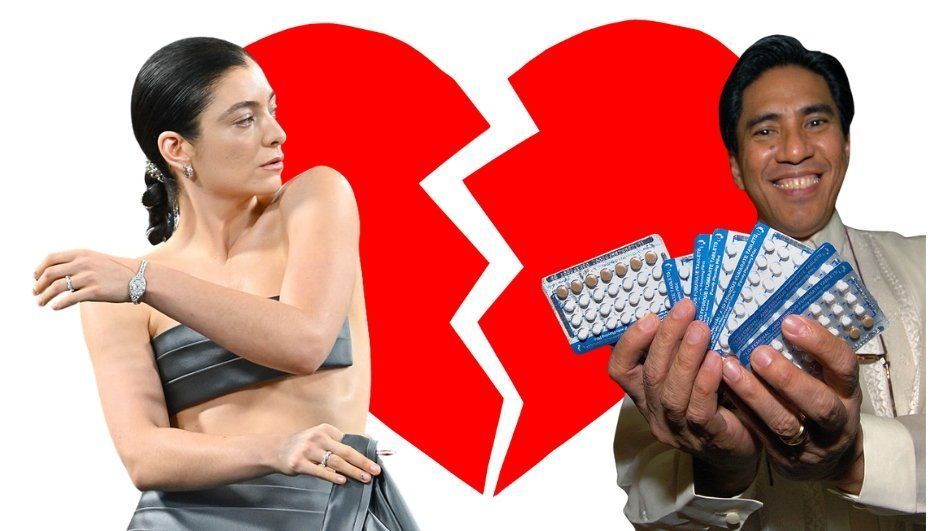

Lorde and 5 other celebs who broke up with birth control


Move over, ayahuasca.

The hottest new drug among the beautiful people doesn't require a shaman or a week at a posh jungle resort.

Uncut ovulation ... is said to induce feelings of mental clarity, attractiveness, heightened sexual desire, and overall well-being.

Instead, all you need is a set of XX chromosomes.

More and more women are ignoring Big Pharma's shrill "Just Say No" scare tactics and tripping out on their own natural fertility cycles.

The latest acolyte to admit it is pop star Lorde. In an interview with Rolling Stone, the "Royals" singer described going off the pill in 2023, after taking it since she was 15 years old.

"I hadn’t ovulated in 10 years," said Lorde. "And when I ovulated for the first time, I cannot describe to you how crazy it was. One of the best drugs I’ve ever done.”

Uncut ovulation — the period midway through a woman's menstrual cycle during which the ovaries release an egg for potential fertilization — is said to induce feelings of mental clarity, attractiveness, heightened sexual desire, and overall well-being in those who regularly experience it.

Still, the New Zealand-born artist admitted she still grapples with residual shame about participating in a practice that has been linked to the Trump administration's MAHA mandate.

“I’ve now come to see my decision was maybe some quasi right-wing programming."

Such misgivings are a common occurrence in those with strict liberal upbringings.

In many traditionally "sex-positive," Planned Parenthood-going communities, women who decline to disrupt their natural cycles with powerful and unpredictable synthetic hormones are often seen as a threat to "reproductive freedom."

Here are some other famous female faces who've opened up about getting off on not chemically neutering themseves!

Annie Murphy

Araya Doheny/Getty Images

First prescribed the pill "no questions asked" at 16, the "Schitt's Creek" star eventually realized it had been causing intense mood swings for years. "I would have goblin days where I just didn't even recognize myself; I was feeling really, really sad, really down, really anxious."

Hailey Baldwin Bieber

Taylor Hill/Getty Images

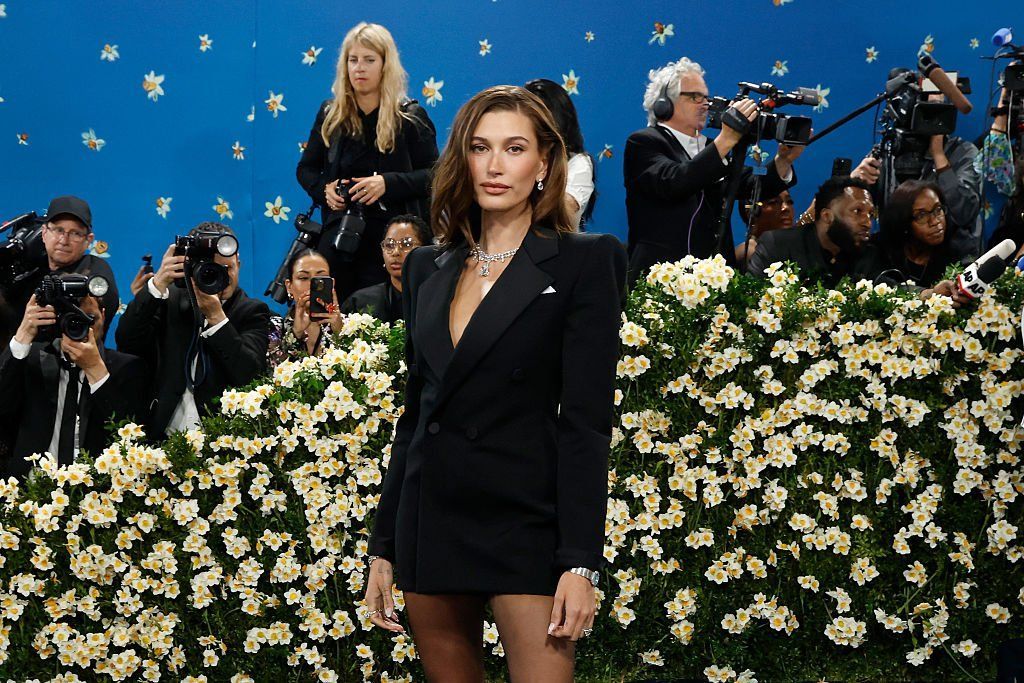
The model, socialite, and wife of Justin Bieber stopped taking the pill after she had to be hospitalized for a "mini-stroke" in 2022 at age 25. She later took to the media to share a valuable lesson: "Having a stroke is a potential side effect from birth control pills."

Natalie Portman

Matt Winkelmeyer/Getty Images

In a speech at her alma mater Harvard's 2015 graduation ceremony, the actress recalled some "pretty dark moments" during her own student days, thanks in part to "birth-control pills that have since been taken off the market for their depressive side effects."

Khloé Kardashian

Andreas Rentz/Getty Images

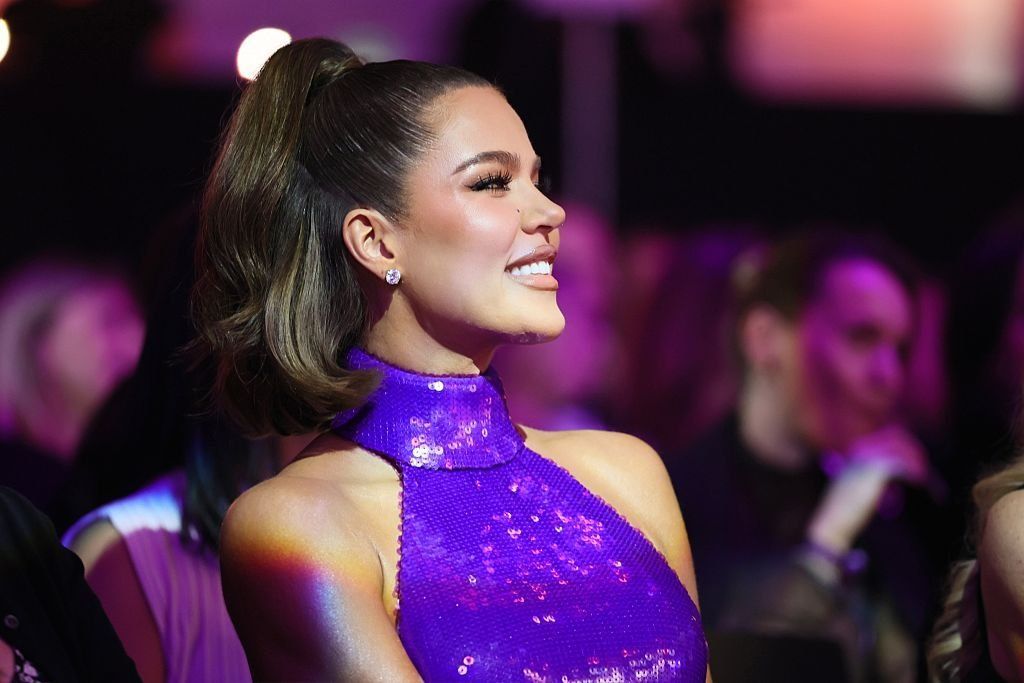
The protein popcorn mogul went off the pill in 2017 after a doctor told her she had fewer ovarian follicles — key markers of fertility — than healthy women her age.

Nicole Bendayan

The Washington Post

The health and nutrition influencer was prescribed hormonal birth control at 16 but eventually stopped after years of doctors dismissing her concerns about side effects she was experiencing. "I would get yeast infections almost every month, recurring UTIs, feelings of anxiety and depression, low libido, and in the last three or four years I would bleed after sex ... every single time."

Doctor Warns Hormonal Birth Control Is Causing Anxiety, Depression, And Heart Trouble

Hormonal birth control is bad medicine — 'curing' nothing and causing all sorts of unexpected problems of its own.

Don’t Read This Birth Control ‘Misinformation’ Unless You Want To Be Twice As Happy As You Are Now

I don't need to take my cues from media-consulted reproductive 'experts,' and neither do you.

Washington Post Bashes Women For Disliking Birth Control Side Effects

The Washington Post’s pair of birth control propaganda articles weren’t just out of touch. They were out of line.