AOC flaunts her historical illiteracy in 'cowboys' critique of Rubio's speech in Munich
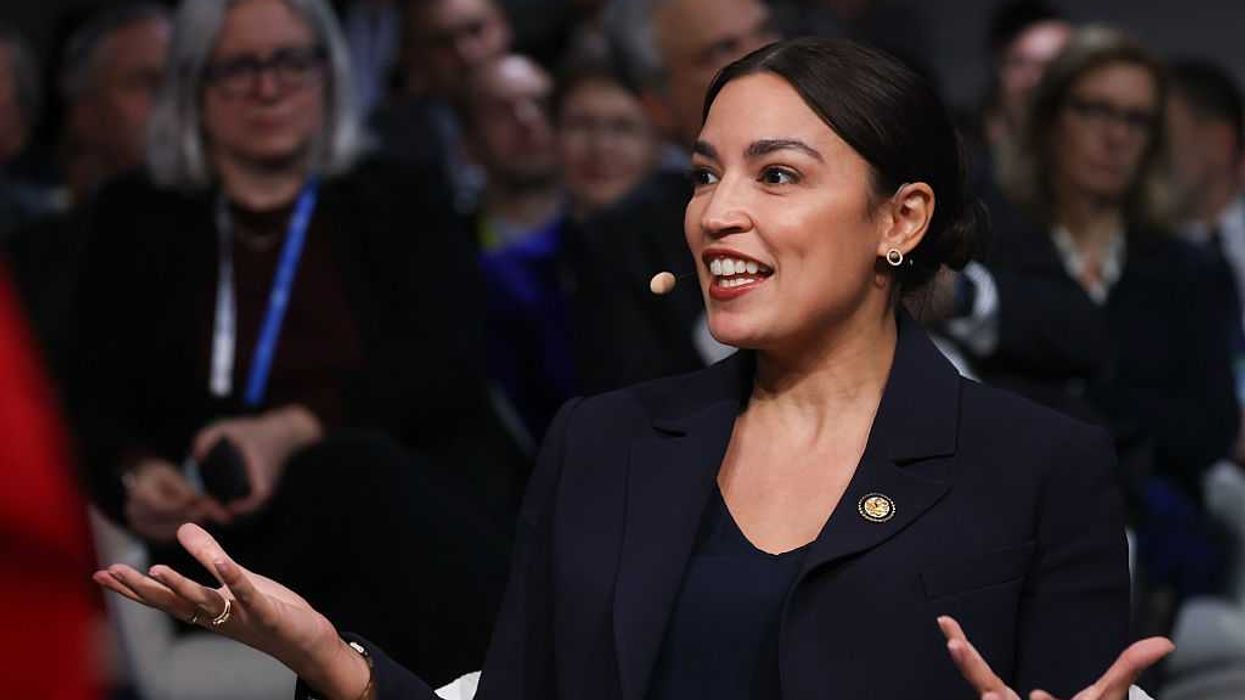
Rep. Alexandria Ocasio-Cortez (D-N.Y.) — whose name has been bandied about as a possible 2028 presidential contender — took issue over the weekend with some of Secretary of State Marco Rubio's remarks at the Munich Security Conference.
Rather than successfully critique anything Rubio said on Saturday, Ocasio-Cortez instead exposed more of her historical illiteracy.
Rubio's speech
Vice President JD Vance enraged a crowd of European officials last year at the Munich Security Conference by calling out their suppression of popular political movements and ideas, crackdown on religious liberties, and ruinous mass migration policies.
While pointed, Vance's criticism of Europe's censorious and self-destructive ways was constructive and imbued with the hope that Western nations across the Atlantic might return to the values they once shared in common with the United States.
'Rubio's speech was a pure appeal to "Western culture."'
In a less-scathing sequel to Vance's speech, Rubio discussed on Feb. 14 the deep civilizational bonds that he figures the U.S. and Europe still share, the opportunity for concerted renewal, and the way forward to a "new century of prosperity."
"We are part of one civilization — Western civilization," said Rubio. "We are bound to one another by the deepest bonds that nations could share, forged by centuries of shared history, Christian faith, culture, heritage, language, ancestry, and the sacrifices our forefathers made together for the common civilization to which we have fallen heir."
Rubio noted further that the U.S., under President Donald Trump, has embarked on the "task of renewal and restoration, driven by a vision of a future as proud, as sovereign, and as vital as our civilization's past."
"While we are prepared, if necessary, to do this alone, it is our preference and it is our hope to do this together with you, our friends here in Europe," added the secretary.
Whereas Europeans couldn't stomach Vance's speech on-theme last year, the audience gave Rubio a standing ovation following his speech on Saturday.
Bucking the revisionism
While Europeans were receptive to the secretary's discussion of civilizational inheritance and common responsibility, Ocasio-Cortez apparently had trouble with one of Rubio's passing remarks.
During a softball interview at the Technical University of Berlin on Sunday, Ocasio-Cortez cited Rubio's speech as evidence of the "ascent of the right even in places like Munich."
"Marco Rubio's speech was a pure appeal to 'Western culture,'" said the congresswoman, employing scare quotes in reference to Western culture.
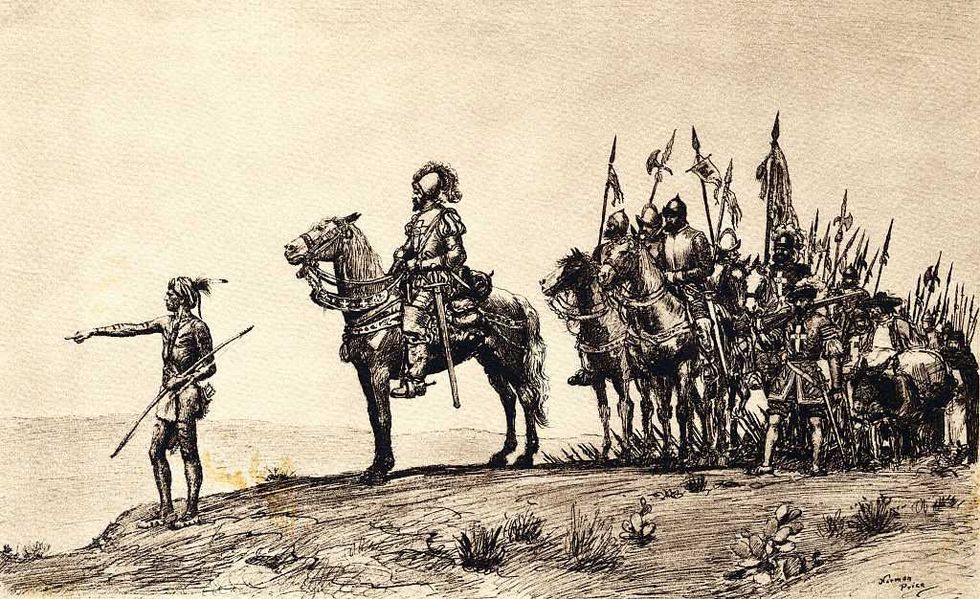
"My favorite part," continued Ocasio-Cortez, "was when he said that American cowboys came from Spain. I believe the Mexicans and descendants of African slaves — enslaved peoples — would like to have a word on that."
In his speech, Rubio stated:
Our expansion into the interior followed the footsteps of French fur traders and explorers whose names, by the way, still adorn the street signs and towns names all across the Mississippi Valley. Our horses, our ranches, our rodeos — the entire romance of the cowboy archetype that became synonymous with the American West — these were born in Spain. And our largest and most iconic city was named New Amsterdam before it was named New York.
Ocasio-Cortez's critics were quick to point out that horses and cowboy culture were, as Rubio suggested, a European export to North America — including to New Spain, which ultimately became the home of Ocasio-Cortez's would-be fact-checking, Spanish-speaking Mexicans.
'Your IQ is lower than the temp in my freezer.'
While ancient horses once roamed North America, they apparently went extinct around 10,000 years ago. The species hitherto unknown to the native population was, however, reintroduced to the continent by Spaniards and other Europeans in the 15th and 16th centuries.
Christopher Columbus, an Italian explorer sailing under the Spanish flag, imported the first horses the continent had seen in thousands of years on his second voyage to the New World in 1493. Twenty-six years later — and after decades of Europeans breeding horses in the Caribbean, where Ocasio-Cortez's family hails from originally — the Spanish conquistador Hernán Cortés brought 16 horses to what is now Mexico.
With continued European exploration and expansion, horses were ultimately bred and spread across the continent, and mastered by European settlers and Indians alike. The corresponding horseman culture also didn't appear ex nihilo.
Although it also references the Irish "Cau-boys" of the High Middle Ages, Fort Worth's Sid Richardson Museum notes in its relevant overview that "cowboy culture in the American West can be traced to the Spanish tradition of the vaquero."
"Derived from the word vaca (Spanish for cow), the vaqueros would become renowned for their skills and adaptability as Spain expanded their North American empire westward from what is now Texas, Arizona, and New Mexico to the Franciscan missions in California by the late 1700s," noted History.com.
Normalcy advocate Robby Starbuck responded to Ocasio-Cortez, writing, "Yeah literally every culture learned the cowboy trade from Spanish vaqueros. I’m sorry that your IQ is lower than the temp in my freezer."
John Daniel Davidson, a senior editor at the Federalist, quipped, "Just wait till she finds out where Mexicans came from."
Like Blaze News? Bypass the censors, sign up for our newsletters, and get stories like this direct to your inbox. Sign up here!
 Photo Paul Harris/Getty Images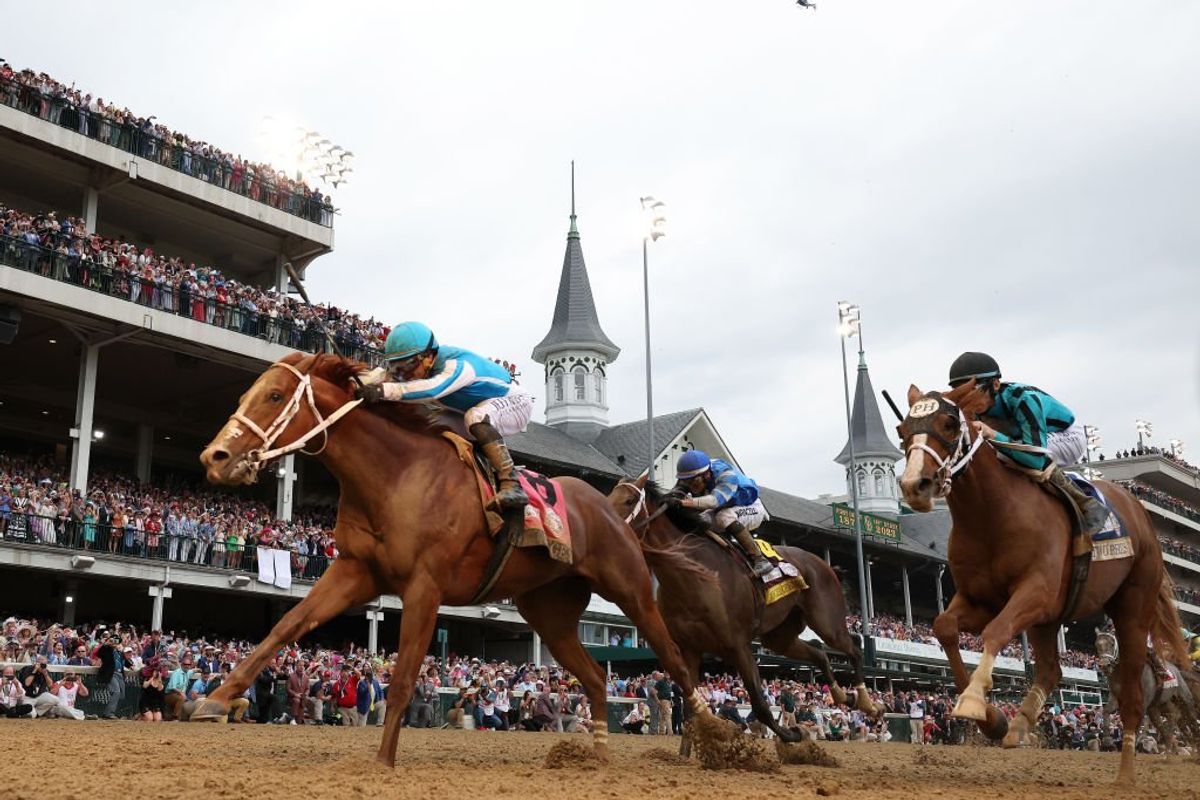
 At Churchill Downs, the horses are merely the backdrop of this American cultural touchstone event.
 www.theblaze.com
 thefederalist.com
 www.theblaze.com
 www.theblaze.com
 thefederalist.com