The cost of living is coming for Congress


I have spent more than two decades working in politics and have been involved in roughly 50 campaigns, from local races to presidential contests. If there is one lesson I have learned, it is this: Never tell voters that what they are experiencing isn’t real.

With the midterm elections eight weeks away, too many campaigns risk making that mistake. Washington wants to talk about foreign policy, economic indicators, and political strategy. Voters are looking at receipts, and those receipts tell a different story.

Voters can forgive difficult circumstances. What they will not forgive is being told those circumstances don’t exist.

In the week ending September 7, the national average for diesel reached a record $5.97 a gallon. That matters far beyond truck stops. Farmers, contractors, freight carriers, and delivery networks all depend on diesel.

When those costs rise, they move through the supply chain. Fuel becomes part of the grocery bill, the restaurant bill, the cost of construction, shipping, and nearly everything else Americans buy. The consumer ultimately pays.

The line between foreign policy and affordability is not always clean. Wars, sanctions, and instability abroad can raise oil prices and transportation costs at home. But voters experience those events through household economics: the price on the pump, the supermarket receipt, and the balance in the checking account.

Politicians love macroeconomics. Voters live in microeconomics.

A candidate can talk about GDP, job creation, or the stock market, but those figures do not erase what a family pays for groceries, housing, insurance, and energy. The voter's checking account gets the final vote.

As much as it pains me to admit it, Democrat strategist James Carville got at least one thing right. During Bill Clinton’s 1992 presidential campaign, Carville drove home a simple message: “It’s the economy, stupid.” More than three decades later, Republicans would be wise to remember the lesson.

I have seen campaigns become consumed with the issue they want voters to care about rather than the issue voters actually care about. Those are not always the same thing.

The evidence this year is hard to miss. A July Pew Research Center survey found that voters most wanted congressional candidates to discuss economic issues, especially prices and affordability. In a companion survey, 66% said they were very concerned about food and consumer-goods prices, 64% about housing costs, and 56% about gasoline prices.

RELATED: Can a $1.2 trillion giveaway become a fiscal bargain?
Kevin Dietsch/Getty Images

Foreign policy and national security still matter. China, Russia, Iran, and America’s place in the world cannot be dismissed. No single issue will decide every race. But elections are personal, and voters usually encounter national policy through its effect on daily life.

A parent in a supermarket aisle is not conducting a geopolitical analysis while comparing grocery prices. A driver filling the family SUV is watching the numbers on the pump. Both are asking the same question: How much is this going to cost me?

They are thinking about the mortgage, electric bill, car payment, insurance, groceries, gas, child care, and credit cards. They are wondering why an income that once felt comfortable now seems barely sufficient. That is affordability, and it will decide November.

Economic frustration helped return Donald Trump to the White House. Republicans cannot assume that the issue automatically works in their favor now. They cannot tell families struggling with grocery and fuel bills that everything is fine or insist that distant events matter more than household finances.

That does not require Republicans to abandon foreign policy or the administration’s agenda. It requires candidates to acknowledge what voters are experiencing and explain what they intend to do about it. There is an enormous political difference between saying, “The economy is great,” and saying, “We’ve made progress, but prices are still too high, and here is what we’re doing next.”

RELATED: Free money wins elections — and that’s why America’s debt will keep growing
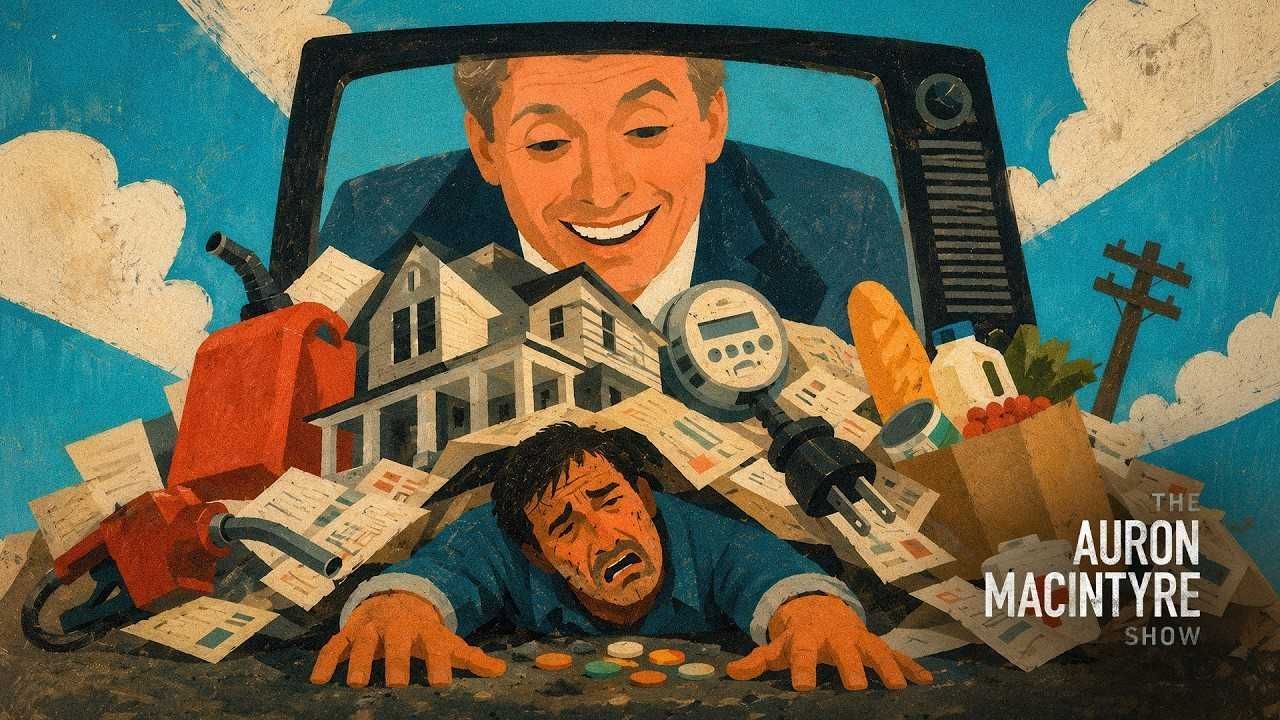
Blaze Media Illustration

Democrats should not celebrate, either. Economic frustration does not automatically translate into support for Democratic policies. Voters will judge which candidates understand their financial situation and offer credible solutions. That gives both parties an opportunity, but neither a guaranteed victory.

Campaigns succeed when candidates understand what voters are feeling. They fail when consultants persuade candidates that voters should care about something else. After roughly 50 campaigns, I have found that voters can forgive difficult circumstances. What they will not forgive is being told those circumstances don’t exist.

The question in November will not be whether Washington can produce statistics showing that parts of the economy are strong. It will be whether Americans believe they can afford their lives.

When they enter the voting booth, they will not be carrying economic charts. They will be carrying their grocery receipts.

Free money wins elections — and that’s why America’s debt will keep growing


As Republicans head toward what looks like a perilous midterm election, affordability is on everyone’s lips. The Biden administration never convinced voters that it had brought food and housing costs under control. Some Republicans have tried to pretend the problem does not exist; others have acknowledged it without making meaningful progress.

Both Joe Biden and Donald Trump made choices that worsened the pressure, from expanding federal spending to deepening costly foreign commitments. Neither party has a durable solution. The Congressional Budget Office projects a $1.9 trillion deficit for fiscal year 2026, and debt held by the public now tops 101% of GDP. Spending and inflation are not accidents at the edge of mass democracy. They follow from its incentives, and nothing will change until the incentives do.

In a democracy, giving voters something is the winning strategy, and Trump likes winning.

The affordability crisis has several causes, but much of the immediate pain comes from the cumulative rise in prices. Wages may rise and bank balances may grow, yet each dollar buys less. Inflation is a pernicious tax precisely because it is hidden. Normal taxes must be enacted and collected openly. No one votes directly for inflation, which instead erodes the value of money people have already earned and saved. It punishes careful savers while rewarding borrowers and speculators.

Deficit spending can fuel inflation when government expands demand faster than the economy can supply goods and services. Creating money makes it easier to distribute benefits today, but it can reduce the currency’s purchasing power tomorrow. Inflation also lightens the real burden of government debt by reducing the value of what was borrowed. The average person, however, rarely has early access to new money or the sophisticated financial instruments wealthy investors use to hedge against rising prices. He feels the loss at the grocery store.

The oldest move in politics is to offer people a material reward for their support. Every system does it, but democracy makes the exchange especially powerful because elections confer legitimacy. A politician rarely calls the arrangement a “bribe.” He routes the benefit through a program aimed at groups likely to reward him at the polls. The legal form gives the transaction respectability, but voters still understand the bargain.

Donald Trump recently dispensed with even that pretense. At the Republican midterm convention last week, he promised $5,000 to every adult citizen if Republicans retain the House and Senate. An independent estimate put the cost at more than $1.2 trillion, and Congress would have to approve it. Whether the payments ever materialize is not the point. The offer mocks the fiscal restraint conservatives claim to espouse. Conservative commentators objected, but Trump brushed them aside. He understands the incentives. He promised not to cut Social Security and Medicare because benefits win votes. In a democracy, giving voters something is the winning strategy, and Trump likes winning.

RELATED:The GOP still has a loser mentality

Blaze Media Illustration

Warnings about democracy long predate modern America. Plato and Aristotle distrusted rule by the demos, and the American founders built a constitutional republic with layers of insulation against popular majorities. Their fear was simple: Once voters discover they can use the state to transfer other people’s money to themselves, restraint collapses. A republic may survive only if institutions impose limits that elections alone will not.

Is the $5,000 check good fiscal policy? Of course not. It’s a disaster. A transfer approaching $1.2 trillion would widen the deficit and almost certainly worsen inflation, especially in an economy already near capacity. Pandemic-era fiscal stimulus did not single-handedly cause the 2021-2022 inflation surge; supply shocks and monetary policy mattered too. But New York Federal Reserve research found that fiscal support contributed materially.

Is the check good politics? Yes. In a democracy, vote-buying is an optimal strategy, and anyone who refuses it risks losing to someone who will. Democrats have principles that let them hand out money and receive praise — and votes. Republicans profess principles that should forbid it. Sound economics grants no electoral advantage.

Reckless spending is terrible policy, but it can win elections. Conservatives may campaign on austerity, but austerity rarely inspires voters. If progressives alone use the winning strategy, conservative fiscal theory becomes irrelevant. Losers do not write budgets or exercise executive power. Both parties therefore spend when they hold office, though they direct the money toward different constituencies. The democratic incentive is to distribute everything you can while you can, because the other side may take power tomorrow and spend it instead.

RELATED: We need lawfare for white men

Blaze Media Illustration

The philosopher Nick Land captured the logic in “The Dark Enlightenment”:

As the democratic virus burns through society, painstakingly accumulated habits and attitudes of forward-thinking, prudential, human and industrial investment are replaced by a sterile, orgiastic consumerism, financial incontinence, and a “reality television” political circus. Tomorrow might belong to the other team, so it’s best to eat it all now.

None of this is hopeful. Conservatives have made preserving mass democracy a principle even as the system rewards policies they oppose. A constitutional republic needs constraints on majoritarian appetite, but there is little political will even for modest spending cuts, much less fundamental limits on the franchise. The brutal truth is that both parties will keep spending recklessly while blaming each other for rising debt and prices.

As long as mass democracy reigns, buying votes with public money will remain one of the surest ways to gain and hold power. Every politician wants power.

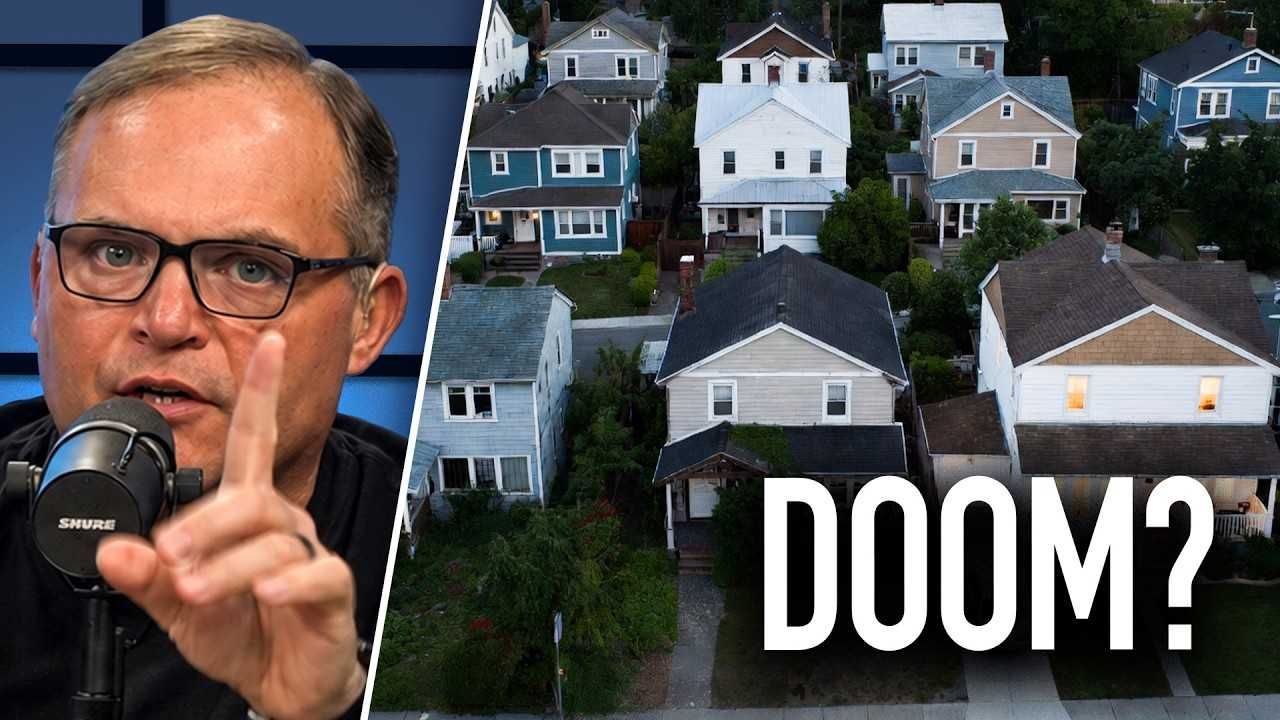
Auron MacIntyre warns: Conservatives are making the same economic mistake that doomed Democrats in 2024


When Biden’s White House press secretary Karine Jean-Pierre repeatedly downplayed Americans’ frustrations over high milk and egg prices, she helped solidify the voter anger over affordability that directly contributed to the Democratic Party’s electoral damage in 2024.

BlazeTV host Auron MacIntyre is concerned the conservatives are now making the same mistake.

“Conservative pundits and influencers are repeating the exact same mistake, telling consumers that everything's fine and only economic illiterates would think grocery, gas, and housing costs are too much,” says MacIntyre.

But this is disastrous messaging, he warns — especially heading into midterm elections.

“Elections aren't won by lecturing voters that their problems are imaginary. This is politics 101,” MacIntyre says. “Professional political actors adopting this strategy months before midterms is both bizarre and dangerous.”

The reality is, most Americans are still struggling in the current economic climate.

“Conservative pundits may produce charts, cite aggregate statistics, and explain that certain indicators look healthy, but none of that will save the GOP any more than it saved the Democrats who insisted that Bidenomics was working,” says MacIntyre.

Right now, he explains, “food, health care, child care, education, insurance, housing, electricity, and gasoline remain punishingly expensive.”

While MacIntyre understands that honesty with voters about the current economic situation is a death sentence for politicians, downplaying the predicament isn’t helping either.

“There's only so much Trump can do about the structural inflation and accumulating debt. He can, however, avoid taking actions that make the problem worse,” he says, pinpointing the ongoing conflict in Iran as a major contributor to America’s economic strife.

But when Americans complain that the war is driving up gas prices and forcing the U.S. to borrow or print tens of billions of dollars to pay for it, they’re called “stupid or selfish” by “the very same pundits” who support the war, he explains.

MacIntyre speculates that these politicians will “blame any disastrous midterm results on the people who oppose the conflict, but the political reality is obvious.”

“The central issue is not that voters have developed a sophisticated position on Iran. Many of them probably care very little about the strategic details. What they do care about is that everything costs more. Telling them that they lack economic literacy has roughly the same electoral appeal as shooting a puppy on live television,” he says.

To hear more, watch the video above.

Want more from Auron MacIntyre?

To enjoy more of this YouTuber and recovering journalist's commentary on culture and politics, subscribe to BlazeTV — the largest multi-platform network of voices who love America, defend the Constitution, and live the American dream.

Steve Deace unveils the ONE statistic that proves we’ve lost our culture


Americans are increasingly worried about skyrocketing housing costs, declining birth rates, and a generation of young adults struggling to reach traditional milestones. But according to BlazeTV host Steve Deace, those problems are merely symptoms of something much bigger.

“There’s a lot of things that we are pointing to in our culture right now as symptoms, and we’re at many times trying to do symptom masking,” Deace says on the “Steve Deace Show.”

While the reaction to a symptom is often just to treat it and “provide a patient or in this case a culture immediate relief,” the issue is that the underlying disease is not actually being treated.

One symptom America is facing is that the percentage of men and women getting married and owning a home by the age of 30 has declined from more than half the country in the 1960s to just 12% today.


“In 1950, that was half of the country. In 1962, the number actually went up to more than half. That was 52%. 1970, relatively stable, 48%. 1980, we start to see a little bit of slippage now, 45%. But the 80s held things still,” Deace explains. “The ’80s did a great job of treating symptoms.”

While Deace notes that he loves Ronald Reagan, “the ’80s gave us amnesty.”

“And the immigration policy that is threatening to wreck America today ... its origin, its genesis, is the Reagan amnesty of ’86,” he says, explaining that Reagan also signed the 1986 vaccine indemnity act.

“That put us on the very path we’ve been on with Big Pharma ever since,” he says.

And now, only 12% of Americans are getting married and buying homes by the age of 30.

“You could get a $500,000 mortgage, 30-year fixed rate, for $2,100 bucks a month in America in 2021. Today that amount is $3,200 a month on average,” he says.

But it's not just housing costs and immigration.

“It’s more likely that a woman in her 40s will be married and pregnant than a woman who is 19 for the first time in American history,” Deace says, explaining that this “sadly fits into the overall trend line.”

“Fifty years ago in this country, it was way more likely a 19-year-old woman was going to be married with a kid than a 42-year-old woman was going to be having a kid. Way more likely. And when you throw in these other cultural trends now, it is more likely a 30-year-old man will still be living at home with a parent than living in a home with a wife and a kid,” he says.

“This is death-of-a-culture stuff,” he continues, adding that this is the “disease.”

Want more from Steve Deace?

To enjoy more of Steve's take on national politics, Christian worldview, and principled conservatism with a snarky twist, subscribe to BlazeTV — the largest multi-platform network of voices who love America, defend the Constitution, and live the American dream.

Fed Study: Illegal Immigration Caused 30% Of Home Price Spikes While Deflating American Wages

The Fed Reserve paper found illegal immigration drove up housing costs without increasing available housing and decreased wages.
Elizabeth Warren’s housing fix could make home buying even tougher


As part of his affordability agenda, President Trump has been looking for ways to bring down housing costs.

He’s had some success. Mortgage rates are lower than at any point since his first term. The National Association of Realtors’ Housing Affordability Index has started ticking up again. And as Trump noted during his State of the Union address, the cost of buying a house has dropped about $5,000 since he took office.

Affordability is the target. A serious policy needs to increase the number of homes Americans can actually buy, not just score points against investors.

More work remains. Trump brought a guest to the State of the Union to make the point. Rachel Wiggins, a Houston mom of two, told a story many families recognize: She bid on 20 homes and “lost all of those bids to gigantic investment firms that bypassed inspection, paid all cash, and turned all those houses into rentals, stealing her American dream,” Trump said.

That experience explains the executive order Trump signed to curb large institutional investors from dominating the single-family market — driving up prices for buyers and renters alike while shrinking supply for both.

Trump’s order sets a clear policy: Large institutional investors should not buy single-family homes that families could otherwise purchase. It does that by restricting federal approval, insurance, guarantees, securitization, and other forms of facilitation for institutional purchases of single-family homes that could go to owner-occupants. It also limits the disposal of federal assets in ways that transfer single-family homes to large institutional investors.

The order goes farther. It directs the administration to promote sales to individual owner-occupants — people who actually live in the homes and care for the neighborhoods — through first-look policies, disclosure requirements, and anti-circumvention provisions. It also directs the legislative affairs office to produce legislation to codify the order.

The order includes narrow exceptions for build-to-rent projects planned, permitted, financed, and constructed as rental communities, as well as other tailored cases. It also directs the Treasury Department to tighten rules affecting housing acquisition and instructs the attorney general and the Federal Trade Commission chairman to review major acquisitions, especially serial purchases, and to prioritize antitrust enforcement as warranted.

Trump also directed Housing and Urban Development Secretary Scott Turner to require owners and managing agents of single-family rentals participating in federal housing assistance programs to disclose indirect owners, managers, and affiliates and to report changes in ownership.

In other words, Trump offered a concrete proposal: prioritize owner-occupants, expand supply, and curb the worst market distortions without choking off lawful investment that supports construction and growth.

RELATED: What ‘democratic socialism’ really means to young voters

Photo by Jeremy Weine/Getty Images

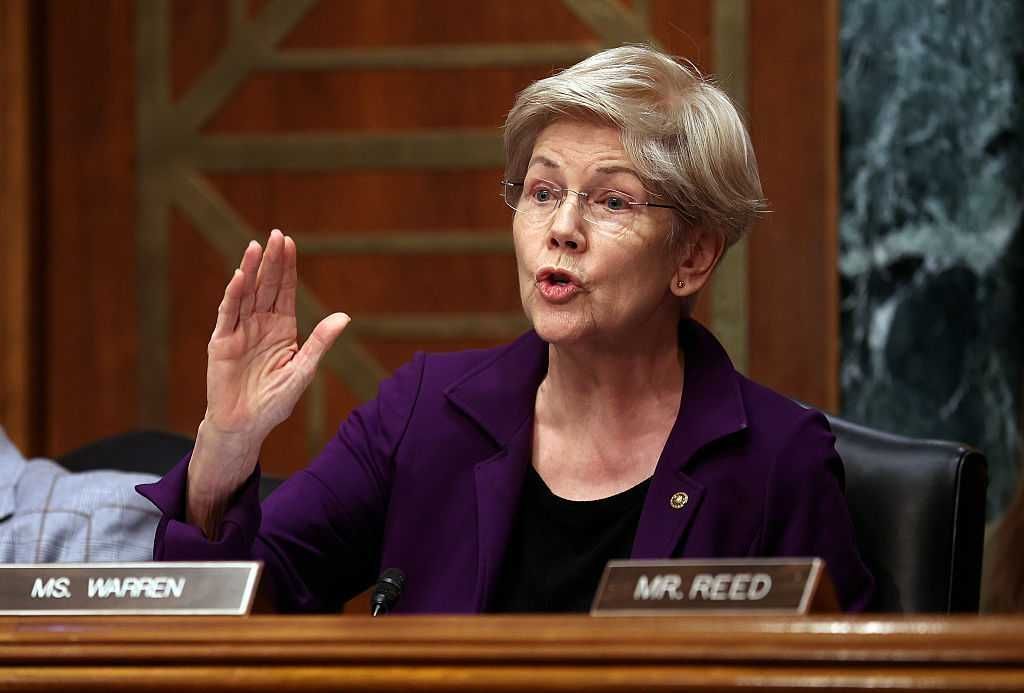
Sen. Elizabeth Warren (D-Mass.) offered something else.

Warren unveiled legislation last week before the Senate Banking Committee, where she serves as ranking member. Her approach targets the tax incentives that support housing investment. It would impose higher taxes on any person or entity that owns more than 50 single-family homes. It would also bar access to Fannie Mae and Freddie Mac-backed mortgages and restrict purchases of foreclosed homes.

That is less a housing plan than a punishment plan. It aims to drive investors out, even though big investors have never owned more than about 4% of U.S. housing stock. The core problem is supply: The country does not have enough homes for a growing population. The answer is not to chase away capital that can help build housing. The answer is to align incentives so that families — owner-occupants — get first priority.

Sen. Jeff Merkley (D-Ore.), Warren’s co-sponsor, said he’s willing to work with anyone trying to bring down home prices. Trump should take him up on that offer and make the point directly: The goal is not to punish firms that operated lawfully. The goal is to create rules that prioritize families, encourage construction, and expand affordable supply.

Affordability is the target. A serious policy needs to increase the number of homes Americans can actually buy, not just score points against investors.

The right needs bigger ideas than tax cuts


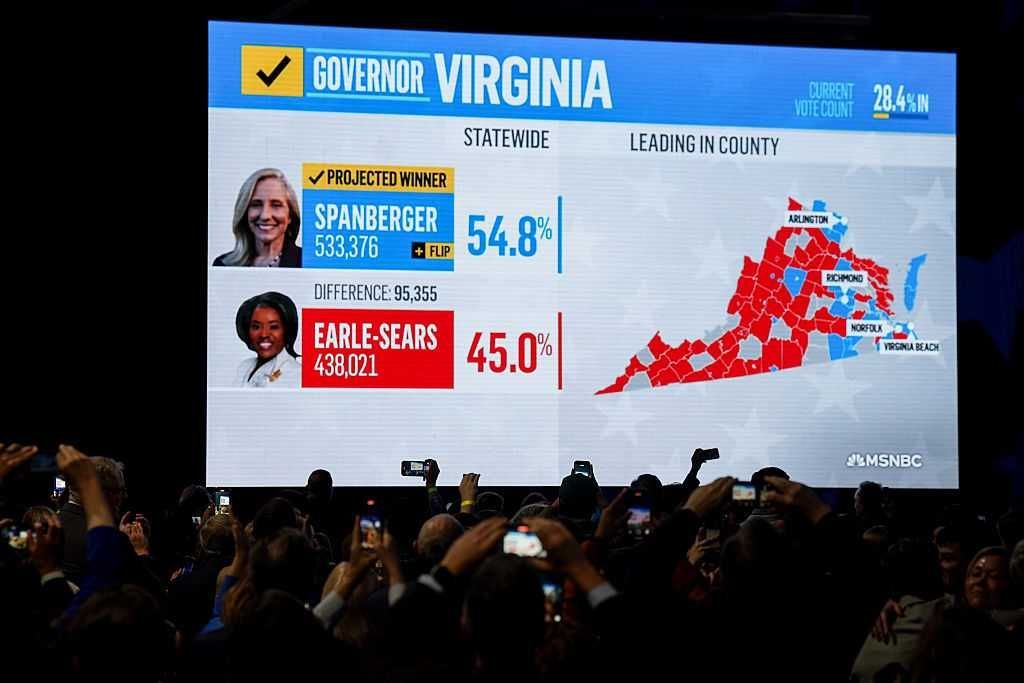
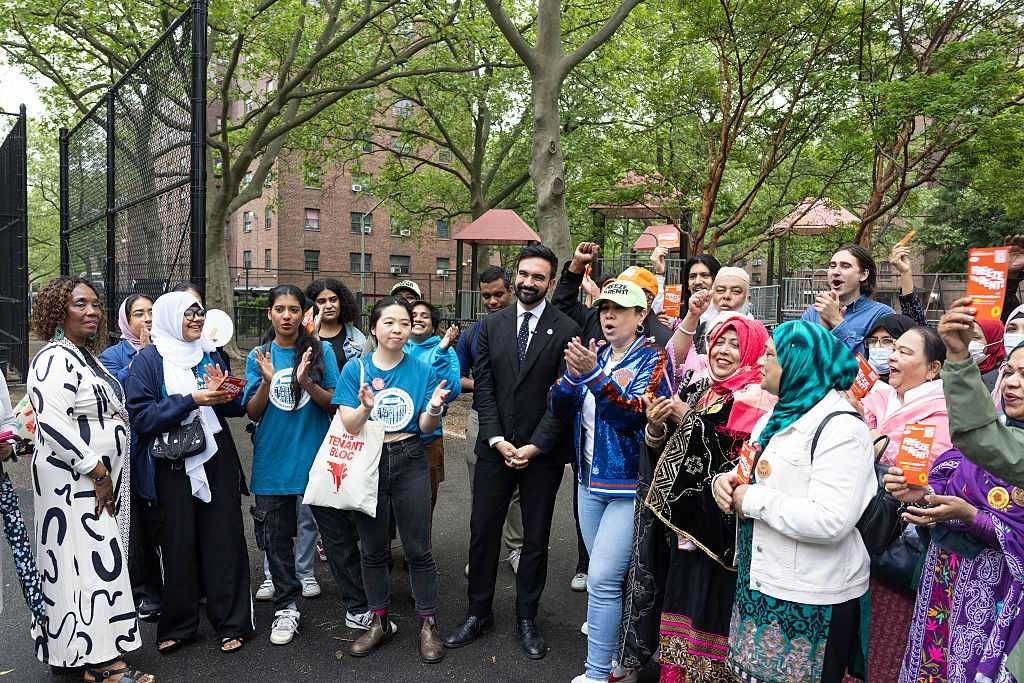
New York City voters last week elected socialist Zohran Mamdani as their next mayor. It wasn’t an isolated win. Across the country, progressives dominated key races, including the gubernatorial contests in New Jersey and Virginia.

In race after race, conservative, moderate, and establishment Democrats were swept aside by aggressive, hard-left challengers. The message could not be clearer: Conservative messaging — and in some cases, conservative policy — is failing to connect with ordinary voters.

Socialists like Mamdani promise utopia through government control. Conservatives cannot counter that with spreadsheets and slogans.

Mamdani and his progressive allies succeeded because they campaigned on issues that hit home for millions of Americans: the cost of housing, food, personal debt, and the lack of good jobs.

Ironically, those were the very same issues that powered Donald Trump’s 2024 victory and brought working-class voters back to the Republican fold. Now those same voters are drifting back toward socialism, and the reason is painfully simple: It’s still the economy, stupid.

Economic pain drives voters left

Conservatives have not convinced enough Americans — especially voters under 40 — that their policies will improve daily life. Consumer prices remain high, grocery bills keep climbing, and inflation continues to outpace wage growth.

Housing costs are near record levels. The average home now costs seven times the median income, compared to roughly 5.5 times during Trump’s first term. Total household debt has topped $18 trillion for three consecutive quarters — another all-time high.

Millions of Americans feel trapped. And when voters are desperate, they make disastrous choices — like putting a socialist in charge of the nation’s largest city.

What Trump got right

The Trump administration has taken important steps to fight rising costs. Promoting affordable, domestic energy — especially natural gas — has reduced reliance on foreign suppliers. Cutting regulations has also delivered real savings.

In January, Trump ordered federal agencies to repeal 10 rules for every new one adopted. The White House estimates that his deregulation push avoided more than $180 billion in costs in 2025 alone.

He has also pledged to ease housing regulations to increase the supply of affordable homes, while Republicans in Congress have fought to preserve the 2017 tax cuts — a major victory for middle-class taxpayers.

These are important wins. But they lack the sweeping vision that socialists like Mamdani are offering to voters who want transformation, not tinkering.

Socialism’s empty promises

Mamdani’s platform reads like a socialist wish list: 200,000 city-built apartments, a citywide rent freeze, universal childcare, and even government-run grocery stores. It’s a fantasy financed by taxpayers and destined to collapse under its own weight — but it sounds big. It sounds bold.

Conservatives, by comparison, often sound procedural. Deregulation is important but abstract. Tax cuts matter but feel distant. To compete, conservatives must present a clear, moral vision — one that shows how free markets can improve life for working families faster and more permanently than socialism ever could.

So what can conservatives do to counter socialism’s siren song? Here’s a start.

1) Make housing affordable again
Congress should require states and cities to open up millions of lots for homebuilding as a condition of receiving federal funds. Vast stretches of usable land sit idle while housing prices explode. Opening that land to development would lower prices without touching national parks or sensitive ecosystems.

2) Reinvent higher education
The cost of college has soared because of government-backed student loans that inflate tuition and trap young people in debt. Washington should phase out federal lending and restore market discipline to higher education.

In the meantime, Congress can lower loan caps, expand skilled-trade training in high schools, and require public universities that receive federal loan funds to offer extremely low-cost online degrees. That would give students a path to higher education without lifelong debt.

3. Cut taxes — and waste
Lowering sales, gas, and business taxes would immediately ease the cost of living. But real fiscal discipline requires cutting government waste, not inflating the money supply.

The Biden administration admits the federal government has lost $2.4 trillion over the past two decades through payment errors alone. That’s not “spending” — it’s hemorrhaging. Conservatives should treat it as proof that vast savings can be achieved without touching vital programs.

RELATED: Explaining Mamdani’s appeal to the young, with polling

Photo by Andrew Lichtenstein/Corbis via Getty Images


Competing with the socialist vision

Socialists like Mamdani promise utopia through government control. Conservatives cannot counter that with spreadsheets and slogans. They must meet grand promises with grander purpose — rooted in freedom, self-reliance, and opportunity.

America needs a new conservative economic agenda that speaks to the anxieties of working families, not just to Wall Street or Washington. Deregulation and tax reform are essential, but they must serve a larger story: rebuilding an economy that rewards work, expands ownership, and restores faith in the American dream.

Until conservatives reclaim that moral high ground, voters will keep turning to the false hope of socialism.

Cities can turn blue; homesteads will keep America red


Americans are now familiar with the iconic red-blue political map. In the 2024 election results, a bird’s-eye view shows much of the country’s landmass as blood red, while blue dominates the large urban centers. This city vs. country divide remains the most significant factor in America’s political polarization. Every policy we pursue should encourage rural growth, not urban expansion. Donald Trump’s supporters should be cautious about the direction some are taking his “freedom cities” idea.

The right broadly agrees that the federal government owns too much land in the West and should sell it to states or individuals. However, the goal should be to strengthen rural life in Western states, not urbanize the land with “15-minute city” concepts. These constructs would likely attract liberal voters who support that mindset, undermining the goal of fostering rural empowerment.

The issue isn’t a lack of new construction. It’s the soaring cost of building, driven by general, debt-fueled inflation.

Trump announced his plan in March as part of “Agenda 47” to build 10 “freedom cities” on 3.2 million acres of federal land. The cities would be selected through a contest, with the best development proposals winning. Trump has suggested that the housing crisis stems from a lack of supply rather than inflation or monetary policy and that building cities in rural, red America could help solve it.

However, with urbanist Doug Burgum likely leading this project and “tech bro” billionaires influencing its direction, the plan risks backfiring. It could introduce venture socialist ideas that act like a “nuclear bomb” on red America, turning red states into blue ones. Instead of fostering rural growth, it could advance the World Economic Forum’s dream of “15-minute cities” — but with a MAGA stamp of approval.

Bringing tech bro liberalism to red America

Wealthy tech entrepreneurs played a key role in funding Trump’s election victory, driven by their disenchantment with the radical direction of the Democratic Party. However, they are not full allies of the movement. Many remain socially liberal, support increased legal immigration, and prioritize high-tech public-private partnerships over cultural and political concerns.

“When new cities are built in the U.S., new industries can form, and a new middle class can emerge,” said Nick Allen, a tech entrepreneur close to Trump, in an interview with the Epoch Times. Allen, a member of the Frontier Foundation, a group pushing for these cities, added, “The outsized role that the tech community is probably going to play in this administration has generally made me more optimistic about the potential for doing some version of Freedom Cities.”

Well, that is exactly why I’m not optimistic. Incoming Interior Secretary Doug Burgum would likely oversee this plan. Burgum, a known urbanist and supporter of the “carbon neutral” agenda, has criticized America for being “built for automobiles and not designed for people.” He has lamented the lack of “investment into building the infrastructure for multimodal transportation” and blamed cars for rising housing prices.

As governor of North Dakota, Burgum established the North Dakota Housing Initiative Advisory Committee to focus on “improving housing availability, affordability, and stability” — phrases often used by planners pushing for 15-minute cities and car-free urban bubbles. Burgum also founded the Kilbourne Group, an organization dedicated to creating vibrant urban centers and revitalizing downtowns.

Do we really want this “yuppie” mindset shaping the development of states like Wyoming, Montana, Utah, and Idaho?

Economically, this plan echoes China’s “ghost cities” and could worsen the very factors driving housing scarcity and high prices. Pumping borrowed and printed cash into these projects would inflate the money supply, funneling loan guarantees and crony contracts to tech developers. The result? Attracting liberal yuppies to red states while enriching venture socialists.

Defenders of this idea argue they want to create autonomous, low-regulation economic opportunity zones. However, if these cities are not structured like rural homesteads, they will attract liberal voters who could eventually flip these red areas blue. Under their quasi-autonomous proposal, these cities would also remain somewhat immune to directives from Republican-controlled legislatures.

The truth about the housing crisis

The rush for new housing construction rests on a false premise. Supporters claim there is a massive housing shortage, while others argue that zoning laws are stifling the housing market.

In reality, even with the freest zoning laws imaginable, homes would remain unaffordable. General inflation and Federal Reserve interest rate policies have created a generational gap in mortgage rates, locking up the resale market and driving housing prices higher.

Housing construction remains strong, according to the National Association of Home Builders. Over the past 10 months, builders issued 846,446 single-family home permits nationwide — a 9.4% increase from 2023. The number of homes under construction or already completed has reached its highest level since the 2007 housing bubble. Overall, the supply of new homes has risen by 70% over the past three years.

The issue isn’t a lack of new construction. It’s the soaring cost of building, driven by general, debt-fueled inflation. The housing market also suffers from the Federal Reserve’s policies, which created an asset bubble by purchasing $2.5 trillion in mortgage-backed securities. By keeping interest rates artificially low for a generation, the Fed incentivized cheap borrowing.

When inflation spiked, the Fed rapidly raised rates, triggering a “death trap” for homeowners who now refuse to sell and face significantly higher mortgage payments.

Today, deficits and inflation remain so high that even recent Fed rate cuts have failed to lower mortgage rates. The yield on the 10-year Treasury note — which heavily influences mortgage rates — has climbed 85 basis points since the Fed cut rates by 50 basis points on September 19.

Simply put, the housing crisis stems from debt-driven inflation, not a lack of supply.

The cost of new homes is now nearly the same as existing homes for the first time in modern history. This isn’t a supply issue; it’s an unnatural housing bubble and an interest rate cliff that has frozen the existing inventory market. While other minor factors contribute, this remains the clear culprit.

Spending massive amounts to create red-state cities would ironically worsen inflation — the very factor driving the housing crisis. The solution isn’t building more homes. We need to tackle inflation. If federal land must be repurposed, it should prioritize quality of living over quantity. A better alternative to “freedom cities” is “freedom homesteads.”

A new Homestead Act

Rather than urbanizing red-state America, a better plan would encourage conservatives nationwide to move to red states organically by re-ruralizing the country. The federal government should sell parcels of land — between 10 and 50 acres — to individuals, allowing them to live and farm as they see fit. This would create the ultimate version of freedom: a rural-based economic freedom zone.

Promoting rural land use would counteract the harmful effects of farm bills, which distort markets in favor of specific crops. This approach would attract people aligned with rugged individualism, not urbanization, making red states even redder.

By incentivizing privacy and self-reliance, we would avoid high-tech surveillance schemes that threaten to transform America into a version of China. True freedom lies in wide-open spaces, not congested cities.

Homesteading ended in 1979 with the Federal Land Policy and Management Act, which created the Bureau of Land Management. The Bureau of Land Management leviathan has since restricted the rights of farmers and ranchers, including the Bundy family, by closing access to private lands or historically public-use lands.

Today, much of America’s land is being bought up by foreign actors, converted for green energy projects, or used for subsidized government crops. In some cases, landowners are paid not to farm, artificially supporting agricultural prices for Big Agriculture.

If Trump wants to usher in a new era of American prosperity, he should look to the past for inspiration — not into the technocratic abyss.

Congress’s Adoption Tax Credit Legislation Is Pro-Life And Pro-Family

The Adoption Tax Credit Refundability Act will help ensure families have the opportunity to experience the joy that adoption brings.