I saw the sky light up over Dubai. The real shock came next.
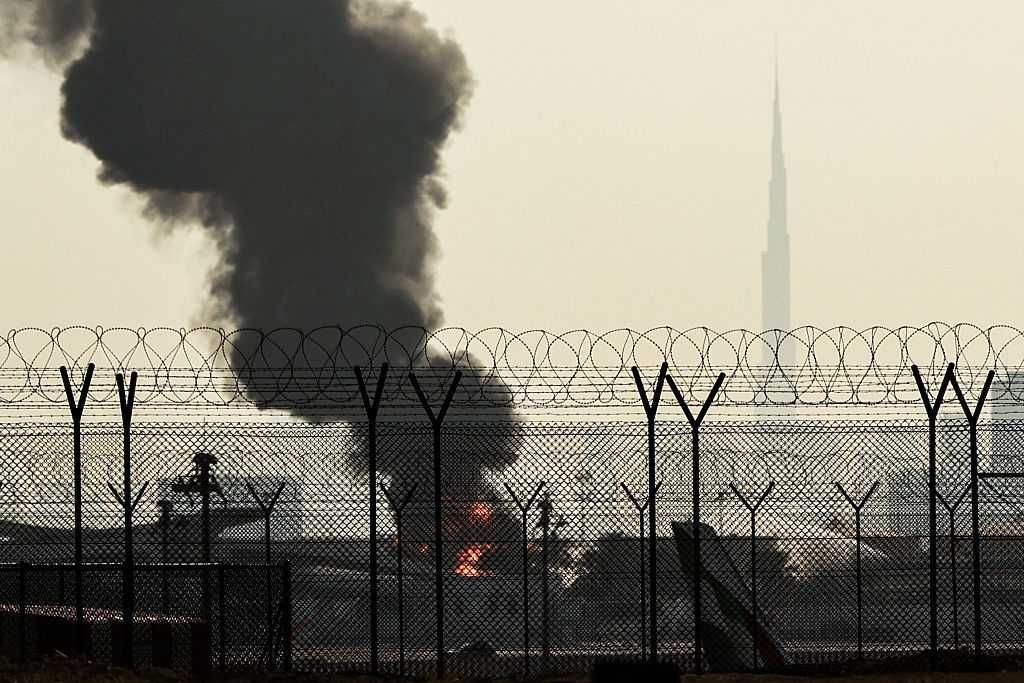


Two weeks ago, I was caught in Dubai for a layover when the war suddenly became very real. While driving back from a pleasant sunset walk along Dubai Creek, my Uber driver suddenly yelled, “Brother, look at the sky!” Peering through the windshield, we watched as the UAE air defense system lit up the sky orange as it intercepted multiple drones, one of which we would later learn struck near the U.S. consulate in Dubai, causing a fire; fortunately, it was quickly extinguished, and there were no fatalities.

To say that war in the Middle East has become a state of normality would be a profound and unfortunate understatement. As drones and missiles fly overhead, the majority of which are intercepted, people go about their day as if nothing has changed. In Dubai, I had the privilege of witnessing an exceptional demonstration of resilience, an unwillingness to give in to fear as the very clear and present danger grows with each passing day.

The resilience I saw in Dubai, where life continued amid ongoing attacks, now faces an even greater test as the global energy supply chain is under strain.

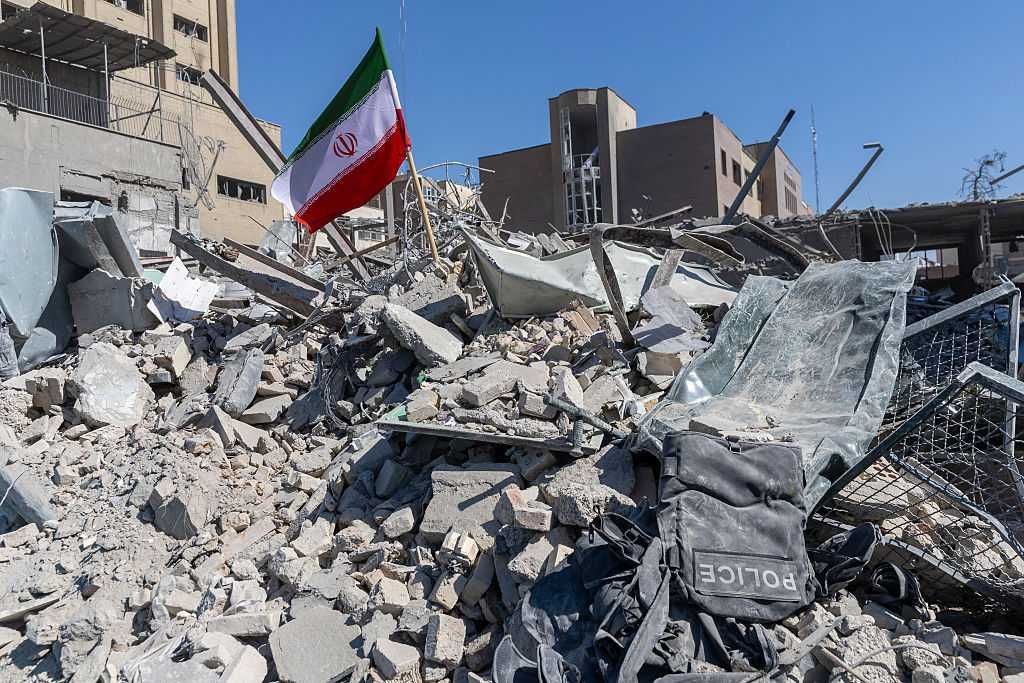
Operation Epic Fury is ongoing and will have long-lasting impacts that will reverberate not only across the region but also worldwide. Iran is one of the world's largest producers of crude oil and has some of the largest known reserves. Decades of sanctions have left the country with a very limited customer base for its oil, with the majority of it going to China at heavily discounted prices.

For this reason, with the possibility of regime change in Iran, China stands to lose a significant portion of its discounted oil supply, especially when combined with the shift in political direction in Venezuela, another vital source of heavily discounted seaborne imports for the Chinese Communist Party.

Additionally, as the Strait of Hormuz is not effectively closed, a halt of up to a fifth of the global oil and liquified natural gas supply, which comes from the other major regional suppliers like Saudi Arabia, Qatar, and Kuwait, is now beginning to take its toll on energy prices across the world.

Dire Strait

Serving as the bridge between the Arabian Gulf and the Gulf of Oman, the Strait of Hormuz is one of the most important strategic chokepoints in the world. With an astounding 20% of global petroleum liquid products flowing through the Strait, it plays a vital role in both the global economy and the economies of the Gulf states.

For example, of the total oil that moves through the Strait, 38% is sourced from Saudi Arabia, a nation where 53.4% of the government’s revenue came from oil in 2025. Furthermore Qatar exports all of its 9.3 billion cubic feet per day of liquid natural gas through the Strait, accounting for most of the LNG transiting through it.

These nations are heavily dependent on revenues earned from oil and gas exports, which is why Iran is targeting both the Strait and the Gulf nations’ energy supply chains. Unable to strike the U.S. mainland, Iran is attacking the Gulf states that support the ongoing U.S. military presence in the region.

The impact from closing the Strait will not be limited to the region. With a substantial amount of exports destined for Asia, upwards of 83% in 2024, including China, South Korea, Japan, India, and Taiwan, the cost of energy in these countries is at risk of rising, which, given the sizable amount of manufacturing that takes place there, could lead to price rises for multiple sectors.

For this reason, China is pressuring Iran to allow for tankers to pass through and to continue shipments, given that China has not yet fully diversified its seaborne oil supply chain away from Iran. Closure of the Strait of Hormuz, even if not by blockade but simply by shippers unwilling to take the risk of asset loss and rising insurance costs, will remain a global market issue rather than a regional challenge.

The lack of transit through the Strait of Hormuz and the possibility that the Houthis in Yemen begin impeding transit through the Bab al-Mandeb Strait in the Red Sea in solidarity with Iran will lead to higher costs for everything shipped from the region and manufactured in East Asia.

Attacking energy infrastructure

Part of Iran’s strategy involves a willingness to openly attack any Gulf state with a connection to the U.S., with new attacks expanding to include Azerbaijan and reaching as far as Cyprus. Iran is doing so with a particular focus on energy infrastructure, recognizing the importance of the energy sector to the regional economy.

Multiple attacks have taken place targeting infrastructure in Qatar — impacting up to 17% of its LNG export capacity, the UAE, whose Shah gas field was struck, Bahrain, and Saudi Arabia — which is putting pressure on a vital part of these countries’ economies.

If Iran is allowed to continue to inflict severe damage on the energy infrastructure of the Gulf states, while depleting their defensive stockpiles with a steady flow of drones and ballistic missile attacks, they will be placed into an even more vulnerable position both economically and militarily.

China’s reliance on Iranian oil

RELATED: The only Iran plan that doesn’t end with a 20-year hangover
Majid Saeedi/Getty Images

China imports almost all of the oil Iran exports, over 80% of it. The strategy is simple: Purchase oil from a heavily sanctioned country with few or no other customers, and enjoy a significant discount. The same strategy was implemented with Venezuela, though not to the same extent as with Iran, in terms of the volume of oil purchased.

The combination of Iranian and Venezuelan seaborne oil imports regularly accounts for 17% of China’s seaborne imports; 13.4% from Iran and 4% to 4.5%. If the war continues to escalate, or perhaps if Kharg Island’s energy infrastructure, which processes 90% of Iran’s oil for export, is attacked or occupied, China could potentially lose close to 20% of its seaborne imports. If the war leads to a regime change in Iran more favorable toward the West, or Iran’s ability to export discounted oil to China is impacted by either military action or the lifting of sanctions, it will be forced to aggressively diversify its seaborne oil imports.

What it means

I am fortunate to be concluding this piece from the comfort of my home in Arizona after an evacuation flight to San Francisco, a commuter flight to Los Angeles, and a final long drive home. Operation Epic Fury has effectively disrupted the Strait of Hormuz, unleashed waves of attacks on Gulf energy infrastructure, and driven sharp increases in worldwide energy prices.

China stands to lose up to 20% of its discounted seaborne oil imports from Iran and Venezuela, while Asian economies face higher manufacturing costs that will be passed on to global consumers. The resilience I saw in Dubai, where life continued amid ongoing attacks, now faces an even greater test as the global energy supply chain is under strain. With escalation showing no signs of abating, volatility in oil, LNG, and gasoline prices has become the new normal, underscoring how deeply interconnected our world’s energy security truly is.

Editor’s note: This article was originally published by RealClearEnergy and made available via RealClearWire.
‘Barbaric Savages in the Iranian Regime’ Will Face US Military’s ‘Most Intense Day of Strikes,’ Hegseth Says

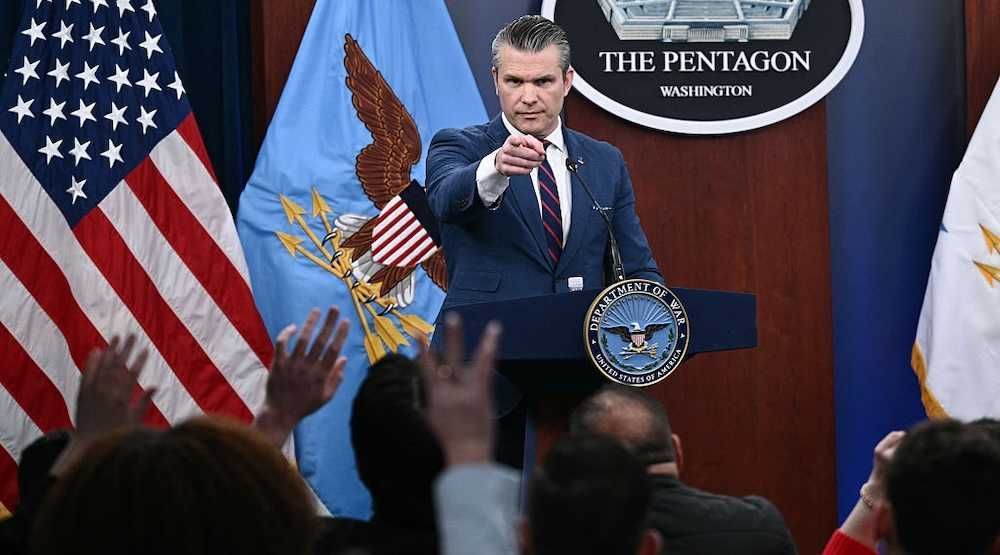
The U.S. military is launching its "most intense day of strikes inside Iran," Secretary of War Pete Hegseth said during a Tuesday morning press briefing. The operations will include "the most fighters, the most bombers, [and] the most strikes" since Operation Epic Fury began 10 days ago, according to Hegseth.

The post ‘Barbaric Savages in the Iranian Regime’ Will Face US Military’s ‘Most Intense Day of Strikes,’ Hegseth Says appeared first on .

Do they hate Trump — or do they just hate America?


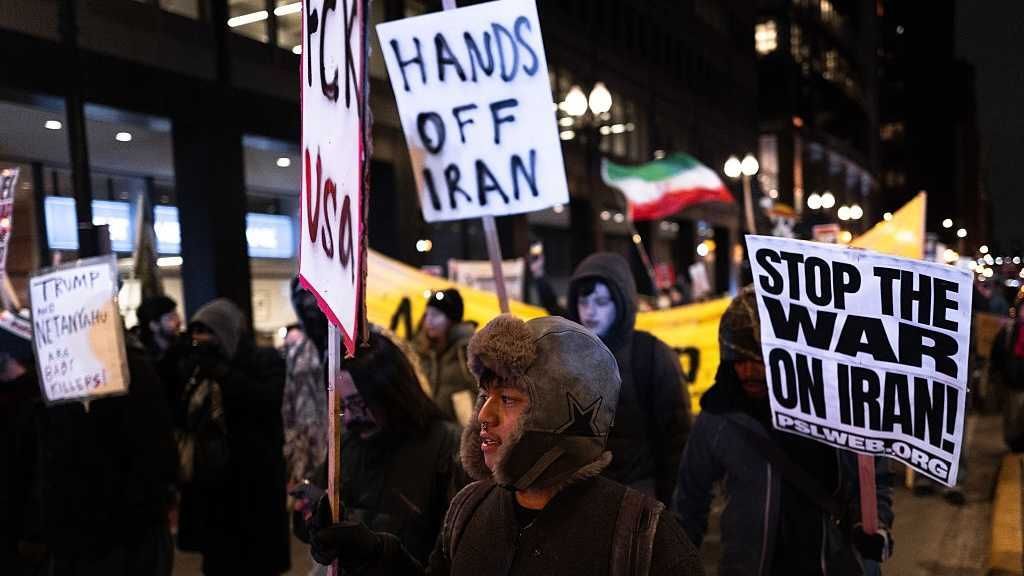
Do the protesters angry about Ayatollah Ali Khamenei’s death hate America — or do they hate the fact that Donald Trump pulled it off?

The question sounds simple. Nobody outside Khamenei’s supporters can mourn his death. The answer becomes more difficult because the protesters in question rarely limit their hatred to one target.

Trump’s return tore off the mask. When America acts like America again, the people who resent America stop hiding behind the language of peace.

Almost 15 years ago, U.S. Navy SEALs killed Osama bin Laden in Pakistan. Bin Laden led Al-Qaeda, which carried out terrorist attacks against the United States and others for years. The worst came on Sept. 11, 2001, when Al-Qaeda terrorists hijacked four American airliners, flew three into the Twin Towers and the Pentagon, and crashed the fourth in Pennsylvania. Nearly 3,000 people died.

When President Obama announced bin Laden’s death, he said: “Bin Laden was not a Muslim leader; he was a mass murderer of Muslims. Indeed, Al-Qaeda has slaughtered scores of Muslims in many countries, including our own. So his demise should be welcomed by all who believe in peace and human dignity.”

Nobody marched in grief for bin Laden — at least not publicly outside Al-Qaeda’s circles, which included Iran.

Khamenei’s record goes further. Under his rule, Iran financed terrorism across the region and around the globe. The U.S. State Department reported in 2020 that Iran “has been the world’s leading state sponsor of terrorism,” and for more than 40 years, its “malign behavior and support for terrorist proxies has spread across the region.”

Iran’s clients form a who’s-who of the heinous: Hamas, Hezbollah, the Houthis, Palestinian Islamic Jihad, Shiite militias in Iraq, and others. For nearly half a century, Iran’s regime threatened Iranians first, then the Middle East, then the United States and Israel.

The beneficiaries of that system were predictable: regime insiders, terrorist networks, and pariah states that profit from chaos — Russia, North Korea, Cuba, Venezuela — along with China, which seeks advantage from the disorder Iran helped sow.

So who, exactly, shows up in America to lament Khamenei’s death and denounce U.S. strikes as illegitimate?

The protests arrived quickly in familiar cities: New York, Minneapolis, Portland.

The left-wing Guardian observed that New York’s rally was sponsored by a host of left-wing groups that included the ANSWER Coalition, National Iranian American Council, 50501, American Muslims for Palestine, the People’s Forum, Palestinian Youth Movement, Code Pink, Black Alliance for Peace, and Democratic Socialists of America. Organizers called Trump’s strikes “unprovoked” and “illegal,” warned of “unthinkable death and destruction,” and promised to take to the streets.

RELATED: Hegseth just delivered a precision strike on the legacy media

Photo by Brendan SMIALOWSKI/AFP via Getty Images

They did not explain how action against a regime that has sponsored terrorism for decades and chants “Death to America” qualifies as “unprovoked.”

New York City Mayor Zohran Mamdani (D) went further, calling the strikes a “catastrophic escalation in an illegal war of aggression,” then added: “Bombing cities. Killing civilians. Opening a new theater of war.”

He ignored the war Iran has waged for years through its proxies. He also ignored the brutality Iran’s regime has inflicted on its own people. Reports from within and outside Iran have described mass crackdowns, large death tolls, and systematic violence against dissent. The precise numbers vary — it could top 30,000 — and the regime itself manipulates information, but nobody disputes the core point: Tehran kills its own citizens to preserve power.

Minneapolis offered the same posture. Minnesota Public Radio quoted Andrew Josefchak of the Minnesota Anti-War Committee saying: “These wars don't benefit ordinary people in the U.S., and they certainly don't benefit ordinary people in countries like Venezuela or Iran.” That claim dodges the obvious. Iranians have risked their lives for decades against this regime. Many celebrated Khamenei’s death because they know what his rule meant.

In Portland, a protest organized by Portland for Palestine featured signs reading “U.S. hands off Iran” and “Stop the war on Iran now.” Hamas, Iran’s most prominent Palestinian client, tells you plenty about the moral framing at work.

The sympathies here are not hard to locate. The protesters show little concern for the victims of Iran’s terror machine, whether in Israel, Iraq, or inside Iran itself. Their energy targets the United States — and Trump.

If that judgment sounds harsh, consider a post from a Columbia University group that has organized activism since 2024. Columbia University Apartheid Divest posted “Marg bar Amrika” on X.com — “Death to America” in Persian — then later wrote that the platform forced deletion to regain account access but that “the sentiment still stands.”

RELATED: Conservatives can’t barbecue their way through national collapse

Blaze Media Illustration

That brings the question into focus.

Iran chanted “Death to America” long before Trump entered politics. The chant softened in elite American spaces when Washington adopted a posture of accommodation. Under Joe Biden and Kamala Harris, the United States projected restraint even as Iran financed proxies and pushed its nuclear program forward. Now with Trump back in office and Khamenei dead, “Death to America” appears on social media feeds tied to elite American campuses.

So what do these protesters hate more: America or Trump?

They carry plenty of hate for both. The better answer may be that Trump’s return tore off the mask. When America acts like America again, the people who resent America stop hiding behind the phony language of peace.

Houthis' Chief of Staff Is Dead Following Israeli Strike

The Houthis on Thursday morning announced the death of their chief of staff, Muhammad Abd al-Karim al-Ghamari, who was targeted by Israel during an August strike. Israeli prime minister Benjamin Netanyahu has since confirmed al-Ghamari's death.

The post Houthis' Chief of Staff Is Dead Following Israeli Strike appeared first on .

Trump: ‘Hell To Pay’ if Hamas Uses Hostages As Human Shields in IDF’s Gaza City Operation

Hamas will "have Hell to pay" if it uses any remaining Israeli hostages as human shields on the battlefield, President Donald Trump warned as the Jewish state mobilized a massive ground operation in Gaza City.

The post Trump: ‘Hell To Pay’ if Hamas Uses Hostages As Human Shields in IDF’s Gaza City Operation appeared first on .

Qatar’s Double-Sided Diplomacy Crumbles in Israeli Airstrike

The Israeli strike in Qatar on Tuesday sent a shockwave rippling far beyond the Middle East. Qatar’s neighbors and several European states rushed to condemn the bombing. Donald Trump was more conflicted, stating, “Unilaterally bombing inside Qatar, a Sovereign Nation and close Ally of the United States … does not advance Israel or America’s goals. However, eliminating Hamas, who have profited off the misery of those living in Gaza, is a worthy goal.” The United States ultimately signed off on the U.N. Security Council statement that "expressed their condemnation of the recent strikes in Doha" and "underscored that releasing the hostages, including those killed by Hamas, and ending the war and suffering in Gaza must remain our top priority."

The post Qatar’s Double-Sided Diplomacy Crumbles in Israeli Airstrike appeared first on .

Israel Introduces Houthis to the 'FAFO' Doctrine

Israel rolled out its new “FAFO” doctrine, short for “f— around and find out,” with a strike last week that killed the Houthi prime minister, foreign minister, and at least 10 other officials in the rebel-controlled Yemeni capital of Sanaa, according to the Wall Street Journal.

The post Israel Introduces Houthis to the 'FAFO' Doctrine appeared first on .

IDF Strikes Houthi Military Targets in Yemen: 'Whoever Raises a Hand Against Israel—His Hand Will be Cut Off'

The Israel Defense Forces said Thursday that it carried out airstrikes on Houthi military targets in Yemen, retaliating against the Iran-backed terrorist group for its repeated drone and missile attacks against Israel, according to multiple media reports.

The post IDF Strikes Houthi Military Targets in Yemen: 'Whoever Raises a Hand Against Israel—His Hand Will be Cut Off' appeared first on .

Author of UN-Backed Gaza Famine Report Peddled Anti-Semitic Tropes, Conspiracy Theories, and Terrorist Apologia

An author of a U.N.-backed report that accused Israel of creating "famine" in Gaza is a longtime anti-Israel radical who has defended Hamas, claimed Jewish politicians have a "conflict of interest" on Middle Eastern issues, and supported boycotts targeting the Jewish state.

The post Author of UN-Backed Gaza Famine Report Peddled Anti-Semitic Tropes, Conspiracy Theories, and Terrorist Apologia appeared first on .

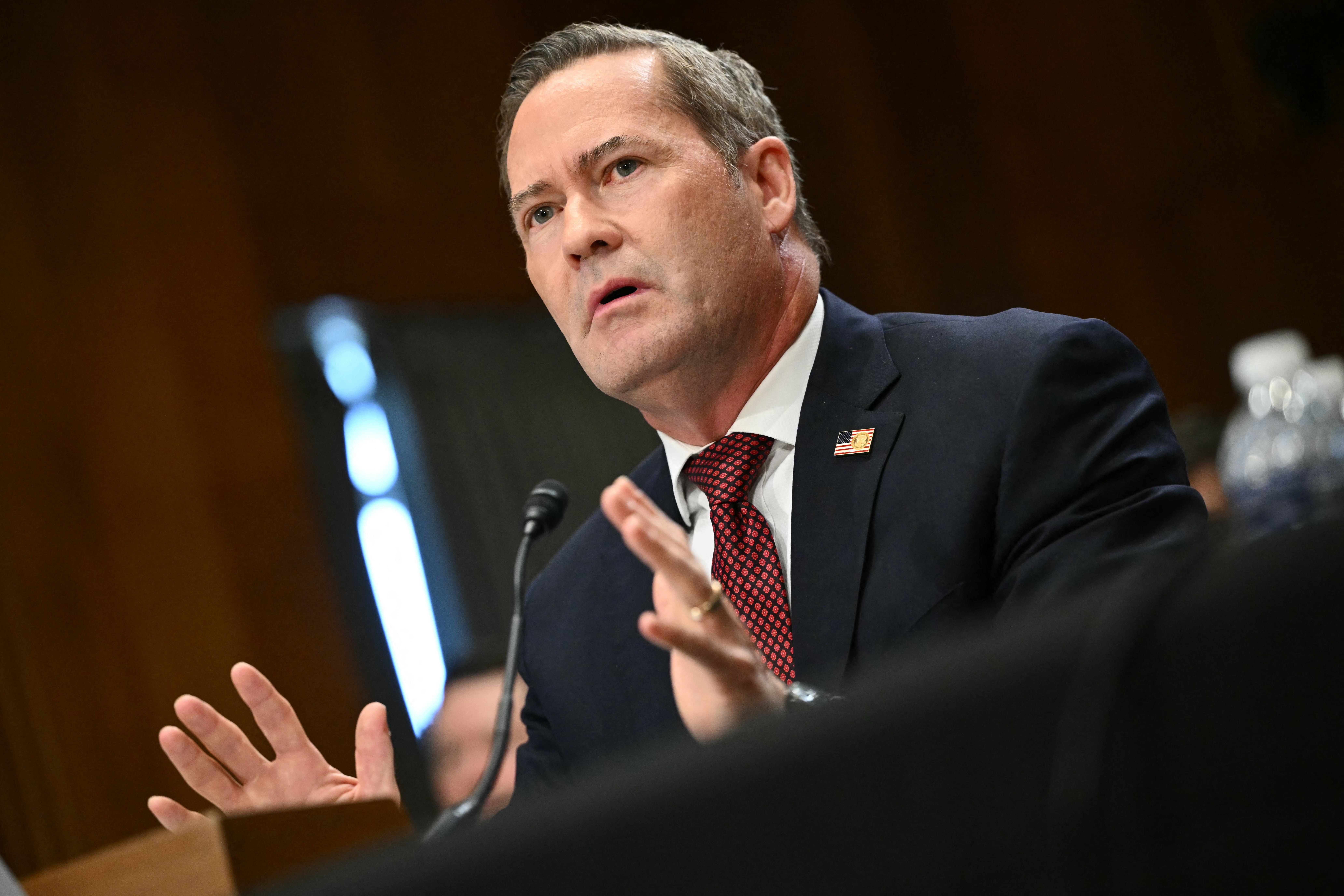
Mike Waltz faces personal attacks, called a 'coward' during confirmation hearing


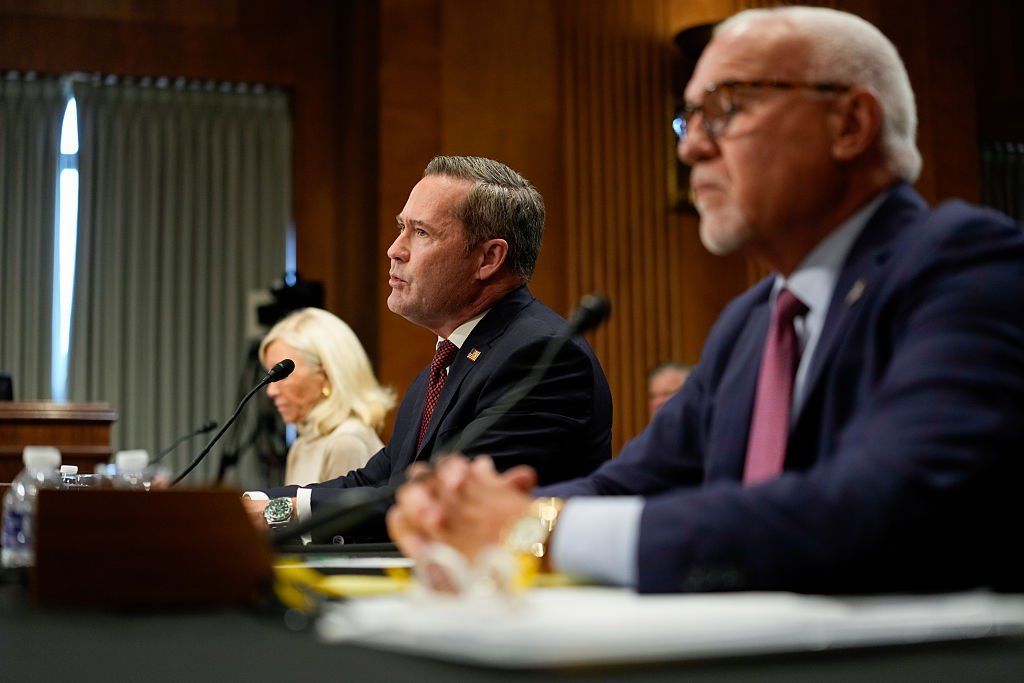
Mike Waltz is in the hot seat as the Senate kicks off his contentious confirmation hearing to serve as ambassador to the United Nations.

Waltz, who previously served as national security adviser to President Donald Trump, was removed from the role following a string of scandals. Most notably, Waltz accidentally added the editor in chief of the Atlantic, Jeffrey Goldberg, to a private Signal group chat with other administration officials where they discussed and coordinated an imminent airstrike against the Houthis in Yemen.

'I was hoping to hear you had some sense of regret.'

Although Waltz has taken full responsibility for the "embarrassing" slipup, "Signalgate" was the Democrats' cannon fodder of choice on Tuesday.

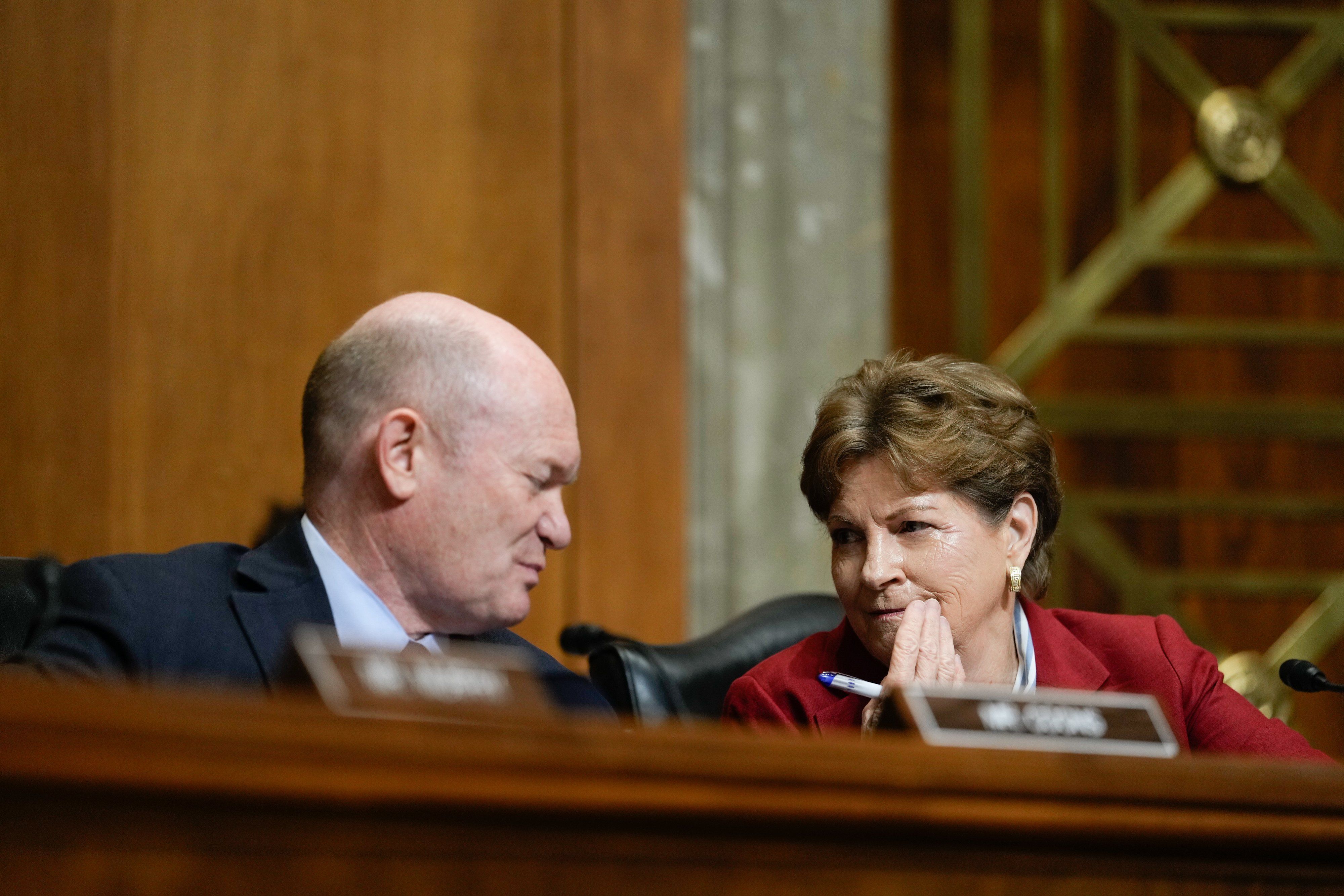
Democratic Sen. Chris Coons of Delaware pressed the nominee over the use of Signal to communicate about ongoing military operations, saying it is "not an appropriate, secure means of communicating highly sensitive information." Coons also asked Waltz if he had been investigated over the incident.

"The use of Signal, as an encrypted app, is not only authorized, it was recommended by the Biden-era CISA guidance," Waltz said in defense of the chat.

RELATED: Scott Jennings shreds media's narrative around Trump admin Signal group chat

Kent Nishimura/Bloomberg via Getty Images
"Of course, there was no classified information exchanged," Waltz added.

Coons reiterated his concerns over the "demonstrably sensitive information" that was leaked by the chat, asking Waltz again if he had been investigated for it.

"The White House conducted an investigation, and my understanding is that the Department of Defense is still conducting the investigation," Waltz said.

"At the time, you took responsibility for adding a journalist to the Signal chat," Coons said in response. "But it doesn't seem to me that the administration's taken any action to make sure this doesn't happen again. ... I was hoping to hear you had some sense of regret."

RELATED: Senate Democrats set to grill Mike Waltz over 'Signalgate' during confirmation hearing

Photographer: Kent Nishimura/Bloomberg via Getty Images

Senator Tim Kaine (D-Va.) also grilled Waltz over the alleged sharing of sensitive information on Signal. Waltz confirmed when pressed that “Signal has not been approved for use by U.S. government officials for the sharing of classified information."

Senator Kaine didn’t stop there. He pressed Waltz on the ongoing investigations surrounding the alleged Signal leak of classified information. Waltz responded: "I shouldn't and can't comment on an ongoing investigation, but what I can do is echo Secretary [Pete] Hegseth's testimony that no names, targets, locations, units, routes, sources, method … no classified information was shared."

Senator Cory Booker (D-N.J.) accused Waltz of avoiding responsibility, saying that it was not an acceptable excuse to say that Jeffrey Goldberg was "sucked in" to the message group.

Booker continued, "Instead, in a moment when our national security was clearly compromised, you denied, you deflected, then you demeaned and degraded those people who objectively told the truth and criticized your actions."

"It shows profound cowardice. ... Even after weeks, if not months, of reflection, you couldn't sit before this committee and take some responsibility."

Waltz faced pressure from his own party as well. Senator Rand Paul (R-Ky.) questioned Waltz on where his loyalties exactly lie: "I guess it just worries me that you come more from the Liz Cheney wing of the party than the Donald Trump wing of the party."

Waltz, a former U.S. representative from Florida, affirmed his loyalty to President Trump, citing his voting record in Congress: "Senator, I am squarely with the president. I've been with him in every single election I've participated in."

Mike Waltz needs a majority vote in the 53-47 Republican-controlled Senate to be confirmed as the new U.N. ambassador. A vote on his nomination is expected before the U.N. General Assembly opens on September 9.

Like Blaze News? Bypass the censors, sign up for our newsletters, and get stories like this direct to your inbox. Sign up here!