California’s next dumb tech idea: Show your papers to scroll


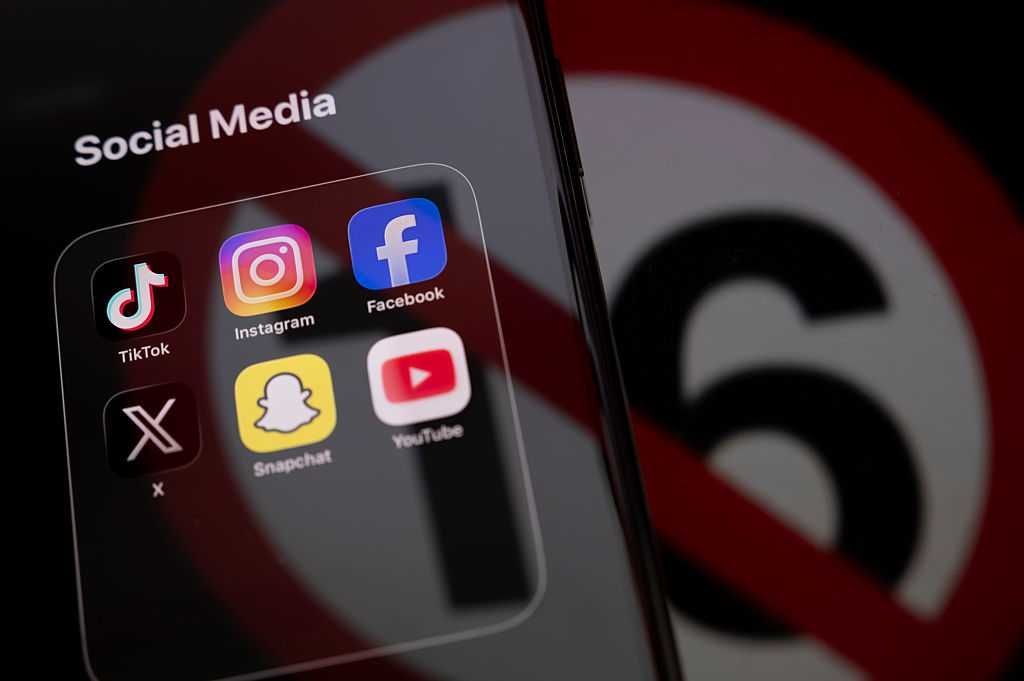
California has a habit of importing some of the worst tech-regulation ideas from overseas. After lawmakers enacted a censorial statute cribbed from the U.K. in 2022 — and watched it run headlong into an injunction — the Golden State now appears eager to borrow from Australia, which in December barred children from major social media platforms.

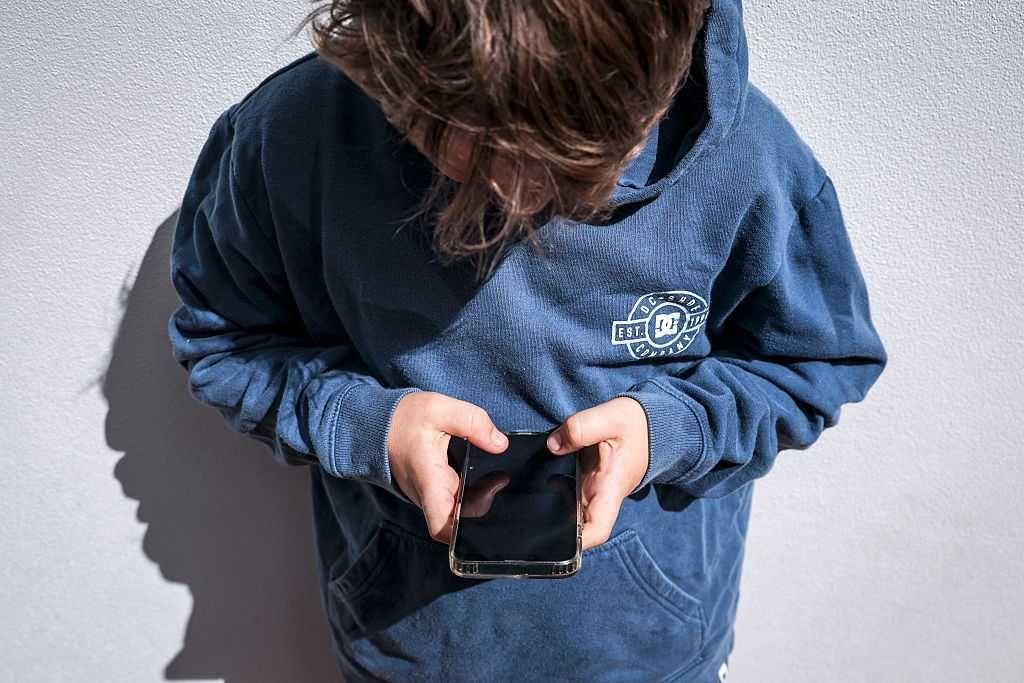
Earlier this month, California lawmakers introduced a bill to impose “a minimum age requirement to open or maintain a social media account.” Governor Gavin Newsom (D), who usually avoids weighing in on pending bills, publicly endorsed the idea.

Will America keep light-touch rules that protect consumers without strangling innovation — or import Europe’s heavy-handed, fear-driven approach?

However well intentioned, the Australian model collapses on prudential grounds. In the United States, it also invites a swift constitutional challenge — and likely a swift defeat in court.

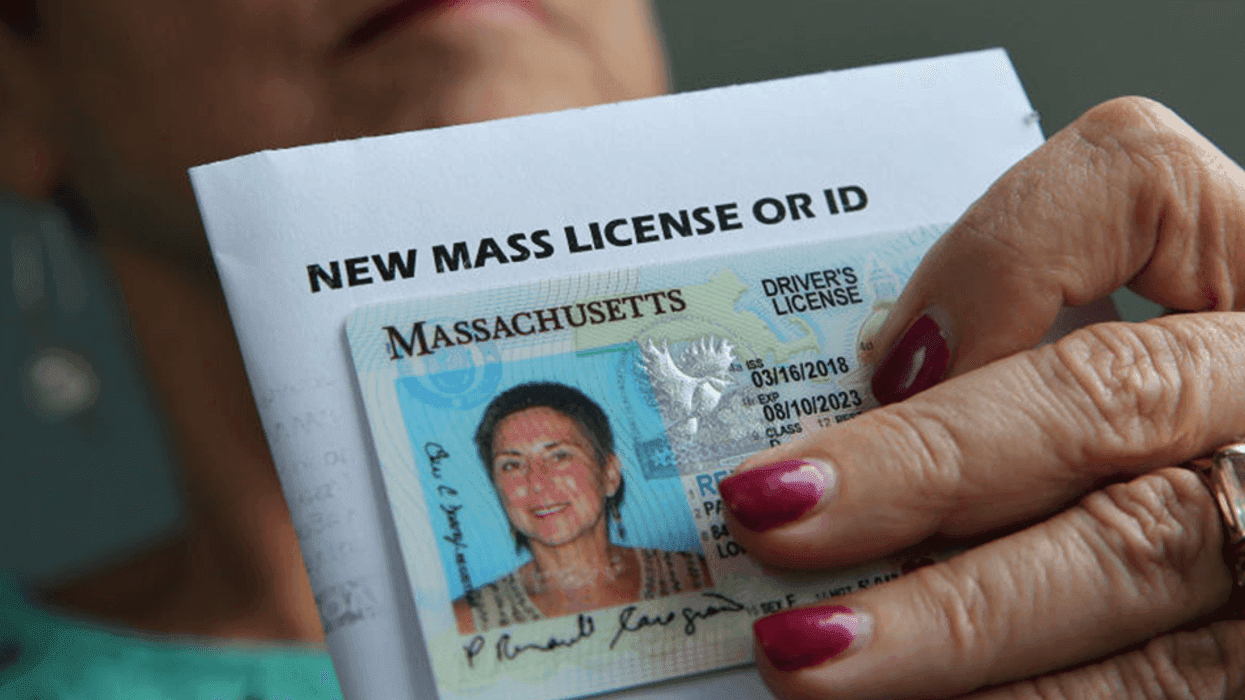
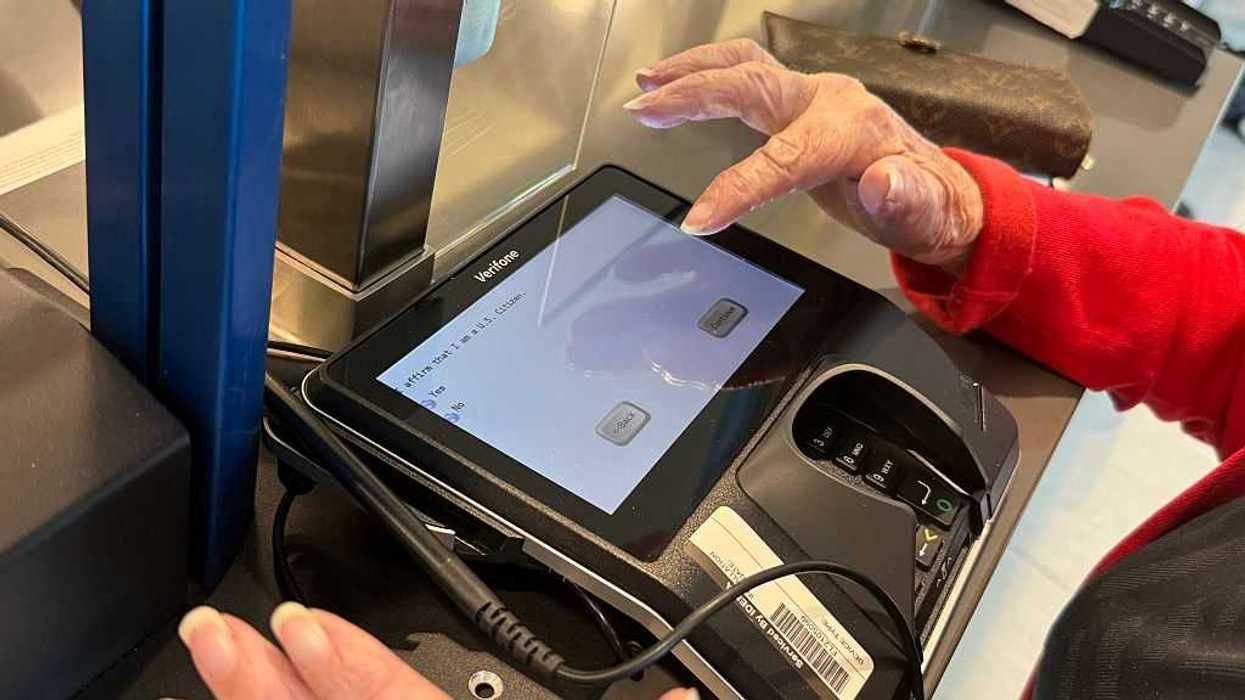
Most proposals that force platforms to distinguish between adults and minors require age verification. That means users must hand over sensitive personal information — usually government ID documents or biometric data — as the price of entry to the platforms where everyday digital life happens. Once companies collect, process, and store that data, it becomes a tempting target. Hackers do not need ideology, only opportunity.

The roster of victims reads like Don Giovanni’s catalogue. The list includes corporations such as Target, Equifax, Marriott, Capital One, MGM Resorts, and T-Mobile. Platforms from Facebook to X.com to the “Tea” app were also hit. So were third-party verification services. Even in France, where regulators tried to build a privacy-protective system, a third-party age verifier exposed sensitive user data. In the digital age, breaches and leaks are simply a fact of life.

Legislation promoted as “child protection” thus runs into a basic contradiction: it can expose children to new forms of harm. As the R Street Institute and Experian have reported, 25% of minors will become victims of identity fraud or theft before they turn 18. Age-verification mandates would widen the attack surface and increase the odds that minors’ information gets stolen, misused, or sold — and that families spend years cleaning up the wreckage.

Some advocates now treat constitutional objections to “child-safety” bills as impolite. Courts don’t share that squeamishness. In recent years, judges have enjoined multiple constitutionally defective state laws, leaving behind little more than wasted taxpayer dollars and public frustration, while state attorneys general mount doomed defenses.

Newsom’s favored approach also clashes with a Supreme Court precedent California already lost: Brown v. Entertainment Merchants Association. In that 2011 case, the court struck down a California law that restricted minors’ access to violent video games. Justice Antonin Scalia’s majority opinion applied strict scrutiny — a demanding standard — and rejected the state’s argument that the law simply “helped” parents.

Scalia’s point applies with even greater force here. A sweeping ban on minors’ access to social media would function less as parental support and more as state substitution. The state would not merely empower parents; it would decide what parents should want, then impose that judgment across the board.

RELATED: Kids have already found a way around Australia's new social media ban: Making faces

David GRAY/AFP/Getty Images

In American law, parents generally hold the duty — and the right — to decide what media their children consume. That principle does not stop at the edge of the internet.

The broader fight over technology policy often turns on a single question: Will America stick with light-touch, sensible regulation that protects consumers without strangling innovation — or will it import the heavy-handed, fear-driven regulatory posture popular abroad, especially in Europe?

The American technology sector grew and thrived in the internet era. Many foreign regimes, more focused on expansive “safety” mandates than innovation, privacy, or consumer benefit, have not.

Lawmakers should borrow good ideas wherever they find them. But California keeps shopping in the wrong aisle. If Sacramento wants to protect kids, it should start with tools that don’t require building a mass ID-check system for the entire public — and that don’t hand criminals a richer trove of data to steal.

It’s wise to learn from other countries. It’s foolish to copy their worst mistakes.

Digital tyrants want your face, your ID … and your freedom


Thomas Sowell’s warning fits the digital age with brutal precision: There are no solutions, only trade-offs. When governments regulate technology, they seize your privacy first. Every “safety” mandate becomes an excuse to collect more personal data, and the result is always the same. Bureaucrats claim to protect you while making you more vulnerable.

Age-verification laws illustrate this perfectly. Discord’s recent breach — more than 70,000 stolen government ID photos taken from a third-party vendor — shows how quickly privacy collapses once platforms are forced to gather sensitive data.

Millions of citizens should not be forced to trade away privacy because policymakers refuse to acknowledge the risks.

To comply with the U.K.’s new Online Safety Act, Discord began collecting users’ documentation. That data became a target, and once breached, attackers reportedly demanded a multimillion-dollar ransom and threatened to publish the stolen IDs. Discord failed to monitor its vendor’s security practices, and thousands paid the price.

Age-verification mandates require digital platforms to confirm a user’s age before granting access to specific content or services. That means uploading government IDs or submitting to facial scans. The stated goal is child safety. The actual effect is compulsory data surrender. These laws normalize the idea that governments can force citizens to hand over sensitive information just to use the internet.

Centralized data collection creates a jackpot for cybercriminals. As the Discord breach proves, one compromise exposes thousands — or millions — of users. Criminals can sell this information, reuse it for identity theft, or weaponize it for blackmail. The problem isn’t a one-off failure. It is structural. Age verification mandates require platforms to create consolidated databases of personally identifying information, which become single points of catastrophic failure.

The libertarian Cato Institute captures the problem: “Requiring age verification creates a trove of attractive data for hackers that could put broader information about users, particularly young users, at risk.”

Governments may insist that the Discord breach was an outlier. It wasn’t. Breaches of sensitive information are predictable in systems designed to aggregate it. Even if the motives behind the U.K.’s age-verification regime were noble, undermining privacy to advance those aims is a trade-off free societies should reject. That is why the Online Safety Act triggered an outcry far beyond the U.K.

And, as usual, legislative mandates fail to achieve their stated goals. Days after the OSA took effect, VPN downloads surged as users — including children — bypassed verification systems. Laura Tyrylyte, Nord Security’s head of public relations, told Wired that “whenever a government announces an increase in surveillance, internet restrictions, or other types of constraints, people turn to privacy tools.” Predictably, age-verification laws encourage evasion instead of compliance.

RELATED: The UK wants to enforce its censorship laws in the US. The First Amendment begs to differ.

mikkelwilliam via iStock/Getty Images

The pattern is simple: Age-verification laws degrade privacy, heighten the risk of identity theft, and fail to keep minors off restricted platforms. They make the internet less safe for everyone.

Meanwhile, policymakers remain determined to spread these mandates in the name of protecting children. The U.K. pioneered the model. Many other governments followed. Twenty-five U.S. states have adopted similar laws. The list grows each month.

But governments cannot treat data breaches as acceptable collateral damage. Millions of citizens should not be forced to trade away privacy because policymakers refuse to acknowledge the risks. The result of this approach will be more surveillance, more breaches, more stolen personal data, and a steady erosion of civil liberties.

Privacy is the backbone of liberty in a digital world. Thomas Jefferson’s warning deserves repetition: “The natural progress of things is for government to gain ground and for liberty to yield.”

Age-verification mandates accelerate that progress — and citizens pay the price.

Legacy Media Goes From Ignoring To Endorsing Illegal Immigrant Crime

Migrants maintain tight-knit networks across the United States

An Illegal Alien Stole An American’s Identity For 15 Years. NYT Says He’s A Victim Too

Every fact in the story underscores the massive cost and toll of illegal immigration.

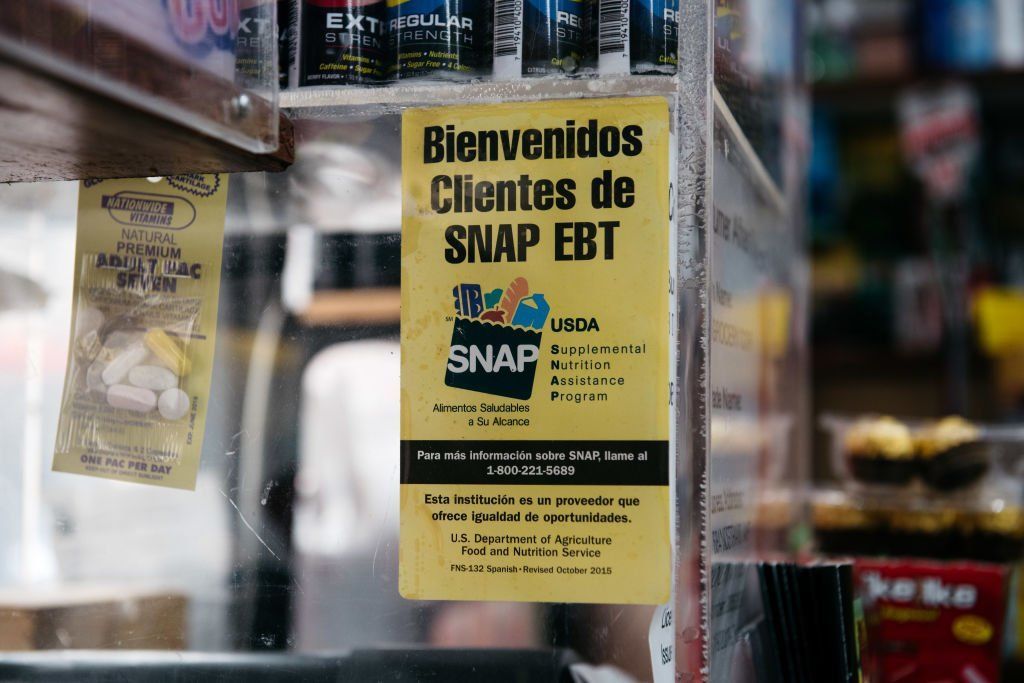
Trump admin making sure illegal aliens don't get food stamps


The Trump administration is working to eliminate the monetary incentive for foreign nationals to steal into the country and to pressure noncitizens presently exploiting citizen supports to wean off or get packing.

Pursuant to President Donald Trump's Feb. 19 executive order "Ending Taxpayer Subsidization of Open Borders," the U.S. Department of Agriculture is now taking steps to ensure that illegal aliens cannot get their hands on food stamps.

"President Trump has made it clear that American taxpayers will no longer subsidize illegal aliens," USDA Secretary Brooke Rollins said in a Thursday statement.

"We are stewards of taxpayer dollars, and it is our duty to ensure states confirm the identity and verify the immigration status of SNAP applicants," continued Rollins. "USDA's nutrition programs are intended to support the most vulnerable Americans. To allow those who broke our laws by entering the United States illegally to receive these benefits is outrageous."

The USDA issued guidance on Thursday to state SNAP agencies nationwide setting out the minimum expectations for eligibility verification to prevent "ineligible aliens" from participating in the program.

Only American citizens and certain lawfully present noncitizens, including individuals granted asylum, are eligible for SNAP benefits. However, the U.S Government Accountability Office noted in a September 2024 report that an estimated 11.7% or $10.5 billion of SNAP benefits paid out by the USDA in fiscal year 2023 "were the wrong amount or otherwise should not have been made."

The report indicated that "states made improper payments related to SNAP mainly because they did not verify recipients' eligibility for program benefits." States apparently often failed to verify whether recipients were citizens or lawfully present noncitizens.

The Center for Immigration Studies revealed in a December 2023 report that 48% of "illegal-headed households" used food welfare programs.

'Taxpayer-funded benefits should be only for eligible taxpayers.'

As of 2022, American taxpayers were on the hook for at least $182 billion annually to provide services and benefits to illegal aliens and their dependents, according to the Federation for American Immigration Reform.

The new USDA guidance requires state agencies to:

  • verify the identity of the applicant, ideally before confirming their immigration status;
  • collect and verify Social Security numbers for all household members applying for SNAP benefits;
  • compare SSNs to the Social Security Agency's Death Master File database and ensure the SSN belongs to the applicant; and
  • check alien applications against the Department of Homeland Security Systematic Alien Verification System for Entitlements — which DHS Secretary Kristi Noem advised governors last week is now available to states for free — to ensure eligibility.

The guidance provided other recommendations and advised state agencies that the Food and Nutrition Service "will assess the effectiveness of identity and immigration status verification practices in regular management evaluations for program compliance."

The USDA issued the new guidance just a week after Trump issued a memo directing his administration to ensure that illegal aliens are not receiving taxpayer funds from Social Security Act programs, including Old-Age and Survivors Insurance, unemployment insurance, disability insurance, Medicare, Medicaid, and Temporary Assistance for Needy Families.

Blaze News previously reported that the memo directed the Social Security Administration to expand its fraud prosecutor programs, investigate earning reports of individuals supposedly 100 years or older with mismatched records, consider reinstating its civil monetary penalty program, and reinforce program integrity measures so only eligible foreign nationals can receive benefits.

White House press secretary Karoline Leavitt told reporters on April 15, "These taxpayer-funded benefits should be only for eligible taxpayers."

Like Blaze News? Bypass the censors, sign up for our newsletters, and get stories like this direct to your inbox. Sign up here!
Deep-staters rage as IRS, DHS consider working together to locate millions of illegal aliens


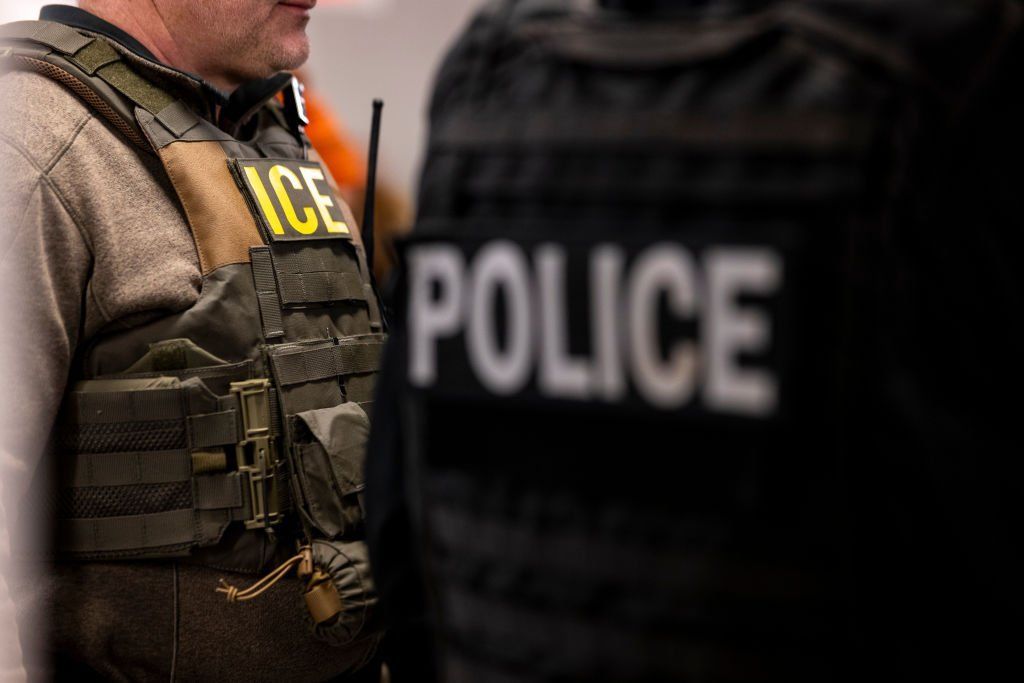
Deep-staters who yet remain in their federal positions are fuming as the Internal Revenue Service appears ready to partner with U.S. Immigration and Customs Enforcement and other Department of Homeland Security officials to locate millions of illegal aliens living in the United States, according to multiple reports from the Washington Post.

According to the Washington Post, which spoke with at least six sources familiar with the matter, ICE has basic information on millions of illegal aliens living in the U.S. but wants help from the IRS to confirm that information. Though no formal agreement between the two agencies has been finalized, a draft of an agreement said that the IRS would assist ICE with information requests that:

  • include names, addresses, and other identifying data of illegal aliens already issued a dated final deportation order; and
  • come from DHS Sec. Kristi Noem or acting ICE director Todd Lyons.

While the sources admitted to the Post that federal agencies may share information about taxpayers under limited circumstances that often involve judicial approval, they still caterwauled about the allegedly unprecedented nature of this type of cooperation.

According to a March 22 article from the Post, "The proposed agreement has alarmed career officials at the IRS ... who worry that the arrangement risks abusing a narrow and seldom-used section of privacy law that's meant to help investigators build criminal cases, not enforce criminal penalties."

A follow-up article on Sunday described such IRS officials as "aghast" because DHS now plans to ramp up these information requests. While DHS officials initially indicated that they would seek to cross-reference with the IRS the information of some two million illegal aliens, they expect that number to rise to seven million eventually.

'Some undocumented workers obtain jobs by using fake or borrowed SSNs.'

For decades, the IRS has assured illegal aliens that filing taxes was safe and would not subject them to deportation. The sources who spoke with the Post view this new apparent partnership between the IRS and DHS as violating an understood promise.

"It is a complete betrayal of 30 years of the government telling immigrants to file their taxes," one unnamed IRS official told the outlet.

It also seems to be a sharp reversal from just a few weeks ago. In February, DHS asked the IRS to share the names, addresses, phone numbers, and email addresses of 700,000 or so immigrants suspected of living here illegally, but then-acting IRS commissioner Doug O’Donnell declined, claiming doing so would be unconstitutional.

O'Donnell resigned the next day. He was quickly replaced with Melanie Krause, who told her team she expects the IRS to cooperate with efforts from the Trump administration to enforce immigration laws.

"While we have nothing to share regarding any potential discussions, the United States Treasury is fully committed to supporting our partner agencies in executing the President’s America First agenda," a Treasury Department spokesperson told the Post.

Meanwhile, the legacy media continues to trumpet the alleged contributions illegal aliens make to the American economy — while minimizing some of the crimes they commit along the way. For instance, Reuters extolled the "nearly $97 billion in federal, state and local taxes" illegal aliens paid in 2022. The outlet also noted that some illegal aliens pay into social security without ever collecting benefits, implying they are either selfless philanthropists or victims of exploitation.

However, the outlet practically ignored the glaring identity theft problem associated with illegal aliens paying into social security, quickly stating only that "some undocumented workers obtain jobs by using fake or borrowed SSNs."

Like Blaze News? Bypass the censors, sign up for our newsletters, and get stories like this direct to your inbox. Sign up here!

Illegal Alien Allegedly Stole U.S. Citizen’s Identity, Committed Voter Fraud

An illegal alien faced voter fraud charges on Monday in federal court, after he allegedly lived in America for years under a citizen’s stolen identity. Carlos Jose Abreu, a 45-year-old national from the Dominican Republic, faces charges of “impersonating a United States citizen when registering to vote and when voting in a federal election,” according […]

Blaze News investigates: Employers attempt to skirt liability for hiring illegal aliens by using staffing agencies


The millions of illegal immigrants who have entered the country over the past several years by submitting asylum claims are, generally speaking, not authorized to work in the United States. Despite that, some of those more than 11 million illegal aliens are successfully finding work opportunities.

Individuals across the globe have flocked to the U.S. under the Biden-Harris administration's leadership in hopes of finding better economic opportunities in America, gaining entry into the country under the guise of seeking asylum to flee persecution.

Laws prohibiting employers from hiring illegal immigrants have not turned off America's economic magnet but only prompt some employers to find ways to work around the system to hire unlawfully and exploit cheap labor.

How businesses circumvent the law

Under federal law, businesses are forbidden from employing individuals they know do not have a legal right to work in the U.S. Nonetheless, the Biden-Harris administration has failed to crack down on companies and staffing agencies that have been caught hiring illegal aliens, including underage children.

While its Department of Labor and Immigration and Customs Enforcement have taken some recourse to prevent these unlawful practices, the administration has not done enough to make a significant impact. According to Pew Research, the number of illegal immigrants in the workforce increased from 7.4 million in 2020 to 8.3 million in 2022, matching the all-time record, set in 2008 and 2011.

’In almost all of these cases, the employer has outsourced the hiring process to a labor contractor.’

Evidence of the administration's failure to shut down the border and implement effective consequences for illegal labor violators can be seen in the DOL's own reporting, which states there has been an 88% increase in child labor violation investigations from fiscal year 2019 to 2023. Often, the children being illegally employed at various establishments are foreign nationals who have obtained fraudulent paperwork that falsifies their age and work authorization.

As one example, in March, the DOL went after the Tuff Torq factory in Morristown, Tennessee, which it claimed was caught illegally employing children in dangerous conditions and requiring them to work long hours. An NBC News report discovered that some of the children working unlawfully at the establishment were illegal immigrants.

The manufacturer's legal representation claimed that the children were temporary hires who were indirectly employed through a staffing agency. Despite its defense, the DOL announced that the manufacturer faced nearly $2 million in fines.

The DOL told Blaze News, "Tuff Torq contracted the services of staffing agencies. The consent judgement from March, 2024 now requires Tuff Torq to require any new staffing agencies and subcontractors to disclose child labor violations and provide information regarding hiring protocols designed to prevent child labor. The consent judgment also prohibits Tuff Torq from entering into any new contracts with staffing agencies or subcontractors that the company knows has violated child labor laws."

This is just one of the many instances where a business has been busted for illegal hiring — in this case, underage children — while using a third-party staffing agency to recruit its workers. Using a labor contractor allows companies to hide behind these layered hiring practices, deflecting blame by claiming it was unaware that the employees were unauthorized to work.

Jessica Vaughan, the director of policy studies for the Center for Immigration Studies, told Blaze News, "When we find out about instances of labor trafficking that involve numerous people who have entered [the U.S.] on a visa or who may have been hired illegally, in almost all of these cases, the employer has outsourced the hiring process to a labor contractor."

Vaughan explained that businesses are incentivized to use third-party staffing agencies because it not only makes hiring easier and more efficient — especially amid a worker shortage — but also sometimes "gives them what they think is the ability to look the other way at the hiring practices."

Vaughan described that in some instances, the employers know the staffing agency's hiring practices violate the law. However, because the third-party company is "doing the dirty work," businesses "believe that they are insulated from liability for either hiring illegal workers, or for abusing workers, or harboring labor trafficking, or benefiting from labor trafficking."

The DOL's investigation into Tuff Torq sparked a separate inquiry into the labor contractor it used to employ the illegal immigrant children. Yet, the agency faced minimal consequences for hiring minors and referring them to "dangerous" positions. Earlier this month, the department ordered Luttrell Staffing in Kingsport, Tennessee, to pay $121,572 in civil penalties and demanded the agency "comply with federal child labor regulations."

The recruiting group, founded in 1993, has a network of 40 offices across six states, generating more than $150 million in yearly gross revenue, according to its website.

The DOL's regional solicitor Tremelle Howard called the recourse against Luttrell Staffing part of the agency's "relentless pursuit" to ensure children's safety.

‘The system of work visas is run by these third-party labor contractors.’

Luttrell Staffing Group President and CEO Mary Wagner told Staffing Industry Analysts that the children "misrepresented that they were 18 or older during the hiring and onboarding process by providing fraudulent documentation of their identity and age."

"Luttrell Staffing Group would never knowingly violate child labor laws, particularly by placing a minor in a hazardous position," she stated.

Wagner claimed that the underage workers passed the E-Verify system by providing “fraudulent documentation of someone else's identity.”

E-Verify warns that this is a problem, and employees must be aware that illegal immigrants may provide fraudulent documents of another individual’s identity to get past the verification system.

"The issue of fraud is growing, particularly concerning identity theft for employment purposes," Wagner stated. "Luttrell Staffing Group is taking this matter very seriously and enhancing our current processes to confirm the authenticity of documentation and ensure that workers can legally perform their assigned work.”

Staffing companies exploit workers

Vaughan told Blaze News that many of the staffing agencies are "fly by night" businesses that, after they get busted by law enforcement, reappear under a different name or in a different location and continue operations because it is "pretty lucrative."

In fact, last year, two labor brokers tied to a string of staffing agencies faced prison time and a nearly $8.5 million penalty for hiring roughly 100 illegal aliens who were contracted out to hospitality businesses in Key West, Florida.

One of those individuals, Eka Samadashvili, who pleaded guilty, admitted that the staffing agencies entered into contracts with hotels, bars, and restaurants in the area that "helped" the businesses "attempt to disclaim responsibility for ensuring that workers were legally authorized to work in the United States and that federal employment taxes were withheld and paid over to the IRS."

According to Samadashvili, "many" of her "customers knew or had reason to believe" that the employees were unauthorized to work.

Despite their sometimes questionable operations, staffing agencies have the ability to apply for work visas on behalf of their contracted-out employees. By law, these staffing companies are expected to cover the costs of the visas, as well as any training or tools required for the job. However, some staffing agencies make unlawful side deals with workers to cover these expenses.

Vaughan told Blaze News that in these situations, the staffing companies are cheating and exploiting the workers.

"[The employees] end up with very little take-home pay, stuck in a compound that they can't leave, forced to buy food at a very expensive convenience store that, coincidentally, is run by the staffing company. This becomes a very exploitative situation, and it often crosses a line into forced labor trafficking because they have misled the workers," she explained.

"There are instances where it does cross the line into very abusive and violent behavior toward the workers," Vaughan continued. "I've seen cases where you've got a bunch of workers who come in to work on a pine straw farm or some other kind of agricultural enterprise, and they'll pick out the women to be subject to sexual abuse."

"The system of work visas is run by these third-party labor contractors," she added. "I think the federal government ought to give serious consideration to barring third party labor contractors from the ability to obtain visas for workers they've recruited."

A health care staffing company based out of Cincinnati, Ohio, was previously accused of running an operation that exploited its workers.

Health Carousel recruited employees from the Philippines to work in hospitals in the U.S. Some of those workers lodged a lawsuit against the staffing company in 2020, seeking class-action status and claiming the agency violated federal and state human-trafficking laws.

A December court filing accused the company's "employment" of being "essentially indentured servitude."

Novie Dale Carmen, a former contractor from the Philippines, stated that the company placed her in a nursing position in Pennsylvania. She claimed that the agency demanded $20,000 from her to quit the job, requiring her to work 6,240 hours to fulfill her contract obligations.

However, according to Carmen, the company did not count many of the hours she dedicated to the job, including her first three months of employment and overtime.

Additionally, Carmen stated that she was paid $25.50 per hour while Health Carousel received $52 or more per hour for her work. Other plaintiffs that joined the lawsuit had similar grievances, with one worker stating she earned $45.56 per patient visit while those directly hired through the facility earned up to $105 per visit.

Health Carousel filed a motion to dismiss the lawsuit in January, stating, "Despite the invaluable service Health Carousel and its employees provide in helping address staffing shortages (especially during this time of national crisis), this lawsuit demonizes Health Carousel as a 'human trafficker' and a 'racketeer.'"

The agency ultimately agreed to a $6 million settlement over the nurses' lawsuit.

"While Health Carousel acted lawfully and in good faith, we decided that agreeing to this settlement is in the best interest of our company and our healthcare professionals," said John Sebastian, Health Carousel's chief executive officer.

The staffing company was also the subject of a civil and criminal investigation over allegations that it submitted fraudulent visa applications and caused false statements to be made to government officials regarding recruiting. The investigation did not result in criminal charges being filed. However, Health Carousel agreed to settle in March for more than $9 million.

Sebastian stated, "Health Carousel is dedicated to upholding the highest standards of ethical conduct and is proud of the work we do to improve patient access to qualified healthcare professionals. In 2018, we became aware of problematic conduct in our visa process and started making immediate corrections."

"Health Carousel has cooperated with the Department of Justice, accepts responsibility for its prior conduct, and is pleased that this resolution brings this matter to a close. This global resolution allows us to continue focusing on our mission to bring highly trained healthcare professionals to the United States to help address nationwide staffing shortages," Sebastian said.

How some states are picking up the slack for the federal gov't

States hoping to fight back against the Biden-Harris administration's open border chaos have implemented laws to crack down on unlawful hiring. Since most of the illegal immigrants entering the U.S. are interested in finding better work opportunities, turning off a state's potential economic magnet can act as an effective deterrent.

While businesses hiring illegal aliens typically fall within the federal government's jurisdiction to investigate and dole out consequences, Vaughan told Blaze News that states could find other ways to hold companies accountable, such as requiring citizenship verification systems like E-Verify, which are voluntary on a nationwide-basis.

Vaughan told Blaze News, "States are limited in imposing penalties on employers who hire illegal workers."

"There are criminal penalties for that, but they have to be brought federally," she explained. However, Vaughan noted that states incorporating specific language such as "willful blindness" or "reckless disregard" into bills regarding hiring practices could impose "some accountability on the main employer, rather than the contractor."

‘They need to have some fear of consequences.’

Vaughan told Blaze News that instead of solely relying on the DOL to push forward with consequences for employers who violate these laws, state prosecutors should "think about having a partnership" where they try "to work together to bring criminal cases."

"I think the big problem is either [the states] lack this language that would hold the employer accountable, or they're lacking the experience to go after these cases," Vaughan continued. "And sometimes they're discovered by Labor Department officials who do not have criminal investigative authority. They can only impose civil penalties like fines or deal with their licensing."

"Not enough states have tried to approach this in the context of criminal law violations, and those are the penalties that are more severe and that are going to be more than a cost of doing business to an employer," she said, noting that the cost savings of utilizing cheap illegal labor can sometimes cover the fines imposed as a result of getting caught for such unlawful actions.

Vaughan told Blaze News that when states see a staffing company involved in a business's hiring, they should ramp up their monitoring efforts.

"They should be inspecting the premises and looking into the finances and payrolls of these companies because there is such a track record of fraud and abuse," she stated. "They need to have some fear of consequences and be denied the opportunity to profit off of this exploited labor."

Florida is one such state that has attempted to implement more consequences for employers trying to skirt the hiring laws.

Last year, Florida Gov. Ron DeSantis (R) signed what his administration called the "strongest anti-illegal immigration legislation in the country," Senate Bill 1718, which was created in response to the Biden-Harris administration's unprecedented unlawful immigration crisis.

The legislation made it mandatory for employers with 25 workers or more to implement the E-Verify system to check on the eligibility of employees. Businesses failing to use the verification system could face a $1,000 daily fine. Additionally, employers knowingly hiring individuals ineligible to work could lose their licenses.

"This legislation creates a third-degree felony for an unauthorized alien to knowingly use a false ID document to gain employment and prohibits a county or municipality from providing funds to any person or organization for the purpose of issuing IDs or other documents to an illegal alien," DeSantis' office announced at the time.

A Pew Research report found that in 2022, Florida had the third largest population of illegal immigrants, with an estimated 1.2 million. However, a May report from NBC News claimed that SB 1718, which went into effect last July, has pushed "many undocumented workers ... to move out of Florida."

Man admits stealing coworker's identity 35 years ago, taking on $130K debt in his name, causing victim to serve time


A wild tale of stolen identity came to light last year after a DNA test proved a man had been secretly living under the name of an old coworker he'd met 35 years earlier.

The saga begins in Albuquerque, New Mexico, in 1988. There, Matthew David Keirans, a young man in his early 20s who had run away from his adoptive parents when he was a teenager, met William Donald Woods, a young man from Kentucky, when they started working together at an area hot dog stand.

The length of time they worked together and the extent of their relationship are unclear, but somehow Keirans got ahold of Woods' Social Security number and later that same year, stopped using his true name altogether and began living as Woods. He later acquired documents, such as driver's licenses and a Social Security card with Woods' actual Social Security number, in Woods' name. At one point, he even managed to receive an official copy of Woods' birth certificate from Kentucky after doing a search into Woods' family history through Ancestry.com.

In 1994, Keirans, using the name Woods, married a woman. The couple eventually had a child, whose last name apparently remains Woods to this day.

As the years passed, Keirans secured a well-paying position in the IT department of University of Iowa Hospital, and the nature of his job allowed Keirans to work remotely from his home in eastern Wisconsin. From 2013 until 2023, he earned more than $700,000 from that position and was making more than $140,000 annually at his peak.

With a solid income and a seemingly normal Midwestern life, Keirans had opened multiple credit cards and bank accounts and taken out several loans to make major purchases, including at least three Jeep vehicles. By 2022, he had more than $200,000 in loans from various credit unions in Iowa and more than $100,000 in loans from a national bank.

Meanwhile, the real William Woods was down on his luck. He was living on the streets of Los Angeles when he learned in 2019 that $130,000 in loans had been taken out in his name. He then ventured into a local branch, claiming he did not want to pay off the fraudulent loans and asking to close his accounts. He even furnished bank staff with an authentic Social Security card and California state ID, which matched the information listed on bank records.

However, Woods of course could not answer the security questions on the accounts since they had been opened by Keirans. So, the bank contacted LAPD. When detectives reached out, Keirans faxed over documents that seemed to prove he was Woods — except for one problem. His Wisconsin driver's license listed his middle name as David — his real middle name — while Woods' middle name is Donald. But Keirans managed to convince the detective that he sometimes used the middle name David.

In October 2019, Woods was arrested and charged with two felonies related to identity theft. Court documents in that case alleged that Woods' real name was a misspelled version of Matthew Keirans, though Woods never wavered about his true identity.

By February 2020, after Woods had been languishing in jail for four months, a judge ruled that Woods was not mentally fit to stand trial. That October, Woods was taken to a mental hospital, where they administered psychotropic medications to him.

On March 17, 2021, Woods pled no contest to the two felonies and was sentenced to time served. In all, he had spent 428 days in jail and 147 days in the psychiatric facility.

Upon his release, the judge ordered Woods to use his supposedly real name, Keirans, from then on. Woods did not obey. He immediately began contacting credit agencies and law enforcement, trying desperately to prove he's the man he has always said he was: William Donald Woods.

Through his investigations, Woods learned that Keirans was working for the Iowa hospital and contacted a member of the security team there to plead his case. The security official turned the complaint over to a local detective, who treated Woods' accusations seriously. He even managed to locate Woods' father in Kentucky and persuaded the elderly man to provide a DNA sample.

DNA tests later proved definitively that Woods is the old man's biological child and that Keirans is a lying fraud. But before tipping his hand, the detective had a bit of fun with Keirans first. In an interview last July, he asked Keirans to give his father's first name. Rather than respond with the name of the man in Kentucky, Keirans accidentally slipped and gave the name of his real adoptive father.

When the detective confronted Keirans with the DNA evidence, Keirans knew the jig was up. "My life is over," he admitted, according to court documents. "Everything is gone." He was right. He was arrested on July 18 and soon afterward lost his lucrative position at the hospital.

Keirans, now 58, was arrested and charged at the local level before the feds came in and dropped the hammer. In December, he was indicted on seven federal charges, and on Monday, he pled guilty to two of them: one count of making a false statement to a National Credit Union Administration-insured institution and one count of aggravated identity theft. He now faces more than 30 years in prison. His sentencing hearing has not yet been scheduled, and he remains in the custody of the U.S. Marshals.

Woods' current whereabouts have not been reported.

Like Blaze News? Bypass the censors, sign up for our newsletters, and get stories like this direct to your inbox. Sign up here!