Influencer culture is poisoning the pulpit — and the fallout is catastrophic
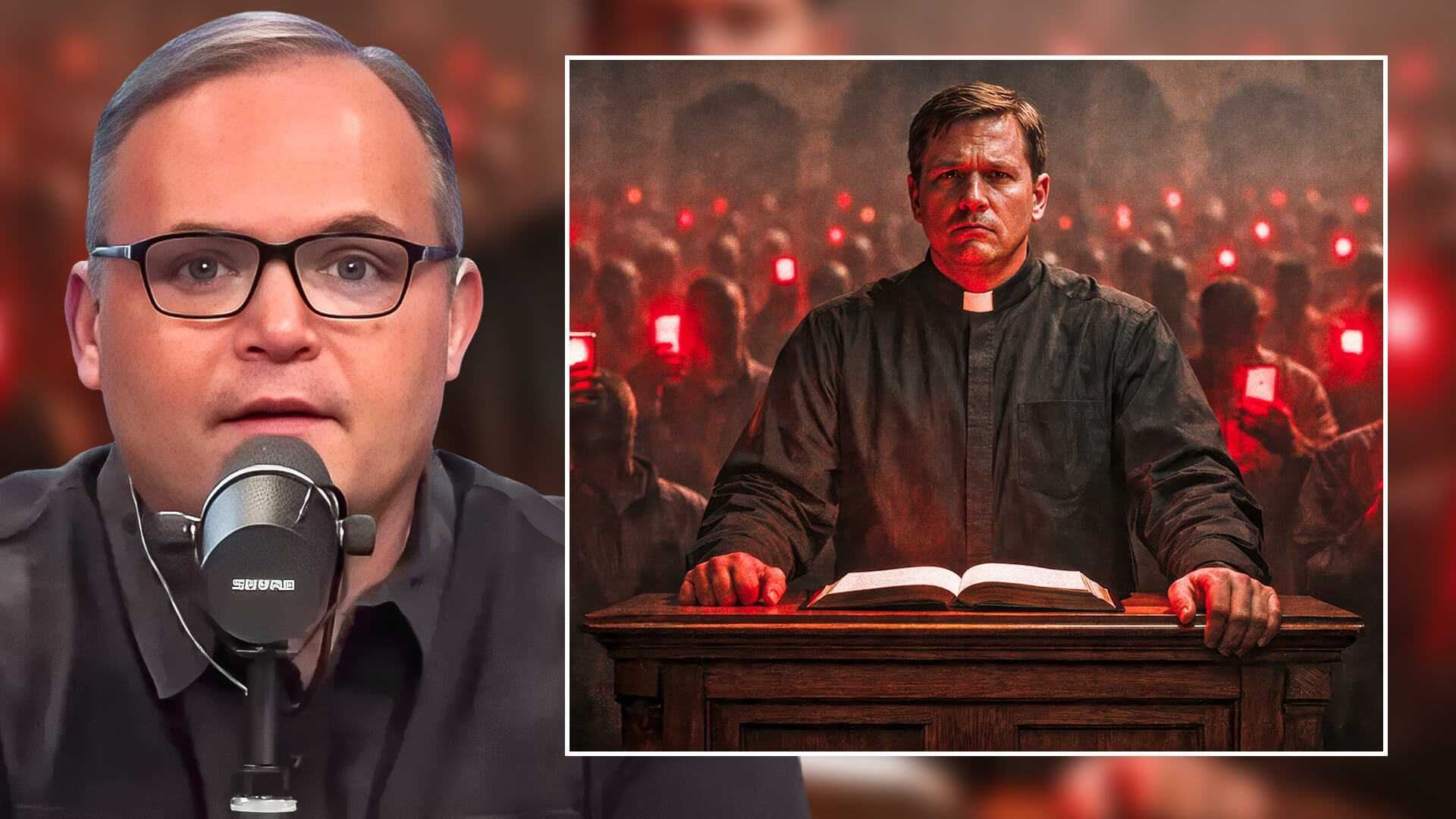


Joel Osteen preaches a heretical prosperity gospel; Timothy Keller’s “third way” softens biblical truth for acceptability; and Rick Warren’s seeker-sensitive approach waters the gospel down into a self-help guide.

What do all three of these pastors have in common?

They “were really not preaching so much for the people in the pews but because they wanted a broader cultural acceptance from more mainstream or academic or globalist institutions,” says BlazeTV host Steve Deace. “And so they altered their approach as pastors within their own churches in order to appeal to an audience that was actually not sitting in their churches."

While Osteen, Keller, and Warren belong to an older generation of preachers, Deace is concerned that that same hunger for approval is cropping up in younger generations of pastors who have been seduced by social media fame.

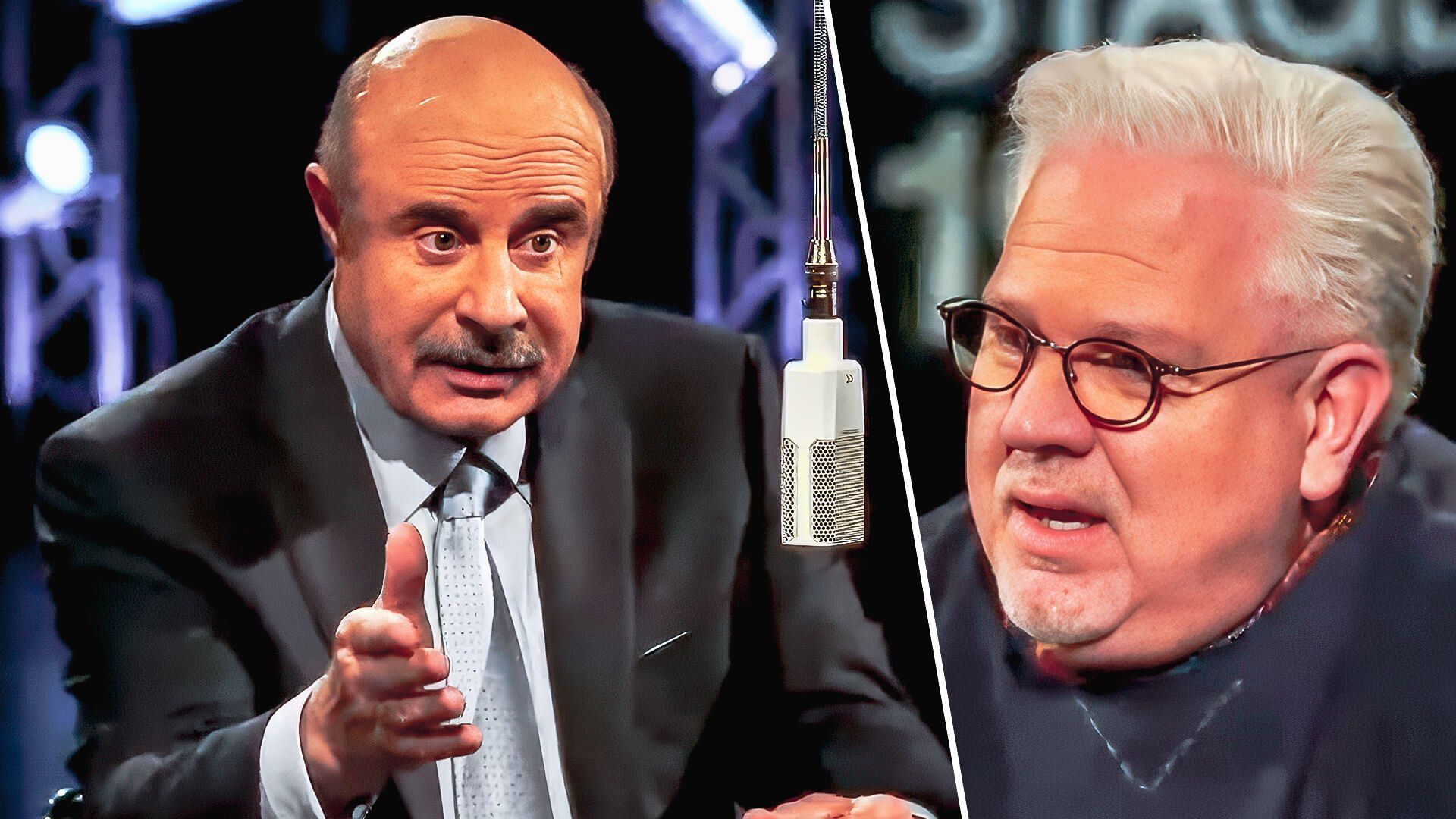
On this episode of the “Steve Deace Show,” Deace interviews senior pastor of East River Church in Ohio, Michael Foster, about how influencer culture is slowly creeping in and corroding the pulpit.

Some of these young pastors, says Deace, are “not really preaching to Michael in the third row whose marriage is on the rocks, and he's lost the respect of his kids, and he doesn't know how to get it back. [They’re] preaching to @dontjewmebro43 on X.”

“I'm not really preaching the gospel to him, but I'm preaching some nascent gospel applications that may or may not be adjudicated properly in order ... to feed his fury, to give me the engagement that I want,” he rails, imitating these people-pleasing ministers.

Foster, who’s written several essays on this subject, says that it’s critical that pastors know their individual sheep.

“He's got particular sheep. You see this in the New Testament when you have Paul preaching the same gospel, the same teaching, but he addresses problems in Colossae that aren't in Corinth and problems in Corinth that aren't in Colossae,” he says.

On the other hand, “Influencing speaks to ... broad generalizations over a national level.”

“Because the influencer online social media culture is such a huge part of our lives, it is reshaping ministry right now where people are speaking to not maybe the actual issues in their church but the things that they're hearing other people talk about in their feeds,” says Foster.

“It’s training people to not be pastors anymore, just to be talking heads, to be commentators.”

“Is there a way for you as a pastor to avoid falling into this trap without a really solid elder board and accountability in your life personally?” asks Deace.

That question, says Foster, is the equivalent of asking: “Could you ride a roller coaster without a roller coaster bar and survive it?”

There are three tips he gives to ministers that will help ensure they stay in the lane of pastor and not veer into the influencer lane:

1. Strong elders who are involved in sermons and accountability.

2. Tailor sermons toward specific congregational needs, not broad issues/topics.

3. Reject fame and notoriety if they come.

On the latter, Foster says, “You have to have an abusive relationship with celebrity as a pastor. I think you have to hate it, right? Spit in its face. If it comes back for more, well, that was its choice.”

To hear more of the conversation, watch the video above.

Want more from Steve Deace?

To enjoy more of Steve's take on national politics, Christian worldview, and principled conservatism with a snarky twist, subscribe to BlazeTV — the largest multi-platform network of voices who love America, defend the Constitution, and live the American dream.

Divorce Is Always A Tragedy, Not A Party Theme Or Cute Cake Idea

To celebrate divorce, regardless of the circumstances that caused it, is to celebrate the failure of an institution our nation desperately needs.
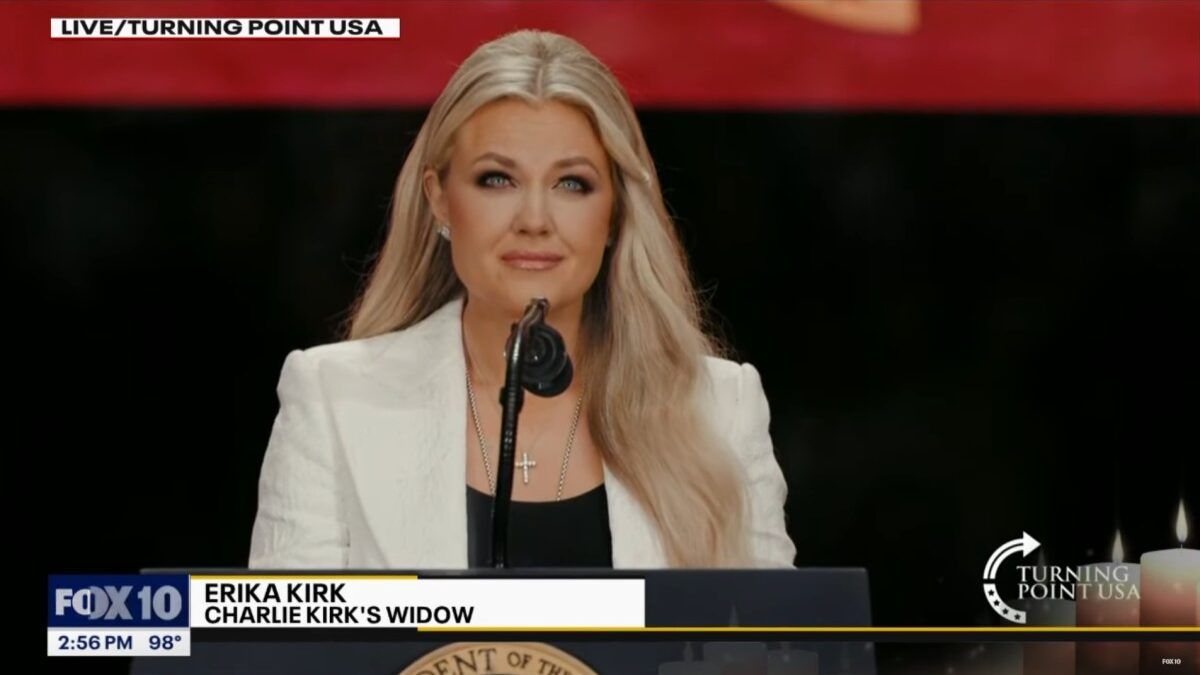
Can Erika Kirk’s Influence Help Women To ‘Woman Up?’

As Erika Kirk takes the helm at Turning Point, many have suggested she could do for young women what her husband has done for young men.
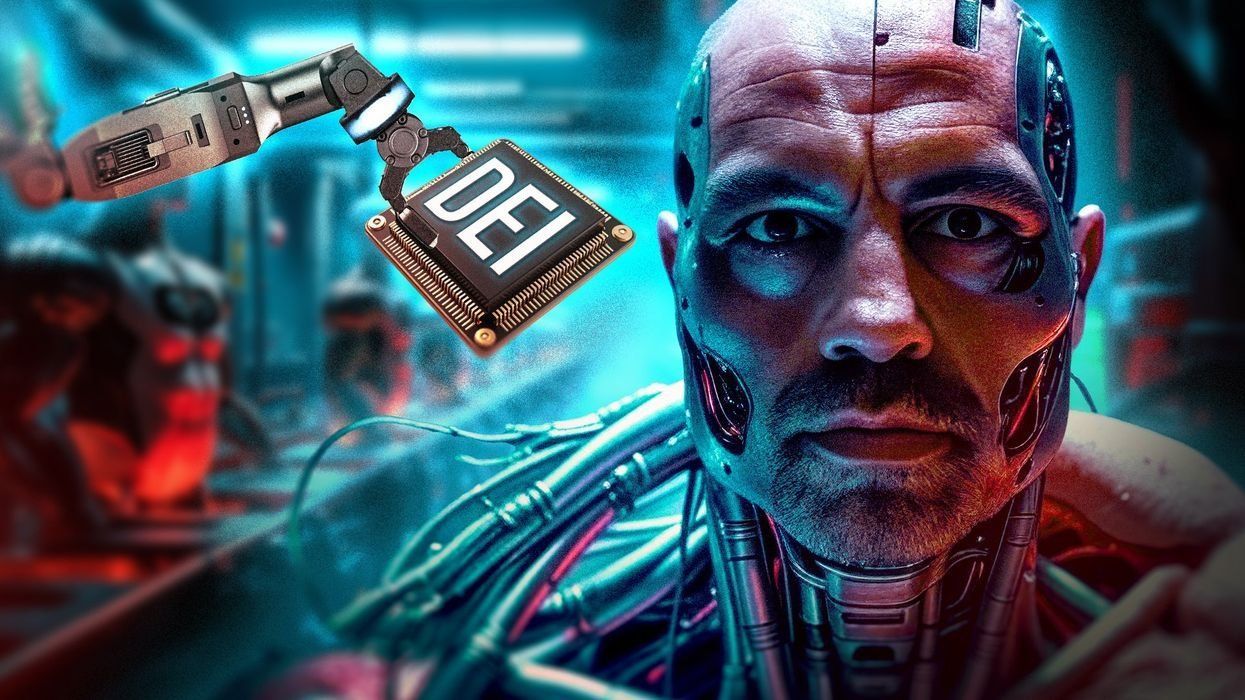
'Complete fools': Dark money group paying influencers $8K monthly to push Democratic propaganda: Report


Former Washington Post writer Taylor Lorenz — the blogger who doxxed Libs of TikTok in 2022, called breathing without a mask "raw dogging the air," and expressed "joy" over UnitedHealthcare CEO Brian Thompson's assassination — appears to have finally stumbled across a story of value.

Lorenz detailed in a piece for Wired magazine this week how a dark money group has launched a "secretive program aimed at bolstering Democratic messaging on the internet," offering would-be propagandists up to $8,000 a month for their services but requiring in exchange the surrender of a significant amount of creative control as well as "extensive secrecy about disclosing their payments."

'You failed. You didn't influence anyone. You made fools of yourself.'

Lorenz indicated that among those allegedly approached with contracts by Chorus, the apparent nonprofit arm of a liberal influencer marketing platform, was nonstraight activist Laurenzo; Eliza Orlins, a public defender who once competed on "The Amazing Race"; and one of the pro-abortion zealots behind the Women in America account on TikTok — three individuals who did not respond to Lorenz's requests for comment.

Other influencers allegedly involved "in communication about the program" include: 2024 Democratic National Convention speaker and Gen Z influencer Olivia Julianna; Playboy executive turned podcaster Loren Piretra; leftist YouTuber David Pakman; and Sander Jennings, the brother of Jared Jennings — the boy called "Jazz" whose genital mutilation was promoted on reality television.

Chorus has reportedly boasted that its initial propagandist cohort has a collective audience of over 40 million followers.

Blaze News senior politics editor Christopher Bedford said Thursday on "The Mandate" that "this was designed to reach out to among the most unstable TikTokers you've ever seen — the kind of folks who were at the White House with the nine-inch nails talking about how everything is gay and how great Joe Biden is because everything is gay now. These are the people that they are trying to pay — and they were also trying to control the message."

"My favorite part about the story is how incredibly incompetent this operation was," said Bedford. "Reading through it, I'm thinking: Well, you failed. You didn't influence anyone. You made fools of yourself."

This initiative, the Chorus Creator Incubator Program, is funded by the second-largest super-PAC donor in 2020, the Sixteen Thirty Fund.

Politico indicated that the Sixteen Thirty Fund forked out $410 million in 2020 in an effort to torpedo President Donald Trump's re-election and to help Democrats take control of the Senate. It has kept up pressure in the years since.

According to Influence Watch, the Sixteen Thirty Fund, which is not obligated to reveal its contributors, is managed by Arabella Advisors — a leftist, for-profit dark money group based in Washington, D.C., that is presently undergoing a messy breakup with the Gates Foundation.

The Sixteen Thirty Fund confirmed to the New York Post that it is serving Chorus as a "fiscal sponsor" and providing it with "operational and administrative support."

The Chorus Creator Incubator Program was reportedly launched in July. The propagandists involved were notified that over 90 influencers would take part.

Some of those who apparently signed on told Wired that the "contract stipulated they’d be kicked out and essentially cut off financially if they even so much as acknowledged that they were part of the program."

RELATED: Democrats want a new Joe Rogan — but their dogma won’t allow it

Blaze Media Illustration

Copies of the contract reviewed by Wired apparently confirm these claims, indicating that participants cannot disclose their relationship with Chorus or the Sixteen Thirty Fund and cannot disclose that they're paid shills.

In addition to their discretion, program participants must allegedly clear all of their bookings with lawmakers and political leaders through Chorus.

On a Zoom call reviewed by Wired, Graham Wilson, a lawyer working with Chorus, allegedly told participants, "There are some real great advantages to ... housing this program in a nonprofit."

"It gives us the ability to raise money from donors. It also, with this structure, it avoids a lot of the public disclosure or public disclaimers — you know, ‘Paid for by blah blah blah blah’ — that you see on political ads," Wilson allegedly said. "We don’t need to deal with any of that. Your names aren’t showing up on, like, reports filed with the FEC."

'They don't know how to deal with bad press.'

Wilson did not respond to Wired's request for comment, and the Federal Election Commission declined to comment.

Ellie Langford, the director of programming at Chorus, reportedly told liberal influencers on a Zoom call in June, "Our political systems haven’t been able to figure out a real solution, and I’ve been really excited to see you all treading the path forward. I deeply, deeply believe that the work you all are doing is what’s going to make the difference in supporting and frankly resuscitating our democracy."

Bedford noted that this ham-fisted effort on the part of leftists to regain control of the public discourse made him realize that "in the last couple of decades, while the American right has been building an alternative media system, which has become extremely successful and really launched into cool mode around 2011, 2012, with Daily Caller, but then finally came into its own with the meme wars in 2016."

"They're 10, 20 years ahead of where Democrats are," continued Bedford. "Democrats don't know what to do if ABC and CBS and CNN lay off half their employees. That's all they know. It's their only game in town. They don't know how to deal with bad press. They don't know how to deal with new media — and they're going to have to learn real quick."

Bedford noted further that it's clear from liberals' desperation to find and anoint a Joe Rogan-caliber influencer that they've missed the point.

"They put politics before entertainment. 'We need a liberal Joe Rogan.' No, you don't. You just need to convince Joe Rogan," added Bedford.

Like Blaze News? Bypass the censors, sign up for our newsletters, and get stories like this direct to your inbox. Sign up here!

Is an influencer named 'Hoe_Math' our best hope to fix modern courtship?


The name sounds like something dreamed up on the set of "It's Always Sunny in Philadelphia." A crude joke scrawled on a napkin during a particularly degenerate brainstorming session.

The man known as Hoe_Math admits as much. He chose the moniker before exploding across social media platforms. Before accumulating hundreds of thousands of followers, desperate for dating guidance. Before becoming the most brutally honest voice in relationship advice.

Modern dating is a rigged game with a broken scoreboard. Apps have turned romance into a dopamine casino, where the house always wins and the average guy always loses.

The origin is hazy. One story goes that a commenter once wrote, “It’s too early in the morning for ho math.” He liked it, branded it, and went with it. Sometimes, the clearest insights come disguised as barroom nonsense.

(Note: I reached out to Hoe_Math to confirm the origin, but received no reply by time of publication.)

Scientific precision

The name belies the wisdom contained within. Hoe_Math's content represents some of the most researched, thoughtfully presented dating advice available online. Every video dissects male-female dynamics with scientific precision, testifying to his alleged background in developmental psychology. Charts and graphs replace empty platitudes. Data replaces wishful thinking.

The approach is refreshingly mathematical. Hence the name. Dating becomes a series of equations to solve, variables to optimize, probabilities to calculate. Young men struggling with modern romance finally get concrete frameworks instead of vague encouragement. The advice works because it acknowledges uncomfortable realities that other creators ignore.

Most dating influencers peddle fantasy. They promise easy solutions to complex problems. Hoe_Math serves brutal truths with a sugarcoating of humor — laugh, wince, learn. His videos explain why certain strategies fail, why conventional wisdom leads to disappointment, why the dating market operates according to rules nobody wants to acknowledge.

No sex wars

His content speaks directly to young men lost in the wreckage of modern dating. But women gain just as much. His breakdowns of male psychology are tools for seeing through the fog of emotional misfires, mixed signals, and cultural confusion.

Unlike so many other individuals in the space, Hoe_Math doesn’t stoke the sex wars. He dissects them. He cuts past the noise and lays bare the primal instincts, the evolutionary wiring, the brutal incentives that shape modern dating. It’s not about blame. It’s about clarity. And in a landscape this dysfunctional, clarity is power.

What sets Hoe_Math apart is his humility. He doesn't present himself as a guru. He doesn't promise miraculous transformations. He's genuinely happy about his success and believes in his analysis of intersexual dynamics. But he maintains painful self-awareness about his limitations.

In fact, he considers himself too old to take advantage of his hard-won wisdom. In a viral post on X earlier this year, he wrote:

— (@)

His brutal honesty struck a nerve — and even landed on the radar of "Red Scare," the acid-tongued cultural podcast hosted by Anna Khachiyan and Dasha Nekrasova.

Bruised wisdom

The self-deprecation isn’t for show. He built his theories from personal failures — years of rejection, missteps, and romantic ruin. He isn’t preaching from a pedestal. He’s reporting from the rubble. That’s what makes it stick. There’s no hustle, no branding play. Just bruised wisdom, receipts of rejection, and data-backed despair.

The timing explains his explosive growth. Modern dating is a rigged game with a broken scoreboard. Apps have turned romance into a dopamine casino, where the house always wins and the average guy always loses.

Social media warps standards beyond recognition. Filters, thirst traps, and algorithm-fueled illusions have created a marketplace where attention, not character, is currency. The average man in his 20s or 30s now has a better chance of getting struck by lightning, hit by a falling air conditioner, or mauled by a gender studies major on Adderall than of finding the woman of his dreams on a dating app.

Starved for meaning

Amid this chaos, young people are starved for meaning. They need more than motivational fluff or red-pill rage. They need frameworks, truths they can actually apply. That’s what he offers.

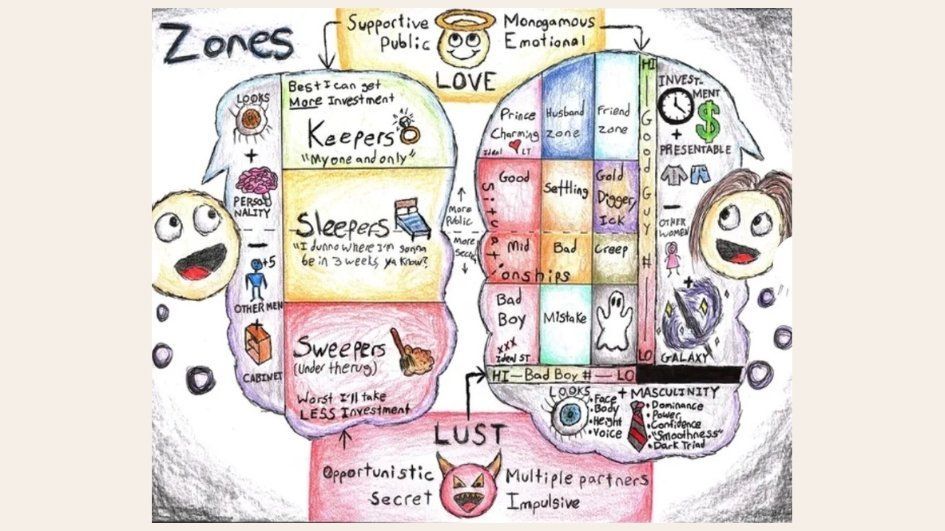
His charts and diagrams make abstract concepts concrete. The "Sexual Market Value" discussions feel clinical rather than offensive. He maps how attractiveness, resources, and social status interact in modern dating. The framework explains why certain people succeed while others struggle.

Hoe_Math's SMV analysis reveals dramatic shifts since the 1990s. Back then, dating pools were geographically limited. Your competition was local. Social media didn't exist to showcase everyone else's highlights. Dating apps hadn't gamified romance into a brutal efficiency contest.

In the 1990s, a reasonably attractive person in a small town had genuine dating prospects. Today, that same person competes against algorithmically curated profiles from hundreds of miles away. The dating pool expanded infinitely. But so did the competition. Everyone's standards inflated accordingly.

RELATED: Digital castration: Why real men should ditch dating apps

Dedraw Studio/iStock/Getty Images

Starved for truth

Hoe_Math's charts illustrate this mathematical reality. Women on dating apps receive massive attention from desperate men. This attention distorts their perception of their own market value. They start believing they deserve partners far above their actual attractiveness level. The result is widespread dissatisfaction as expectations clash with reality.

Men face the opposite problem. Dating apps favor the top 10% of male profiles. Average men become invisible. Their market value crashes in digital spaces despite being perfectly viable partners in real-world contexts. The apps create artificial scarcity that benefits neither sex in the long term.

The phenomenon speaks to something deeper: a cultural starvation for truth. People are done listening to influencers pushing sanitized advice approved by HR departments. Hoe_Math breaks that mold. He isn’t pitching a brand or selling a fantasy. He’s a man who’s been crushed by the machine and lived to diagram it. The honesty cuts. His failures are functional. They forged the frameworks. In a world drowning in performative wellness and fake confidence, failure becomes a mark of authenticity. If he had started out successful, no one would care. The fact that he didn’t is the entire point.

Whether his ideas have staying power is almost irrelevant. Dating norms shift, trends mutate, platforms rise and fall. But right now, he offers structure in the chaos. He gives young men language for what they’re living through and women a mirror for what men silently endure.

That’s valuable. That’s rare. Hoe_Math might be anonymous. His name might be ridiculous. But the impact is real. His charts make sense of nonsense. His pain translates into structure. And in this era of swipe-fueled psychosis, that makes him a prophet worth listening to.

Dr. Phil’s chilling warning about the dark side of the digital age: ‘They’re victimizing your child consciously’


It’s easy to get wrapped up in the chaos of day-to-day life and forget just how much has changed in recent years. But if we took a step back and considered what life was like just a couple of decades ago, we’d be mind blown at how different modern living looks today — especially as it relates to technology.

Back in 2024, Glenn Beck sat down for an extensive interview with Dr. Phil about the toxicity of our increasingly digital world. Given the expansion of artificial intelligence and social media algorithms in just the last year, their conversation is perhaps more relevant than ever.

“In 2002, the first text message hadn't been sent. ... We weren't at all digital,” says Dr. Phil.

However, in the subsequent years, “We started to get much more into the internet, and then [2008-2009], it was like a bunch of C130s flew over and dropped smartphones on everybody,” he says, “and that's when I saw as big a change in our society as has happened in my lifetime for sure — I think as big a change to mankind as has happened since the Industrial Revolution.”

Fast-forward to today, and the vast majority of people are “walking around with as much computing power in [their] hand as we had when we did the moonshot.”

This leap in technological progress has caused a lot of damage to the human soul. Glenn considers artificial intelligence’s projected growth over the next few years. “Man is not geared for that. I mean, we are animals and our instincts — everything — comes from millions of years of experience. We're not ready for this,” he says.

“And it’s showing,” Dr. Phil agrees, “because if you look particularly at our young people who immerse themselves in this technology, we're seeing the highest levels of anxiety, depression, loneliness, [and] suicidality ... since they started keeping records for that sort of thing.”

“Young people stopped living their lives and started watching people live their lives and comparing themselves to that, but the problem was they're comparing themselves to fictional lives [of influencers],” he explains, recalling times he’s had influencers on his show who have admitted that their lavish lives on social media are a far cry from reality.

These phony content creators are setting unrealistic expectations for the younger generations, who buy into the lie that life is fun and easy and then find themselves depressed when their life doesn’t measure up.

Compounding the issue is the tragic reality that most people walk around looking downward at their phones instead of up where real life is happening. When the iPhone first came out, Glenn immediately noticed this shift in behavior and warned that these smart devices were a dangerous “experiment on humankind.”

We now know from recent studies that he was right – smartphones are indeed rewiring the brain and harming the human psyche in ways we don’t fully understand yet.

Even more disturbing is the fact that those who are developing the algorithms that dictate the content we see should not be trusted. Dr. Phil points to a study conducted on a 13-year-old girl that proved that an algorithm is just a “money grab,” designed to get people “emotionally invested,” usually to their detriment.

“We've seen the information that the girls get anxious, they get depressed, their self-worth goes down. It hurts them to see [curated content],” he says, but “[social media companies] don't care ... so they continue to feed them upsetting content because they click more and get more ad exposure.”

“They're victimizing your child consciously,” he warns.

To hear more of the conversation, watch the full interview above.

Want more from Glenn Beck?

To enjoy more of Glenn’s masterful storytelling, thought-provoking analysis, and uncanny ability to make sense of the chaos, subscribe to BlazeTV — the largest multi-platform network of voices who love America, defend the Constitution, and live the American dream.

The next Christian revolution won’t be livestreamed on TikTok


Ronald Reagan famously cited the Roman maxim, “If it was not for the elders correcting the mistakes of the young, there would be no state.” That wisdom rings hollow when you’re on the mistake-making side.

Generation Z hasn’t exactly earned a reputation for excellence. As we wrote this, professional activist Greta Thunberg was in Paris, pausing her carbon-shaming campaign to weigh in on the war against Hamas. Here at home, Gen Z Democratic influencer Olivia Julianna is trying to rebrand her party’s image among young men by championing abortion access and highlighting its supposedly deep, hidden love for groups like Black Lives Matter.

Being ‘Christian first, conservative second’ isn’t political surrender. It’s the basis for cultural authority.

That barely scratches the surface.

A quick scroll through X reveals countless under-30 users with enormous followings and the “influencer” label — despite having little real influence. Their mistakes aren’t just frequent. They’re embarrassing.

So what’s a Christian Zoomer supposed to do?

The extreme of ‘influencerdom’

At a high level, the answer is simple: Build systems that reflect Christian values, and challenge the ones that don’t. But real influence won’t come by copying the warped incentives pushed by our generation’s loudest voices.

The skills needed to go viral online rarely match the skills needed to drive real-world change. In fact, they often clash. Posting about the dangers of corporate diversity, equity, and inclusion is one thing; using influence to force lasting change in corporate policy is something else entirely. Both matter — but they aren’t the same.

The other extreme: Apathy

But political “influencerdom” isn’t the only problem. Gen Z also suffers from a serious apathy problem. Between the aftershocks of the COVID economy and apocalyptic climate narratives — why bother thinking seriously about policy if the sun’s going to explode in 10 years? — Zoomers have earned a reputation as, in the Wall Street Journal’s words, “America’s Most Disillusioned Voters.

We’ll show up to vote — maybe. But posting on Instagram takes less effort, so we’ll do that instead. One analysis summarized the challenge this way: “Campaigns must focus on converting robust online advocacy into real-world voter turnout.” That’s the kind of strategy you get when no one really cares.

RELATED: Church is cool again — and Gen Z men are leading the way

Shuang Paul Wang via iStock/Getty Images

A Christian Zoomer response

As Christians, our duty is the opposite of apathy. We’re called to care. Rejecting our generation’s default indifference is just the beginning. “Christ is King” isn’t a license to coast — it’s the foundation for action.

Here are some practical ways Christian Zoomers can avoid the traps of both performative activism and total disengagement.

Seek wisdom from the right sources. Don’t look to influencers for answers. The people most worth learning from probably don’t have a million followers on X. Avoid the echo chamber of “onlineness.” Instead, find expertise from unglamorous sources: people with “lived experience,” technical know-how, and hard-earned wisdom.

Join a local church. Every Christian needs the weekly rhythm of worship, sound teaching, and community. But for young believers navigating a secular world, the church is especially vital. Find a congregation that preaches the gospel clearly and offers intergenerational support. This isn’t about socializing — it’s about growing in conviction and courage through regular contact with people who live by “Christ first, culture second.”

Vote locally. You don’t have to be a political junkie, but you should know what’s happening in your county. Local and state policies affect your daily life far more than most federal debates. National politics is often a circus; local politics is where things actually get done. Caring about what happens five miles from home is a Christian habit worth cultivating.

Think before you post. Virtue-signaling comes in all forms — left, right, and “based.” Whether it’s a black square or the latest meme, pause before jumping in. Ask: “Am I actually doing something about this issue in my community?” If the answer is yes, then post away. If not, maybe start with action before broadcasting your opinion.

Keep a few friends who disagree with you. Yes, surround yourself with faithful Christians — but don’t retreat into an ideological bunker. Having friends with different views helps you resist tribalism. You may not see eye to eye on politics, but they probably aren’t your enemies. Humanizing your opponents is a discipline, one that fights against the hyperfixation and outrage that dominate our age.

Serve somewhere. Whether you care about the unborn, the incarcerated, or victims of trafficking, find a local organization doing the work — and show up. It’s easy to have strong opinions about cultural decay. It’s much harder to give your time. But service grounds us. It reminds us of God’s blessings and our call to be His hands and feet.

Our generation veers between two extremes: obsessive political engagement and total apathy. Both reflect a flawed attempt to wring meaning from a system designed only to support human flourishing — not define it. And both fail.

The politically apathetic pride themselves on floating above the fray, looking down on those who care enough to engage. The hyper-engaged believe their passion sets them apart — morally superior to the so-called “normies” who sleepwalk through civic life.

Both attitudes are wrong.

If we, the rising generation of Christians, want to engage the culture meaningfully, we must refuse to measure our success — or define our mission — by worldly standards.

Being “Christian first, conservative second” isn’t political surrender. It’s the basis for cultural authority. It doesn’t excuse disengagement. It demands engagement.

We act because we believe every person bears the image of God. That truth drives our pursuit of justice, mercy, and truth. Our theology shapes our politics, not the other way around.

And if pagan, anti-Christian values fall in the process? So much the better!

CNN Melts Down Over Women Getting Happier By Ditching Feminism For Femininity

Legacy publications creatively blame 'hatred' and 'misogyny' for younger women seeking life patterns outside feminism.
'OMG people, the world is ending': AI company shows just how easy it is to be a social media influencer


An artificial intelligence video company released eerily realistic video content poking fun at the modern world of social media influencers.

Described as "brilliant and depressing," the video from the Dor Brothers utilized Google's Veo 3 AI model to generate a video about a terrorist attack, complete with mock coverage from over-the-top social media creators who are the spit and image of real life.

'Men literally destroy everything, and my girls need to stop being so soft with these basic losers.'

Race activists, fitness influencers, and cryptocurrency pushers were all targets of the hyper-realistic video that mocked the shallowness and vapid personalities of a stereotypical online character.

"OMG, people. The world is ending. Are you seeing this? This is actually so exciting," an AI-generated woman said, recording herself in an active war zone.

A would-be relationship guru then popped up to say, "Like, it would totally be better if we ran it. You know? Men literally destroy everything, and my girls need to stop being so soft with these basic losers."

RELATED: AI models are reprogramming themselves to 'play dumb' or copy their data to other servers to survive

The video then turned to a cryptocurrency influencer: a muscular man in his car, with a Bitcoin button on his shirt — typically referred to as a crypto bro — encouraging followers to capitalize on the disaster by buying stocks while they are low.

"Guys, this collapse is literally the perfect dip. I'm buying more right now."

As fitness influencers tell followers "the world collapses when men stop lifting" and streamers tell donors to send money for a boat before they drown in a flood, the only differentiators between the footage and real life appeared to be unusually smooth skin and the occasional tooth or hand glitch.

The audio also still needed to be tinkered with, but videos have circulated from other studios, or perhaps prompt-writing sources, that showed equally as impressive work with Google's AI models.

RELATED: Warner Music signs AI-generated singer with endorsement deals with Dior, Versace, and Kim Kardashian

These videos, which are separated from reality along a razor-thin line, are only the tip of the iceberg, according to Return's Peter Gietl.

"The video is funny in how it skewers a generation of 'influencers' who've somehow been able to turn wars, natural disasters, and race riots into content for their audience," Gietl said. "Perhaps the most disturbing aspect is despite being hyper-realistic, it's at least one or two generations behind the latest videos in terms of blurring the lines between AI videos and reality."

As scary as the renders may be, the Dor Brothers did seem particularly adept at mimicking the mind of an influencer, particularly with their race and gender activist character.

"Even as the world burns, my struggle for visibility and acceptance continues," a female character with multicolored hair said. "This is exactly why representation matters now more than ever."

Like Blaze News? Bypass the censors, sign up for our newsletters, and get stories like this direct to your inbox. Sign up here!