You need just two things to have fun — and neither of them is money
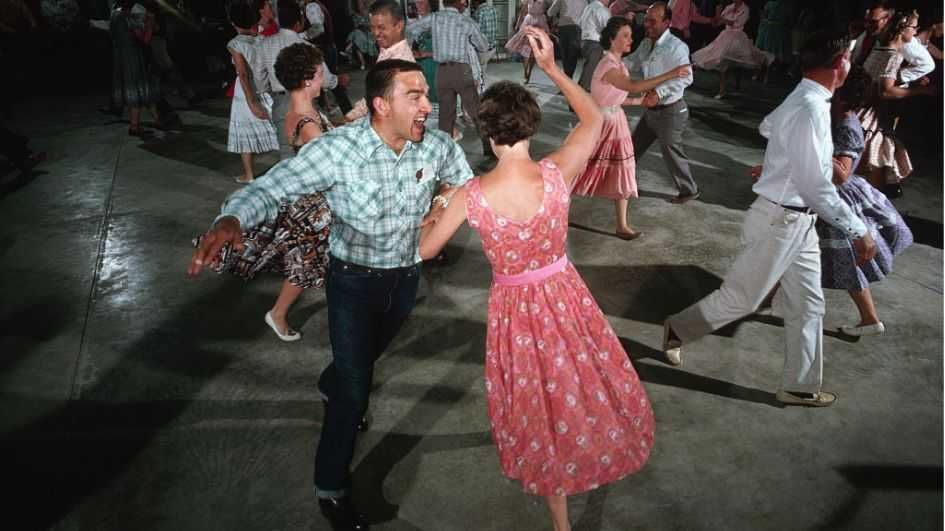
A recent national survey found something rather alarming. Nearly half of Americans say the fun has faded from their lives. The top excuse is predictable — money. Over half say they simply can’t afford to enjoy themselves any more.
Interestingly, the people who do make time for fun report less stress, stronger relationships, and more motivation. In other words, the payoff is real. And the barrier is not as simple as the price tag.
There’s also something to be said for reviving lost habits: pickup sports, church gatherings, volunteering, even old-fashioned storytelling.
We have trained ourselves to think fun is expensive. That didn’t happen by accident. Social media sells a deadly diet of curated lifestyles — vacations, rooftop bars, luxury dinners, perfectly staged “memories.” Reality TV ups the ante with drama and excess. Fun, in this version of life, is something you buy, document, and broadcast. If it doesn’t look impressive, it doesn’t count.
That idea is both wrong and exhausting.
Simple, local, shared
For most of human history, fun was simple, local, and shared. It was built around people, not purchases. Somewhere along the way, we replaced connection with consumption and then acted surprised when both our wallets and our spirits ran dry.
The truth is, some of the best forms of fun cost next to nothing, and they tend to be the ones that actually work.
Start with the obvious: time with other people. The survey itself admits what many already know but ignore — shared fun strengthens relationships. Not curated, expensive outings. Just shared time.
A backyard cookout beats a $200 night out more often than people admit. A few burgers, a cheap speaker, maybe someone brings a folding chair that’s seen better days. It’s not glamorous. That’s the point. People relax. They talk. They laugh hard, let their hair down, and leave feeling re-energized.
Playing, not paying
Game nights are another example. Not the staged, Instagram-ready kind, but the slightly chaotic version. A deck of cards, an ancient board game, or even something improvised. Half the fun is in the arguing over rules and the inevitable cheating accusations.
Then there's the outdoors, still one of the best bargains left in America. A walk through the neighborhood, a hike up a nearby trail, a pickup game at the local court, an afternoon fishing at a quiet pond. None of it costs much more than the time you put in.
Even something as simple as a long drive can reset a person. No destination needed. Just music, conversation, and maybe a wrong turn that ends at a gas station selling fireworks, ammunition, and wedding dresses. Gas costs money, sure. But compared to most “entertainment,” it’s pocket change
Some ideas lean practical. Others lean a bit ridiculous, and that’s part of their charm.
RELATED: My new hack for a long, healthy life? Getting married
Thrift tour
Try a “no-spend day” with friends or family. The rule is simple: No one spends a dime, but everyone has to contribute an idea. You end up with a strange mix. Maybe a park visit, followed by a kitchen experiment, followed by someone insisting on teaching a skill they barely understand.
Or host a “bad movie night.” Everyone brings/suggests the worst film they can find. The goal isn’t to be entertained, but to acknowledge how terrible it is. You’ll get more genuine enjoyment out of that than sitting silently through a $250 million film whose plot you couldn't summarize at gunpoint.
There’s also something to be said for reviving lost habits: pickup sports, church gatherings, volunteering, even old-fashioned storytelling. These used to be normal parts of life. Now they feel almost novel, which says more about our culture than it should.
Other people's fun
The issue goes beyond money. It comes down to isolation.
The same survey points out that social circles have shrunk. People have fewer friends, fewer regular meetups, and fewer shared routines. That is not solved by a bigger paycheck. You can have more money and still sit alone on a couch, scrolling through other people’s “fun.”
In fact, that’s exactly what many people do.
There’s an idiotic assumption that if finances improved, life would suddenly feel fuller. But look at the data again. What people actually benefit from is participation rather than spending. It’s being with others. It’s stepping out of the passive role and into something shared.
Money can help, no doubt. It can remove certain barriers. But it cannot replace effort, initiative, or community. Those are choices.
If anything, the “money excuse” has become a convenient shield. It lets people avoid the obvious truth. Building a life with real enjoyment requires intention. It requires calling people, making plans, and actually showing up at the agreed-upon venue at the agreed-upon time.
Fun still exists. It just got crowded out — by work, by screens, by the idea that everything worthwhile must come with the swipe of a credit card.
Once we drop that idea, something refreshing happens. Fun becomes accessible again. So make the call, organize a game night, watch a so-bad-it's-good movie with more than one sad soul in the room. And prove that fun doesn't require a reservation, a dress code, or a payment plan.
 Few of us can see that the choices we are making at 30 may well lead to spending Christmas alone at 60.
 Photo by JackF via Getty Images
 Into the dark web of campus ignorance stepped Charlie Kirk, a joyful warrior of immense spirit and optimism.
 The Covid 'experts' chose the unscientific tyranny of lockdowns, mandates, and petty, ineffective, legalistic rules, and they didn’t have to.
 We must keep talking and throwing wrenches into the machinery of loneliness. We must keep coming together in love for our neighbor.
 Ultimately, at stake is the right to communicate openly, which translates into your right to build community without state interference.
 The human fear of social rejection is so hard-wired that it can be harnessed to control our speech, our behavior, and our thoughts.
 God gave us our senses so we could interact in the natural world He created. Vision Pro thoroughly disrupts that.
 freebeacon.com
 thefederalist.com