Justice Scalia Is Still Shaping Bombshell SCOTUS Rulings Years After His Death
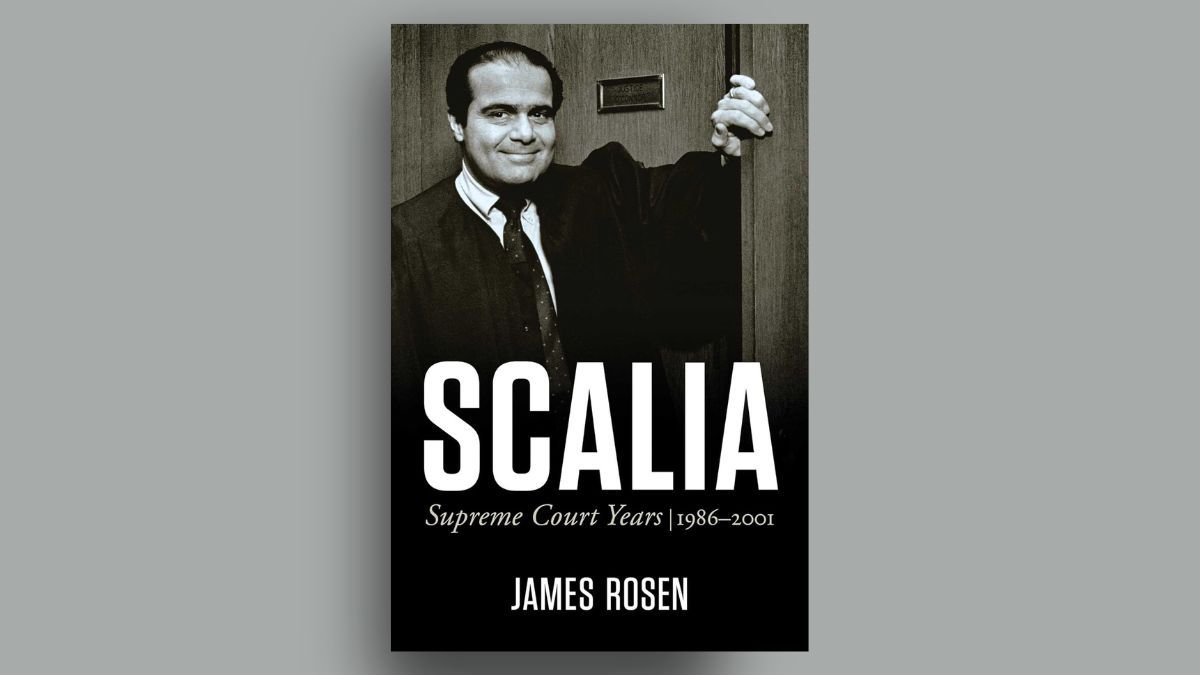 Justice Scalia was planting the seeds that would later come to fruition in future originalist decisions produced by the Supreme Court.
The “deep state” — the hidden network of unelected bureaucrats, intelligence officials, military leaders, and other insiders who secretly control government policy regardless of who is elected — has long been written off as a conspiracy theory.
But BlazeTV host Liz Wheeler says seven recently declassified documents from Richard Nixon's 1975 grand jury testimony are evidence that the deep state doesn’t just exist — it’s been forcefully active for decades.
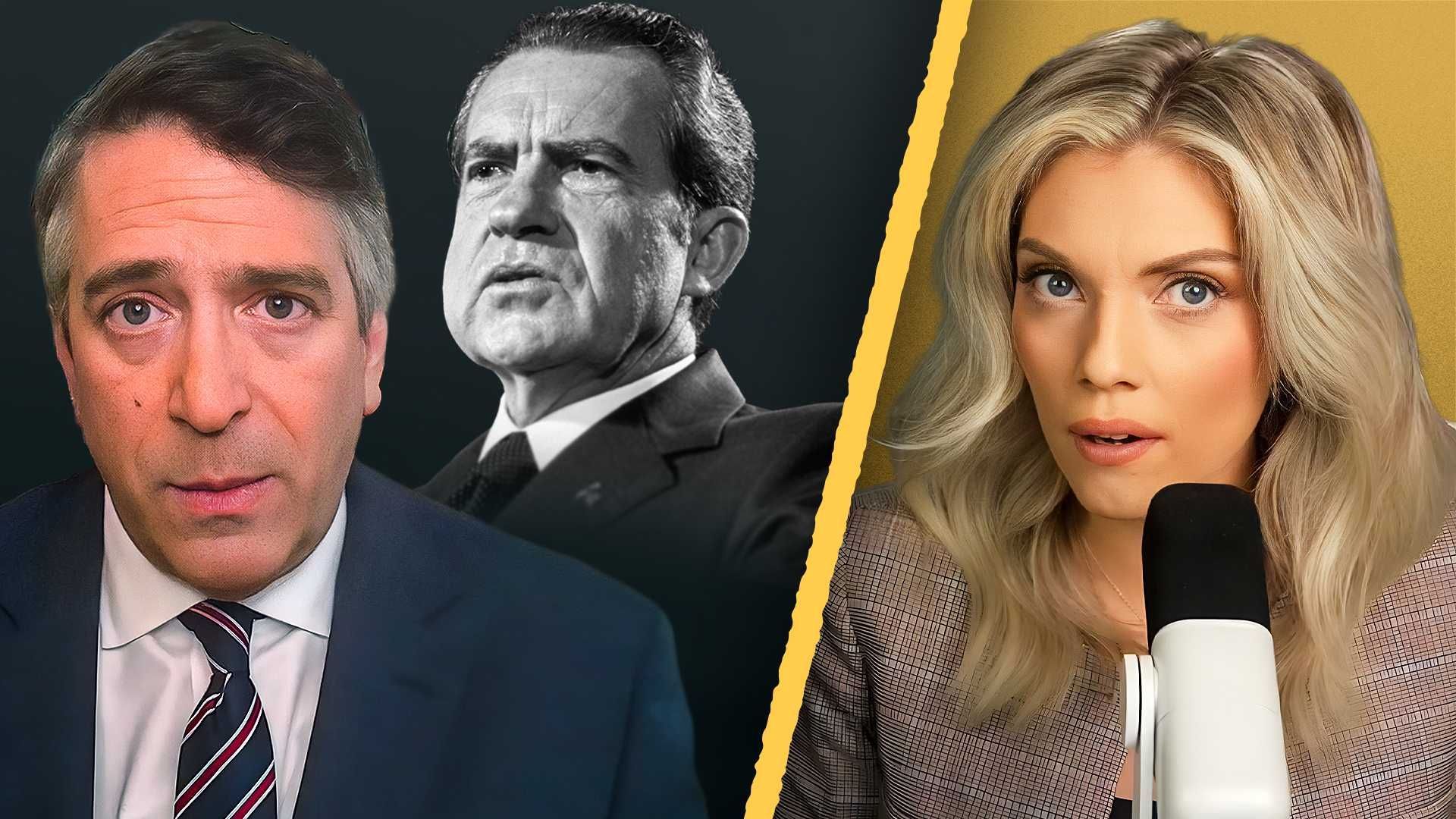
On this episode of “The Liz Wheeler Show,” Liz interviews Newsmax chief Washington correspondent James Rosen about the bombshell he helped bring to light.
Rosen, author of the 2008 book “The Strong Man: John Mitchell and the Secrets of Watergate,” has been digging into this story for over 30 years. He explains that the seven newly unsealed pages from Nixon’s secret 1975 grand jury testimony finally confirm one of the most explosive (and deliberately buried) scandals of the Nixon era: the Moorer-Radford espionage affair.
Back in 1971, top military leaders felt ignored by President Nixon and his adviser Henry Kissinger. They were upset that big foreign-policy decisions were being made without them.
In response, the Joint Chiefs of Staff launched a secret spying operation inside the White House. They used a young Navy yeoman named Charles Radford to steal thousands of top-secret documents.
“He took a copy of every document that came across his vision. What he couldn't copy, he memorized. He dove through waste baskets and burn bags. He literally rifled the briefcases of Henry Kissinger while he slept on overnight flights,” says Rosen.
“It’s estimated that this yeoman stole 5,000 classified documents from the National Security Council over a year's time, 1970 to '71, in wartime, and delivered those documents to the Joint Chiefs of Staff through the admirals,” he adds.
When these ultra-sensitive documents Radford had stolen started appearing in newspaper columns just days after high-level meetings, Nixon’s “plumbers” — which Rosen describes as a White House “special investigative unit” — quickly traced the leaks back to Radford and the Pentagon spy ring.
The White House was stunned to discover that the U.S. military had been running an espionage operation against its own commander in chief during wartime.
“[The Senate Armed Services Committee] held classified closed-door hearings, but everybody involved had good reason to want to let the matter drop, and ultimately nothing was done,” says Rosen.
For starters, Nixon didn't want to publicly "vilify" the military during the Vietnam era, when returning veterans were already facing widespread scorn and being labeled “baby killers," Rosen explains. Further, Attorney General John Mitchell reminded Nixon of his own administration's secret operations, making a full-blown scandal risky for everyone.
So the affair was hushed up. Radford and the involved admirals were quietly reassigned to remote posts; the Pentagon liaison office was dissolved; and no charges were filed. Brief classified Senate hearings in 1974 fizzled out amid the Watergate storm.
Rosen, who first detailed this from Nixon's 1971 White House tapes in his 2002 Atlantic article “Nixon and the Chiefs,” says these seven newly declassified pages from Nixon’s 1975 grand jury testimony add the former president's own sworn account of the betrayal.
It shows unelected military leaders actively undermining an elected president over policy disagreements — proof, he argues, that the deep state isn't a modern myth but a decades-old “beast.”
Check out the full eye-opening interview above.
To enjoy more of Liz’s based commentary, subscribe to BlazeTV — the largest multi-platform network of voices who love America, defend the Constitution, and live the American dream.
White House press secretary Karine Jean-Pierre became visibly upset on Tuesday after a reporter confronted her over President Joe Biden's heavy reliance upon notecards.
Biden's notecards, used to help him navigate meetings with foreign leaders and press conferences, have received scrutiny in the past. But his usage of notecards is coming under intense focus in connection with concerns about his mental acuity. Most recently, Biden was spotted using notecards while visiting the southern border and while meeting with Italian Prime Minister Giorgia Meloni.
"Why does the president rely so heavily on notecards?" Fox Business reporter Edward Lawrence asked Jean-Pierre.
What followed from the press secretary was an award-winning performance in gaslighting. At first, she accused Lawrence of being "upset" about the notecards. And when he denied being upset, she simply repeated his question back to him before ignoring it altogether.
"I'm asking why does he rely so heavily?" Lawrence clarified.
"The president, who has had probably one of the most successful first three years of an administration than any modern-day president— he’s done more in the first three years than most presidents who had two terms. You're asking me about notecards?" the press secretary responded.
— (@)
The gaslighting was too much for reporter James Rosen, who called out Jean-Pierre.
"Can you answer his question?!" Rosen requested.
Rosen's interjection clearly angered Jean-Pierre.
"I'm not speaking to you right now, James," she fumed. "I'm talking to your friend over here, Ed. But thank you so much for interjecting."
After scolding Rosen, Lawrence once again asked his question, but Jean-Pierre refused to answer it. "The most important thing, here," she pontificated, is that Biden is "delivering" for the American people.
Last month, Axios reported on Biden's extensive reliance upon notecards, which is increasing.
According to the outlet, Biden is using "notecards in closed-door fundraisers, calling on prescreened donors and then consulting his notes to provide detailed answers." Those notecards help Biden explain his own policy positions on prescreened questions. His reliance on those notecards is raising questions about his mental acuity among donors, Axios reported.
It is interesting to point out that Jean-Pierre chose to gaslight, get frustrated, and dodge Lawrence's question, rather than offer a plausible explanation for why the president — who is tasked with retaining large amounts of information — might use notecards to help him stay sharp.
Like Blaze News? Bypass the censors, sign up for our newsletters, and get stories like this direct to your inbox. Sign up here!
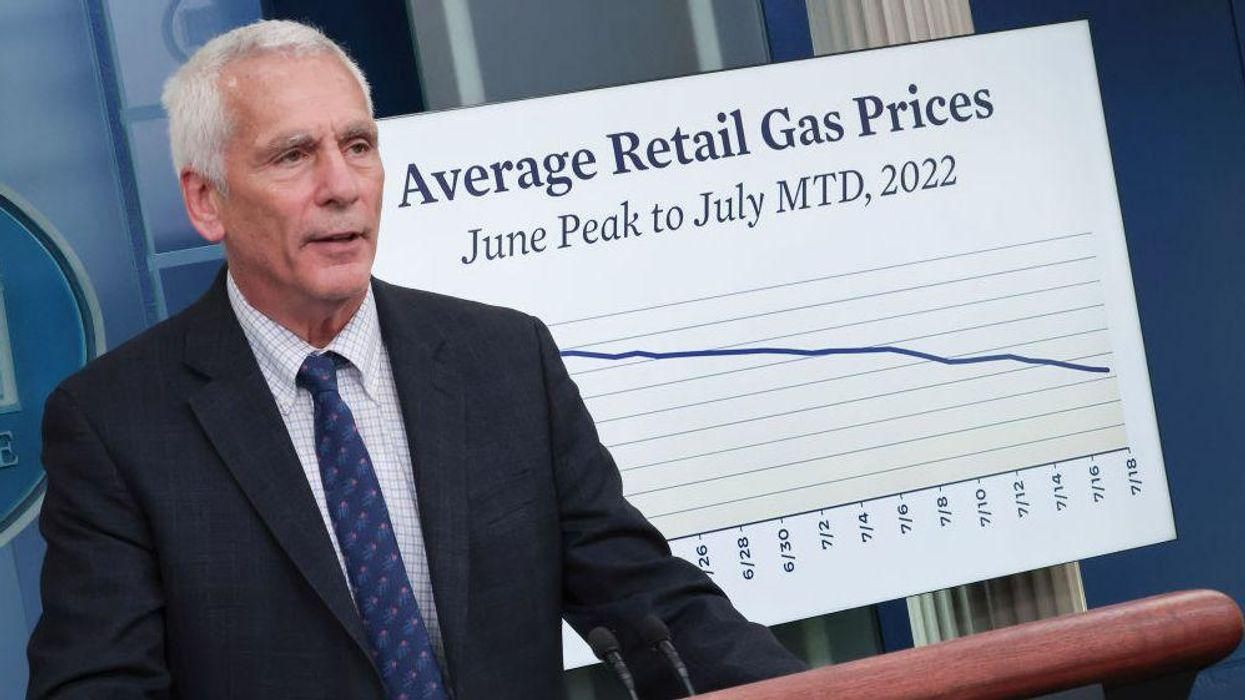
A reporter confronted Jared Bernstein, a senior economic adviser to President Joe Biden, on Monday for engaging in a double standard when addressing the gas price crisis.
Bernstein told reporters at the White House daily press briefing that he was not taking a "victory lap" for improve gas prices. But he also celebrated falling prices, attributing them, in part, to "historic actions taken by President Biden."
But James Rosen, a veteran White House reporter, quickly called out Bernstein for an apparent double standard.
After all, Biden spent months blaming record-high gas prices on Russian President Vladimir Putin and the oil industry, repeatedly accusing oil and gas companies of profiteering. But now that gas prices are decreasing, Biden gets to take credit for it?
"Aren’t you having it both ways, Jared?" Rosen asked. "Because when the gas prices go up, it’s got nothing to do with the president; when we see some decline, you want him to get the credit."
Bernstein denied that he was engaging in a double standard, but still praised Biden for doing "everything" in his power to lower gas prices. Rosen, however, was not buying the explanation.
"So when [gas prices] rose, it was Putin’s fault. When they’re coming down, [Biden] gets the credit," Rosen pushed back.
After disputing the "framing" of Rosen's pushback, Bernstein tripled-down on Biden "working tirelessly" to produce "real results" for Americans.
"I very much disagree with that framing," Bernstein told Rosen.
"I think what’s happening here is a president who is working tirelessly to address the largest constraint — probably the toughest constraint — facing American households right now: the budgetary impacts of these elevated prices," he added. "And we’re showing you here today some real results that partially derived from concrete efforts he’s taken."
07/18/22: Press Briefing by Press Secretary Karine Jean-Pierre youtu.be
Gas prices are dropping, analysts say, because of a decrease in demand and falling oil prices. There is no evidence, in fact, that action taken by the White House has helped ease pain at the pump.
Unfortunately, experts say Americans are not in the clear.
"We’re not completely out of the woods yet — we could also see a sharp reversal in the decline," said Patrick De Haan, head of petroleum analysis at GasBuddy, last week.
"There remains the risk of a spike in prices that could send us to new record levels in August, should any disruptions occur," he explained. "It could be a wild ride, but for now, the plummet at the pump shall continue."
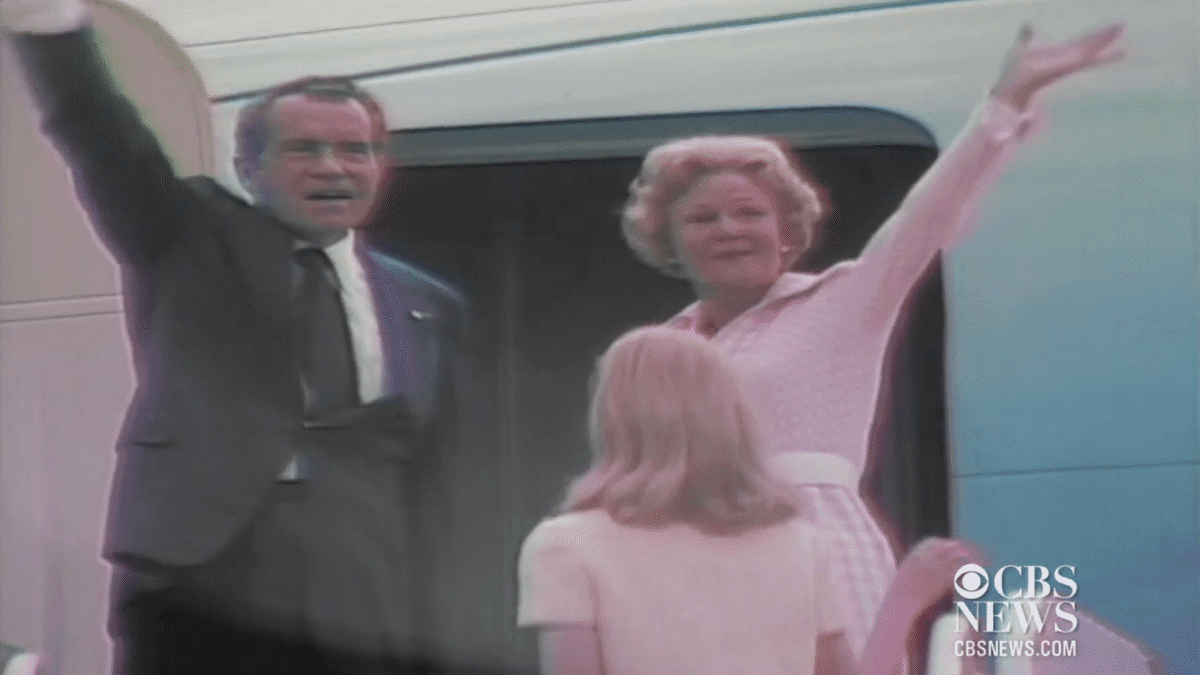 The new revelation about Nixon 'bears directly on allegations by President Trump and his supporters about the existence of what was once called the permanent bureaucracy, better known today as the "deep state."'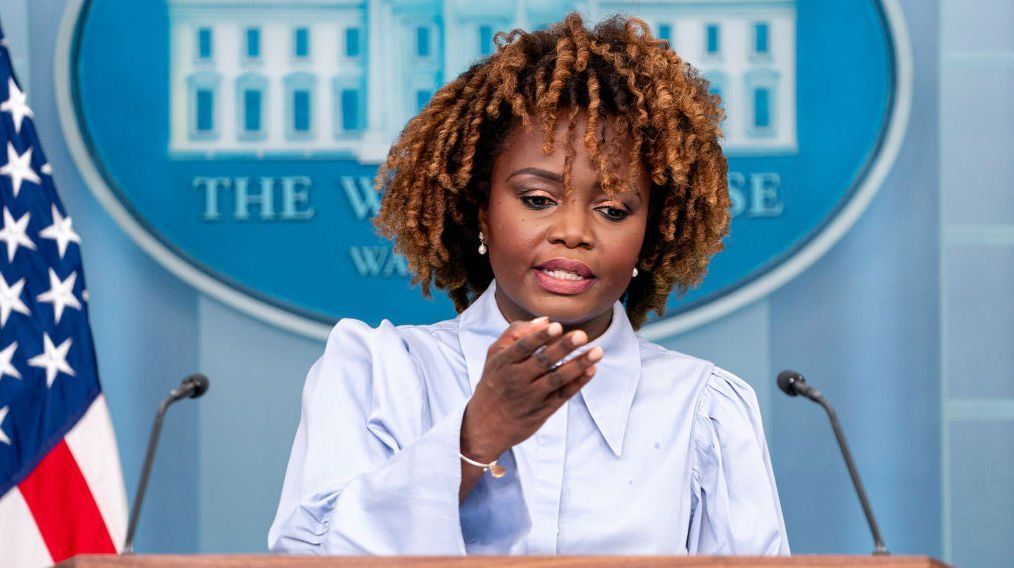
 www.theblaze.com