Japan’s beautiful love affair with America
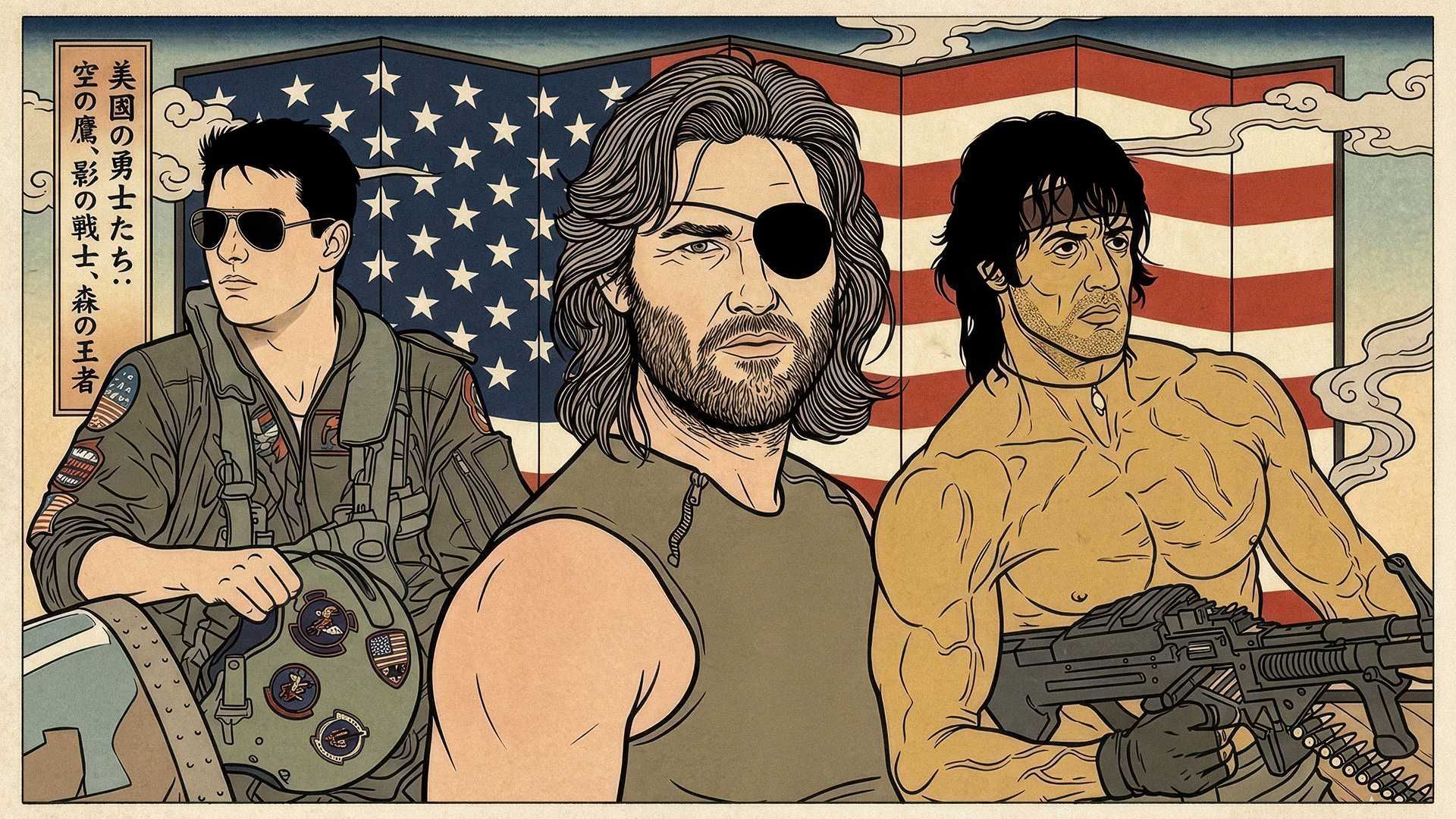
For a brief moment, X stopped reading like a machine built to aggravate, divide, and degrade the people using it. Instead of the usual sludge of foreign bots and demoralizing propaganda, American users found themselves, thanks to a new auto-translation feature, staring at something unexpected: a flood of posts from Japan celebrating the United States. Monster trucks, backyard barbecue, Old West revolvers, bluegrass music, country songs, and all the rowdy symbols of American life that our own elites often treat as embarrassing were suddenly being admired from abroad.
It reminded Americans that our culture is not only real, but vivid enough that another people can see its beauty even when we have been taught to sneer at it ourselves. If Americans and Japanese are to continue to enjoy our distinct cultures, we must fight to maintain the true diversity that makes a civilization worth preserving.
Status in the U.S. and many other Western nations is acquired by looking down on the folkways of the average American.
Most Americans know that there is a strong current of appreciation for Japanese culture in the U.S. Americans eat Japanese food, watch anime, read manga, practice karate, and revere samurai movies. While we were once in a brutal war, Americans have come to respect the noble and beautiful traditions of the Japanese. What many Americans did not know is that the Japanese also have a robust subculture of appreciation for American culture.
Americans are constantly told that they have no culture, or that what they do have is shallow, vulgar, and unworthy of defense. In much of elite life, status comes from mocking the tastes and traditions of ordinary Americans. Status in the U.S. and many other Western nations is acquired by looking down on the folkways of the average American.
It is not just that the Japanese love American culture, but that they seem to focus specifically on rural Southern and Western archetypes. Banjos playing “Take Me Home, Country Roads," barbeques grilling comically large steaks, monster trucks crushing everything below them. The Japanese love and celebrate everything that American elites have trained the population at large to sneer at.
Recently, many people have been asking the question “What is an American?” But the Japanese seem to know right away. There is no confusion, no debate. The answer is obvious and plays itself out in the memes, re-enactments, and celebrations the Japanese enjoy while honoring American culture. Sometimes another people can identify your defining traits more clearly than you can, especially after your own institutions have spent years trying to dissolve them.
In a period when many people in the United States feel estranged from their own inheritance, it was oddly heartening to see ourselves reflected in a nation we admire. If the Japanese know who Americans are, then the least we can do is be proud to act like the Americans the Japanese love.
This sudden outburst of cultural appreciation also puts to bed the idea that Americans are xenophobes who hate other countries. Japan’s love for the U.S. is reciprocated with great fervor by Americans. But why are Americans so willing to appreciate and embrace the Japanese while being dismissive of so many other countries? The answer is simple: The Japanese are worthy of admiration. Not all cultures are equal, and the Japanese have emerged from the devastation of war to rebuild a high-trust society on a foundation of rich history and honorable conduct. It turns out that Americans don’t hate other cultures; they simply save their appreciation for those that deserve it.
The social media cultural exchange also highlighted the importance of real diversity and the need to protect distinct cultures. Both the Americans and Japanese hold reciprocal appreciation for each other’s civilizations and want to see them continue into the future. Americans want our grandchildren to be able to visit Japan in 100 years and experience what we celebrate now, and the Japanese feel the same about the U.S. An island called Japan that had the same borders and topography but was filled with Indians, Palestinians, and Somalians would not be the same. If the island chain of Japan were full of Haitians, it would not be Japan; it would be Haiti with some cherry blossoms.
RELATED: Disney’s ‘Gay Days’ are canceled. Don’t pop the champagne just yet.
That is the point that modern ideology cannot admit. A nation is not just a market, a legal zone, or a patch of land inside a set of borders. It is the Japanese people, their way of life, and the culture they create that define the nation. Japan has been better than most modern nations in protecting its identity, but the country is under immense pressure to open its borders. Like much of the modern world, Japan is experiencing a massive decline in birth rates and is struggling to care for its elderly population while replacing its workforce. After dabbling in increased immigration to bolster its workforce, the nation has elected a right-wing government to reimpose restrictions. A civilization can survive low birth rates for a time; it cannot survive replacement.
Americans are beginning to understand the same truth about themselves. If Japan would cease to be Japan after demographic replacement, then the United States would cease to be the United States under the same conditions. America is a real, distinct culture with traditions, folkways, and history that are worthy of pride. America is not just an economy or an administrative zone attached to a flag. We need to stop being shamed into rejecting our culture or treating it as the banal background for a global empire. Japan is beautiful because the Japanese have built a civilization worth preserving. America is beautiful because Americans built a distinct culture worth preserving. That culture deserves more than ironic detachment or ritual embarrassment. It deserves loyalty. The Japanese, in their odd and affectionate way, reminded Americans of something many had forgotten: This country is real, its inheritance is beautiful, and it is worth preserving.

 Photo by Arda Kucukkaya/Anadolu via Getty Images
 Photographer: Kiyoshi Ota/Bloomberg via Getty Images



 www.theblaze.com
 www.theblaze.com
 thefederalist.com
 thefederalist.com