Court Filing: Democrat AGs Behind Lawfare Coordinated With Leftist Groups About ‘How To Stop Trump’
 A new court filing seeks to disqualify Arizona's far-left AG after documents expose 'wide-reaching multi-state political influence campaign.'
Judicial Watch obtained heavily redacted documents from the Federal Bureau of Investigation showing that law enforcement broadcast radio warnings about an "unknown male acting suspiciously" prior to the assassination attempt in Butler, Pennsylvania.
The FBI was forced to release the first records after President Donald Trump's assassination attempt on July 13, 2024, following Judicial Watch's lawsuit against the bureau. A year and a half after the shooting, very little is known about the assassination attempt, the failures leading up to it, and the shooter himself.
'It shouldn't have taken years and a federal lawsuit to get this basic FBI material.'
In the lawsuit, Judicial Watch asked for all records and communications related to Trump's would-be assassin, Thomas Matthew Crooks, after the FBI failed to comply with a July 2024 FOIA request.
As a result, the FBI was forced to release 37 heavily redacted pages revealing the extent to which law enforcement was aware of "suspicious" activity leading up to the deadly shooting.
RELATED: Damning social media footprint suggests Thomas Crooks was another 'they/them' radical
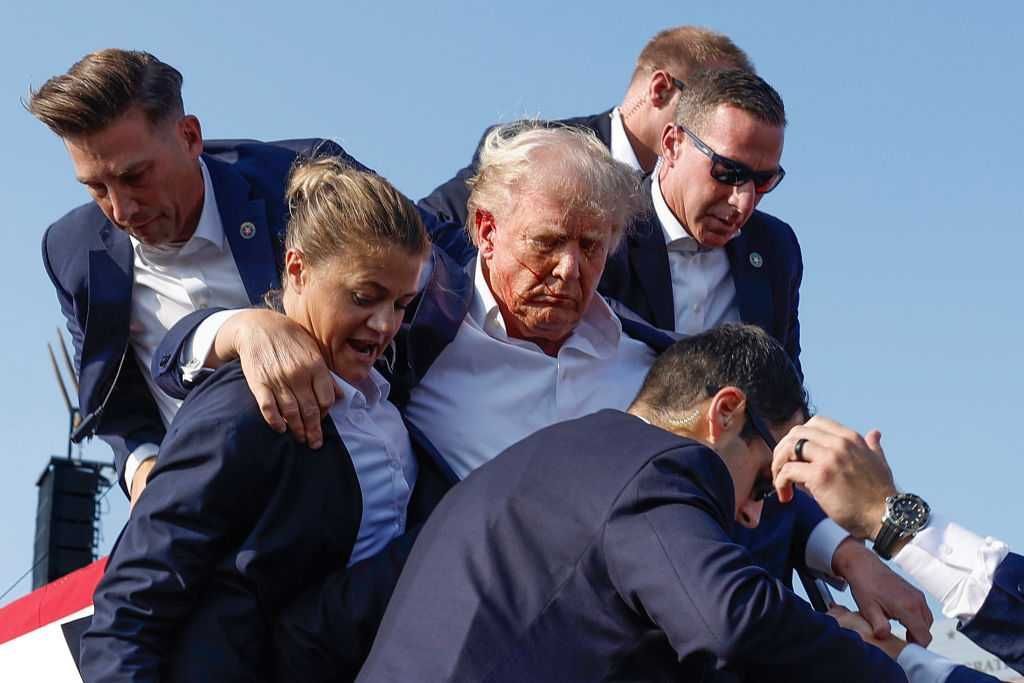
One investigative report found that law enforcement flagged a suspicious male wearing a gray T-shirt with "Demolition Ranch" written on the front like the one Crooks was wearing. The same report found an unknown male scouting out a law enforcement sniper position, leading several officials to communicate about his activity.
Another report released portions of an interview done on July 16 where a member of the Saxonburg Police Department noted that sniper teams called out and sent photos of a "suspicious person" with a range finder. The same officer later said that a call came out over the radio of a "long gun on the roof" moments before shots rang out.
Several similar interviews the FBI was forced to release corroborated these details, including the apparent sightings of Crooks and his suspicious activity prior to the assassination attempt.
RELATED: The CHILLING online trail of Trump's would-be assassin
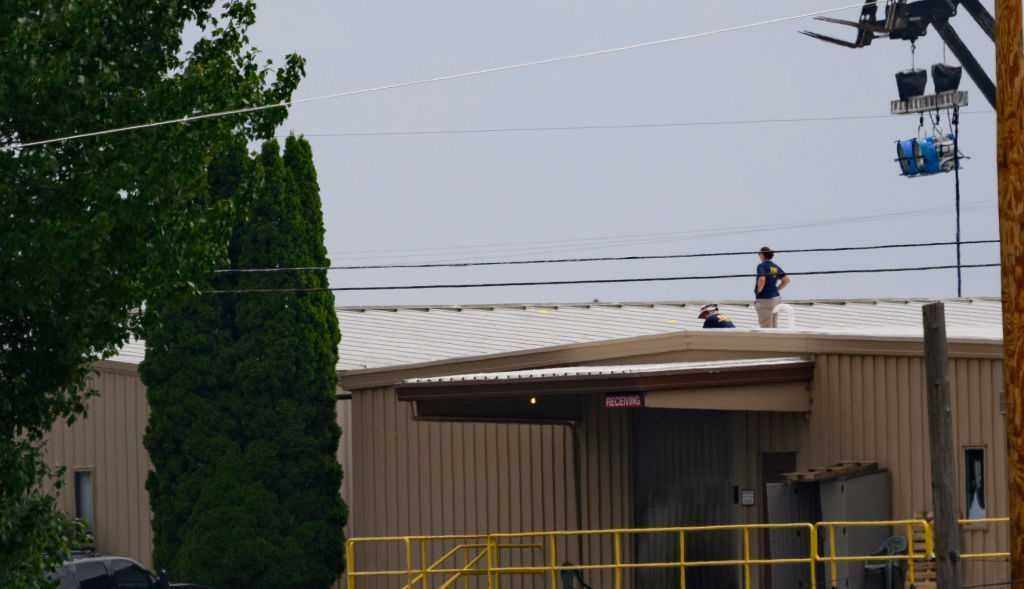
"These documents raise troubling new questions about Secret Service failures to protect President Trump," Judicial Watch President Tom Fitton said in a statement obtained by Blaze News. "And it shouldn't have taken years and a federal lawsuit to get this basic FBI material about the near assassination of President Trump."
Like Blaze News? Bypass the censors, sign up for our newsletters, and get stories like this direct to your inbox. Sign up here!
A white-majority Chicago suburb is preparing to distribute hefty cash payments to dozens of black residents as part of the city's $10 million reparations pledge.
Black residents and descendants of black residents who lived in Evanston, Illinois, between 1919 and 1969 are eligible to receive the payments. Evanston plans to pay $25,000 to 44 qualifying black residents.
'They are just entirely giving money, usually to black residents solely on the basis of race.'
The City's Reparations Committee previously pledged $10 million over a decade as part of its Reparations Program, which was established in 2019 and approved by the city council in 2021. The government-funded program is the first of its kind in the U.S.
Cynthia Vargas, Evanston's communications and community engagement manager, told the Chicago Tribune that payments to the 44 individuals are intended to cover housing expenses.
The city has allocated over $270,000 to its Reparations Program, funds that it collected from the real estate transfer tax. The program also receives funding from the city's 3% Cannabis Retailers Occupation Tax, though it is unclear how much.
The Reparations Committee has proposed providing additional funding to the program through a potential tax on Delta-8 THC products, a psychoactive substance found in cannabis that is sold in vapes and gummies.
RELATED: Chicago suburb starts disbursing $10 million reparations package to black residents
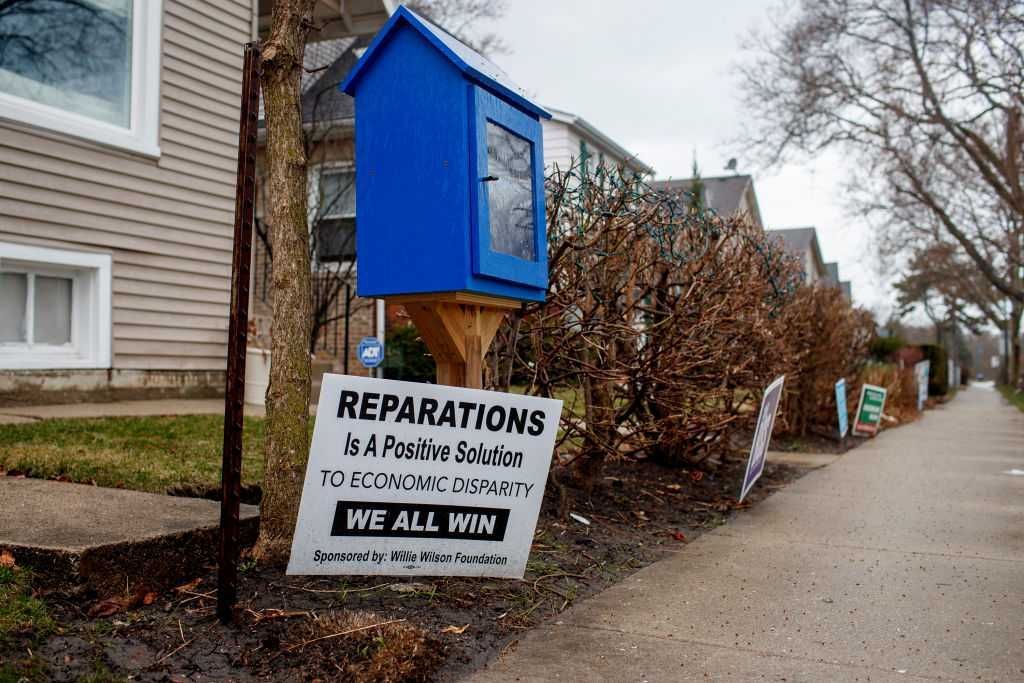
"Delta-8 products tend to be rather inexpensive, so the tax on them, it likely won't be a huge revenue stream, but it is revenue," Alexandra Ruggie, the city's corporation counsel, stated. "The other thing that we will have to work out with our finance team is how to go about collecting those taxes, whether we tax it when there's a point of sale at an Evanston business, or whether or not we tax it when those businesses buy it from the supplier."
RELATED: Trump pulls US out of 'racist' UN forum pushing 'global reparations agendas'
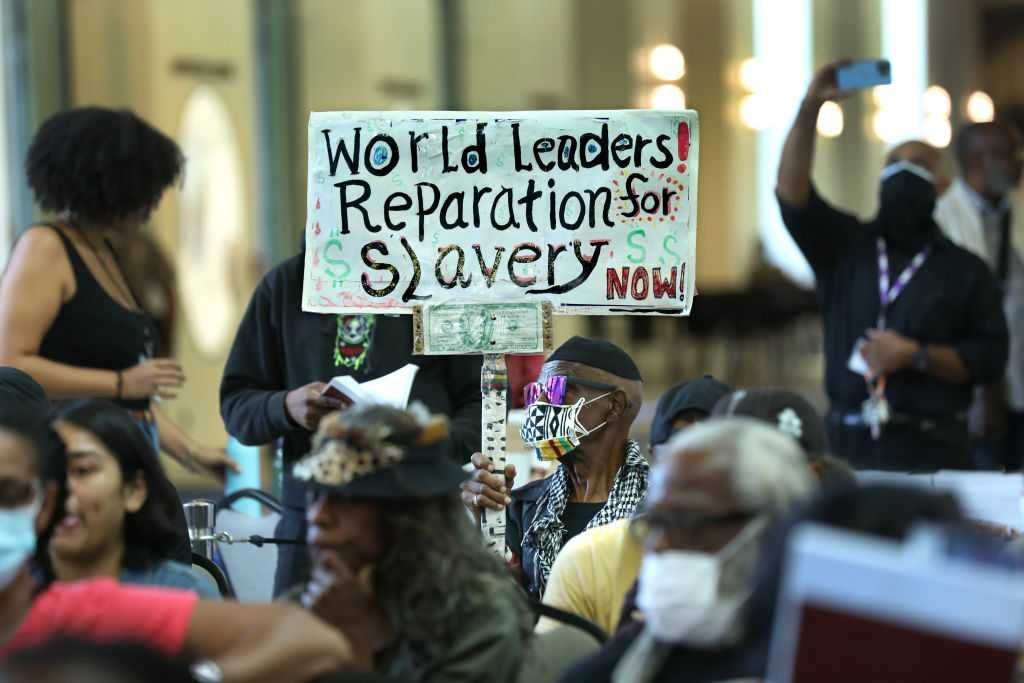
Judicial Watch, a conservative watchdog, filed a lawsuit against Evanston last year, arguing that the Reparations Program used race as an eligibility requirement and therefore violates the 14th Amendment's Equal Protection clause.
"There's a right way and a wrong way to do them," Michael Bekesha, a senior attorney at Judicial Watch, told Fox News Digital. "So reparations are to repair. And so we have provided in this country reparations in the past when somebody has been wronged by the government, and we try to make that person whole."
"The reparations programs that you're seeing around the country that are being talked about aren't that. They are just entirely giving money, usually to black residents solely on the basis of race. And I mean, that's just problematic," Bekesha added.
A spokesperson for the city told Fox News Digital that it cannot respond to ongoing litigation.
According to 2020 census data, more than 46,000 of Evanston's 78,000 residents identify as "white alone." Just 12,500 identify as "black or African-American alone."
Like Blaze News? Bypass the censors, sign up for our newsletters, and get stories like this direct to your inbox. Sign up here!
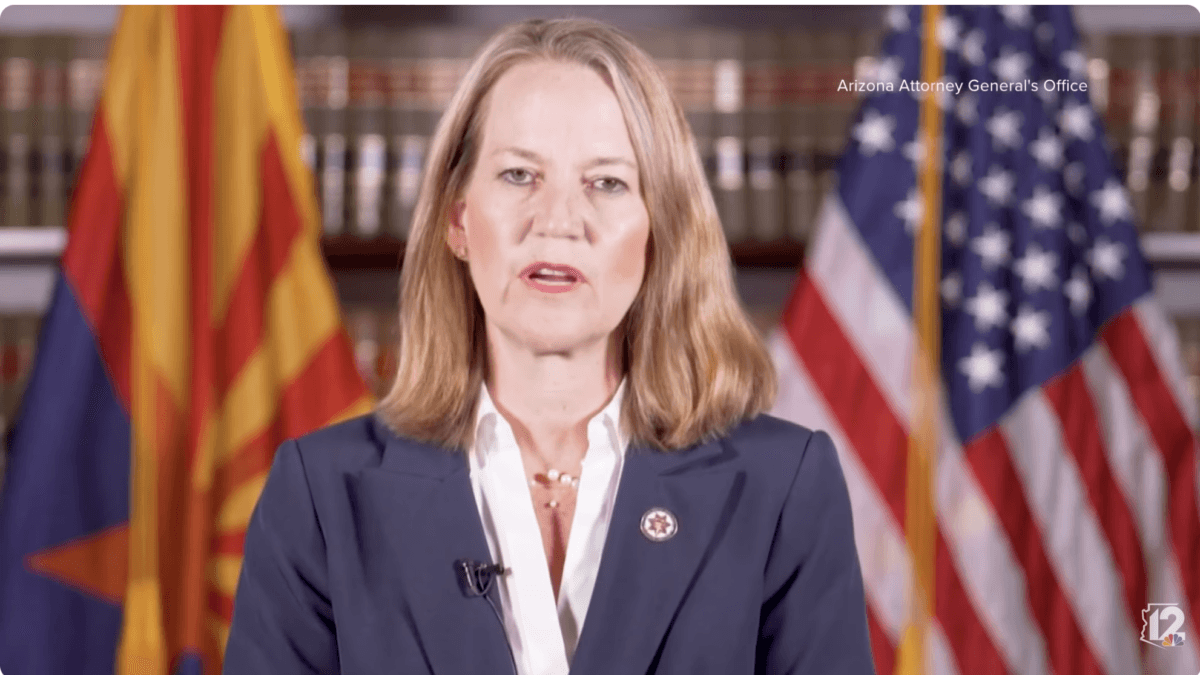 The state Supreme Court rejected Attorney General Kris Mayes' appeal to revive her crooked case, so she's shopping for a new grand jury.
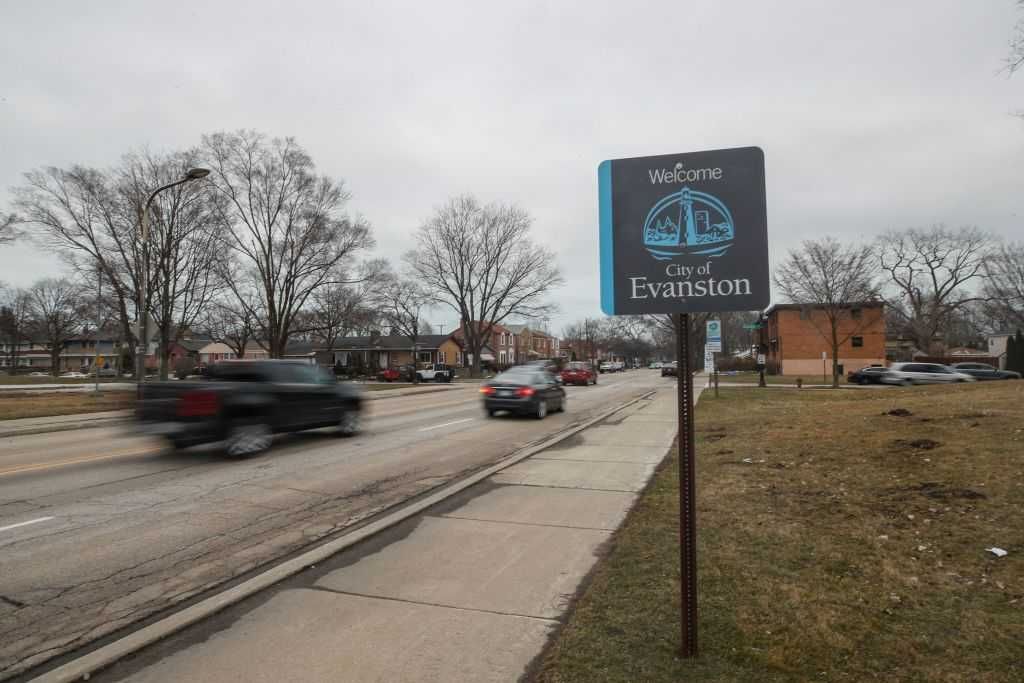
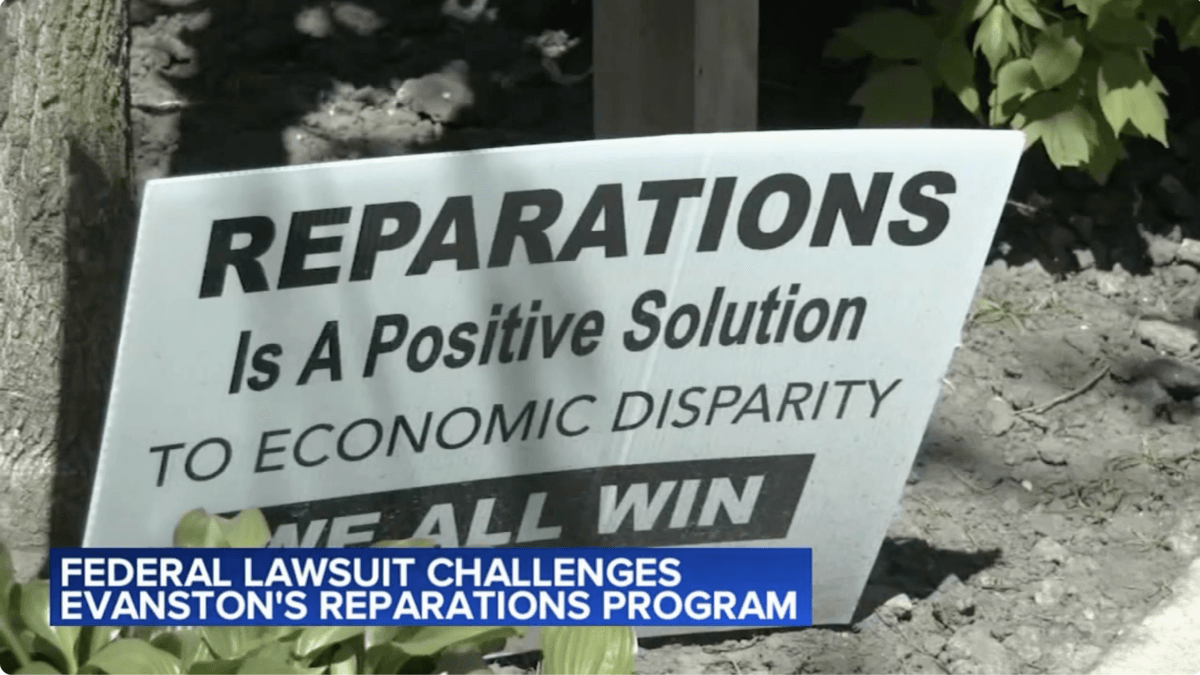 The Evanston, Ill. Reparations Committee has doled out at least $6.36 million in payments through a constitutionally suspect program.
 'You have, as a candidate, a unique interest that's recognizable under the law to make sure that your election is run with legal ballots or legal votes.'
 The FOIA settlement agreement is a victory for transparency and open government, but it’s personal for this reporter.
 The U.S. Supreme Court agreed on Monday to take up a case involving questions surrounding federal candidate litigation of state election regulations. Known as Bost v. Illinois State Board of Elections, the case offers the nation’s highest court with the opportunity to provide a definitive ruling on the issue of whether a federal candidate who has […]
 'It's bad if courts are not hearing well-plead claims [and] good-faith questions about conflicts between state and federal law.'
 www.theblaze.com
 www.theblaze.com
 www.theblaze.com
 thefederalist.com