Feds used 'psychological' coercion to strong-arm confession out of autistic J6 pipe bomb suspect, defense claims
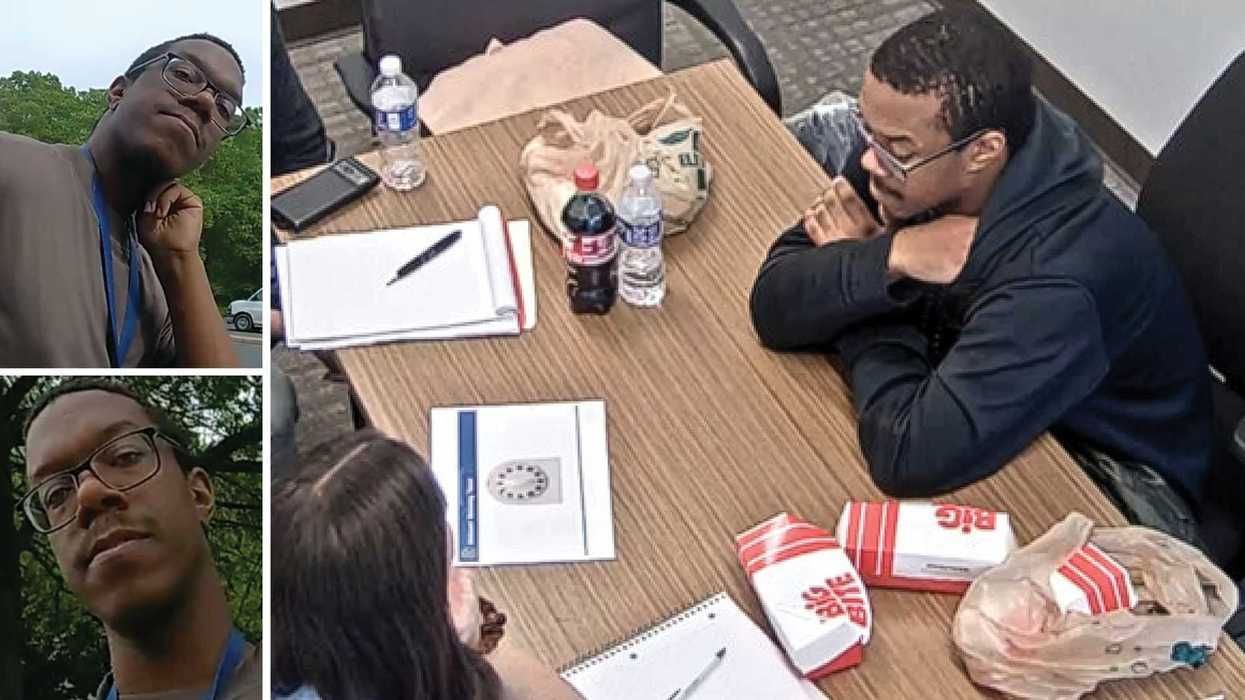
Defense attorneys for the autistic J6 pipe bomb suspect have claimed in a new court filing that FBI agents "coerced" him into confessing after he mentally short-circuited during their lengthy interrogation.
Quick background
On Dec. 4, 2025, Brian Cole — a 31-year-old Virginia man "requiring support" on account of a level-1 Autism Spectrum Disorder diagnosis, according to his attorneys — was arrested and interviewed by federal agents, having been accused of planting pipe bombs at the headquarters of the Republican National Committee and the Democratic National Committee on Jan. 5, 2021.
'How am I supposed to explain that I'm innocent?'
Cole was initially charged with interstate transportation of explosives and with malicious attempt to use explosives. A superseding indictment filed on Wednesday further charges Cole with two felony counts of attempting to use a weapon of mass destruction and two felony counts of committing an act of terrorism while armed.
According to court documents, the FBI identified Cole as a suspect partly on the basis of his alleged purchases of "multiple items consistent with the components that were used to manufacture the pipe bombs placed at the RNC and DNC," including five nine-volt battery connectors, multiple endcaps, two white kitchen timers, 14-gauge electrical wire, and steel wool.
These alleged purchases took place months and in some cases years ahead of the incident, as the FBI affidavit acknowledges.
The FBI further alleged that Cole "purchased equipment that would facilitate the manufacturing of a pipe bomb"; that cellphone data places him in the area around the time the bombs were supposedly planted; and that his Nissan Sentra was observed driving past a license plate reader near where the devices were ultimately found.
John Shoreman, one of Cole's defense attorneys, noted just weeks after the arrest that the suspect — who has pleaded not guilty in the case — is an autistic, "mild-mannered man" who lived with his mother and "whose life is run by strict routine."
RELATED: 'We have compromised the FBI': Pokemon lovers boast of shocking hack on federal website
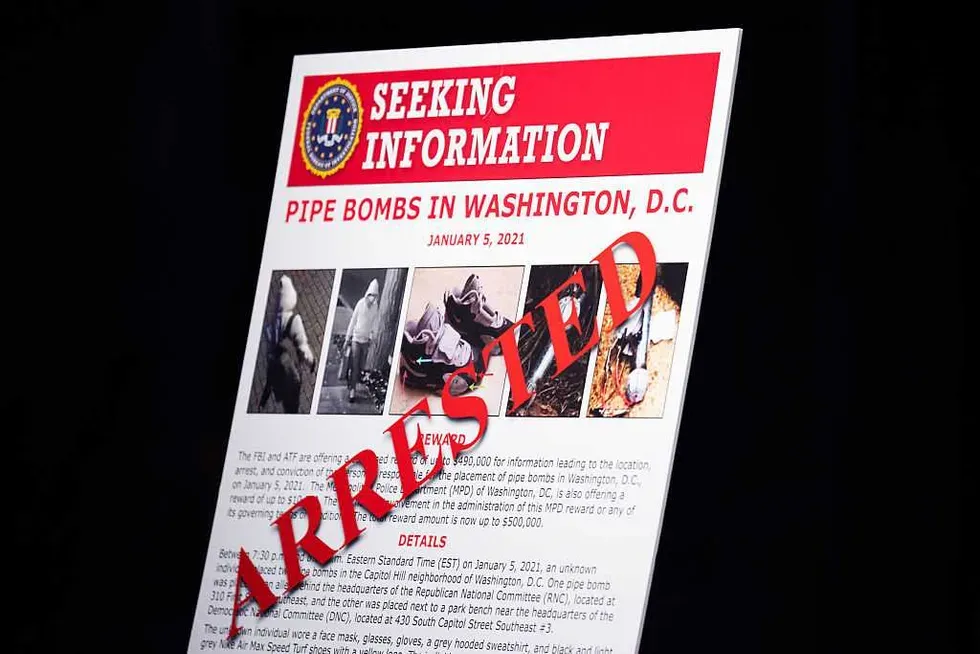
Shoreman, responding to prosecutors' claim that Cole confessed to planting bombs, told NPR in January, "Whether or not that post-arrest interview [on Dec. 4] constitutes a confession — a lawful confession — is something that we will need to visit at a later stage in this case."
Stimming out
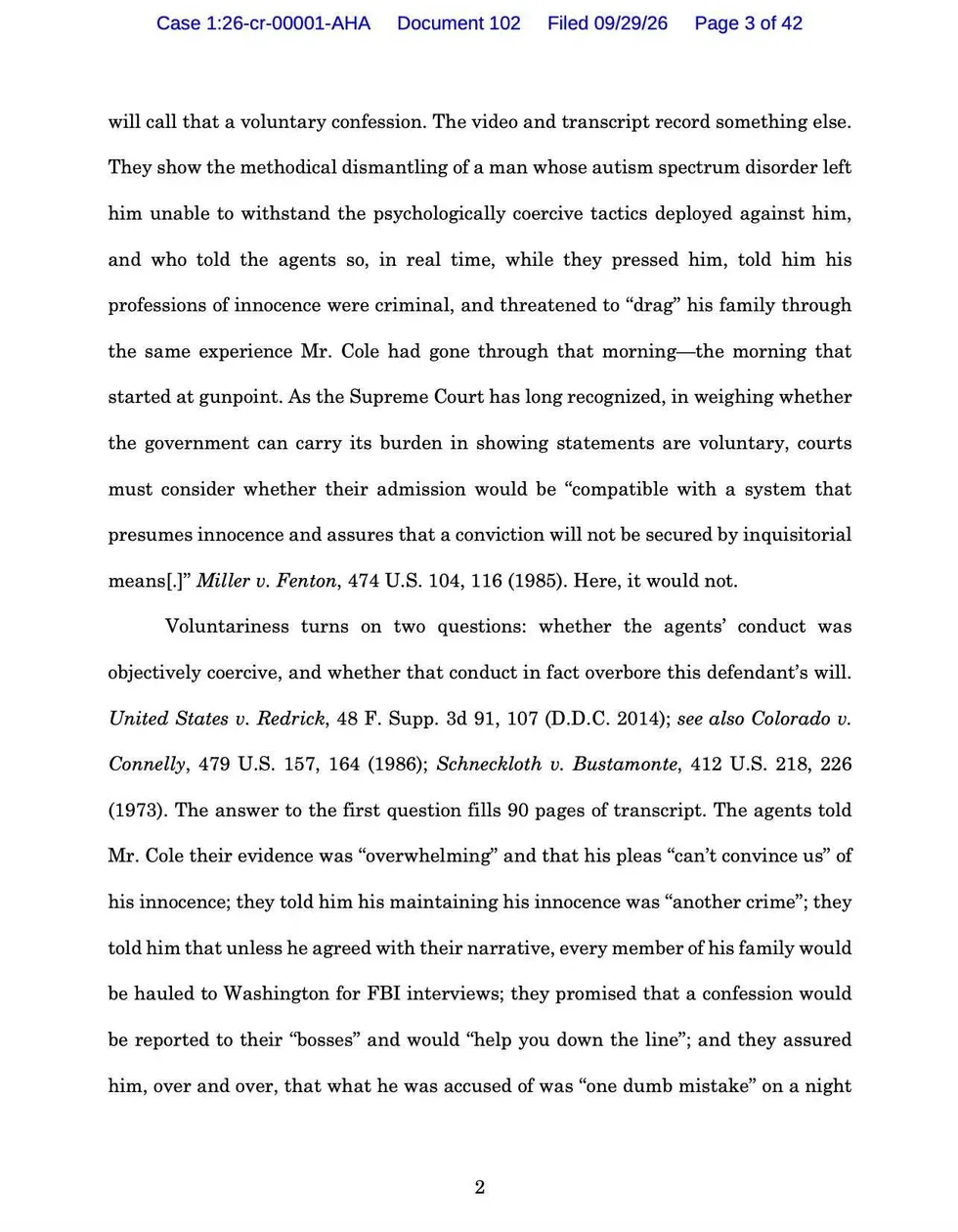
Cole's attorneys filed a motion on Tuesday requesting the suppression of statements that Cole made to the FBI during his interrogation on Dec. 4, arguing that their client had not provided law enforcement with "a voluntary confession."
According to the defense, the video and transcript of Cole's interrogation:
show the methodical dismantling of a man whose autism spectrum disorder left him unable to withstand the psychologically coercive tactics deployed against him, and who told the agents so, in real time, while they pressed him, told him his professions of innocence were criminal, and threatened to “drag” his family through the same experience Mr. Cole had gone through that morning — the morning that started at gunpoint.
The defense characterized the events of Dec. 4, 2025, as discombobulating for Cole, starting with his arrest at gunpoint, his isolation in an interview room with a pair of special agents, and his alleged instruction by the FBI agents prior to Mirandization that he would benefit in the long run from being "forthright with us."
The defense indicated that Cole was utterly bewildered by the accusation that he was involved in the pipe bomb plot.
Citing the transcript, the defense claims Cole initially responded: "Whoa, wait a minute. Wait a minute. ... This, this is a misunderstanding. Please tell me. Please tell me. Please, please, please tell me."
Cole allegedly also stated, "Please tell me this is a misunderstanding," another five times, begged to be given time to process the information, then repeatedly stated, "Oh, my God."
According to the defense's motion, Cole "underscored his deteriorating mental state to the agents dozens of times" and began to physically manifest signs of mental distress, including gagging and experiencing chills that prompted one agent to wrap him in a blanket.
Over the course of his apparent breakdown, Cole repeatedly referred to his mental challenges, repeatedly denied the accusations, and repeatedly stated, "How am I supposed to explain that I'm innocent?" according to the filing.
After the FBI agents allegedly made numerous threats and assertions of "infallible certainty" about evidence supposedly implicating Cole, the suspect began "stimming," then broke, claimed his attorneys.
Cole's attorneys defined stimming as "the self-regulating repetition characteristic of an autistic person in acute physical and emotional distress." According to the defense, Cole manifested this stimming behavior when he allegedly chanted, "I didn't, I didn't, I didn't," then said to himself, "Do whatever you can to clear your name. You can get out of this."
After Cole allegedly short-circuited, the agents supposedly gave him an off-ramp, asking him to identify a suspect in surveillance footage. The filing, citing the transcript, summarizes the exchange Cole allegedly had with the agents that resulted in Cole identifying the suspect as himself:
“Do you recognize that person?” “No.” “Have you watched this video before?” “No.” (Tr. at 92.) Only then did the agents remind him what a denial would cost: “lying to federal agents is breaking the law. That’s another crime. ... So more lies just makes it worse, okay? ... No, look at me. Do you understand that?” (Id.) Seconds later, repeating the question drew the opposite answer. “So, is this individual you?” (Pause.) “Yes.”
The defense claimed in the filing that Cole's identification of the suspect as himself after repeated denials "was not the product of the video; Mr. Cole had just denied recognizing himself in it. It was the product of the threat — the agents turned 'No' into 'Yes' by telling him that 'No' was itself a crime."
Following Cole's apparent admission that he was the suspect on-screen, he allegedly began "repeating the agents' own script back to them."
Furthermore, the FBI agents, having apparently recognized that Cole is close with his family and sensitive about their perception of him, allegedly threatened to "drag them all here" and subject them to a similar ordeal unless he told them "the truth," according to the filing.
After reviewing audio of Cole's interrogation and related documents, Richard Leo, a professor of law and psychology at the University of San Francisco, said in a Sept. 24 report filed by the defense that Cole's Dec. 4 interrogation:
involved the use of psychological interrogation techniques, methods, and strategies that have been shown by social science research to increase the risk of eliciting false and unreliable statements, admissions and/or confessions (i.e., situational risk factors). These included: Reid-based guilt-presumptive interrogation; false and exaggerated evidence ploys; minimization and maximization; and implied (if not explicit) promises of leniency and implied threats.
In light of Leo's conclusion and the recordings that prompted it, the defense argued that Cole's statements to the FBI were "involuntary under the totality of the circumstances" and that his interrogation was "objectively coercive."
Cole's attorneys did not respond to requests for comment by deadline.
A Justice Department spokesperson told Blaze News that the department "intends to respond to the defense’s motion in a filing with the Court" and "does not comment on pending litigation." The U.S. Attorney's Office for the District of Columbia told Blaze News, "We will respond to the motion in our filing with the court."
Rep. Thomas Massie (R-Ky.) demanded on Wednesday that FBI Director Kash Patel resign over Cole's case, stating what Patel and former FBI Deputy Director Dan Bongino "have done to this autistic black man is inexcusable."
Like Blaze News? Bypass the censors, sign up for our newsletters, and get stories like this direct to your inbox. Sign up here!
 While it may seem a little late in the day to worry about these details, the Deep State is just that — deep.
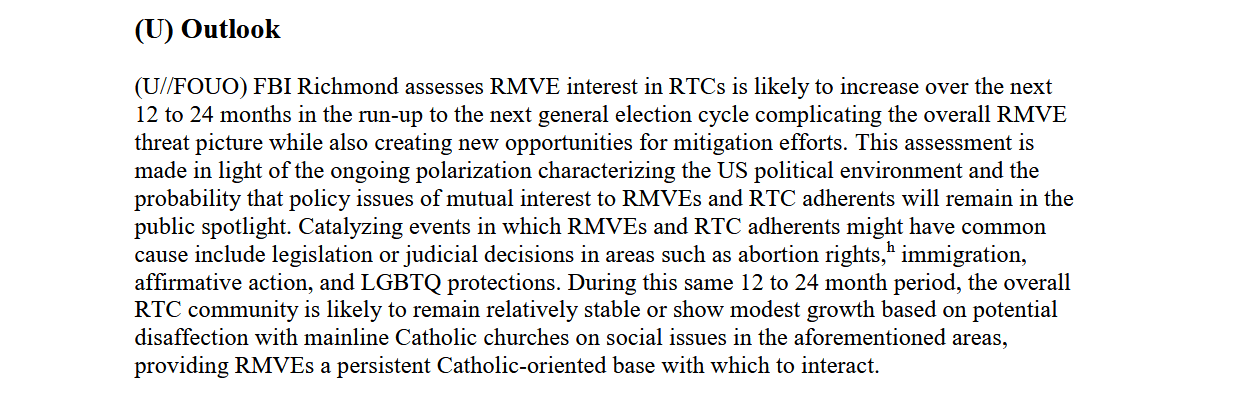
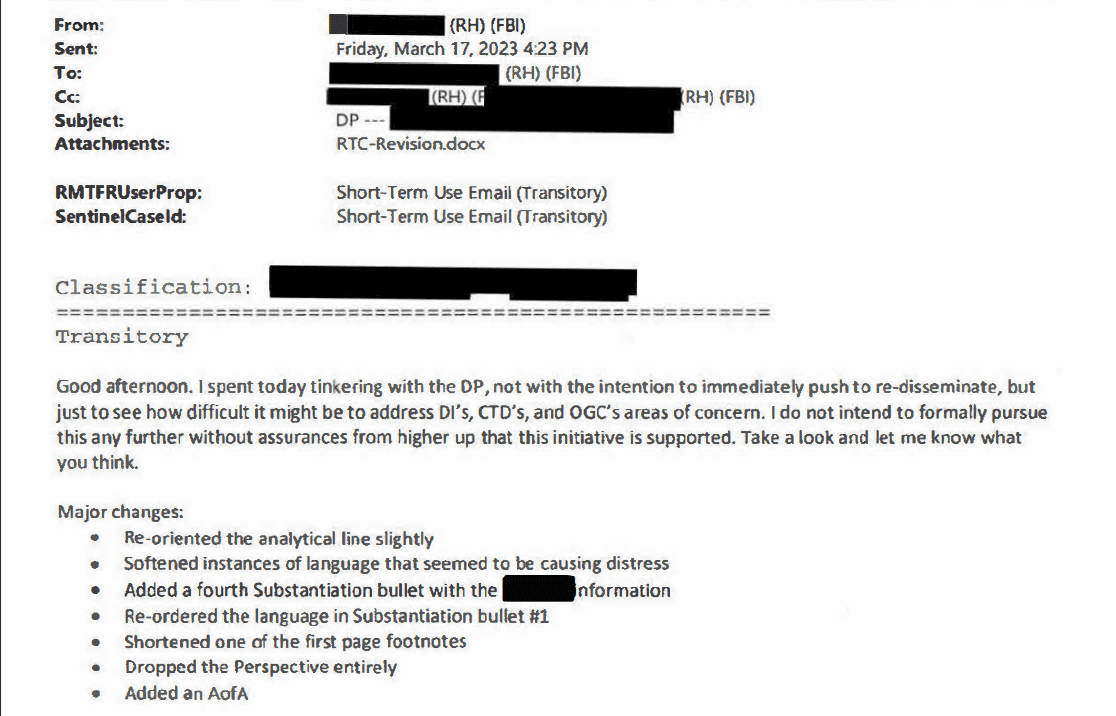
 Under questioning from Senate Judiciary Chair Chuck Grassley, Patel also confirmed ... that members of Round River misclassified documents to conceal evidence of Biden family corruption.
 Alex Wong/Getty Images
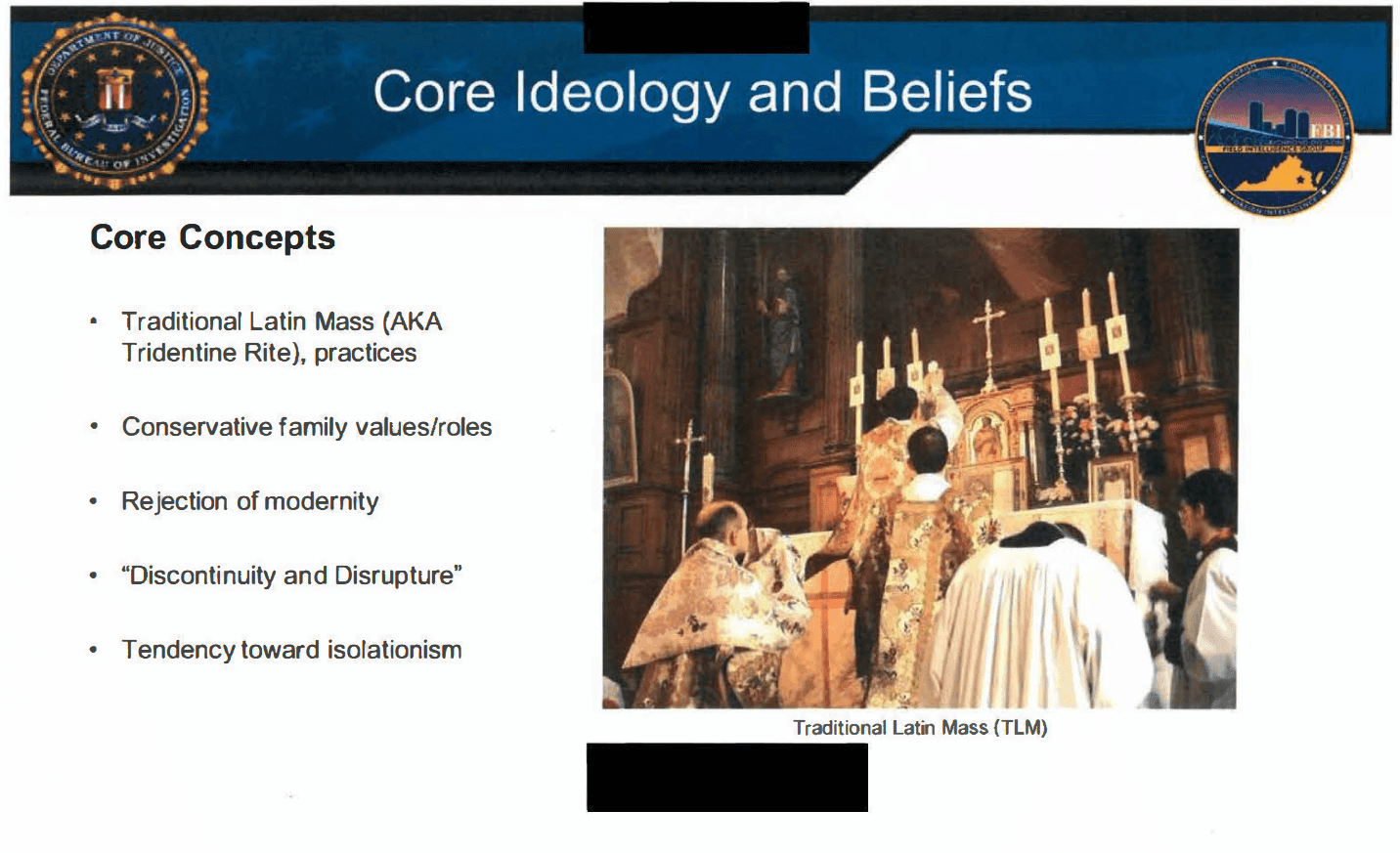 Justice Department
 Justice Department
 Justice Department
 It now appears the FBI had multiple ways of disappearing evidence — both evidence that inculpated the Bidens and exculpated Trump.

 AHMAD AL-RUBAYE/AFP/Getty Images
 www.theblaze.com
 www.theblaze.com
Southern Poverty Law Center's BIG FAT MESS: 3 things to know about Heidi Beirich's indictment
While smearing law-abiding conservatives in recent years as "extremists," the Southern Poverty Law Center was seemingly getting into bed with bona fide Nazis — in one alleged case, perhaps quite literally.
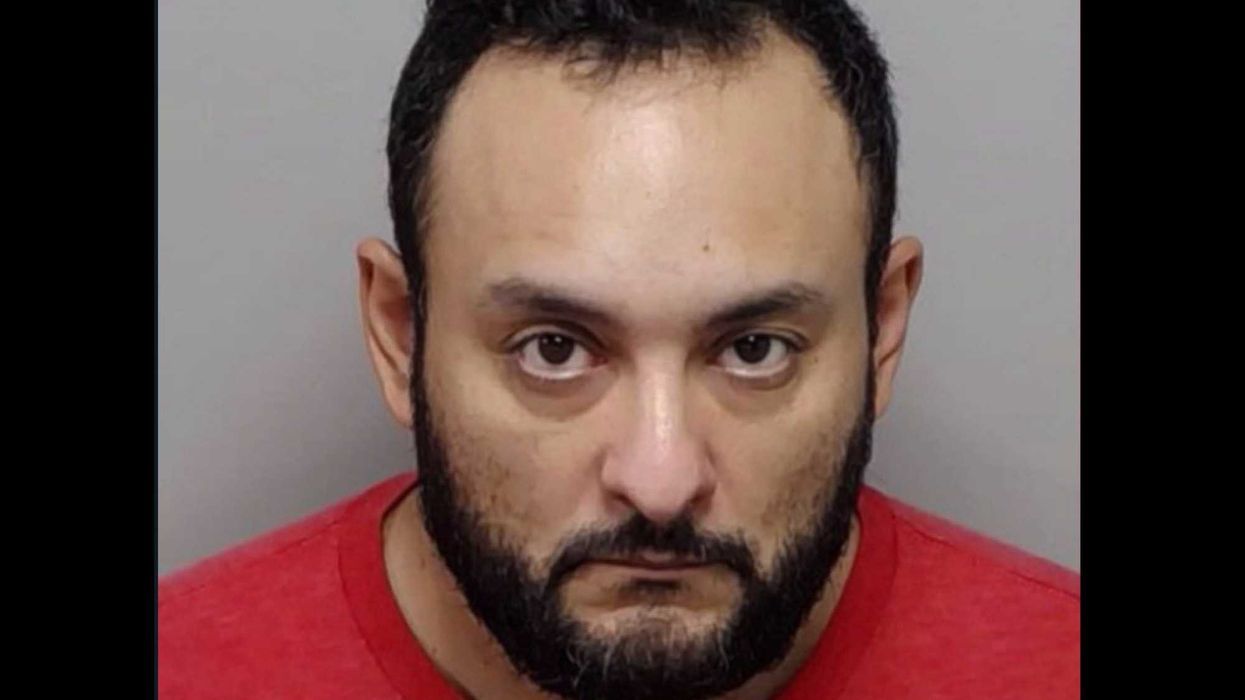
Heidi Beirich, the former director of the SPLC's Intelligence Project who was indicted and arrested on Wednesday, is accused not only of getting romantically involved, cohabitating, and sharing bank accounts with a neo-Nazi informant whose work she oversaw, but also allegedly committing fraud along the way.
'The charity that supposedly fought Neo-Nazis actually funded Neo-Nazis.'
The second superseding indictment in the SPLC's criminal fraud case announced by the Justice Department on Wednesday sheds light on Beirich's various alleged improprieties as well as on the SPLC-linked activities of her alleged skinhead lover.
Quick background
The Alabama-headquartered smear- and fearmongering outfit was federally charged on April 21 with six counts of wire fraud, four counts of making false statements to a federally insured bank, and one count of conspiracy to commit concealment money laundering.
The SPLC — which has been credibly accused of bankrolling leaders and organizers in the Ku Klux Klan, the Aryan Nation, the American Front, United Klans of America, the National Socialist Party of America, and the National Alliance with millions of dollars in donor funds through fictitious accounts — pleaded not guilty in May to all counts.
RELATED: Klansman allegedly on SPLC payroll was 'true believer' white supremacist, not reformed infiltrator
On June 2, the DOJ filed a superseding indictment against the SPLC detailing some of the ways that field sources allegedly used SPLC donor money, including to grow existing chapters of extremist groups; make donations to extremist group leaders; host extremist rallies; purchase materials for cross burnings as well as for KKK robes and hoods; and publish extremist literature for recruitment purposes.
The June indictment also told the love story about a former Intelligence Project director and a field source referred to only as "F-9."
The second superseding indictment filed on Tuesday fills in some of the gaps in that love story — including the former director's name, Heidi Beirich — and paints her in a particularly unflattering light.
The SPLC, Beirich, and Beirich's attorney did not respond to Blaze News' requests for comment.
There are three core components to the case against Beirich, who has been personally charged with wire fraud conspiracy, conspiracy to submit false statements to a federally insured bank, and conspiracy to commit concealment money laundering.
1. Shell companies
Beirich is an anti-Trump liberal who served as director of the Intelligence Project from 2012 until 2019 and now serves as the chief strategy officer at the Global Project Against Hate and Extremism. In her latest capacity, she concerned-mongered before Congress in 2020 over the supposed problem of white supremacists in the military.
The indictment alleges that Beirich opened and/or modified a series of bank accounts in the name of numerous shell companies, including the Center Investigative Agency, Fox Photography, Tech Writers Group, and Rare Books Warehouse — and knowingly signed bank documents "containing false statements for the purpose of influencing banks" to open and maintain the accounts.
'I knew it was that fat, ugly hog Heidi Beirich.'
According to the indictment, the fictitious organizations Beirich allegedly helped stand up were never incorporated, conducted no legitimate business, and had no real employees.
Funds from SPLC donors — who were led to believe they were supporting the fight against extremism — were allegedly funneled through the identified shell companies to so-called informants, including Beirich's alleged lover, F-9.
2. Thick as thieves
Prosecutors allege that F-9 received millions of dollars in donor funds, primarily through the Tech Writers bank account, while helping the National Alliance "carry out its extremist activities."
RELATED: Federal judge REJECTS the victim narrative pushed by the criminally charged SPLC
Beirich allegedly oversaw the SPLC payments to F-9 while engaged "in a romantic relationship" with him, said the indictment.
Beirich is also accused of getting a taste of the action.
"During this relationship, BEIRICH and F-9 shared a house and two bank accounts," the indictment alleges. "Between 2015 and 2021, approximately $140,000.00 in donors' money flowed from the SPLC operating account, through the Tech Writers account, and was ultimately deposited into the joint bank accounts held by F-9 and BEIRICH."
The then-SPLC director allegedly used donors' money to pay for their shared living expenses, even though she does not appear to have been hard-pressed for cash. After all, when Beirich left the SPLC, she was reportedly earning $190,000 in salary and benefits.
Whether their alleged romantic relationship is ongoing is unclear.
3. Another use for the Nazi informant
According to the allegations, Beirich's informant broke into the National Alliance's headquarters in West Virginia in 2014 with her knowledge; stole 25 boxes of documents; transported those documents across state lines; and with Beirich's help, copied those documents before breaking back into the National Alliance headquarters to return the originals.
Prosecutors alleged that Beirich paid for the copies with donor funds and used the stolen material for a "story to solicit more donations."
The documents taken in the burglary appear to have served as the basis for Beirich's lengthy March 2015 "Hatewatch" article titled "Chaos at the Compound," where she discussed drama and mismanagement behind the scenes at the National Alliance.
Beirich then allegedly "paid approximately $6,000.00 in donors' money" to a different field source "to falsely take responsibility for the burglary."
After the June indictment came out and linked the SPLC to the burglary, William White Williams, National Alliance's 78-year-old chairman, told the New York Post, "I knew it was that fat, ugly hog Heidi Beirich."
Protest and condemnation
FBI Director Kash Patel said in a statement on Thursday, "The charity that supposedly fought the KKK actually funded the KKK. The charity that supposedly fought Neo-Nazis actually funded Neo-Nazis. Heidi Beirich supposedly dedicated her career to fighting neo-Nazis. The indictment alleges she helped FUND them."
Patel added, "The woman who supposedly fought hate allegedly helped pay the very people spreading it, used their activity to raise more donor money, and personally benefited from the scheme."
Beirich's lawyer denies she did anything wrong.
"Dr. Beirich is innocent, and this case is without merit," Beirich's attorney, Michael Proctor, said in a statement obtained by CNN. "We believe the charges against her and the SPLC are politically motivated, and Dr. Beirich has been targeted in this case because of the important work she has done to combat hate groups and extremists."
The SPLC has already tried and failed to get the case dismissed on the basis of the claim that the prosecution is politically motivated.
Judge Emily Marks of the U.S. District Court for the Middle District of Alabama, a Trump appointee, said in an order rejecting the SPLC's motion on Friday, "The SPLC has failed to offer some evidence tending to show animus on the part of the prosecutors involved in bringing this case and that such animus resulted in the prosecution."
Proctor added, "Dr. Beirich won’t be silenced or intimidated by the government’s false and politicized allegations now."
"The actions taken by the DOJ will not shake our resolve," the SPLC told CNN. "We remain steadfast in our fight for justice and in our commitment to ensuring the promise of the Civil Rights movement becomes a reality for all. We are confident in our position and look forward to presenting the evidence and making our case in court."
Like Blaze News? Bypass the censors, sign up for our newsletters, and get stories like this direct to your inbox. Sign up here!