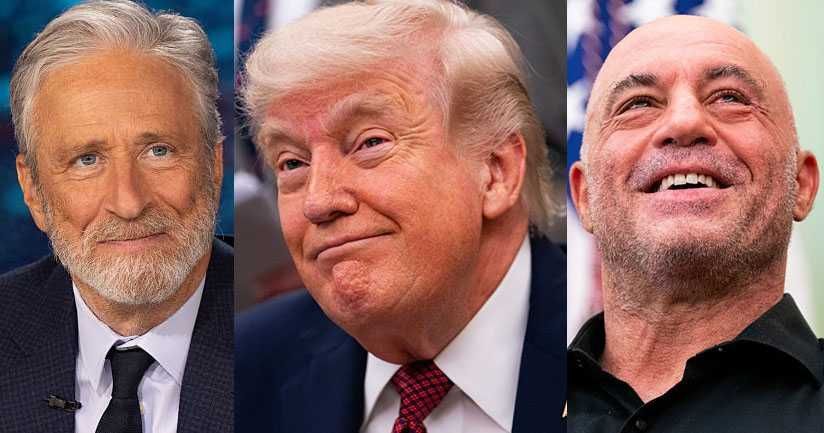
Jon Stewart to Trump: 'You did a good thing' on veteran PTSD treatments


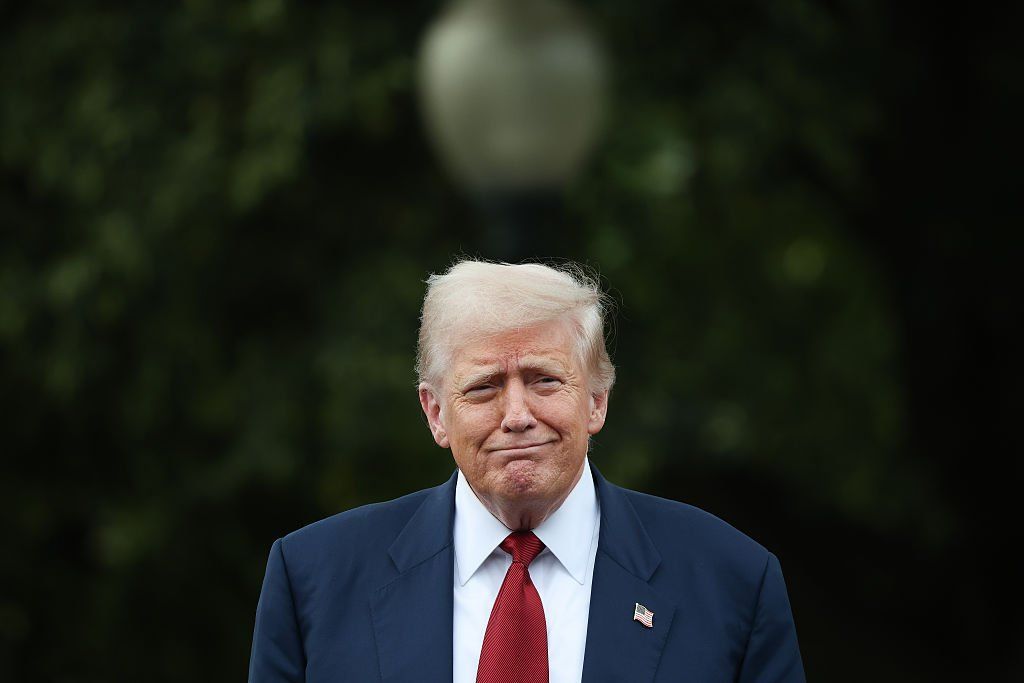
Jon Stewart routinely derides President Donald Trump on his Comedy Central infotainment show. This week, however, the cynical liberal found himself reluctantly celebrating the president over a new mental health initiative that could greatly impact afflicted veterans.

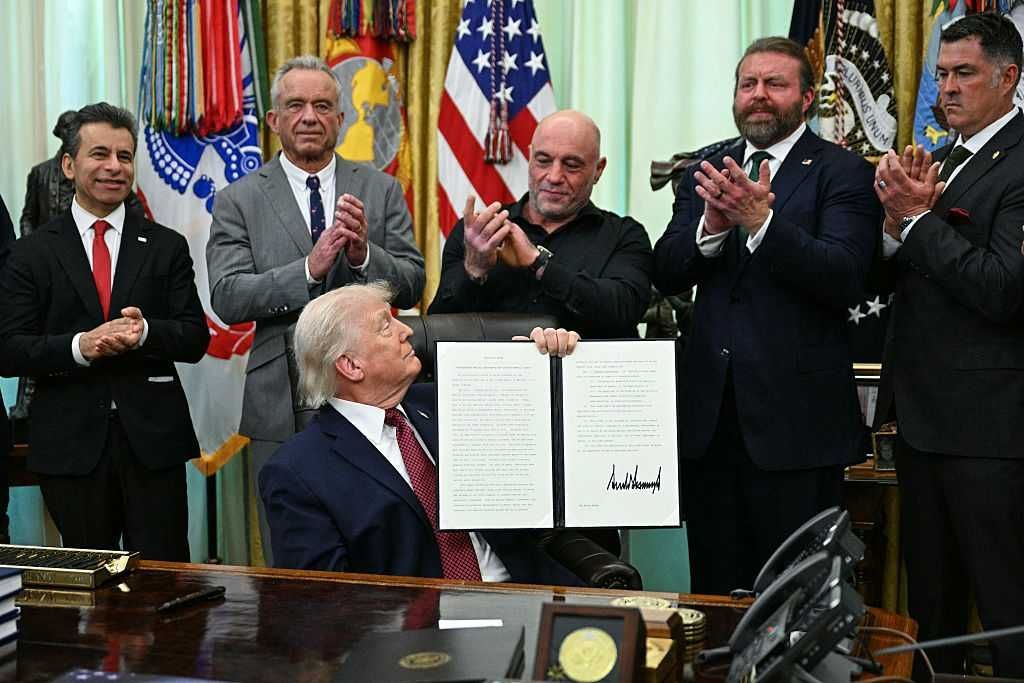
Trump signed an executive order on Saturday aimed at accelerating research and removing barriers to psychedelic drugs — including hallucinogenic ibogaine compounds, psilocybin, and LSD — as potential treatments for serious mental illnesses, including PTSD and depression.

'Credit where credit is due.'

In addition to tasking Food and Drug Administration Commissioner Marty Makary with reducing product application review times for psychedelic drugs that have received breakthrough therapy designations for treating mental illnesses, Trump ordered the FDA and Drug Enforcement Agency to create a pathway for eligible patients to access investigational psychedelic drugs.

Per the order, the Department of Health and Human Services and the FDA must also work with the Department of Veterans Affairs and the private sector "to increase clinical trial participation, data sharing, and real-world evidence generation regarding psychedelic drugs, and shall prioritize drugs that have received a Breakthrough Therapy designation." Fifty million dollars will also be provided for state-level research into ibogaine.

The White House noted in a fact sheet that over 14 million American adults suffer from a serious mental illness; suicide rates remain alarmingly high; and the suicide rate among veterans is more than double that of the nonveteran adult population.

RELATED: 4 marijuana facts the pro-pot lobby doesn't want you to know

Jim WATSON/AFP/Getty Images

Afforded an opportunity to speak at the signing ceremony on Saturday, podcaster Joe Rogan revealed that the ball got rolling on the executive order after he "sent President Donald Trump some information" about ibogaine.

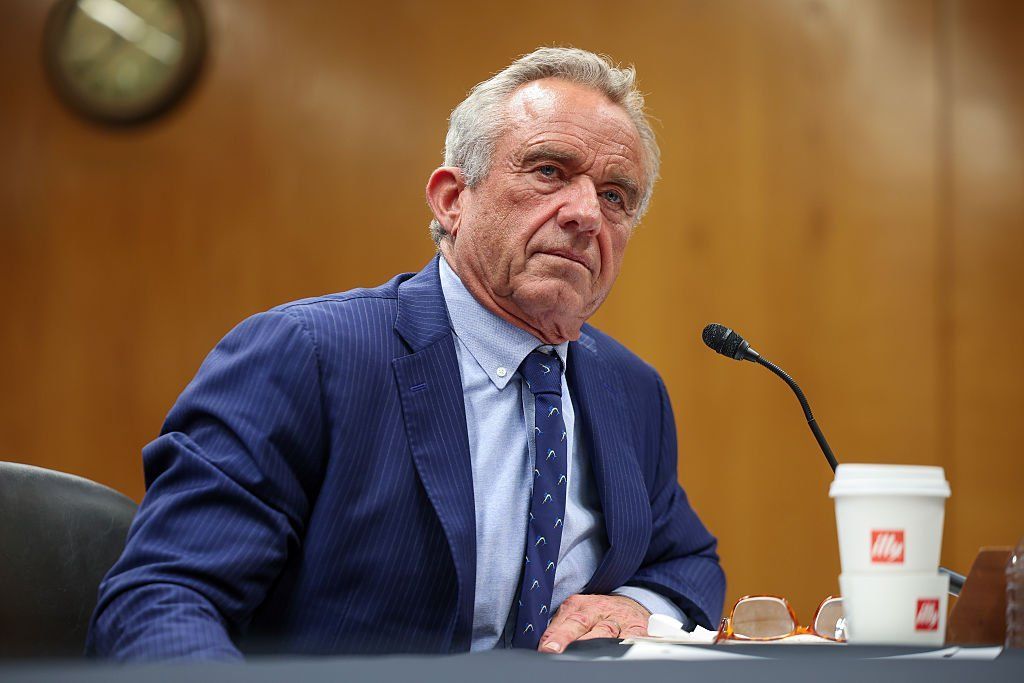
Trump confirmed the genesis of the initiative, noting that Rogan "wrote me a little note about this, and I had it checked out. I didn't just do it. ... I went to [HHS Secretary Robert F. Kennedy Jr.] and [Centers for Medicare & Medicaid Services Administrator Mehmet Oz] and went to some of the people that work for you, real pros, and everybody came back with the same answer."

"Everybody thought it was incredible, and I told Bobby, I said, 'Bobby, let's just do it, and get Oz involved," added Trump.

The president noted at the EO signing that "these experimental treatments have shown life-changing potential for those suffering from severe mental illness and depression, including our cherished veterans."

On the April 20 episode of his show, Jon Stewart alerted his liberal audience that he wanted to "give credit where credit is due. We don't, obviously, often do this."

"The president did a solid over the weekend," said Stewart. "President Trump signed an executive order in front of his fraternity brothers fast-tracking the FDA process for novel psychedelic drug treatments for veterans suffering from all forms of PTSD and other psychiatric conditions, including addiction."

After playing tape from the EO signing and reflexively attacking the president over his unscripted remarks, Stewart stopped himself and said, "I'm sorry. I'm falling into old habits. It's good. You did a good thing. I'm nitpicking. I apologize."

Stewart noted further, "A lot of the people are going to get the help they need."

Like Blaze News? Bypass the censors, sign up for our newsletters, and get stories like this direct to your inbox. Sign up here!
Make America cook again: RFK Jr. unveils plan to empower Americans in the kitchen


The Department of Health and Human Services under Secretary Robert F. Kennedy Jr. has endeavored to radically improve American nutrition and address those elements of the food system that are contributing to the chronic disease epidemic.

The department has, for instance, flipped the "corrupt food pyramid," worked to remove petroleum-based synthetic dyes from America's food supply, raised awareness about the health risks of eating ultra-processed foods, and expanded research into nutrition and metabolic health.

On Wednesday, Kennedy announced a new Make America Healthy Again initiative aimed at curbing chronic disease and improving nutrition: teaching Americans to cook.

'Eating together as a family is a sacred ritual.'

Kennedy joined Secretary of Agriculture Brooke Rollins and USDA national nutrition adviser Dr. Ben Carson in announcing the commencement of the Dietary Guidelines for Americans Strategic Partnerships, which the USDA characterized as an effort to encourage "the private sector to participate in educating the American people about the importance of the Guidelines and how they serve as the foundation to better eating."

During the press conference Wednesday, Kennedy noted, "Every American can feed themselves cheaper than fast food."

A YouGov survey taken last month found that 36% of Americans said they cook food daily; 40% said they cook a few times a week; 10% said they cook once a week; and 2% said they never cook.

A study published last year in the journal Current Developments in Nutrition noted:

Poor dietary quality, including high intakes of ultraprocessed food and food-away-from-home, is associated with an array of adverse health outcomes, including increased BMI, type 2 diabetes, and cardiovascular disease. Home food preparation, “cooking,” offers an affordable strategy for reducing ultraprocessed food intake and away-from-home intake.

The same study said that "the percentage of United States adults cooking has increased since 2003; however, the overall mean time spent cooking among cookers has remained relatively stable."

RELATED: Cooking is easy; it's our modern anxiety that makes it hard

Photo by GraphicaArtis/Getty Image

"One of the challenges that we're facing and that we're working on all kinds of innovative devices to solve is that Americans have forgotten how to cook," said Kennedy. "The convenience of fast food is one of the things that attracts them, and many of them don't have the cutlery, they don't have the pots and pans, they don't have the cutting boards, and they don't know how to shop."

The health secretary said that he and his team have been discussing possibly deploying the Commissioned Corps of the U.S. Public Health Service and/or other organizations within HHS "to go out and actually teach people to cook."

Kennedy underscored that making and eating meals together is about far more than just bodily health.

"President Trump has talked about the spiritual malaise in our country. That spiritual malaise comes from the breakdown of families; it comes from the fragmentation, the atomization, the isolation — particularly in our children. They don't feel connections any more," said Kennedy.

"Cooking ... and eating together as a family is a sacred ritual," continued Kennedy, "and it's something that brings families together for an hour or two hours a day, where they talk, where they interact, where they work together on an act of creation, and they eat together in this wonderful ritual that brings families together.

Like Blaze News? Bypass the censors, sign up for our newsletters, and get stories like this direct to your inbox. Sign up here!
'A giant step back': Liberals rage against red meat after new food pyramid guidelines release


Eating real food is not quite that simple, and might even constitute "bowing to Big Meat," depending on who you ask.

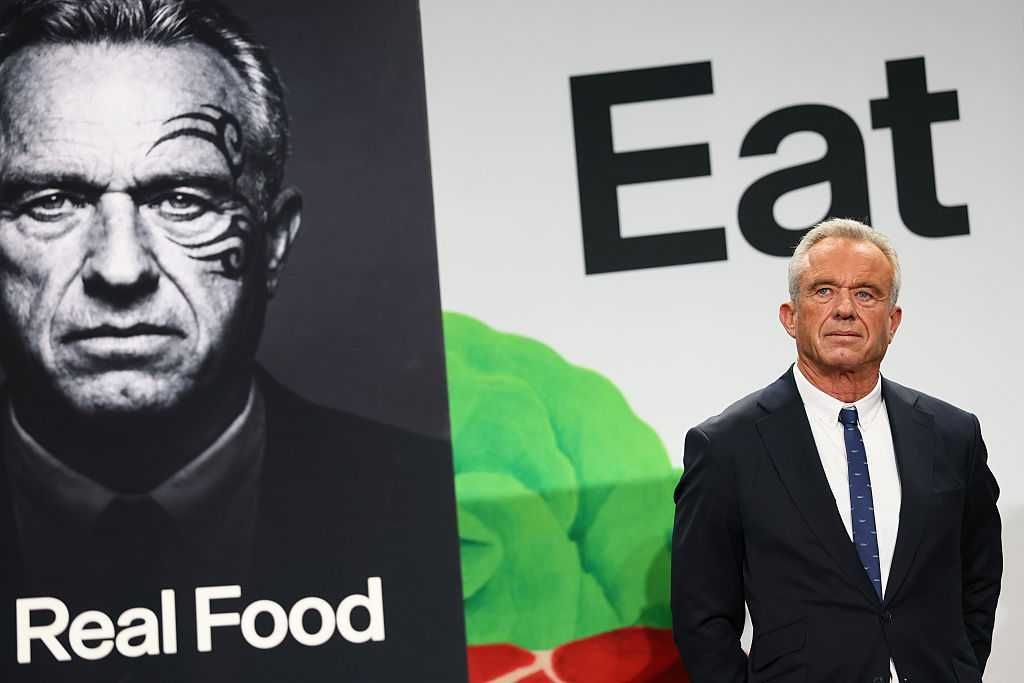
After Health and Human Services Secretary Robert F. Kennedy Jr. and his department dropped the new federal dietary guidelines — which have been historically referred to as the food pyramid — the recommendation of eating "real food," including red meat and full-fat dairy, was seen as an attack by many in the dietary sphere.

'Beef is responsible for 20 times more greenhouse gas emissions per gram of protein than beans.'

The new guidelines emphasized protein (from meat and vegetables), dairy, fruit, and some grains as part of a healthy diet. While some cleverly accused HHS of copying a popular "South Park" scene where scientists simply "flip the pyramid" to solve America's health crisis, others decided to criticize the guidelines for promoting animal meat intake.

Meat puppets

MS Now, formerly MSNBC, argued that Americans already eat too much meat and claimed that most meat consumed in the country "is already fake." This was argued by citing an article that claimed selective breeding of cows and chickens constitutes altering "genetic makeup."

The Physicians Committee for Responsible Medicine spoke out against the new federal guidelines too. The group reportedly criticized the promotion of meat and dairy products, labeling the foods as "principal drivers of cardiovascular disease, diabetes and obesity."

RELATED: 'Eat real food': Trump administration flips 'corrupt food pyramid,' encourages meat and veggies over bread and oatmeal

Photo by EMMANUEL DUNAND/AFP via Getty Images

I scream

Food Navigator USA took a slightly different approach and claimed the shift in dietary advice was the HHS "bowing to Big Meat" and the dairy industry.

The outlet cited the president of the Physicians Committee for Responsible Medicine, Neal Barnard, who said the guidelines "unjustly condemned processed foods."

An article from Truthout cited vegan dietitian Ashley Kitchens who unironically claimed the food pyramid was being flipped upside down, calling it "complete ignorance" to encourage more meat and dairy consumption.

"It's a giant step back from decades of evidence-based nutrition research and science," Kitchens said.

Butter face

The Center for Science in the Public Interest echoed similar sentiments and said the dietary advice from Kennedy's HHS is "harmful" for emphasizing "animal protein, butter, and full-fat dairy."

It is "guidance that undermines both the saturated fat limit" and previous dietary advice to emphasize "plant-based proteins."

RELATED: RFK Jr. steals the show after hilarious quacking ringtone interrupts White House briefing

Photo by Martin Pope/SOPA Images/LightRocket via Getty Images

Furthermore, Vox called the apparent attitude of the HHS toward vegan diets "hostile and stigmatizing," while Stanford nutrition expert Christopher Gardner said the promotion of red meat goes against "decades and decades of evidence and research."

Climate kooks

Lastly, a perhaps predictable approach was taken by Bloomberg, who criticized the guidelines for prioritizing animal products because of how their production affects climate.

"Beef is responsible for 20 times more greenhouse gas emissions per gram of protein than beans, peas and lentils," the outlet wrote.

This consensus against animal protein from dietary conglomerates in coalition with left-wing news outlets is sure to fuel the widespread belief that the powers that be are pushing toward a world without the luxury of beef.

This is typically argued from an ideological and political standpoint by groups like the World Economic Forum, for example, in articles like "Why eating less meat is the best way to tackle climate change," "Why you should be eating less meat," and "You will be eating replacement meats within 20 years. Here's why."

Like Blaze News? Bypass the censors, sign up for our newsletters, and get stories like this direct to your inbox. Sign up here!

Trump administration overhauls childhood vax schedule. Here's the downsized version.


The United States has long been an outlier among first-world nations in terms of how many vaccines it pushes on its children, recommending that kids receive more than twice as many doses as generally given their European counterparts.

In a decision that has some medical establishmentarians fuming, the Trump administration has greatly reduced the number of vaccines recommended for American children, leaving the decision on the remainder up to families and their doctors.

'We are aligning the US childhood vaccine schedule with international consensus.'

Health and Human Services Secretary Robert F. Kennedy Jr. noted that "after an exhaustive review of the evidence, we are aligning the U.S. childhood vaccine schedule with international consensus while strengthening transparency and informed consent. This decision protects children, respects families, and rebuilds trust in public health."

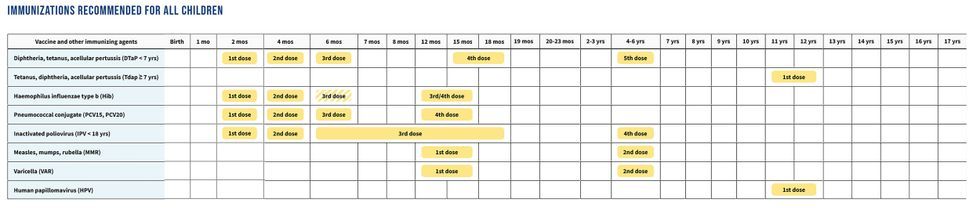
The agency has reduced its list of vaccination recommendations for all children to jabs for the following 11 diseases: diphtheria, tetanus, acellular pertussis (whooping cough), Haemophilus influenzae type B, pneumococcal conjugate, polio, measles, mumps, rubella, human papillomavirus, and chickenpox.

Here is the new childhood immunization schedule for all children:

Centers for Disease Control and Prevention
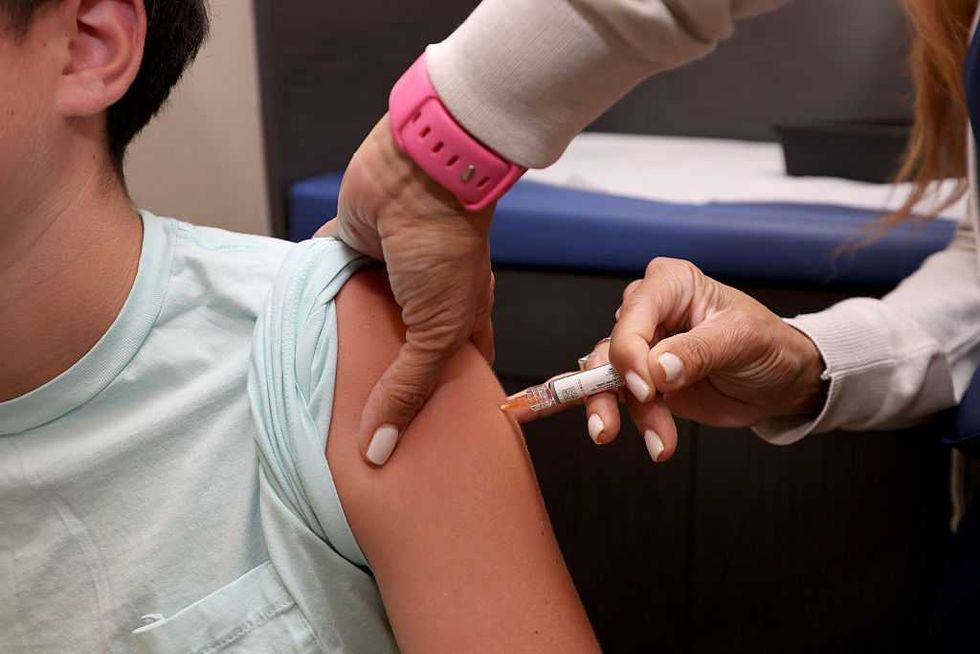
The agency now recommends on an individual basis: RSV, hepatitis A, hepatitis B, meningococcal B, meningococcal ACWY, and dengue vaccines for "high-risk groups" and rotavirus, meningococcal disease, influenza, and COVID-19 vaccines.

RELATED: Left melts down after learning babies aren’t at risk of hedonistic needle parties and don’t need hep B shot

Photo by Joe Raedle/Getty Images

The CDC's child and adolescent immunization schedule previously recommended all American children receive one or more vaccine doses for the following diseases:

  • Respiratory syncytial virus;
  • Influenza;
  • Hepatitis A;
  • Hepatitis B;
  • Rotavirus;
  • Measles;
  • Mumps;
  • Rubella;
  • Diphtheria;
  • Tetanus;
  • Pertussis (whooping cough);
  • Polio;
  • Haemophilius influenzae type B;
  • Pneumococcal disease;
  • Human papillomavirus;
  • Varicella (chickenpox); and
  • Meningococcal disease.

Like Blaze News? Bypass the censors, sign up for our newsletters, and get stories like this direct to your inbox. Sign up here!

Kennedy Scion Jack Schlossberg's Congressional Campaign Manager Calls It Quits After a Month

Democrat Jack Schlossberg's New York congressional bid is off to a rocky start as the Kennedy family scion's campaign manager is leaving after just one month on the job.

The post Kennedy Scion Jack Schlossberg's Congressional Campaign Manager Calls It Quits After a Month appeared first on .

Trump strikes major deal with pharma giants Lilly and Novo over obesity drugs, Medicare


Health and Human Services Secretary Robert F. Kennedy Jr. is working on identifying and tackling the root causes of America's obesity epidemic. In the meantime, the Trump administration wants to make sure that Americans have access to affordable diabetes and weight-loss drugs, specifically glucagon-like peptide-1 receptor agonists, better known as GLP-1 drugs.

To this end and as part of his months-long campaign to bring most-favored-nation prescription drug pricing to Americans, President Donald Trump has struck a deal with pharmaceutical giants Eli Lilly and Novo Nordisk, the manufacturer of Ozempic, to cut prices on their weight-loss drugs in exchange for Medicare coverage.

A senior administration official indicated on Thursday that since Trump issued his most-favored-nation pricing executive order in May, GLP-1 drugs "have been top of mind" — not just because of the pharmaceuticals' apparent cardiometabolic benefits "but also because this is, again, an issue of fairness."

RELATED: How MAHA can really save American lives

IM WATSON/AFP via Getty Images

Per the terms of Trump's deal with the two companies, "starting oral doses of GLP-1s will cost just $149 for everyone on Medicare, Medicaid, or Trump Rx," said an official. "That's roughly 1/9th of today's list price."

For Medicare, the manufacturers have reportedly agreed to reduce prices on GLP-1 drugs that are currently used for diabetes and other covered conditions to $245 per month across all other doses, added the official.

Savings generated by these price reductions will apparently be used to provide new coverage for GLP-1 drugs to patients struggling with obesity who face high metabolic or cardiovascular risk at the same monthly cost of $245.

As of 2020, over 100 million American adults were obese, and more than 22 million adults suffered from severe obesity, according to the Centers for Disease Control and Prevention.

While the adult obesity rate reportedly declined from 39.9% in 2022 to 37% this year — representing roughly 7.6 million fewer obese adults — Gallup recently indicated that diagnoses of diabetes have reached an all-time high of 13.8%.

Amid the glut of diabetes cases, there has been a significant increase in the number of U.S. adults who report taking GLP-1 drugs — from 5.8% in February 2024 to 12.4% in the latest quarter of 2025. The three-year decline in obesity among most age groups appears to correspond with the embrace of the weight-loss drugs.

When asked roughly how many patients on Medicare and Medicaid would be impacted by these changes, another administration official noted that in Medicare, around 10% of the population will be eligible for the standard access. While the drugs are approved for a much broader population, access has been constrained for "patients that will benefit clinically from it."

There will reportedly be three tiers of patients in Medicare who will have access to these drugs for the purposes of addressing obesity and driving "cardiometabolic improvement": those with a body mass index greater than 27 kg/m² suffering from pre-diabetes or established cardiovascular disease; patients with a BMI greater than 30 who have uncontrolled hypertension, kidney disease, and/or heart failure; and individuals with a BMI exceeding 35.

'We do not believe that GLP-1s or drugs alone are somehow some silver bullet.'

"This is about making America healthy again," said the second official. "This is about preventing strokes, this is about preventing heart attacks, and this is about preventing end-stage renal disease."

The officials acknowledged, however, that cheaper drugs do not amount to a long-term solution to the problem of obesity.

"Make no mistake: We're in a war against obesity. We do not believe that GLP-1s or drugs alone are somehow some silver bullet to make the ... country healthy again," said one official. "They are an important jump-start."

In exchange for their cooperation, the pharma giants are gaining additional access to beneficiaries who wouldn't otherwise be covered by Medicare for obesity indications, certainty from the Trump administration on its approach to drug pricing moving forward, and a commitment to invest in American manufacturing.

One Trump administration official told reporters that this initiative is expected to ultimately be cost neutral, stating, "This is really a win-win on all sides — for taxpayers, for Medicare beneficiaries, as well as for the companies."

Last month, Trump announced an agreement with AstraZeneca that would guarantee every state Medicaid program across the country most-favored-nation drug prices on the pharma giant's products. The previous month, he announced a similar deal with Pfizer.

"In case after case, our citizens pay massively higher prices than other nations pay for the same exact pill, from the same factory, effectively subsidizing socialism [abroad] with skyrocketing prices at home," Trump said in a statement. "So we would spend tremendous amounts of money in order to provide inexpensive drugs to another country. And when I say the price is different, you can see some examples where the price is beyond anything — four times, five times different."

Like Blaze News? Bypass the censors, sign up for our newsletters, and get stories like this direct to your inbox. Sign up here!

Libs gobble Tylenol, foreign officials complain after Trump highlights autism link


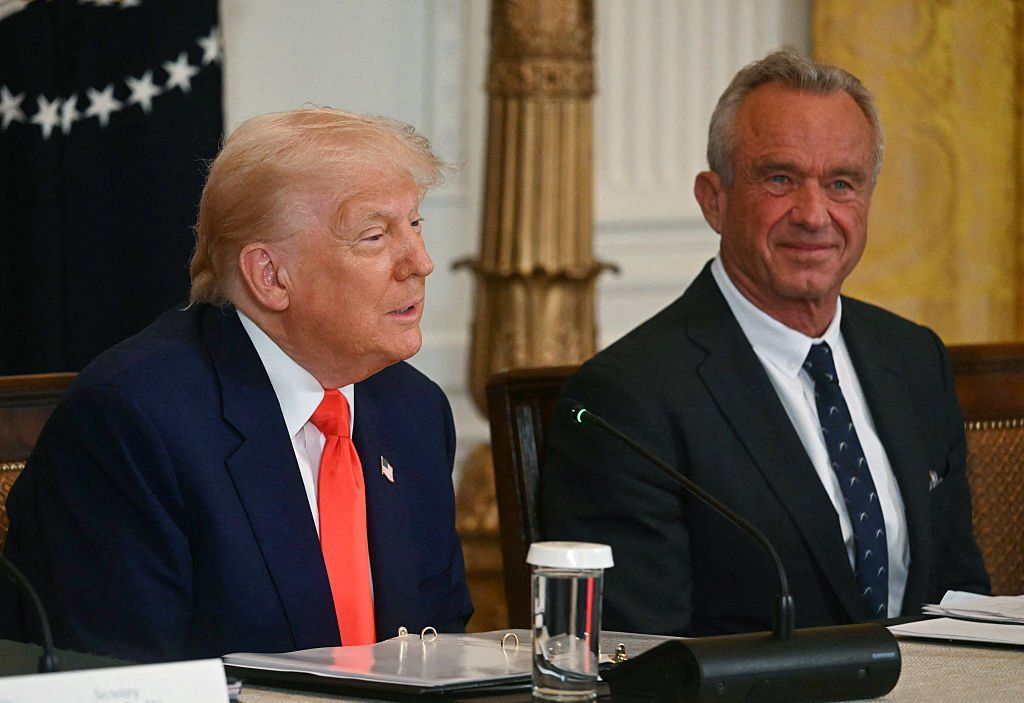
President Donald Trump and Health and Human Services Secretary Robert F. Kennedy Jr. caused an uproar among medical establishmentarians and thin-skinned liberals on Monday by formally identifying acetaminophen as one of the alleged drivers behind the rise in American autism.

Acetaminophen, often sold under the brand Tylenol in the United States but known overseas as paracetamol, is the most common over-the-counter pain and fever medication used during pregnancy. Sales of the drug this year have an estimated value of $10.9 billion.

Kennedy indicated that the U.S. Food and Drug Administration will notify physicians that acetaminophen use by pregnant women may be associated with a "very increased risk" of neurological conditions like autism and ADHD in children.

The Department of Health and Human Services will also launch a nationwide public information campaign to alert parents and families to the possible risks of taking Tylenol during pregnancy.

— (@)

"The Trump administration does not believe popping more pills is always the answer for better health," said White House press secretary Karoline Leavitt. "There is mounting evidence finding a connection between acetaminophen use during pregnancy and autism — and that’s why the administration is courageously issuing this new health guidance."

Foreign health officials rushed to defend the drug, suggesting that it is safe and effective.

Alison Cave, chief safety officer of the United Kingdom's Medicines and Healthcare products Regulatory Agency, said in a statement, "There is no evidence that taking paracetamol during pregnancy causes autism in children."

RELATED: Trump administration claims link between autism and Tylenol, greenlights remedy

Photo Illustration by Justin Sullivan/Getty Images
"Paracetamol remains the recommended pain relief option for pregnant women when used as directed," added Cave.

The MHRA stressed further that patients should continue taking their pain medicines.

Steffen Thirstrup, the chief medical officer of the European Medicines Agency, also chimed in, stating that acetaminophen is an important option for treating pain or fever in pregnant women and that his agency's "advice is based on a rigorous assessment of the available scientific data, and we have found no evidence that taking paracetamol during pregnancy causes autism in children."

'Exposure of susceptible babies and children to acetaminophen (paracetamol) induces many, if not most, cases of autism spectrum disorder.'

Tarik Jasarevic, a spokesman for the World Health Organization, told reporters on Tuesday that while some studies have suggested an association between prenatal exposure to the drug and autism, "evidence remains inconsistent."

"If the link between acetaminophen and autism were strong, it would likely have been consistently observed across multiple studies," added Jasarevic.

James Cusack, the autistic chief executive of Autistica, a London-based autism research charity, told Nature, "There is no definitive evidence to suggest that paracetamol use in mothers is a cause of autism, and when you see any associations, they are very, very small."

Meanwhile, numerous liberals and other critics of the administration proved memers prophetic by downing fistfuls of acetaminophen as a form of protest.

While some of the pill-popping videos appear to have been recorded in jest, others are accompanied with humorless critiques of the administration's efforts to identify and tackle the root causes of autism.

Ahead of Trump's announcement on Monday, a spokesperson for Kenvue, the maker of Tylenol whose stock price took a nose dive on Monday, told Blaze News, "We believe independent, sound science clearly shows that taking acetaminophen does not cause autism. We strongly disagree with any suggestion otherwise and are deeply concerned with the health risk this poses for expecting mothers."

When pressed about what the "sound science clearly shows," Dr. William Parker, CEO of WPLab and visiting scholar at the University of North Carolina at Chapel Hill, told Blaze News:

The science tells us several things. Among the most important are: (a) Exposure of susceptible babies and children to acetaminophen (paracetamol) induces many, if not most, cases of autism spectrum disorder. b) Specific, invalid assumptions made when analyzing epidemiologic data have impeded recognition of the role of acetaminophen in the induction of autism.

Dr. Parker also cited his 2023 scientific review published in the Swiss peer-reviewed journal Children that concluded that "the very early postpartum period poses the greatest risk for acetaminophen-induced ASD, and that nearly ubiquitous use of acetaminophen during early development could conceivably be responsible for the induction in the vast majority, perhaps 90% or more, of all cases of ASD."

RELATED: How MAHA can really save American lives

Photo by Nathan Posner/Anadolu via Getty Images
Dr. Yuelong Ji, an assistant professor at Peking University, told Blaze News, "Officials should indeed advise caution regarding the unnecessary use of acetaminophen during pregnancy."

Ji was among the researchers at the Johns Hopkins Bloomberg School of Public Health who collected umbilical cord blood from 996 births and measured the amount of acetaminophen and two of its byproducts in each sample.

According to the resultant National Institutes of Health-funded 2019 study published in the journal JAMA Psychiatry, "Cord biomarkers of fetal exposure to acetaminophen were associated with significantly increased risk of childhood ADHD and ASD in a dose-response fashion."

"These results highlight the need for careful consideration of its use during this critical period of brain development," Ji told Blaze News. "The potential mechanisms by which acetaminophen may affect the developing brain should be thoroughly investigated. Until this mechanism is better understood, it is prudent for health officials to adopt a cautious approach when advising pregnant individuals on acetaminophen use."

The White House's fact sheet concerning the president's Tylenol-autism claims and the FDA's relabeling of acetaminophen cites Parker's and Ji's studies as well as a recent NIH-supported systematic review that found positive associations of prenatal acetaminophen use with ADHD, ASD, or NDDs in offspring across dozens of high-quality studies.

It also cites the 2021 international consensus statement that recommends pregnant women "minimize exposure" to acetaminophen "by using the lowest effective dose for the shortest possible time."

Like Blaze News? Bypass the censors, sign up for our newsletters, and get stories like this direct to your inbox. Sign up here!

Trump’s health revolution: RFK Jr. takes aim at chemicals, junk food, and overmedication


President Donald Trump, determined to guide the nation into a new golden age, has gone to war with the private-public consensus that has sickened generations of American children and threatens future greatness.

The president's battle strategy has finally come into full view.

'I am so grateful that I work for a president that is willing to run through walls to stop this and to heal our kids.'

Trump's Make America Healthy Again Commission, chaired by Health Secretary Robert F. Kennedy Jr., released on Tuesday its long-awaited directives and strategies for tackling chronic disease, protecting children from toxic exposure, and helping American families flourish.

This report sets the stage for a shake-up that is sure to cause a great deal of consternation among medical establishmentarians, pharmaceutical reps, chemical magnates, and ultra-processed food manufacturers.

"We are now the sickest country in the world. We have the highest chronic disease burden of any country in the world, and yet we spend more on health care than any country in the world," Kennedy said during the public MAHA Commission meeting on Tuesday. "This is an existential crisis for our country."

Kennedy added, "I am so grateful that I work for a president that is willing to run through walls to stop this and to heal our kids."

RELATED: Trump establishes Make America Healthy Again Commission. Here's what it will do.

Quick background

In his Feb. 13 executive order creating the MAHA Commission, President Donald Trump noted, "To fully address the growing health crisis in America, we must redirect our national focus, in the public and private sectors, toward understanding and drastically lowering chronic disease rates and ending childhood chronic disease."

Three months later, Trump's commission released an assessment report identifying four potential drivers of the rise in childhood chronic disease: poor diet largely tied to ultra-processed foods; aggregation of environmental chemicals including microplastics, fluoride, phthalates, bisphenols, and crop protection tools; lack of physical activity and chronic stress; and overmedicalization.

The report suggested that the situation was rather bleak, noting:

  • Over 40% of the roughly 73 million kids in the U.S. have at least one chronic health condition;
  • 1 in 5 kids over the age of 6 is obese;
  • 1 in 31 kids is impacted by autism spectrum disorder by the age of 8;
  • Childhood cancer incidence has skyrocketed by over 40% since 1975;
  • Pesticides, microplastics, and dioxins "are commonly found in the blood and urine of American children and pregnant women — some at alarming levels";
  • Nearly 70% of an American child's calories come from ultra-processed foods; and
  • Stimulant prescriptions for ADHD, antidepressant prescription rates, and antipsychotic prescriptions for teens and/or children have exploded in recent decades.

RELATED: The fruit of the US pesticide industry is poison

Photo by Chip Somodevilla/Getty Images

A Department of Health and Human Services spokesperson told Blaze News earlier this year that the May assessment was a "diagnosis," and the next step was to "develop policy recommendations, grounded in gold-standard science and common sense."

Next steps

In the newly released "Make Our Children Healthy Again" report, the MAHA Commission broke its strategic plan into four pillars: advancing research, realigning incentives, fostering private sector collaboration, and increasing public awareness.

Deeper dives

The first pillar tasks various federal agencies with pursuing "rigorous, gold-standard scientific research to help ensure informed decisions that promote health outcomes for American children and families, as well as drive innovative solutions."

For instance, the Department of Health and Human Services will — through the National Institutes of Health and in collaboration with the Centers for Disease Control and Prevention — study the root causes of autism.

The HHS, again working with the NIH, will also kick off a new vaccine injury program, investigating vaccine injuries "with improved data collection and analysis." Although this program will initially be housed at the NIH Clinical Center, the report indicated it could expand to centers around the country.

Other research initiatives include:

  • Closer looks at water contamination, including an Environmental Protection Agency review of new scientific information on the potential health risks of fluoride;
  • A concerted effort by the HHS, NIH, and EPA to complete an evaluation of the risks and exposures of microplastics and synthetics;
  • An HHS evaluation of the therapeutic harms and benefits of "current diagnostic thresholds, overprescription trends, and evidence-based solutions"; and
  • The formation of a mental health diagnosis and prescription work group at the HHS tasked with evaluating "prescription patterns for selective serotonin reuptake inhibitors (SSRIs), antipsychotics, mood stabilizers, stimulants, and other relevant drugs for children."

Blowing up the status quo

The realignment pillar of the MAHA Commission's strategy is by far the biggest and potentially the most consequential in the report.

The report indicated that the HHS will continue its current work of eliminating harmful synthetic dyes and other additives from the food supply, addressing possible conflicts of interest at health-related federal agencies — such as those that prompted Kennedy's purge of the CDC's Advisory Committee on Immunization Practices in June — and protecting "public health from corporate influence."

The administration apparently also has a slew of regulatory and deregulatory initiatives in the works.

Among the changes on the deregulatory front that Americans might soon see the fruits of is the elimination of mandatory reduced-fat requirements in federal nutrition programs; the elimination of barriers to small dairy operations selling their own milk products; and the FDA's abandonment of animal testing requirements.

On the regulatory front and as foreshadowed in a Kennedy op-ed last year, the HHS will be pushing for greater accountability where direct-to-consumer pharmaceutical advertising is concerned.

The HHS will work with the FDA, the Department of Justice, and the Federal Trade Commission to "increase oversight and enforcement under current authorities for violations of DTC prescription drug advertising laws."

In a similar vein, the HHS and FTC will also explore potential industry guidelines to limit advertisements of unhealthy foods that target children.

RELATED: RFK Jr. did what GOP cowards won’t

Photo by Tasos Katopodis/Getty Images

While the FDA will, on the one hand, update nutrient requirements for infant formula and ramp up screening for contaminants, it will also encourage companies to roll out new infant formulas. Meanwhile, the USDA and HHS will work to increase breastfeeding rates.

The commission appears especially keen on ensuring that foods are accurately labeled; dietary guidelines are reflective of the current nutritional science; Supplemental Nutrition Assistance Program benefits are used for healthy food; and the legal loophole that apparently enables the food industry to add potentially unsafe substances to the food supply without government oversight is closed for good.

The report indicated further that the CDC will update recommendations regarding fluoride — which has a retarding effect on children — and forever chemicals in the American water supply.

Besides regulatory changes, the commission indicated that the HHS is set to undergo a "comprehensive reorganization" to create the Administration for a Healthy America, an outfit that will lead the federal government's response to the chronic disease crisis through "integrated prevention-focused programs."

Blasting facts and shaking hands

The other two pillars in the MAHA strategy report concerning the promotion of public awareness and MAHA collaboration with elements of the private sector are both afforded relatively little real estate. Nevertheless, they contain a handful of proposals that could prove transformative.

The planned efforts to raise awareness about the potential harms posed by exposure to pesticides, fluoride, sedentary lifestyles, drug abuse, and too much screen time may, for instance, end up yielding more immediate effects than some of the corresponding regulatory initiatives, which are sure to face legal challenges.

RELATED: Study warns of possible link between world's most popular painkiller and autism

Photo by Jennifer Polixenni Brankin/Getty Images
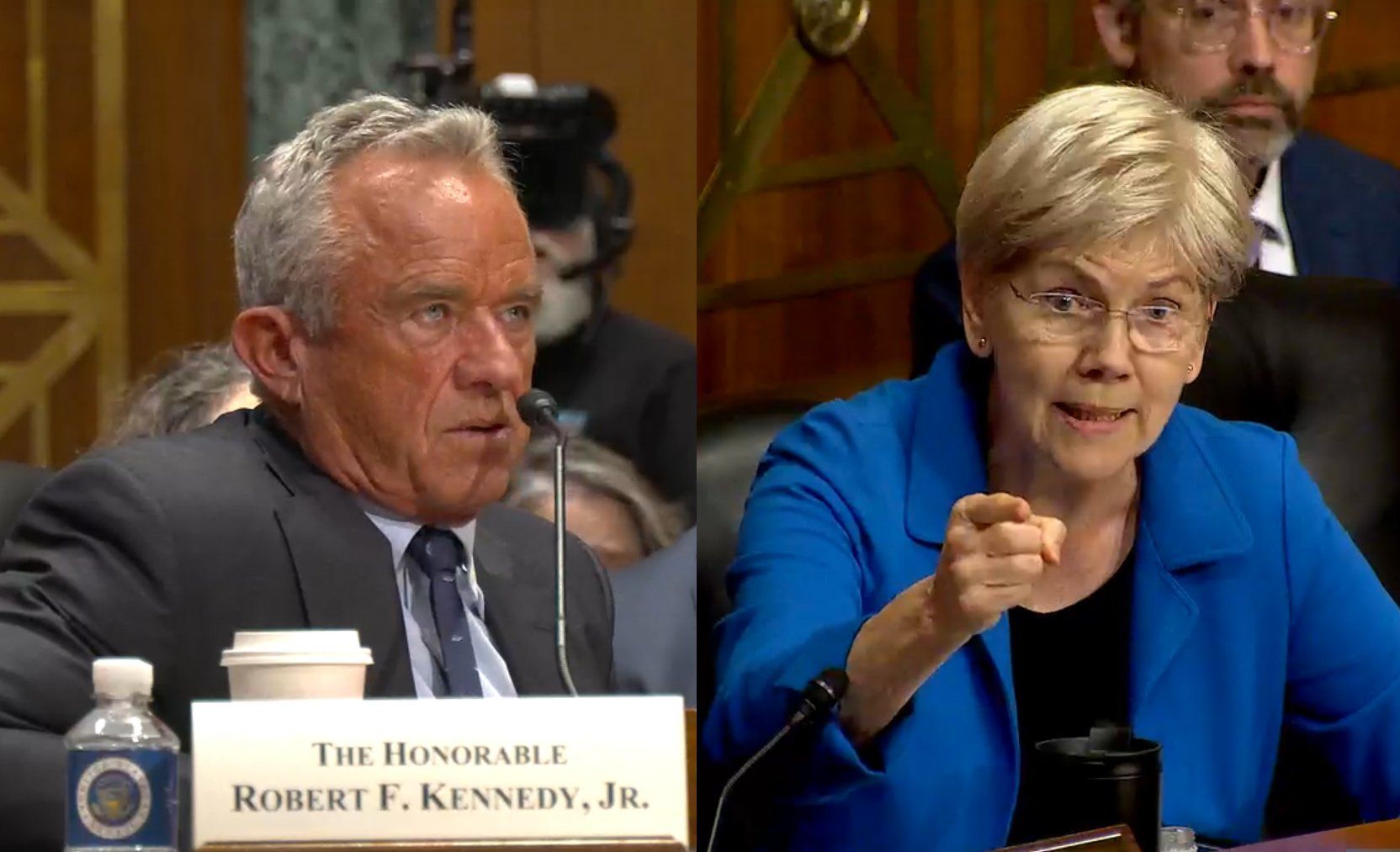
The section on fostering private-sector collaboration, the most diminutive section in the document, contains two plans that stand out. The first involves an education campaign aimed at improving health and fertility in men and women who are seeking to start families.

In the interest of helping American families grow and remedying America's abysmal fertility rate, which hit an all-time low last year, the HHS is initiating the "Root Causes of Infertility Award Challenge Competition," which "seeks to identify new and existing solutions to prevent, diagnose, and treat root causes of infertility, including chronic reproductive health conditions, and provide answers to families, improve health outcomes, and ensure a brighter future for parents and infants across the U.S."

The HHS will also develop an Infertility Training Center to help Title X clinics identify and treat for the underlying causes of infertility.

The second plan that stands out in the private-sector collaboration section concerns working with the agricultural industry on new approaches and technologies that could reduce the amount of pesticides needed. This appears to be a consolation prize for those who wanted certain harmful pesticides banned outright.

"A lot of these 128 recommendations are things that I've been dreaming about my whole life," Kennedy said. "We have accomplished more already than any health secretary in history, and the accomplishments we're going to have by the end of the year are going to be historic and unprecedented."

Like Blaze News? Bypass the censors, sign up for our newsletters, and get stories like this direct to your inbox. Sign up here!

RFK Jr. laughs at Democratic senators' vaccine concern-mongering: 'You're just making stuff up'


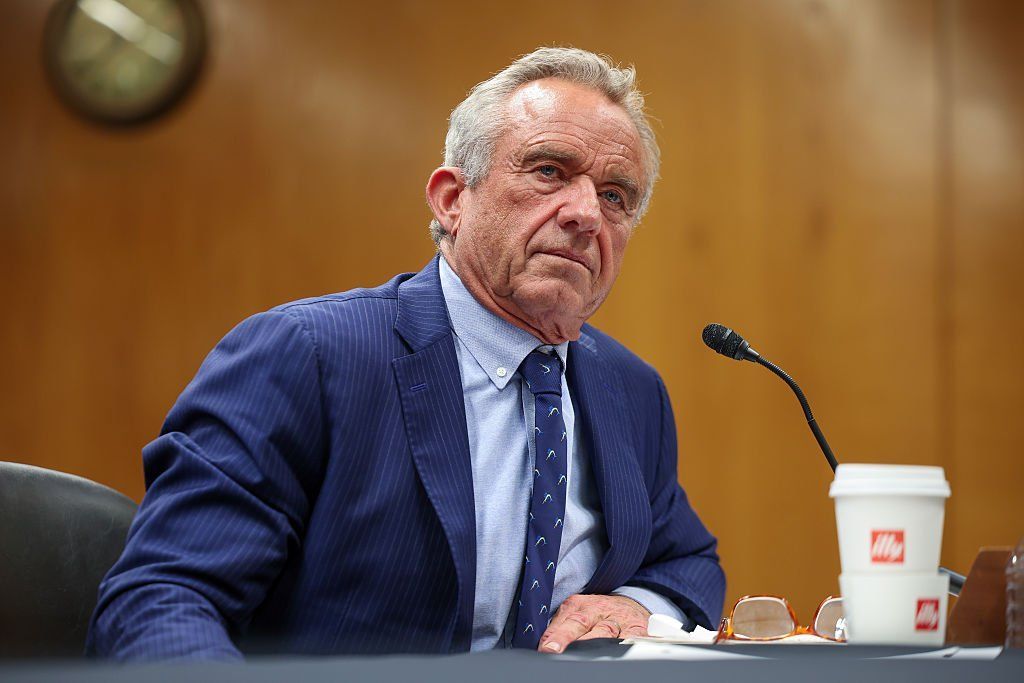
Several members of the Senate Finance Committee tried desperately during a hearing on Thursday about President Donald Trump's 2026 health care agenda to paint Health and Human Services Secretary Robert F. Kennedy Jr. as both a "charlatan" and as a danger to public health.

Like the mutineers at the Centers for Disease Control and Prevention who revolted over Susan Monarez's removal last week as their director, Democratic lawmakers — Sens. Elizabeth Warren (Mass.) and Maggie Hassan (N.H.) in particular — and a few Republican lawmakers, including Sen. Bill Cassidy (La.), quickly discovered that Kennedy wasn't willing to play their games.

'You are lying.'

In addition to highlighting recent victories at the Department of Health and Human Services such as recent reductions to bureaucratic waste and the obliteration of the DEI regime, Kennedy informed the committee at the outset, "We are ending gain-of-function research, child mutilation, and reducing animal testing. We are addressing cellphone use in schools, excessive screen time for youths, the lack of nutrition education in our medical schools, sickle cell anemia, hepatitis C, the East Palestine chemical spill, and many, many others."

— (@)

Rather than dwell on these or other recent positive developments at the HHS, Hassan, like other Democrats on the committee, instead focused her attack on Kennedy's approach to vaccines.

Hassan, whom Open Secrets indicated has received over $1 million in campaign donations from the health professional industry and hundreds of thousands of dollars from the pharmaceutical industry, claimed that Kennedy "acted behind closed doors to overrule scientists and limit the freedom of parents to choose the COVID vaccine for their children" and "unilaterally changed the parameters for giving vaccines."

"This is crazy talk," Kennedy said. "You're just making stuff up."

Hassan appears to have been grossly misrepresenting recent actions taken by the Food and Drug Administration.

RELATED: RFK Jr. makes crystal clear to the CDC mutineers: The restoration of public trust 'won't stop'

Photo by Tasos Katopodis/Getty Images

FDA Commissioner Marty Makary noted in a recent op-ed that his agency has "approved COVID-19 vaccines for adults over 65 and for people 6 months and older who have one or more risk factors that put them at high risk of severe COVID," thereby bringing "the U.S. in line with peer nations."

Makary underscored that "the FDA can't regulate the practice of medicine. The FDA grants marketing authorizations, but doctors are able to prescribe drugs off label to people at low risk. In a few states, pharmacists may require a prescription."

In other words, parents still enjoy the freedom to choose the COVID vaccine for their children even though Makary indicated his agency is not confident that the benefits outweigh the risks.

"Since the FDA isn't approving a vaccine for the healthy school-age and working population, college and school mandates will be legally impossible," Makary wrote. "Accordingly, the FDA is revoking the emergency-use authorization for COVID vaccines. The emergency is over. The FDA will now return to an evidence-based standard."

Kennedy told Hassan on Thursday that the decisions about the COVID vaccines were not made "behind closed doors. The industry makes the studies, and they could not provide a study that said it is effective for healthy kids."

"You're just making stuff up, Senator," Kennedy said.

RELATED: Florida’s fight for medical freedom targets vaccine mandates

SementsovaLesia/Getty Images

Hassan prompted a laugh from the health secretary by responding with, "Sometimes when you make an accusation, it's kind of a confession, Mr. Kennedy."

Despite the continued ability of Americans to get the COVID vaccines, Hassan suggested again that "people who want to exercise their freedom of choice are being denied that because you are citing data that you won't produce to the public and you are rejecting science."

"You are making things up to scare people, and it's a lie," Kennedy said. "You are lying."

'I know you've taken $855,000 from pharmaceutical companies, Senator.'

Elizabeth Warren picked up where Hassan left off, willfully conflating FDA approval for COVID vaccines with their general availability.

"Last week, you announced that the COVID-19 vaccine is no longer approved for healthy people under the age of 65," Warren said. "In announcing the change, you said that the vaccine will be available for anyone who wants it. Now obviously, both things cannot be true at the same moment."

"Anybody can get it," Kennedy said. "It's not recommended for healthy people."

When Warren started down another rabbit hole, insinuating that an insurance company's refusal to cover a drug on the basis of pulled FDA approval is the same as a governmental denial of vaccines, Kennedy told her flatly, "I'm not going to recommend a product for which there's no clinical data for that indication. Would you?"

"I know you've taken $855,000 from pharmaceutical companies, Senator," Kennedy added, possibly answering his own question.

According to Open Secrets, Warren received $818,997 from “pharmaceuticals/health products" sources during the 2020 campaign cycle. Between 2019 and 2024, Warren's Senate campaign committee and leadership PAC have also reportedly received $131,329 from the pharmaceutical industry; $528,320 from the health professional industry; and $109,924 from the hospital/nursing home industry.

Like Blaze News? Bypass the censors, sign up for our newsletters, and get stories like this direct to your inbox. Sign up here!

RFK Jr. makes crystal clear to the CDC mutineers: The restoration of public trust 'won't stop'


Establishmentarians' worst fears are being realized at the Centers for Disease Control and Prevention: Health and Human Services Secretary Robert F. Kennedy Jr. is putting Americans' health first, challenging the failed status quo, and threatening Big Pharma's apparent influence over the agency.

While there now appears to be a sizeable mutiny under way at the CDC, Kennedy has made one thing crystal clear: He's not backing down.

Frustration with Kennedy has been mounting among medical establishmentarians for months.

'Once RFK provides the other side of the story, there is no turning back for a significant portion of the country.'

There has, for instance, been a great deal of pearl-clutching over his termination of the Biden appointees on the Advisory Committee on Immunization Practices whose coziness with pharmaceutical companies prompted questions about their vaccine recommendations; his removal of the COVID vaccine from the CDC's recommended vaccine schedule for healthy pregnant women and children; and his cancellation of mRNA vaccine development contracts.

This shake-up at the CDC continued last week with the White House's ouster of Susan Monarez as director — a removal her attorneys claimed was the result of her supposed refusal "to rubber-stamp unscientific, reckless directives and fire dedicated health experts."

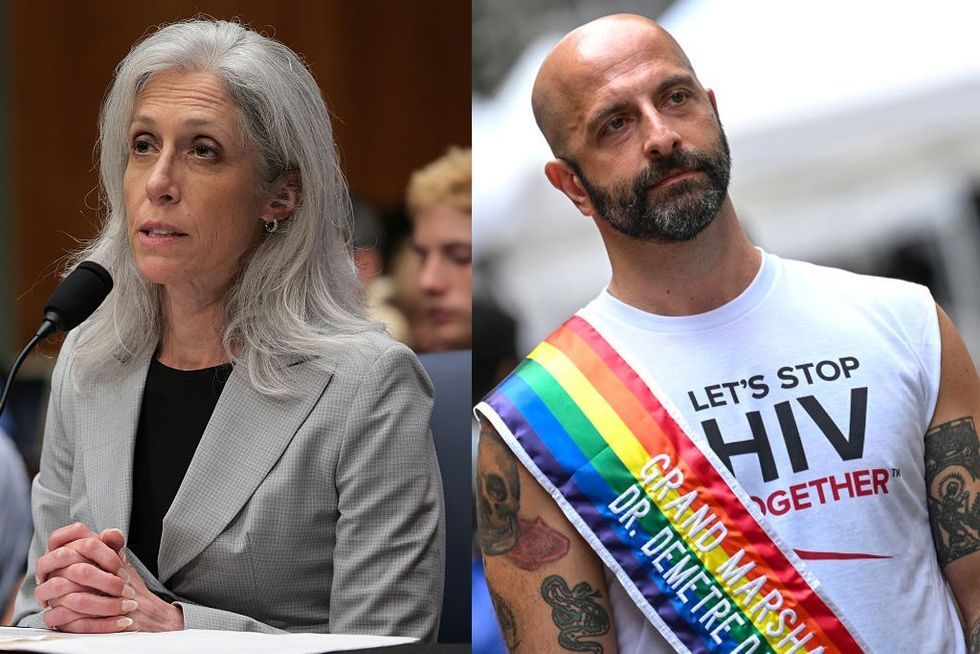
Amid Monarez's futile fight to keep her job — she has since been replaced by Health and Human Services Deputy Secretary Jim O'Neill — other CDC officials threw in the towel, including Debra Houry, the chief medical officer; Daniel Jernigan, the director of the National Center for Emerging and Zoonotic Infectious Disease; and Demetre Daskalakis, the sex-obsessed homosexual "activist physician" who showed up in public wearing bondage gear and served as director of the National Center for Immunization and Respiratory Diseases.

RELATED: How Big Pharma left its mark on woke CDC vax advisory panel — and what RFK Jr. did about it

Following this changing of the guard, over 1,000 current and former HHS staff members released a letter on Wednesday demanding Kennedy's resignation from his position as health secretary.

The Save HHS campaign's letter, whose signatories are not publicly named but have been supposedly revealed to members of Congress, claims that Kennedy "continues to endanger the nation's health" by:

  • "facilitating" the removal of Monarez;
  • "causing the resignations" of Daskalakis and his ilk;
  • appointing Dr. Robert Malone and other experts to ACIP who have in the past raised concerns about experimental vaccines;
  • rescinding the Food and Drug Administration's emergency use authorization for COVID vaccines; and
  • daring to say that "trusting experts is not a feature of either a science or democracy."

The Save HHS campaign did not respond to Blaze News' request for comment.

The Save HHS campaign indicates on its website that its partner organizations include Doctors for America, National Nurses United, and the American Public Health Organization.

The scientific advisory board of the Accountability Journalism Institute is apparently also a partner.

In its petition to remove Kennedy, the AJI's scientific advisory board claimed that President Donald Trump's health secretary "poses an immediate and long-term threat to the health of the American public."

The AJI scientific advisory board's claim appears to be a stone's thrown from a glass house. After all, a member of the board and signatory of the petition is Peter Daszak — the disgraced British zoologist who was formally debarred along with his scandal-plagued organization EcoHealth Alliance in January by the HHS.

RELATED: RFK Jr. pulls plug on mRNA jabs because they 'pose more risks than benefits'

Former CDC Director Susan Monarez and ex-CDC official Demetre Daskalakis. Photo (left): Kayla Bartkowski/Getty Images; Photo (right): Alexi Rosenfeld/Getty Images

Blaze News senior editor Daniel Horowitz, author of "Rise of the Fourth Reich: Confronting COVID Fascism with a New Nuremberg Trial So This Never Happens Again," noted to Blaze News, "The reason you are seeing so much mutiny against RFK Jr. is because unlike many of the Trump legal and policy changes, which can easily be changed under the next administration, CDC guidance is much more of a cultural influence straight down to individual parents and doctors."

"For years, the industry relied on an air-tight unanimity of opinion in health care and government that every vaccine was as pure as the wind-driven snow and absolutely indispensable for every baby born in this country," wrote Horowitz.

"Once RFK provides the other side of the story, there is no turning back for a significant portion of the country because ultimately it relies on the public confidence in vaccines," continued Horowitz. "It's not like immigration policies with TPS, parole, and expedited removal that the next president can just reinstate the prior policies from day one."

Kennedy noted in an op-ed on Tuesday that while the CDC "was once the world's most trusted guardian of public health" with a mission both clear and noble, "over the decades, bureaucratic inertia, politicized science, and mission creep have corroded that purpose and squandered public trust."

'The CDC must restore public trust — and that restoration has begun.'

The health secretary turned the endangerment accusation on its head, pointing out that the CDC under previous management "produced irrational policy during COVID: cloth masks on toddlers, arbitrary 6-foot distancing, boosters for healthy children, prolonged school closings, economy-crushing lockdowns, and the suppression of low-cost therapeutics in favor of experimental and ineffective drugs."

"The toll was devastating. America is home to 4.2% of the world’s population but suffered 19% of COVID deaths," added Kennedy.

The health secretary noted further that the "truth must no longer be ignored" about the downsides of vaccines, antibiotics, and therapeutics and that "infectious and chronic illness are linked."

Kennedy indicated that his ACIP housecleaning and the replacement of CDC leaders who "resisted reform" were meaningful steps toward restoring trust, eliminating conflicts of interest, and curbing "bureaucratic complacency" at the agency but that there was still much work to be done.

"The CDC must restore public trust — and that restoration has begun," wrote Kennedy. "It won't stop until America’s public health institutions again serve the people with transparency, honesty, and integrity."

To this end, Kennedy indicated that the agency will modernize systems, enhance scientific rigor, build infrastructure, and empower states and communities.

HHS communications director Andrew Nixon said in a statement to Blaze News, "Secretary Kennedy has been clear: The CDC has been broken for a long time. Restoring it as the world’s most trusted guardian of public health will take sustained reform and more personnel changes."

Like Blaze News? Bypass the censors, sign up for our newsletters, and get stories like this direct to your inbox. Sign up here!