Per-mile driving taxes: The latest way to punish those who drive the most?


A growing number of states are considering a new way to tax drivers: charging you for every mile you travel.

The idea is called a per-mile driving tax, and if it moves forward, the cost of simply using your car could rise dramatically.

To tax driving by the mile, governments need to know exactly how far a vehicle travels. That raises immediate questions about monitoring and data collection.

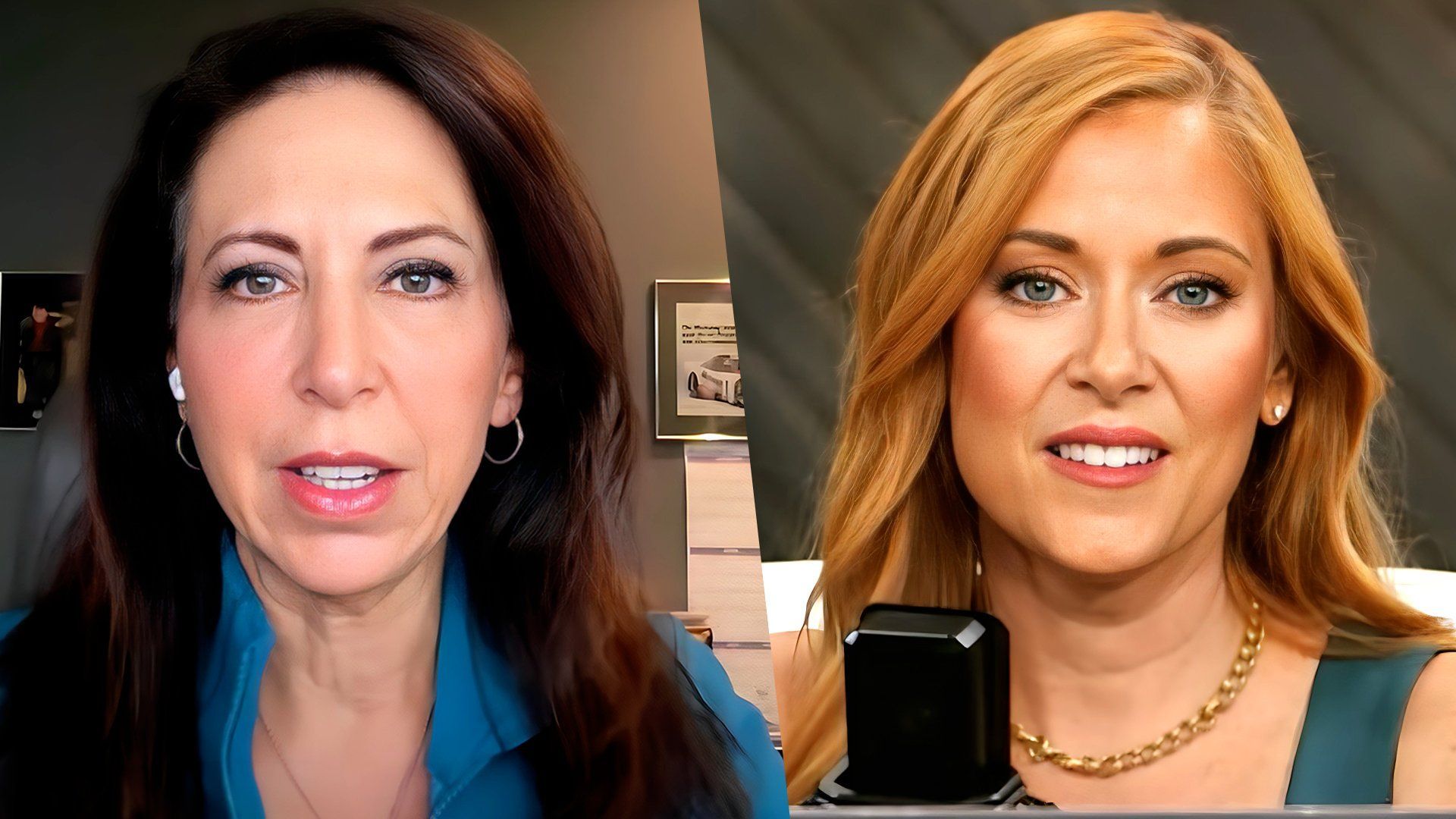
On a recent episode of "The Drive with Lauren and Karl," Karl Brauer and I discussed how these proposals are spreading — and why they could mean both higher costs and more government monitoring of drivers.

Pay as you go?

States such as California and Massachusetts are exploring mileage-based road charges as a replacement or supplement to traditional fuel taxes. The idea is simple on paper: Instead of paying taxes at the pump, drivers pay based on how many miles they drive.

But in practice, that means a new bill tied directly to your mobility.

Estimates from California state Rep. Carl DeMaio (R) suggest the impact could be substantial. Under proposals being discussed in California, drivers could be charged six to nine cents per mile they travel.

For a typical driver covering about 15,000 miles a year, that translates to roughly $900 to $1,200 annually in new taxes. DeMaio notes that when those charges are layered on top of existing gas taxes and vehicle taxes, the total burden for a two-car household could exceed $4,200 per year just for the privilege of driving.

That’s not a minor adjustment. For many families, it would function like another recurring household bill — tied directly to how much they drive.

And unlike discretionary spending, driving often isn’t optional. Millions of Americans rely on their vehicles to get to work, transport children, care for relatives, and handle everyday errands.

Commuter looter

One of the biggest problems with per-mile taxes is who ends up paying the highest price.

The drivers most likely to rack up mileage are often the ones who can least afford it. In expensive states like California, many workers commute long distances because housing near job centers is out of reach. Living farther out keeps rent or mortgage payments manageable — but it also means driving more miles.

A mileage tax effectively punishes those drivers for circumstances they can’t control.

Karl points out the obvious math: The longer your commute, the higher your tax bill. That means lower-income workers who travel farther to reach their jobs could end up paying more than wealthier drivers who live closer to work.

I spy

There’s another practical issue: How would states measure those miles?

To tax driving by the mile, governments need to know exactly how far a vehicle travels. That raises immediate questions about monitoring and data collection.

Modern cars already gather significant amounts of information through connected systems, insurance telematics, and onboard software. But a statewide mileage tax would likely require even more precise tracking.

Older vehicles without built-in connectivity present another challenge. Any mileage-tax program would still have to account for them, which could mean external tracking devices, reporting systems, or other work-arounds.

However the system is built, the bottom line is that taxing miles requires knowing how many miles you drive — and that opens the door to broader monitoring of driver behavior.

Kill switch 2.0

During the episode, we also talk about how this issue overlaps with new driver-monitoring technology already appearing in modern vehicles.

Under provisions in the 2021 infrastructure law, new vehicles will eventually include systems designed to detect impaired driving. The concept is often described as a safety feature, but the broader concern is how much control these systems could exert over the vehicle itself.

If software determines that a driver is impaired or unsafe, it could prevent the car from operating.

Karl and I agree that no one wants impaired drivers on the road. But once vehicles are equipped with systems capable of monitoring behavior and controlling vehicle operation, the question becomes how those systems might be used — and who ultimately controls them.

For drivers, that raises an uncomfortable possibility: a vehicle that can track, interpret, and potentially restrict how you use it.

RELATED: Salvage title cars are showing up at dealerships. Should you buy one?

Mike Simons/Getty Images

Engine trouble

Even without mileage taxes, the cost of owning and operating a vehicle has been climbing.

Vehicle prices remain high. Insurance premiums have increased significantly in many states. Repairs are more expensive as cars become more technologically complex. Fuel prices remain volatile.

Layering a per-mile tax on top of those costs would make daily transportation even more expensive.

Take California, where drivers already pay the highest fuel taxes in the country. A mileage-based charge might not replace those taxes — it could simply add another layer on top of them.

A broader trend

Mileage taxes also fit into a larger pattern in transportation policy.

Governments are experimenting with new ways to regulate emissions, reshape travel behavior, and generate revenue from road usage. But the people who feel the impact most directly are ordinary drivers.

Policies that make driving more expensive or more restricted don’t affect abstract “vehicle usage.” They affect real people who rely on their cars every day.

That includes workers commuting to jobs, parents transporting children, caregivers helping elderly relatives, and small-business owners who depend on vehicles for their livelihoods.

The bottom line

For most Americans, a car isn’t a luxury — it’s a necessity.

That’s why proposals like per-mile driving taxes deserve close scrutiny. They could dramatically increase transportation costs while expanding the amount of information collected about how drivers use their vehicles.

If states move forward with mileage-based taxes, drivers will be the ones paying the bill — both financially and in terms of how their mobility is monitored.

Listen to the full episode of “The Drive with Lauren and Karl” below:

No new cars under $50K? Thank the government


Americans are paying more for new vehicles — and it's not because of greedy dealers or temporary supply disruptions.

The real problem? The modern automobile has become a government-regulated platform.

This regulatory floor helps explain why many entry-level vehicles have disappeared. Automakers did not abandon affordable cars because Americans suddenly rejected them.

What once functioned primarily as personal transportation is now layered with federal mandates, compliance systems, and policy-driven technology. The cost of that transformation is embedded into every vehicle sold.

The average transaction price for a new vehicle now hovers around $48,000 to $50,000, according to Cox Automotive — nearly double what many Americans paid a decade ago. That figure is not driven primarily by dealership markups or consumer excess. It reflects a system in which regulatory requirements steadily raise the baseline cost of every vehicle before it reaches a showroom.

Dealers sell what they are allowed to sell. Consumers pay for what regulators require to be built.

Regulations stack

Unlike market innovation, federal mandates rarely replace older requirements. They stack. Safety rules, emissions standards, cybersecurity protocols, and connectivity requirements accumulate over time. Each new layer raises the minimum cost of building any vehicle, regardless of brand or segment.

Automakers no longer decide which technologies to include based solely on consumer demand. They build to regulatory specifications — and those specifications grow more complex every year.

Driver-assistance: No longer optional

Advanced driver-assistance systems are a clear example. Lane-keeping assist, automatic emergency braking, blind-spot monitoring, cameras, radar units, and onboard processors were once optional upgrades. Today most are standard across model lines due to evolving federal safety expectations and liability pressures.

These systems require sensors, software calibration, processors, and constant updates. They also increase repair costs. A recent study by AAA shows that vehicles equipped with advanced driver-assistance features can cost 20% to 40% more to repair after collisions, in part because sensors must be recalibrated or replaced.

Whether buyers want every feature is beside the point. The technology is built in.

RELATED: Would you buy a car from Amazon?

Nicolò Campo/Bloomberg/Getty Images

Engineering complexity

Emissions regulations add another layer. Even gasoline-powered vehicles now rely on increasingly sophisticated emissions control systems, specialized materials, and complex software calibration to meet tightening federal and state standards.

These systems improve measurable compliance outcomes, but they also increase engineering complexity and production cost. Manufacturers cannot legally offer simplified alternatives that fall outside regulatory thresholds.

Computers on wheels

Modern vehicles are now rolling computer networks. Federal standards increasingly require data systems, cybersecurity protections, over-the-air update capability, and integrated monitoring infrastructure.

Hardware, antennas, processors, software validation, and compliance testing all add cost. None of it is optional at scale. Once these systems are embedded into vehicle architecture, they become permanent cost centers.

'Kill-switch' costs

One of the least discussed provisions of the federal Infrastructure Investment and Jobs Act requires the installation of advanced driver monitoring systems designed to detect impairment in future vehicles. Critics have labeled this a “kill-switch” mandate because the rule requires technology capable of preventing operation under certain conditions.

Regardless of terminology, implementing such systems requires additional hardware, sensors, software integration, validation, and certification. Even before activation or enforcement details are finalized, the design and compliance costs are already being built into pricing structures.

When every manufacturer must comply, there is no competitive pressure to eliminate the expense.

Tariffs and supply chains

Tariffs compound the issue. Import duties on vehicles and automotive components affect not only foreign-built cars but also vehicles assembled in the United States that rely on global supply chains. Steel, aluminum, semiconductors, and specialized materials all move through international networks.

When tariffs raise component costs, those increases flow downstream. Automakers do not absorb them indefinitely. Dealers do not control them. Buyers ultimately pay.

Extinct entry-level

This regulatory floor helps explain why many entry-level vehicles have disappeared. Automakers did not abandon affordable cars because Americans suddenly rejected them. They exited those segments because compliance costs made lower-margin models difficult to sustain profitably.

When the baseline cost of meeting regulatory requirements approaches what buyers can reasonably pay for a basic vehicle, the product becomes economically unviable.

Shrinking used-car market

The used-car market offers limited relief. As new vehicles become more expensive, consumers hold onto existing cars longer. According to S&P Global Mobility, the average age of vehicles on American roads has climbed to nearly 13 years, an all-time high.

Fewer late-model trade-ins tighten supply. Prices rise. Regulatory-driven cost increases in the new-car market ripple outward and affect every segment.

EV expenses

Electric vehicles illustrate the same dynamic. Federal incentives, emissions targets, battery sourcing rules, and manufacturing credits shape production decisions and model availability. While battery costs have declined over time, compliance requirements and policy alignment continue to influence pricing and product mix.

For many households, the upfront cost of EVs remains significantly higher than comparable gasoline models — even after incentives.

Fixed costs

The expectation that prices will fall once supply stabilizes misunderstands how regulatory-cost structures function. Supply constraints can ease. Compliance costs rarely do.

As long as vehicles are treated as platforms for policy implementation rather than purely consumer goods, the floor price will continue to rise.

High vehicle prices are not simply a market fluctuation. They are, to a significant degree, a policy outcome.

And until policymakers reckon with the cumulative cost of regulatory layering, the $50,000 vehicle will increasingly become the norm — not the exception.

A federal 'kill switch' for your car is coming — and neither Democrats nor Republicans will stop it


The federal government is moving closer to giving your car the authority to decide whether you are allowed to drive — without a warrant, without due process, and with no guaranteed way to reverse the decision once it is made.

And it is happening not because of one party alone, but because Congress, across party lines, has failed to stop it.

This is not about defending drunk driving. It is about stopping a government overreach that treats every driver as a suspect.

No accident

It's no accident that all this happened quietly. It was written into law under the Biden administration’s 2021 Infrastructure Investment and Jobs Act, buried deep in Section 24220 — a provision few lawmakers publicly debated, but one that now threatens to fundamentally alter the relationship between Americans and their vehicles.

Section 24220 directs the National Highway Traffic Safety Administration to mandate “advanced drunk and impaired driving prevention technology” in all new passenger vehicles. In plain terms, it requires systems that continuously monitor drivers and can prevent a vehicle from operating if impairment is suspected. No breath test is required. No police officer is involved. The judgment is made by software.

Once flagged, a vehicle may refuse to start or restrict operation. Here is the most troubling part: Federal law provides no clear process for getting out of that lockout. There is no required appeal. No mandated reset timeline. No human review. Drivers can find themselves trapped in what critics have begun calling “kill switch jail,” with no guaranteed path to restore access to their own car.

This is not targeted enforcement. It applies to every driver, every time, regardless of driving history.

That alone should raise constitutional alarms.

Proven approach

Drunk driving laws already exist — and they work. Ignition interlock devices have long been required for convicted offenders, and there are 31 approved interlock systems currently in use nationwide. Those systems require a breath sample and are imposed only after due process. Section 24220 discards that proven, targeted approach and instead subjects all drivers to pre-emptive punishment, including those who do not drink at all.

To comply with the mandate, automakers may choose from a range of technologies: driver-facing cameras that track eye movement and head position; software that analyzes steering, braking, and lane-keeping behavior; or touch-based alcohol sensors embedded in the steering wheel or start button. None of these systems determine guilt. They calculate probability — and then deny access.

False positives are inevitable. Fatigue, prescription medications, medical conditions such as diabetes or neurological disorders, and even stress can trigger impairment alerts. Shift workers, caregivers, parents, and first responders are especially vulnerable. When the system is wrong, the consequences are immediate — and the driver has no guaranteed recourse.

Pre-emptive denial

This is not a passive safety feature like an airbag. It is a government-mandated, pre-emptive denial of mobility enforced by an algorithm.

Despite growing concern, Congress has chosen not to stop the mandate, with Democrats largely supporting continued funding and a number of Republicans also voting to keep the program intact.

In January 2026, the House voted on an amendment offered by Republican Representative Thomas Massie of Kentucky that would have blocked funding for NHTSA’s implementation of Section 24220. That amendment failed, allowing the mandate to continue moving toward full enforcement.

Supporters argue the technology does not allow government agents or police to remotely shut down vehicles. While that may be technically true today, the mandate still requires continuous driver monitoring. Once that hardware becomes standard across the national vehicle fleet, expanding its use becomes a political decision — not a technical limitation.

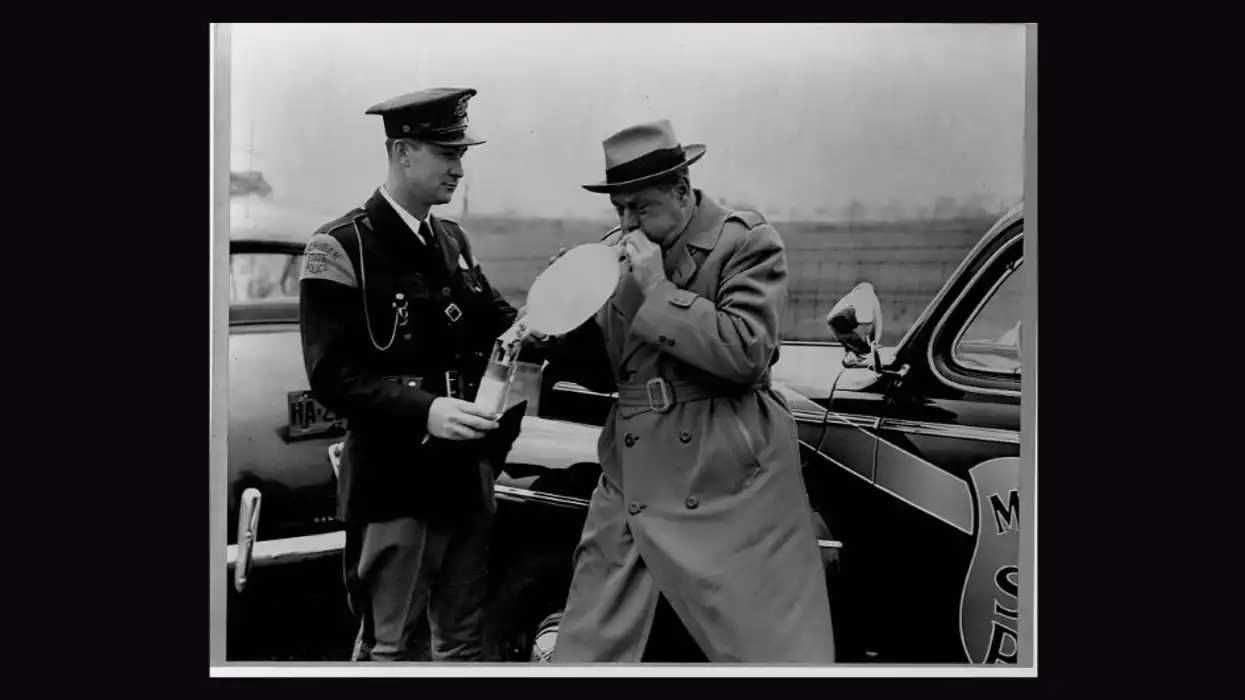
RELATED: Dystopian future as misguided safety push sends drivers to 'kill switch jail'

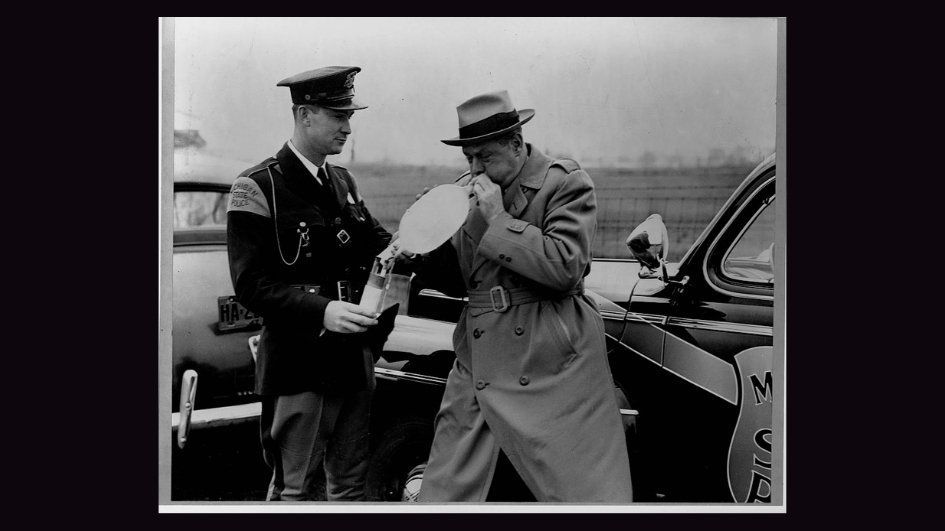
Library of Congress/Getty Images

Privacy risks

Privacy and cybersecurity risks only deepen the concern. Any system capable of denying vehicle operation must meet extraordinarily high standards of accuracy and security. Those standards have not been proven at national scale. A malfunctioning or compromised system could strand drivers during extreme weather, medical emergencies, or in remote locations.

Cost is another unavoidable consequence. Vehicles are already becoming unaffordable for many Americans. Adding cameras, sensors, software, and compliance infrastructure will only accelerate price increases and reduce consumer choice. Drivers who want simpler, more reliable vehicles will have fewer options — because mandates do not allow opting out.

Proponents often compare this mandate to seatbelts or airbags. That analogy fails. Seatbelts do not prevent you from driving. Airbags deploy after an accident. This system intervenes before any wrongdoing occurs, based on assumptions rather than certainty, and enforces compliance by denying access altogether.

This is not about defending drunk driving. It is about stopping a government overreach that treats every driver as a suspect and hands control of personal mobility to software.

If Americans want to prevent this future, Section 24220 must be defunded — before “kill switch jail” becomes the default setting for the next generation of cars.

The following are the Republican members who voted against the amendment to block funding for NHTSA’s implementation of Section 24220:

Mark Amodei (Nev.-02)
French Hill (Ark.-02)
Max Miller (Ohio-07)
Don Bacon (Neb.-02)
Jeff Hurd (Colo.-03)
Mariannette Miller-Meeks (Iowa-01)
Stephanie Bice (Okla.-05)
Brian Jack (Ga.-03)
Blake Moore (Utah-01)
Gus Bilirakis (Fla.-12)
John James (Mich.-10)
Tim Moore (N.C.-14)
Mike Bost (Ill.-12)
David Joyce (Ohio-14)
James Moylan (Guam-A.L.)
Ken Calvert (Calif.-41)
Thomas Kean Jr. (N.J.-07)
Greg Murphy (N.C.-03)
John Carter (Texas-31)
Mike Kelly (Penn.-16)
Dan Newhouse (Wash.-04)
Tom Cole (Okla.-04)
Jen Kiggans (Va.-02)
Zach Nunn (Iowa-03)
Mario Diaz-Balart (Fla.-26)
Kevin Kiley (Calif.-03)
Hal Rogers (Ky.-05)
Neal Dunn (Fla.-02)
Young Kim (Calif.-40)
Maria Elvira Salazar (Fla.-27)
Chuck Edwards (N.C.-11)
Kimberlyn King-Hinds (Northern Mariana Islands-A.L.)
Mike Simpson (Idaho-02)
Jake Ellzey (Texas-06)
Darin LaHood (Ill.-16)
Elise Stefanik (N.Y.-21)
Randy Feenstra (Iowa-04)
Nick LaLota (N.Y.-01)
Glenn “GT” Thompson (Penn.-15)
Randy Fine (Fla.-06)
Mike Lawler (N.Y.-17)
Mike Turner (Ohio-10)
Chuck Fleischmann (Tenn.-03)
Frank Lucas (Okla.-03)
David Valadao (Calif.-22)
Vince Fong (Calif.-20)
Nicole Malliotakis (N.Y.-11)
Derrick Van Orden (Wis.-03)
Brian Fitzpatrick (Penn.-01)
Celeste Maloy (Utah-02)
Rob Wittman (Va.-01)
Andrew Garbarino (N.Y.-02)
Brian Mast (Fla.-21)
Steve Womack (Ark.-03)
Carlos Gimenez (Fla.-28)
Dan Meuser (Penn.-09)
Ryan Zinke (Mont.-01)

Dystopian future as misguided safety push sends drivers to 'kill switch jail'


Imagine your 2026 car shutting off mid-drive because it thinks you’re drunk or otherwise impaired.

That’s real! And you can find it in Section 24220 of the 2021 Infrastructure Investment and Jobs Act — a mandate still alive despite fierce pushback, set to raise car prices and spark debate.

Proponents of the so-called "kill switch" say they just want to make the roads safer. But at what cost?

Consider the possibility of misreadings and technical errors. It's bad enough when a glitch keeps us out of an app or prevents us from sending an email. Now, imagine having the autonomy and freedom that comes with your car being taken from you at will.

No restart

Keep in mind that there are no reset or restart protocols outlined in the law. The National Highway Traffic Safety Administration hasn’t finalized these rules yet, so any description of how a car restarts remains speculative based on current tech trends and the law’s intent.

No wonder they call it "kill switch jail." And unlike regular jail, you don't get to plead your case.

This is not just a gadget; it’s a computer judging us behind the wheel. When the bill passed, X erupted — drivers posted memes of cars as “nanny cops,” while safety groups cheered it as a lifeline.

This all depends on passive alcohol monitoring — a new and relatively untested technology in which no breathalyzers are required. You simply breathe normally and sensors in the cabin will tell you if you're good to go.

It's like having a traffic cop in the passenger seat, administering a continuous DUI check. In other words, you're guilty until proven innocent.

Freedom vs. safety

A 2022 survey by the American Automobile Association found 62% of Americans worry about tech overreach in cars, yet 55% support drunk-driving fixes.

This clash — freedom versus safety — is why Section 24220’s so divisive. As of March 31, 2025, it’s barreling toward reality. Can it be stopped? Will it save lives or just pad profits for insurance companies? Or is it going to stop drivers from buying a 2026 model car? We don’t need more nannies in our cars. Here’s the latest and what it means for your next ride.

Section 24220, tucked into the 1,100-page Infrastructure Investment and Jobs Act — signed by President Biden on November 15, 2021 — requires every new car sold after 2026 to include “advanced impaired driving technology.”

This means cameras, sensors, or breath detectors passively monitoring your driving to detect if you’re drunk, distracted, or drowsy. If flagged, the car could stall or refuse to start. The law cites 10,142 alcohol-impaired driving deaths in 2019, aiming to tackle a $44 billion problem from 2010 data — adjusted to roughly $60 billion today with inflation, per the Bureau of Labor Statistics. The pitch was: Save lives and cut costs.

Murky details

The details are murky at best. The tech could include the Driver Alcohol Detection System for Safety funded by the NHTSA, based on three possible technologies targeting an .08 blood alcohol concentration cutoff: a touch sensor on the steering wheel sniffing alcohol through your skin; a touch sensor on the push-button ignition; or the aforementioned breath scanner in the cabin.

This information would be enhanced with other "evidence" gleaned from your car eavesdropping on your speech, monitoring your eyes through infrared sensors and cameras hidden in the dash or rearview mirror to detect a possible issue.

Who decides if you need to pull over? A computer decides. Again, welcome to “kill switch jail."

Disputed accuracy

Tests in 2023 claimed these systems could operate at 85% accuracy, but a Virginia Tech study found that something as simple as cold weather or the driver wearing gloves could disrupt it.

Cameras, like those in Tesla’s driver-monitoring system, watch your eyes — slow blinks or glances away trigger alerts. Volvo’s 2024 XC90 flags fatigue, but the Insurance Institute for Highway Safety reports a 10% false-positive rate in dim light.

These aren’t sci-fi toys; they’re real, flawed, and racing toward your dashboard. As of 2024, NHTSA has not defined the rules, with a possible three-year delay if the tech isn’t ready. How about defunding and removing this rule?!

Massie leads the charge

Rep. Thomas Massie of Kentucky (R) has led the charge against the mandate, calling it a “privacy nightmare” and “federal overreach.” In November 2023, his amendment to defund Section 24220 won 199 Republicans and two Democrats but failed with 229 to 201 votes, when 19 Republicans — including Rep. Nancy Mace (S.C.), Rep. Mike Garcia (Calif.), and Rep. Don Bacon (Neb.) — joined 210 Democrats to keep it alive.

Mace, a safety hawk after pushing a 2022 DUI crackdown in South Carolina, sees it as a legacy win, while Garcia’s district hosts tech firms like Qualcomm, hinting at job promises. The Alliance for Automotive Innovation — representing General Motors, Toyota, and Ford — lobbied $12 million in 2021 to shape the bill, per OpenSecrets.

Democrats lean on NHTSA’s 2022 “Vision Zero” pledge for zero traffic deaths by 2050, but critics like Sen. Rand Paul (R-Ky.), in a 2023 speech, warned of a “surveillance state on wheels.”

In February 2025, Massie grilled Michael Hanson of the Governors Highway Safety Association in a House hearing, demanding proof of this working tech. Hanson admitted it’s untested at scale, unlike seatbelts, which were standard in cars by the 1960s before mandates, or ignition interlock devices, which are breathalyzers that lock the car if you’re over the limit and cut repeat DUIs by 70%, per Mothers Against Drunk Driving.

Massie’s still fighting, but time’s running out: 2026 models are being built starting this summer.

Duffy to the rescue?

As of March 31, 2025, NHTSA’s rules remain unpublished. This is now in the hands of Secretary Sean Duffy. It can push it to 2027 with a progress report to Congress if tech lags, and with 2026 just months away, automakers are scrambling.

A 2022 repeal attempt — the Safeguarding Privacy in Your Car Act (S.4647) from Republican Sens. Mike Rounds (S.D.), Mike Braun (Ind.), and John Cornyn (Texas) — sits stalled in committee. NHTSA’s January 2024 proposal floats camera options, eyeing production in 2025 — maybe. Without a repeal, this kill switch still looms over consumers.

An expensive proposition

The cost will hit drivers hard, as adding cameras, sensors, and artificial intelligence to vehicles could tack hundreds of dollars onto each of the millions of new cars sold yearly in the U.S. This equals a $3.4 to $8.5 billion annual jump, straight from buyers’ pockets.

By 2030, 80% of cars will be connected. Expect more shop visits for failed sensors and software glitches — which will, in turn, increase the cost of insurance and ownership.

The NHTSA says this driver-monitoring tech could save 9,400 lives a year and erase a $60 billion burden from drunk driving: from lost jobs, hospital bills, and wrecked cars. In 2021, insurance companies paid out big for alcohol-related crashes, according to the Insurance Information Institute, but your premiums didn’t change — they just kept the extra cash. Hospitals didn’t lower bills, either. That $60 billion saving goes to them, not you.

Will it work?

So will it work? Drunk driving took over 12,000 lives in 2021, mostly from drivers over the legal limit, contributing to over 42,000 total traffic deaths — a 16-year high. Tougher laws and ignition interlock devices, such as breathalyzers that lock the car, have cut deaths by nearly a third since 1990, with millions installed, per Mothers Against Drunk Driving. Still, 2021’s jump sparked this push.

What about these high-tech in-car cameras? A 2024 study by the Swedish Transport Agency found Volvo’s Driver Alert Control system dropped fatigue crashes 20%, yet 15% of alerts were false. While this is a good example, glitches and privacy fears could tank drivers' trust in these new technologies. Data on your speed or habits could leak to insurers (jacking up premiums), advertisers (targeting you with ads), or the police. NHTSA denies a police kill switch, but hacking or future laws could shift that. Supporters argue NHTSA's estimated 9,400 lives saved justify it — if it’s flawless, which it definitely isn’t yet.

The 2026 deadline — set to sync with new models — gave automakers five years to get it done. By 2026, or 2029 if pushed, every new car could carry this new technology, raising prices and watching you like Big Brother. Massie has been applying pressure, but without a Senate breakthrough, expect that couple-hundred-dollar hike, no insurance relief, and a car that might misjudge you, sticking you in "kill switch jail."

So is this safety or overreach? What’s your take?
Your car is SPYING on you — and it’s only going to get worse


If you thought your personal property was private, then you might not have read the agreement you signed when you purchased it — and this is especially true when it comes to your vehicle.

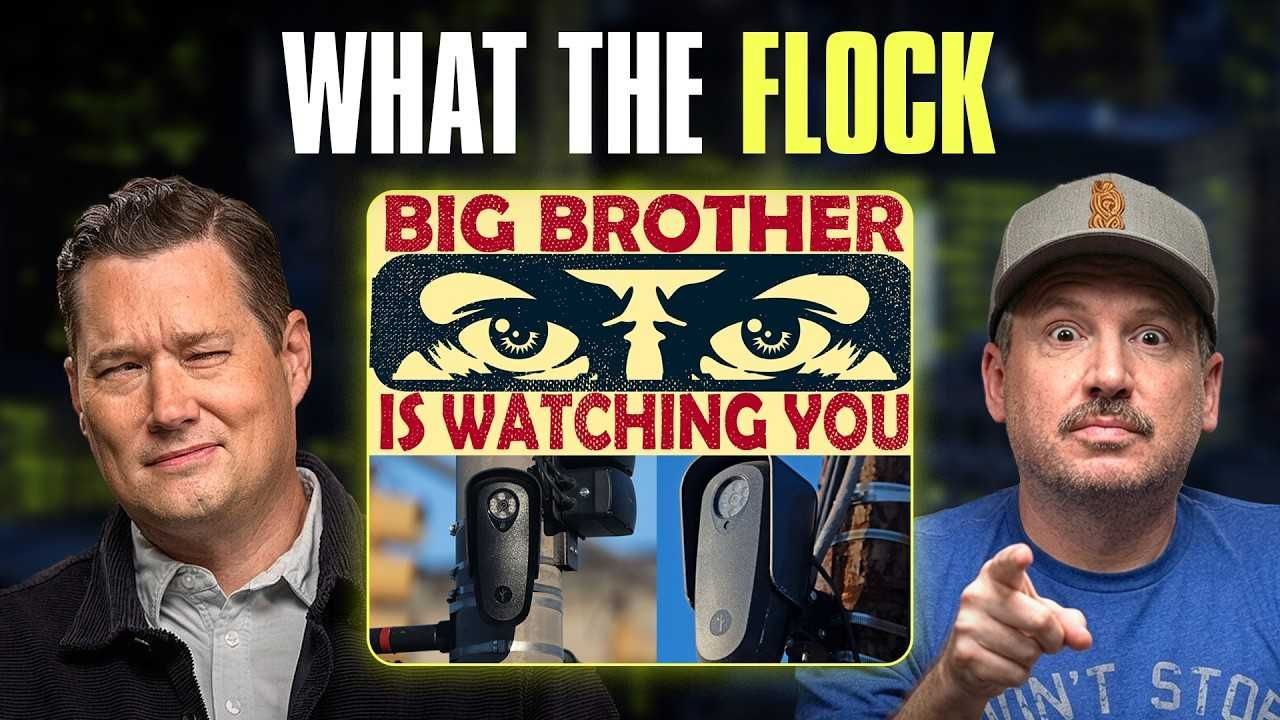
Car expert Lauren Fix is sounding the alarm, explaining that in the infrastructure bill of 2021, “there’s a kill switch law.”

“That kill switch law allowed them to listen in your car, to monitor your eyes, to literally track all of your information,” Fix tells Hilary Kennedy and Matthew Peterson of “Blaze News Tonight.”

“And what are they doing with that information?” She continues, “We know that manufacturers are hurting financially. We see a lot of cars sitting on lots, and as long as prices keep getting higher, their profit margins are shrinking.”


So they sell the data to places like insurance companies and the police department.

“Then, just recently Ford decided to create a patent that would sell all your information directly to the police department so that they wouldn’t have to go through some sort of contract,” Fix explains, adding, “Which, again, is a violation of our privacy and really infuriates me.”

While Americans are right to be infuriated, the problem is that they do disclose this information in the paperwork — which almost no one actually reads.

“It’s going to get worse because in 2026, all cars are going to have a kill switch in them,” Fix says. “That’s going to tell whether you’re under the influence of something by the start/stop button.”

“Is all of this perfectly legal?” Peterson asks, concerned.

“Well, it actually probably isn’t. But we sign those agreements,” Fix says.

Want more from 'Blaze News Tonight'?

To enjoy more provocative opinions, expert analysis, and breaking stories you won’t see anywhere else, subscribe to BlazeTV — the largest multi-platform network of voices who love America, defend the Constitution, and live the American dream.

New California law will make your car nag you about slowing down


"Why are you taking that exit?" "You need to get in the turning lane." "Slow down!!!"

Have you ever wanted to get that "backseat driver" experience when you're driving alone?

This means all vehicles will have a speed alert to go along with the kill switch, data monitoring, and more. Move over, Jesus. Big Brother's your copilot now.

Well, California (of course) just passed a bill that will force your car do the nagging for you. And unlike an irritating passenger, you can't tell it to shut up.

If this bill becomes law, it's going to affect all of us. It's not as if car manufacturers are going to make California-only models.

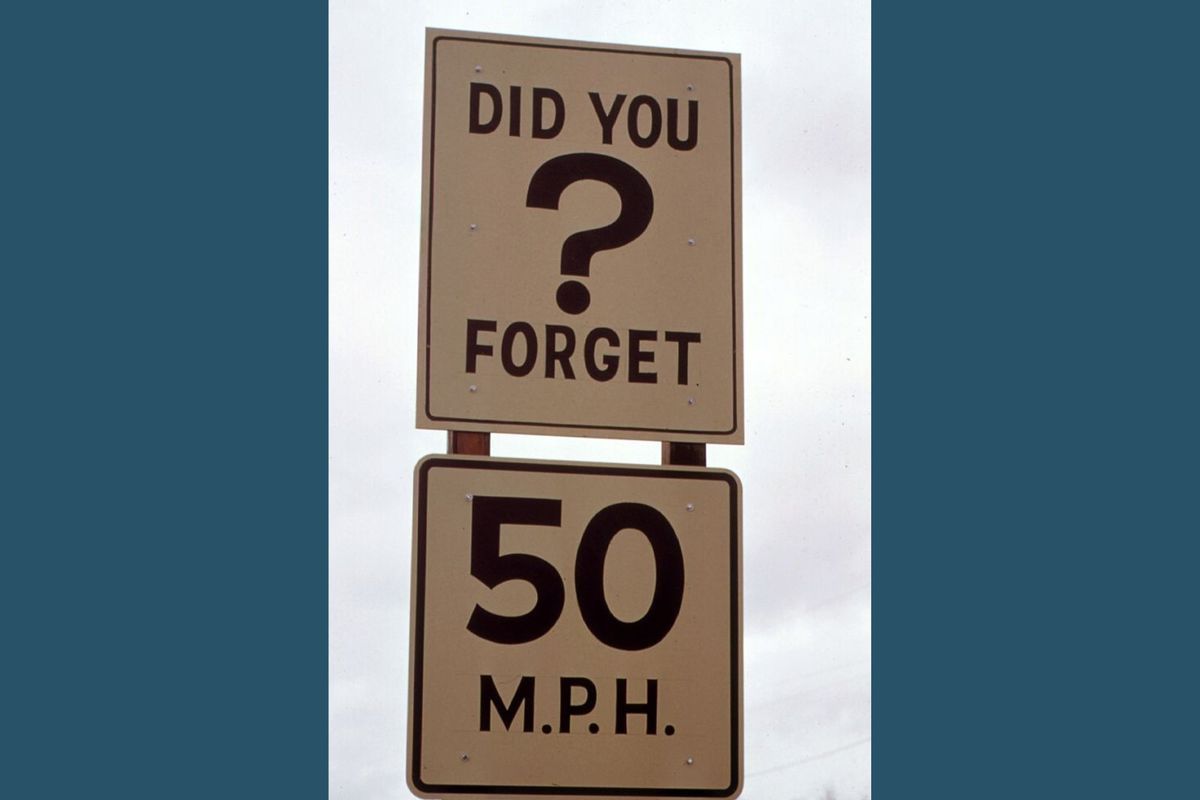
Senate Bill 961 mandates that each time your vehicle exceeds the speed limit by more than ten miles per hour, your car must "utilize a brief, one-time, visual and audio signal to alert the driver."

These so-called "intelligent speed limiters" will be mandatory in all 2030 model year cars and beyond. And there's no way to disable them.

It's passed both the state Assembly and the state Senate, which means all it needs now is Democrat Governor Gavin Newsom's signature. And this kind of authoritarian leftist nanny-state legislation is right in his wheelhouse, especially since violations won't just earn a ticket — they'll be "punishable as a crime."

Of course, lawmakers are saying this has nothing to do with privacy — it's just a simple "safety feature."

Right.

Never mind that existing law already prohibits a person from driving a vehicle upon a highway at a speed greater than the speed limit, or greater than is reasonable or prudent given driving conditions or the possibility of endangering property or persons.

The bill's sponsor, state Senator Scott Wiener (D), said he was surprised by the outraged response from the public. Probably because he's more used to the outrage that comes from his efforts to help "trans" children run away from home.

The bill builds on a law that went into effect in the European Union in July. California is the first state to follow suit, but it won't be the last. The 17 other states that automatically adhere to California vehicle standards will also fall in line. They include New York, New Jersey, Connecticut, and Massachusetts.

In opposition, California Senate Republicans sent Governor Newsom a letter requesting that he veto the bill, arguing that it "imposes an extreme burden" and that the state should instead increase police presence and punish drivers who violate traffic laws.

"The state's traffic safety crisis will not be solved by government taking the wheel," said Republican state Senator Roger Niello.

As the September 30 deadline to act on the bill looms, there is little to suggest that Newson will veto it.

This means all vehicles will have a speed alert to go along with the kill switch, data monitoring, and more. Move over, Jesus. Big Brother's your copilot now.

The Federal ‘Kill Switch’ Signals Our Surrender To Tech Overlords

If people are incapable of independence, they are incapable of self-government. In succumbing to algorithms, we cede our autonomy.

Dems pass new law requiring a 'kill switch' in all new vehicles sold after 2026


Hidden within a 1,039-page law that passed when the Democrats had the majority in the House of Representatives is a provision for a “kill switch” in all new vehicles after 2026.

Democrats seemed unaware that they had passed this new provision, so Rep. Thomas Massie (R-Ky.) had to read the law directly to them.

The provision states that it will “passively monitor the performance of a driver of a motor vehicle to accurately identify whether that driver may be impaired and prevent or limit motor vehicle operation if an impairment is detected.”

“In other words, they have mandated that there be technology in every new vehicle sold after 2026 that evaluates your driving performance, gives you a scorecard while you’re driving, and if you fail, it will disable the vehicle and put you on the side of the road,” Massie tells Glenn Beck.

Massie believes that this technology is going to create thousands of false positives.

“Let’s say you’re a mom and you’ve got kids in the car, and you’ve pulled over twice onto the shoulder to let emergency vehicles go by, and then you swerved once for a deer, and now you make your final, you know, correction, and boom, the car says, ‘Okay, we’re the judge and the jury.’”

Glenn notes that even OnStar, whose facility he toured once, also had the technology to disable a car.

“I talked to the head of OnStar, and he said ‘Yeah, we can pretty much disable your car,” Glenn tells Massie.

“That doesn’t sound like a good thing.”

This law would allow the car's technology to decide whether you have the right to travel or not, which is why Massie offered an amendment to this law.

“I offered an amendment to defund this rule, this law, and you know, I’ve been here 11 years. I lower my expectations for my colleagues every year. And it’s still not low enough, because my amendment did not pass,” Massie says.

Massie believes that the most insidious problem with this technology is that it will have “far more false positives, and it will crush your liberties.”

“My only hope here, Glenn, is that this technology they want is so ridiculous that they will put off the mandate once they realize they can’t do it. That’s my hope,” he adds.


Want more from Glenn Beck?

To enjoy more of Glenn’s masterful storytelling, thought-provoking analysis, and uncanny ability to make sense of the chaos, subscribe to BlazeTV — the largest multi-platform network of voices who love America, defend the Constitution, and live the American dream.