Steven Crowder sues CNN, Jubilee for allegedly ripping off 'Change My Mind' to help Talarico
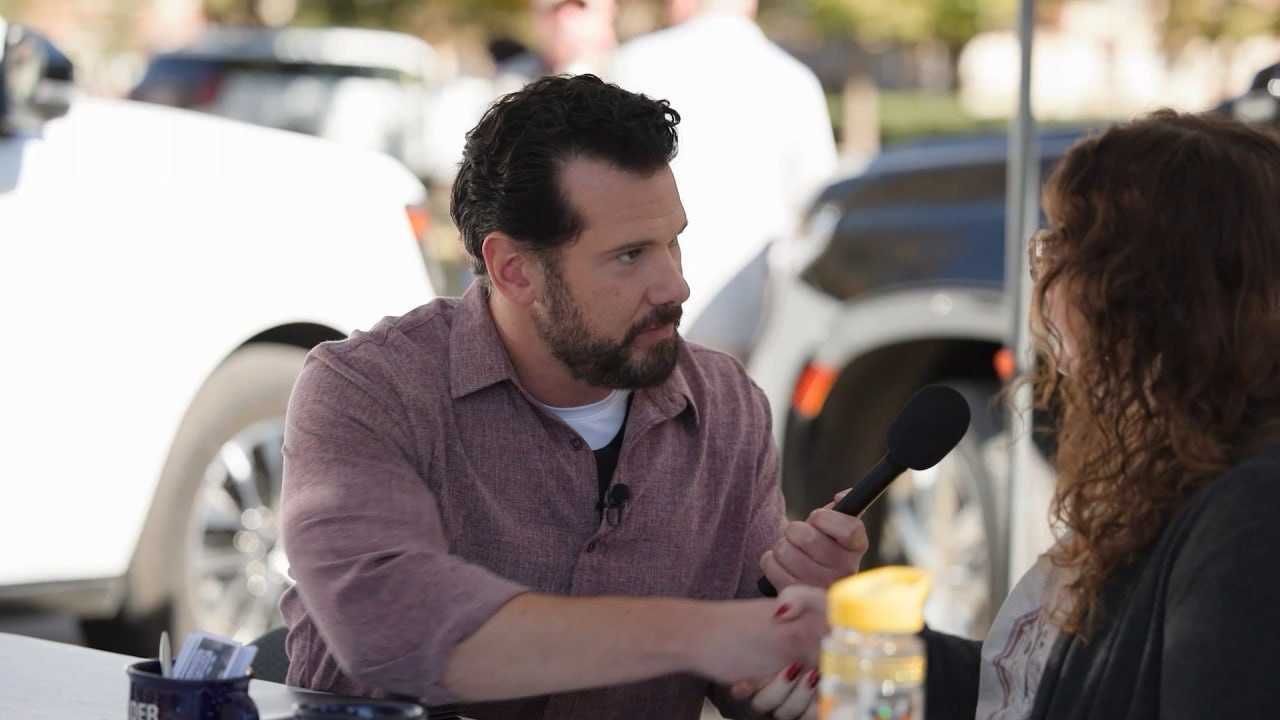
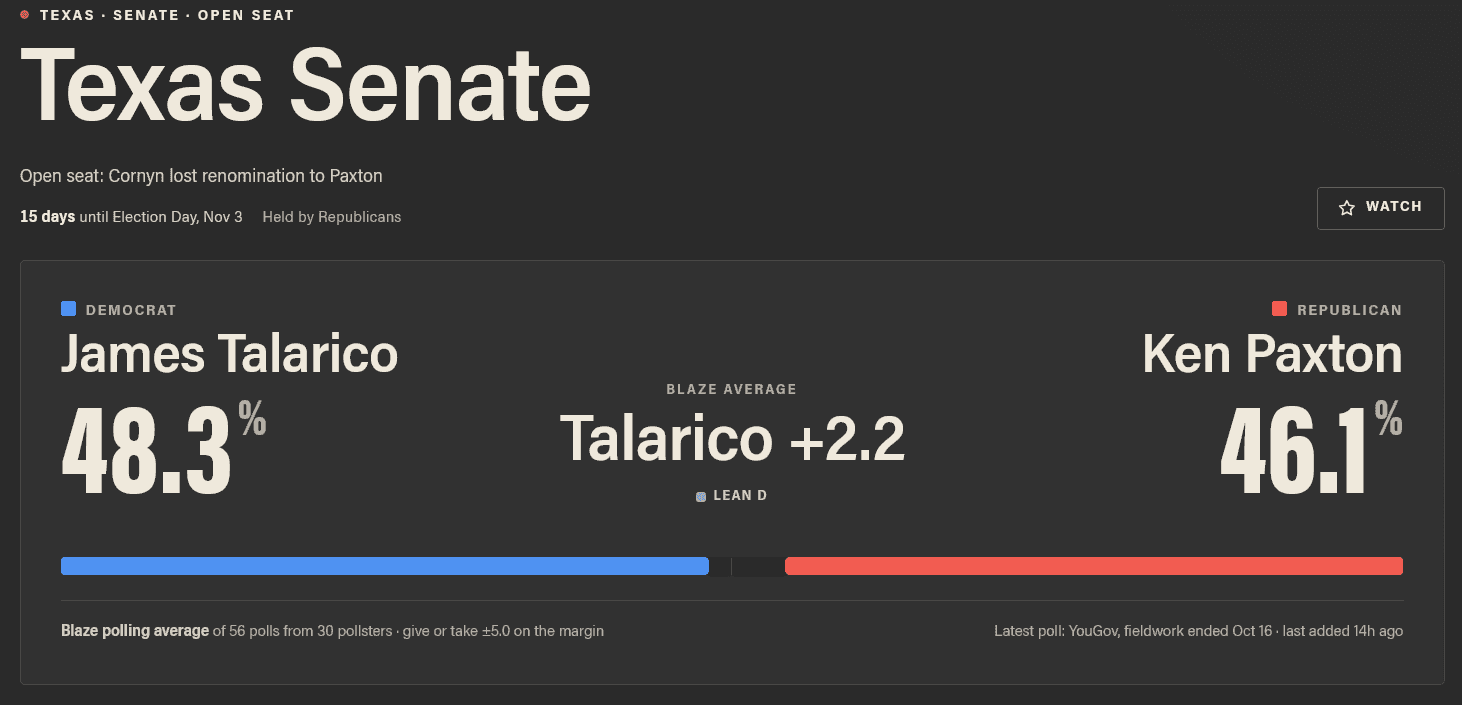
James Talarico masqueraded as a moderate at a town hall in Fort Worth on Wednesday, suggesting that he supports border security and capitalism and doesn't want to scrap Immigration and Customs Enforcement.
While it remains to be seen whether Texas voters will buy what the Democratic Senate candidate was selling on stage, the hosts of the event may end up paying a steep price regardless of the outcome of the election.
'At least pretend like you aren't overtly trying to rip me off.'
Conservative host Steven Crowder's company LWC Assets IP, LLC, filed a lawsuit against CNN and Jubilee on Monday, alleging that the media companies deliberately exploited Crowder's "Change My Mind" trademark "to advance the political objectives of James Talarico's Senate campaign and profit off the goodwill and viewership of 'Louder with Crowder.'"
"When you run out of original ideas, you can't just directly rip one off from the people you've attempted to silence for a decade," Crowder said in a statement to Blaze News.
Crowder has used "Change My Mind" in his programming since October 2017, when he first set up a table outdoors and challenged passersby to change his mind about the Second Amendment.
In the time since, his company has not only registered "Change My Mind" as a trademark — a trademark that remains active — but published over 80 "Change My Mind" videos using the same format.
The lawsuit alleges that in an effort to aid Talarico in attracting "support from Republicans and conservatives despite his extreme Democratic political position," CNN and Jubilee "sought to associate Mr. Talarico with symbols, messaging, and formats carrying established credibility among conservative audiences."
Talarico's campaign did not immediately respond to Blaze News' request for comment.
RELATED: Talarico slithered around the truth at his town hall. Here’s the gaslighting he tried to pull.
According to the plaintiffs, CNN and Jubilee had participants engage in one-on-one conversations regarding divisive topics "in a format intentionally modeled after LWC's well-known 'Change My Mind' series."
The lawsuit notes further that the hosts of the town hall did not merely reference the trademark but "appropriated the Mark itself, together with the precise format and branding for which LWC is known."
During the town hall, "CHANGE MY MIND" appeared on screen behind Talarico as he debated attendees about various topics, including abortion — an issue about which he claimed the "Bible is silent" — and the national debt.
CNN also repeatedly referred to the debate segment as "Change My Mind" throughout the evening — repetition that prompted Crowder to tweet on Thursday, "C'mon. At least pretend like you aren't overtly trying to rip me off."
Lawyers for Crowder's company alleged that the defendants "sought to create the false impression that LWC approved of, endorsed, sponsored, or were otherwise associated with Mr. Talarico's campaign and political messaging," and in so doing, threatened the goodwill the company has developed with its recognizable trademark.
The lawsuit, which was filed in the U.S. District Court for the Northern District of Texas, Fort Worth Division, specifically accuses CNN and Jubilee of trademark infringement, trademark counterfeit, and trademark dilution, and asks for an injunction against the media companies' continued use of the trademark, damages, a "reasonable royalty" for the use of the trademark, and a disgorgement of the media companies' profits in connection with their use of the trademark.
Blaze News did not receive comment from either Jubilee or CNN.
The lawsuit comes just days after Crowder vowed on X that "Change My Mind and its hundreds of millions of plays will not be used to help James Talarico ruin Texas."
Like Blaze News? Bypass the censors, sign up for our newsletters, and get stories like this direct to your inbox. Sign up here!
 The 2.25-mile SkyLink project broke ground in 2019, with a promised opening date of 2023, at a budgeted construction cost of $1.9 billion. Today, the project might start serving passengers in 2027, and construction costs are expected to top $3 billion.
 Ivan Pantic/iStock/Getty Images
 Heritage Art/Heritage Images/Getty Images
 El-Sayed has his own string of controversies to grapple with.
 America’s propaganda media have made an awful lot of noise in recent years fomenting worries about a super scary “Christian nationalist” takeover of America. Yet, for all their professed concerns about religion in the public square, many of these same actors seemingly have no problem with the apparent Islamization of one of Michigan’s most prominent […]
 The complaint says courts have recognized a pattern of Dearborn preferencing Islam over other religions, in violation of U.S. law.
 www.theblaze.com
 www.theblaze.com
 thefederalist.com
 www.theblaze.com
They Used to Say Immigrants Don't Use Welfare. Now They're Suing | 9/18/26