Down Syndrome Babies Like My Little Sister-In-Law Are Not Defects To Eliminate
 The tragedy is not Valentina's life with Down syndrome; the tragedy would have been never letting her live it.
Vice President JD Vance, who with second lady Usha Vance is expecting the delivery of their fourth child in July, told pro-life advocates gathered for the 52nd annual March of Life last year, "I want more babies in the United States of America; I want more happy children in our country; and I want beautiful young men and young women who are eager to welcome them into the world and eager to raise them."
While an American baby boom might be in the cards, it certainly did not take place last year.
'This is the choice that Americans now face, and the stakes could not be higher.'
New data from the Centers for Disease Control and Prevention reveal that U.S. fertility rates dropped to an all-time low in 2025.
There were an estimated 3,606,400 births last year — a 1% decline from 2024. A plurality of babies — just over 1.11 million — were born to mothers in the 30-34 age group, which conforms to the years-long trend of women increasingly delaying family generation until older ages or putting it off altogether.
The general fertility rate, which references the average number of children born to a woman in her lifetime if she were to experience the age-specific fertility rates of a given year, was 53.1 births per 1,000 women ages 15-44. The rate has decreased by 23% since 2007, the year of the Great Recession.
Whereas the year-over-year decline in births per woman in the 15-44 cohort was 1%, the fertility rate for females ages 15-19 declined by 7% last year, dropping to 11.7 births per 1,000 females — another record low. The CDC notes that the fertility rate for teenagers has decreased by 72% since 2007 and 81% since 1991.
RELATED: 5 steps to reset your body's clock to God's natural design
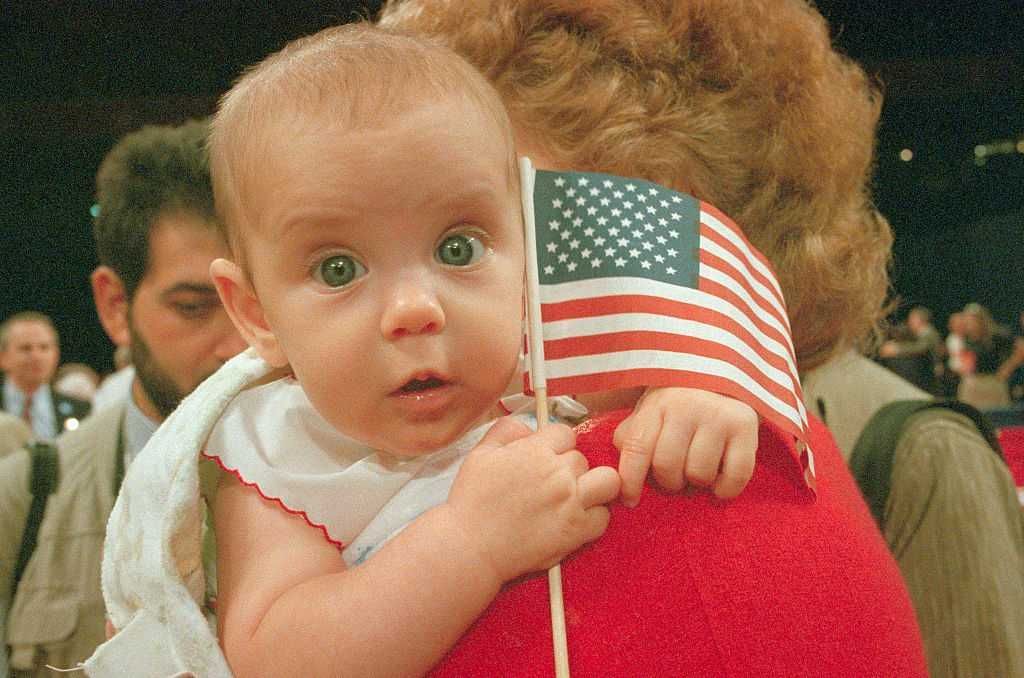
The total fertility rate averaged 3.7 births per woman in 1960; 2.12 births in 2007; 1.64 in 2020; and 1.6 in 2024. It fell again last year to 1.57, according to a Wall Street Journal calculation using the new CDC data.
This is particularly bad news for those keen to bequeath the nation to heritage Americans since the total fertility rate necessary for a population to maintain stability and replenish itself without requiring replacement by foreign nationals — what is referred to as replacement level fertility — is 2.1.
Health and Human Services Secretary Robert F. Kennedy Jr. said last year that a rate below replacement "is a national security threat to our country."
Total fertility rates have plummeted across the first world. In the European Union, for example, the rate reportedly dropped from 2.62 in 1964 to 1.34 in 2024. The same year, the rate in Scotland dropped to 1.25 and to 1.41 in England and Wales.
Canada became one of the developed nations suffering "ultra-low fertility" in 2024, with a total fertility rate of 1.25 kids per woman. The Canadian government credited "increased educational levels, greater participation in the labor market, changing social norms, and the widespread use of contraception" for helping drive down the number.
The U.S. Congressional Budget Office projected in a report earlier this year that the fertility rate for foreign-born women in America this year will be substantially higher than the rate for native-born women, leading the home team 1.79 to 1.53.
The report noted further that:
on the basis of recent laws, policies, and demographic trends, CBO projects that the rate of population growth will generally slow over the next 30 years, from an average of 0.3% a year in the next decade to an average of 0.1% a year from 2037 to 2056. The total population is projected to stop growing in 2056 and remain roughly the same size as in the previous year.
The CBO added that net immigration is expected "to become an increasingly important source of population growth, especially if the annual number of deaths begin to exceed the annual number of births as expected in 2030."
Some analysts have attempted to put a positive spin on America's dwindling fertility rate.
"Women now have better control over their reproductive lives, so there’s not as much unintended pregnancy as there used to be," Alison Gemmill, an associate professor of epidemiology at the UCLA School of Public Health, told CNN. "Our timelines have shifted."
According to data released last month by the pro-abortion Guttmacher Institute, there were an estimated 1,126,000 clinician-provided abortions last year — nearly one-third the number of the reported live births.
In addition to exerting "better control" over their God-given procreative ability, Gemmill suggested that some would-be parents are rethinking having kids in light of concerns about so-called climate change, the economy, and raising a child in a supposedly "inequitable world."
Karen Benjamin Guzzo, a demographer at the University of North Carolina at Chapel Hill, recently told the New York Times, "There’s been a lot of doom and gloom about the birth rate, but the decline is also a success story."
The Heritage Foundation has, alternatively, acknowledged this bleak trend as a crisis, noting in a January report, "American family life is truly at a crossroads. One path is marked by unwed childbearing, low rates of marriage, low fertility, low commitment, and easy divorce. This path is associated with the view that family formation (or its avoidance) is primarily about fulfilling adult desires and adult needs."
"The other path elevates the family unit as an inherent good based on the commitment and sacrifice of husbands and wives for each other’s sake and for the sake of children that their union would welcome into the world. This path is associated with the view that all life is sacred and that sees the family as a source of fulfillment for adults because they direct their energies to the good of the family unit instead of to themselves alone," continued the report. "Underlying this view is a deep sense of gratitude in knowing that human beings are here by God’s grace and that children are divine gifts."
"This is the choice that Americans now face, and the stakes could not be higher," the report added.
Like Blaze News? Bypass the censors, sign up for our newsletters, and get stories like this direct to your inbox. Sign up here!
The Canadian federal government under former Prime Minister Justin Trudeau legalized medically assisted suicide nationwide in 2016.
As critics predicted, the state-facilitated suicide program — referred to as medical assistance in dying — was grossly liberalized in a short of period of time, maximizing both the number of accepted rationales and the number of those killed.
The province of Alberta appears keen to rein in Canada's sick experiment and protect its would-be victims, especially ahead of the Carney government's planned MAID eligibility expansion next year.
In its first year, MAID offed 1,108 Canadians. That number tripled the following year, and by 2021, the number of Canadians killed by their government had climbed to over 10,000 in a single year.
'MAID should not be a substitute for robust health care.'
The Canadian government revealed in its latest MAID report that a total of 16,499 people were euthanized under the program in 2024, accounting for over 5% of all deaths in Canada that year. Of those euthanized, at least 4.4% nationally were not terminally ill. In Alberta, the number was 4.6%.
By the end of 2024, the number of Canadians who have died through MAID crested 76,000.
Originally, MAID applicants had to be 18 or older and suffering from a "grievous and irremediable medical condition" causing "enduring physical or psychological suffering that is intolerable" to them.
Within years, the country's eugenicist-founded health care system had given the green light to effectively execute those struggling with anxiety, autism, depression, economic hardship, PTSD, and other survivable issues.
RELATED: Canada’s conservative challenger Pierre Poilievre wins big on Joe Rogan's podcast
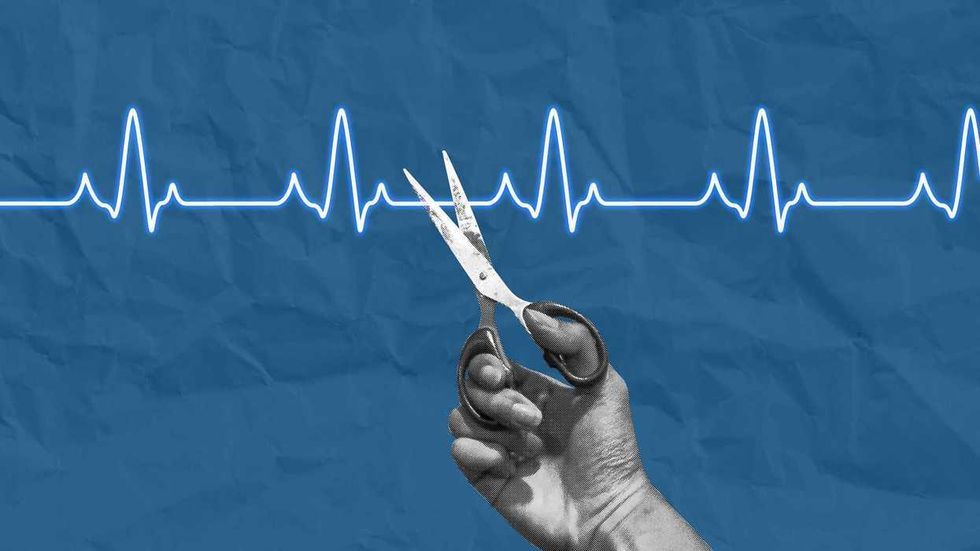
Persons suffering solely from a mental illness will be eligible for MAID beginning March 17, 2027.
Alberta Attorney General Mickey Amery, who is also the justice minister of the ruling United Conservative government, introduced legislation last month — the Safeguards for Last Resort Termination of Life Act — that would "increase oversight, introduce necessary safeguards, and provide greater clarity around eligibility requirements for medical assistance in dying ... in the province."
The bill would, among other things, prohibit MAID in Alberta for: persons under 18; persons whose sole underlying medical condition is a mental illness; individuals lacking the capacity to make their own health care decisions; and advance requests.
It would also prohibit euthanasia for individuals whose natural death is not reasonably foreseeable; restrict the display of MAID propaganda; empower health practitioners and institutions to refuse participation in the euthanasia regime; and bar Alberta health professionals from referring individuals for MAID eligibility assessments outside the province.
The legislation would also introduce penalties for doctors and nurses who violate the proposed provincial rules.
"Canada has the fastest growing death rates in the world when it comes to MAID. Far from being an option of last resort, MAID is now the fifth leading cause of death in Canada," Amery told the Alberta Legislature last week. "The country is currently projected to reach its 100,000th death by MAID in June, becoming the first nation in the modern era to measure its total assisted deaths in the six figures, more than the totals of any other jurisdiction with some form of legal, doctor-assisted death."
Alberta Premier Danielle Smith said in a statement, "Those struggling with severe mental health challenges need treatment, compassion and support, not a path to end their life at what may be their lowest moment. In Alberta, a patient whose sole underlying condition is mental illness will not be eligible for MAID."
'The state refusing to fund and provide a killing service is the baseline.'
Rebecca Vachon, health program director for the Canadian think tank Cardus, said in a statement, "We support the adoption of these enhanced protections for Albertans and urge all legislators to work collaboratively to implement them."
While the Catholic Bishops of Alberta underscored that "the Church teaches that 'euthanasia and assisted suicide are always the wrong choice,'" they similarly characterized the bill as an important step in the right direction, stating, "A just society is one that protects the vulnerable, upholds the dignity of every person, and chooses to accompany them in times of illness and dying. The Alberta government is taking some significant steps that respect these necessary values."
Gabrielle Peters, a disabled writer and co-founder of Disability Filibuster, recently noted in a piece for the Macdonald-Laurier Institute,
The state refusing to fund and provide a killing service is the baseline we build from. Without that, there is simply no foundation. If disability — and only disability — makes one killable, then why would a state build the infrastructure, policies, and programs necessary to support disabled life? Particularly when one is an expense and the other represents considerable cost-saving?
Some euthanasia advocates have joined state media in framing the life-affirming legislation in negative terms.
The Canadian Civil Liberties Association, for instance, suggested that the legislation "would significantly restrict access to medical assistance in dying ... and undermine constitutionally protected rights."
Michael Trew, Alberta's former chief addiction and mental health officer, recently wrote that the bill "amounts to taking away choice from many who are fully competent" and that "this loss of choice INCREASES pain and suffering."
Like Blaze News? Bypass the censors, sign up for our newsletters, and get stories like this direct to your inbox. Sign up here!Liberals seized majority control of the Wisconsin Supreme Court in 2023 — their first majority on the Badger State's high court in 15 years. That majority was firmed up with Justice Susan Crawford's win last year following the most expensive judicial race in U.S. history.
Wisconsinites dashed conservative dreams of a more balanced court on Tuesday by increasing the liberal stranglehold over their state's high court in a landslide election.
'We will keep fighting for our courts because they are that important.'
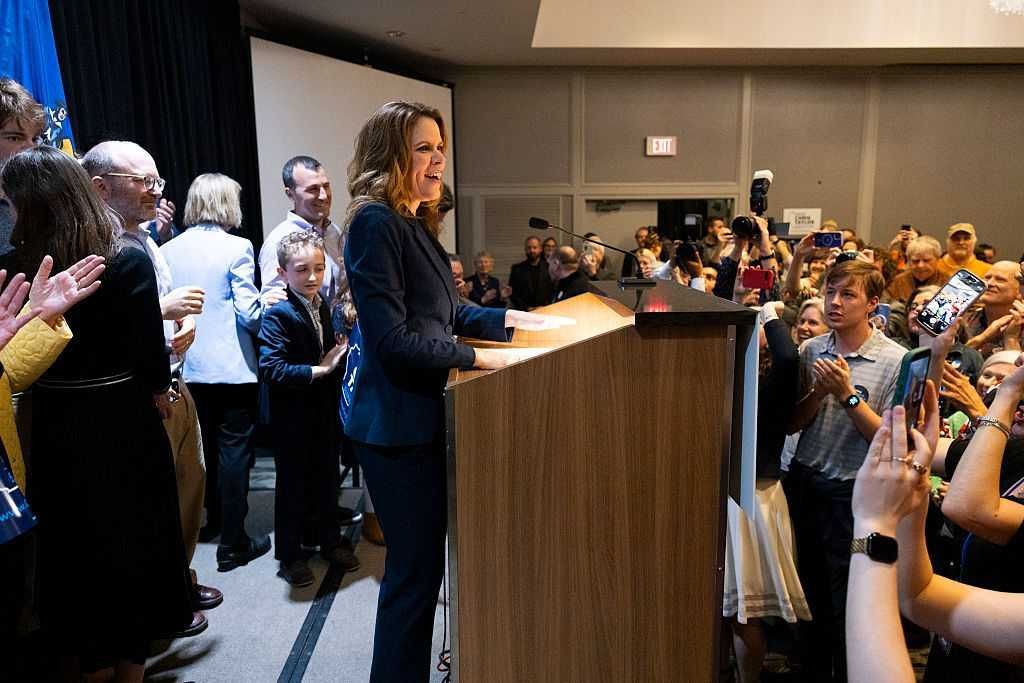
With over 95% of the votes in, Wisconsin Court of Appeals judge and former Democratic state legislator Chris Taylor had secured 60.1% of the total. Her Republican-endorsed opponent, Wisconsin Appeals Court Judge Maria Lazar, secured 39.8% of the total vote.
Abortion was a key issue during the race. Taylor, a former policy director for Planned Parenthood of Wisconsin, is, after all, a hardline abortion activist.
The 58-year-old liberal authored a bill in 2017, for instance, that claimed "every woman has the fundamental right to choose to obtain a safe and legal abortion." The bill, which failed to pass, would have barred the state from preventing a woman from procuring an abortion "at any time during her pregnancy" if deemed necessary to "protect her life or health."
RELATED: Trump-endorsed Republican to fill Marjorie Taylor Greene's seat in Georgia
The Milwaukee Journal Sentinel reported that Taylor, who was endorsed by various pro-abortion groups, also celebrated after the state supreme court invalidated Wisconsin's 1949 law that banned most abortions.
Taylor reportedly said last year that she would not recuse herself from a case just because it dealt with abortion.
Lazar, who previously enjoyed the support of pro-life groups and called the U.S. Supreme Court's decision in Dobbs "very wise," accused Taylor of being a "judicial activist." Taylor, in turn, claimed that her opponent would bring "an extreme, right-wing political agenda to the bench," reported the Los Angeles Times.
In addition to pushing the abortion agenda during her time in the state legislature, Taylor also championed curbs on the Second Amendment, demanding universal background checks, gun purchase waiting periods, and other so-called gun safety measures.
Whereas Taylor raised over $6.2 million over the course of her campaign, Lazar netted only around $1.2 million, reported the Courthouse News Service.
"The fight is not over," Lazar said in her concession speech. "And that we will keep fighting for our courts because they are that important."
Moving forward, the court will be skewed 5-2 for liberals. NBC News noted that it could get even worse: Next year, liberals could potentially pick up another seat on the bench as conservative Justice Annette Ziegler is not running for a third term.
Taylor, who will begin her 10-year term in August, is taking the seat of retiring Justice Rebecca Bradley, a Republican-aligned conservative justice who helped strike down Democratic Gov. Tony Evers' order to postpone an election because of COVID-19 and condemned lockdown measures.
Like Blaze News? Bypass the censors, sign up for our newsletters, and get stories like this direct to your inbox. Sign up here!
The University of Notre Dame in Indiana announced last month that pro-abortion radical Susan Ostermann had been appointed director of the school's Liu Institute for Asia and Asian Studies.
This appointment — reportedly made by Keough School of Global Affairs dean Mary Gallagher and approved by Notre Dame provost John McGreevy — has enraged those members and supporters of the university under the impression that the institution is still Catholic.
Despite significant backlash and resignations by some esteemed scholars, the university dug in its heels, refusing to reverse course. It may come to regret doing so sooner rather than later.
Leaning into his apostolic responsibility to protect and strengthen the school's Catholic identity, Bishop Kevin Rhoades of the Catholic Diocese of Fort Wayne-South Bend made abundantly clear on Wednesday that Ostermann's abortion advocacy is disqualifying.
"I must express my dismay and my strong opposition to this appointment that is causing scandal to the faithful of our diocese and beyond," the bishop said in a lengthy jeremiad. "Professor Ostermann's extensive public advocacy of abortion rights and her disparaging and inflammatory remarks about those who uphold the dignity of human life from the moment of conception to natural death go against a core principle of justice that is central to Notre Dame's Catholic identity and mission."
Bishop Rhoades noted that Ostermann, an associate professor of global affairs at the university, has repeatedly attacked the pro-life movement and defended the slaughter of the unborn "using outrageous rhetoric."
RELATED: Pope Leo calls out 'inclusive' language as a painful, 'Orwellian' movement in the West
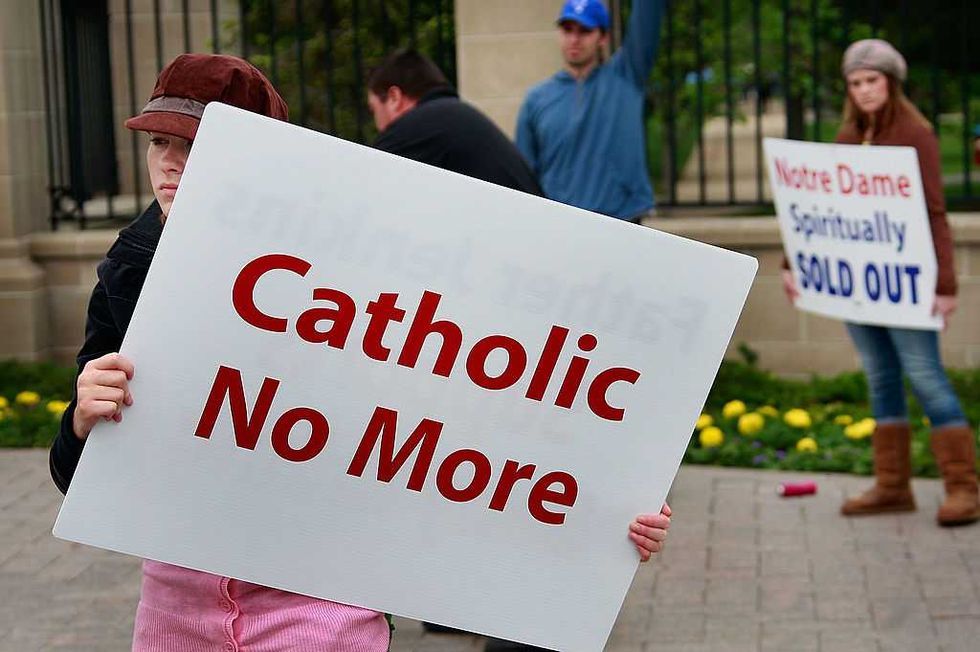
In a December 2022 article that she co-authored with ex-Notre Dame professor Tamara Kay, Ostermann claimed:
In a July 2022 article she also co-authored with Kay, Ostermann claimed that white supremacy was one of the primary motivations behind the abortion abolition movement in the U.S., neglecting to mention how America's abortion regime was largely driven by racist eugenicists like Planned Parenthood founder Margaret Sanger.
'These are all outrageous claims that should disqualify her.'
In a May 2022 article, the radical duo characterized pregnancy and childbirth without the option of abortion as "violence," "sexual abuse," and "trauma," and abortion, alternatively, as "freedom-enhancing, in the truest sense of the word."
Among her numerous other abortion propaganda pieces is an article claiming that a ban of the abortion pill mifepristone would "violate human rights" as well as an article attacking pro-life pregnancy centers.
'Rectify this situation.'
"These are all outrageous claims that should disqualify her from an administrative and leadership role at a Catholic university," the bishop wrote.
Bishop Rhoades also denounced the radical appointee's affiliation with the Population Council, an outfit that works to enshrine pro-abortion policies around the world.
"I hope that Professor Ostermann will explicitly retract these claims, and I pray that she will have a change of mind and heart that will lead her to affirm the innate dignity of unborn babies as well as that of their mothers."
After citing the late Pope Francis' assertion that it is a "false compassion which holds that it is a benefit to women to promote abortion," Pope Leo XIV's recent reminder that "the greatest destroyer of peace today is abortion," and reiterating the Catholic Church's unchanging defense of "the inalienable right to life of mothers and their unborn children," the bishop underscored that "Professor Ostermann's opposite view thus clearly should disqualify her from holding a position of leadership within the Keough School."
The position publicly championed by Ostermann is at odds with the university's official position:
Consistent with the teaching of the Catholic Church on such issues as abortion, research involving human embryos, euthanasia, the death penalty, and other related life issues, the University of Notre Dame recognizes and upholds the sanctity of human life from conception to natural death.
In his message, the bishop — whose diocesan territory includes the university — noted both that such "appointments have profound impact on the integrity of Notre Dame's public witness as a Catholic university" and that the university has until July 1, when Ostermann's appointment is scheduled to go into effect, to "rectify this situation."
The decision to cancel the appointment reportedly rests with the six Holy Cross priests and six laypeople on the university's Board of Fellows.
'Going ahead with this appointment is repugnant.'
Holy Cross Father Wilson Miscamble, a professor emeritus of history at Notre Dame, recently noted in First Things that the board has a "fiduciary responsibility to maintain the university's 'character as a Catholic institution of higher learning.'"
A university spokesperson told the Irish Rover that the university had yet to change its position as of Feb. 8.
The Catholic Observer reported that if a bishop determines that a Catholic university is failing to faithfully execute its mission, he can issue a formal warning, bar the celebration of Mass at the institution, and forbid the school from identifying as Catholic. He can reportedly also seek an intervention by the Vatican.
Bishop Robert Barron of the Diocese of Winona-Rochester, the newly retired Denver Archbishop Samuel Aquila, and Bishop Michael Olson of the Diocese of Forth Worth thanked Bishop Rhoades for speaking out.
Bishop Barron noted that "going ahead with this appointment is repugnant to the identity and mission of that great center of Catholic learning."
Ostermann told the National Catholic Register late last month that she is "fully committed to maintaining an environment of academic freedom where a plurality of voices can flourish."
"While I hold my own convictions on complex social and legal issues," the pro-abortion radical continued, "I want to be clear: My role is to support the diverse research of our scholars and students, not to advance a personal political agenda."
Like Blaze News? Bypass the censors, sign up for our newsletters, and get stories like this direct to your inbox. Sign up here!
Dietrich Bonhoeffer once wrote from a prison cell, “It is only by living completely in this world that one learns to have faith.” He wrote those words after the world had closed in, when faith could no longer remain theoretical.
I live with someone who understands exactly what he meant.
In those moments, belief stops being a feeling and becomes a claim. Not something you summon, but something you test.
My wife, Gracie, has lived with disabilities for virtually her entire life. Hospital rooms and operating schedules do not interrupt our life — they form its familiar terrain. Over time, suffering has stopped being a concept and become a place we recognize.
I also have a friend who understands what Bonhoeffer was describing.
Her name is Joni Eareckson Tada. A diving accident in her teens left her a quadriplegic. Her life has unfolded under paralysis, chronic pain, and illness. She does not approach suffering from a distance.
Last year, during one of Gracie’s long hospital stays, Joni called.
Most people asked about Gracie. Joni did too. But then she asked about me.
That question deserved more than a stock reply.
I paused.
Moments like that strip away emotional self-examination and force you to examine your claims instead.
As I spoke with Joni, I shared something that has steadied me for decades.
In our church, there came a moment when the pastor would stop, look out over the congregation, and ask a single question: “Christian, what do you believe?”
We did not improvise. We did not search for language that felt expressive or current. We stood and recited the Apostles’ Creed or the Nicene Creed. No personal spin. No tailoring belief to the moment. Just a clear declaration of what had been received.
That question stayed with me.
It returned again and again over the years, especially in places where explanations had lost their usefulness. I learned the limits of “why.” Even good answers rarely hold steady there.
In those moments, belief stops being a feeling and becomes a claim. Not something you summon, but something you test.
If Christ is who I say He is, then what does that require of me here?
I was not trying to manufacture courage or resolve. I was asking whether the faith I professed in calm settings could bear weight when standing itself cost something.
“Christian, what do you believe?”
Over time, many of the questions I once carried narrowed to that one. Not because the pain diminished or the losses stopped coming, but because belief, when real, clarifies responsibility.
The apostle Peter tells believers to be ready to give an answer for the hope within them. That readiness has nothing to do with eloquence. It comes from knowing where you stand.
As a new year begins, many caregivers feel little sense of reset, except for the deductible and the co-pay.
Some stand outside an ICU, looking through glass at someone they love. Others stand in different hallways, facing different kinds of loss. Different rooms. The same ache.
RELATED: Do not pass the plow: The danger of declaring a golden age without repentance

Bonhoeffer did not write from a place of safety or control. He wrote from confinement, where faith could no longer remain theoretical. Many recognize that narrowing, the sense that life has closed in and the ground beneath you has given way.
Faith is learned there, not discussed.
Exhaustion thins memory. Words scatter. Not everyone can recall creeds when sleep runs short and decisions carry real weight. But belief does not measure itself by recall. It reveals itself by posture.
When the floor gives way, you still need to know where to stand.
If He is Lord at all, then He is Lord of all.
Not only of sanctuaries, but of hospital corridors.
Not only of strength, but of weakness.
Not only of moments we would choose, but of moments we would never script.
That confession does not remove pain. It does not explain every loss. But it does tell us where to stand when the world presses in.
And when glass separates you from the one you love, whatever room that glass happens to be in, the question does not stay abstract.
It turns personal.
Christian, what do you believe?
Last week, Arizona State University’s provost sent faculty another familiar message ahead of the spring semester: Ensure all digital course materials meet accessibility standards. After 25 years teaching philosophy at ASU, I’m well aware of the institution’s growth and its long-standing commitment to accessibility. That commitment, in itself, is not controversial.
But recent data should give universities serious pause.
A society can medicalize despair, bureaucratize despair, and accommodate despair. None of that answers the question despair is asking.
Two reports — one from the Harvard Crimson and another from the Atlantic — put numbers to what many faculty have observed for years. At Harvard, 21% of undergraduates received disability accommodations in 2024, up from roughly 3% a decade earlier. The Crimson notes that Harvard is now aligned with a national average hovering around 20%.
The Atlantic goes further, describing what it calls an “age of accommodation” at elite schools. At Brown and Harvard, more than 20% of students are registered as disabled. At Amherst, the figure reaches 34%. The most common accommodation, professors report, is extra time on exams.
To be clear, accommodations for genuine physical disabilities are not in dispute. A wheelchair ramp is not a moral scandal. A student with a real impairment should not be excluded from education. That principle remains sound.
What has changed is the nature of disability itself.
Both articles describe a shift away from visible, physical impairments toward diagnoses that are invisible, elastic, and difficult to distinguish from ordinary hardship in a competitive academic environment. ADHD, anxiety, and depression now dominate accommodation requests, treated as qualifying disabilities under the Americans with Disabilities Act framework. The Crimson ties much of this surge to the COVID era, quoting one professor who described the pandemic as a “mass disabling event.”
That explanation may be partly true. Many students are not gaming the system; they are shaped by it. But even granting that, the trend raises three problems universities can no longer dodge.
First is fairness. When extra time becomes widespread — especially among high-performing, well-resourced students — faculty are right to wonder whether accommodations are providing access or advantage.
The Crimson acknowledges faculty suspicion that accommodations are used to “eke out advantages.” The Atlantic warns that a system designed to level the playing field can begin to distort the very meaning of fairness.
Second is standards. If a significant share of students receive individualized modifications — extra time, deadline extensions, alternate testing environments — then faculty must ask an uncomfortable question administrators prefer to avoid: Is the course still the same course?
Exams exist to measure knowledge and skill under shared constraints. Remove those constraints for many students, and results no longer mean the same thing. At best, the system becomes two-track. At worst, rigor is quietly redefined as cruelty and education collapses into credentialing.
Third — and most important — is meaning.
If vast numbers of young adults now pass through education labeled as anxious and depressed, and if that diagnosis becomes the gateway to academic survival, we should ask what kind of culture we have built. What account of life, purpose, and human flourishing are students receiving in K-12 and college?
For years, students have been immersed in a worldview that frames them primarily as victims — of structures, systems, identities, and histories beyond their control. They are told meaning is socially constructed, morality is relative, and human beings are little more than biological accidents shaped by power. Hardship, in this framework, becomes pathology. Suffering becomes injustice. Endurance becomes oppression.
At that point, anxiety and depression cease to be merely medical categories. They become rational responses to a life stripped of purpose.
Here the philosopher cannot remain silent. A society can medicalize despair, bureaucratize despair, and accommodate despair. None of that answers the question despair is asking.
Have we taught students how to face difficulty? To endure frustration? To pursue excellence despite pain? Or have we trained them to interpret hardship as harm — and then rewarded that interpretation with institutional permission slips?
The philosopher Westley (disguised as the Dread Pirate Roberts) said, “Life is pain, highness. Anyone who says differently is selling something.” But there is suffering, and there is suffering well to attain what is good. We stopped teaching this, and the young adults are experiencing the consequences.
RELATED: Christian students are pushing back — and universities are cracking
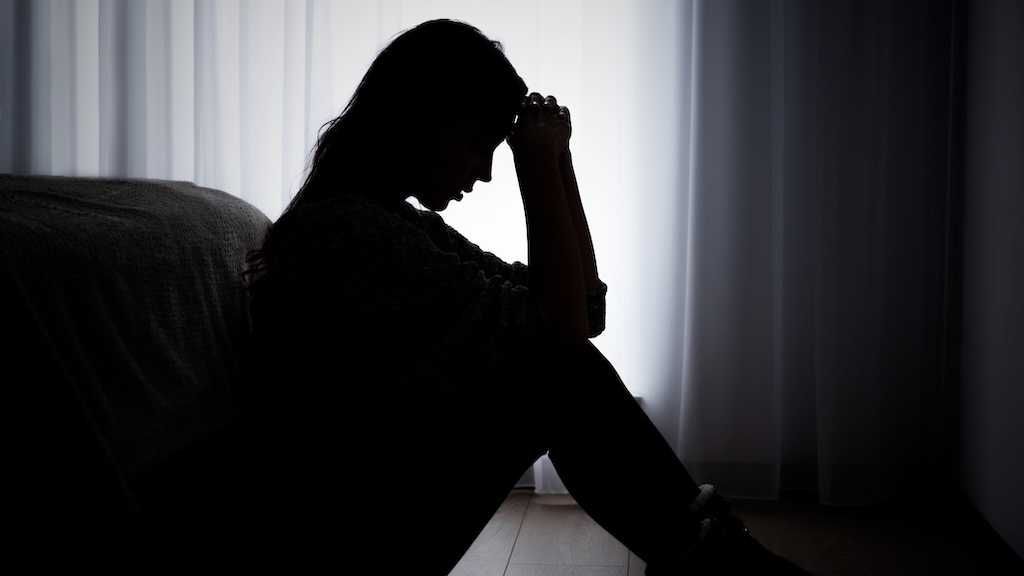
Universities love to talk about “student success.” But education is not merely success. It is formation. And formation requires truth: truth about what a human being is, what suffering is for, what excellence demands, and what life ultimately aims at.
When universities exile God, moral realism, and any shared account of human purpose, they should not be surprised when students seek refuge in medicalized identities that turn pain into paperwork.
This crisis is not simply about abuse of accommodations or even about mental health statistics. It is about whether higher education can still tell students the truth: that limits are not always oppression, that hardship is not always injustice, that discipline precedes freedom, and that meaning is discovered, not administered.
If universities cannot say why education aims at the highest good, then they should not be shocked when students conclude it means nothing — and despair follows.
It is time to return education to what it was meant to be: the formation of souls ordered toward wisdom and virtue.

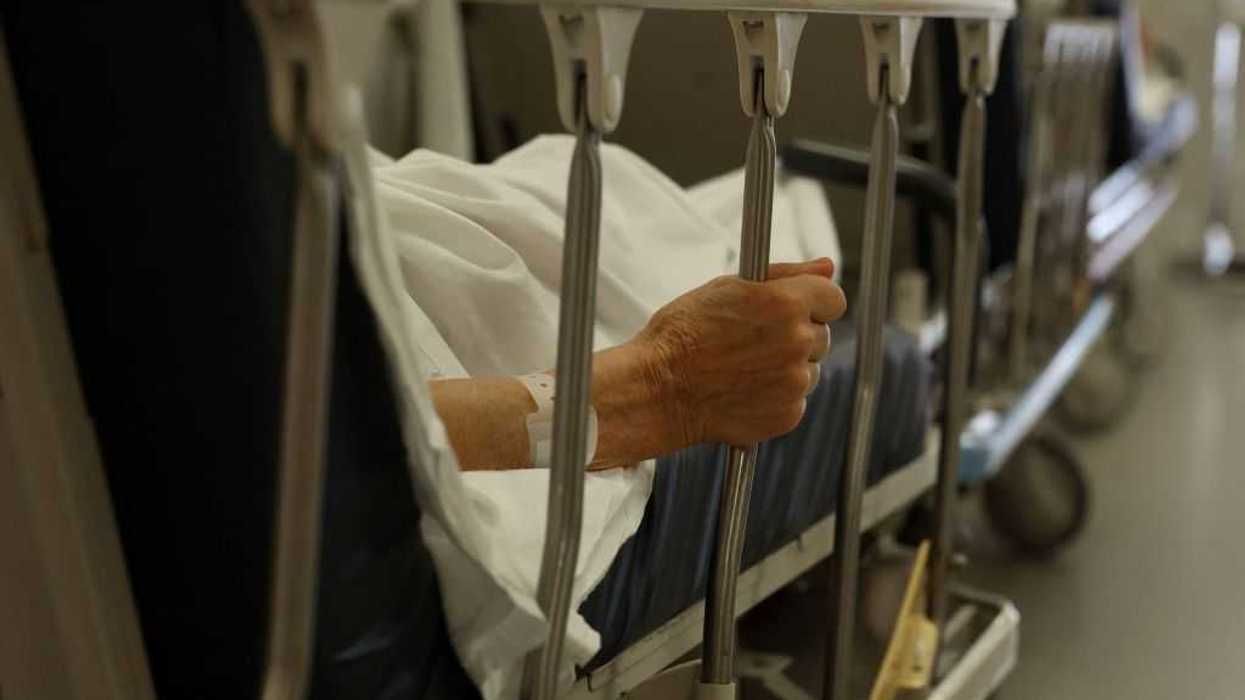
 Today, women like my mom are told to visit a website and order abortion drugs. Other women deserve the same support she received decades ago.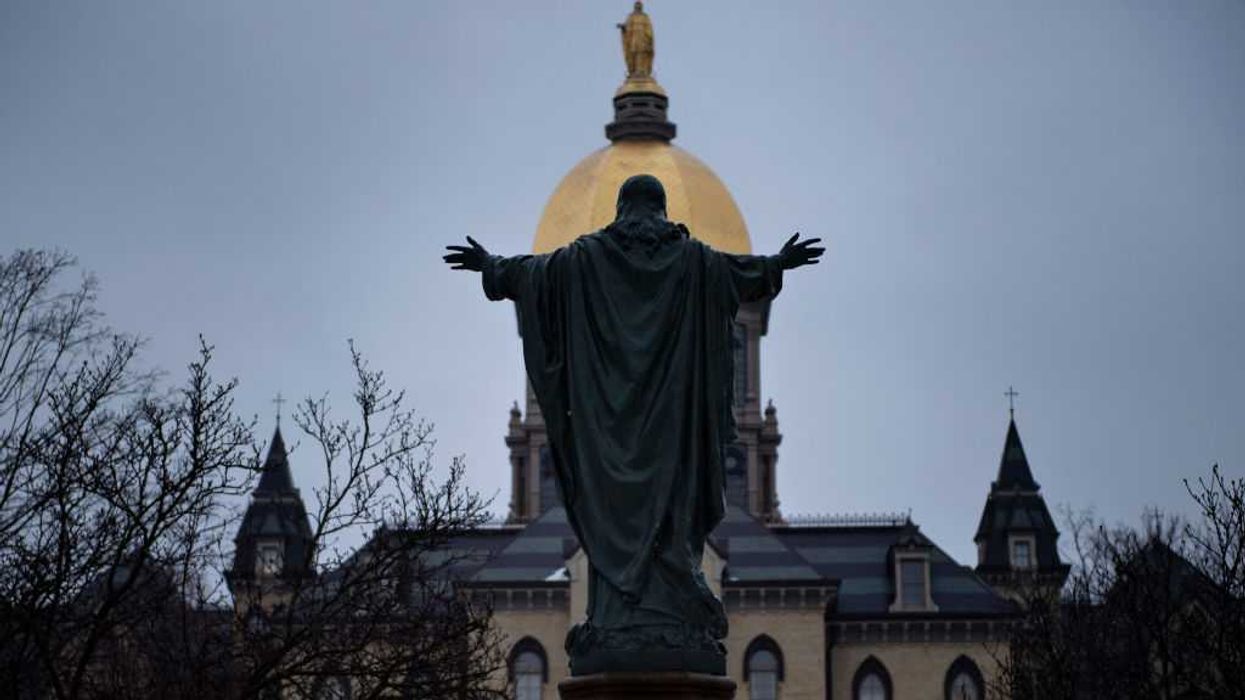
 Vance used most of his time on the March For Life’s National Mall stage to tout the Trump administration’s pro-life track record.
 There’s something different and sincerely wholesome about the Allen family.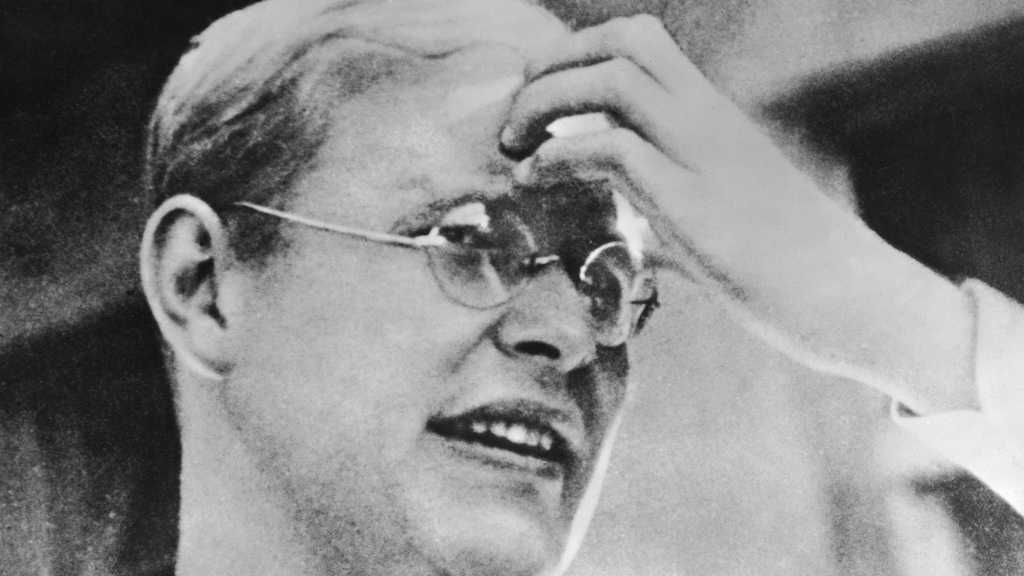

 www.theblaze.com
 www.theblaze.com
 thefederalist.com