The sad, strange death of Fred Meyer: My hometown supermarket’s downward spiral
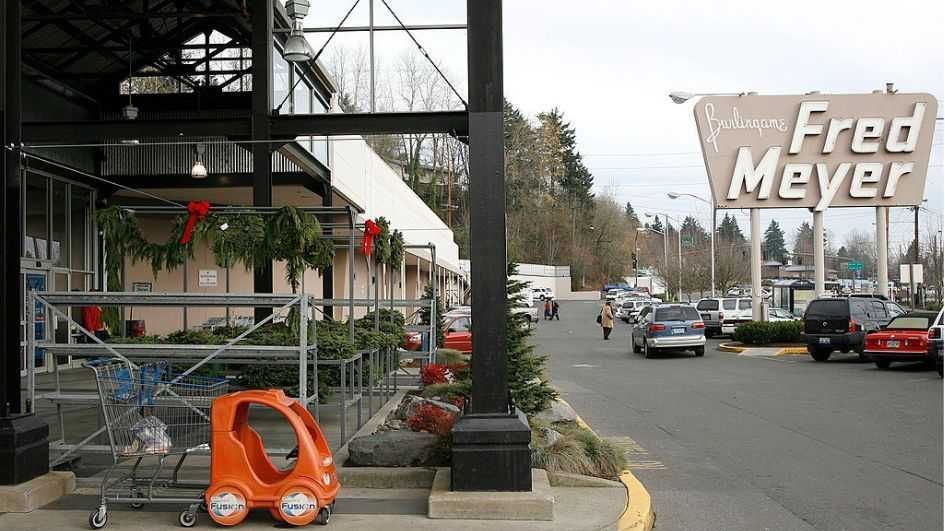


In 2019, I moved back to Portland, my hometown, to help with a family health situation.

I rented an apartment near where I grew up. I began doing my food shopping at the local Fred Meyer supermarket, which I remembered from when I was a kid.

When I saw the sign and the locked gate, it felt like an assault. It was another closing door. Another innocent pleasure snatched away.

It was fun to go back to “Freddy’s." It was in a quiet, affluent neighborhood, so the store was always neat and clean.

They hired local high school kids to work there. As part of their job, they would always greet you, or ask if you needed help finding anything.

I found this incredibly charming. After living in Brooklyn and Los Angeles for many years, to have these nice young people smiling and asking how my day was going ... well, once I got over the shock, I came to appreciate it.

Toilet paper

A year into living there, COVID began. At first, the only real problem this created was a toilet paper shortage. But being sane, reasonable Oregonians, my neighbors and I restrained ourselves. No one was panic-buying Charmin Ultra-Soft at Fred Meyer.

But soon after, the pandemic got serious. The government announced “two weeks to stop the spread.” Everything closed. People stayed in their homes. Supermarkets were one of the only places you could go.

At Freddy’s, the teenagers quickly disappeared. The grown-up workers who remained suddenly looked nervous and scared.

As the pandemic dragged on, Fred Meyer was forced to advertise for new employees. The company offered generous bonuses. Soon there were retirees working there and borderline homeless people.

The tone of the place changed. Customers would hurry in and out. People would freak out if you stood too close to them. Everyone was suspicious of each other. It had become the exact opposite of what it had been before.

The mask wars

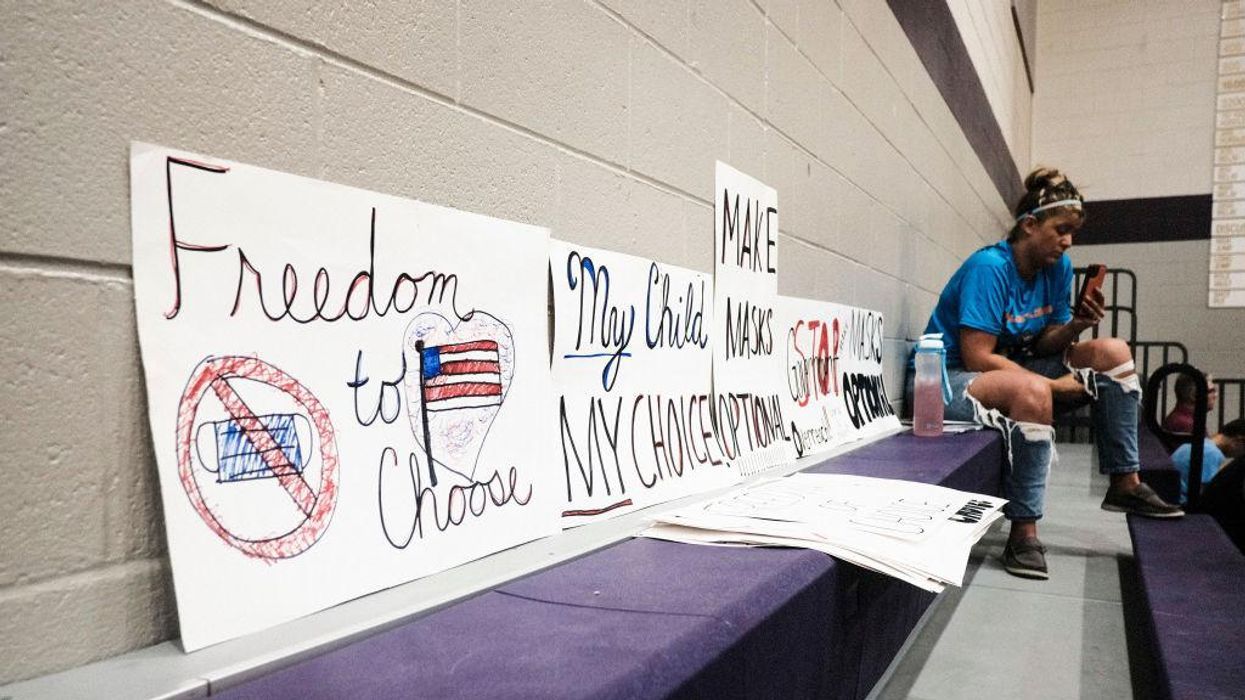
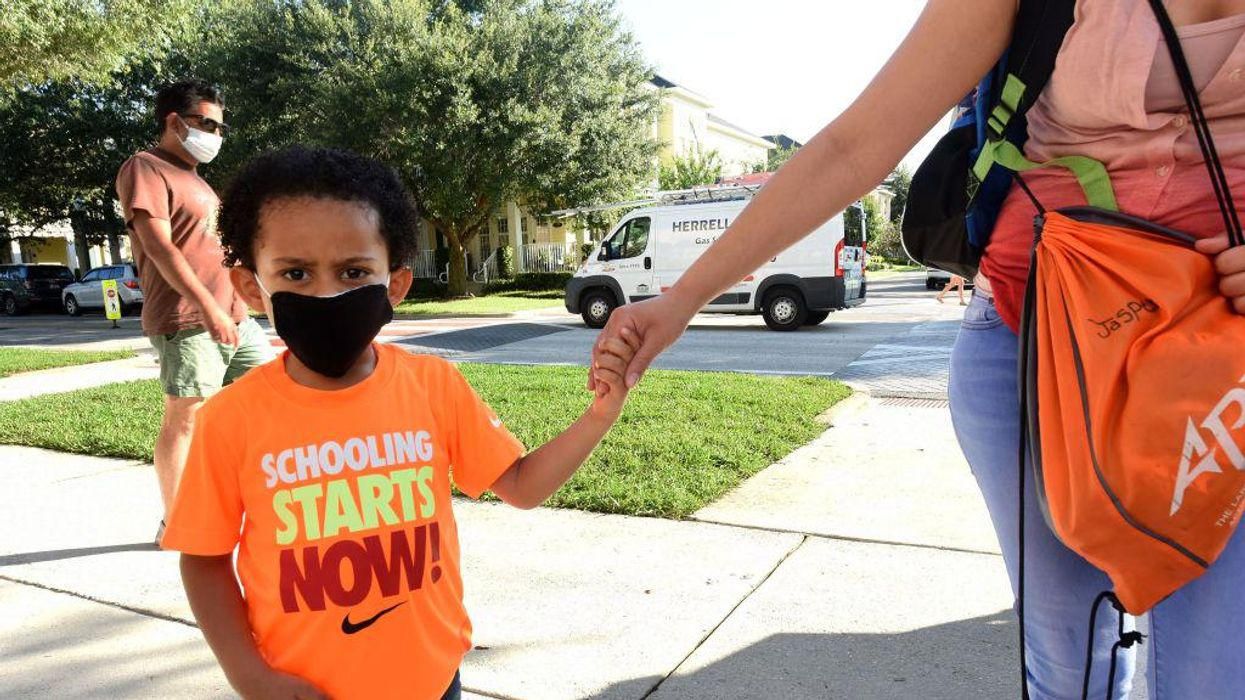
Then masks became a thing. First, they made people feel safer. Then they became a new source of division and conflict.

Fred Meyer was now in survival mode. Store hours were cut. The store limped along with reduced staff. There began to be rows of empty shelves. I think they actually did run out of toilet paper at one point.

That summer, the George Floyd protests began and became a nightly occurrence in downtown Portland.

At Fred Meyer, you’d occasionally see young protesters and members of Antifa on their way home to their parents’ houses in the suburbs — after a night of throwing rocks at the police.

One night, I encountered two young kids in black bloc. With great excitement and fervor, they told me about being tear-gassed by the “fascist police.”

They might have been the same kids who had been bagging groceries the year before.

Vibe shift

When the worst of COVID had passed, Fred Meyer recovered somewhat. It reinstated its original hours. It seemed to have steady employees again, though I noticed the kindly people who worked there in 2019 had been replaced in 2022 by sullen, silent workers with neck tattoos.

There were no bright-faced teenagers. Nobody said "hi" to you. The place was not as clean as it once was. Shelves continued to be empty. You couldn’t count on certain items being available. You had to adopt a “buy it when you see it” shopping strategy.

Soon after, Freddy’s began instituting new security measures. The company put in gates you had to pass through going in and out. You could see yourself in a video monitor as you entered. Plainclothes security people sometimes stood guard at the exits.

It was obvious why. Unsavory characters had begun to appear at the store, especially at night, though there was no reason for them to be in that neighborhood.

You’d see broken-down cars in the parking lot with strange people sitting inside them. Were they doing drugs? Or maybe sleeping there overnight?

Early one morning, a car was set on fire in Freddy’s back parking lot. The suburban fire department came and put it out. It made the local news. There was no word on what happened or why.

To its credit, Fred Meyer still doesn’t have armed guards on site. But it’s coming. I’m sure.

RELATED: Is this a new era of conservative filmmaking?

Jean-Louis Atlan/Getty Images

The nursery

One last thing: Fred Meyer has a large open-air nursery attached to the grocery store. It’s full of flowers, houseplants, and gardening supplies.

It’s a first sign of spring when it opens in April and marks the beginning of winter when it closes in October.

But just this week — mid-August — staff began locking the outside gates. Now the nursery is only accessible through the front entrance. Were people stealing the flowers?

When those gates were open, I often entered the store via a stroll through the cheerful nursery. It was a highlight of shopping there.

Closing doors

When I saw the sign and the locked gate, it felt like an assault. On me personally and on the entire community. It was another closing door. Another innocent pleasure snatched away.

And who exactly could you blame for this? The government, the store, the social democrats, the understaffed police?

Back in 2019, when those smiling high school kids asked me how I was doing, I always said, “Great.” Because I was great. Because Freddy’s was great. Because America was great.

It’s probably good they aren’t there any more. I don’t know what I would say to them.
Florida state board of education votes to sanction 8 school districts over mask mandates


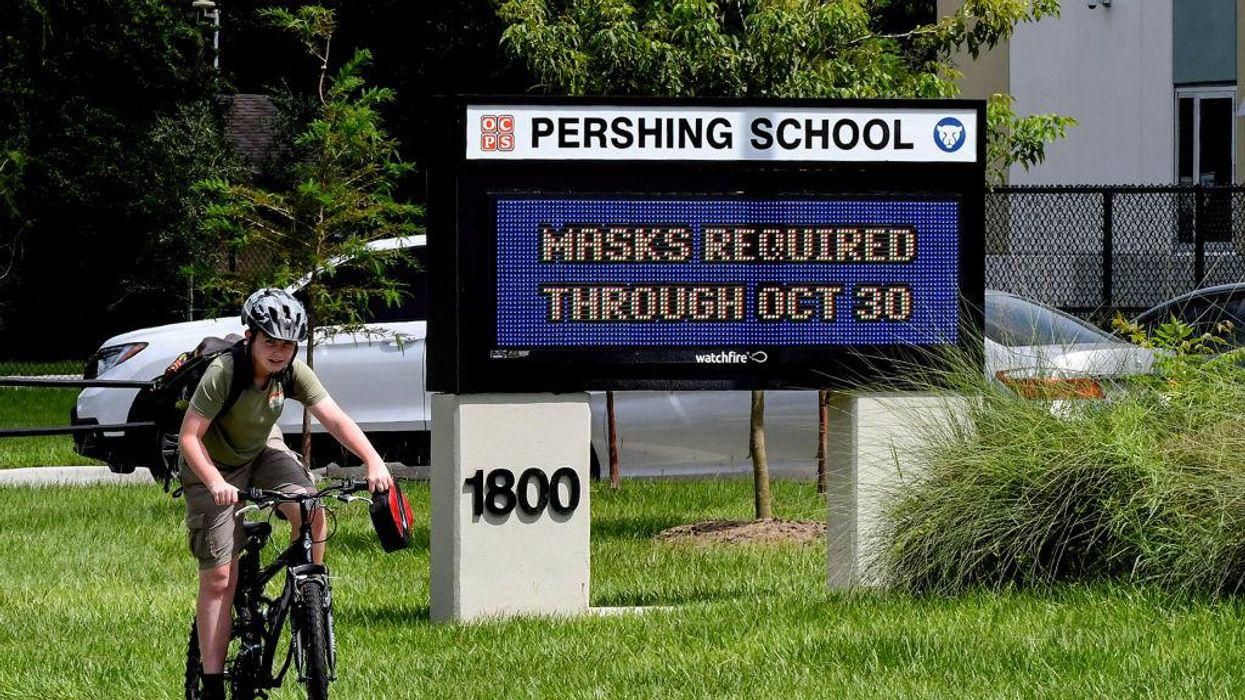
The Florida state board of education on Thursday sanctioned eight school districts that have violated Gov. Ron DeSantis' order requiring schools that implement mask mandates to let parents opt their kids out.

The board unanimously voted to sanction school districts in Alachua, Brevard, Broward, Duval, Leon, Miami-Dade, Orange, and Palm Beach Counties, withholding state funding from these districts equal to the School Board members' salaries plus any amount of federal funding the Biden administration makes available to support the schools in defiance of DeSantis' order.

The counties have 48 hours to demonstrate they are in compliance with the state order else they will lose funding.

The education department said in a statement the offending school districts have "willingly and knowingly violated the rights of students and parents by denying them the option to make personal and private health care and educational decisions for their children."

The state further contends that the school boards in Alachua and Broward Counties have "unlawfully accepted political bailouts from federal co-conspirators to compensate them for breaking Florida law."

"For nearly two months now, these school districts have barred from the school house doors thousands of children, many of whom have significant disabilities or health-related reasons that prevent them from learning with a face mask on," said Commissioner of Education Richard Corcoran.

"What's so equally disturbing about these school board members' gross violations of law, violations of law that are now receiving unprecedented and self-gratifying federal patronage from a bureaucrat in Washington, D.C., is that weeks of positivity rate data now shows no difference in districts with unlawful mask mandates versus those communities that protect parents' rights," he added.

"Forced masking is a failure and these board members have truly failed to lead and failed their oaths of office."

Last month, President Joe Biden's administration pledged to create a federal grant program to cover fines or fees incurred by school districts that impose mask mandates. The school districts in Alachua and Broward Counties, which were already facing fines for their mask mandates in August, were the first districts to receive federal aid.

After Thursday's action by the state board of education, Alachua will be fined an additional $147,000 and Broward faces $420,000 more in fines, amounts equal to the federal funding they received, the Tampa Bay Times reports.

School superintendents from the offending districts criticized the sanctions and some said they would not change their mask requirements.

"Despite the state board's action, Alachua County Public Schools will maintain its current masking protocols. We believe those protocols comply with state law and our constitutional obligation to provide students with a safe learning environment," said Alachua school superintendent Carlee Simon in a statement.

Permitted to state their positions before the board's decision on Thursday, several superintendents said the mask requirements were necessary to keep children and faculty safe from the surge of Delta variant COVID-19 cases in their communities.

"Only eight days into the school year, we reported 492 COVID-19 cases," said Duval superintendent Diana Greene. "At less than one week, we were already at 19 percent of the total cases reported for the entire 2020-21 school year."

Greene said the state was too slow to respond. "The Florida Department of Health's inability to conduct timely case investigations had a direct impact on the spread of the virus throughout our schools, ultimately jeopardizing the health and safety of students and employees," she said, adding that 10 employees died of COVID within the first two weeks of school.

The U.S. Centers for Disease Control and Prevention recommends that schools adopt universal mask requirements, and these superintendents argued they were following the recommendations of experts.

However, Corcoran pointed to statistics showing there is only a 2 percentage point difference in COVID cases between schools that require masks and schools that give parents an opt out.

"And so, unsurprisingly, as we have said all along, we are seeing no impact of forced masks in the schools," he said.

Federal judge blocks South Carolina ban on school mask mandates


A federal court on Tuesday blocked South Carolina from banning school mask mandates in a temporary order that is being contested by Gov. Henry McMaster (R).

U.S. District Judge Mary Geiger Lewis found in her ruling that a proviso of the state budget that prohibits schools receiving state funding from implementing face mask requirements discriminates against students with disabilities.

According to the judge and to plaintiffs represented by the American Civil Liberties Union, the law is discriminatory because students with disabilities are at greater risk from COVID-19 and in the absence of mask mandates they are denied access to in-person learning and other educational opportunities provided to other students.

"A review of the declarations provided by Plaintiffs in this case demonstrate, because of Proviso 1.108, Governor McMaster and AG Wilson have denied the minor plaintiffs meaningful access to in-person education, programs, services, and activities because of Proviso 1.108," Lewis wrote.

Plaintiffs argued that the mask proviso disproportionately affects students with underlying health conditions and denies them equal opportunity to learn in school in violation of the Americans with Disabilities Act.

"There is an inherent tension between the exercise of one's personal freedoms and rights, on the one hand, and the government's protecting the health of the public, on the other," the court said. "This case presents the added burden of making sure the government's public health measures are not infringing against one's right to be free from discrimination."

Following the court order, the South Carolina Department of Education issued a statement announcing it is reviewing the ruling and "will provide guidance to schools and districts on its implications."

Judge Lewis found that Proviso 1.108 is in violation of the Americans with Disabilities Act (Title II) and the Reha… https://t.co/Hpi6iFBwLM

— S.C. Department of Education (@EducationSC) 1632875788.0

That guidance came Wednesday, when the education department announced, "the immediate effect of the Court's order is that both the state and local school districts are prohibited from enforcing Proviso 1.108 and school districts now have the discretionary authority to require masks."

State Superintendent of Education @Molly_Spearman and the SCDE issued the following guidance to districts in respon… https://t.co/rGXBD95I5z

— S.C. Department of Education (@EducationSC) 1632934522.0

McMaster and South Carolina Attorney General Alan Wilson filed a notice to appeal the ruling on Wednesday, the Greenville News reported.

Bans on school mask mandates are being litigated in federal courts across the nation, with varying results.

In Texas and Florida, higher courts eventually overturned lower court rulings prohibiting those states from enforcing their bans on mandatory mask requirements for students. Courts in Arkansas, Arizona, Oklahoma, and Tennessee have either struck down or issued temporary orders blocking the governors of those states from enforcing bans on mandatory mask requirements in schools.

President Joe Biden's Department of Education has opened civil rights investigations in Iowa, Oklahoma, South Carolina, Tennessee, and Utah to determine whether prohibitions on mask mandates in those states unlawfully discriminate against students with disabilities.

Federal judge blocks Tennessee from letting parents opt their kids out of school mask mandates


A federal judge on Friday blocked the Republican governor of Tennessee from requiring schools to allow parents to opt their kids out from mask mandates, arguing that the order makes schools unsafe for special needs children during the pandemic.

U.S. District Judge Sheryl Lipman issued a preliminary injunction against Gov. Bill Lee's order after parents of students with health conditions sued, claiming their children were unable to attend in-person classes because some kids weren't wearing face coverings, the Associated Press reports.

The parents' lawsuit argues Lee's executive order violates the Americans with Disabilities Act, which bans schools from excluding students with disabilities from public education programs and activities. The argument says that by permitting some children to go maskless, disabled students and others with health conditions that make them more vulnerable to COVID-19 are effectively excluded from attending class in-person because of the risk.

The U.S. Centers for Disease Control and Prevention says that children with underlying medical conditions are at an increased risk for severe illness from COVID-19 compared to those without such conditions.

"It is that unmasked presence that creates the danger to these Plaintiffs," Judge Lipman wrote.

"Plaintiffs offered sufficient evidence at this stage to demonstrate that the Executive Order interferes with Plaintiffs' ability to safely access their schools," she declared.

The injunction follows a temporary restraining order Lipman issued against Lee on Sept. 3, which prohibited schools from letting parents opt out of mask mandates. According to the AP, the injunction applies to seven public school districts in Shelby County, where the local health department implemented a universal mask requirement before the start of school on Aug. 9. There are 100,000 students in these districts, which include parts of Memphis.

"The Governor has put the parents of medically vulnerable students in the position of having to decide whether to keep their children at home where they will likely suffer continued learning loss or risk placing them in an environment that presents a serious risk to their health and safety," the lawsuit asserts.

The Tennessee attorney general's office unsuccessfully argued that parents have options for relief they could have pursued before filing a lawsuit against Lee's order. State attorney Jim Newsom told the judge Individualized Education Programs run by the state education department are available to meet the needs of students with health conditions.

A similar lawsuit was filed in Florida against Republican Gov. Ron DeSantis' order requiring school mask mandates to give parents an opt out. But in this case a federal judge on Wednesday denied a request from parents of disabled children to block DeSantis' order, writing that parents should have pursued administrative claims before filing a lawsuit.

Last month, the Biden administration Department of Education opened civil rights investigations in five states, including Tennessee, to learn whether statewide restrictions on school mask mandates discriminate against students with disabilities.

Education Secretary Miguel Cardona accused Republican governors of "putting politics over the health and education of the students" in his statement announcing the investigations.