Medicine’s Descent Into Madness

The Minnesota chapter of White Coats for Black Lives, a medical student group, greeted the October 7, 2023, Hamas-led terrorist attack on Israel by saying that Palestinians should "free themselves from their oppressors by any means necessary."

The post Medicine’s Descent Into Madness appeared first on .

15 Effective Alternative Health Products With Great Black Friday Deals Right Now

Our family does weird health stuff that I'd like to share with all the millions of other folks interested in weird health stuff.

'Not medicine — it's malpractice': Trump HHS buries child sex-change regime with damning report


The Department of Health and Human Services delivered what could prove to be a lethal blow this week to the profitable and predatory child sex-change industry that has been on the defensive since President Donald Trump's Jan. 28 executive order directing all federal agencies to ensure that medical institutions receiving federal funding "end the chemical and surgical mutilation of children."

HHS published an exhaustive peer-reviewed report on Wednesday that should make abundantly clear to those still clinging to LGBT activists' preferred narrative about so-called "gender-affirming care" that "the harms from sex-rejecting procedures — including puberty blockers, cross-sex hormones, and surgical operations — are significant, long term, and too often ignored or inadequately tracked."

"This is a new day in the Department of Health and Human Services. It's a new day in the Office of the Assistant Secretary for Health, a new day for the country," Admiral Brian Christine, assistant secretary for HHS, told Blaze News. "It is because of President Trump and Secretary Robert F. Kennedy Jr. that this information has come out."

'The HHS report should put an end to the scourge of child mutilation masquerading as health care.'

The 410-page report, titled "Treatment for Pediatric Gender Dysphoria: Review of Evidence and Best Practices," reads as the weightier American counterpart to Britain's damning Cass Review, detailing:

  • the often glossed-over risks and medical uncertainties involved with puberty blockers, cross-sex hormones, and sex-change genital mutilations;
  • the unscientific nature and strategic omissions of fact in the World Professional Association of Transgender Health guidelines;
  • the manipulation of medical definitions undertaken in service of gender ideologues' medical agendas;
  • ethical concerns regarding consent for sex-change procedures as well as the regret often experienced by victims of such procedures; and
  • the "international retreat" from the "gender-affirming" model of care.

The report — which National Institutes of Health Director Dr. Jay Bhattacharya indicated "marks a turning point for American medicine" — notes that the overall quality of evidence concerning the effects of sex-change medical interventions on long-term health, psychological outcomes, quality of life, and regret was found to be "very low."

Accordingly, the beneficial effects alleged in the literature and often cited by gender ideologues are likely to differ substantially from the actual effects of the sex-change procedures.

'It's literally a billion-dollar industry. It creates lifelong customers.'

What's more, the report noted that while the risks of child sex changes are many and unmistakable — including infertility, sexual dysfunction, impaired bone density accrual, surgical complications, and heart, metabolic, and psychiatric disorders — publication bias, a failure of existing studies to adequately track and report harms, and other factors may have obfuscated the true fallout of so-called "gender-affirming care."

The report minces no words in its conclusion, stating:

Many U.S. medical professionals and associations have fallen short of their duty to prioritize the health interests of young patients. First, there was a rapid expansion and implementation of a clinical protocol that lacked sufficient scientific and ethical justification. Second, when confronted with compelling evidence that this protocol did not deliver the health benefits it promised, and that other countries were changing their policies appropriately, U.S. medical professionals and associations failed to reconsider the "gender-affirming" approach. Third, conflicting evidence — evidence that challenged the foundational assumptions of the protocol and the professional standing of its advocates — was mischaracterized or insufficiently acknowledged. Finally, dissenting perspectives were marginalized, and those who voiced them were disparaged.

"The American Medical Association and the American Academy of Pediatrics peddled the lie that chemical and surgical sex-rejecting procedures could be good for children," HHS Secretary Kennedy said in a statement.

"They betrayed their oath to first do no harm, and their so-called ‘gender-affirming care’ has inflicted lasting physical and psychological damage on vulnerable young people," continued Kennedy. "That is not medicine — it’s malpractice."

RELATED: Sacrificing body parts and informed consent to the sex-change regime

Photo by Bob Riha Jr./Getty Images

When other Western nations, Britain in particular, began to re-evaluate their barbaric medical approaches to gender dysphoria, the Biden administration and the U.S. medical establishment dug in their heels and pushed the child sex-change regime to new extremes.

For instance, Biden's transvestic Assistant Secretary of Health and Human Services Rachel Levine, formerly Richard Levine, successfully pressured WPATH to drop its recommended minimum age requirements for sex-change mutilations. His reasoning for lowering the recommended age minimums — 17 for genital mutilations, 15 for healthy breast removals, 16 for breast implants, and 14 for hormone treatments — was apparently not based on scientific evidence but on politics.

Levine's successor, Trump HHS Assistant Secretary Brian Christine, told Blaze News, "There was absolutely an effort by the prior administration and, very specifically, an absolute effort by the individual who was the prior assistant secretary for health, Rachel Levine," to continue politicizing children's health.

He added that both ideology and profit prompted medical professionals and associations to similarly dig in their heels.

"It's literally a billion-dollar industry. It creates lifelong customers," said Christine. "You bring a little boy or a little girl in and you have them either get hormones or they get a mutilating surgery — you've created a lifelong customer. You've created someone who's going to come back again and again and again because of surgical complications or other things going on."

Gender dysphoria is an "emotional and mental condition," he explained. "There's no question about that. These individuals who truly have gender dysphoria, they suffer terribly. They deserve compassion. They deserve mental health care. What they don't need are sex-rejecting surgeries."

Christine said that treating gender dysphoria as a mental health condition is especially important with kids. "You should treat them with mental health care because we know that if you do, the majority of these kids, by the time they're in their late teens, are very comfortable in their own skin," he said.

Neeraja Deshpande, policy analyst for the Independent Women's Forum, said that the report, "in addition to creating a more transparent system, confirms once and for all what never should have been up for debate to begin with: that so-called surgical and chemical body alteration in the name of ‘gender transition’ is a medical danger to children."

Terry Schilling, president of the American Principles Project, said in a statement to Blaze News, "The HHS report should put an end to the scourge of child mutilation masquerading as health care."

RELATED: 'They'll create second sets of genitals': WPATH Files author tells Glenn Beck about 'gender-affirming care' mutilations

Luis Soto/SOPA Images/LightRocket via Getty Images

"The peer-reviewed study only confirms what the American Principles Project and anyone with common sense has known all along: The gender industrial complex relies on bad faith, bad science, and a radical ideology that places the financial interest of drug companies over those of children," said Schilling.

Schilling suggested to Blaze News that elements within the child sex-change regime are now more likely to reap the whirlwind in court.

"This is, at a minimum, some type of consumer fraud. I do think that because of how horrific the harm that they did was that it does cross into serious criminal areas."

While Schilling noted that the industry presently enjoys robust protection from trial attorneys and left-wing institutions, once major legal actions break through, prompting big payouts, "then you'll have blood in the water, and the sharks will start circling."

Schilling alluded to Chloe Cole's lawsuit as one such potential breakthrough action.

Cole, a detransitioner who has raised awareness across the country about the horrors and fallout of sex-change medical interventions, has sued Kaiser Permanente for alleged medical negligence in connection with the sex-rejecting procedures the health system performed on her as a minor.

Schilling commended the numerous experts who put their names to the report — including doctors and scientists from the Baylor College of Medicine, the Massachusetts Institute of Technology, and Duke University — stating, "They're very courageous for doing this. This is a very powerful and embedded industry that's been doing really big and terrible things in the country ... and for these guys to put their names behind it is a very big deal."

When asked whether this report ultimately amounts to a lethal blow against the sex-change regime, HHS Assistant Secretary Christine told Blaze News, "Yeah, we certainly hope so. We certainly believe it will be. Listen, our job in the administration is to protect our children, protect our citizens. Our job is to produce gold-standard science. That's exactly what we have done. It's exactly what we're doing."

Like Blaze News? Bypass the censors, sign up for our newsletters, and get stories like this direct to your inbox. Sign up here!

Can leucovorin cure autism? Meet the moms determined to find out


A humble, decades-old folate compound — used not to fight cancer but to ease the side effects of chemotherapy — has become the latest flashpoint in America’s health wars.

On September 10, the Trump administration announced that the FDA would move toward approving leucovorin for children with cerebral folate deficiency, a rare metabolic disorder linked to autism in some cases. Supporters hailed it as long-overdue recognition of promising small studies; critics called it another example of the MAHA agenda politicizing science.

While bureaucrats and scientists bicker, families with real skin in the game tirelessly run their own experiments and share their results, hoping the science will eventually catch up.

The debate since has been fierce, with professional groups such as the American Academy of Pediatrics advising against the off-label use of leucovorin for autism, warning that the evidence remains preliminary — while prominent physicians call for larger, biomarker-guided trials to confirm what early studies suggest.

A parent’s love

All parties insist their motives are pure, but this latest skirmish is a reminder of how tangled those motives can be. What drives the people and institutions pushing medical science forward is often a sincere desire to help people, yes — mixed in with ambition, rivalry, financial interest, and the unspoken urge to be the one who’s right.

But there’s another force at work here, deeper and simpler, and it tends to override all the rest: a parent’s love for a child.

This is the same love that kept the parents of children with cystic fibrosis pushing to understand a condition doctors considered hopeless, or that led a Hollywood father to resurrect a forgotten epilepsy therapy to help his son. And now it’s the force animating hundreds of parents who believe a decades-old folate compound has literally given their autistic children a voice.

While bureaucrats and scientists bicker, families with real skin in the game tirelessly run their own experiments and share their results, hoping the science will eventually catch up.

Even before the FDA signaled approval of leucovorin for cerebral folate deficiency — a rare metabolic disorder with links to autism — parents have been sharing reports of progress with the drug on Reddit forums and in Facebook groups to share anecdotal reports of progress. A few families have also told their stories in clinic-produced or news-segment videos.

A treatment’s hope

Leucovorin, also called folinic acid, is a bioactive form of folate. It’s been used for decades to “rescue” patients from high-dose chemotherapy. In autism, it’s being repurposed to bypass what some researchers call a “folate transport blockade.”

Up to 70% of autistic children in certain studies test positive for folate receptor alpha autoantibodies — immune proteins that prevent folate from reaching the brain. The result: cerebral folate deficiency. High-dose folinic acid appears to restore that supply, sometimes with striking behavioral effects.

Dr. Richard Frye, a pediatric neurologist at Phoenix Children’s Hospital, led one of the first controlled trials in 2016. His team found improved verbal communication in FRAA-positive children treated with leucovorin. Later case studies described language bursts, better eye contact, and calmer affect.

RELATED: Tylenol fights autism claims, slams proposed FDA warning label as 'unsupported' by science

Photo by ISSAM AHMED/AFP via Getty Images

From ‘no words’ to the Pledge of Allegiance

The parents themselves provide more affecting testimony. Carolyn Connor’s son Mason was 1 when she realized something was amiss: “He wasn’t talking. No language. No words.”

When their pediatrician downplayed this lag in development as typical in boys, she and her husband began doing their own research, which led them to Frye. Three days after starting leucovorin, Mason spoke his first words.

Now 6, he continues to take the medication, and continues to thrive.

Beth Ann Kersse’s daughter was diagnosed with autism at age 3. “In her vocabulary she had about three or four words,” Kersse said in a video uploaded by Washington, D.C.-based Potomac Psychiatry.

“But she didn’t call me ‘Mom.’ She kind of would point at me,” she added.

That’s when Kersse and her husband began exploring leucovorin. Two years later, Kersse describes her almost 5-year-old daughter’s transformation as “incredible.”

“The other day she stood up and put her hand over her heart, and she recited the Pledge of Allegiance, and we were just like, OK ... I didn’t know we knew that. ... She’s able to have a full conversation; she can tell us how she’s feeling.”

Late last month, Nebraska pediatrician Dr. Phil Boucher posted a case study detailing how a 3.5-year-old autistic girl responded to leucovin treatment, citing texts from her mother reporting that she was “blown away” by the changes she observed:

She is starting to consistently look at people when they call her name. ... She’s becoming more interested in her little sister. ... She also has started taking some of the baby dolls that we have and has been covering them up with a blanket, giving them a kiss, and saying, “Night night.”

As Boucher is careful to point out, anecdotal success stories like these don’t prove the drug works. But to those experiencing the improvement firsthand, they’re a promising sign that a simple, inexpensive vitamin derivative can do what years of therapy can’t.

And if this promise does indeed bear fruit, leucovorin treatment will be the latest of many homegrown revolutions in medical care spearheaded by determined mothers and fathers unwilling to wait for consensus.

It's the testosterone, stupid!


It was with great interest that I read Matthew Gasda’s latest essay, on the state of men in 2025, “Masculinity at the End of History.”

Gasda has a lot of things to say that are germane to my new book, "The Last Men: Liberalism and the Death of Masculinity" (out December 16), not least of all whether America — and indeed the Western world as a whole — exhibits what could be called a “crisis of masculinity" in the first place.

We have reams of data showing what can only be described as a civilizational decline in testosterone levels, a decline that may have no parallel in history.

There are plenty of observers — writers, social scientists, journalists, politicians, celebrity psychologists — who think so.

A crisis in need of a crisis

Gasda disagrees. In fact, he believes the absence of a crisis is precisely what’s ailing America’s young men. Men need crises in order to be men. Without crises, their mettle isn’t tested, they have no higher aspirations to direct themselves toward, and so they fall into a listless state, an aimless state, a kind of suspended adolescence.

Porn. Pot. Video games. Social media. Processed food. Logging on and dropping out. We all know what it looks like.

“Masculinity is desperate for a crisis,” Gasda writes in the opening paragraphs of his essay.

It is docile, unsure, and formless. At most, it is at the germinal phase of crisis, lacking a catalytic agent to propel it to its full-blown state, which at least can be registered and reckoned with. After all, crisis implies that something is happening, that something is at stake. The uncatalyzed proto-crisis, or the noncrisis, of American masculinity is repressed, unexpressed, yet omnipresent.

It’s a typical literary switcheroo — Gasda is a playwright, after all — but he’s not wrong. Nor is he the first to say that what men really need is a crisis — read: something extraordinary — to give full form to their potential.

Declaring 'war'

Back in 1910, the pragmatist philosopher William James, brother of the novelist Henry, wrote an essay called “The Moral Equivalent of War.” A committed socialist and pacifist, James nevertheless regretted the march of progress and with it the (apparent) decline of war, because he recognized war’s power to form young men and inculcate in them the highest possible virtues. War teaches men to subordinate themselves and their needs to those of the collective, to pursue a higher goal, and, if need be, to give their lives for it. War teaches men courage, service, self-sacrifice, stoicism, and patriotism, and all of these things are necessary for a properly functioning nation in peace.

But war is also a terrible, terrible thing — and it was rapidly becoming much worse, though just how much worse James could not have foreseen. What we need, James argues, is a “moral equivalent” of war, a substitute that could teach men the same lessons without the enormous destructive cost.

James’ proposal is quite clever: Rather than a war against each other, we need a war with nature. Young men should be enlisted into a national struggle to conquer and tame nature and to revolutionize the means of production. Send boys off to build railroads and skyscrapers and ships, and they’ll return as men, ready to lead families and the nation.

Manufacturing manhood

This isn’t too different, actually, from what Gasda advocates in his new essay, when he says a national project in which all or many men could participate might be a great spur to masculine revival.

If the objective of America in the years ahead is to reclaim global leadership in industrial production, that is, in the making of things in the real-world economy, as opposed to just in the realm of bits and pixels, then new avenues for masculine exertion, discipline, creativity, and camaraderie may arise from such a project.

There’s much to like in Gasda’s essay and much to agree with. He’s right about how the breakdown of communities and the loss of tradition have hindered the transmission of masculine ideals across the generations. He’s right about the need for rites of passage to confer status on men. Countless anthropological studies have shown the crucial role, in virtually every kind of society except our own, of tests of courage and fortitude at key moments in life, and psychologists have demonstrated how pain and trauma bond people together and provide a sense of shared identity.

He’s also right to argue that Americans must “historicize” masculinity. That is, they must understand its peculiar focus on strenuous exertion and relentless self-making in its particular historical context: a masculine ideal developed in conflict with a frontier, both the physical frontier of western expansion and the social and moral frontiers of a new national identity.

And he’s right, obviously, that we live in an age that’s fundamentally hostile to expressions of masculinity and that we can’t simply return to the past and past ideals, as so many simple-minded critics of the modern world, especially on social media, seem to believe.

That’s all to the good. But there are also serious problems.

No country for men

For one thing, it’s not clear just how much American men really could get behind a drive to, in Gasda's words, “reclaim global leadership in industrial production.”

If America does return to industrial pre-eminence, most if not nearly all manufacturing is going to be high-tech and automated — hardly the kind of gigantic Soviet five-year plan that could simply swallow up millions of men and give them jobs in factories or even give them jobs at all.

It's not just manufacturing that is on the verge of making human labor largely a thing of the past. Whole swaths of industry and even white-collar fields are undergoing the same revolutionary changes. Librarians and lawyers and proofreaders and doctors will be replaced by AI and large language models too.

The testosterone decline

A far graver problem, from my perspective, is that like the vast majority of the so-called “crisis of masculinity” literature that he derides, Gasda fails to take seriously, or even acknowledge, the biological changes that are throwing men’s masculinity into doubt — in particular, a headlong decline in testosterone, the master male hormone that’s responsible for making men men and not women.

Testosterone is not just responsible for sexual differentiation — for the physical characteristics that define boys, beginning in the womb and proceeding through infancy and the teenage years into adulthood — but it also governs male mood, motivation, libido, and even things like political attitudes.

Although we should be careful not to say testosterone determines political views, social psychology experiments reveal that a testosterone boost will make a man more likely to defend his position even when he’s outnumbered by people who disagree with him; it will make him more likely to continue fighting against a much stronger opponent; it will make him more accepting of hierarchy and inequality; it will make him more generous to his in-group — his own people — and more aggressive toward his out-group — potential enemies.

In short, testosterone and its effects are complex, but they work in ways that obviously tend toward behavior we associate with traditional masculinity. The less of it men have, the less masculine they become, as a basic rule.

Aggressively overlooked

Open a best-selling book like Richard Reeves’ "Of Boys and Men," head to the index, and look for “testosterone,” and you’ll find a poverty of references. Reeves talks about testosterone for just a few pages, but only to dispel the notion that boys “are their hormones,” meaning boys aren’t doomed to be aggressive because they have more testosterone (pop science’s “aggression hormone”) than girls. That’s it. Apparently, biology just isn’t important when we’re talking about the serious problems with men today.

It’s a strange oversight. We have reams of data showing what can only be described as a civilizational decline in testosterone levels, a decline that may have no parallel in history. We know what this decline entails, and if we don’t, we really should try to find out.

RELATED: All-natural tallow: Everything your skin needs — without the hormone disruptors

North Idaho Tallow Company

Compelling evidence

The first real herald of a civilizational decline in testosterone levels was the Massachusetts Male Aging Study, a gold-standard double-blind controlled study of men in the Boston area. The study took place over a period of around 20 years, from the end of the 1980s to the early 2000s. Men of all ages were selected at random and given a battery of tests at regular intervals. When the testosterone data was finally analyzed in 2007, it showed testosterone levels were declining year over year at a rate of about 1%.

That might not sound like much, but over a period of 20 years, that’s 20%, or one-fifth. On a longer timeline, say 50 years, that’s half of all testosterone — gone.

Researchers in other countries, including Finland and Israel, wanted to see whether the same trend was happening in their countries. In Finland, where male reproductive parameters are generally better than in the U.S., the researchers believed the Boston trend would not be replicated. Guess what? The trend was actually worse, and the researchers showed it was taking place over a much longer period of time. The results of the MMAS were replicated in Israel, too, and in other American studies.

Quantifying maleness

It’s hard to quantify exactly how many men have low testosterone, in large part because nobody agrees on exactly how little testosterone counts as low. Ask one doctor and he’ll give you one figure; another will tell you it’s half or double that amount.

Symptomology is generally the best way to go looking for low testosterone, and what we see, everywhere we turn, is men who look and behave like they have low testosterone.

In Japan today, there are millions of hikikomori, or extreme social recluses — young men who simply refuse to participate in society. They hide themselves away at home, often with their parents, and play video games, eat junk food, and just “rot,” to use a current term.

At least one expert believes there may be as many as 10 million hikikomori, in a nation of 120 million people — that’s one in 12 people. Unsurprisingly — to me at least — research has shown young Japanese men are at significantly greater risk of becoming hikikomori if they have low testosterone.

America has its hikikomori too, although they aren’t called that. Maybe as many as 6 million, by some estimates.

Some of them congregate in special subforums on the website Reddit, like r/lowT, where they discuss what it’s like to be a man with low testosterone: how they have no motivation, no libido, can’t sleep, can’t get an erection, are developing gynecomastia — man boobs — and are overweight and anxious all the time.

Many of these men also describe the miraculous effects of increasing their testosterone, more often than not through a doctor’s prescription of testosterone in gel or injectable form.

Spermageddon?

What’s even more worrying about this decline is that it’s part and parcel of a broader decline in reproductive health parameters among men.

This isn’t a surprise: If men’s testes aren’t functioning properly and producing enough testosterone, they’re unlikely to be producing enough of other important things either. Sperm counts and sperm quality — a measure of sperm’s ability to swim properly and do their job — are declining so rapidly that one expert, Professor Shanna Swan, is predicting a “spermageddon” scenario, in which humans are unable to reproduce by natural means.

Swan made this the subject of a 2021 book, "Count Down." Simply by extrapolating the data for sperm-count decline, Swan has shown that by around 2050, the median man will have a sperm count of zero. One half of all men will produce no sperm at all, and the rest will produce so few that they might as well produce none, because they won’t be able to get a woman pregnant, try as they might.

What’s causing these changes? It’s lots of different things, a whole range of lifestyle factors — lack of exercise, smoking, bad diets, poor sleep, stress — but also widespread exposure to harmful chemicals known as “endocrine disruptors,” for their negative effects on the body’s hormonal (endocrine) system.

From low-T to trans

When I say endocrine disruptors are everywhere, I mean it: They’re in the food, the air, the water, the clothes we wear, our bedding and furniture, the deodorants and fragrances we put on our bodies, the little scented trees we put in our cars, anything that’s made from plastic.

A significant proportion of these harmful chemicals directly or indirectly mimic the effects of the hormone estrogen, interfering with the body’s crucial hormonal balance (more testosterone and less estrogen for men, the opposite for women). This is a nightmare for both sexes. As well as reducing testosterone and fertility in men, exposure to endocrine disruptors can lead to genital abnormalities, weight gain, and metabolic issues and even certain kinds of cancer.

New research has linked exposure to endocrine disruptors during gestation to transgenderism. French boys exposed to the chemical diethylstilbestrol, which used to be given to mothers at risk of miscarriage, had a massively increased risk — perhaps as much as a hundredfold — of undergoing gender transition later in life. On paper, it was always plausible that exposure to endocrine disruptors should be linked to gender dysphoria, but since transgenderism is such a toxic issue politically, there’s been little desire, until now, to pursue research into the link.

In a very real sense, then, not only have we created a society where masculinity is ridiculed, dragged through the mud, and denounced as retrograde, we’ve also created one where the biological constituents of masculinity, its very building blocks, are under direct attack at the same time. It’s a complicated problem, and it’s viciously circular. Biology and society exist in feedback loops, with negative effects reinforcing each other, deepening the spiraling decline.

While Gasda, like William James before him, may be right that men need a crisis to bring out the best in them, the very real danger today is that when one finally comes, men won’t have the energy or enthusiasm or desire to put down the controller, stand up, and answer its call. And if that really is the case, testosterone — the lack of it — will be to blame.

Tylenol fights autism claims, slams proposed FDA warning label as 'unsupported' by science


The maker of Tylenol is fighting back against proposed changes to its label.

Kenvue, the American company behind Tylenol, says changes proposed by a recent petition would be "improper."

'Fight like hell not to take it.'

After the Trump administration linked the use of Tylenol during pregnancy to autism, the Informed Consent Action Network urged the FDA to "change the labels" for Tylenol and provide "crucial warnings for pregnant women and their care providers."

No evidence for risk?

Kenvue responded directly to the petition in its own document and said that changing the labeling to its over-the-counter acetaminophen products in such a manner would be "unsupported by the scientific evidence and legally and procedurally improper."

Requesting that the consumer-facing warning addresses a risk between "acetaminophen use and neurodevelopmental disorders" would allegedly go against the "overwhelming weight of the evidence contradicts the existence of any such risk," Kenvue claimed.

The manufacturer called acetaminophen one of the "most studied medicines in history," with evidence regarding its use during pregnancy being "continuously evaluated by the FDA for more than a decade."

It further claimed that available evidence does not support "a causal association between acetaminophen use in pregnancy and neurodevelopmental disorders, including ASD and ADHD."

RELATED: Tylenol's concerns about possible autism risk date back more than a decade, documents reportedly show

Billion-dollar brand

CNN reported that Tylenol generates about $1 billion annually for Kenvue and is considered to be its top-selling brand.

If the FDA agrees with ICAN's demand, Tylenol labels would need to be updated from its current instructions that say, "If pregnant or breast-feeding, ask a health professional before use."

President Trump had previously said during a press conference in September that if used during pregnancy, Tylenol was linked to a "very increased risk of autism."

"Fight like hell not to take it," Trump added.

RELATED: 'TrumpRx' website to offer discounted drugs as part of landmark Big Pharma deal

Photo by Jordan Bank/NWSL via Getty Images


New autism drug

At the same time, the U.S. Food and Drug Administration had begun its process to approve a treatment for autism-related symptoms.

The FDA announced in late September that it had approved leucovorin calcium tablets for patients with "cerebral folate deficiency."

The neurological condition affects folate transfer into the brain, the FDA said, adding that "individuals with cerebral folate deficiency have been observed to have developmental delays with autistic features."

"We have witnessed a tragic four-fold increase in autism over two decades," said FDA Commissioner Marty Makary. "Children are suffering and deserve access to potential treatments that have shown promise. We are using gold standard science and common sense to deliver for the American people."

According to the Mayo Clinic, leucovorin has a few side effects, all of which are listed as rare. These include skin rash, hives or itching, and wheezing. "Convulsions (seizures)" are also listed.

Like Blaze News? Bypass the censors, sign up for our newsletters, and get stories like this direct to your inbox. Sign up here!

Critics uncover Tylenol's cautionary tweet for pregnant moms after Trump highlights autism link


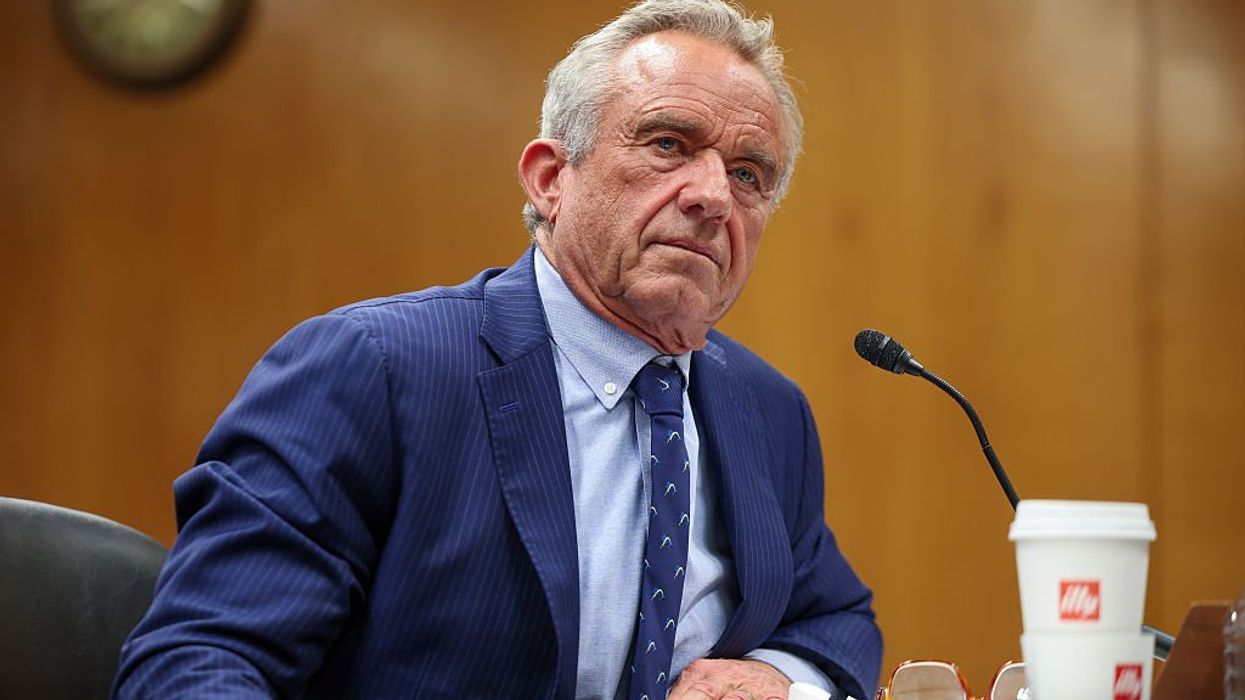
President Donald Trump and Health and Human Services Secretary Robert F. Kennedy Jr. have formally identified acetaminophen, the active ingredient in Tylenol, as one of the alleged drivers behind the rise in American autism.

On Monday, Kennedy indicated that the U.S. Food and Drug Administration will notify physicians that acetaminophen use by pregnant women may be associated with a "very increased risk" of neurological conditions like autism and ADHD in children. The label on the drug will henceforth reflect this understanding.

'We haven't tested Tylenol to be used during pregnancy.'

Following the announcement, liberals began gobbling fistfuls of pills in protest, and foreign health officials rushed to convince the public of acetaminophen's safety and efficacy.

Meanwhile, some critics scrutinized previous advisories and messaging regarding Tylenol. One of the messages that some sleuths evidently came across has gone viral.

Tylenol tweeted on March 7, 2017, "We actually don't recommend using any of our products while pregnant. Thank you for taking the time to voice your concerns today."

RELATED: Libs gobble Tylenol, foreign officials complain after Trump highlights autism link

Photo by Chip Somodevilla/Getty Images
Whereas in at least two other tweets on theme, Tylenol suggested that pregnant and/or nursing mothers should speak with their doctors before using the drug, this particular message contained no such nuance.

Numerous critics pointed to the tweet as possible confirmation that even the iconic brand advises against pregnant women taking acetaminophen.

"What an interesting thing to say so long ago," said one X user.

South African musician David Scott, better known as the Kiffness, noted, "Despite all the warnings, crazy pregnant women are potentially jeopardising their children's future for a couple likes on TikTok ... hope this helps some from reconsidering."

A spokesperson for Kenvue said in a statement to Blaze News, "This post from 2017 is being taken out of context."

"We do not recommend pregnant women take any medication without talking to their doctor," continued the statement. "This is consistent with the regulations and product label for acetaminophen."

When asked whether Tylenol poses an elevated risk to pregnant women and/or their unborn children and why pregnant women need to consult their doctor prior to use, a spokesperson for Kenvue told Blaze News that "acetaminophen is the safest pain reliever option for pregnant women as needed throughout their entire pregnancy."

"Our products are safe and effective when used as directed on the product label," continued the spokesperson. "We recommend pregnant women do not take any over-the-counter medication, including acetaminophen, without talking to their doctor first."

Another tweet that has resurfaced this week was Tylenol's note to an expectant parent on June 17, 2019, where the company noted, "We haven't tested Tylenol to be used during pregnancy."

Numerous robust studies have suggested an association between acetaminophen use during pregnancy and neurodevelopmental disorders including autism.

Dr. William Parker, CEO of WPLab and visiting scholar at the University of North Carolina at Chapel Hill, an author on a number of such studies, recently told Blaze News:

The science tells us several things. Among the most important are: (a) Exposure of susceptible babies and children to acetaminophen (paracetamol) induces many, if not most, cases of autism spectrum disorder. b) Specific, invalid assumptions made when analyzing epidemiologic data have impeded recognition of the role of acetaminophen in the induction of autism.

Like Blaze News? Bypass the censors, sign up for our newsletters, and get stories like this direct to your inbox. Sign up here!

RFK Jr. makes crystal clear to the CDC mutineers: The restoration of public trust 'won't stop'


Establishmentarians' worst fears are being realized at the Centers for Disease Control and Prevention: Health and Human Services Secretary Robert F. Kennedy Jr. is putting Americans' health first, challenging the failed status quo, and threatening Big Pharma's apparent influence over the agency.

While there now appears to be a sizeable mutiny under way at the CDC, Kennedy has made one thing crystal clear: He's not backing down.

Frustration with Kennedy has been mounting among medical establishmentarians for months.

'Once RFK provides the other side of the story, there is no turning back for a significant portion of the country.'

There has, for instance, been a great deal of pearl-clutching over his termination of the Biden appointees on the Advisory Committee on Immunization Practices whose coziness with pharmaceutical companies prompted questions about their vaccine recommendations; his removal of the COVID vaccine from the CDC's recommended vaccine schedule for healthy pregnant women and children; and his cancellation of mRNA vaccine development contracts.

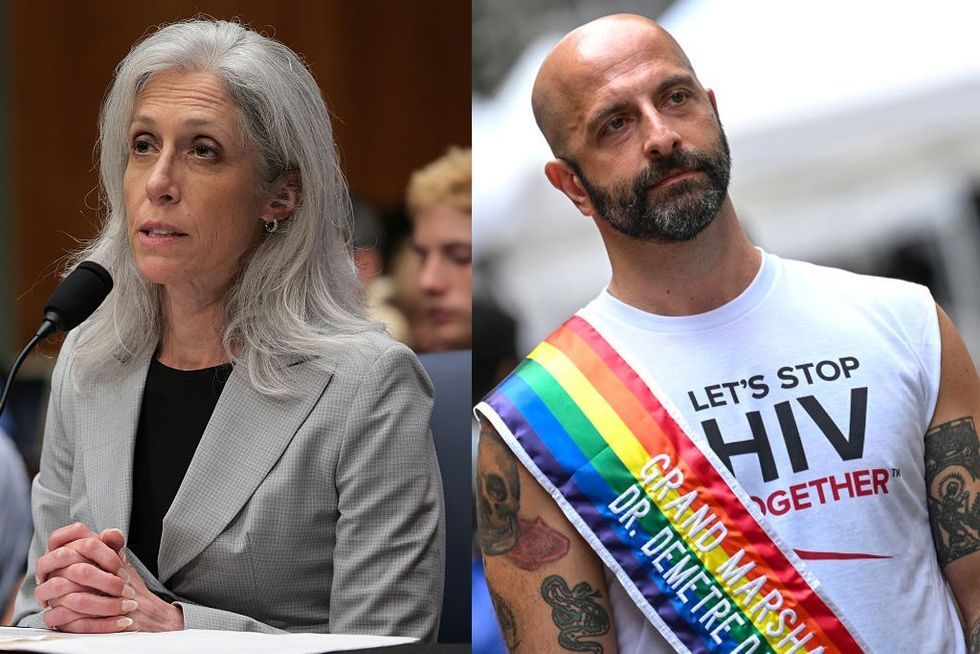
This shake-up at the CDC continued last week with the White House's ouster of Susan Monarez as director — a removal her attorneys claimed was the result of her supposed refusal "to rubber-stamp unscientific, reckless directives and fire dedicated health experts."

Amid Monarez's futile fight to keep her job — she has since been replaced by Health and Human Services Deputy Secretary Jim O'Neill — other CDC officials threw in the towel, including Debra Houry, the chief medical officer; Daniel Jernigan, the director of the National Center for Emerging and Zoonotic Infectious Disease; and Demetre Daskalakis, the sex-obsessed homosexual "activist physician" who showed up in public wearing bondage gear and served as director of the National Center for Immunization and Respiratory Diseases.

RELATED: How Big Pharma left its mark on woke CDC vax advisory panel — and what RFK Jr. did about it

Following this changing of the guard, over 1,000 current and former HHS staff members released a letter on Wednesday demanding Kennedy's resignation from his position as health secretary.

The Save HHS campaign's letter, whose signatories are not publicly named but have been supposedly revealed to members of Congress, claims that Kennedy "continues to endanger the nation's health" by:

  • "facilitating" the removal of Monarez;
  • "causing the resignations" of Daskalakis and his ilk;
  • appointing Dr. Robert Malone and other experts to ACIP who have in the past raised concerns about experimental vaccines;
  • rescinding the Food and Drug Administration's emergency use authorization for COVID vaccines; and
  • daring to say that "trusting experts is not a feature of either a science or democracy."

The Save HHS campaign did not respond to Blaze News' request for comment.

The Save HHS campaign indicates on its website that its partner organizations include Doctors for America, National Nurses United, and the American Public Health Organization.

The scientific advisory board of the Accountability Journalism Institute is apparently also a partner.

In its petition to remove Kennedy, the AJI's scientific advisory board claimed that President Donald Trump's health secretary "poses an immediate and long-term threat to the health of the American public."

The AJI scientific advisory board's claim appears to be a stone's thrown from a glass house. After all, a member of the board and signatory of the petition is Peter Daszak — the disgraced British zoologist who was formally debarred along with his scandal-plagued organization EcoHealth Alliance in January by the HHS.

RELATED: RFK Jr. pulls plug on mRNA jabs because they 'pose more risks than benefits'

Former CDC Director Susan Monarez and ex-CDC official Demetre Daskalakis. Photo (left): Kayla Bartkowski/Getty Images; Photo (right): Alexi Rosenfeld/Getty Images
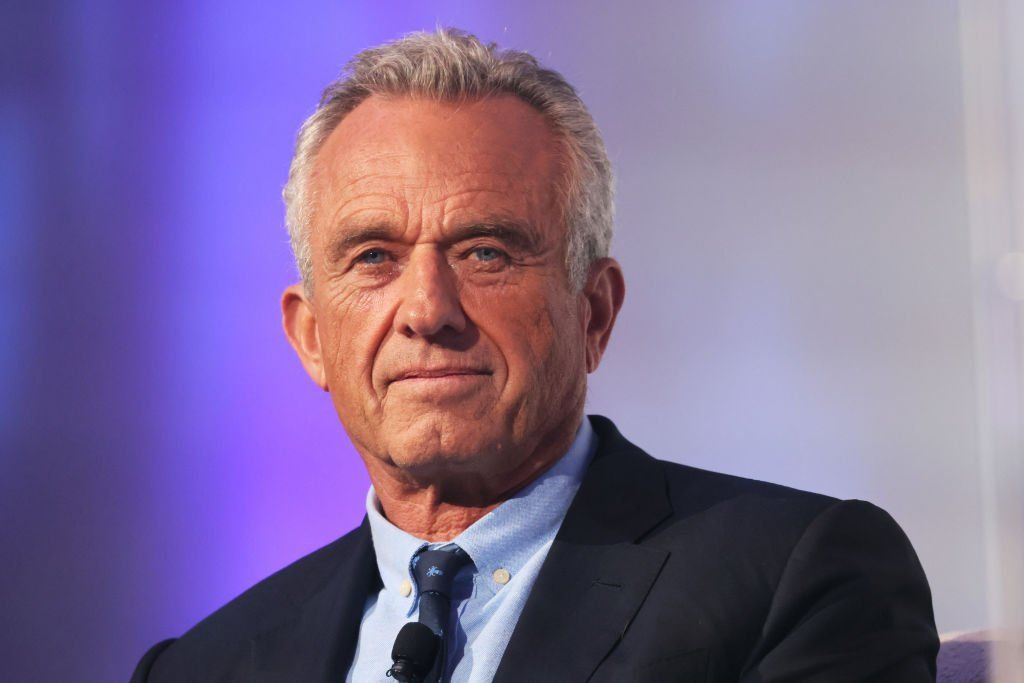
Blaze News senior editor Daniel Horowitz, author of "Rise of the Fourth Reich: Confronting COVID Fascism with a New Nuremberg Trial So This Never Happens Again," noted to Blaze News, "The reason you are seeing so much mutiny against RFK Jr. is because unlike many of the Trump legal and policy changes, which can easily be changed under the next administration, CDC guidance is much more of a cultural influence straight down to individual parents and doctors."

"For years, the industry relied on an air-tight unanimity of opinion in health care and government that every vaccine was as pure as the wind-driven snow and absolutely indispensable for every baby born in this country," wrote Horowitz.

"Once RFK provides the other side of the story, there is no turning back for a significant portion of the country because ultimately it relies on the public confidence in vaccines," continued Horowitz. "It's not like immigration policies with TPS, parole, and expedited removal that the next president can just reinstate the prior policies from day one."

Kennedy noted in an op-ed on Tuesday that while the CDC "was once the world's most trusted guardian of public health" with a mission both clear and noble, "over the decades, bureaucratic inertia, politicized science, and mission creep have corroded that purpose and squandered public trust."

'The CDC must restore public trust — and that restoration has begun.'

The health secretary turned the endangerment accusation on its head, pointing out that the CDC under previous management "produced irrational policy during COVID: cloth masks on toddlers, arbitrary 6-foot distancing, boosters for healthy children, prolonged school closings, economy-crushing lockdowns, and the suppression of low-cost therapeutics in favor of experimental and ineffective drugs."

"The toll was devastating. America is home to 4.2% of the world’s population but suffered 19% of COVID deaths," added Kennedy.

The health secretary noted further that the "truth must no longer be ignored" about the downsides of vaccines, antibiotics, and therapeutics and that "infectious and chronic illness are linked."

Kennedy indicated that his ACIP housecleaning and the replacement of CDC leaders who "resisted reform" were meaningful steps toward restoring trust, eliminating conflicts of interest, and curbing "bureaucratic complacency" at the agency but that there was still much work to be done.

"The CDC must restore public trust — and that restoration has begun," wrote Kennedy. "It won't stop until America’s public health institutions again serve the people with transparency, honesty, and integrity."

To this end, Kennedy indicated that the agency will modernize systems, enhance scientific rigor, build infrastructure, and empower states and communities.

HHS communications director Andrew Nixon said in a statement to Blaze News, "Secretary Kennedy has been clear: The CDC has been broken for a long time. Restoring it as the world’s most trusted guardian of public health will take sustained reform and more personnel changes."

Like Blaze News? Bypass the censors, sign up for our newsletters, and get stories like this direct to your inbox. Sign up here!

It's been a year since Kennedy and Trump joined forces. Here are MAHA's top 3 wins.


Robert F. Kennedy Jr. noted in August 2024 that a major factor behind his decision to endorse President Donald Trump was the opportunity to help "Make America Healthy Again" in a future Trump administration.

"Don't you want healthy children?" Kennedy said in a speech. "And don't you want the chemicals out of our food? And don't you want the regulatory agencies to be free from corporate corruption? And that's what President Trump told me that he wanted."

Since his hotly contested confirmation as Trump's Health and Human Services secretary in February, Kennedy has worked ardently to deliver on the promise of MAHA.

Already, HHS under his tutelage has secured numerous victories on the health front, including the:

  • cancellation of mRNA vaccine development contracts;
  • elimination of the Biden-era vaccine-reporting requirement and corresponding incentive system for hospitals;
  • termination of thousands of bureaucrats along with senior establishmentarians such as Christine Grady, the wife of former National Institute of Allergy and Infectious Diseases Director Anthony Fauci;
  • removal of retarding fluoride drug products for children from the market;
  • requirement that Pfizer and Moderna add new safety warnings to their COVID-19 vaccines; and
  • removal of the COVID vaccine from the Centers for Disease Control and Prevention's recommended vaccine schedule for healthy pregnant women and children.

Although the Trump administration has delivered many MAHA wins, three in particular stand out as particularly consequential.

Fresh start at the ACIP

The Advisory Committee on Immunization Practices is the federal panel whose vaccine recommendations become official policy at the Centers for Disease Control and Prevention and apply to the entire American population once adopted by the agency's director — a position which, at the time of writing, was vacant thanks to Susan Monarez's firing on Wednesday.

RELATED: Big shake-up at CDC: Director gets the boot; gay vax chief resigns, attacks RFK Jr. on way out

Photographer: Yuri Gripas/Abaca/Bloomberg via Getty Images
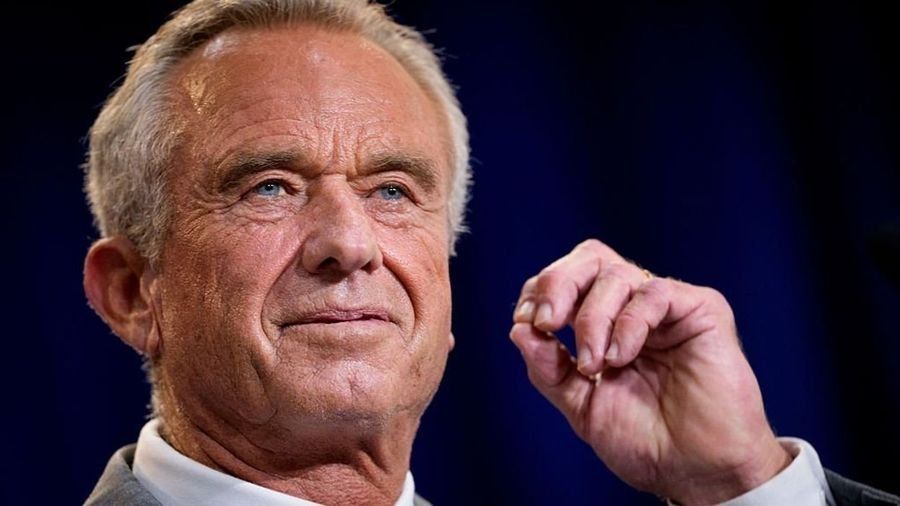
Kennedy fired all 17 members of the ACIP in June.

While every member of the ACIP was a Biden administration appointee, the health secretary's principle concern was not the panelists' politics but rather their cozy relationships with some of the organizations they were tasked with scrutinizing.

For instance, data provided on OpenPaymentData.CMS.gov, a site managed by the U.S. Centers for Medicare and Medicaid Services, indicated that Edwin Jose Asturias, one of the ACIP members whom Kennedy fired, collected around $54,000 from pharmaceutical companies, including $20,705 in what appear to be consulting fees.

Blaze News previously reported that among the companies that paid Asturias what appear to have been consulting fees were Pfizer and Merck Sharpe & Dohme LLC, a bio-pharmaceutical subsidiary of the company whose pneumococcal vaccine Capvaxive the committee voted to recommend in October. Asturias also apparently netted millions in research support from Big Pharma, including over $3.1 million from Pfizer and over $730,000 from the British pharmaceutical company GlaxoSmithKline LLC.

Like Asturias, Kennedy noted "most of ACIP's members have received substantial funding from pharmaceutical companies, including those marketing vaccines."

Kennedy indicated that the individuals he appointed to the newly cleared panel were "highly credentialed physicians and scientists who will make extremely consequential public health determinations by applying evidence-based decision-making with objectivity and common sense" and had "each committed to demanding definitive safety and efficacy data before making any new vaccine recommendations."

Nuking gender ideology

Pursuant to President Donald Trump's Executive Order 14168, the HHS has taken a wrecking ball to gender ideology.

For starters, the department released guidance to the U.S. government, to the public, and to external partners that sex is an immutable biological classification and that there are only two sexes, male and female.

The department has applied this standard to civil rights enforcement, health care policy, and sports eligibility; launched federal civil rights investigations into whether various states violated Title IX by allowing men in women's sports; canceled funding for related programs and activities; and scrubbed its websites of messaging, guidance, and language that advanced gender ideology.

The HHS has also conditioned federal funding for states' Personal Responsibility Education Program grants on the removal of all references to gender ideology.

California learned the hard way and had its PREP grant terminated on Aug. 21. The HHS' Administration for Children and Families noted in a release that the agency would not tolerate funding "curricula that could encourage kids to contemplate mutilating their genitals, 'altering their body ... through hormone therapy,' 'adding or removing breast tissue,' and 'changing their name.'"

Axing artificial food coloring

The HHS outlined a plan in April to phase out all petroleum-based synthetic dyes from America's food supply.

Vani Hari, a critic of the food industry who founded Food Babe, told Blaze News in November that the brighter artificial colors, which are helpful with sales and attractive to children, are harmful to their health.

"The science shows that these dyes cause hyperactivity in children, can disrupt the immune system, and are contaminated with carcinogens," said Hari.

Red dye 40, for instance, has been linked in some studies to hyperactivity disorders in children, and, according to the Cleveland Clinic, has various potential side effects, including depression, irritability, and migraines.

A 2021 paper in the peer-reviewed journal Advances in Nutrition noted that blue dye 1 has been found to cause chromosomal aberrations and "was found to inhibit neurite growth and act synergistically with L-glutamic acid in vitro, suggesting the potential for neurotoxicity."

In short order, the U.S Food and Drug Administration kicked off the process of revoking authorization for Citrus Red No. 2 and Orange B in the short term and to eliminate another six synthetic dyes — FD&C Green No. 3, FD&C Red No. 40, FD&C Yellow No. 5, FD&C Yellow No. 6, FD&C Blue No. 1, and FD&C Blue No. 2 — by the end of next year.

RELATED: RFK Jr. torches vaccine panel to make consequences count again

Andrew Harnik/Getty Images

The FDA also requested that companies move up their timelines for the removal of FD&C Red No. 3.

"These poisonous compounds offer no nutritional benefit and pose real, measurable dangers to our children’s health and development," Kennedy said in a statement. "That era is coming to an end. We're restoring gold-standard science, applying common sense, and beginning to earn back the public's trust."

Numerous food manufacturers and fast-food chains have fallen in line or taken big steps in the right direction, including General Mills; Kraft Heinz; Starbucks; PepsiCo; Danone North America; TreeHouse Foods; Tyson Foods; and In-N-Out Burger.

In addition to tackling synthetic dyes, the HHS has paved the way for the use of food coloring from natural sources. In May, the FDA granted new color additive petitions for galdieria extract blue, butterfly pea flower extract, and calcium phosphate.

Like Blaze News? Bypass the censors, sign up for our newsletters, and get stories like this direct to your inbox. Sign up here!