New Report On Biden Targeting Parents Shows What Dems Will Do As Soon As They Gain Power

A Democrat-controlled Congress would give the same party subpoena power, committee leadership roles, and resources to do what it's done in the past: investigate and harass its opponents.

Inside Jack Smith’s Trump dragnet


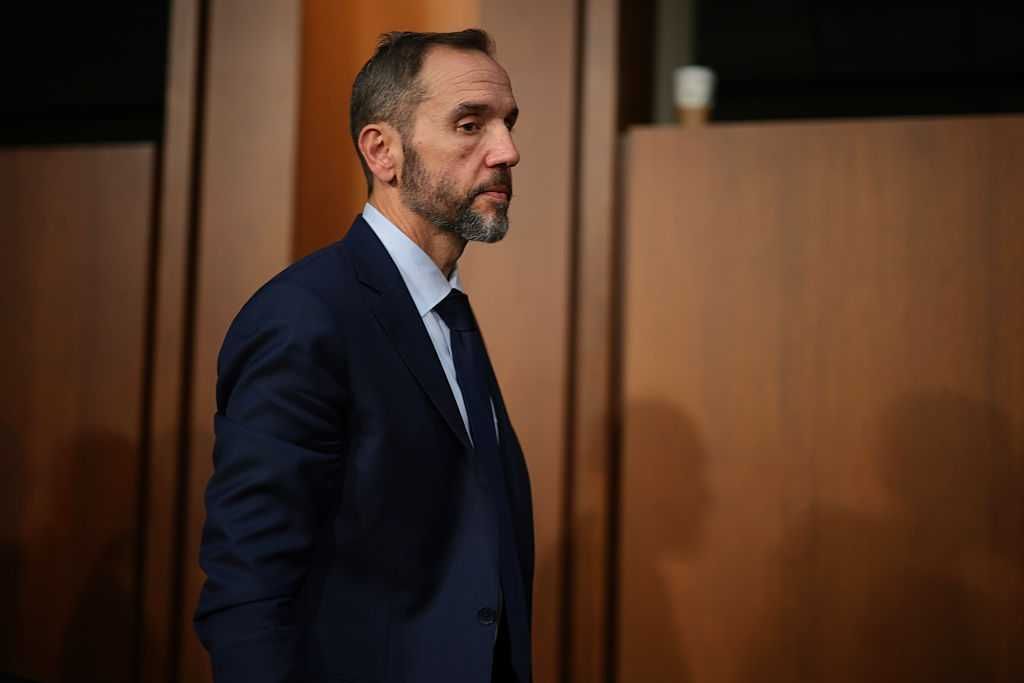
Jack Smith, the Biden regime’s former special counsel, is back in the news with his testimony before the Senate Judiciary Committee on Tuesday. The Oversight Project has uncovered new records that don’t focus on the settled question of why Smith used federal power to target political enemies, but instead on how he was able to do it.

Understanding the “how” is more important at this stage. We all know why the weaponization of the Biden years happened. It happened because they wanted to extinguish a political movement so that people from around the country could never truly shake up Washington, D.C., again.

For those who believe Smith’s investigation crossed the line from legitimate law enforcement into political targeting, that broader reach is the central issue.

We also know why it can happen again if Democrats take back power.

In Democrats’ minds, they have unfinished business. They regard Donald Trump and his supporters as too great a threat to stop short the next time. That makes it essential to understand how the weaponization of government happened, how it could happen again, and what reforms are needed now to prevent a repeat.

Instead, systemic reform has largely fallen by the wayside, replaced by political declarations that government weaponization has been solved once and for all.

With few signs of meaningful accountability, the need for concrete action is urgent.

January 6 gave Democrats the justification they needed to discard restraint and use the powers of federal law enforcement against their political opponents. That effort did not stop with President Trump. It extended to his supporters, especially those who challenged the conduct of the 2020 election or became prominent figures in the broader America First movement.

Attorney General Merrick Garland appointed Jack Smith in November 2022 to investigate Trump’s handling of classified documents at Mar-a-Lago and his actions surrounding January 6. Smith became the central figure in the federal effort to prosecute the former president.

Smith took over the FBI’s Arctic Frost investigation, a sweeping inquiry that gathered records involving Republican politicians, Trump allies, and organizations.

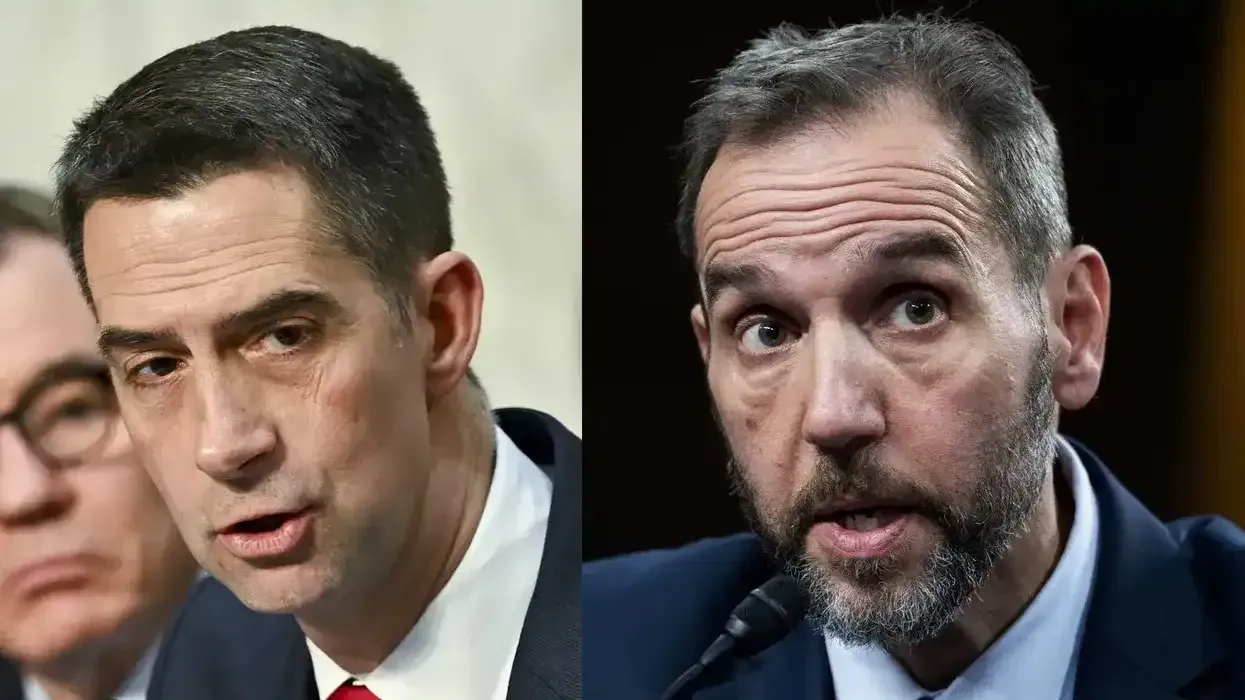
RELATED: ‘Deranged partisan fanatic’ Jack Smith obtained personal info on Trump supporters to try to rig the election, Tom Cotton says

L-R; Graeme Sloan/Bloomberg/Getty Images; Tom Williams/CQ-Roll Call Inc./Getty Images

The investigation grew out of an inspector general inquiry that was later folded into Arctic Frost. Smith has cited that earlier investigation in denying knowledge of actions taken before his involvement, including those associated with former FBI agent Timothy R. Thibault.

According to Senate Judiciary Committee Chairman Chuck Grassley (R-Iowa), Smith’s team issued hundreds of subpoenas involving more than 400 Republican individuals and organizations. It also obtained phone records connected to 20 current or former Republican members of Congress.

Newly released records provide more detail about how Smith’s office conducted the investigation.

The scale is worth considering. Investigators collected cellphone records, audio, video, and other digital data involving elected officials as well as private citizens engaged in political activity.

Understanding exactly what was collected, from whom, and under what authority is essential to judging whether the investigation stayed within legitimate law enforcement bounds.

Smith’s office then faced the tough task of sorting through a vast trove of information and building a case for trial.

The investigation also gave prosecutors an unusually detailed picture of Trump’s political network. If the argument is that this information could be used for purposes beyond prosecution, the piece should show that rather than assume it.

Venue mattered too. Washington, D.C., offered prosecutors a jury pool markedly less favorable to Trump than many other jurisdictions.

Through Freedom of Information Act litigation, the Oversight Project obtained 844 pages of records from Smith’s office.

Those documents show that in July 2023, just weeks before Trump was indicted over his actions surrounding January 6, Smith’s team said it was in “desperate need” of forensic video software from Axon, a major law enforcement vendor best known for Tasers and police body cameras.

Axon has since drawn attention as cities across the country consider the company’s expanding surveillance technology.

The urgency inside Smith’s office was enough to override normal purchasing procedures, despite initial objections from a member of his own staff.

On July 13, 2023, the office’s executive officer wrote that Smith “supports more strict requirements than DOJ’s standard policies.” Even so, she authorized the purchase “prior to creating the UFMS obligation” — before the expense had been entered into the Justice Department’s financial system — because “the purchase is urgent.”

The order was placed July 14. Axon shipped the software licenses the next day.

Eighteen days later, on August 1, Smith indicted Trump over his efforts to overturn the 2020 election and events surrounding January 6.

The records leave key questions unanswered.

The Justice Department withheld the purchase price. It also has not disclosed what video or audio Smith’s team needed to process so urgently. Given the timing, the material may have been related to the January 6 case, but the records do not establish that.

Axon’s proposal also included language allowing the government to share “de-identified segments of Agency Content with Axon to develop new products.”

The Justice Department released only an unsigned copy of the agreement. As a result, it remains unclear whether Smith’s office agreed to let a private vendor use investigative material in product development.

Smith’s investigation likely cost taxpayers more than $50 million, according to a Fox News analysis of Justice Department spending reports. How much of that money went to outside vendors such as Axon remains unclear. Some expenses may have been recorded through the Antitrust Division or U.S. attorneys' offices, making the full cost difficult to trace.

But we do know that when Smith needed help targeting President Trump, he called Axon in a rush, and the company was more than happy to answer. The grand jury indictment over January 6 that quickly followed appears to be a natural consequence of Smith finally being able to dig through the results of his dragnet.

Smith’s office was far less careful with its own records. When it moved its files at the start of the investigation, Justice Department e-discovery staff warned the transfer “will change the metadata on those files (create and modify dates).”

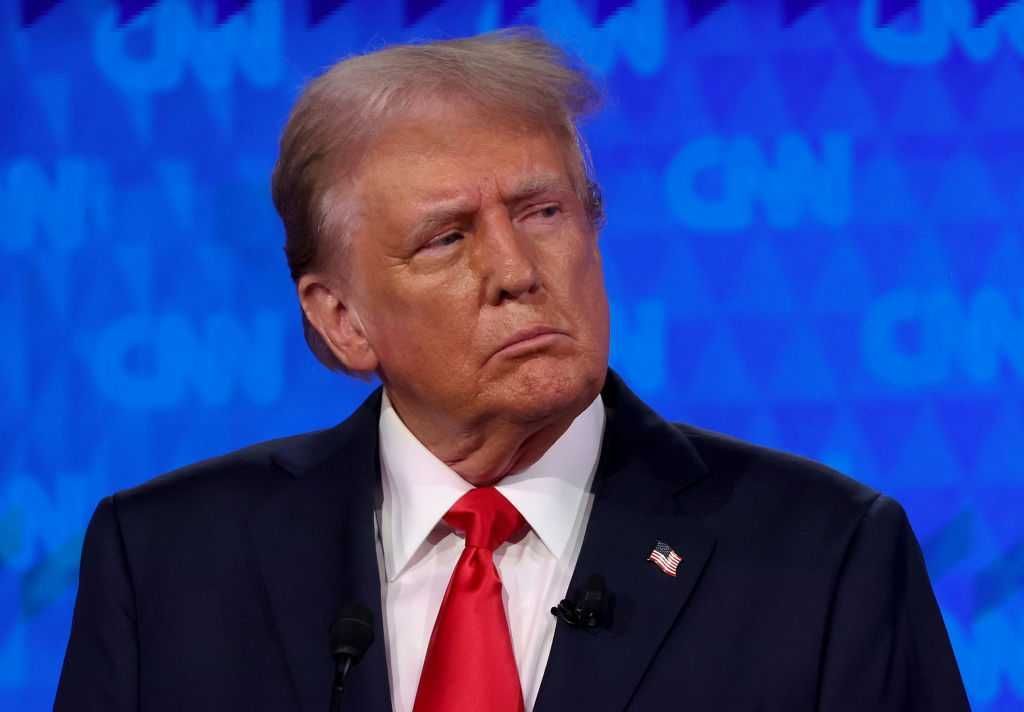
RELATED: Trump picked the wrong way to fight fake news

Justin Sullivan/Getty Images

The office replied, “The team has no issue with the changes to metadata.” Its records officer decided the team’s Microsoft Teams chats were “not necessary to be moved.” Phones and an iPad used by Smith’s lawyers were returned to other Justice Department offices, with nothing in the records showing their contents were preserved first.

In the end, Smith did not secure a conviction.

The classified documents case was dismissed after a federal judge ruled that Smith’s appointment was unlawful. The election case was narrowed by the Supreme Court’s presidential immunity ruling, then dismissed after Trump won the 2024 election and Justice Department policy barred continued prosecution of an incoming president.

Smith resigned 10 days before Trump returned to office.

For many Americans, the arguments and passions of that period have faded. For those who were investigated, subpoenaed, or otherwise drawn into the government’s scrutiny, they have not.

Smith remains one of the central figures associated with that period. His return to the news is a reminder that the powers of federal prosecution remain in place regardless of which party controls the executive branch.

The damage was not limited to the final disposition of the cases.

Years of litigation brought legal bills, damaging headlines, invasive discovery, and scrutiny of people beyond Trump himself. The investigation placed an entire political network under examination by the federal government.

Trump was the central defendant. But the investigation reached far beyond him, touching elected officials, activists, and others associated with the America First movement.

For those who believe the investigation crossed the line from legitimate law enforcement into political targeting, that broader reach is the central issue.

Understanding how Jack Smith almost pulled it off, and who he worked with, would go a long way toward understanding how lawfare works. The senators questioning Smith this week have a chance to start. Republicans would be wise to take the leads developed by the Oversight Project and get to the bottom of it.

EXCLUSIVE: Jack Smith’s Team Ignored Attorney-Client And Speech Or Debate Privileges To Get Trump

When Smith appears before the Senate Judiciary Committee, he should be pushed to explain why he failed to ensure his team adopted and applied proper filter protocols

BREAKING: New Docs Indicate Biden Admin Okayed Subpoenas Of Republicans’ Phone Records

New details indicate high-level political appointees in the Biden administration’s DOJ actually knew of — and allowed — prosecutors' plans to subpoena records from congressional Republicans
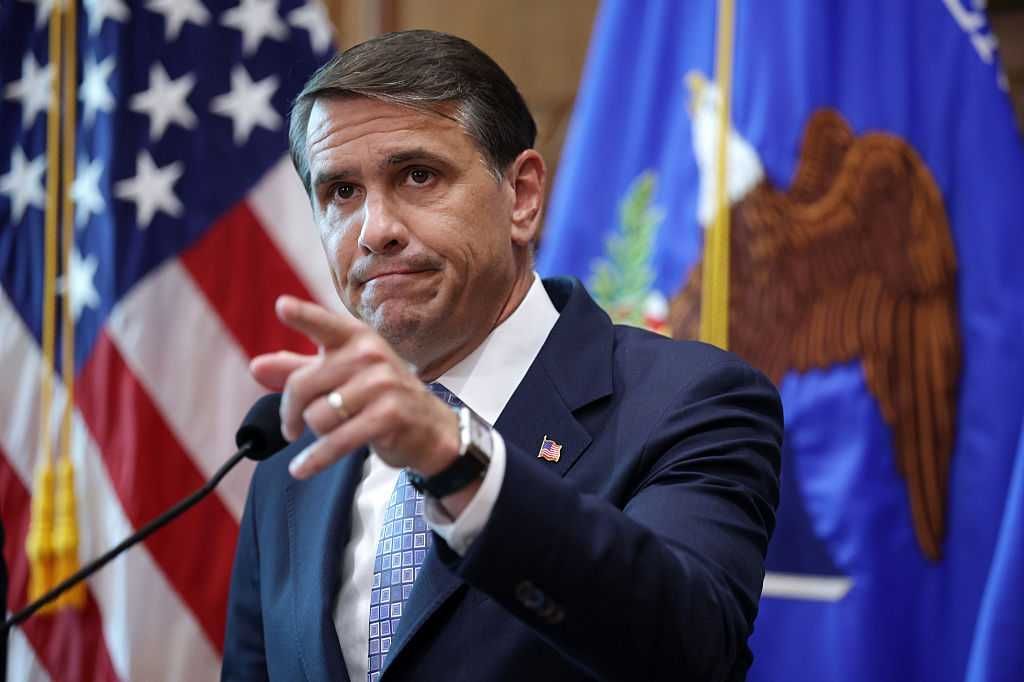
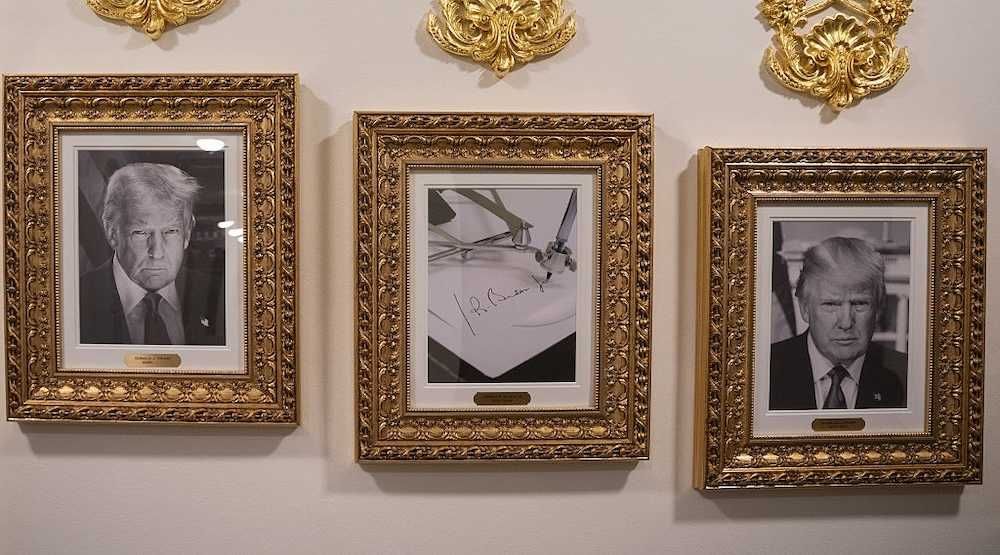
The Justice Department finally has a grown-up in charge


The Senate finally voted Saturday to confirm Todd Blanche as President Donald Trump’s new attorney general. Anyone who wants a Justice Department that enforces the law instead of bending it to politics can breathe a little easier.

Blanche is unusually well-suited for the job. He has seen the justice system from both sides — first as a federal prosecutor and assistant U.S. attorney in the Southern District of New York, then as a defense attorney, including as one of Trump’s lead lawyers during the prosecutions he faced before returning to the White House. Few incoming attorneys general have had a more personal view of what prosecutorial power can become when politics infects the justice system.

Trump’s effort to reform the Justice Department is not complete, but the direction is a stark improvement over what came before.

A new era at the Justice Department has now officially begun, but the turnaround started before Blanche’s confirmation. Speed bumps aside, the direction under Trump’s team is unmistakable: order restored at the southern border, an end to lawfare, and a saner approach to antitrust enforcement. Blanche’s job is not to start that work. It is to finish it.

A timely reminder arrived last week, when the Department of Justice reached a settlement with Paul Vaughn days before Blanche was confirmed.

The Biden Justice Department charged Vaughn, a pro-life father of 11, under the Freedom of Access to Clinic Entrances Act after he participated in a sit-in at a Tennessee abortion clinic in 2021.

FBI agents staged a predawn raid at his home and arrested him in front of his wife and children. Vaughn ultimately received three years of supervised release and no prison time, but other pro-life defendants were not so lucky.

Lauren Handy was sentenced to 57 months in prison. Jonathan Darnel received 34 months. Seventy-six-year-old Joan Andrews Bell got 27 months, and 75-year-old Paula Harlow received 24 months.

When Harlow’s husband pleaded for leniency because of her age and declining health, the judge replied that she should “make every effort to remain alive” in keeping with “the tenets of your religion.” All four were later pardoned by Trump.

The FACE Act protects access to abortion clinics, but it also protects pregnancy centers and houses of worship. Yet the Biden administration’s aggressive prosecution of pro-life demonstrators contrasted sharply with the much thinner record of prosecutions after extremists firebombed and vandalized pregnancy centers following the Supreme Court’s Dobbs decision.

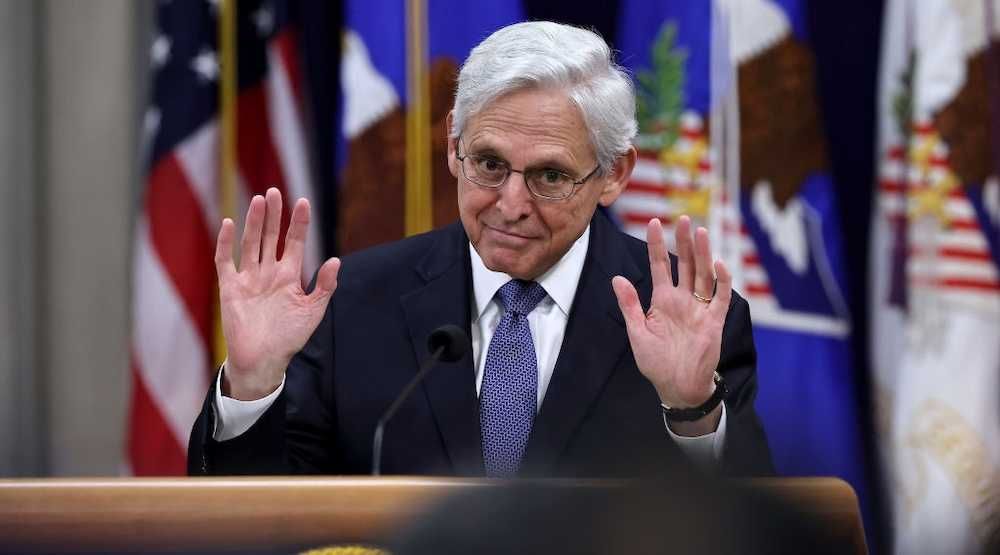
Attorney General Merrick Garland once explained the difficulty by noting that many of the attacks happened at night. Apparently darkness is now a federal jurisdictional problem. Good to know. Garland was almost on the Supreme Court.

RELATED: The Biden tapes blow open the autopen scandal

Celal Gunes/Anadolu/Getty Images

The pro-life cases were among the most visible abuses of the Garland years, but hardly the only ones. His department drew justified outrage over its treatment of parents protesting school policies; House Republicans later accused the DOJ of having labeled parents as terrorist threats. The FBI also came under fire after an internal memo contemplated cultivating sources in traditionalist Catholic communities — what critics described as a plan to send spies into parishes. And special counsel Jack Smith pursued Trump through the heat of the 2024 campaign.

Even antitrust enforcement became an exercise in questionable priorities. The Justice Department blocked JetBlue from acquiring Spirit Airlines in 2024. Spirit later collapsed, removing a low-fare competitor from an already concentrated airline market. Regulators claimed to be protecting consumers; consumers ended up with one fewer discount carrier.

The Biden administration also moved to block Hewlett Packard Enterprise’s acquisition of Juniper Networks, a deal the intelligence community reportedly deemed vital to national security. The Trump team ultimately allowed the transaction to proceed, strengthening an American competitor in a market where China’s Huawei remains formidable.

RELATED: The right needs a public defender network for lawfare

Chip Somodevilla/Getty Images

Anti-Christian, anti-conservative, anti-business, and heedless of national-security concerns: We have seen what happens when partisan priorities seep into the Justice Department. Trump’s effort to reform the Justice Department is not complete, but the direction is a stark improvement over what came before.

And the danger of backsliding is obvious. If a Democrat wins the White House in 2028, expect pressure for an attorney general even more aggressive than Garland. Biden himself reportedly regretted choosing Garland and wished he had listened to advisers who preferred the more partisan Doug Jones. That should tell you something.

Todd Blanche is infinitely preferable. He knows prosecutorial power from both sides of the courtroom, and he has every reason to understand how quickly discretion can become abuse.

The Justice Department does not need revenge. It needs restraint, consistency, and equal treatment under the law. Blanche has the experience — and now the authority — to deliver it.

Cornyn, Tillis Drag Their Feet On Blanche Nomination After Voting For Obama, Biden Appointees

For all their hesitancy about confirming Blanche, Cornyn and Tillis had no issue backing partisan picks made by Democrat presidents.
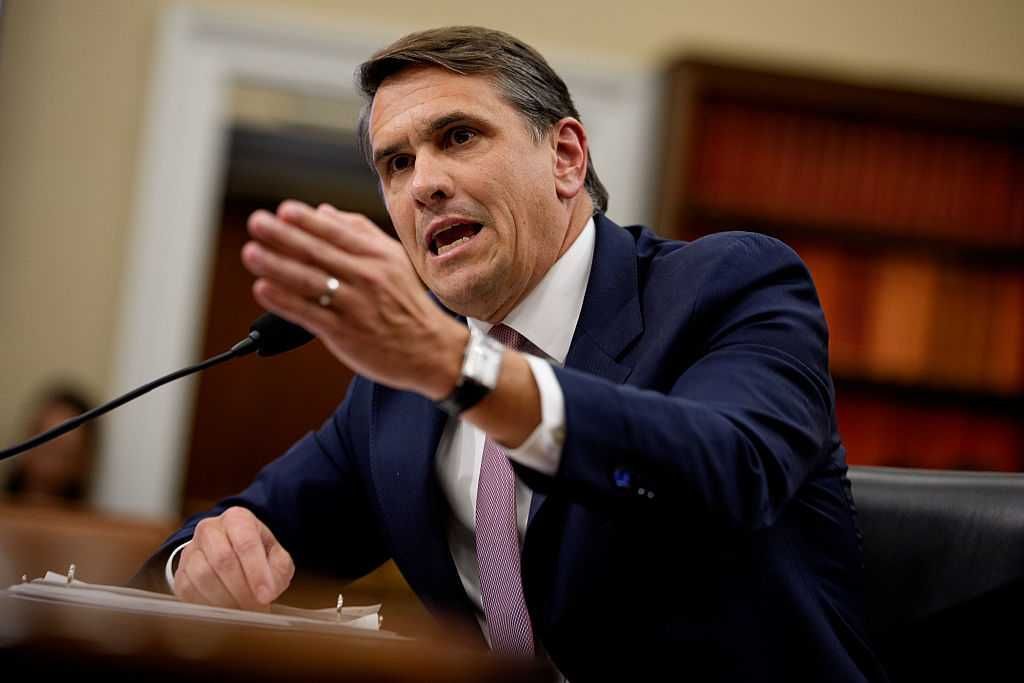
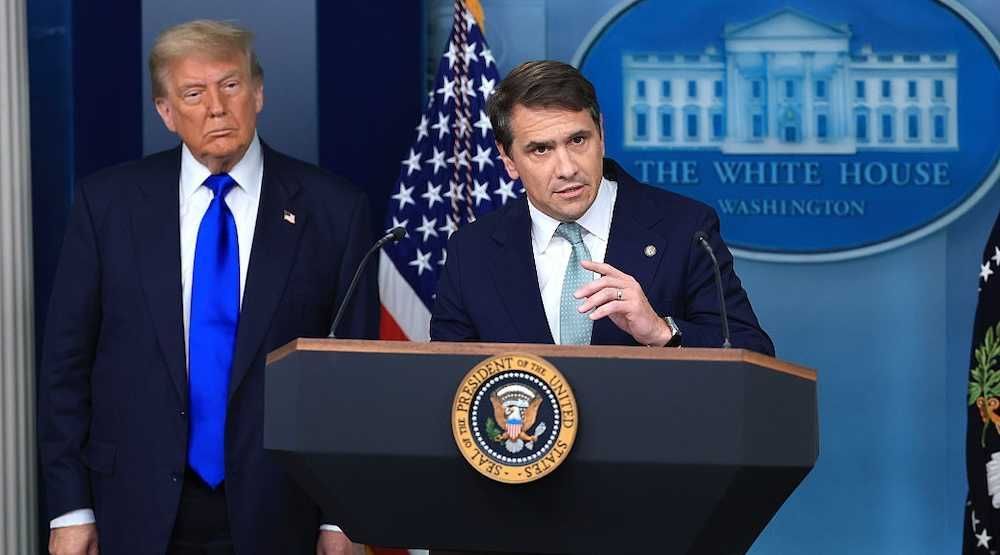
Confirm Todd Blanche and reject the right’s culture of surrender


President Trump nominated acting Attorney General Todd Blanche last month to lead the Justice Department permanently. After more than a year as deputy attorney general, Blanche has shown that he is not merely capable of doing the job. He is the man the department needs now.

I had the privilege of serving alongside Blanche. He is smart, principled, and fearless. His record proves it.

Blanche left a lucrative private practice to serve the country. He does not need this job. The country needs him in it.

The Trump administration’s approach to law enforcement and immigration has already delivered historic results. Violent crime has reached record lows, cartel activity has declined, and property crime has fallen dramatically.

Blanche has also led the effort to reverse the Justice Department’s politicization under President Joe Biden and Attorney General Merrick Garland. Their tenure included imprisoning grandmothers who entered the Capitol on Jan. 6, arresting pro-life protesters, spying on eight Republican senators, surveilling Catholics who attended the traditional Latin Mass, and deploying the National Security Division against concerned parents at school board meetings.

That two-tiered justice system helped drive Americans to the polls for Trump. Ending the abuses is not enough. The department must also repair the damage by dismissing corrupt prosecutors, enforcing the law equally against powerful left-wing actors, and restoring people wronged by the government. Blanche has shown the courage to do exactly that.

Some Senate Republicans objected to the Justice Department’s now-abandoned plan to compensate victims of Biden-era abuses. Yet as the late Senator Lindsey Graham (R-S.C.) noted, the United States has a long tradition of compensating victims of government injustice.

Justice requires more than ending misconduct. Government must also make victims whole when it can. That is what giving them their due means.

National Review summarized its objection this way: “No matter whose name is on the DOJ letterhead, the president is running the Justice Department.”

That criticism ignores Justice Antonin Scalia’s dissent in Morrison v. Olson, which he described as one of his favorites. Scalia argued that the Constitution vests all executive power in the president — “this does not mean some of the executive power, but all of the executive power” — and trusts voters to choose a president who will exercise it for the common good. A Justice Department fully independent of the president would answer neither to the nation’s elected chief executive nor to the voters who chose him.

RELATED: Trump fires US attorney minutes after activist judges installed him, leaving Patty Murray in tatters

Joe Raedle/Getty Images

National Review also argues that Blanche cannot stand up to Trump because he once served as Trump’s personal lawyer. The opposite is more plausible. Who is better positioned to deliver hard news: someone who put his career on the line to defend the president, or someone the president barely knows?

Presidents have often chosen attorneys general with whom they shared close professional ties. Ronald Reagan selected his personal attorney, William French Smith, and later Ed Meese, his former California chief of staff and legal affairs secretary. George W. Bush chose Alberto Gonzales, who had served as his general counsel in Texas.

National Review’s deeper objection seems to have less to do with Blanche and everything to do with Trump. But refusing to confront weaponized government allows wrongdoers to escape accountability and invites the next administration to repeat the abuse.

The left has no hesitation about using power to advance its goals. Some conservatives still treat passivity as principle even after voters put them in office to govern. Trump’s rise was a rejection of that bloodless approach to politics.

Blanche built an impressive prosecutorial record in one of the nation’s most prestigious U.S. attorney’s offices. He left a lucrative private practice to serve the country. He does not need this job. The country needs him in it.

Todd Blanche has met the moment and exceeded conservative expectations. The case against him reflects the old conservative preference for “yelling stop” rather than exercising legitimate power. Senate Republicans should reject that reflex and confirm him as attorney general.

Exclusive: 77 Former DOJ Officials Urge Senate To Confirm Todd Blanche As Attorney General

'His exemplary record ... demonstrates he is the right man for the right time,' the letter from the former high-ranking officials states.


Socialist antitrust activists killed Spirit Airlines — and learned nothing


It is a bad time to fly. Willie Walsh, head of the International Air Transport Association, drove home the point this week when he warned that “war-related disruptions in the Middle East and rising fuel costs have shifted the outlook for airlines to the worse.”

Walsh pointed to the recent closure of Spirit Airlines, America’s most iconic budget carrier, and warned that more airlines could suffer the same fate if current trends continue. That means fewer choices for fliers and higher prices at the airport.

Before Democrats demand that courts second-guess another antitrust settlement, they should reckon with the consequences of the last one they cheered.

But blaming the state of air travel solely on the Iran war is far too convenient. Airlines are also struggling because overzealous regulators and left-wing antitrust activists decided they knew better than the market.

Three years ago, Spirit had a plan to survive. It struck a merger agreement with JetBlue, another economy carrier, to create a new, globally scaled affordable airline. The Justice Department joined six states and the District of Columbia to file an antitrust lawsuit blocking the deal.

In early 2024, a federal judge sided with the Biden administration and blocked the merger. Biden officials and congressional Democrats cheered. Without JetBlue’s capital, Spirit’s struggles mounted. The airline filed for bankruptcy and earlier this year shut its doors.

Now many of the same officials who applauded the court order that killed Spirit are trying to shift blame to President Trump. The American people should not buy it, especially given what those same Biden officials said at the time.

Then-Attorney General Merrick Garland called the judge’s ruling “a victory for tens of millions of travelers who would have faced higher fares and fewer choices had the proposed merger between JetBlue and Spirit been allowed to move forward.”

Senator Elizabeth Warren (D-Mass.) took to X to declare, “I’ve warned for months that a @JetBlue-@SpiritAirlines merger would have led to fewer flights and higher fares. @JusticeATR and @USDOT were right to stand up for consumers and fight against runaway airline consolidation. This is a Biden win for flyers!”

Pete Buttigieg, Biden’s transportation secretary, openly bragged about siding with the Justice Department and helping prevent the merger in the name of protecting “low fares” and “competition.”

The reality looks very different now.

Spirit’s shutdown was the first complete closure of a major U.S. carrier in 25 years. It was caused directly by the same actions the Biden administration once boasted about.

Travelers lost a low-cost option. Spirit’s more than 11,000 employees saw their lives upended. And Spirit’s disappearance will deepen the coming travel recession. The airline placed downward pressure on fares for years. Without it, prices are rising.

RELATED: Dear airlines, please stop pitching your credit cards at 33,000 feet

Kevin Carter/Getty Images

Travelers now face fewer choices at the airport. The remaining choices tend to be pricier, more consolidated carriers that no doubt welcomed Spirit’s demise.

One might hope antitrust enforcers would learn the obvious lesson: Bigger does not always mean worse. Sometimes mergers preserve competition. Sometimes they lower out-of-pocket costs for consumers. Sometimes blocking a merger kills the very competitor regulators claim to protect.

Unfortunately, many Democrats refuse to accept that reality.

Some of the same members of Congress and state attorneys general who supported blocking the Spirit-JetBlue merger now want courts to use the Tunney Act to second-guess other Trump administration antitrust decisions. The Tunney Act gives courts a limited role in reviewing antitrust settlements negotiated by the Justice Department. Democrats now want judges to stretch that role and challenge straightforward Trump settlements, including one merger backed by the intelligence community on national security grounds.

Historically, courts have deferred to the executive branch’s enforcement decisions. Democrats now want judges to intervene because they do not like the Trump administration’s policy choices.

Perhaps they should look in the mirror first.

Competition policy should protect consumers. It should not exist to punish private commerce, indulge ideological hostility to business, or let socialist antitrust activists pretend they can manage markets better than the people actually operating in them.

Spirit Airlines offers a painful lesson. The Biden administration, Elizabeth Warren, and other antitrust crusaders celebrated the decision that prevented Spirit from joining forces with JetBlue. Today, Spirit is gone, more than 11,000 workers have paid the price, and travelers have fewer choices at the airport.

Before Democrats demand that courts second-guess another antitrust settlement, they should reckon with the consequences of the last one they cheered.

Senate Should Ignore National Review’s Never-Trump Droning And Confirm Todd Blanche As AG

What National Review really objects to is not Todd Blanche’s extensive experience but a member of his client list: President Donald Trump.