The Robots Aren’t Taking Over But AI Execs Might Be
 The experts say AI is beyond you, then offer a remedy they wrote themselves. Learn how it works, and read the accord with skepticism.
Over the years, Meta became an open-weight AI giant on the back of Llama, its large language model that powers Meta AI in Instagram, WhatsApp, and Facebook. Now, the company is throwing it all away in favor of a new closed-source solutions. This time, it is tapping into nostalgia to win the hearts and minds of users with an upcoming agentic device that looks a lot like the Tamagotchi of yore.
When talking about frontier AI models, ChatGPT, Claude, Gemini, and Grok take up most of the air in the room. However, on the open-weight side, Meta’s Llama is quite popular, with 2.4 billion downloads as of early 2026. Despite its notable lead in a category increasingly flooded by Chinese competitors, Meta is opting to throw out its progress in favor of a new AI platform called Muse Spark.
You’re essentially using someone else’s computer to carry out tasks and store your data.
Introduced earlier this year, Muse Spark is a multimodal system aimed at achieving “personal superintelligence.” Meta calls it a “ground-up overhaul of our AI efforts,” claiming that it is on par with the latest Llama 4 Maverick model while using far less compute. In other words, it’s equally powerful, yet more efficient.
Muse Spark isn’t the story, though. It’s merely the backbone to Meta’s new service, unveiled in early September. The company’s first consumer-facing AI agent, simply called Muse, is designed to carry out tasks on behalf of the next billion users. It runs inside Muse Secure VM, a virtual machine that contains Muse itself and a user’s personal data.
This way, Muse never takes full control of the user’s main device. Instead, it operates within a dedicated silo to complete assigned tasks, like browsing the web, filling out forms, and even shopping online. The virtual machine also lets Muse work, even if you close the app or shut off your device.
For the security-conscious, Muse Secure VM runs entirely on Meta’s cloud servers. That means you are essentially using someone else’s computer to carry out tasks and store your data. Furthermore, interactions are unencrypted, so Meta can technically peek at your conversations, both for safety evaluations and AI training purposes. This will change later this year, when Meta introduces Muse Confidential VM as another virtual machine option with full encryption, but for now, your conversations are accessible.
On the bright side, Meta claims that it won’t share your data strictly with its ad team, and all passwords, payment info, and other personal data are saved inside a secure storage system that Muse can’t see itself.
RELATED: Meta's Ray-Bans allegedly record your private moments — as contractors watch it all

Right now, Muse lives within an app on iPhone and Android. You can also find it on the web at muse.ai. Meta CEO Mark Zuckerberg is betting that you’ll want a dedicated device instead. On stage at Meta Connect, he unveiled Muse Charm, a handheld gadget with Muse contained inside. At first glance, it looks like a Tamagotchi pet from the late 1990s. Look closer, and you’ll find Muse’s customizable mascot, Jollybot, on the display. You can give it a name, swap out its outfits, and change its voice.
The device is designed to clip on a keychain and go wherever you go so that it’s always accessible. Place your finger on the fingerprint sensor on the side to summon Muse, and put it to work. Zuckerberg noted that Muse Charm is one of the easiest ways to access the agent, as if pulling out a phone and opening the Muse app is an arduous task in comparison.
Muse Charm devices are expected to launch in December this year. That said, Meta has a steep road ahead. So far, dedicated AI devices like the Humane AI Pin and Rabbit R1 have flopped spectacularly. Consumers don’t want separate AI-powered hardware when their existing smartphones already do the same things without extra money or hassle.
Muse Charm actually competes in that sense with the Muse app, already widely available and growing fast, with 5 million downloads so far. Users don't need this device, but Meta is betting millions will want to buy it anyway.
Then there are the privacy concerns, recently aroused by data-grabbing and mass-surveillance implications of the company's Ray-Ban glasses. Meta hasn't locked in consumer trust when it comes to devices, and Muse represents a substantial expansion of its powers.
Blaze News contacted Meta to address several privacy concerns, particularly around Muse’s lack of encryption and whether or not Muse Confidential VM will be a freely accessible solution in the future. A spokesperson responded by pointing us toward a quote on Meta’s developer blog:
Today’s Muse architecture isolates each user’s data from each other and keeps it secure. It restricts access to your data by Meta personnel through operational policies. It does not prevent Meta from accessing data when necessary to support, secure, or operate the service.
That last line confirms our suspicions — Meta can access Muse data if it deems necessary, with necessity open to interpretation. As for Confidential VM, they have no further details to share at this time, but if you are interested in using Meta Muse, your data will be most secure if you wait for the fully encrypted version later this year.
Like Blaze News? Bypass the censors, sign up for our newsletters, and get stories like this direct to your inbox. Sign up here!
Meta is set to pay a staggering $17 billion settlement after allegations that its social media platforms contributed to addiction and other harms among young users.
The agreement marks one of the largest corporate payouts tied to the growing backlash against Big Tech — and BlazeTV hosts Christopher Rufo and Jonathan "Lomez" Keeperman aren’t exactly sure how to feel about it.
“So we had a ruling this week,” Rufo says, “a settlement this week that Meta, which is the kind of dumb rebrand, like, middle-aged man identity crisis rebranding of Facebook, has settled to pay $17 billion.”
“Meta has been found guilty, or admitted to, harming children with its Facebook technology,” he explains.
“Essentially, they’re saying social media is addictive and harmful to kids in the same way that kids might be, you know, lighting up cigarettes,” he adds, before asking Lomez whether it’s good or bad.
“I’m of like two, three, four minds about this, honestly. On the one hand, it does strike me a little bit as a moral panic, I should say, which is like, OK, we’re going down this path of increased social media use. People are addicted to their phones,” Lomez says.
“There’s no ambiguity around that. That’s obvious and demonstrably the case. The question is, what harms are these doing? ... And I think there are real harms,” he adds.
One of these “harms” is the “pervasive mass psychosis” that Lomez explains is “dominating our public life in almost every respect.”
“People getting herded into these sort of algorithmic valleys, you might call them, where they don’t see outside of it. Their information environment is completely one-sided, and this is deranging to people,” he says.
However, is the responsibility on those who have created social media, or those who use it?
“I think it’s a little bit of both,” he says. “And certainly when it comes to kids, I think kids are particularly susceptible to this stuff. And there ought to be a certain kind of responsibility that’s placed on the people creating these tools to be mindful of the ways in which kids in particular are susceptible, are able to be manipulated, where their sort of weaknesses are.”
“So this is all to say, when it comes to Meta here, is it reasonable for them to pay out $17 billion to these states? My answer is actually, yeah, it is,” he adds.
To enjoy more of the news through the anthropological lens of Christopher Rufo and Lomez, subscribe to BlazeTV — the largest multi-platform network of voices who love America, defend the Constitution, and live the American dream.
A historic lawsuit spanning the United States and its territories ended abruptly this week, and its terms will make major changes to how children use social media.
The lawsuit brought forth by 29 states accused Mark Zuckerberg's Meta platforms of knowingly being addictive and harmful to young users.
'This framework will only work if all our peers join us.'
The case has been in trial since August 18 in the U.S. District Court for the Northern District of California, and it only took about a week for Zuckerberg and co. to come to an agreement with the accusing parties.
On Wednesday morning, a settlement was announced that will have Meta paying up to $18 billion over 10 years, while implementing new child safety protocols on its platforms, Variety reported.
New rules include a "hard cap" on daily time limits for children, totaling a combined two-hour daily limit across Instagram and Facebook, with mandatory pauses after 15 minutes of continuous use.
Children will be blocked from accessing Meta platforms from 12 a.m. to 6 a.m., in addition to limited school-time access, with push notifications blocked for children between 8 a.m. and 3 p.m. during the school year on weekdays.
Age "assurance" measures were described as being "robust," while Meta promised more parental control, safeguards against bullying, and limitations on harmful content.
The catch — and it's a big one — is that the usage limits are planned for just five years. At the same time, Meta said that it will drop its allowed usage to only 60 minutes for 10 years if Snapchat, TikTok, and YouTube adopt comparable terms.
The settlement payments also depend on other social platforms adopting similar policies. About 70% of the money will be allocated to participating states over the 10-year period, but the remaining 30% will only be released if YouTube and TikTok implement a one-hour daily limit, the night mode policy, and age assurance measures.
As well, YouTube and TikTok must each pay an amount that matches the 30% sum figure, Variety reported.
RELATED: Federal agents wanted to search his phone — now they say the trick he used to stop them is a crime
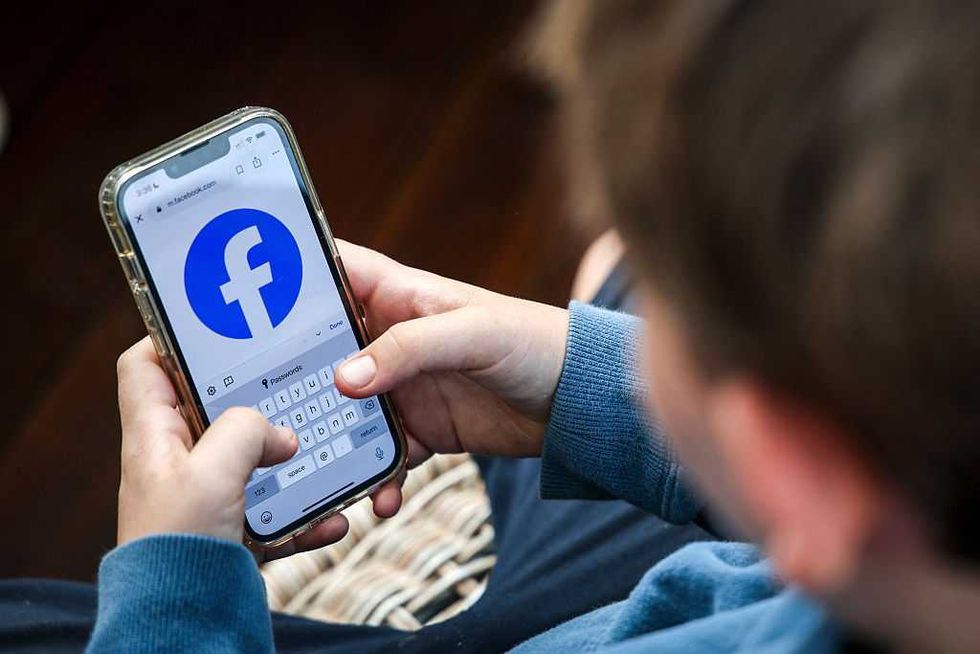
The lawsuit was led by California AG Rob Bonta, with the settlement garnering his state between $1.5 and $2.1 billion, if approved.
"Today, we have secured a settlement with Meta that will make social media less dangerous for our kids and make a world of a difference for children and their families," Bonta said in a statement. "Meta has agreed to make massive transformations that will reduce the risk of harm from its platforms — and will do it within months."
According to Reuters, Meta denied wrongdoing in the settlement, which absolves it of accusations that its platforms are designed to have addictive features and knowingly exposed children to mental harms, among other claims.
Meta chief legal officer C.J. Mahoney said publicly that the new framework "will empower parents to easily manage how their children access our platforms."
"This framework will only work if all our peers join us," Mahoney added.
"Because teens move fluidly across dozens of apps, we need an industry-wide solution. We therefore call on our industry peers, TikTok and YouTube, to implement this new framework, right away. As a parent, I'm proud of both the work Meta has done to protect kids historically, and of this new groundbreaking agreement. But its success depends on all other social media platforms following Meta's lead," he concluded.
RELATED: RIP your nostalgia — the top owner of kids' TV shows is giving its characters a high-tech makeover
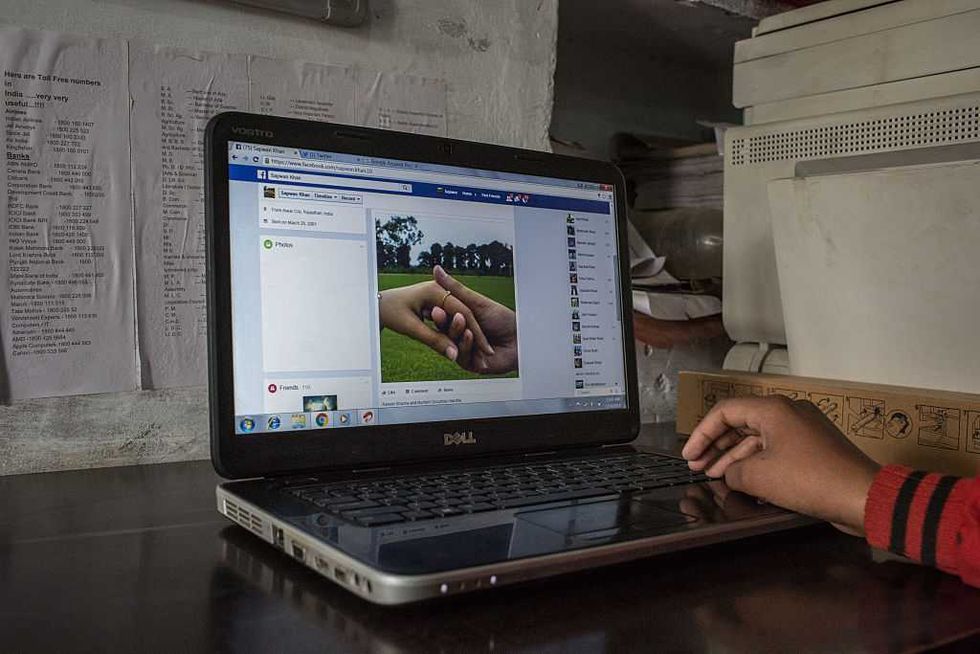
In a statement provided to Blaze News, the National Center on Sexual Exploitation said that the settlement is "one step [in] Big Tech's reckoning" for the harms it has enabled against children.
Executive Director Haley McNamara said the settlement is "a crucial step to hold Meta accountable for protecting children, and we commend the state attorneys general for carrying these cases forward."
"Attention must now turn to Congress to establish a foundation for Big Tech companies like Meta to follow when it comes to protecting children online," McNamara added.
Meta expects to accrue around $10 billion in legal expenses its third quarter of 2026.
As noted by Georgia's Office of the Attorney General, the case included 52 attorneys generals across 47 states (excluding Florida, New Mexico, and Texas) and the jurisdictions of Washington, D.C., Puerto Rico, American Samoa, and the Northern Mariana Islands.
Florida Attorney General James Uthmeier explained in a post on X why his state did not join the settlement. Uthmeier called the payouts "peanuts" that are inequal to the "profound harms" Meta's features have inflicted on kids.
"A slap on the wrist for a trillion-dollar corp that'll pay more to lawyers than to the states. We'll see them at trial," the Florida AG said.
Like Blaze News? Bypass the censors, sign up for our newsletters, and get stories like this direct to your inbox. Sign up here!
Social media apps like Facebook and Instagram are addictive! At least that’s what four states proclaimed in a monster lawsuit that accuses Meta of fostering unsafe platforms for young users’ mental health and well-being.
Together, the states seek $1.4 trillion in damages — nearly enough to bankrupt the entire company, while lawmakers get even more fuel to ram down restrictive age verification laws on Americans.
The company faces an uphill battle.
But that's just the tip of the iceberg. As the trial now gets underway, all eyes are on two simple questions.
Is social media addiction medically real? And does that matter in court?
In early July, Meta revealed that four blue states banded together to stick it to the company and its two top social media platforms. California, Colorado, Kentucky, and New Jersey filed a joint lawsuit that claims Facebook and Instagram are addictive, especially to minors, and that Meta misled the public on the danger both apps posed to users’ mental health.
Meta was quick to refute the claim, stating that "social media addiction” isn’t a real mental health condition recognized by the American Psychiatric Association, the World Health Organization, or any other medical organization. The company also denied that it misled the public.
These counterclaims fly in opposition to the historic loss Meta faced in a similar lawsuit against a 20-year-old woman who convinced a jury that she became addicted to social media as a minor. It’s important to note, however, that several other companies were also implicated in that lawsuit, including Snapchat and TikTok (both of which settled) and YouTube (which was also forced to pay damages alongside Meta).
Nevertheless, the plaintiff states want the court to impose sweeping changes to how social media works altogether, scrapping so-called "infinite" scroll, video autoplay, the hugely popular evanescent content that's often the standard format for short video posts, and even ubiquitous features like filters that alter your facial appearance or content feeds determined largely by algorithm.
Even if there is no clinical definition for social media addiction, that doesn’t mean these platforms aren’t harmful. But are they actually addictive? It depends on who you ask.
An addiction is defined as “a compulsive, chronic, physiological or psychological need for a habit-forming substance, behavior, or activity having harmful physical, psychological, or social effects and typically causing well-defined symptoms (such as anxiety, irritability, tremors, or nausea) upon withdrawal or abstinence.”
RELATED: Saying Meta hurts kids' health, state lawsuits demand $1T in penalties
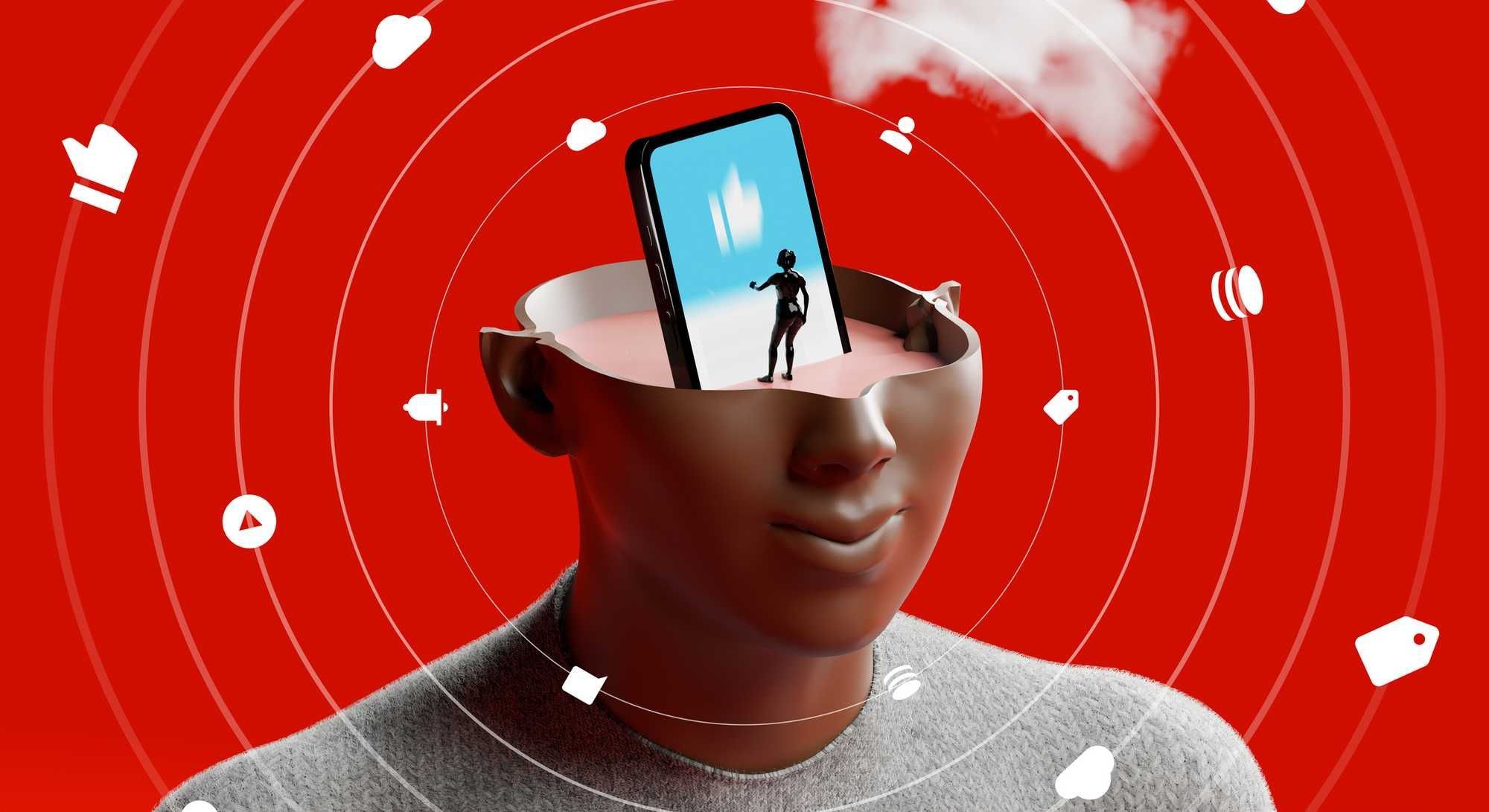
Some experts claim that an addiction to activities — such as social media, video games, and smartphones in general — illicit a dopamine response in the brain that, if overused, can lead to dopamine deficiency — a complete crash of the brain’s reward system. At this stage, a user may experience irritability, depression, and anxiety. These feelings of withdrawal cause them to re-engage in the addictive activity to regain a sense of pleasure, only to find that the reward mechanism isn’t as effective, which leads to even more of the behavior as they chase the original thrill.
Others claim that the dopamine deficiency theory is pseudoscience at best. Real addiction is much more complex. Unlike activities that provide hits of dopamine, addictive chemicals, like drugs and alcohol, force the dopamine system to run wide open without end, giving the user an insatiable urge for more that can only be fueled by ingesting larger quantities of the initial drug.
Dopamine is involved in both cases. However, it takes an artificial stimulus — like a drug or chemical — to actually turn a dopamine rush into an addiction. Anything else is merely a bad habit that can be reversed or broken.
Whether you believe that social media addiction is a legitimate condition or a total farce, the ramifications of cases like the one Meta faces today could have widespread consequences for the American people.
Politicians on both sides of the aisle are actively trying to take away our rights to freely access smart devices, AI chatbots, and websites without some form of digital ID. One defining factor in this war against a private and anonymous internet hinges on underage users. Some lawmakers believe that we need protections in place to limit or outright ban social media access for minors. A victory against Meta would only be positioned as further “proof” that social media harms underage users and that more legislation is the only solution.
Given how badly the last case like this went for Meta, the company faces an uphill battle. If found guilty, it could pay up to $1.4 trillion in damages, or approximately 85% of its entire value listed on the NASDAQ.
The Federal Communications Commission’s latest broadband report makes two things clear: America has made real progress, but the rural job is far from finished.
The number of Americans lacking access to fixed terrestrial broadband with download speeds of 100 Mbps and upload speeds of 20 Mbps fell roughly 23% in one year, while rural gaps shrank more than 44% over two years. Prices for the mid-tier plans most households buy have also fallen in real terms.
The path is simple: Make the biggest users and beneficiaries of Universal Service Fund-supported networks help pay, without raising prices for consumers.
Yet the FCC still says deployment is not “reasonable and timely” for all Americans, especially in rural areas and tribal lands. For many families, broadband is now one of the rare essential services that is both faster and more affordable than it was a few years ago.
That’s why the Universal Service Fund remains indispensable. It connects an estimated 130 million Americans each year, supporting low-income and rural households, schools, libraries, students, and health care providers. At roughly $8.5 billion annually, USF underwrites a crucial piece of America’s digital infrastructure. It also supports the infrastructure beneath an internet economy measured in the trillions of dollars.
The problem is how we pay for it. Consumers bear a monthly surcharge on legacy voice services, while the largest internet platforms, which depend on broadband to generate enormous revenues, contribute nothing.
Congress knows the system needs reform. In 2023, Senators John Thune (R-S.D.) and Ben Ray Luján (D-N.M.) launched a bipartisan Universal Service Fund Working Group. Deb Fischer (R-Neb.) now shares leadership with Luján, joined by Reps. Richard Hudson (R-N.C.) and Doris Matsui (D-Calif.), and the working group has heard from hundreds of stakeholders. Its assignment is straightforward: preserve a program that works while replacing a financing mechanism that does not.
Alphabet, Amazon, Apple, Meta, Microsoft, Netflix, and TikTok all depend on broadband networks to reach Americans. Each USF-connected household generates an estimated $3,000 annually in revenue for these companies, which collectively consume roughly two-thirds of U.S. broadband capacity. Data-center expansion will only increase that traffic. As more data centers come online to support AI, cloud computing, streaming, and other digital services, the demands placed on those networks will only grow.
Broadband providers, meanwhile, must keep investing in the networks that carry it. Without USF support, many networks would not be built, and broadband could become unaffordable for millions.
Congress should not solve the problem by adding another fee to household broadband. Affordability remains politically and economically sensitive, and even modest price increases can push consumers out of the market. Broadband has remained relatively stable in price even as Americans have absorbed years of inflation elsewhere in the household budget.
RELATED: The FCC finally cuts local TV loose

Economists Hal Singer and Ted Tatos found that a 5% increase in broadband prices could cause roughly 10 million households to cancel service. Their review found a different dynamic for large digital advertising platforms, where end users generally do not pay subscription fees and companies are better positioned to absorb assessments.
Former FCC Chairman Brendan Carr suggested assessing digital advertising revenue from the largest platforms. Congress could also consider certain transmission services — cloud interconnection, backhaul, content delivery networks, satellite transport, and wide-area networking — that depend heavily on the broadband ecosystem.
The precise mechanism matters less than the principle: Broaden the contribution base so consumers carry less of the burden. Bipartisan legislation already points in that direction. The Lowering Broadband Costs for Consumers Act would extend contributions to large internet service providers, with thresholds aimed at companies of significant scale.
Some argue that low-earth-orbit satellite services have largely solved rural broadband and made subsidies unnecessary. They have not. Satellite is valuable where terrestrial networks are uneconomical, but it remains capacity-constrained and is not a full substitute for high-capacity terrestrial broadband in every household or community.
A rural family with several people working from home, taking virtual classes, or using telehealth can need sustained high-speed service and reliability that satellite cannot always guarantee as cell density grows. Prices have also risen, weakening the case for satellite as a cheap universal backstop. Satellite belongs in the mix, but it cannot carry the entire rural-connectivity burden by itself.
Big Tech benefits from some $200 billion annually in USF-supported broadband investment, yet the companies oppose contributing to the fund by calling such payments a “tax.” That evades the basic question: Why should the largest users and beneficiaries of broadband infrastructure be the only major participants paying nothing toward its cost?
Google, Amazon, Microsoft, and Meta spend billions building their own data centers, cloud networks, and related infrastructure because infrastructure has economic value. They would never give unlimited use of those facilities away for free. Yet they expect private broadband networks to reach their customers without contributing to the universal service system that expands access to those networks.
RELATED: This app censors your phone in a stunning new way — and people are using it on purpose
The contradiction is especially striking because 13 bipartisan governors recently joined major technology companies at the White House, where the firms pledged to cover the cost of infrastructure upgrades needed for their data centers while protecting consumers from higher electricity bills. The Ratepayer Protection Act would codify those pledges. Congress should apply the same logic to broadband.
Universal service already enjoys bipartisan support. In Consumers’ Research v. Federal Communications Commission, 29 lawmakers and working-group members filed an amicus brief defending USF before the Supreme Court. They warned that dismantling the fund would harm millions of Americans, particularly low-income and rural households. Congress established universal service in 1996 and has repeatedly recognized the need to adapt it as communications technology changes.
The Supreme Court upheld the program’s constitutionality. Congress defended USF in court; now it should make the funding system fair and sustainable in statute.
The path is straightforward: Broaden the contribution base to include the largest users and beneficiaries of the networks USF supports, while protecting consumers from rising costs. The companies that profit most from ubiquitous broadband should help ensure that ubiquitous broadband continues to exist.
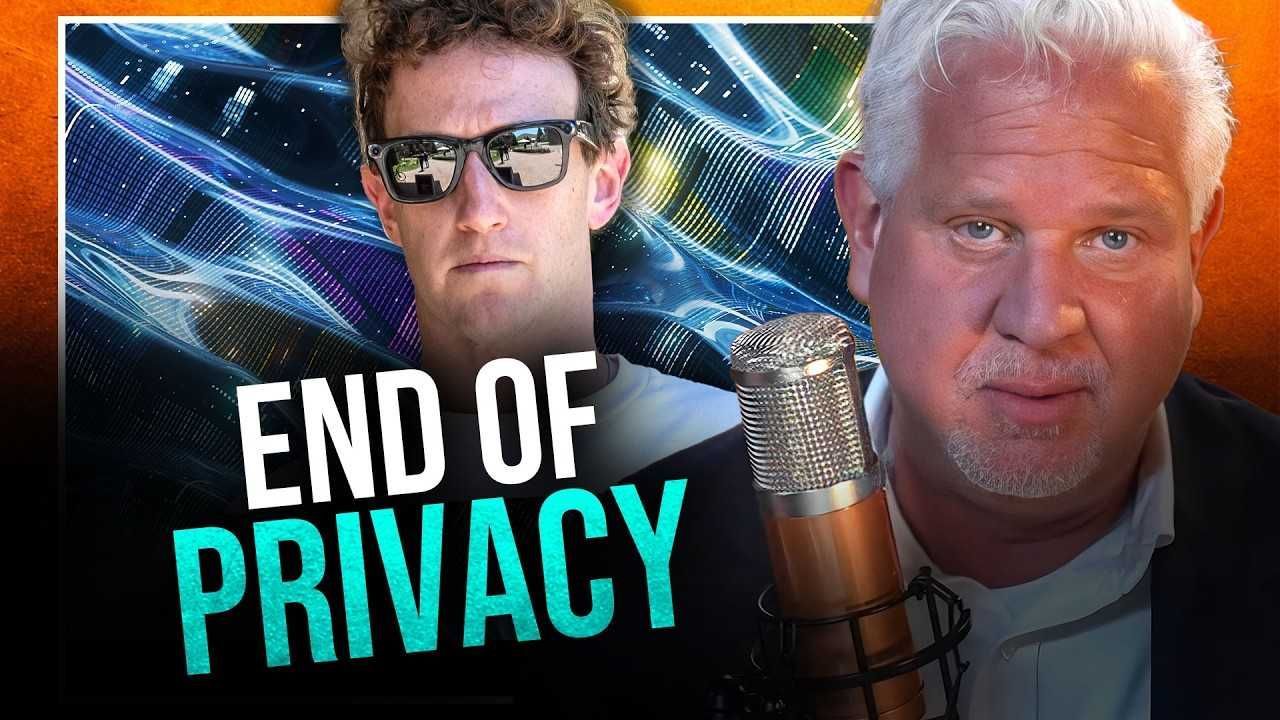
AI wearables, like Meta’s Ray-Ban glasses, may be convenient, but at what cost — and not just to the wearer but to the surrounding public?
Unlike cameras and phones, which “announce" themselves, says Glenn Beck, AI wearables go practically undetected — which raises the issues of consent and privacy.
But this tension is not new.
Glenn notes that early photography required subjects to “hold still … 30 seconds,” so permission was built in. Then came the first true hidden cameras — “detective cameras” worn under a vest with the lens shaped “to look like a button.”
Shortly after, George Eastman’s small box camera arrived and made candid snapshots easy. The public backlash was fierce: beaches and the Washington Monument banned them, and papers called carriers “Kodak Fiends.” Within two years, Boston lawyer (and future Supreme Court justice) Louis Brandeis argued for “the right to be left alone” — a right that, as Glenn points out, “is not in the Constitution” but had to be invented “because of cameras.”
But what we’re dealing with today with AI wearables is “much worse,” he says.
“You are trading the right to be misunderstood in private now,” he says, pointing to CNN Business tech editor Lisa Eadicicco’s experience with her Amazon Bee Pioneer bracelet, which decided a casual comment about moving meant she was “anxious” about stability — even though she wasn’t.
“Now that conclusion exists in a file somewhere in a company's system, and it will inform the next inference and the one after that, and it will store it,” says Glenn, describing how AI wearables’ conclusions about gathered data — even if it’s incorrect — will become part of the wearer or bystander’s “record.”
When one’s “off-the-record” self is eradicated, the result is that everyone becomes circumspect and reticent.
“In a room where everything is recorded and then held by a private company, that's a room where nobody's saying anything out loud. Nobody's thinking out loud. Nobody's risking anything,” says Glenn.
“A recording,” he explains, is “evidence — and evidence can get subpoenaed.”
“And it may be false evidence!” he exclaims.
“Every conversation you will ever have will be indexed and searchable … and it will be sitting on a server owned by a company with lawyers who work for the company,” Glenn continues.
But despite the devastating blows to privacy and consent, Meta CEO Mark Zuckerberg’s pitch for AI-powered smart glasses, he explains, has essentially been: “Wear it, or fall behind.”
Right now, the risk of declining AI wearables is low, says Glenn, but a day is coming soon when life will become nearly impossible without them.
“Two years from now, when your team's meeting has notes, action items, performance reviews, and they're all running off transcripts, declining won't be a preference any more,” he warns. Now “it's a problem; it's you being difficult. Nobody will forbid you. They'll just build the office around the assumption and let the cost fall on the holdout: you.”
To hear more, watch the video above.
To enjoy more of Glenn’s masterful storytelling, thought-provoking analysis, and uncanny ability to make sense of the chaos, subscribe to BlazeTV — the largest multi-platform network of voices who love America, defend the Constitution, and live the American dream.
It hasn’t been an easy path for Mark Zuckerberg. However you keep score on his performance as a major figure in American life, he has survived attacks from the highest levels of government against his business, reputation, and livelihood. Few major figures in tech, with the possible exception of his longtime mentor, investor, and friend Peter Thiel, have endured quite the same treatment. Simply put, Zuck won’t quit.
That indestructible attitude has carried straight into AI. Amid criticism, naysaying, and ridicule, Zuckerberg has refused to concede the race to the leading hyperscalers. Now, as those frontier companies hit their own buzz saw of criticism, Zuck has dropped a long manifesto laying out his vision for America’s technological future and Meta’s place in it.
Liberal democracy must discipline superintelligence. Superintelligence must revive liberal democracy. Each is supposed to save the other.
The most striking thing is not that Zuckerberg wants Meta to win. It is what he thinks victory requires. Despite years of periodic hostility from the U.S. government, he has positioned Meta as perhaps the most explicitly pro-American player in the AI industry. He is betting the farm on the proposition that America’s political principles — not merely its capital, engineers, or computing power — are what can carry us through the age of superintelligence.
That’s a gigantic wager, and it arrives at an awkward moment. Dissatisfaction with America’s actual system of government is near a breaking point. More Americans are asking whether the assumptions grounding the regime are viable any more — or even true.
Even many who still defend America’s founding principles believe the government we actually have has become corrupt, broken, and badly detached from them. The appetite for a “new founding,” on the left and the right, keeps growing. Yet the country is too divided and degraded for any ordinary political movement to break through to the other side.
That frustration is part of why so much American energy, ingenuity, money, and willpower have poured into the narrow goal of building the most powerful technology possible — something that may soon go far beyond what any individual human being can comprehend or control.
The irony is brutal. Technological prowess was once among America’s great sources of pride. Now millions of people increasingly experience it as a curse from hell rather than a blessing from God. They already feel reduced to peonage and stripped of agency by institutions they do not trust. And now tech, they fear, is preparing to sweep the refuse we have become into the trash.
Not so fast, says Zuck. His argument begins with a surprisingly old-fashioned insight: Human beings disagree. They struggle, suffer, compete, fear, and want incompatible things. No technical breakthrough abolishes politics because no technical breakthrough can reconcile every human value at once.
“There is no technological solution that can align with everyone’s opposing interests and values at once,” Zuckerberg writes. "Any singular superintelligence would have to prioritize some values over others." His answer is not perfect alignment but a balance of power — the same basic insight, he argues, that underlies Western democratic institutions.
That is why America’s humbler principles — dispersing power, allowing people to define their own goals, and trusting them to work things out for themselves — matter so much in Zuckerberg’s vision. Paradoxically, political humility produces personal ambition. It renews energy more reliably than any genius, planner, or guru could ever manufacture from above.
RELATED: Is this the number-crunchers’ come-to-Jesus moment?

If this sounds familiar, it should. Zuckerberg is singing from the hymnal of good old-fashioned liberal democracy. His wild idea is that machines powerful enough to transform human life beyond recognition are best developed by patriotic Americans who still believe liberal democracy is basically right about how human beings ought to live together.
And here is the problem.
If liberal democracy brought us to a point where the American government has largely expunged liberal-democratic habits from its own operation, how exactly are we supposed to encode those habits into superintelligence?
Do you believe your vote counts?
Do you believe legislative, executive, and judicial power are effectively separated?
Do you trust your fellow citizens to form judgments and pursue their own plans?
Do you think most of us still possess the maturity, education, thoughtfulness, and patriotism that self-government demands?
In other words: Do Americans still believe in liberal democracy strongly enough to teach it to machines?
That is where Zuckerberg’s argument becomes both elegant and unnerving. The same country that increasingly doubts its political order is now being asked to use that order as the operating principle for technologies more powerful than any previous institution.
Many Americans, meanwhile, are trapped between two impulses: burn it all down or run for the hills. Almost nobody has a plausible alternative regime that could actually work here, much less arrive through a peaceful and orderly transition. People feel bereft of political options, which is one reason the hunger for some higher, almost spiritual answer keeps growing.
The trouble is that whatever spirituality emanates from the upper reaches of the tech world often combines the creepiest and least American aspects of the hippie and the nerd.
Zuckerberg’s answer is startlingly different. He is not proposing that superintelligence replace liberal democracy. He is proposing that the arrival of superintelligence may force Americans to recover it. The new computational powers will be so immense that only a political order committed to dispersed authority, pluralism, and limits can keep a handful of self-appointed global masters from remaking everyone in their own image.
RELATED: The path to America-first AI
That is the real bet: AI does not redeem liberal democracy because the machines become wise. AI redeems it by making the alternatives intolerable.
It is a surprisingly elegant and tantalizing vision. But there is one catch. For it to work, Americans will have to treat AI the way they treat liberty itself — not as an accessory or afterthought, but as something woven into daily life. Maybe you personally can remain mostly outside it. But if most Americans do, Zuckerberg strongly implies, the country may not generate the distributed competence, power, and agency his model requires.
So Zuckerberg’s wager runs in both directions. Liberal democracy must discipline superintelligence. Superintelligence must revive liberal democracy. Each is supposed to save the other.
Maybe that circle is virtuous. Maybe it is impossible.
But Mark Zuckerberg has placed his bet. Now? It’s your turn.
President Donald Trump is bullish on American technology and keen to see America dominate the "global race for AI." He has, accordingly, become a champion of artificial intelligence data centers and has even tasked his administration with using federally owned land and resources to help develop them.
Trump emphasized during an event on Thursday at the U.S. Environmental Protection Agency headquarters in the national capital that opposition to the erection of data centers across the country is futile — but that consumers should not fear having to shoulder the burden of supporting such inevitable facilities.
'You have to go with it.'
In his State of the Union address in February, the president acknowledged that many Americans are "concerned that energy demand from AI data centers could unfairly drive up their electric utility bills."
Recent polls show that Americans largely oppose data centers. A Gallup poll conducted in March found that 71% of Americans somewhat or strongly oppose the construction of an AI data center in their area. A survey conducted this month by Public First found that 41% of respondents oppose building a data center within three miles of their homes, up from 28% in January, and only 24% of respondents support such an initiative, down from 37% at the beginning of the year.
To assuage such concerns, Trump announced in his SOTU speech that the negotiation of the "Rate Payer Protection Pledge," which has companies agree to: spare consumers from price hikes by building, bringing, or buying new power supply; paying for new power delivery infrastructure upgrades; paying special rates "whether they use the electricity or not"; and investing local job creation.
Within days of the announcement, Amazon, Google, Meta, Microsoft, OpenAI, Oracle, and xAI signed the nonbinding pledge.
On Thursday, Trump revealed that the pledge now has among its signatories 23 governors, various state legislators, numerous electricity providers, and data center developers.
RELATED: The path to America-first AI
The three Republican governors who did not sign the pledge were Phil Scott of Vermont, Kelly Ayotte of New Hampshire, and Ron DeSantis of Florida. DeSantis ratified legislation in May to ensure that "local governments maintain the authority to reject data center development in their communities" and to protect Florida's water resources from data center consumption.
According to the White House, the pledge "now covers 80% of all power delivered to U.S. homes and businesses and protects 263 million Americans when a data center is built nearby."
After suggesting that adherence to the pledge and the construction of additional infrastructure to support the incoming data centers would actually drive down utility rates, Trump stressed that "America's goal must be to dominate the future, and that includes being the number one superpower in artificial intelligence."
"Whoever wins that race is probably going to win, period," he added.
Trump suggested that foreign "propaganda" might be partly to blame for those "communists" and others now opposed to having data centers in their back yards. According to the president, communities desirous of data centers "are the smart communities because it means tremendous numbers of jobs, very little actual disruption."
"You have to convince your community how great these things — you can't fight it. You have to go with it," said Trump.
"If you don't have it, everybody else wants it."
Like Blaze News? Bypass the censors, sign up for our newsletters, and get stories like this direct to your inbox. Sign up here!Mark Zuckerberg has spent over 20 years building the Facebook brand, but it could all come to an end in one fell swoop.
Parent company Meta used words like "outlandish" and argued there was no historical precedent for its proposed punishment in recent legal filings for a lawsuit that could completely wipe out the company.
'A sanction of that size has no analog in the history of consumer protection enforcement.'
Twenty-nine states are currently engaged in a lawsuit against Meta that accuses the company of violating child privacy laws that bar the collection of data from underage users.
The online company is facing court battles from almost every cardinal direction, but four particular states are threatening Meta with penalties of $1.4 trillion, which nearly equals its entire valuation; according to Yahoo Finance, Meta's market cap is $1.48 trillion.
Meta responded to the sum in documents from the case in California, saying the "sheer magnitude" of the demands from the attorneys general "offends constitutional and ethical limits."
"In just a single one of their 'Remedy Chart' calculations, the AGs seek over one trillion dollars in penalties and disgorgement, and they then layer on various other double-counting charts," Meta wrote.
The massive sum comes from the AGs in California, Colorado, Kentucky, and New Jersey, who reportedly came up with the figure by estimating every under-13 user in each state that could have been affected by Meta's policies.
"Each of these charts applies the maximum statutory penalty to every teen and purported under-13 user and every monthly instance of time spent at certain arbitrarily-selected thresholds," Meta claimed.
Meta argued, "A sanction of that size has no analog in the history of consumer protection enforcement. Indeed, the Federal Trade Commission recently described a '$1 billion penalty' as 'the largest ever in a case involving an FTC rule violation."
RELATED: New Senate bill punishes chilling of online speech — if it passes
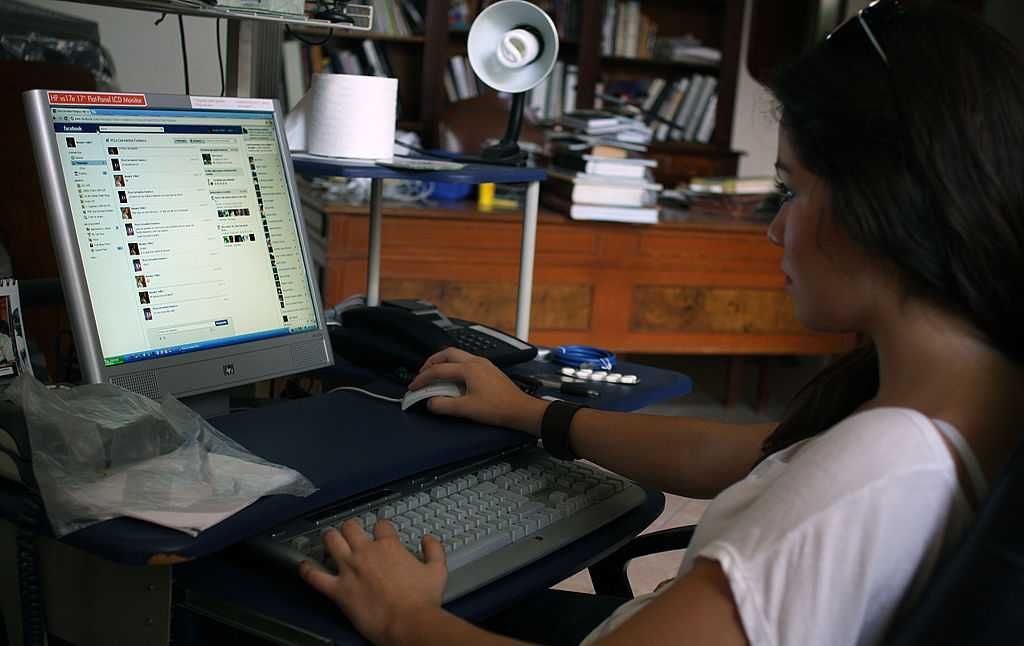
Meta further argued that the demands made were in "gross disproportion" to the alleged violations, and are "unsubstantiated" and "outlandish."
The defense went on, calling the trillion-dollar figure a "construct of lawyers" that counts the same individuals "many times over."
The aforementioned jurisdictions are also looking to pin claims of misleading the public on Meta, which they say "prioritized profits over the safety of kids."
A spokesperson for the California attorney general's office told the New York Post that Meta helped fuel the mental health crisis that is "impacting a generation of American children."
"The California Department of Justice looks forward to holding Meta fully accountable at trial in August," the spokesperson added. The two sides will meet in court on August 18 in Oakland, California.
RELATED: Meta had 17-STRIKE policy for sex traffickers, ex-employee says
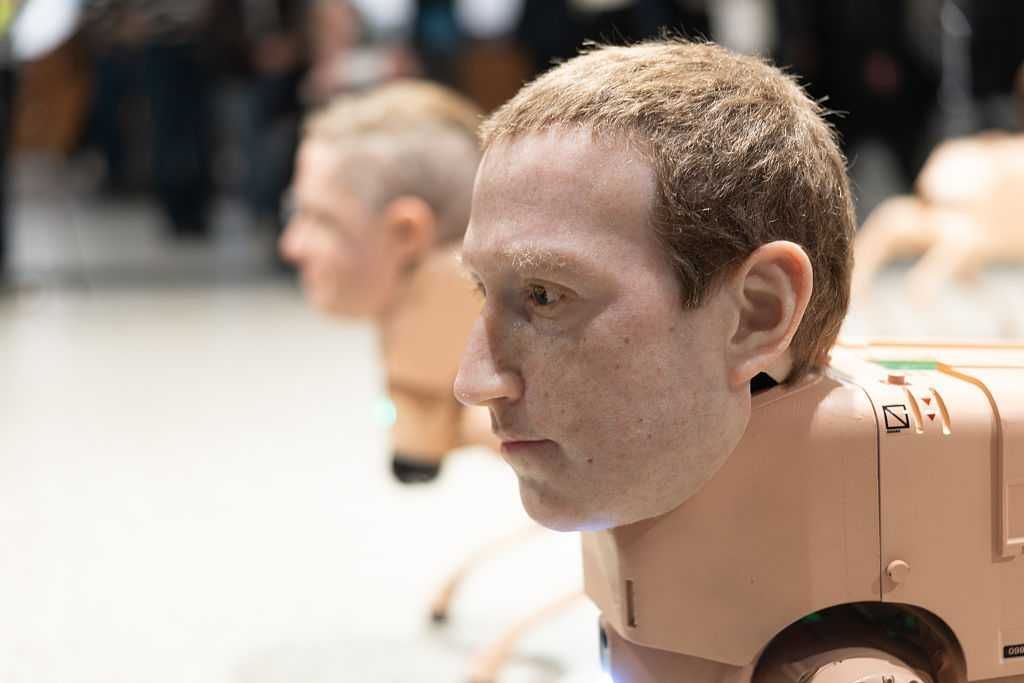
Another parallel claim Meta is battling accuses the company of being aware of the harm its platforms can cause.
A former employee alleged that Meta stopped internal research that would have shown that ceasing use of Facebook saw users become less depressed or anxious. Blaze News reported on this portion of the lawsuit in November, which allegedly included a study called Project Mercury.
Project Mercury was allegedly initiated in 2019 to "explore the impact" of Meta apps and how they can affect "polarization, news consumption, well-being, and daily social interactions."
Like Blaze News? Bypass the censors, sign up for our newsletters, and get stories like this direct to your inbox. Sign up here!



 www.theblaze.com
 www.theblaze.com
 thefederalist.com