How Trump's capture of Venezuelan oil leaves America's adversaries sputtering
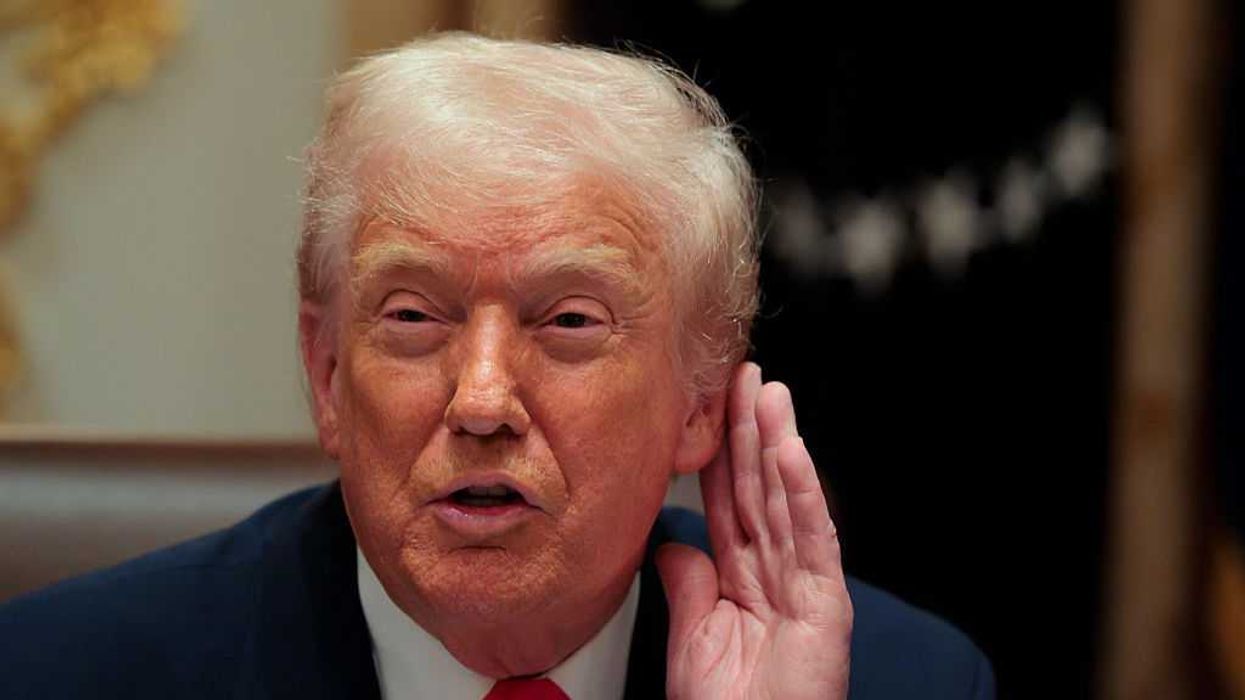


The U.S. military deposed Venezuelan dictator Nicolás Maduro on Saturday, bringing him to New York City to face drug, narco-terrorism, and weapons charges.

Days later, President Donald Trump — who last month ordered a naval blockade of sanctioned oil tankers into Venezuela and has been in talks with the vestigial Maduro regime about opening up to American oil companies — announced that "Interim Authorities in Venezuela will be turning over between 30 and 50 MILLION Barrels of High Quality, Sanctioned Oil, to the United States of America" to be sold at market price for the supposed benefit of the American and Venezuelan people.

'After years of neglect, the United States will reassert and enforce the Monroe Doctrine to restore American preeminence in the Western Hemisphere.'

The geopolitical implications of America's removal of Maduro and Washington's increasing oversight of Venezuela's oil sector are far-reaching.

In addition to demonstrating the reluctance of certain American adversaries to support one another with anything beyond strongly worded statements, Trump's reassertion of U.S. influence over Venezuelan energy and his removal of the leftist dictator serve to undermine the communist regimes in China and Cuba as well as to threaten Russia's ability to finance military aggression in the medium to long term.

"The recent actions taken by the U.S. in Caracas were motivated by a desire to show greater assertiveness by the U.S. against China and Russia's efforts in Latin America," David Detomasi, a professor of international business at Queen's University who has written extensively on the geopolitics of oil, suggested to Blaze News.

"Because much of Venezuela's oil exports ended up in Chinese and/or Russian hands, gaining control over those exports was an important goal," Detomasi added.

The Trump administration indicated in its National Security Strategy that "after years of neglect, the United States will reassert and enforce the Monroe Doctrine to restore American preeminence in the Western Hemisphere, and to protect our homeland and our access to key geographies throughout the region."

RELATED: From Monroe to ‘Donroe’: America enforces its back yard again
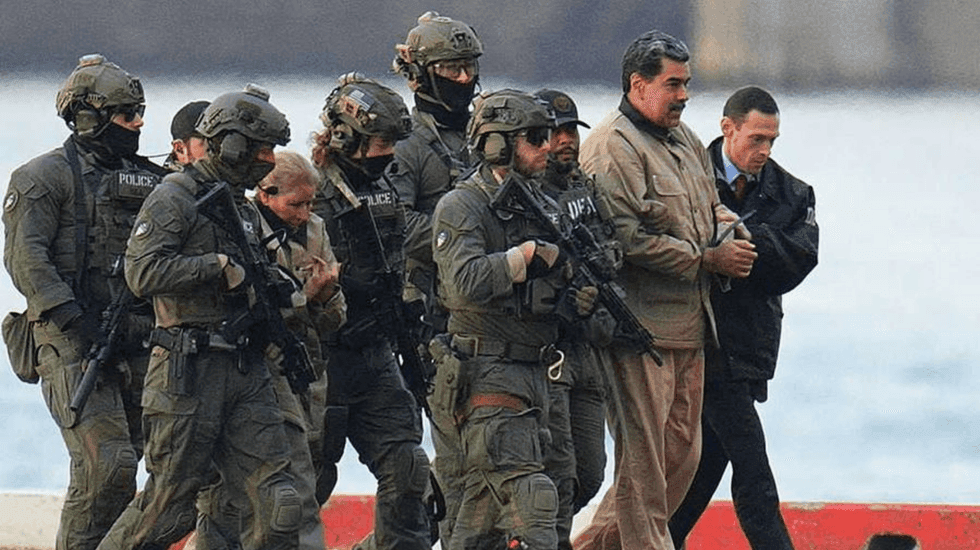
Photo by XNY/Star Max/GC Images

To this end, the administration indicated it would "deny non-Hemispheric competitors the ability to position forces or other threatening capabilities, or to own or control strategically vital assets, in our Hemisphere."

Venezuela is home to the largest proven oil reserves in the world, with an estimated 303 billion barrels as of 2024.

Despite this natural abundance, output has been nowhere close to what it could be, owing to the nationalization of oil assets under Hugo Chávez in the mid 2000s and other ruinous leftist policies that have since starved the industry of investment, expertise, and infrastructural support. Since the 1970s, when the country was producing 3.5 million barrels of oil a day, daily output has dropped to 1.1 million barrels.

While output has dropped from 7% to 1% of global oil production since the 1970s, Venezuelan oil exports have nevertheless proven valuable for nations antipathetic to the United States, China and Cuba in particular.

China

The Chinese foreign ministry condemned the recent American actions in Venezuela, stating that "such hegemonic acts of the U.S. seriously violate international law and Venezuela's sovereignty, and threaten peace and security in Latin America and the Caribbean region."

China, here throwing rocks from a glass house, announced in 2023 the elevation of the China-Venezuela relationship to an "all-weather strategic partnership" and indicated Beijing would back Venezuela's "just cause against external interference."

In addition to having its "all-weather" partnership exposed as an undefended fair-weather compact and losing a key ally in Caracas, China now faces the possibility of losing a significant source of energy.

Chinese imports of Venezuelan oil reportedly hit 470,000 barrels per day last year, accounting for around 4.5% of China's maritime crude imports. In November, Venezuela reportedly sent as many as 746,000 barrels per day to China.

Reuters indicated that a portion of these imports goes to paying down Venezuela's debt to China, believed to be in excess of $10 billion.

J. Michael Waller, senior analyst for strategy at the Center for Security Policy, recently noted that "depending on the figures, and factoring in Venezuelan oil shipped to China under a false flag like Malaysia, Venezuela and Iran together provide as much as 30-35% of China's present oil imports."

RELATED: The Venezuela crisis was never just about drugs
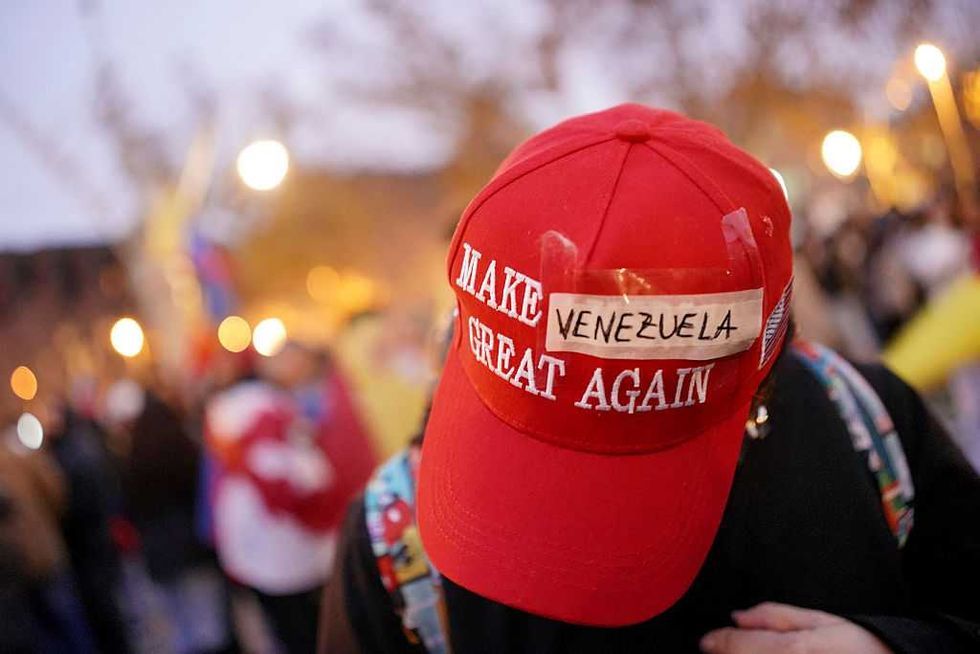
Photo by Manaure Quintero / AFP via Getty Images

Diana Furchtgott-Roth, an economist and the director of the Heritage Foundation's Center for Energy, Climate, and Environment, told Blaze News that China wants to buy all the oil it can since it already has coal and doesn't produce much oil or natural gas.

'China is not going to send its military to defend Venezuela, and neither is Russia.'

In addition to depriving China of a critical source of energy or at the very least regulating its flow, the economist suggested that the restoration of American influence over Venezuelan energy and the potential of Caracas ramping up oil production may also diminish a key source of China's geopolitical power.

"If there's more oil around, it might lose geopolitical power in terms of the demand for its wind turbines, its solar panels, and its electric batteries that go in the electric vehicles," Furchtgott-Roth said.

As of 2024, China reportedly manufactured 92% of the world's solar panels and 82% of wind turbines.

Andrés Martínez-Fernández, senior policy analyst for Latin America at the Heritage Foundation, told Blaze News that many of Maduro's fellow travelers remain in power, so it is presently unclear whether Caracas will keep China cut off or resist its influence.

Martínez-Fernández suggested, however, that ultimately "extricating that Chinese influence and presence in our hemisphere" would amount to a massive victory, serving also to weaken BRICS and reveal how such anti-American alliances "collapse once they're tested by the strength of the United States."

"When it comes to it, China is not going to send its military to defend Venezuela, and neither is Russia, even when they have substantial interests there," Martínez-Fernández said.

Cuba

Whereas Maduro's ouster and the premier exercise of the "Donroe Doctrine" spell trouble for Beijing, they could prove catastrophic for the regime in Cuba.

Cuban President Miguel Díaz-Canel suggested this week that "it is urgent that the international community mobilize, organize, and coordinate in denouncing this flagrant act of state terrorism and the illegal, immoral, and criminal kidnapping of a legitimate president."

Díaz-Canel's sense of urgency is understandable granted that Cuba — which has suffered rolling blackouts in recent months and years — relies on Venezuela for subsidized oil.

"If oil supply were to cease entirely, the Cuban economy would grind to a halt," Pavel Vidal, a former Cuban central bank economist who teaches at Javeriana University, told NBC News. "This would represent a devastating blow to a Cuban economy already in recession for six years and lacking the productive capacity, competitiveness and foreign currency to replace these flows."

Bert Hoffmann, a political scientist at the German Institute of Global and Area Studies, told Euronews, "Over the last months, Venezuelan oil still made up 70% of Cuba's total oil imports, with Mexico and Russia sharing the rest."

'Cuba looks like it's ready to fall.'

In addition to Cuba's energy dependence on Venezuela, Díaz-Canel's regime was closely linked with Maduro's, with Cuban intelligence and security services lending a hand in Caracas.

When asked about whether the U.S. should give other countries in the region the Venezuela treatment, Martínez-Fernández said, "By doing what we did in Venezuela, we are helping to cut off lifelines to the more dramatic and dangerous threats beyond Venezuela in our hemisphere."

Weeks ahead of Maduro's capture, Secretary of State Marco Rubio made clear that bringing down Cuba's communist government is the policy of the United States.

"I think every administration would love to see a different type of situation in Cuba. Cuba is a disaster. It's a disaster. It's not just because they're Marxists and because they're terrorists," Rubio said. "They're incompetent. These are incompetent people, and they've destroyed that country."

Trump told reporters on Sunday, "Cuba always survived because of Venezuela. Now they won't have that money coming in."

"Cuba looks like it's ready to fall," Trump said. "I don't know if they're going to hold out."

Russia

Russia's foreign ministry characterized the recent American actions in Caracas as "destructive foreign interference" and urged the Trump administration to "reconsider their position."

While Russia, like China and Cuba, had a close strategic partnership with Maduro's regime, it does not similarly rely on Venezuelan oil. Nevertheless, the crackdown in Caracas could nevertheless have profound consequences for Moscow.

RELATED: Tulsi Gabbard warns: Powerful foreign allies eager to pull US into war with Russia
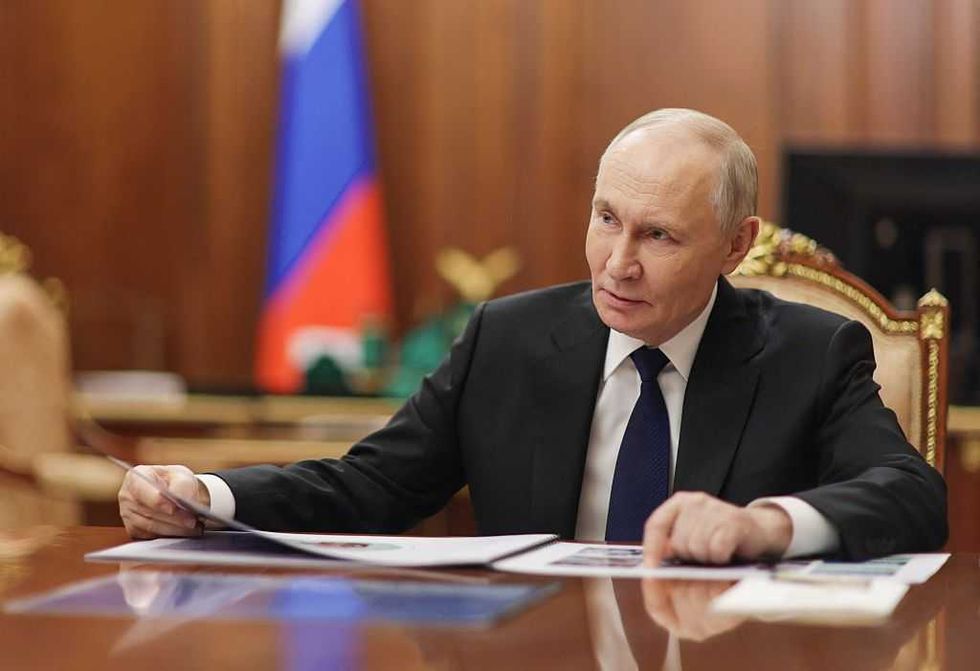
Photo by Mikhail METZEL / POOL / AFP via Getty Images

Furchtgott-Roth recently wrote that "Russia, reliant on oil revenues to fund military operations, will suffer if expanded Venezuelan output pushes prices lower."

Income from Russia's oil and gas exports amounts to nearly one-third of the country's federal revenues.

When asked about the timeline for such consequence, Furchtgott-Roth told Blaze News that the consequences could be felt in Moscow in the near future, even though it might take years for Venezuela to significantly increase oil production.

"Prices are set on the basis of expectations of future supply. So as soon as people see that the conditions are in place for Venezuelan oil to be produced in greater quantities, prices will adjust, presumably down lower than they would have been otherwise," the economist said.

'They might want to take similar kinds of actions in their neighboring countries.'

While Maduro's ouster and the potential U.S.-led energy renaissance in Venezuela could profoundly impact Russia, Moscow's response has been rather muted, amounting to little more than heated blather before the United Nations.

Neil Melvin, a political scientist at the Royal United Services Institute, told Deutsche Welle that "Russia's support for Venezuela has been more symbolic than practical."

Although Russia's influence and relations in the Western Hemisphere have been impacted, Melvin suspects that Moscow does not want to offend Washington with heavy criticism at a time when the U.S. is working to bring the war in Ukraine to an end.

The relative Russian silence on America's shake-up in Latin America might also have something to do with its own geopolitical ambitions.

Professor Detomasi told Blaze News that while the U.S. action in Caracas might give China and Russia "pause in the operations in Latin America," they "will use the U.S. action as a justification if and when they might want to take similar kinds of actions in their neighboring countries."

Like Blaze News? Bypass the censors, sign up for our newsletters, and get stories like this direct to your inbox. Sign up here!
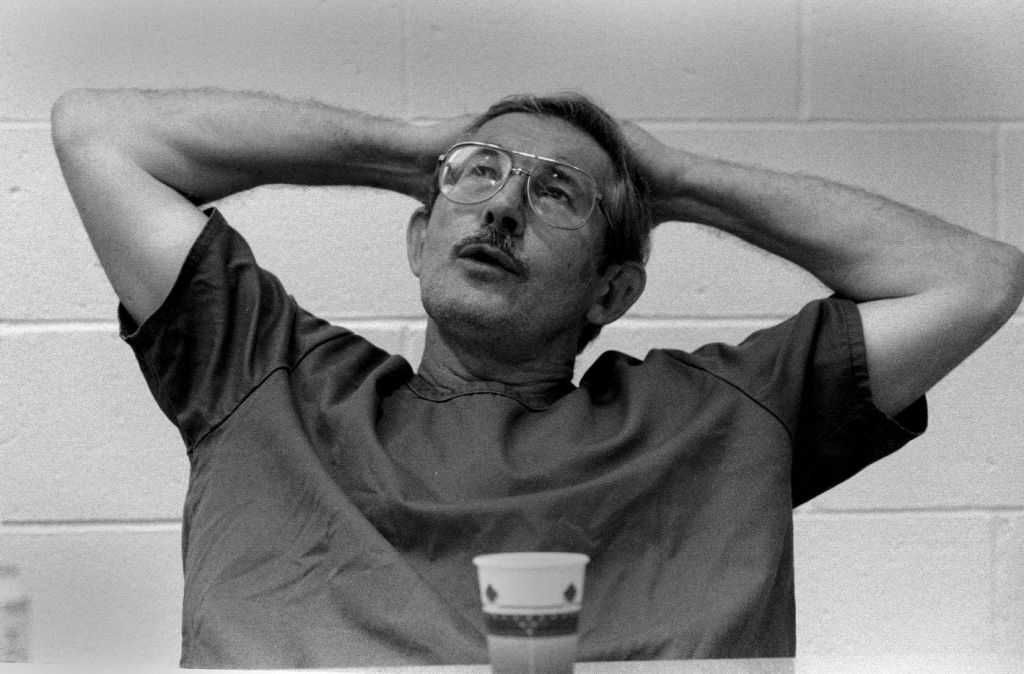
Infamous CIA officer turned Soviet spy dies in prison


After more than 30 years since pleading guilty to espionage that reportedly compromised several United States assets during the Cold War, an infamous Central Intelligence Agency officer has died in prison.

Aldrich Ames died on Monday, according to the Bureau of Prisons website.

Ames claimed he needed the money simply to pay debts and relieve 'financial troubles, immediate and continuing.'

Ames was held in the Federal Correctional Institution in Cumberland, Maryland, where he was serving a life sentence without parole.

Ames, a career CIA agent, was arrested in 1994 on espionage charges years after he began cooperating with KGB agents in 1985. The information he provided to the Soviets is thought to have directly contributed to the compromising of several CIA and FBI sources, some of whom were executed after their discovery.

RELATED: Unveiling ‘Big Intel’: How the CIA and FBI became deep state villains

Photo by Jeffrey Markowitz/Sygma via Getty Images
Over nearly a decade, Moscow paid him $2.5 million in exchange for betraying state secrets to the Soviets during and after the Cold War. Ames claimed he needed the money simply to pay debts and relieve "financial troubles, immediate and continuing."

"Well, the reasons that I did what I did in April of 1985 were personal, banal, and amounted really to kind of greed and folly. As simple as that," Ames said in an interview archived by the National Security Archive at George Washington University, according to Fox News.

"I knew quite well, when I gave the names of our agents in the Soviet Union, that I was exposing them to the full machinery of counterespionage and the law, and then prosecution, and capital punishment, certainly, in the case of KGB and GRU officers who would be tried in a military court, and certainly others, that they were almost all at least potentially liable to capital punishment," he added. "There's simply no question about this."

Ames' wife, Rosario, was sentenced to 63 months in prison on charges of assisting his espionage.

Ames was 84 years old at the time of his death.

Like Blaze News? Bypass the censors, sign up for our newsletters, and get stories like this direct to your inbox. Sign up here!

Frustrated Trump calls for Ukrainian election after Zelenskyy seemingly torpedoes another peace opportunity


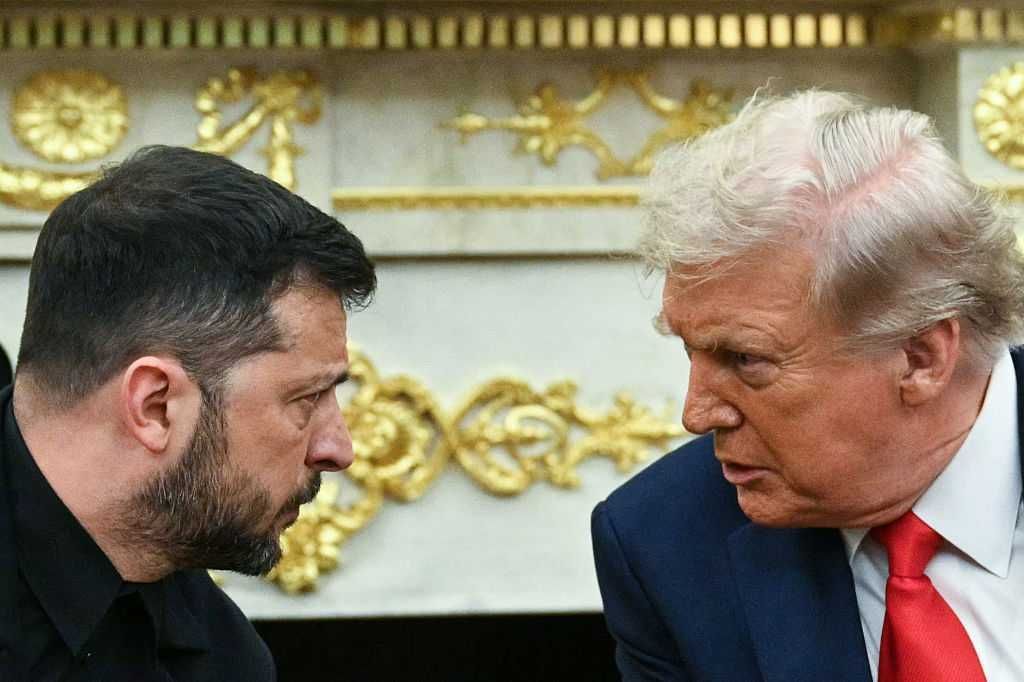
Ukrainian President Volodymyr Zelenskyy has effectively torpedoed President Donald Trump's peace plan.

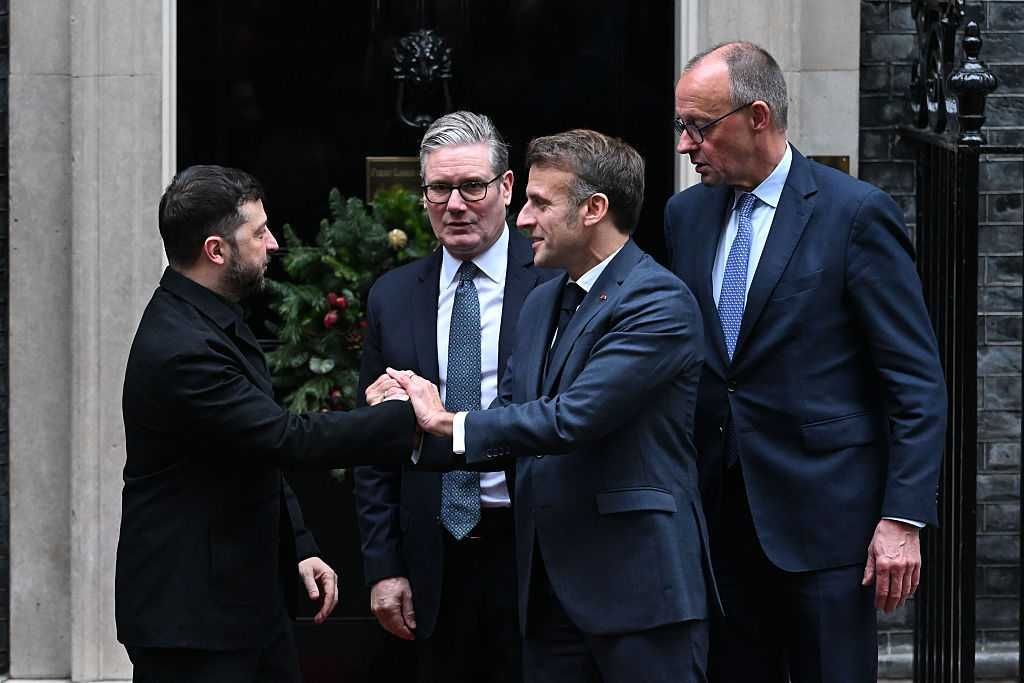
After his meeting on Monday with British Prime Minister Keir Starmer, German Chancellor Friedrich Merz, and French President Emmanuel Macron — who reportedly suggested last week that the U.S. might "betray" Ukraine — Zelenskyy reportedly told reporters that Kyiv will not cede any territory to Russia.

'A lot of people are dying. So it would be really good if he'd read it. His people loved the proposal.'

"We have no right to give anything away — not under our laws, not under international law, not under moral law," said Zelenskyy, reported the New York Post. "Russia is, of course, insisting that we give up territory. We, of course, do not want to give up anything — that is precisely what we are fighting for, as you are well aware."

Zelenskyy, whom Trump accused in February of "gambling with the lives of millions of people," added, "To be honest, the Americans are looking for a compromise today."

Russia, which has slowly captured additional territory over the past year, presently occupies around 20% of the entire country and most of the Donbas — including all of the Luhansk region, most of the largely Russian-speaking Donetsk region, much of the Kherson and Zaporizhzhia regions, and parts of the Sumy and Kharkiv regions.

Under the Trump administration's initial 28-point peace plan, embraced by Moscow but rejected by Kyiv and European leaders,

  • the U.S. would recognize Crimea, Luhansk, and Donetsk as de facto Russian;
  • Kherson and Zaporizhzhia would be divided along the current line of contact;
  • Russia would cede other territories under its control outside the five regions; and
  • Ukrainian forces would abandon the part of Donetsk Oblast currently under their control, leaving it as a demilitarized buffer zone.

RELATED: European leaders gossip about US amid apparent efforts to torpedo Trump's Russia-Ukraine peace deal: Report

Photo by Rasid Necati Aslim/Anadolu via Getty Images

Trump has long maintained that Kyiv will have to make some territorial concessions to bring an end to war that has resulted in millions of casualties. In August, for instance, the president said that while the U.S. seeks to negotiate for some of the Russia-occupied territories back for Ukraine, inevitably "there will be some land swapping going on. I know that through Russia and through conversations with everybody."

On Monday, Zelenskyy suggested that he and Trump see things differently, stating that Trump "certainly wants to end the war. ... Surely, he has his own vision. We live here, from within we see details and nuances, we perceive everything much deeper, because this is our motherland."

'It gets to a point where it's not a democracy anymore.'

Trump said in an interview with Politico on Monday that while he credits the Ukrainian people for their bravery in defending their homeland, Russia is presently in the stronger negotiating position and "size will win, generally." Accordingly Ukraine has to "play ball," suggested the president, who was uncertain about whether Zelenskyy had even bothered to read the latest peace proposals.

"That's as of yesterday. Maybe he's read it over the night," said Trump. "It would be nice if he would read it. You know, a lot of people are dying. So it would be really good if he'd read it. His people loved the proposal. They really liked it. His lieutenants, his top people, they liked it, but they said he hasn't read it yet. I think he should find time to read it."

Zelenskyy indicated this week that he will provide Washington with his views on the current U.S. peace plan — which has reportedly shed eight of the original points Zelenskyy characterized as "anti-Ukrainian" — on Tuesday night but not until he discusses with European leaders the "reparations loan and security guarantees" he regards as critical to the peace process.

When asked what would happen if Zelenskyy rejected the deal, Trump said, "He's gonna have to get on the ball and start accepting things." As for the European leaders who appear keen to involve themselves in the process, Trump said, "They talk but they don't produce, and the war just keeps going on and on."

Trump noted further that it's time now — 18 months after Zelenskyy's term was originally scheduled to end and in the midst of an ever-worsening corruption scandal involving Zelenskyy's administration and close allies — for a Ukrainian presidential election.

"It's been a long time," said Trump.

"I think it's an important time to hold an election. They're using war not to hold an election, but I would think the Ukrainian people would, should have that choice. And maybe Zelenskyy would win. I don't know who would win. But they haven't had an election in a long time. You know, they talk about a democracy, but it gets to a point where it's not a democracy anymore."

Zelenskyy said in a statement on Tuesday, "We are committed to a real peace and remain in constant contact with the United States. And as our partners in the negotiating teams rightly note, everything depends on whether Russia is ready to take effective steps to stop the bloodshed and prevent the war from reigniting."

Like Blaze News? Bypass the censors, sign up for our newsletters, and get stories like this direct to your inbox. Sign up here!

US NEXT? Sightings of humanoid robots spike on the streets of Moscow


Delivery robots have been promoted in Moscow since around 2019, through Russia's version of Uber Eats.

The Yandex.Eats app from tech giant and search engine company Yandex released a citywide fleet of 20 robots across the city that year.

'Yandex plans to release around 1,300 robots per month by the end of 2027.'

By 2023, Yandex added another 50 robots from its third-generation production line, touting a delivery proficiency rating of 87% of orders delivered between eight and 12 minutes.

"About 15 delivery robots are enough to deliver food and groceries in a residential area with a population of 5,000 people," Yandex said at the time, per RT.

However, what started as a few rectangular robots wheeling through the streets has seemingly spiraled into what will become thousands of bots, including both harmless-looking buggies and, perhaps more frightening, bipedal bots.

The news comes as sightings of humanoid robots in Russia are increasing.

RELATED: Cybernetics promised a merger of human and computer. Then why do we feel so out of the loop?

According to TAdvisor, Yandex plans to release around 1,300 robots per month by the end of 2027, for a whopping total of approximately 20,000 machines. The goal is to have a massive fleet of bots for deliveries, as well as supply couriers to other companies, while reducing the cost of shipping.

At the same time, Yandex also announced development of humanoid robots. Videos have recently popped up of a smaller bot walking alongside a delivery bot in 2024, but it is hard to tell if it was real or a human in costume.

RT recently shared a video of a seemingly real bipedal bot running through the streets of Moscow with a delivery on its back. The bot also took time to dance with an old man, for some reason.

However, it is hard to believe that any Russian autonomous bots are ready for mass production given the recent demo showcased at a technology event in Moscow.

RELATED: 'You're robbing me': Morgan Freeman slams Tilly Norwood, AI voice clones

Aldol, a robot developed by a company of the same name, was described as Russia's first anthropomorphic bot powered by AI.

Last week, the robot was brought on stage and took a few shaky steps while waving to the audience before tumbling robo-face-first onto the floor. Two presenters dragged the robot off stage as if they were rescuing a wounded comrade, while at the same time a third member of the team struggled to put a curtain back into place to hide the debacle.

Still, Yandex is hoping it can expand its robots into fields like medicine, while simultaneously perfecting the use of its delivery bots. The company plans to have a robot at each point of contact before a delivery gets to the human recipient.

The plan, to be showcased at the company's own offices, is to have an automated process in which a humanoid robot picks up an order and packs it onto a wheeled delivery bot. Then, the wheeled bot takes the order to another humanoid bot on the receiving end, which then delivers it to the customer.

Like Blaze News? Bypass the censors, sign up for our newsletters, and get stories like this direct to your inbox. Sign up here!

Media, Zelenskyy beg Trump to give Ukraine Tomahawks — NATO chief says president was 'completely right' to decline


Ukrainian President Volodymyr Zelenskyy visited the White House on Friday, hoping that he would talk President Donald Trump into giving Kiev some long-range Tomahawk missiles.

The meeting, while allegedly "cordial," did not go as Zelenskyy had hoped.

Trump, who figures both that America should retain the weapon systems for its own defense and that the provision to Ukraine would not only amount to an intolerable escalation but prove useless in the short term, declined to supply Kiev with Tomahawks.

'It will be too far out into the future.'

Finnish Prime Minister Petteri Orpo, among the European officials apparently prickled by the decision, implored Trump to hand over the missiles, stating, "Putin believes only in power."

Elements of the liberal media similarly called on Trump to oblige Zelenskyy.

The Wall Street Journal's editorial board, for instance, characterized the cruise missiles as a "force for peace," suggested that "hoarding cruise missiles for another war that may or may not come invites more conflict," and downplayed the use of the missiles against a nuclear power as escalatory.

The Telegraph suggested that Trump should abandon his role as the "mediator president" and gift Russian President Vladimir Putin "a Christmas punctuated by Tomahawk, Storm Shadow, and Atacms strikes."

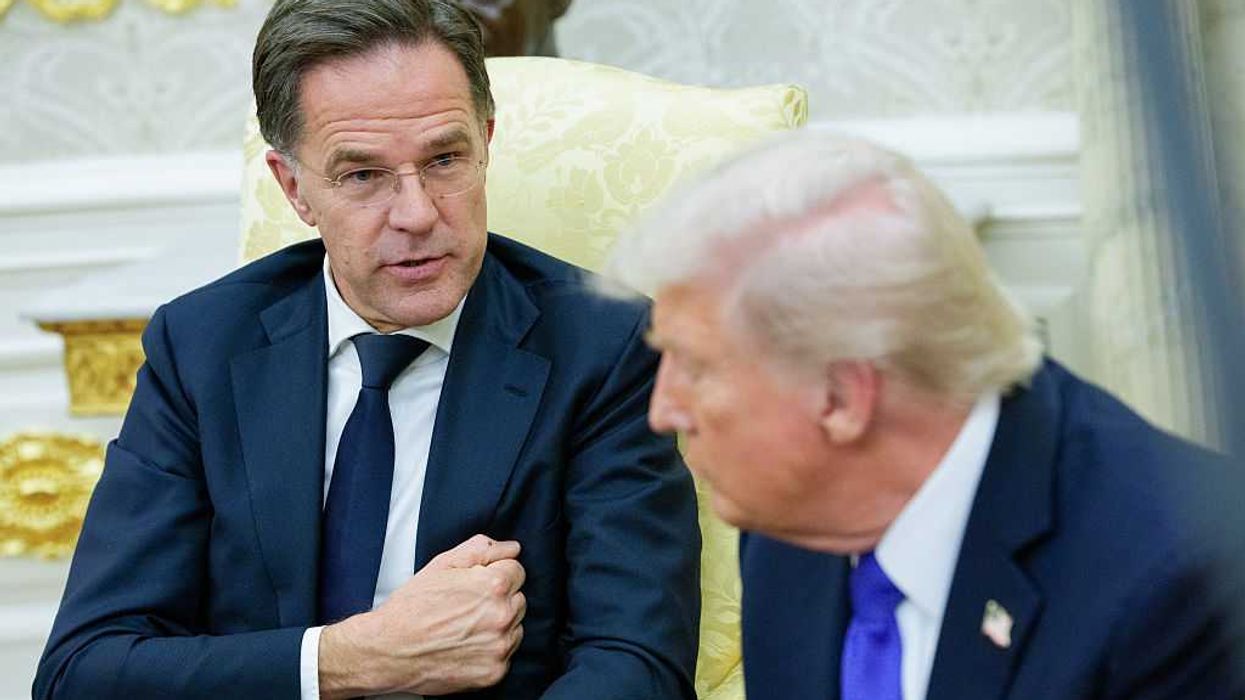
Amid such blather, NATO Secretary-General Mark Rutte emphasized on Wednesday that the American president was "completely right."

Following his meeting on Wednesday with Trump, Rutte told CNN, "Let's never think that one specific weapon system will change the whole war. If it was that easy, then we would have ended it when the Germans sent Leopards II, when the Dutch and the Danes sent the F-16s."

"These systems are important," continued Rutte. "They will absolutely help to bring this war to an end, but in itself, one weapon system will never end it."

RELATED: Melania Trump partners with Putin to lead humanitarian effort in war-torn region

Photo by Andrew Harnik/Getty Images

Zelenskyy, whose term ended in May 2024, seeks to use such missiles — which cost over $2 million a piece and can be fired from a ground-based Typhon launcher that costs around $6.2 million — in concert with long-range drones to strike targets deep inside Russia, including military bases, factories, oil infrastructure, and command centers. Whereas the British-made Storm Shadow missiles in Ukraine's arsenal have a range of 150 miles, Tomahawk missiles have a range of over 1,000 miles.

Rutte referenced the explanation Trump gave during their meeting and said, "He was completely right here: It takes months for anyone other than American soldiers to be trained on [Tomahawk weapon systems]. So it is not that if you decide today that Ukrainians can use them tomorrow."

Trump noted earlier that "there is a tremendous learning curve with the Tomahawk."

"It's a very powerful weapon, very accurate weapon, and maybe that's what makes it so complex," continued the president. "But it will take a year. It takes a year of intense training to learn how to use it, and we know how to use it, and we're not going to be teaching other people. It will be too far out into the future."

Trump, keen on brokering an end to war well in advance of that time Tomahawk missiles might have capable pilots on the ground, has instead turned to a more immediate method of applying pressure on Russia to end the war, namely sanctions on Russia, its enablers, and — as of Wednesday — two of Russia's largest state-owned oil companies.

Like Blaze News? Bypass the censors, sign up for our newsletters, and get stories like this direct to your inbox. Sign up here!

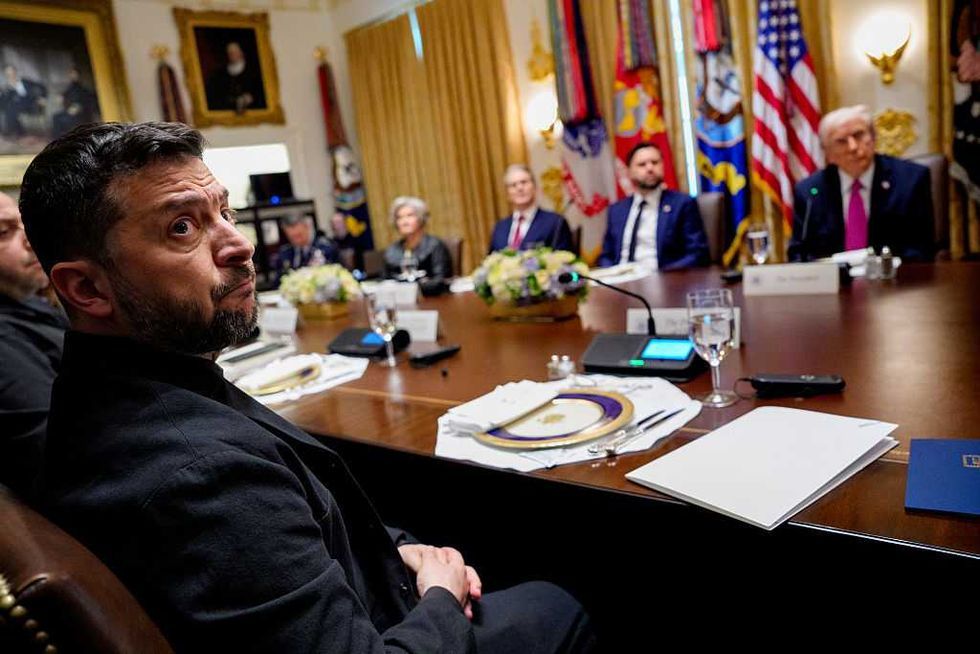
Trump gives Zelenskyy reality check in alleged 'shouting match' before sending him on his way


President Donald Trump has worked ardently to bring an end to the war between Russia and Ukraine — a war that has resulted in millions of casualties and transformed much of Eastern Ukraine into drone-netted wasteland.

Fresh off brokering a tenuous ceasefire in Gaza and speaking with Russian President Vladimir Putin, Trump hosted Ukrainian President Volodymyr Zelenskyy at the White House on Friday.

'They should stop where they are. Let both claim Victory, let History decide!'

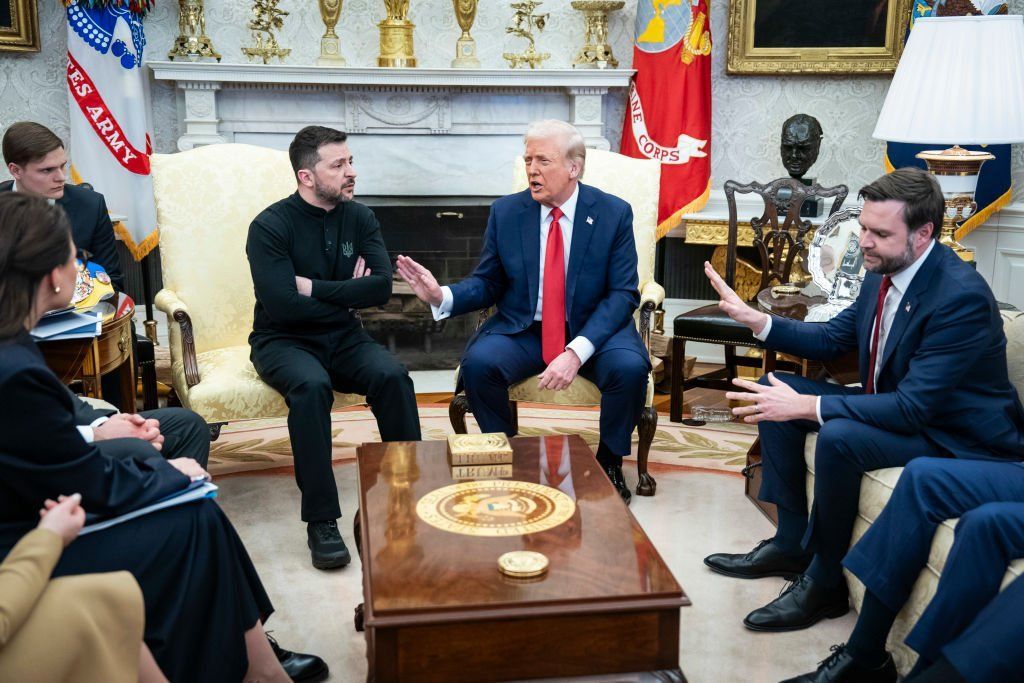
While Trump suggested on social media that the meeting was "cordial," there are reports indicating that it descended at times into a "shouting match" reminiscent of Zelenskyy's disastrous visit to the White House in February.

Zelenskyy evidently saw his trip to the White House as an opportunity to ask Trump for long-range Tomahawk missiles. The Ukrainian president seeks to use such missiles in concert with long-range drones to strike targets deep inside Russia, including military bases, factories, oil infrastructure, and command centers — as well as Moscow — in hopes of turning the tide in the war and improving Kiev's position in future negotiations.

In exchange for the Tomahawk cruise missiles, Zelenskyy — who spoke earlier in the day with representatives of Raytheon, the manufacturer of Tomahawk missiles — indicated that Kiev could provide the U.S. with some advanced drones.

Trump, who allegedly cursed repeatedly during the meeting, poured cold water on the idea. Rather than hand over weapons that he believes America should retain for its own defense and, in the context of the Russia-Ukraine war, would amount to an escalation, Trump once again impressed on Zelenskyy the need to negotiate an immediate end to the war.

RELATED: Thermal shielding: The latest tactic to survive today's drone-swarmed battlefields

Photo by Andrew Harnik/Getty Images

Trump echoed this suggestion Friday evening on Truth Social, writing, "I told him, as I likewise strongly suggested to President Putin, that it is time to stop the killing, and make a DEAL! Enough blood has been shed, with property lines being defined by War and Guts."

"They should stop where they are. Let both claim Victory, let History decide!" continued Trump. "No more shooting, no more Death, no more vast and unsustainable sums of money spent."

The Financial Times, citing a European official briefed on the meeting, reported that Trump told Zelenskyy that it was imperative that he make a deal to end the war, allegedly noting that "if [Putin] wants it, he will destroy you."

There are, however, conflicting reports about the contentiousness of Trump's meeting with Zelenskyy.

One EU diplomat told Politico, for instance, that the meeting was "not as bleak as reported."

A pair of Republican foreign policy experts with direct knowledge of the meeting suggested Trump had not engaged in any cursing.

One GOP foreign policy expert characterized the meeting as "a dud for the Ukrainians rather than a disaster." The other suggested that "it wasn’t a bad meeting, just a victim of poor timing and inflated expectations."

Blaze News has reached out to the Russian Ministry of Foreign Affairs for comment.

The European official further told the Times that at one point during the meeting, Trump brushed aside one of Ukraine's maps of the battlefield, saying the sight of it made him "sick."

"This red line, I don't even know where this is," Trump allegedly said.

Russia presently occupies around 20% of the entire country and most of the Donbas — including all of the Luhansk region, most of the largely Russian-speaking Donetsk region, much of the Kherson and Zaporizhzhia regions, and parts of the Sumy and Kharkiv regions.

While Moscow has made gradual territorial gains over the past year, recent analysis by the Institute for the Study of War suggests that Russian forces are several years away from capturing the remainder of the Donetsk region, which "contains territory that is strategically vital for Ukraine’s defense and defense industrial base."

Two senior officials familiar with Trump's conversation last week with Putin told the Washington Post that the Russian president has conditioned ending the war on Ukraine's surrender of Donetsk — a proposal Zelenskyy apparently remains unwilling to accept.

Zelenskyy — whose term officially ended in May 2024 — told reporters after his meeting with the American president that Putin had asked Trump to "withdraw from the Donbas — not the entire east, but specifically the Donbas, that is, completely from the Donetsk and Luhansk regions."

The Ukrainian president suggested further that he "made it clear" to Trump "that Ukraine's stance in this context remains unchanged."

"Trump wants a quick victory — an end to the war — and that would be a victory for all reasonable people," Zelenskyy later told reporters. "Putin, however, wants the total occupation of Ukraine."

Zelenskyy said in an address on Saturday, "We will give nothing to the aggressor."

'Zelenskyy was very negative.'

President Trump said in an interview with Fox News' Maria Bartiromo that aired on Sunday, "[Putin is] going to take something. I mean, they fought, and he has a lot of property. I mean, you know, he's won certain property."

Trump told reporters on Sunday, "We think that what they should do is just stop at the lines where they are — the battle lines."

As for the Donbas region, Trump said, "I think 78% of the land is already taken by Russia. You leave it the way it is right now."

Although Zelenskyy suggested the needle had been moved where ending the war was concerned, another European official briefed on the Friday meeting told the Financial Times that "Zelenskyy was very negative" after the American president sent him on his way.

Like Blaze News? Bypass the censors, sign up for our newsletters, and get stories like this direct to your inbox. Sign up here!

Trump 'bothered' after Zelenskyy shoots down compromises ahead of peace summit


Within hours of brokering a historic peace between Armenia and Azerbaijan, President Donald Trump announced on Friday that he would meet with Russian President Vladimir Putin in Alaska on Aug. 15 to discuss similarly resolving the war in Ukraine, which is now five months into its third year.

Trump's plan is to join Putin for a "feel-out meeting," confer afterward with Ukrainian President Volodymyr Zelenskyy and European leaders, and then at a later date, meet with both Putin and Zelenskyy in hopes of ironing out the details and ultimately sealing the deal.

'He's got approval to go to war and kill everybody, but he needs approval to do a land swap.'

Zelenskyy was evidently peeved that the initial summit would take place without him as well as by Trump's suggestion to reporters that the peace deal would likely involve "some swapping of territories to the betterment of both."

Following Trump's announcement, Zelenskyy said in a video statement that "Ukrainians will not gift their land to the occupier" and that "any decisions that are against us, any decisions that are made without Ukraine, are at the same time decisions against peace. They will not achieve anything. These are unworkable decisions."

Trump, who has made no secret of his frustration with Zelenskyy and who in February accused the foreign leader of "gambling with the lives of millions of people," did not respond well to this apparent effort to sabotage the upcoming summit.

"I get along with Zelenskyy, but, you know, I disagree with what he's done — very, very severely disagree," Trump told reporters at the White House on Monday.

RELATED: Vance makes one thing abundantly clear ahead of Trump's big ceasefire meeting with Putin

Anna Moneymaker/Getty Images

"I was a little bothered by the fact that Zelenskyy was saying that 'well, I have to get constitutional approval.' I mean, he's got approval to go to war and kill everybody, but he needs approval to do a land swap," said Trump. "There will be some land swapping going on. I know that through Russia and through conversations with everybody."

European officials who have spoken to U.S. officials about their talks with Putin claim that Moscow wants Ukraine to cede the eastern portion of the country known as the Donbas, reported the New York Times.

'The money that's been spent and the death is incredible.'

Russia occupies around 20% of the entire country and most of the Donbas — including all of the Luhansk region, most of the Donetsk region, much of the Kherson and Zaporizhzhia regions, and parts of the Sumy and Kharkiv regions.

Trump noted that "Russia's occupied a big portion of Ukraine. They've occupied some very prime territory. We're going to try to get some of that territory back for Ukraine."

According to the Institute for the Study of War's latest assessment of the Russian offensive campaign, the "prime territory" that Trump was referencing was likely the Zaporizhzhia and Kherson regions.

"The money that's been spent and the death is incredible. It's the worst thing that's happened — by far the worst that's happened — since World War II. So I'm going in to speak to Vladimir Putin, and I'm going to be telling him, 'You gotta end this war.'"

RELATED: Zelenskyy — still holding onto power a year after his term ended — commandeers anti-corruption bureau, sparking protests

Antonio Masiello/Getty Images

The Center for Strategic and International Studies estimated in June that upwards of 250,000 Russian soldiers have died in Ukraine and hundreds of thousands more have been wounded — leaving Moscow with a potential fatality rate five times the number of all Russian and Soviet wars combined since World War II. Ukraine has seen upwards of 100,000 soldiers killed with a total of 400,000 casualties.

The war, which the U.S. has sunk hundreds of billions of dollars into, has also resulted in the displacement of over 3.7 million people and an exodus of around seven million Ukrainians.

"I'd like to see a ceasefire. I'd like to see the best deal that could be made for both parties," continued Trump. "It takes two to tango, all right."

When asked whether Zelenskyy is expected to soften his position on this matter, the State Department referred Blaze News to the White House for comment. Blaze News has reached out to the White House.

Zelenskyy may not presently want to make any concessions, but recent polling suggests Ukrainians are growing increasingly desperate to negotiate an end to the conflict.

According to a Gallup poll conducted last month, 69% of Ukrainians said that they favor a negotiated end to the war as soon as possible. Only 24% said they support continuing to fight until victory.

'I believe he wants to get it over with.'

This is nearly a total reversal of the responses to a 2022 poll, where 73% of Ukrainian respondents said they favored fighting until victory and 22% said they wanted to see a negotiated end as soon as possible — a peace that was spiked during negotiations in Turkey.

Despite the U.S. propping up Kyiv and Trump's efforts to broker a peace, pollsters found that 73% of Ukrainians signaled disapproval of "the job performance of the leadership of the United States." Only 16% of respondents signaled approval, which spiked in 2022 then began to plummet during former President Joe Biden's term.

A trend that might make negotiations simpler is the Ukrainian sense that NATO membership is a bridge too far.

Whereas 64% of respondents said in 2022 that they expected Ukrainian NATO membership within 10 years, that optimism has dissipated such that now only 32% of Ukrainians expect acceptance into the organization, which Moscow has indicated would be intolerable.

Although Trump indicated Putin has disappointed him before, he said that this time around, "I believe he wants to get it over with."

Like Blaze News? Bypass the censors, sign up for our newsletters, and get stories like this direct to your inbox. Sign up here!

Vance makes one thing abundantly clear ahead of Trump's big ceasefire meeting with Putin


President Donald Trump made good on yet another campaign promise last week, brokering a historic peace between Armenia and Azerbaijan — two nations that have been spilling blood for decades over territory in the Caucasus Mountains.

Trump pulled off this latest deal after securing peaceful resolutions between Rwanda and the Democratic Republic of the Congo, Cambodia and Thailand, and India and Pakistan. Trump, now on a roll, appears poised to bring an end to the war in Ukraine.

'We're done with the funding of the Ukraine war business. We want to bring about a peaceful settlement to this thing.'

To this end, Trump announced on Friday that he will meet with Russian President Vladimir Putin in Alaska on Aug. 15. He told reporters the peace deal would likely involve "some swapping of territories to the betterment of both."

Hours after Trump's announcement, Ukrainian President Volodymyr Zelenskyy shared a video suggesting Kyiv would not make territorial concessions — a possible obstacle to a settlement.

After stating, "Ukrainians will not gift their land to the occupier," Zelenskyy said that "any decisions that are against us, any decisions that are made without Ukraine, are at the same time decisions against peace. They will not achieve anything. These are unworkable decisions."

Vice President JD Vance, who has previously made his frustration with Zelenskyy known, told Maria Bartiromo in a "Sunday Morning Futures" interview recorded on Friday that neither side will be particularly happy about the settlement, and that one way or another, "we're done with the funding of the Ukraine war business. We want to bring about a peaceful settlement to this thing."

RELATED: Trump makes good on MAJOR campaign promise, brokering a 'historic peace'

Photo by BRENDAN SMIALOWSKI/AFP via Getty Images
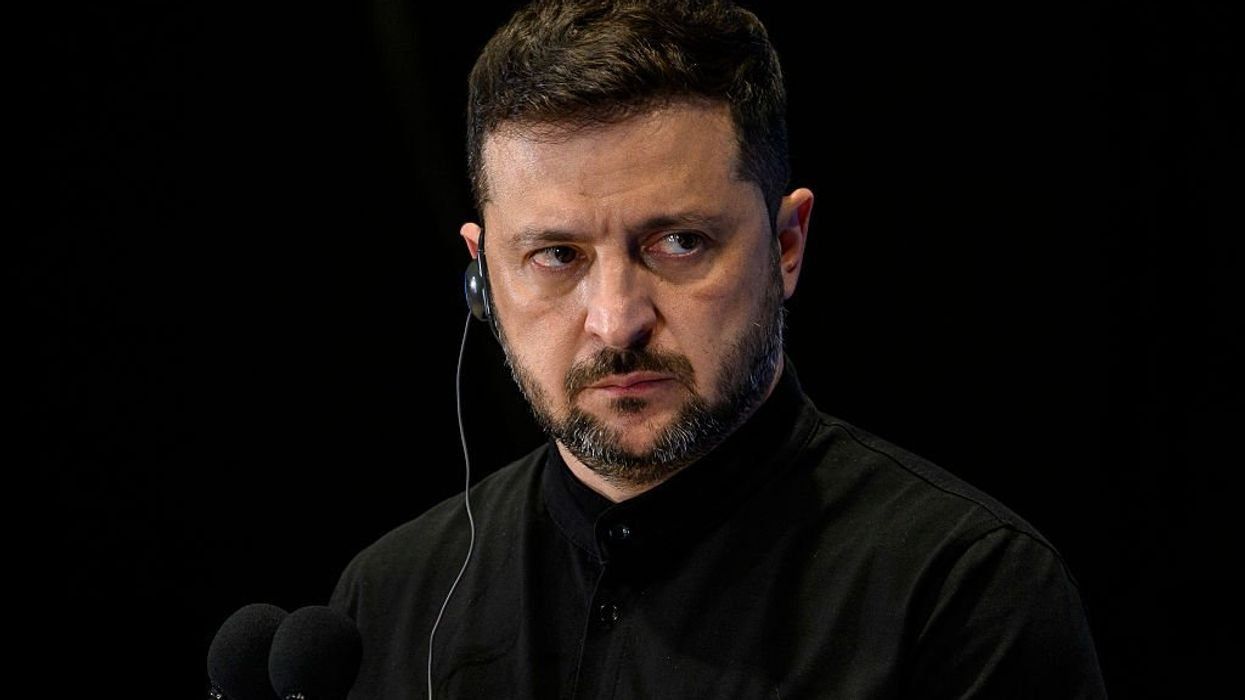
The United States has committed hundreds of billions of dollars to Ukraine since its invasion by Russia in February 2022, outspending Europe on propping up Kyiv well into this year.

In addition to taxpayer dollars for the beleaguered nation's humanitarian and budget support, the U.S. has poured well over $70 billion worth of weapons, equipment, and other military support into Ukraine — including long-range Army Tactical Missile System missiles.

Trump announced in July that the U.S. would supply Ukraine with "various pieces of very sophisticated military" equipment, including Patriot air defense batteries; however, European nations would foot the bill.

"We're in for about $350 billion. Europe is in for $100 billion. That's a lot of money, 100, but they should be in actually for more than us," Trump said. "So as we send equipment, they are going to reimburse us for that equipment."

— (@)

While American military aid is becoming increasingly mediated by European nations, Vance hinted in his interview with Bartiromo that Washington retains sufficient economic leverage over Kyiv to compel it to negotiate, even if the terms are at first blush unacceptable to Zelenskyy.

RELATED: Zelenskyy — still holding onto power a year after his term ended — commandeers anti-corruption bureau, sparking protests

Photo by Antonio Masiello/Getty Images
"The reason that we reached this decisive moment, a real change in where we were, is because the president was willing to apply some significant pressure and actually say, 'If you don't come to the table, the American people — we're not going to get involved in this war directly, but we have a lot of economic points of leverage and we're willing to use those to bring about peace.'"

'Americans are sick of continuing to send their money, their tax dollars to this particular conflict.'

Trump has applied pressure in both directions.

In an effort to get Putin to the negotiating table, Trump threatened last week to apply a 25% tariff on goods from importers of Russian oil. After observing in March that Zelenskyy was "not ready for Peace if America is involved," Trump ordered a brief pause on all military aid being sent to Ukraine.

Both foreign leaders appear to have reacted to Trump's diplomatic spurring.

Vance emphasized that the peace deal is "not going to make anybody super happy. Both the Russians and the Ukrainians, probably, at the end of the day, are going to be unhappy with it."

While the Ukrainians and Russians won't be happy, Vance hinted that there will be at least one major cohort pleased to see the fighting end, noting, "Americans are sick of continuing to send their money, their tax dollars to this particular conflict."

The vice president indicated that a trilateral summit is now in the cards but that it would not be productive to have Zelenskyy attend the Friday summit in Alaska.

Blaze News has reached out to the White House and to the State Department for comment.

Like Blaze News? Bypass the censors, sign up for our newsletters, and get stories like this direct to your inbox. Sign up here!

'Unintended consequences': Trump dispatches nuclear subs following radioactive engagement with Putin's right-hand man


President Donald Trump told reporters in Great Britain on Monday that he was "very disappointed" in Russian President Vladimir Putin over his failure to play ball on peace talks, noting that he would shorten a 50-day negotiating window and "make a new deadline of about 10 or 12 days."

The president later added, "And then we're going to put on tariffs."

Dmitry Medvedev, deputy chair of the Russian Federation's security council and former Russian president, said in response, "Trump's playing the ultimatum game with Russia: 50 days or 10… He should remember 2 things: 1. Russia isn't Israel or even Iran. 2. Each new ultimatum is a threat and a step towards war. Not between Russia and Ukraine, but with his own country. Don't go down the Sleepy Joe road!"

'Russia is right about everything and will continue to go its own way.'

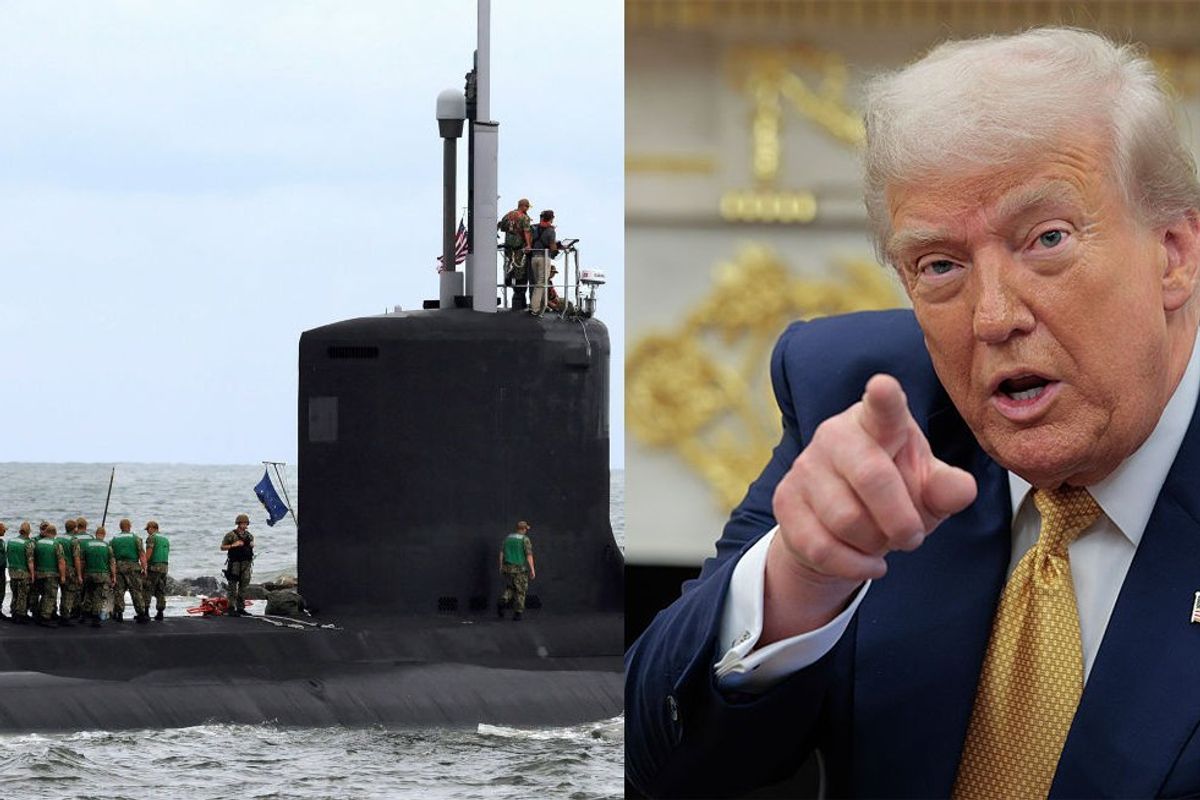
The engagement between the two men online quickly devolved into talk of nuclear war and, on Friday afternoon, the dispatch of two nuclear submarines.

Grigorii Golosov, a political science professor at the European University in St. Petersburg, Russia, told the New York Times that Trump has targeted Medvedev rather than Putin online because he "wants to criticize someone in Russia" but is still hoping to make a deal with the current Russian president.

On Thursday, Trump suggested that Russia and the United States should continue to do "almost no business together" — total trade between the two nuclear powers amounted to $3.5 billion in 2024 — and said that Medvedev should "watch his words," adding, "He's entering very dangerous territory!"

RELATED: Trump slaps India with 25% tariff — in an attempt to influence Russia

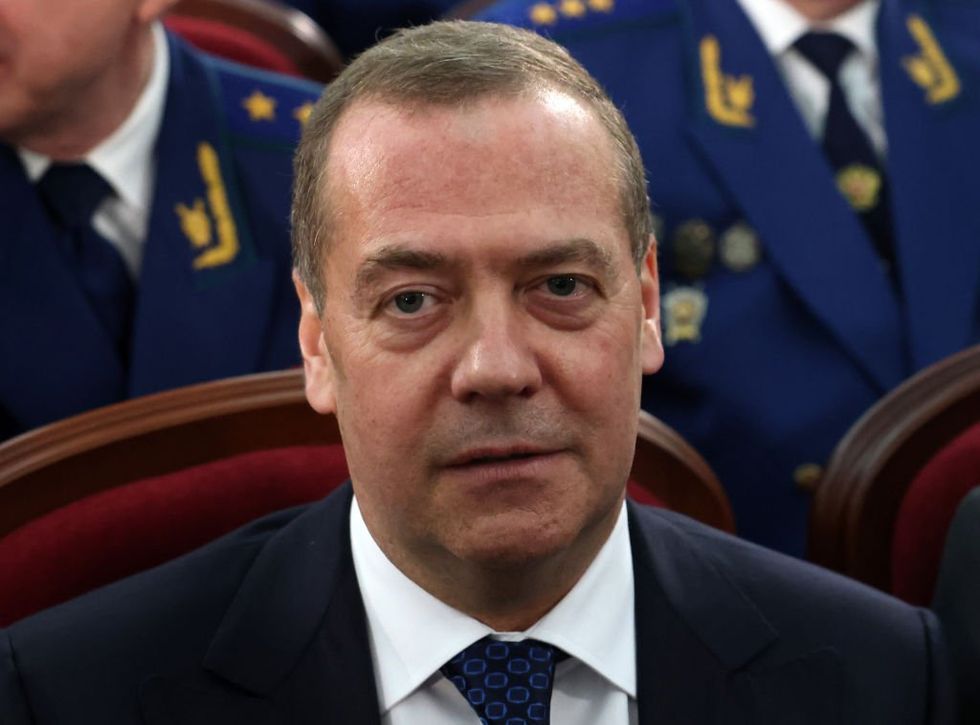
Former Russian President Dmitry Medvedev. Getty Images

Medvedev issued a rejoinder hours later on Telegram, writing in Russian, "If certain words uttered by the former Russian president provoke such a nervous reaction from the formidable US president, then Russia is right about everything and will continue to go its own way."

Putin's right-hand man added, "Let him remember his favorite movies about 'The Walking Dead,' as well as how dangerous the non-existent in nature 'Dead Hand' can be."

"Dead Hand" is a reference to a nuclear weapon launch system that could apparently trigger nuclear attacks across the U.S. in the event that a nuclear strike on Moscow is detected or if communications with top Russian leaders drop off.

Russian Strategic Rocket Forces Col. Gen. Sergey Karakayev told the Russian newspaper Komsomolskaya Pravda in a 2011 interview that the system was indeed "on combat duty."

President Trump was not at all amused by the allusion to an American nuclear holocaust.

On Friday afternoon, Trump noted that based on Medvedev's "highly provocative statements," he has "ordered two Nuclear Submarines to be positioned in the appropriate regions, just in case these foolish and inflammatory statements are more than just that."

"Words are very important, and can often lead to unintended consequences," continued the president. "I hope this will not be one of those instances. Thank you for your attention to this matter!"

Defense Secretary Pete Hegseth shared Trump's statement online. Neither the president nor Hegseth indicated where the submarines were being deployed.

— (@)

In an earlier message on Friday, the president bemoaned the loss of life in Ukraine, noting:

Almost 20,000 Russian soldiers died this month in the ridiculous War with Ukraine. Russia has lost 112,500 soldiers since the beginning of the year. That is a lot of unnecessary DEATH! Ukraine, however, has also suffered greatly. They have lost approximately 8,000 soldiers since January 1, 2025, and that number does not include their missing.

This is a developing story.

Like Blaze News? Bypass the censors, sign up for our newsletters, and get stories like this direct to your inbox. Sign up here!

The Russia Collusion Hoax Is Worse Than You Think

New revelations suggest a conspiracy at the heart of the Obama White House to target Trump as a Russian agent.