Blue States Are Redefining Religious Freedom To Stop Christians From Practicing Christianity
 A faith that may be freely exercised only within the church is a faith the state has already succeeded in controlling.
New York Gov. Kathy Hochul (D) has declared a state of emergency over measles — and as the self-described “OG antivaxxer at the Blaze,” Sara Gonzales is pushing back.
Especially against the new recommendation for who exactly can administer the shot.
“Why is it in the government’s purview to determine what is and is not acceptable for your family?” Gonzales asks, noting that she takes “particular issue” with Kathy Hochul for “expanding the pool of health care providers who can administer MMR vaccines to include midwives.”
“Now, what I take issue with on this is that midwives would treat who?” Gonzales asks.
“Obviously, they would be treating pregnant women,” she says.
“And pregnant women specifically, they have done no studies for the MMR vaccine, how it affects pregnant women, and the CDC’s own website says that pregnant women should not get the MMR vaccine because they don’t know what it can do to a fetus,” she continues.
“So I’m like, why is the government stepping in and saying, ‘No, actually, don’t listen to our own CDC,’ who they just said several years ago we have to trust. ‘The CDC is the end-all be-all. They are the science,’” she adds.
To enjoy more of Sara's no-holds-barred takes on news and culture, subscribe to BlazeTV — the largest multi-platform network of voices who love America, defend the Constitution, and live the American dream.
As the civil lawsuit and renewed criminal investigation into what allegedly happened inside Cornell’s Chi Phi fraternity house move forward, the public argument over blame has become largely binary: her or them.
“Consent” has become the watercooler word. Was she responsible for putting herself in that situation, or were the men responsible for what happened afterward?
Brotherhood isn’t helping your brothers get away with bad things. It’s demanding that your brothers be better men.
But I want to bring two more parties into the conversation: dads and the “manosphere.”
I keep asking myself a question I don’t see asked nearly enough: Where were the other young men?
Not the seven fraternity members accused in Jane Doe’s lawsuit. I mean the other brothers who may have been in the house or who saw the fraternity Snapchat thread during the night.
According to the civil complaint and reporting on the messages, a photo of Doe appeared in a group chat, and messages invited other fraternity members to come upstairs. The public record does not establish what every recipient knew or whether each was physically present. But the question remains: What had those young men been taught a man should do if he realizes something terrible may be happening down the hall?
More frightening is the thought of what my sons would have done if they were in that house.
That’s where dads — and the competing vision of masculinity being sold to young men online — belong in this conversation.
I have two boys under 10, and I’ve noticed the standard most dads emphasize: Don’t be the bad guy. Don’t bully other kids. Don’t take advantage of your friends.
Fine. But that’s the floor.
Your goal as a father isn’t merely to raise boys who won’t commit evil. It’s to raise boys who will confront it.
Too often, we obsess over raising boys who aren’t predators. We don’t spend nearly enough time raising protectors. Strength isn’t demonstrated by what you can take from somebody weaker. It’s demonstrated by what you’re willing to risk on that person’s behalf.
I’m not raising my sons to walk away from the Cornell fraternity house room. I’m raising them to open the door and stop what’s happening. Sometimes avoidance is the right answer, and avoidance takes judgment. Other times intervention is the right answer, and intervention takes courage.
The manosphere teaches young men that masculinity is something you prove through acquisition: women, sex, money, muscles, followers, status, dominance. Men advertise their “body count” as if the number of women they have slept with were a masculine achievement. Women become objects, not obligations. That’s rotten.
Most critics focus on how the manosphere distorts the way young men see women. They spend less time on how it distorts the way young men see other men. The entire system is a hierarchy: Who’s the alpha? Who’s weak? Who’s afraid? Who’s willing to go the farthest?
RELATED: Nick Freitas says America needs real men again

Now imagine being the 19-year-old fraternity brother who realizes something is badly wrong upstairs. Stopping it may mean risking exactly what this worldview tells him matters most: the approval of other men.
The popular phrase goes, “Character is what you do when no one’s watching.” Good. But I’m also teaching my boys that character is doing the right thing when everyone is watching — and when doing it makes you unpopular.
Applied to the Cornell allegations, the manosphere tells a young man not to be the buzzkill. Actual masculinity tells him to be willing to become the least popular man in the house. Open the door. Stop what’s happening. Find her clothes. Get her somewhere safe. Call the police if necessary. Accept the social consequences tomorrow.
That’s courage.
The stakes rise when the wrongdoer is your friend: your frat bro, your teammate, your lifelong best friend. We teach boys that loyalty is a masculine virtue. It is. But we have confused loyalty with complicity.
We take our friends’ keys when they shouldn’t drive. Likewise, dragging your friend out of a room when he is about to do something horrific isn’t betraying him. It may be the most brotherly thing you can do for him.
Brotherhood isn’t helping your brothers get away with bad things. It’s demanding that your brothers be better men.
The manosphere didn’t arrive in a vacuum. Boys have been begging for someone to tell them what a man is, what strength looks like, and what we owe other people. If fathers don’t answer those questions, someone on TikTok happily will.
RELATED: America needs heroes who do not apologize for being heroes
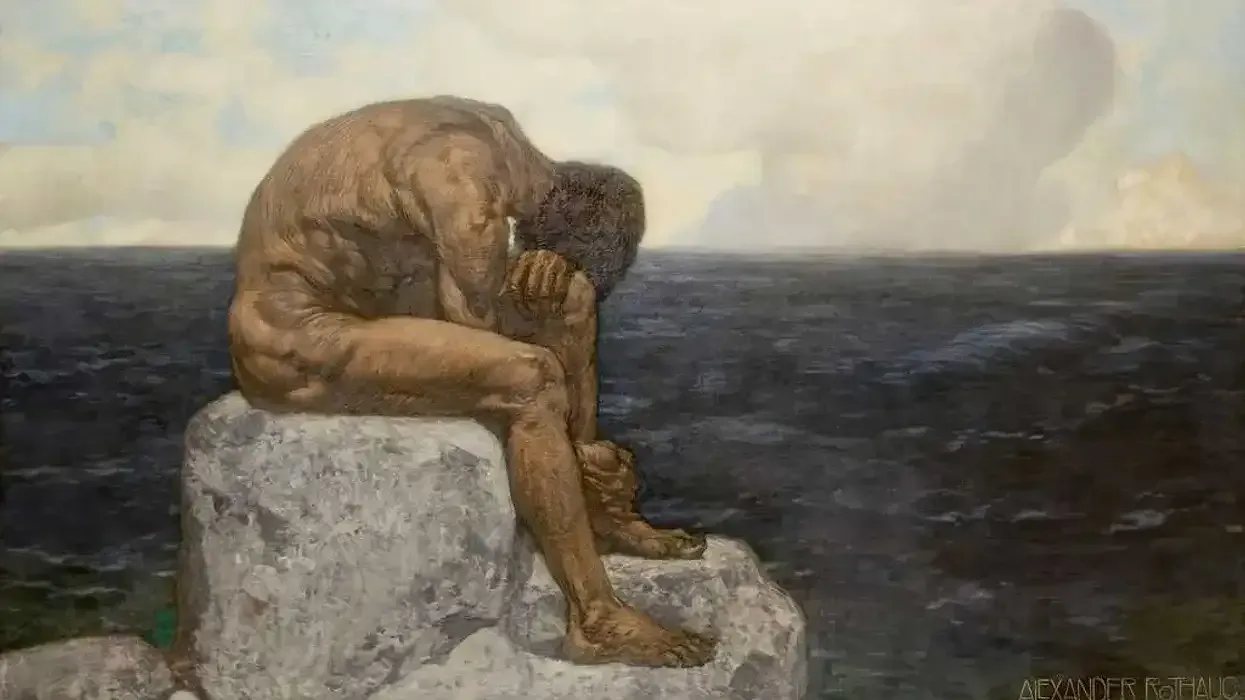
The answer to the manosphere isn’t telling boys that masculinity is toxic. It’s giving them a better version of it.
My biggest fear as a father concerns the moments when I won’t be there. Fatherhood has an expiration date on enforcement. Eventually my sons will face a situation without me standing beside them.
Then it won’t be who’s beside them. It will be what’s inside them.
If I’m successful, their standard won’t be “don’t get arrested” or even “don’t participate.” It will be this: When everyone else loses his head, keep yours. And when somebody vulnerable needs help, help.
The courts will determine legal culpability in the Cornell case. New York Attorney General Letitia James is now overseeing the renewed criminal investigation, while the civil lawsuit proceeds separately.
Fathers don’t need to wait for either process to ask what would have happened if their own son had been there.
We shouldn’t settle for hoping he wouldn’t have participated. We should raise the son who would have stopped it.
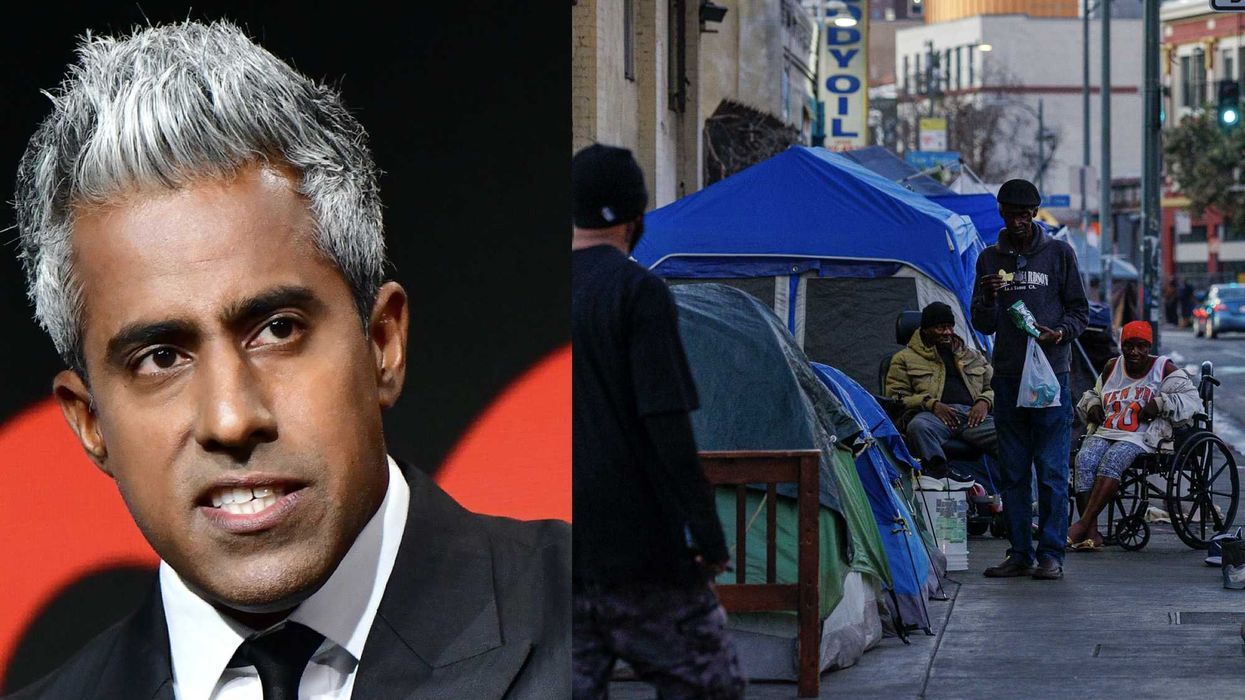
A left-wing commentator had a bizarre explanation for the homelessness crisis in blue cities during a debate on Bill Maher's show Friday.
Anand Giridharadas, a frequent guest on MS NOW, argued on "Real Time with Bill Maher" that much of the problem of homelessness is because of religious families choosing a Scripture verse over the welfare of their children.
'We are holding a lot of your people who you failed to love and take care of.'
Giridharadas was reacting to CNN's Fareed Zakaria, who pointed out that many big cities spend "crazy" amounts of money but have not solved the homelessness crisis.
Although Giridharadas said Zakaria was right to say Democratic-controlled cities privilege the homeless over other residents who have to deal with the fallout from homelessness, he went on to defend blue cities.
"Cities are very unfairly labeled as these problem centers by Donald Trump and others," he said.
"And one thing is worth remembering. If you look at the population of all people in cities, particularly people who come to cities from elsewhere, but particularly homeless and other vulnerable people in cities, look at youth homeless: A pretty large chunk of those people [who] end up in cities were failed in some other parts of this country," he added.
"The fraction of youth homeless or LGBTQ, whatever, [is] pretty high," said Giridharadas.
"So there are a lot of families in this country who fail the first duty of family, which is to love your kids more than any other thing. And there's a lot of families in this country that look at some verse in some book and their child's face and choose the verse in the book over their child's face and drive their children out of Nebraska or out of Florida or out of Idaho," he added.
"And those kids come to San Francisco, and those kids come to New York, and those kids go to Chicago, and we have friends giving dinners with them. You live in L.A., you are surrounded by people who have those kinds of stories," Giridharadas concluded. "And so cities — every time someone is sleeping on a subway bench in a city, the rest of America can sort of say, 'Ugh, look at these cities.' But we are holding a lot of your people who you failed to love and take care of."
Giridharadas got a lot of applause from the audience for his point.
The Human Rights Campaign estimates that LGBTQ-identifying young people have a 120% greater chance of being homeless than other youth, but a total percentage of LGBTQ people among all homeless is difficult to measure.
Giridharadas previously made headlines when he opined that perhaps Fox News should not exist anymore because its reporting had goaded viewers into committing "terrorism" during the January 6 melee at the U.S. Capitol.
Like Blaze News? Bypass the censors, sign up for our newsletters, and get stories like this direct to your inbox. Sign up here!
Activists in a town in Upstate New York are celebrating their efforts to help two men escape U.S. Border Patrol agents by climbing onto a roof.
At one point the officers were able to obtain a ladder to try to get to the two men, but the men pushed the ladder off the roof and continued their hours-long standoff.
Police did not aid in any arrests related to the 'Border Patrol investigation, the property complaints, or the demonstration.'
The incident began in Oswego, New York, at about 1:30 p.m. on Wednesday, according to Syracuse.com.
Oswego police said they were called to the scene over a report of a reckless driver, which ended up being the agents on an immigration enforcement operation.
Oswego Mayor Robert Corradino said the police chief told him that federal agents were pursuing a man in a car who was able to get away and get on the roof of a home on 7th Street.
In a statement released Thursday, Corradino confirmed that Border Patrol was attempting to "apprehend multiple individuals on federal judicial warrants" and that "the individuals fled from a vehicle after a brief pursuit."
Then, citing advisement from the police chief, Corradino added that "the subjects managed to climb to the second-story roof of the residence and refused to come down."
That's when neighbors and activists appeared and harassed the officers involved in the standoff. They demanded to know if the officers had warrants for the two men and yelled at the officers to leave.
The protesters tossed water bottles to the men and applauded when a man caught one, Syracuse.com reported.
One online influencer who reportedly claimed to be a U.S. Marine veteran documented the efforts of the protesters to drive away the officers.
At about 7:30 p.m., the agents left after about a six-hour standoff. The protesters then organized to make sure they weren't being fooled into leaving so that the officers could return and detain the two men.
Estimates indicate more than 70 protesters participated, according to Syracuse.com.
In his statement, Mayor Corradino tried to assuage those accusing city officers of helping the immigration enforcement mission.
RELATED: Pro-ICE student suspended over posters at California high school after hundreds walked out
"Our police officers acted swiftly to support the school district, protect private property, and de-escalate conflicts as they emerged," the mayor wrote. "Our firefighters responded to a 911 call solely to provide a safe means of egress, a reminder that their mission is always centered on safety, not enforcement."
He added that police did not aid in any arrests related to the "Border Patrol investigation, the property complaints, or the demonstration."
A Blaze News request for comment from the Department of Homeland Security was not returned in time for publishing.
Like Blaze News? Bypass the censors, sign up for our newsletters, and get stories like this direct to your inbox. Sign up here!
Governments have been handing out public work since men were laying stones on the Appian Way. And wherever government hands out money, people line up to get some.
Abraham Lincoln was said to have faced so many office-seekers and applicants for government favors that he finally complained, in his usual earthy fashion, that “there are too many pigs for the teats.”
The Democratic Socialists of America do not own the word ‘kindness.’
The pigs have multiplied.
During the New Deal, Franklin Roosevelt dramatically expanded Washington’s role in the economy. His administration also strengthened organized labor. The Wagner Act of 1935 guaranteed workers the right to organize and bargain collectively, and unions became a central pillar of the Democrat coalition that dominated American politics for decades.
The same political pattern appeared again during the War on Poverty.
Michael Harrington’s 1962 book, “The Other America,” helped force poverty onto the national political agenda. Lyndon Johnson’s anti-poverty task force later brought Harrington to Washington as a consultant.
The federal government also needed a way to measure poverty. That measure was developed principally by Mollie Orshansky, an economist at the Social Security Administration, whose thresholds became the basis of the official federal poverty measure.
Then came the Great Society: Medicare, Medicaid, food assistance, housing programs, and a vast expansion of Washington’s responsibility over Americans’ lives and livelihoods.
The political argument over those programs has raged ever since. But one fact should not be controversial: Americans have transferred staggering amounts of wealth through government because they believe people in genuine need should be helped.
That is kindness on an industrial scale. And wherever kindness operates on an industrial scale, thieves notice.
The Government Accountability Office estimates that the federal government loses between $233 billion and $521 billion every year to fraud, based on data from fiscal years 2018 through 2022.
That is not “waste” in the loose political sense. The GAO is estimating losses from deliberate fraud.
Look around the country. In Minnesota, the House Oversight Committee says at least $300 million was stolen through the Feeding Our Future child-nutrition scandal. The committee also says federal prosecutors estimate that fraud involving several high-risk Medicaid programs could total billions.
RELATED: The government would like to discuss your allowance

In New York, federal prosecutors charged 15 defendants in health care schemes involving more than $10.6 billion in fraudulent billings to Medicare, Medicaid, and private insurers.
Arizona’s Medicaid system was hit by another grotesque scheme aimed at programs serving Native Americans struggling with addiction. The state attorney general says losses from the wider scandal reached into the billions. In one recent federal case alone, an addiction-treatment operator was sentenced to 14 years after fraudulently billing Medicaid more than $69 million.
In California, Paul Richard Randall orchestrated a scheme that submitted nearly $270 million in false Medi-Cal claims for expensive medications that were often unnecessary or never provided. Medi-Cal actually paid about $179 million. Randall got 30 years in federal prison.
Across seven Southeastern states, the Justice Department this summer announced 17 cases involving more than $350 million in intended losses involving SNAP, housing benefits, Small Business Administration loans, and tax fraud.
This thieving from American kindness is nationwide.
The Trump administration has now made federal fraud a major target. This month, the government canceled Affordable Care Act policies covering roughly 760,000 people whose enrollments it says were fraudulent or otherwise ineligible. The administration projects about $2.2 billion in savings.
It turns out that industrial-scale redistribution creates industrial-scale opportunities for fraud.
The Biden-era immigration surge adds another political argument. The Congressional Budget Office estimates net immigration at roughly 1.5 million people in 2021, 2.8 million in 2022, 3.3 million in 2023, and 2.7 million in 2024. Much of that increase fell into the CBO’s “other foreign national” category, which includes people who entered without lawful status as well as others admitted under temporary authorities.
But illegal immigrants are generally barred from SNAP, nonemergency Medicaid, SSI, TANF, and most federal housing assistance. States can choose to spend their own taxpayers’ money anyway. California sure does, to the tune of $22 billion a year.
And immigration has a political consequence separate from voting. The census counts residents, not merely citizens, for congressional apportionment. Illegal aliens count in those population totals just like everyone else living in the country.
When Washington spends money on a colossal scale, responsibility becomes diffuse. A federal agency sends money to a state. The state sends it to a provider. The provider bills a program. A nonprofit administers another piece. Somewhere along that chain, the pigs find the teats.
Then everybody expresses shock.
RELATED: Can a $1.2 trillion giveaway become a fiscal bargain?
Perhaps the 50 states should shoulder far more responsibility for caring for their own poor. Perhaps Washington should stop pretending that every human problem requires another federal funding stream.
The alternative is industrial-scale socialism accompanied by industrial-scale fraud.
Something else eventually gets stolen, too: trust. Every dollar stolen from Medicaid makes taxpayers more suspicious of Medicaid. Every fake food-benefit claim makes it harder to defend assistance for the family who actually needs groceries. Every crooked nonprofit feeds the suspicion that “compassion” has become a business model.
That may be the most destructive theft of all.
The Democratic Socialists of America do not own the word “kindness.” Neither does any political party. Americans who work, pay taxes, and agree to help their neighbors have every right to demand that their money reach the people it was intended to help.
And they have every right to be furious with the pigs at the teats who steal it.

 What a state cannot be permitted to do is transform a policy disagreement into an exercise of state power to nullify federal authority.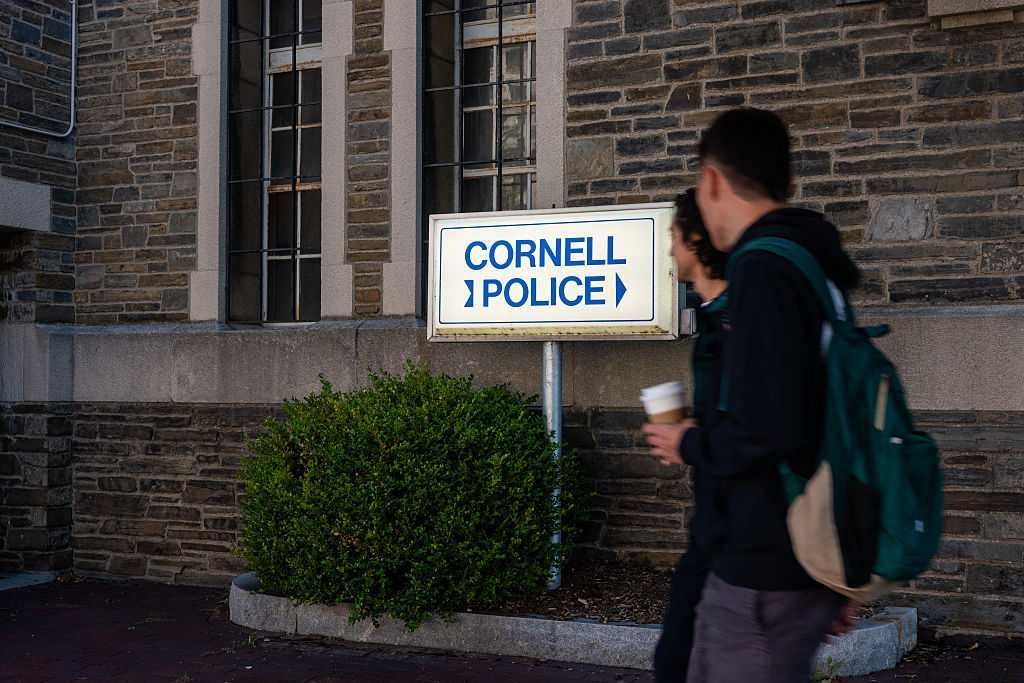
 Mamdani is the high-energy guy eager to let you know just how much fun stuff there is to do, and be sure to check out movie night on the quad this Friday, and also, Free Palestine!

 A federal judge dismissed a Democrat-led lawsuit on Wednesday challenging the Department of Government Efficiency’s (DOGE) access to the Treasury Department’s payment systems. In a 17-page order, New York-based District Judge Jeannette Vargas, a Biden appointee, ruled that a legal challenge by the Empire State and other Democrat-led states against DOGE’s Treasury access is moot […]
 www.theblaze.com
 thefederalist.com
 www.theblaze.com