How State Prosecutors Can Send Tony Fauci To Rot In Prison
 Fauci's diary, paired with my own memoir of the pandemic, provides some of the very best evidence that Anthony Fauci should rot in prison.
Sen. Rand Paul (R-Ky.) says that Bill Gates had a "private editor" who worked at the National Institutes of Health.
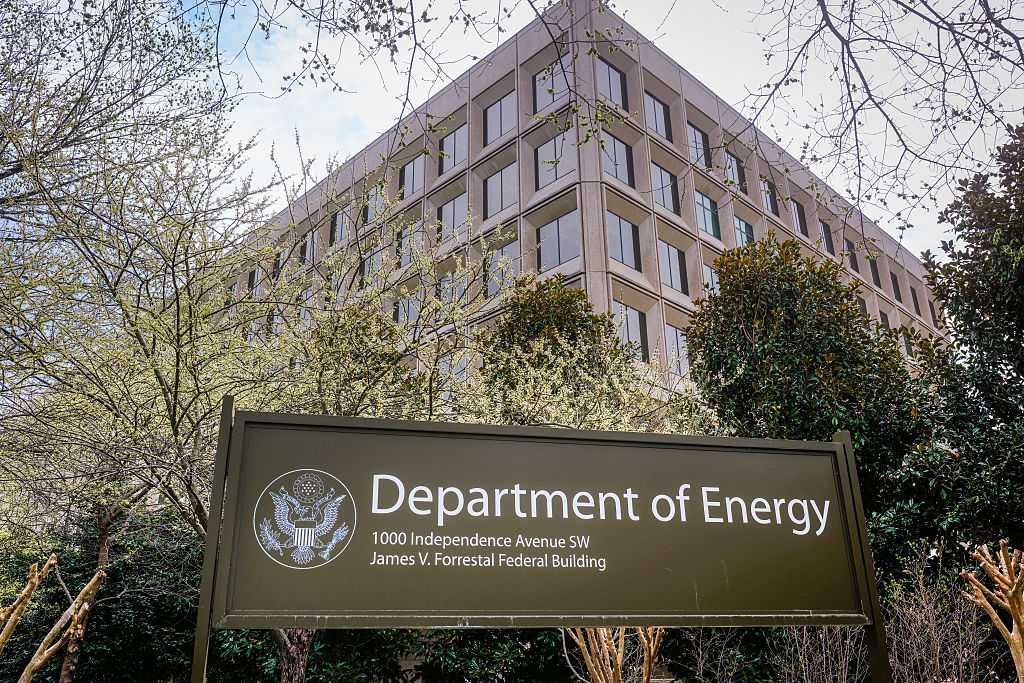
At the same time, Paul released documents that point to Gates having the highest level of access at the Department of Energy as well as getting insider briefings from the Defense Advanced Research Projects Agency.
'Is this coordinated in some way, or is Bill going rogue?'
Known as "Q" clearance, the DOE classification is the department's rough equivalent to Top-Secret National Security Information clearance for access to Restricted Data, the DOE's special category of classified information.
In a huge document dump as part of his ongoing investigation into the origins of COVID-19, Paul showed that Gates held the clearance for seven years, "including during the height of the COVID-19 pandemic."
The period spanned from June 11, 2014, to December 6, 2021; those dates were provided to Paul in a June 30 letter from the DOE.
Further documents revealed that Dr. Anthony Fauci served as Gates' "private editor," with Gates requesting Fauci's feedback on a memo in April 2020. The memo was titled "Pandemic I: The First Modern Pandemic," which "set out how Gates was thinking about the COVID pandemic."
Gates later asked Fauci to edit his book "How to Prevent the Next Pandemic."
Another item in the released files stated that DARPA had given the Bill & Melinda Gates Foundation a private briefing on four military biological threat programs. This included a 90-minute session on programs like PREEMPT, which has a stated aim of "targeting viruses in animals before they emerge in humans."
RELATED: Warren Buffett pauses massive donation to Gates Foundation amid Epstein investigation
Much of the revelations were in regard to the Gates Foundation (formerly the Bill & Melinda Gates Foundation) and its ties to the federal government.
"When the NIH director urgently asked what his agency's ties to the Gates Foundation were, the answer came back that the foundation had been funding pieces of NIH," the documents explained. An internal review at the NIH included that the foundation had "funded various components of NIH."
Gates' influence even led him to making suggestions to the president at the White House. In 2018, NIH Director Francis Collins reported that Gates met with President Biden in the Oval Office to discuss promoting a universal flu vaccine.
Collins allegedly asked, "Is this coordinated in some way, or is Bill going rogue?"
RELATED: Diaries expose Fauci obsessing over his own fame during height of COVID as millions died
As further evidence of the Gates Foundation being intertwined with federal agencies, Paul said at the end of July that Collins told Gates' wife that much of his tenure had been spent bringing the NIH and the foundation closer together.
In October 2021, just after announcing his resignation, Collins wrote:
"It has been a privilege to work with the Bill and Melinda Gates Foundation over these 12 years, and I am glad to have had the chance to bring our global health efforts even closer together than ever."
Paul was clear, summarizing the relationship between Gates and the NIH as one that included "personal access" to the federal government.
"Bill Gates had a Q Clearance and a private editor at NIH. Across nearly 20 years, the Bill & Melinda Gates Foundation built a relationship with the federal government that ran on personal access as much as formal partnership."
Like Blaze News? Bypass the censors, sign up for our newsletters, and get stories like this direct to your inbox. Sign up here!
A landmark settlement delivered a blow to the censorship industrial complex that silenced Americans during the COVID era.
Sen. Eric Schmitt (R-Mo.) announced Tuesday that Missouri had reached a settlement agreement with the U.S. government in its Missouri v. Biden lawsuit, which accused the Biden administration of violating Americans' First Amendment rights by directing social media companies to censor speech challenging the government's COVID messaging.
'For every working Missouri family tired of being silenced by their own government: this victory is yours.'
Schmitt filed the lawsuit against the Biden administration while serving as Missouri attorney general, before securing his Senate seat.
The agreement included a 10-year Consent Decree that enforces a narrow permanent injunction on the surgeon general, the Centers for Disease Control and Prevention, and the Cybersecurity and Infrastructure Security Agency. The injunction prevents them from threatening social media companies with any form of punishment if those companies fail to remove or suppress content that contains protected speech.
However, this ban applies only to posts made on Facebook, Instagram, X, LinkedIn, and YouTube by the specific plaintiffs in the case, including Missouri and Louisiana government officials and agencies acting in their official capacity. It does not extend to other social media networks or content posted by the general public.
"The Parties also agree that government, politicians, media, academics, or anyone else applying labels such as 'misinformation,' 'disinformation,' or 'malinformation' to speech does not render it constitutionally unprotected," the agreement reads.
The court must first approve this settlement agreement.
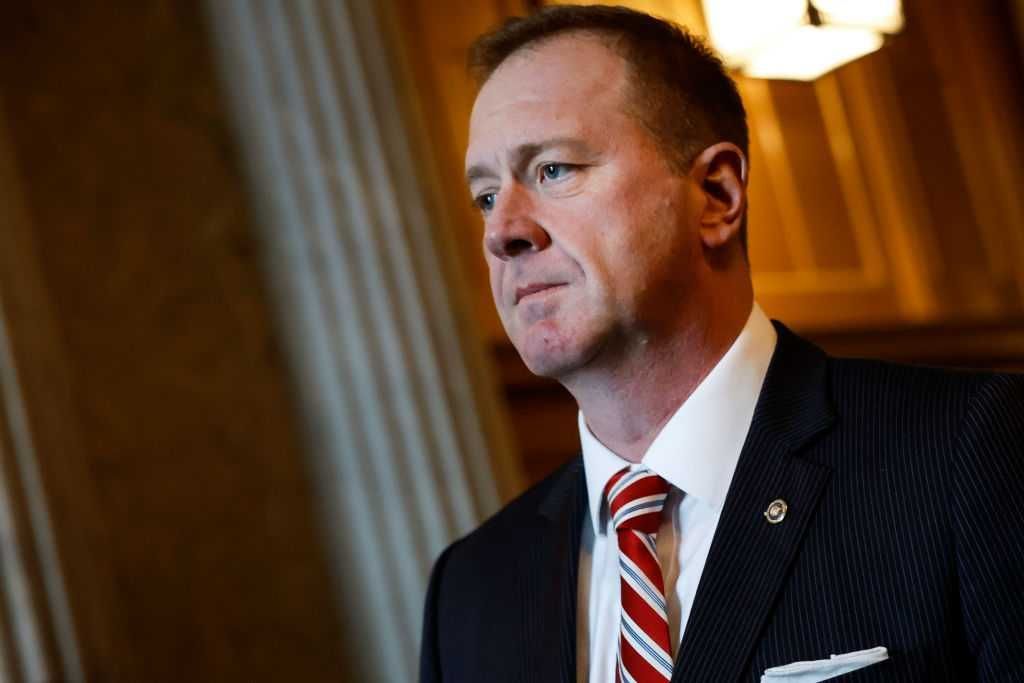
"We just won Missouri v. Biden," Schmitt wrote in a post on X. "As Missouri's Attorney General, I sued the Biden regime for brazenly colluding with Big Tech to silence Missouri families — censoring the truth about COVID, the Hunter Biden laptop, the open border, and the 2020 election. They tried to turn Facebook, X, YouTube, and the rest into their private speech police, labeling dissent 'misinformation' while they pushed their narrative on the American people."
Schmitt called the Consent Decree the "first real, operational restraint on the federal censorship machine."
He explained that it "directly binds the Surgeon General, the CDC, and CISA: no more threats of legal, regulatory, or economic punishment. No more coercion. No more unilateral direction or veto of platform decisions to remove, suppress, deplatform, or algorithmically bury protected speech."
"For every working Missouri family tired of being silenced by their own government: this victory is yours. The heartland fought back, and the heartland delivered," Schmitt concluded.
RELATED: 'Karma is a b***h': Trump taps epidemiologist targeted by Biden admin and censored online to run NIH

Benjamin Weingarten, a senior contributor at the Federalist, addressed the victory's narrow application.
"This decree is limited to the plaintiffs, but as precedent, and practically, its impact may prove orders of magnitude more powerful in protecting disfavored speech," Weingarten wrote, calling it "a momentous blow for the First Amendment."
National Institutes of Health Director Jay Bhattacharya, who had to withdraw as a plaintiff in the case after being appointed by the Trump administration, called the settlement "a huge win for all Americans."
"Huzzah! The consent decree in Missouri v. Biden is a historic victory for free speech in the US. Though I had to switch to the government side in the case after I became NIH director, I've never been more pleased by 'losing' in my life," he wrote.
Like Blaze News? Bypass the censors, sign up for our newsletters, and get stories like this direct to your inbox. Sign up here!
President Trump's recent push to send federal health care dollars directly to individuals, rather than insurers, reflects a broader demand for transparency and effectiveness in how public funds are used. Government-funded medical research, which forms the foundation of much clinical care, also requires such scrutiny.
In recent years, academic medicine has advanced a nebulous theory of “structural racism” that echoes the 19th century “miasma” theory, which blamed disease on “bad air.” Despite scant evidence, studies attempting to validate this vague framework have multiplied, often funded by largely unaware taxpayers. Refocusing federal research dollars on rigorous science and evidence-based care is essential to correcting this trajectory.
The incentives were clear: Few researchers — early-career or established — would decline funding in an area where the NIH was investing heavily.
How did this happen? The construct of “structural racism” was virtually absent from medical literature until a decade ago. Since then, it has become the default explanation in academic medicine for differences in health outcomes across racial and ethnic groups. Its rise accelerated during the 2020 anti-racism craze, which swept through corporate boardrooms and university administrations while also becoming a core ideological pillar of Black Lives Matter and other political movements.
Academic medicine was no exception. This philosophy quickly gained favor in medical education, academic health centers, elite journals, and professional associations, eventually influencing federal agencies that distribute research funding.
The result: a surge of grant-funded studies built on the premise that racism causes health disparities. Of the nearly 2,300 articles indexed under the term “structural racism” in PubMed, the U.S. National Library of Medicine’s database of leading biomedical and health journals, 95% were published after Jan. 1, 2020. In 2025 alone, PubMed lists 400 such papers — nearly four times the total published before 2020.
This proliferation has been supported by a tsunami of federal taxpayer dollars coming from the National Institutes of Health. From 2020 to 2025, an NIH database search found nearly 750 projects mentioning “structural racism” in their abstracts, totaling almost $533 million in funding. More than 70 of those projects were funded in 2025 at just under $40 million — significantly down from more than 220 projects in 2024 totaling $150 million, but still far above 2020, when only 12 projects received a little over $12 million in the aggregate. Before 2020, the NIH had funded just 10 such projects at a combined cost of $4 million.
Funding patterns across NIH’s 27 Institutes and Centers from 2020 to 2025 make clear that ideology, not medical science, drove much of this growth. The largest investments came from the National Institute on Drug Abuse ($147 million in total funding), National Institute on Minority Health and Health Disparities ($70 million), and National Institute on Aging ($57 million), each pouring substantial resources into “structural racism” research.
In 2025, for example, NIDA supported a project under the Healthy Brain and Child Development National Consortium that identified “structural racism” as a risk to babies before and after birth, alongside more recognizable factors like maternal health, toxic exposures, and child abuse — thereby conflating an abstract, ill-defined, and ideological social theory with measurable, scientific variables as a threat to child development.
Also in 2025, NIMHD funded the Clinical Research Scholars Training program, a “health-equity focused” initiative created in part due to NIH calls for research on “the impact of structural racism and discrimination on health disparities.” Eligibility for this program was limited to those deemed “underrepresented in biomedical research.” All others need not apply.
RELATED: Who really controls behavioral health care — and why it matters now
And just last year, a NIA-funded project invoked “interrelated systems of structural racism” and “race-specific stress” as risk factors for Alzheimer’s disease and cognitive decline, diverting attention and resources away from well-established contributors such as genetics, medical conditions, lifestyle and environmental factors, and core biological mechanisms like amyloid plaques and tau tangles.
Unfortunately, a commitment to science gave way to ideology years ago. Under Francis Collins, the NIH “acknowledged and committed to ending structural racism,” without even defining the concept itself. “Structural racism” was accepted despite its questionable validity and lack of explanatory power.
With vague boundaries and mechanisms difficult to measure, claims of “structural racism” far exceeded the empirical evidence. Nevertheless, the idea was accepted wholesale and used to justify a wave of DEI initiatives, effectively recasting the NIH as an “anti-racist” institution in the Ibram X. Kendi mold. Objective science was no longer sufficient; the agency was expected to take an activist stance.
Proponents embraced this shift, seeing an opportunity to move health research from “individual-level risk, health behavior, and functioning” to “structural level concepts” with “structural racism” named specifically. Research dollars supported tools like the Structural Racism Effect Index to “guide policies and investments to advance health equity.”
The incentives were clear: Few researchers — early-career or established — would decline funding in an area where the NIH was investing heavily, especially when that support could provide a path to publication in top journals.
Yet the instruments used to quantify “structural racism” expose a basic flaw: They don’t measure racism.
The SREI’s nine dimensions, for example, largely track socioeconomic conditions — wealth, income, housing, employment. In practice, a high score identifies communities facing poverty. Even researchers linking SREI scores to hypertension, obesity, smoking, and low physical activity concede they “cannot make causal inferences.”
RELATED: Teaching kids to hate America will have real-world consequences

These health risks may result from poverty, contribute to it, or arise from entirely different causes. Labeling them as products of “structural racism” adds no explanatory value, miscasts economic hardship as race-based, and downplays individual responsibility. It overshadows far more consequential drivers of outcome disparities, including access to care, personal choice, medical comorbidities, and genetics.
Nonetheless, no alternative explanation for health disparities has received anywhere near the same attention in leading medical journals — such as the New England Journal of Medicine, Lancet, and JAMA — as “structural racism.” This concept has been treated as settled fact, with disparities alone offered as proof: If disparities exist, racism must be the cause. Likewise, many medical organizations have reinforced this view through policies and position papers that embed an anti-racism framework into scientific inquiry.
But change is in the air. The NIH’s recent miasma-like fixation on “structural racism” is finally clearing. Under Director Jay Bhattacharya, the agency is refocusing on its core mission of funding rigorous, evidence-based science rather than ideology-driven research. This shift will direct scarce taxpayer dollars toward work grounded in medical science and its practical application — research that can genuinely improve health rather than feed political currents.
This course correction is timely, and while sustained effort in 2026 will be needed to fully restore the NIH to its rightful mission, taxpayers can take comfort: America’s leading biomedical and medical science research institute will once again prioritize their dollars and their health.
Editor's note: This article was originally published by RealClearPolitics and made available via RealClearWire.
 The data is public. The risks are real. The responsible path is clear: Stop funding these treatments for minors.
 Dr. David Morens pleaded guilty to a conspiracy charge 'to commit offenses and to defraud the United States.'
 If anything bad happens in the second week of the month, this is proof that you should have remained silent and obedient in the first week of the month. You're being dangerous!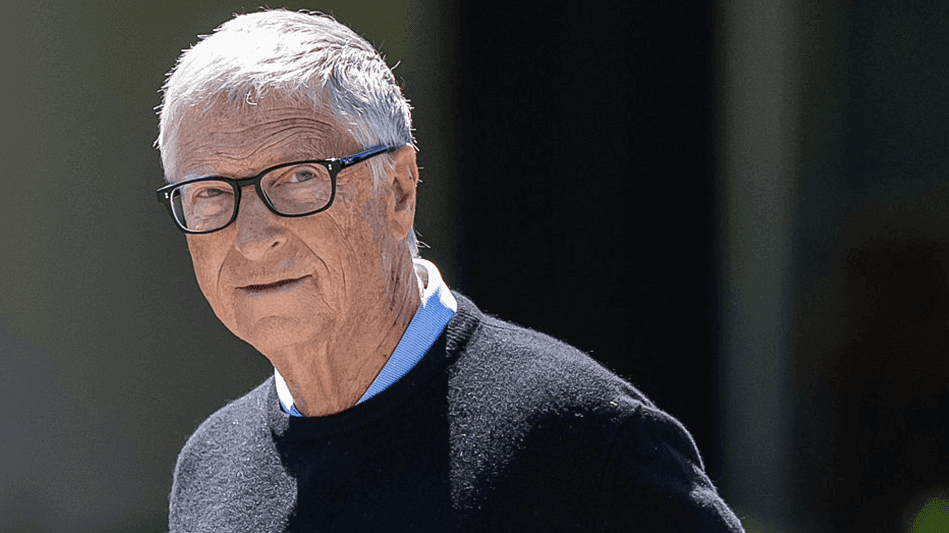
 Government influence was laundered through scientific authors.
 When Fauci appears before the Senate on Wednesday, he should not be permitted to deflect with bureaucratic theater, selective memory, and semantic evasion.

 Too many Americans cleave to the idea that if someone works in caregiving, they must be trustworthy.
 thefederalist.com
 www.theblaze.com
 freebeacon.com
 thefederalist.com