Kodachrome and 4 other things I want back from the 20th century


Buckle up, Boomers and Gen Xers, because I’m going to serve you up some nostalgia bait. Stop at the concession booth to pick up your complimentary rose-colored glasses, and don’t feel shy.

Generation X was born between 1965 and 1980. We are the last generation who experienced the real, physical world the way most humans have experienced it. We came along when generational transitions were gradual. We knew our Boomer parents’ music and movie stars, and we know our Silent Generation grandparents’ music and movie stars. As a kid, I knew who the Andrews Sisters were, and I could sing along because my grandmother played their records.

There will be Slant Six engines running in good health long after I’m dead, just as God intended.

Compare to today: The average Gen Z kid has no idea who Michael Jackson, Madonna, or Lucille Ball are. Starting with Millennials, a chasm opened up between generations. People a generation younger asked who some of the most world-famous stars were when they were working and alive just 20 years earlier.

With Gen Z it’s even starker. They were given digital poison in the form of smartphones in their tender years, and the entire cultural landscape fragmented into a billion bespoke Balkan states.

It’s hard to convince young people that some of the technologies from the bad old world of analog were actually superior to what we have today. They don’t believe that phone calls on copper wire were clear and never dropped (it’s true, though). Hilariously, they think film photography was always blurry and little better at capturing detail than an Impressionist painter.

Well, some of these things were better. And I want them back.

1. Kodachrome film

Smith Collection/Gado/Getty Images

I trained as a photographer in college, and that was going to be my career. But then digital came along. I was in romantic love with the hands-on craft that was film photography. When computers took over, I packed it all away because I was in love with silver gelatin emulsions, not silicon chips.

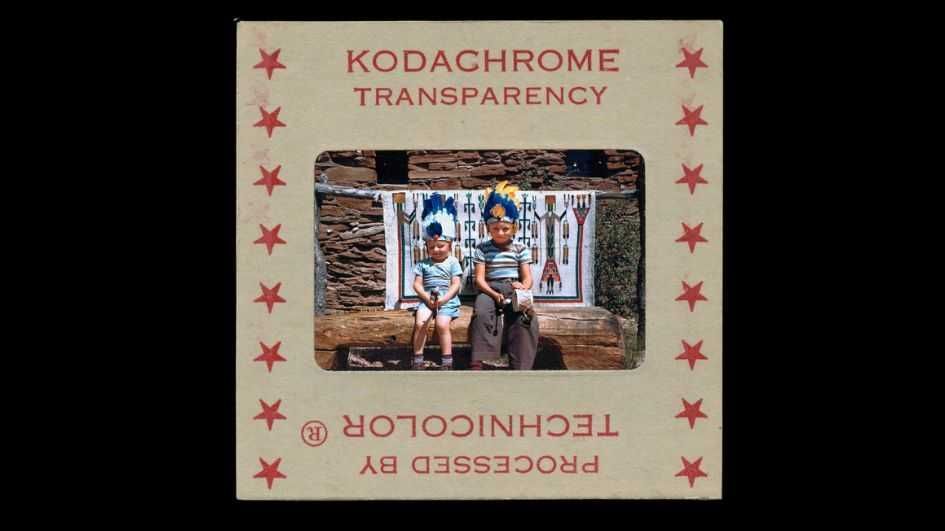
The loss of Kodachrome color slide film was the worst, and I shed real tears when Kodak pulled the plug. There was no color film in history that reproduced color as well as Kodachrome did; there’s a reason Paul Simon wrote the song. He was right.

Kodachrome was actually a black-and-white film with no built-in dyes like all other color films. Instead it captured the blue, red, and green light on three layers in the film separately. The color dyes were added during the wet chemical processing, and those dyes were richer and more time-stable than ordinary color film. This is why a Kodachrome slide from the 1940s looks like a high-quality photograph taken today — there’s no fading or washed-out colors like many of us see in old color photos in our family albums.

It was also the sharpest film with the highest resolution. A scene taken on Kodachrome was reproduced in such detail that looking at the slide was nearly like looking at real life through a window.

Because you’re reading this on a computer screen, you and I can’t see what the slide “really” looks like. It’s mediated by an electronic screen. But you can still see the rich color and fine detail that no other film could achieve.

2. Three-strip Technicolor

People today talk about bright hues looking like “Technicolor,” but few people understand what that really meant. For decades in Hollywood, the patented Technicolor film process was different from every other color film technology, and it reined supreme. Motion pictures shot in Technicolor were brighter and more vivid than any other process. They made real life look like the Land of Oz.

The quality came at a price. Like Kodachrome, Technicolor used black-and-white film, adding stable, rich color dyes later during processing and printing. This made the shooting process difficult. The film was “slow,” requiring so much light on set that actors sometimes got eye damage. They certainly sweat a lot.

Technicolor cameras ran three separate strips of black-and-white motion picture film through the camera at the same time. A “beam splitter” separated the light into red, green, and blue, directing one color only to each of the three strips of film. The cameras were heavy and needed to be sound-baffled during a shoot.

Striking the final print for projection required precision machines that could line up each of the three strips of film in perfect registration to lay down cyan, yellow, and magenta dyes. It took precision-machining, skill, time, and money. That’s why the process was abandoned when cheaper, easier all-in-one color motion picture film became available.

But that’s also why the Technicolor process was so beloved that songs were written about it. This is from the Technicolor production "Silk Stockings" with Janis Paige singing to Fred Astaire.

3. Air-cooled Volkswagen engines

I went outside to play in 1978 and came upon my stepfather on his knees behind the 1967 beige VW bug that was our family car. “God — son of a *@^%!” he cussed as the engine cranked and cranked and wouldn’t fire up. He was trying to gap the points in the distributor, a job he was never good at. I learned to do it decades later from a classic butch lesbian, and it didn’t seem that hard to me.

My stepdad was doing this because that’s what normal people did in those days. You tuned up your own car. Most dads had a toolset and the know-how to do car maintenance at home. Repairs were less expensive, and you didn’t have to have a computer technician “scan” your engine to figure out what the bloody computer thought was wrong with it.

Sure, the old VWs were simple and had few features. The heaters were so bad that winter driving required an ice scraper for the inside of the windscreen. The bugs were tiny compared to modern cars, but you could get a surprising amount in there if you were clever.

Sure, they were light (some people call them death traps), but that was great when my mother went off a snowy road in Upstate New York, and four boys from the local college fraternity just picked it up out of the ditch and set it back on the road.

I’d give anything to hear that musical, metallic tinkle of the exhaust pipes on America’s roads today.

4. The Chrysler Slant Six engine

If you know, you know. America never built a more durable engine than the famous Chrysler Slant Six. The engine got its name because the designers tilted it 30 degrees to fit the block under the lower, sleeker hoods that became stylish in the early 1960s.

This six-cylinder may not have had the raw horsepower of a big block V8, but it produced a surprising amount of oomph for its size, and it was an engine that never died. If you’ve owned one, you can hear the sewing machine-like purr and tick in your mind.

We had two Slant Six-powered family cars growing up. As an adult, I’ve had a Dodge Dart and a Plymouth Belvedere powered by this motor. There’s no better way to spend an afternoon than adjusting the valves on a Slant Six while it’s running. I miss how easy it was to work on these engines, made in the days when you could move around under the hood and adjust something without taking off 15 components just to get enough room to put a finger in the engine bay.

There will be Slant Six engines running in good health long after I’m dead, just as God intended.

RELATED: My 1966 Plymouth Belvedere let her 225 Slant-6 do the talking
NBC/Getty Images

5. Customer service

This is a social technology that needs to make a comeback. My first jobs as a teenager were running the cash register at a Wegman’s grocery store and bringing burgers to tables at a Big Boy restaurant. Friendly, efficient customer service was mandatory. It was expected by every customer and every employer.

You were to greet customers with a friendly hello and an offer to help. Smiles were either compulsory or strongly encouraged. If a customer needed to find an item, you found it for them and walked them over to the right aisle.

What do you get today when you walk into any retail store? Dead-eyed, silent stares from any staff younger than 35. Need to find a pipe fitting in a big store like Lowe’s? Try asking. You’ll get, “Um ... a what? If we had any, they’d be, like, over there,” as “Jonas” waves in a northeasterly direction.

Surprisingly, a young clerk at my local McDonald's reminded me of the good old days of customer service last week. Like so many places, McDonald's is making its restaurants hostile to humans. In addition to the ugly, gray, brutalist “updated” architecture, the lobbies are crammed with touch-screen kiosks, while the staffed registers have been reduced to one or two maximum. As recently as 15 years ago, McDonald's had a reputation for employing staff that were neater, tidier, and friendlier than the competition.

That’s gone now — except for this one young man at my local McD's. I walked past the kiosks and up to the register, expecting to be ignored for five minutes as is now McDonald’s standard. “Jeff” was about 22. His shirt was tucked in. He was neatly groomed. He smiled at me and said, “Welcome to McDonald's; how are you today?” He meant it. He was looking me in the eye. I was so pleasantly surprised I thought I was dreaming, and I made a point to thank him for being human and polite.

The other day, I saw this old early '80s commercial for McDonald’s Shamrock Shake. Take a look, and try not to tear up. If you’re 35 or under, you probably think the chipper and upbeat tone looks “fake.” You may not believe anyone ever acted that way. You might even find this level of cheer “cringe.”

Well, it was like that. I was there. And I want it back.
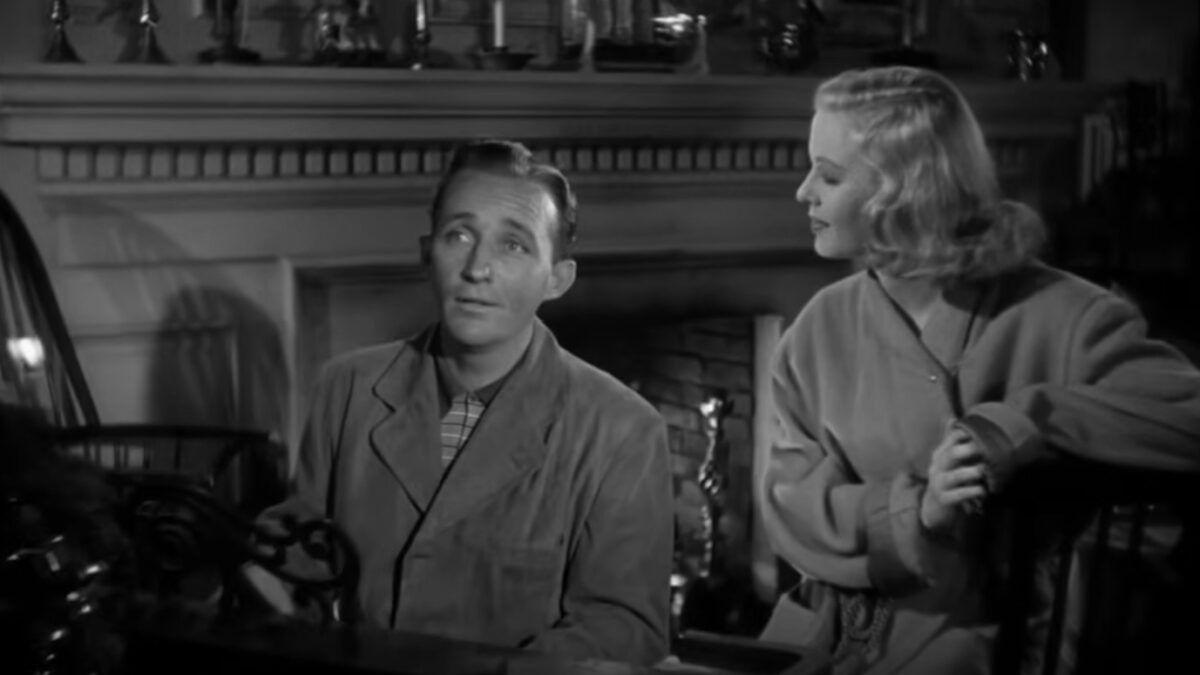
Why Bing Crosby’s ‘White Christmas’ Still Warms Our Hearts

The America of 1942 was vastly different from the America we know today, but its longings remain the same.


Don’t be seduced by AI nostalgia — it’s a trap!


I don’t often argue with internet trends. Most of them exhaust themselves before they deserve the attention. But a certain kind of AI-generated nostalgia video has become too pervasive — and too seductive — to ignore.

You’ve seen them. Soft-focus fragments of the 1970s and 1980s. Kids on bikes at dusk. Station wagons. Camaros. Shopping malls glowing gently from within. Fake wood paneling! Cathode ray tubes! Rotary phones! A past rendered as calm, legible, and safe. The message hums beneath the imagery: Wouldn’t it be nice to go back?

Human nostalgia, as opposed to the AI-generated kind, eventually runs aground on grief, embarrassment, and the recognition that the past demanded something from us and took something in return.

Eh ... not really, no. But I understand the appeal because, on certain exhausting days, it works on me too — just enough to make the present feel a little heavier by comparison.

And I don’t like it. Not at all. And not because I’m hostile to memory.

I was there, 3,000 years ago

I was born in 1971. I lived in that world. I remember it pretty well.

How well? One of my earliest, most vivid memories of television is not a cartoon or a sitcom. No, I’m a weirdo. It is the Senate Watergate hearings in 1973, broadcast on PBS in black and white. I was 2 years old.

I didn’t understand the words, but I sort of grasped the tone. The seriousness. The tension. The sense that something grave was unfolding in full view of the world. Even as a toddler, I vaguely understood that it mattered. The adults in ties and horn-rimmed glasses were yelling at each other. Somebody was in trouble. Before I knew anything at all, I knew: This was serious stuff.

A little later, I remember gas lines. Long ones. Cars waiting for hours on an even or odd day while enterprising teenagers sold lemonade. It felt ordinary at the time, probably because I hadn’t the slightest idea what “ordinary” meant. Only later did it reveal itself as an early lesson in scarcity and frustration.

The past did not hum along effortlessly. Sometimes — often — it stalled.

Freedom wasn’t safety

I remember my parents watching election returns in 1976 on network television. I was bored to tears — literally — but I remember my father’s disappointment when Gerald Ford lost to Jimmy Carter. And mind you, Ford was terrible.

This was not some cozy TV ritual. It was a loss of some kind, plainly felt. Big, important institutions did not project confidence. They produced arguments, resentment, and unease. It wasn’t long before people were talking seriously about an “era of limits.” All I knew was Dad and Mom were worried.

I remember a summer birthday party in the early 1980s at a classmate’s house. It was hot, but she had an awesome pool. I also remember my lungs ached. That day, Southern California was under a first-stage smog alert. The air itself was hazardous. The past did not smell like nostalgia. It smelled like exhaust with lead and cigarette smoke.

I don’t miss that. Not even a little bit.

Yes, I remember riding bikes through neighborhoods with friends. I remember disappearing for entire days. I remember my parents calling my name when the streetlights came on. I remember spending long stretches at neighbors’ houses without supervision. I remember watching old movies on Saturdays with my pal Jimmy. I remember Tom Hatten. I remember listening to KISS and Genesis and Black Sabbath. That freedom existed. It mattered. It was fun. But it lived alongside fear, not in its absence.

Innocence collides with reality

I don’t remember the Adam Walsh murder specifically, but I very much remember the network television movie it inspired in 1983. That moment changed American childhood in ways people still underestimate. It sure scared the hell out of me. Innocence didn’t drift into supervision — it collided with horror. Helicopter parenting did not emerge from neurosis. It emerged from bona fide terror.

And before all of that, my first encounter with death arrived without explanation. A cousin of mine died in 1977. She was 16 years old, riding on the back of a motorcycle with a man 11 years her senior. She wasn’t wearing a helmet. The funeral was closed casket. I was too young to know all the details. Almost 50 years on, I don’t want to know. The age difference alone suggests things the adults in my life chose not to discuss.

Silence was how they handled it. Silence was not ignorance — it was restraint.

RELATED: 1980s-inspired AI companion promises to watch and interrupt you: ‘You can see me? That’s so cool’

seamartini via iStock/Getty Images

Memory is not withdrawal

This is what the warm and fuzzy AI nostalgia videos cannot possibly show. They have no room for recklessness that ends in funerals, or for freedom that edges into life-threatening danger, or for adults who withhold truth because telling it would damage rather than protect.

What we often recall as freedom often presented itself as recklessness ... or worse.

None of this negates the goodness of those years. I’m grateful for when I came of age. I don’t resent my childhood at all. It formed me. It taught me how fragile stability is and how much of adulthood consists of absorbing uncertainty without dissolving into it.

That’s precisely why I reject the invitation to go back.

The new AI nostalgia doesn’t ask us to remember. In reality, it wants us to withdraw. It offers a sweet lullaby for the nervous system. It replaces the true cost of living with the comfort of atmosphere and a cool soundtrack. It edits out the smog, the scarcity, the fear, the crime, and the death, leaving only a vibe shaped like memory.

Here’s a gentler hallucination, it says. Stay awhile.

The cost of living, then and now

The problem, then, isn’t sentiment. The problem is abdication.

So the temptation today isn’t to recover what was seemingly lost but rather to anesthetize an uncertain present. Those Instagram Reels don’t draw their power from people who remember that era clearly but from people who feel exhausted, surveilled, indebted, and hemmed in right now — and are looking for proof that life once felt more human.

RELATED: Late California

LPETTET via iStock/Getty Images

And who could blame them? Maybe it was more human. But not in the way people today would like to believe. Human experience has never been especially sweet or gentle.

Human nostalgia, as opposed to the AI-generated kind, eventually runs aground on grief, embarrassment, and the recognition that the past demanded something from us and took something in return. Synthetic nostalgia can never reach that reckoning. It loops endlessly, frictionless and consequence-free.

I don’t want a past without a bill attached. I already paid the thing. Sometimes I think I’m paying it still.

A warning

AI nostalgia videos promise relief without effort, feeling without action, memory without judgment.

That may be comforting, but it isn’t healthy, and it isn’t right.

Truth is, adulthood rightly understood does not consist of finding the softest place to lie down. It means carrying forward what we’ve lived through, even when it complicates our fantasies.

Certain experiences were great the first time, Lord knows, but I don’t want to relive the 1970s or ’80s. I want to live now, alert to danger, capable of gratitude without illusion, willing to bear the weight of memory rather than dissolve into it.

Nostalgia has its place. But don’t be seduced by sedation.

Editor’s note: A version of this article appeared originally on Substack.

Pizza Hut Classic: Retro fun ruined by non-English-speaking staff, indifferent customer service


Pizza Hut Classic is evidence that even if a company gets its branding right, customer service is the oil that keeps the machine running.

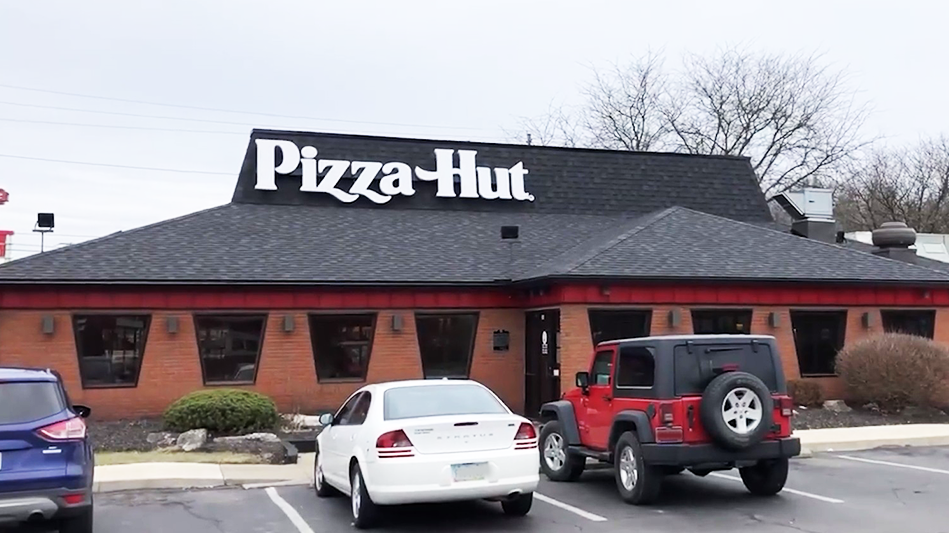
Since 2019, Pizza Hut has been spreading its retro vibes across the continent by reintroducing its 1990s decor, design, and dining experience.

'The interior features cozy red booths and old-school Pizza Hut lamps.'

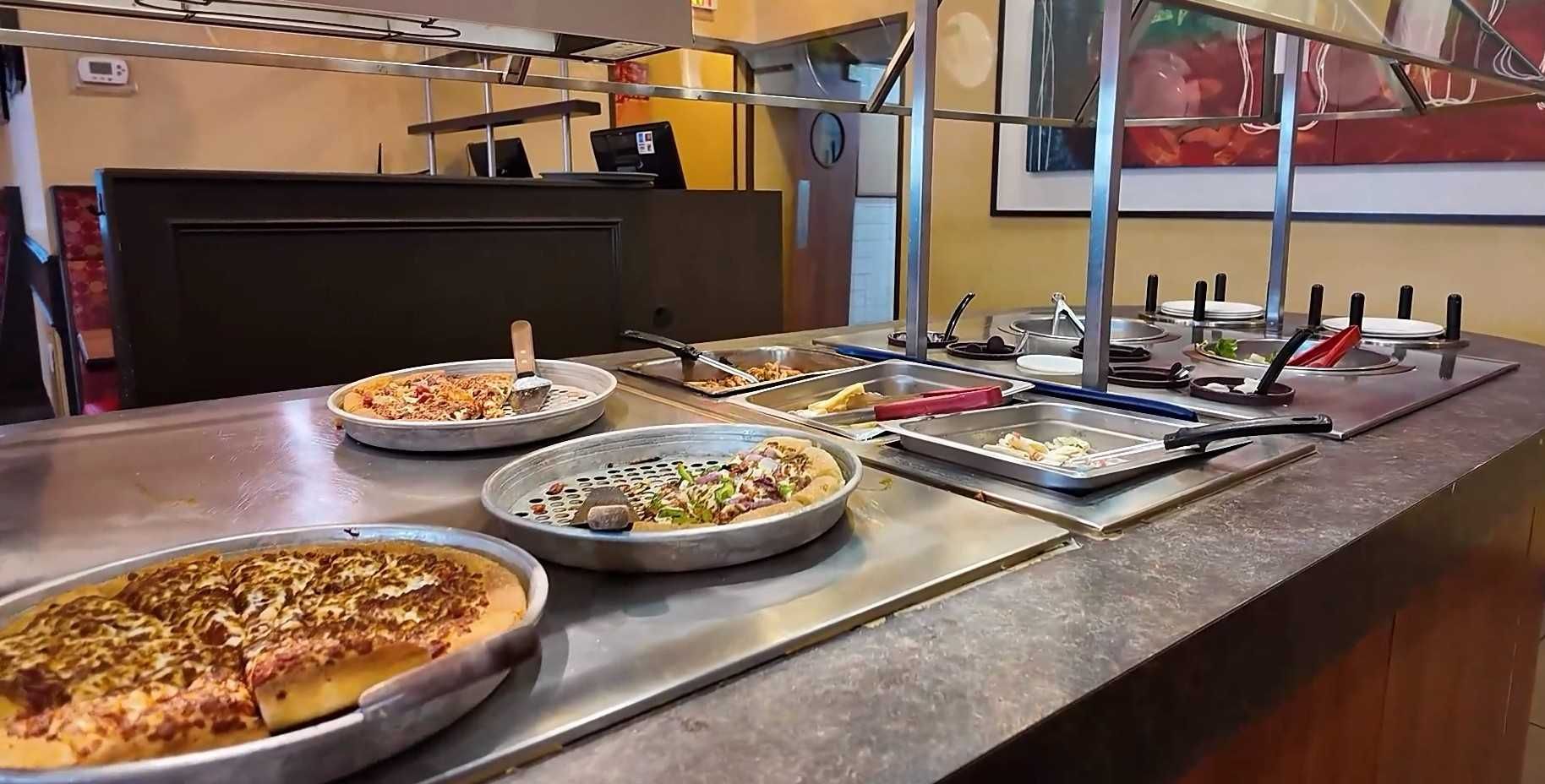
From Warren, Ohio to Hempstead, Texas, the iconic Pizza Hut chandeliers are being rehung, and the fantastic buffet is being put out once again. According to Chefs Resource, some locations have even brought back the beloved dessert bar.

Slice of life

With the return of the 1974 logo and nostalgic appeal, Pizza Hut did the inverse of Cracker Barrel. Instead of trying to modernize and simplify their decor, the pie-slingers retrofitted and cluttered theirs.

A page called the Retrologist dissected the formula and determined exactly what the word "Classic" in Pizza Hut Classic really means. To meet the new (old) standard, the writer pinpointed that each location must include the following:

1. The old logo is used in pole signage as well as at the top of the (usually but not always) red-roofed restaurant. The pole sign features the addition of the word "Classic."
2. The interior features cozy red booths and old-school Pizza Hut lamps.
3. Stickers featuring the long-discarded character Pizza Hut Pete are found on the door.
4. Posters feature classic photos from Pizza Huts of yore.
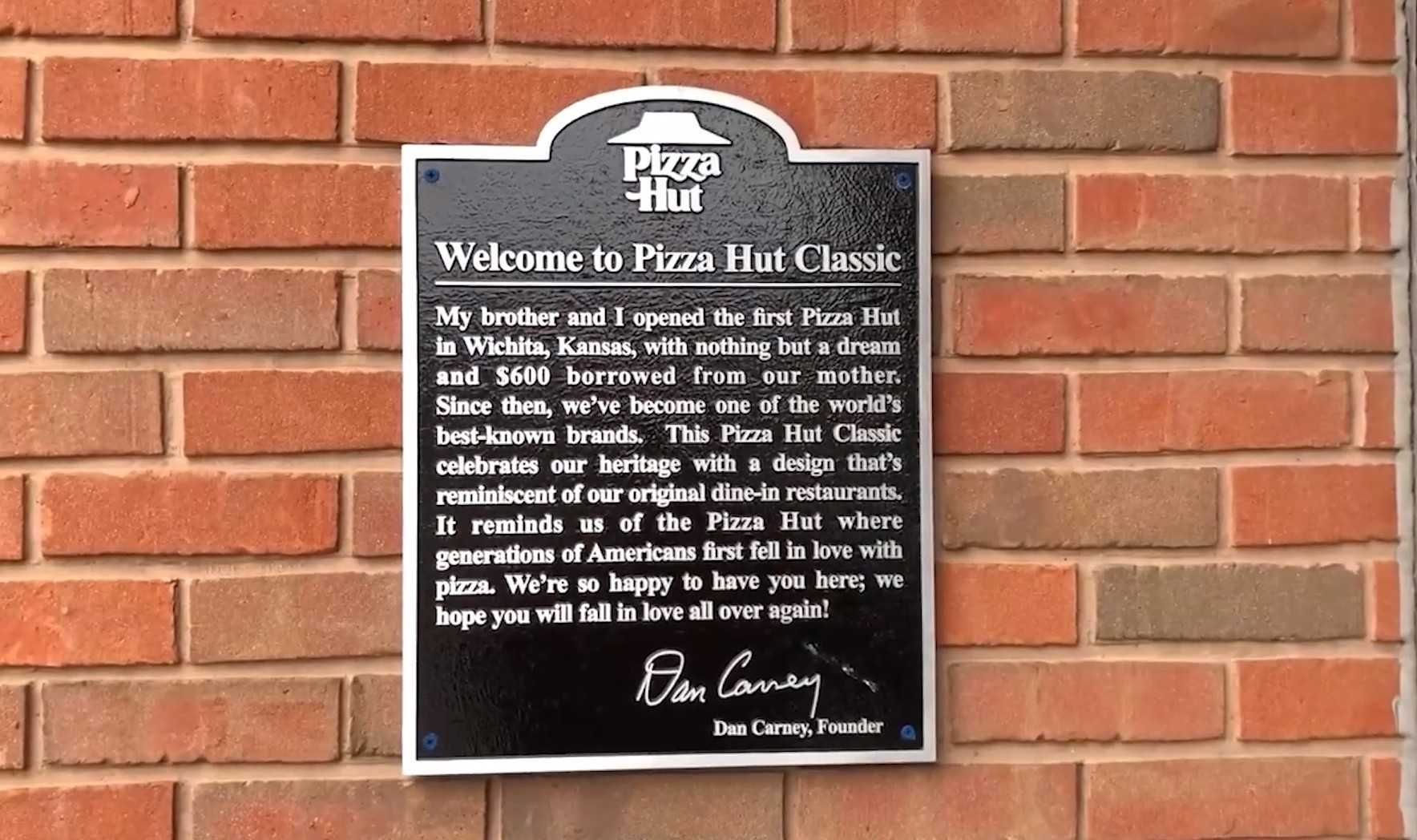
5. A plaque displays a quote from Pizza Hut co-founder Dan Carney, explaining the concept as a celebration of the brand’s heritage.

While many of the revamped locations have received rave reviews, there still exists a way to make such a fine dining experience awful, even if surrounded by everything that made customers flock to the buffet 30 years ago.

RELATED: The 'rebranding' brigade's war on beauty

Photo by Andrew Chapados/Blaze News

Word salad

For a Pizza Hut Classic ruined by modern belief systems, look no farther than north of the border, in the Toronto suburb of Scarborough.

While the restaurant did include the iconic chandeliers and some of the retro furnishings, it did not have old soda fountains or the memorable menus spotted at other locations. Instead, this unique eatery represented a new (low) standard of lackluster customer service, coupled with sprinklings of unfettered immigration policy.

These accommodations, or lack there of, will surely split customers down political lines. Yes, there are retro red Pepsi cups, but the waitress who literally speaks no English may fill that cup with Diet Pepsi with ice instead of "water with no ice."

Is there a salad bar? Yes. Is the salad bar limited to plain lettuce and croutons? Also yes. Were there pieces of lettuce dropped in the ranch dressing (the only available dressing) for the duration of the visit? Definitely.

RELATED: Cracker Barrel's logo lives — but like every digital-age public space, it now looks dead inside

Photo by Andrew Chapados/Blaze News

Meat and greet

A steady rotation of cheese, deluxe, and Hawaiian pizza was only broken up by one couple's complaints about the lack of variety. A manager — also largely unintelligible in her speech — replied first with a refusal to change the rotation. Strangely, about 10 minutes later, she eventually brought out two meat lovers' pizzas, in an apparent act of defiance.

The damaged seating in the restaurant combined with a chip out of the "Hut" portion of the building's exterior revealed years-old paint and, along with it, a yearning for more care to be given. A restaurant that could be so nostalgic, but ruined by the apparent comforts of a district that has voted Liberal in its last three federal elections for a woman from the U.K. who holds citizenship in three countries, including Pakistan.

"I wanted to go to a dine-in, because in most places, including the U.K., you can't do that now," said reporter Lewis Brackpool, who visited the location. He added, "I come to one, and what do you know — it sucks."

In at a massive discount due to the exchange rate, Brackpool could not help but feel like many who are from the area: that what had been promised was robbed.

The experience can be summed up in the words of an anonymous would-be customer who, upon seeing a commercial of what a Pizza Hut buffet looked like in the 1990s in comparison to the location in question, said, "They took this from us."

Like Blaze News? Bypass the censors, sign up for our newsletters, and get stories like this direct to your inbox. Sign up here!

Disney feeds on yesterday while starving tomorrow’s childhood


Disney still prints money, but creatively it feels like a company on borrowed time. Marvel and Star Wars once powered revenues, yet a collapse in quality and a relentless release schedule have dulled both brands. The animation studio that set the global standard now leans on sequels and live-action remakes.

Worse, Disney struck a devil’s bargain by cultivating the “Disney adult.” By chasing the childless consumer, the company bought short-term profits while starving its future. At this rate, the company will have no next generation to buy into its nostalgia-based market.

Disney once sold childhood to children and, by doing so, sold a future to parents. By pivoting to the childless super-consumer, it sold out both.

Walt Disney’s dominance came from talent and timing. He had a gift for stories that delighted children and amused their parents. He also built in an era when mass media suddenly reached every living room, the postwar baby boom swelled the audience, and families had disposable income for the first time. Walt converted that moment into a network of theme parks that became rites of passage. In America, childhood meant Disney, and Disney meant childhood.

The empire grew after Walt’s death. Parks multiplied. The company expanded into television, music, sports, and games. Disney stretched its reach to older kids and teens, building an ecosystem where a child could live almost entirely inside one brand. That was the genius: Every formative memory wore a set of mouse ears, and nostalgia was guaranteed on the back end.

But invention is hard. Replicating Walt’s spark isn’t a system you can scale. Disney wanted every demographic and every dollar. Children had been the untapped market, but kids don’t control income; parents do. Marketing directly to adults looked unrealistic — until executives realized nostalgia could do the work.

Nostalgia as strip mine

Nostalgia feels like striking gold. You don’t need to create; you need to repackage. Decades of artistry built so much goodwill that the faintest echo could trigger warm feelings: a musical cue, a costume redesign, a cameo. For young adults who discovered the world is harsher than childhood promised, revisiting Disney’s stories and parks delivered comfort on demand.

That same generation had fewer children, often none. The old route — enchant the kids to unlock the parents’ wallets — narrowed. Disney pivoted. Sequels, reboots, and remakes pushed out originality. Marvel briefly rescued the strategy, but social justice sermons plus a firehose of content burned out the audience. Lucasfilm looked like another bottomless mine, yet once the initial excitement faded, fans saw the studio couldn’t craft new myths. The product kept coming; the magic didn’t.

From children’s parks to adult playgrounds

The parks followed the money. Regular attendance became a status symbol among young adults eager to flaunt luxury consumption online. Disney obliged, hiking prices and layering on exclusive experiences squarely aimed at childless visitors with cash to burn. Elite dining clubs, after-hours parties, and “premium” line-skipping converted nostalgia into a subscription lifestyle. Even Walt’s no-alcohol rule vanished. Spaces designed for families became curated playgrounds for nostalgic adults.

Nothing exposed this shift like the Star Wars hotel. The Star Wars: Galactic Starcruiser promised full immersion — actors in character, missions, staged set pieces, and themed cabins — at an eye-watering starting price of $5,500 for two nights for two people, but often much more. Families had no chance. The corridors filled with adults paying thousands for a few days of role-play and an Instagram dump. When the novelty faded and the numbers stopped working, Disney shuttered it.

RELATED: Disney's woke 'Snow White' on life support

Photo by Axelle/Bauer-Griffin/FilmMagic

Eating the seed corn

For a while, the nostalgia economy worked. Remakes still posted strong weekends. Parks extracted more revenue per guest. But the company stopped enchanting children. Re-skinning "Beauty and the Beast" or "Aladdin" keeps cash flowing for a season; it plants nothing for the future. You can only harvest memories if children are making new ones now. Disney has been eating seed corn instead of planting for tomorrow.

That creative retreat shows up in the audience. The company trains adults to consume experiences rather than build households. Disney adults don’t just buy tickets and merch; many postpone or abandon the basics of civilization — marriage, kids, a home — so they can keep chasing the next “exclusive.” Some even treat continuing their bloodline as evil. Disney is not solely to blame for this wider phenomenon, but it reinforces it and profits from it.

None of this means Disney’s executives are uniquely foolish. They followed the incentives. The audience that most reliably spends money was the one you made last generation: the kid who grew up inside Disney’s ecosystem and never left it. Social media turned that audience into free marketing. Wall Street demanded predictable growth, and nostalgia delivered on time. The trap is that nostalgia always cannibalizes tomorrow to feed today.

The moral is bigger than one company. A civilization that feeds on recycled memory while sneering at renewal is a civilization drifting toward hospice. Disney once sold childhood to children and, by doing so, sold a future to parents. By pivoting to the childless super-consumer, it sold out both.

The past is a nice place to visit, but I wouldn't want to live there


Recently, my wife and I spent a night in Milwaukee. I was there for work, and she came along just for the fun of it. We left the kids with our parents and had 30 peaceful hours all to ourselves.

When you are in the thick of raising young kids, getting away for just one night feels like a hard reset or some kind of meditative retreat that leaves you clear in both mind and spirit. It was a good trip, it was a fun trip, it was a reflective trip.

We sat outside on the roof at Benelux in the Third Ward imagining life if we never left. If we never had kids. If we never changed. If we just ... stayed.

We lived in Milwaukee for a few years before we had kids. We rented a big loft with concrete floors and high ceilings. It was just one big, barren, concrete room. The only walls were the ones separating the bathroom from the rest of the place. It was up on the eighth floor; we had a great view of downtown.

We used old shipping pallets to divide the room. We didn’t have any money back then. We still don’t, but we have more than we did. When we moved to Milwaukee, we didn’t have jobs. I convinced the landlord to rent us the apartment without proof of income or proof of employment. I don’t know if it was possible because things were just really different before, because she was just really nice, or because I was just really convincing. It was probably a mix of all three.

Cart blanche

A few weeks after we moved, we found a shopping cart abandoned by a bus stop. We took it home and used it every week at the grocery store. We would push it to store empty, buy our groceries, and then push it, now completely full, back to the apartment again, stowing it next to the front door until next week’s trip. It was efficient and worked well, and I am sure we looked absolutely absurd.

We had a great time there. Those few years in the concrete loft before we had kids gave us a lot of great memories and a great start to our lives together. But going back and visiting was odd. We hadn’t been back since we left years ago, and finding ourselves in the same places completely unchanged as people who have very much changed felt somehow wrong.

Don't look back

It felt like some strange corruption of memories or maybe like we were somewhere we weren’t supposed to be. Almost like someone might come up to us and ask, “What are you doing here?” It felt like we were taking a detour down some road that’s been blocked off and just looking around for a bit before getting back on the highway again. It was strange and surreal.

RELATED: A nearly perfect dinner in Door County, Wisconsin

Tamer Soliman via iStock/Getty Images

Maybe it’s because life only goes one way. We can’t go back in time. We can’t change the past. We can’t revisit who we were. Maybe in some way, going back to where we lived before feels like attempting to do something we cannot do. It’s like building a replica of some old world city here in the new one. It’s just not right. It’s not as it should be. We can’t go back, and why would we want to anyway?

The path not taken

Well, I don’t want to go back and live life as it was. Walking around there, just us two, talking about how we were then and how we are now, all we could really say was that while we loved being there when we were there and that those memories are ones we treasure still, we are glad we are no longer there. I don’t just mean physically there, either. I mean mentally, spiritually, and situationally there. We very much like where we are now and wouldn’t change it for anything.

We sat outside on the roof at Benelux in the Third Ward imagining life if we never left. If we never had kids. If we never changed. If we just ... stayed. We could have very easily done all that. That kind of life could have happened to us if we let it. The years would have passed at the same rate, we would be the same age, but we wouldn’t be the same. And we both sat there together, slightly nostalgic for who we were — and grateful for who we are today.

Part of the plan

I think that’s how we are supposed to feel. All of it. We’re supposed to love those memories of youth, but we’re also supposed to cringe a little bit at our past feelings or opinions. We’re supposed to not quite respect our past selves. We’re supposed to laugh at how naive we were. It means we’ve grown and that’s a good thing. And we’re supposed to feel kind of weird going back to where we once lived. We’re supposed to feel a little out of step there in that foreign world of the past. We are no longer who we were, that’s the truth, and that’s OK.

The next morning, we left on the ferry to take us back. Watching Milwaukee disappear into the distance as we headed east across Lake Michigan, we were glad we had a day away, thankful for the lives we lived years ago, and happy we were going home to who we are today

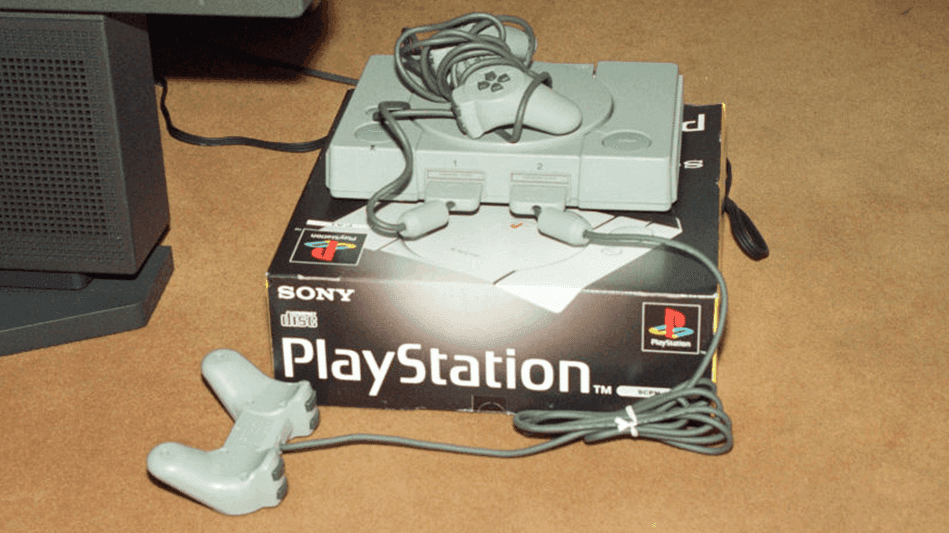
A kid got a mint PS1 from his grandpa, and the internet is freaking out


A simple hand-me-down has turned into a lively debate about having children at an early age and retro video games.

The retro-gaming community has become a gigantic industry (worth between $3 billion and $10 billion depending on the source), so large in fact that an old box of games or forgotten console could be worth thousands depending on the condition.

So when a third-generation gamer took to 4chan to post about whether or not it was worth it to fool around with an old PlayStation, readers' brains imploded at his remarks. Not necessarily because of his apprehension over playing the system, but because he was receiving it secondhand from his grandfather.

'This is nature healing.'

The unknown gamer posted his dilemma, which was then copied to an X post; it read: "Hey guys, I got this PS1 from my grandpa. Should I play it? I know there a lot of uncs here so maybe you would know if it's good or not."

Flabbergasted, readers immediately asked if the original poster was purposely trying to enrage them with his remarks, with some introspectively asking, "am I an 'unc'?"

The new console owner calmly replied, "My grandpa is 58 and my dad is 38. He got the PS1 when my dad was 8, and my dad had me at 20, so I'm 18 now. My grandpa said he got the PS1 when it was released so he was 28 then."

This spawned a flood of comments on X, ranging from support for young grandparents to disbelief at the idea that gaming consoles are now so old that they can be passed down by grandparents.

RELATED: Legendary Halo composer unravels the video-game industry’s woke collapse

— (@)

"Normalize being grandparents in your 50s," one X user replied, while another pointed to the grim reality that retro gamers are the new antique hunters.

"Wait until you see tube tv prices[;] we've become the old people collecting antiques," he wrote.

Other replies were seemingly more sarcastic: "What's that grey rope wrapped around the controller?" an X user asked, referring to the connecting cord.

Another reader boldly claimed it is those ages "60-70 who paid for Duck Hunt on NES."

He was not that far off. Duck Hunt was released on the NES in 1984, and a 60-year-old would have been 20 or a 70-year-old would have been 30 at the time.

RELATED: Rainbow Batman from LEGO sparks outrage: 'We don't need gay Batman!'

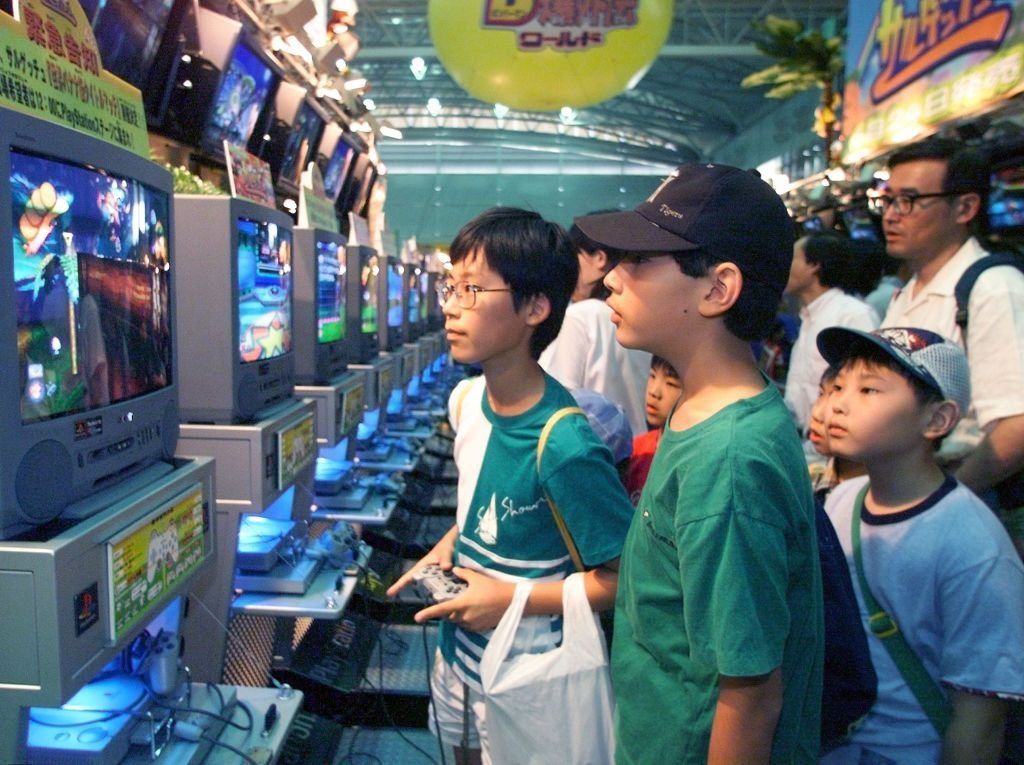
Photo by KAZUHIRO NOGI/AFP via Getty Images
Others were more philosophical, stating that "Millennials understanding technology better than our grandparents was an aberration."

The user's assertion that grandparents know "more about literally everything than their grandkids," including entertainment, was enough for him to determine that society is quickly resetting itself in terms of reverting back to righteousness.

"This is nature healing," he wrote.

If nature equates to gamers scooping up old consoles, that user is right. However, PlayStation 1 is actually one of the cheaper retro systems currently on the market, likely due to the volume at which they were purchased. A used unit goes for about $100 USD if complete, or around $335 for an in-box version, according to current prices on PriceCharting.

Readers may be shocked to find out that a special-edition Nintendo 64 can sell for more than $3,700, and a single Pokemon game (Emerald, 2004) will fetch around $2,000.

Either nature is healing itself or nostalgia is. Entire store chains now exist dedicated to old video games, and it will not be long before great-grandparents are handing down their Gameboy Color to grandsons, who will likely scoff at the 8-bit monstrosity.

Like Blaze News? Bypass the censors, sign up for our newsletters, and get stories like this direct to your inbox. Sign up here!

Cracker Barrel Settles On The Ugliest, Most Soulless Logo You Can Imagine To Destroy Its Brand

Cracker Barrel seems determined to destroy its iconic brand with its new logo change.

‘Sydney Sweeney Has Great Jeans’ Is An Admission That Woke Marketing Was A Mistake

The return of beauty and sex appeal to the fashion industry is a sign that nature is healing itself
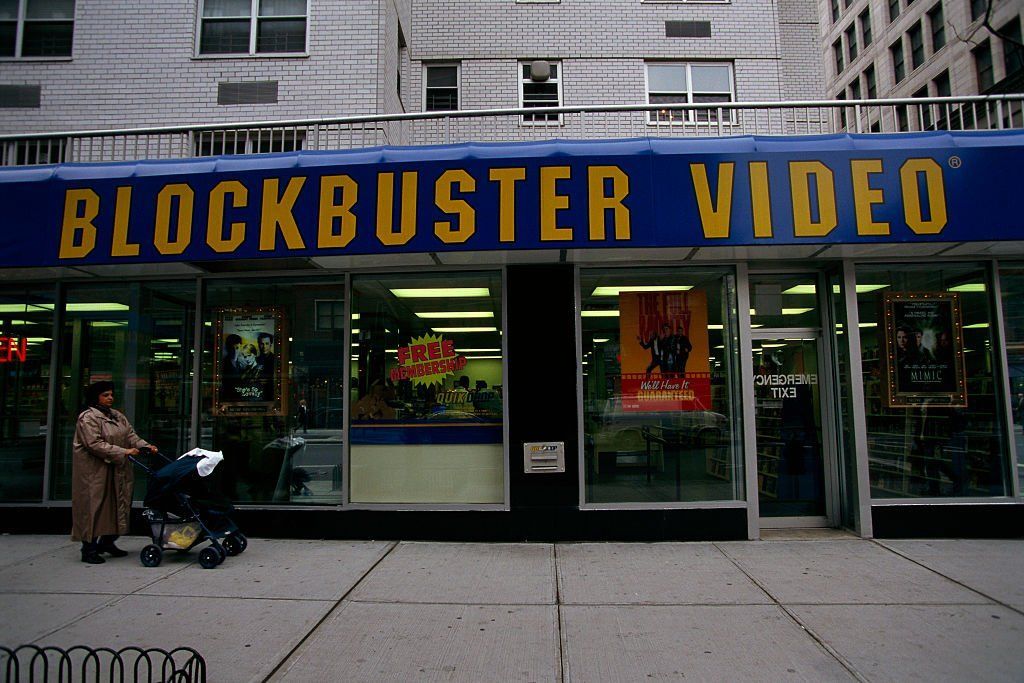
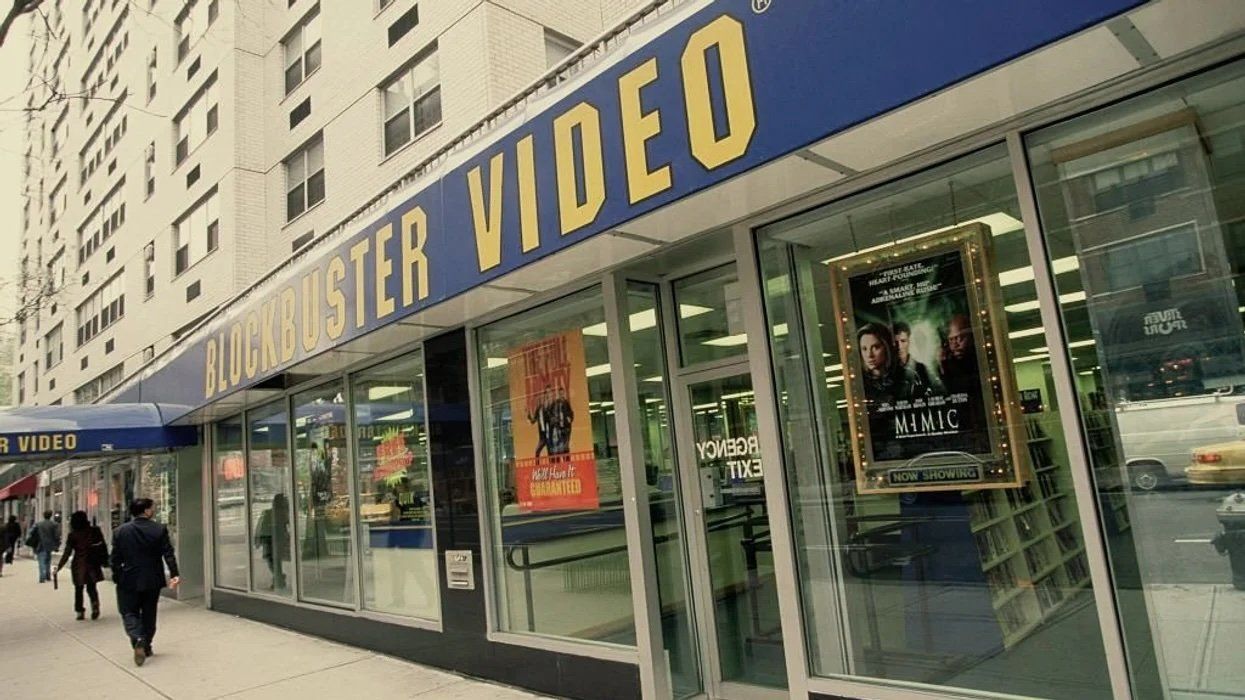
Forget streaming — I just want my Blockbuster Video back


I remember going to Blockbuster with my mom and dad. It was down the street in a strip mall that was shaped like a capital L. It was on the very end and the corner.

It felt far away from our house, though I’m sure it wasn’t. Everything feels far away when you’re a kid. I had no idea how we got there either — which streets we took, how many turns were made, how many miles away it was, or even how long it took us to get there. Ten minutes? An hour? They kind of blend together when you’re a kid, and I had no real idea about any of it.

Blockbuster nostalgia isn’t really about the VHS or the strip mall, the warm smell of the tape or the quiet in the room. It’s about a longing for limitation, our secret wish for less.

But I remember riding in the back seat, looking out the window as my parents weaved the car through what seemed like a dizzying labyrinth of concrete, ranch houses, and tall trees on the way to Blockbuster.

Strip mall arcadia

Blockbuster had a distinct smell. Soft, warm, plasticky. The Louisville sun beat down through the big, long windows, coming in over the black parking lot and then falling down onto the rows of VHS tapes and low-pile carpeting.

It’s funny to think, but the chain video store almost had the same feeling as the library. Rows of neat shelves adorned with a variety of titles. A hushed hum over the large carpeted room. Late afternoon in a sun-dappled Blockbuster, searching for the evening’s entertainment.

Now we don’t go to Blockbuster. They’ve been shut down a long time, and that flimsy blue and yellow Blockbuster card was thrown in the trash years ago. Now we don’t go anywhere.

We sit at home, fumbling around with the remote, clicking through seemingly endless options on Netflix. Everything “looks good” and is packaged up real tight, and there is more of it to watch than we have time. But nothing really is that good, or nothing really seems very good. Life’s not like it was at Blockbuster in 1998.

RELATED: 'All about the experience': Former Blockbuster and 7-Eleven CEO explains why we can't let go of the '90s'

James Leynse/Corbis via Getty Images

Please rewind

What is my nostalgia — no, our nostalgia! — for Blockbuster? Why go back to the clunky, “be kind, rewind” technology of VHS? Why would it be nicer to be forced to drive down the road and find something to watch rather than streaming whatever we want whenever we want from the comfort of our beds? Why do we want fewer options?

That last one. That’s it. That’s what the itch is. Blockbuster nostalgia isn’t really about the VHS or the strip mall, the warm smell of the tape or the quiet in the room. It’s about a longing for limitation, our secret wish for less.

We have so many choices today, we don’t know what to pick. Decision paralysis. Some of us suffer from it terribly, some of us less so. But we’re all aware of the problem. We understand the term. We all know that it’s easier to pick from three than it is from three hundred.

The problem of decision paralysis isn’t limited to what we are going to watch some Thursday evening. We see the problem with young people and dating apps. There is a sense there is always another one waiting. There are infinite partners out there. Don’t settle down; there might be a better match. Always another match. No one can make the decision to just be happy and just get married.

I’ve seen it when someone has a bunch of money saved. Too much time and nothing to do. They talk about going here or there, doing this or trying that. They hem and haw about it for months, and then years. I ask them, “What are you waiting for?” They tell me, “I’m not sure it’s what I want to do.”

Aisle be seeing you

The world is our oyster. We can do anything we want, we are spoiled rotten, and we can’t make a choice. We should be happier than ever, but we aren’t. Not really. We secretly, deep down, wish something would just take away our choices and make it all simpler for us. We would complain about it, but we would secretly be thankful for it. We can’t really do it on our own. Limiting ourselves voluntarily never feels the same as having reality do it for us.

Our problems today are, in a way, pitiful. I know our ancestors would probably mock us for our so-called decision paralysis. But they didn’t know this world. They only know the limited world. Their struggles were often physical. Ours are psychological.

That’s why we miss Blockbuster, or at least what Blockbuster represents or reminds us of. Less. Limitation. The life where we can only do so much, or see so much, where our world is a little smaller and we, in turn, feel a little greater.

Back at Blockbuster we would meander through the aisles, looking at cover after cover, occasionally flipping one over to see what else the back might reveal. After a while, we would make our choice, pay the $1.99 at the glossy counter, take the movie home, make some popcorn on the stove, turn on the TV, pop in the tape, press play, and see if what we chose was any good.

We had fewer choices, and it was fine. Actually it was more than fine, it’s really what we want deep down, even if we don’t want to admit it. That’s why we kind of miss Blockbuster in a strange little way.