Glenn Beck: This may be the DARKEST secret coming out of China


In most countries, getting a life-saving organ transplant depends on tragedy, timing, and luck.

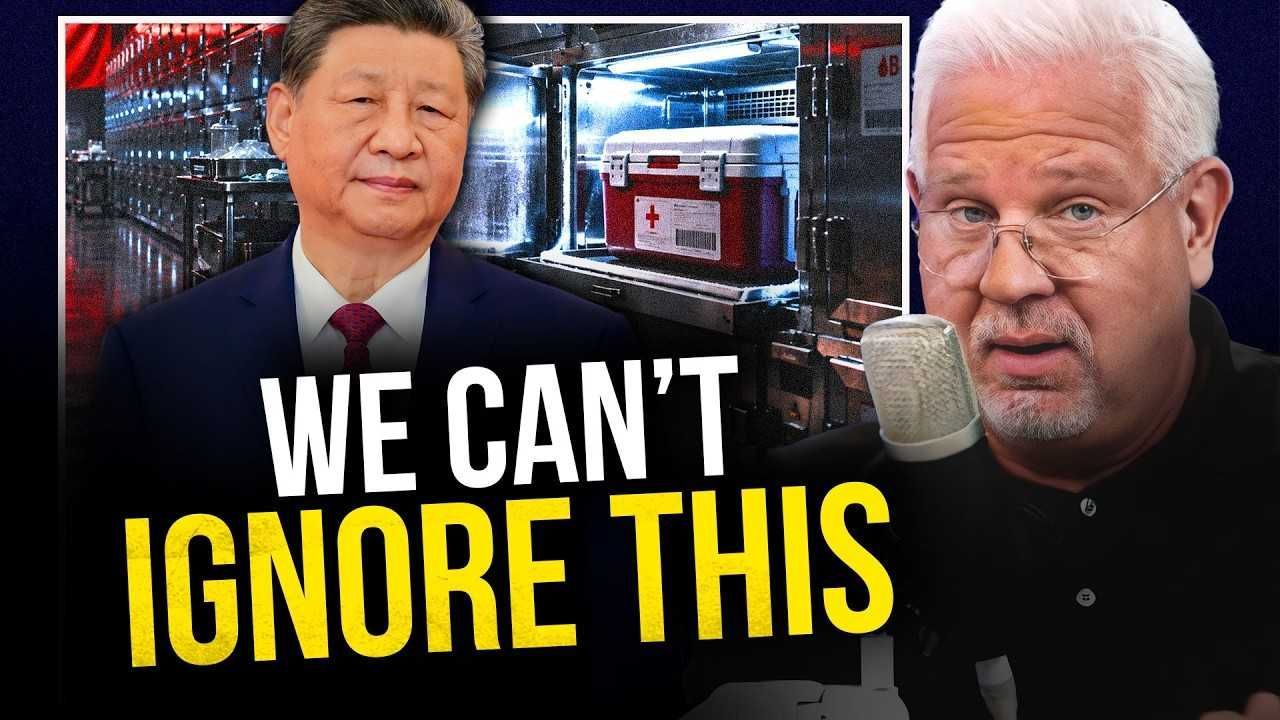
But according to the author of "Killed to Order," Jan Jekielek, China operates under a very different system.

“In a normal ethical transplantation regime like here, if I need a new heart, right, someone has to have a catastrophic accident and that heart needs to match me, blood type and tissue type, so my body doesn’t reject it,” Jekielek tells Blaze Media co-founder Glenn Beck.

“We end up with a situation where there’s very, very few available hearts for transplant. There has to be this catastrophic accident. In China, it’s the exact reverse,” he continues.

Jekielek explains that one of the original whistleblowers was a transplant surgeon who noticed that a patient was able to get an organ to order in just two weeks' time.


“Which means that that catastrophic accident was being arranged,” he tells Glenn.

And to be able to arrange this kind of sale, China has a very specific recipe.

“They have this long history in communist China of creating class enemies. OK, one of the first was land owners. They wanted to seize people’s land,” Jekielek explains.

“So they push this mass dehumanizing propaganda into the system, demonizing the land owners, convincing everybody that these are bad people, that they’re evil, that they’re dangerous, and basically conditioning the population to hate these people,” he continues.

After a successful dehumanization campaign, these people are incarcerated.

“They blood-typed, tissue-typed, and organ-scanned them across a database of a million or maybe 2 million people,” he tells Glenn.

“If I’m a rich person, I’ve got that 200 grand. I drop the money. That transaction is made, and I can get that new heart in two weeks,” he continues.

“Someone the regime has pushed dehumanizing propaganda against to be used against their will as my donor kills to order. That is what they do over there,” he adds.

Want more from Glenn Beck?

To enjoy more of Glenn’s masterful storytelling, thought-provoking analysis, and uncanny ability to make sense of the chaos, subscribe to BlazeTV — the largest multi-platform network of voices who love America, defend the Constitution, and live the American dream.

‘Killed to Order’: How China secretly harvests and traffics organs


What if a heart transplant could be scheduled weeks in advance? Not because a donor volunteered, but because a prisoner was selected to die?

Epoch Times senior editor and "Killed to Order" author Jan Jekielek explains that this is happening right now — and it’s happening in China.

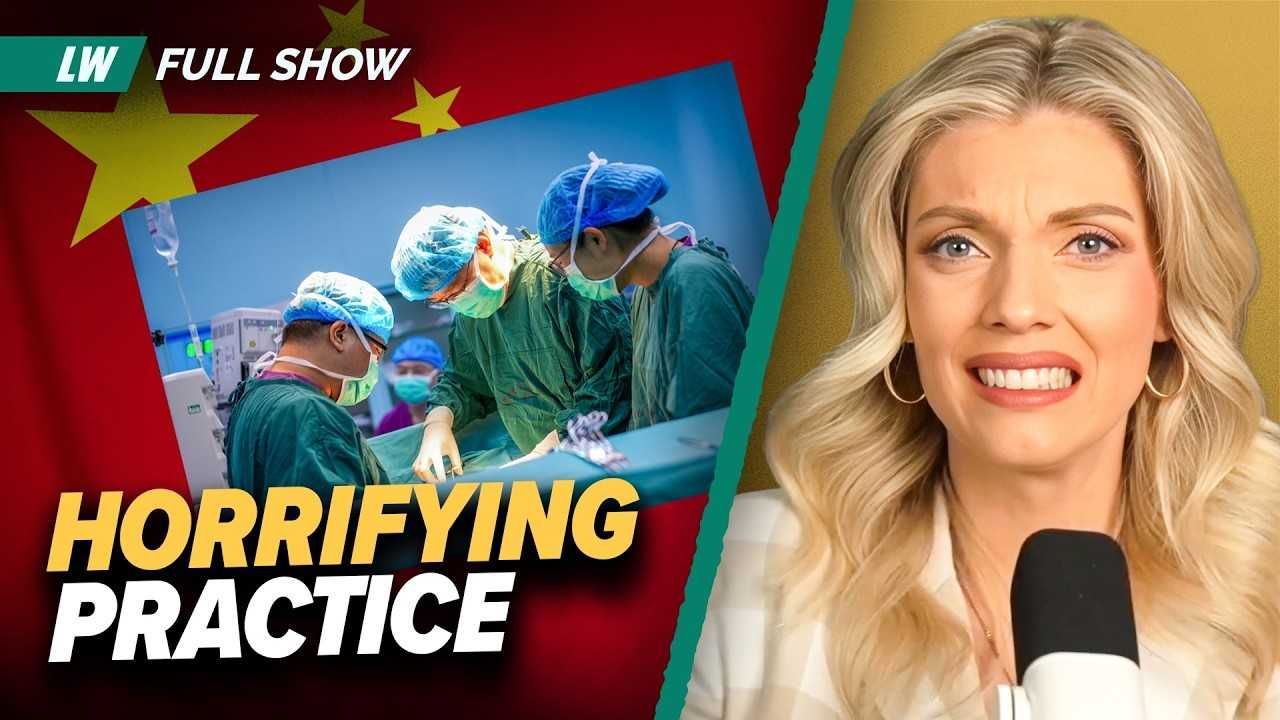
“This really is a kind of next level form of organ trafficking, the most extreme example I’m aware of. And the key part is that it happens at scale” Jekielek tells BlazeTV host Liz Wheeler on “The Liz Wheeler Show.”

And it’s nothing like a “normal situation,” where an organ transplant begins with a recipient who needs a transplant and waits for an organ donor to have a catastrophic accident.


“What happens is someone has to have a catastrophic accident, OK? And then that person, we need to believe that they’re not coming back. An ethics team makes that decision,” Jekielek explains, pointing out that the organ donation system in America was decertified in the past year because they “got too easy on making that decision.”

“If you transplant for someone that is coming back, you’re killing that person,” he says.

In America, you also have to find someone whose organ will be compatible with your body so that your body doesn’t reject it.

“In communist China, it works very differently,” he continues, explaining that in his book, he profiles a whistleblower who was a professor of transplant surgery.

“He had a patient who basically told him, this is in 2005, ‘I’m tired of waiting. They’ve organized a heart for me in two weeks, scheduled,’” he says.

“That catastrophic accident is scheduled,” he adds.

That, Jekielek says, is the first “red flag.”

“And the second red flag, how are you getting that perfect match in two weeks, right?” he asks, before explaining that certain groups of citizens were dehumanized and incarcerated in China for refusing to be “re-educated.”

“So they have prisons, black jails, re-education through labor camps, labor camps, all sorts ... and this is what sets up the unique situation for this killed-to-order type of organ harvesting, forced organ harvesting,” he says.

“So because you have this dehumanized group, masses of them are incarcerated, and this is how you get the two weeks,” he explains, “because what they do is they start blood typing and tissue typing and organ scanning those people that are in prison.”

“And now when that transplant tourist comes with their 100 or 200 grand to buy that new heart, you see they can get it in two weeks because their so-called donor is actually an innocent prisoner of conscience, and they’ve been pre-matched,” he continues.

“That unique set of combination of variables already exists in the system, and that person can then be shipped and killed to order,” he adds.

Want more from Liz Wheeler?

To enjoy more of Liz’s based commentary, subscribe to BlazeTV — the largest multi-platform network of voices who love America, defend the Constitution, and live the American dream.

Monty Python joked about harvesting organs from the living. Now we need laws against it.


My mom wouldn’t let me watch Monty Python when I was growing up in the ’80s. The British comedy troupe was a little too crass for her taste.

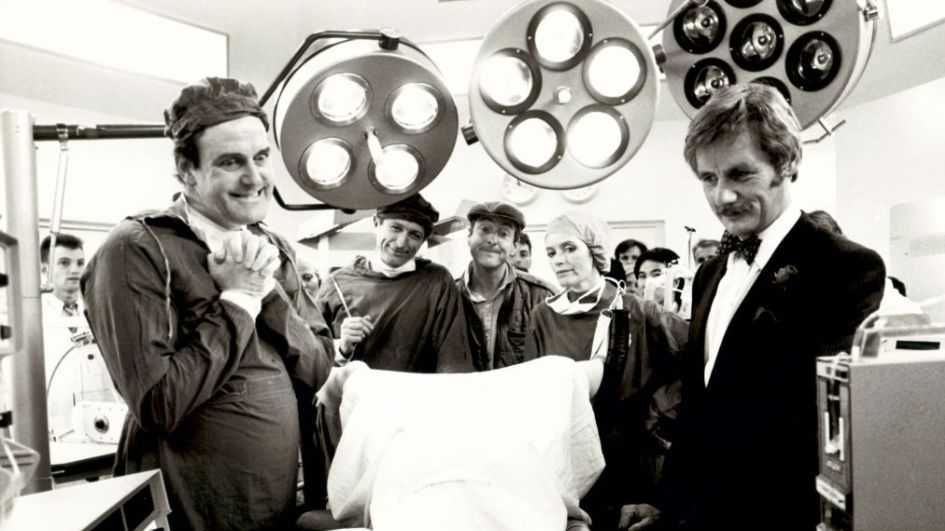
So it wasn't until later in life that I watched their 1983 feature "The Meaning of Life," a collection of outrageous sketches lampooning everything from birth to death. One of the 1983 film’s most grotesque bits was “Live Organ Transplants.”

For decades, we have chipped away at the principle that every human being possesses inherent dignity regardless of age, health, consciousness, independence, or usefulness.

Two men in lab coats arrive at the home of an unsuspecting organ donor and ask for his liver. The man points out the obvious: He is still alive. In fact, he is using his liver.

No matter. He signed an organ donor card.

When he protests that the card applies only in the event of death, the response is pure Monty Python: Nobody who has had his liver removed by them has ever survived!

That joke isn't funny anymore

The scene works because it’s absurd. No civilized society would harvest vital organs from a living person. More than four decades later, the sketch is considerably less funny.

Anthony Thomas “T.J.” Hoover II suffered a drug overdose and was taken to a Kentucky hospital in 2021. His family agreed to organ donation after believing he would not recover.

Then Hoover began showing signs of life.

According to subsequent reporting and federal investigations, Hoover cried, moved his body, and shook his head as preparations for organ procurement continued. Doctors ultimately refused to proceed, and Hoover survived.

Earlier this month, the U.S. Department of Health and Human Services began the process of decertifying Network for Hope, the organ procurement organization whose predecessor was involved in Hoover’s case.

Federal investigators reviewed 351 cases in which donations had been authorized but later canceled. They identified concerning features in 103. In 73 cases, patients exhibited neurological signs that should have made them ineligible for donation. Network for Hope disputes the findings and is appealing.

Dead certain

Kentucky lawmakers responded with House Bill 510, signed into law in April. It requires a “pause” in organ procurement when questions arise about a patient’s neurological status or other indications of life.

Think about that.

We’ve reached the point where state law must explicitly ensure that organ procurement stops when there is evidence the donor may not actually be dead.

Monty Python couldn’t have written it better.

Let’s be clear: I support organ donation. Donating organs after death can be a profoundly generous act that saves lives. Precisely because it is so noble, the public must have absolute confidence that a donor’s life is protected until death has actually occurred.

The deeper issue is how our culture views vulnerable human life.

Inherent dignity

For decades, we have chipped away at the principle that every human being possesses inherent dignity regardless of age, health, consciousness, independence, or usefulness.

Abortion tells us that the right to life can depend upon whether an unborn child is wanted.

Doctor-assisted suicide extends that mentality to the sick and disabled, where suffering can become not merely something to alleviate but a reason to help someone die.

Consider 26-year-old Australian Annaliese Holland, who suffers from autoimmune autonomic ganglionopathy, a devastating illness that has left her in constant pain and dependent on intravenous nutrition. Holland has been approved for voluntary assisted dying and has chosen a date to end her life, though she has kept that date private.

Much of the coverage has treated Holland’s decision with solemn approval, framing her planned death as an understandable — even empowering — exercise of personal choice.

But Holland deserves compassion, not termination. That is precisely the point: When someone is suffering terribly, our response should be to surround that person with care — not offer death as the solution.

RELATED: 'Threats will not stop us': Lila Rose's pro-life group tells radicals to pound sand after legal threat over calling abortion 'killing'

L/R: Fotopress/Getty Images; Ian Waldie/Getty Images

What Teresa knew

Mother Teresa offered a radically different answer.

She spent her life among those the world found easiest to overlook: the abandoned, diseased, disabled, and dying.

In her Nobel Peace Prize acceptance speech, she described taking in a man found dying in the street, his body partly eaten by maggots. After being washed and cared for, he told her that he had lived like an animal in the street but was going to die “like an angel,” loved and cared for.

That was Mother Teresa’s answer to suffering.

She didn’t calculate whether someone’s life was still worth living. She was convinced that the person before her possessed infinite worth simply because he was human.

The saintly nun understood an essential distinction modern medicine must never lose: There is a vast moral difference between allowing a person to die naturally and deliberately causing that person’s death.

Once human dignity becomes conditional — dependent upon health, independence, consciousness, or perceived quality of life — the boundaries protecting all of us begin to erode.

A culture that accepts ending a human life because that life is judged no longer worth living should not be surprised when other calculations about the value and usefulness of human beings creep into medicine.

Human dignity is inherent. Life is valuable precisely because it is human. Our Creator has granted that dignity, and we have no authority to withdraw it.

Monty Python once imagined the unthinkable for laughs.

When reality begins catching up with satire, it is time to ask whether we still believe every human life is worth protecting.

Thanks for the life lesson, Mom.

'My son's eyes were sold': The Ohio mother taking on America's organ-donation machine


The modern administrative state has perfected the art of turning basic human relationships into a never-ending nightmare. In modern America, even the simplest family matters can become exercises in paperwork and official permission. But what happened to an Ohio mother crosses into truly disturbing territory.

When Andrea Mauk’s 18-year-old son, Damon, died suddenly, he was not a registered organ donor. Andrea had raised him as his primary custodial parent. His biological father was long estranged, played little role in his upbringing, and, according to Andrea, didn't even appear in his hospital files.

Federal investigators concluded that at least 28 patients might not have been dead when the procurement process began.

Yet Andrea says that while she was briefly out of cellphone service, hospital and organ procurement organization staff turned to Damon's biological father. Roughly 30 minutes after attempting to reach her, she says, they obtained a single phone "yes" from him authorizing the recovery of Damon's eyes and tissue. Some of that tissue would ultimately make its way as far as Argentina.

Who decides?

For conservatives who still believe the family is the primary unit of society, the story raises disturbing questions about parental authority and consent. Under Ohio's version of the Uniform Anatomical Gift Act, both parents of an adult child occupy the same level of priority for authorizing donation.

If one parent gives permission, the gift can proceed unless that parent or the procurement organization knows the other parent objects. The law requires officials to consider which relatives are "reasonably available," but that determination depends partly on whether they can be contacted in time to act within existing medical constraints.

That leaves enormous weight resting on a deceptively simple question: How long is reasonable when a mother doesn't even know someone is seeking permission to recover parts of her child's body?

"In my son's entire medical record, his father was never listed. He was not an emergency contact, HIPAA release, and we have no idea how he was even contacted," Andrea explains.

Her parents showed up at the hospital after community members tipped them off, but nobody mentioned donation. Even when Andrea called the hospital directly, she says, staff kept her in the dark. As part of the process, Andrea says the OPO had Damon's father complete a detailed medical history questionnaire about a son he barely knew. If accurate, that raises an obvious question about how reliable such a medical history could possibly have been.

Organ trade

Follow the money, and the picture becomes far more disturbing. Americans are accustomed to seeing organ donation as an act of pure altruism. But the system also has a powerful commercial dimension.

When someone dies without registering as an organ donor, the UAGA allows certain family members to authorize donation on the person's behalf. At the same time, federal regulators measure OPOs partly by their donation and transplantation rates, creating an obvious institutional incentive to secure authorizations. OPO performance can ultimately determine whether an organization retains its certification and service area. Critics fear those incentives can turn a grieving family's decision into another performance metric — all within a system where some OPO executives collect compensation exceeding half a million dollars a year.

The loophole lies in the world of "anatomical gifts" — the industry's clinical term for donated skin, bone, ligaments, eyes, and other tissue. Federal law prohibits the outright sale of human tissue for transplantation, but permits organizations to charge for its recovery, processing, storage, transportation, and distribution. In other words, the tissue itself cannot legally carry a price tag, but nearly everything done to it after donation can. The result is a peculiar system in which the donor receives nothing, yet donated tissue can generate substantial revenue as it moves through nonprofit and commercial organizations.

"My son's eyes were sold to an international hospital in Argentina and his skin and ligaments to a biologics research company," Andrea notes. "This has become a multibillion-dollar industry."

Legally, the industry distinguishes between selling human tissue and charging for the services required to recover, process, and distribute it. For a grieving mother who never authorized the donation in the first place, that distinction may understandably seem rather academic.

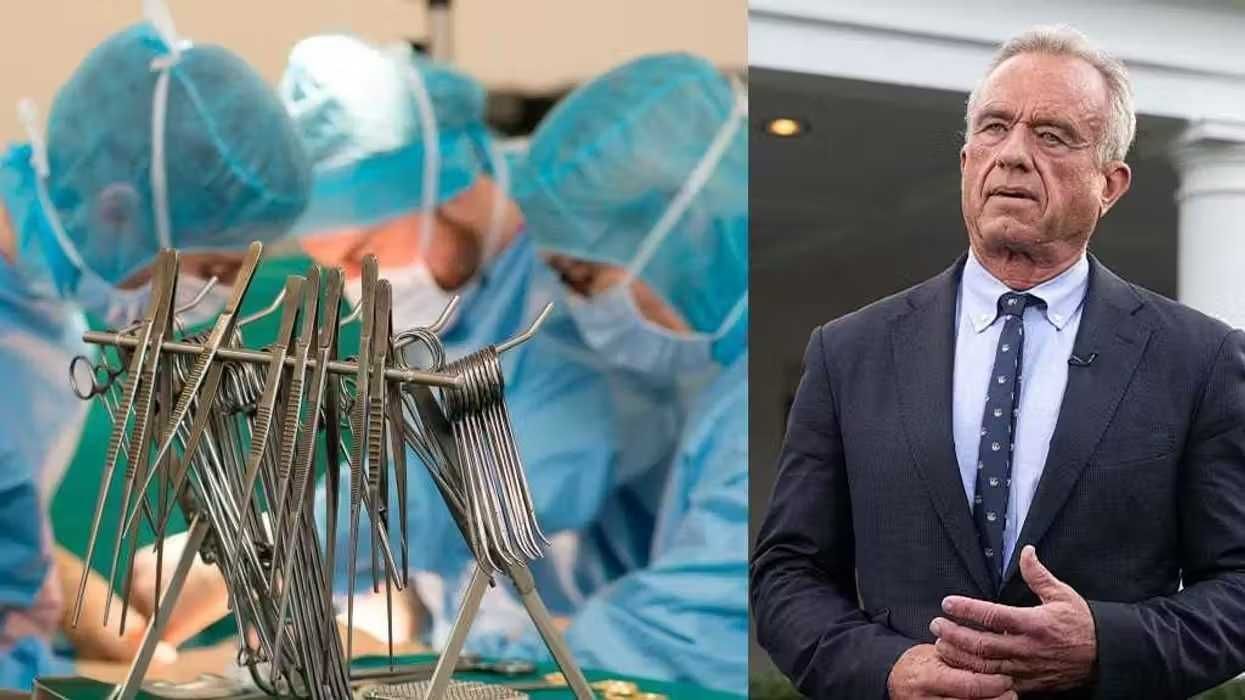
RELATED: RFK Jr. decertifies Kentucky organ harvesting outfit accused of ignoring signs of life in 'donors'

L-R: BSIP/Universal Images Group/Getty Images; SAUL LOEB/AFP/Getty Images

'Questionable consent'

Nor are concerns about the procurement system confined to Andrea's case.

Last year, the Department of Health and Human Services examined 351 cases in which organ donation had been authorized but ultimately not completed. Federal investigators found concerning features in 103 of them, including what HHS described as "questionable consent practices." Seventy-three patients showed neurological signs inconsistent with organ donation, and federal investigators concluded that at least 28 patients might not have been dead when the procurement process began. HHS ordered corrective measures and broader changes intended to strengthen safeguards throughout the system.

The concerns have persisted. In March, the Centers for Medicare & Medicaid Services issued new guidance explicitly requiring that families be given appropriate time to make informed donation decisions without coercion. CMS said the action followed reports of OPOs rushing parts of the process and pressuring grieving families.

Andrea's own search for answers eventually took her all the way to the Ohio Supreme Court. The public records litigation concerned records surrounding Damon's death and the handling of his personal property, including $1,500 in cash and an iPhone reportedly given to a man identifying himself as Damon's father — not the legality of his father's authorization of the donation. Andrea ultimately won a partial victory and $2,000 in statutory damages over improperly withheld or redacted records.

She says she also had to go through probate proceedings simply to obtain access to some of her son's files. Two years and thousands of dollars later, Andrea says she is still trying to reconstruct exactly what happened to her son and why.

The traumatized and understandably furious mother says she has repeatedly called and emailed Rep. Max Miller (R-Ohio), a member of the House Ways and Means Committee, but has received no substantive response in 18 months.

'Damon's Law'

But all is not lost. Andrea is now campaigning for a package of reforms she calls “Damon’s Law,” aimed at strengthening informed consent and family protections in the organ- and tissue-donation system. As I write, more than 16,000 citizens have signed a Change.org petition calling on Congress to enact those reforms. That pressure must grow until lawmakers have no option but to act.

Andrea's proposed reforms demand basic transparency and accountability across the board. She wants states to require DMVs to tell drivers more clearly what organ and tissue donation actually entails, rather than allowing a one-time registration to remain in force indefinitely without requiring the donor to reaffirm it.

That's not a hypothetical concern. Under Ohio law, once someone registers as a donor through a driver's license, identification card, or vehicle registration, the authorization remains effective until affirmatively withdrawn. The donor doesn't have to reaffirm the decision at renewal, and even expiration or cancellation of the license itself doesn't invalidate the gift.

And even withdrawing that gift may not mean what an ordinary person assumes it means. Ohio law expressly distinguishes between revoking an anatomical gift and refusing to make one. A donor's revocation "is not a refusal" and therefore does not necessarily prevent an authorized relative from approving a donation after death. By contrast, a formal, unrevoked refusal generally bars other people from making the gift.

The distinction may make sense to a lawyer; whether the average Ohioan understands it when checking — or unchecking — a box at the DMV is another question entirely.

Andrea also wants lawmakers to establish clearer rules for family authorization, so that an estranged biological parent cannot make such an irreversible decision without the parent who actually raised the deceased even being given a meaningful chance to object. Andrea Mauk wants a system she believes failed her family to be reformed.

Any decent, sane American should want families to know what they are consenting to — and to have a meaningful say before the decision becomes irreversible. Without serious legislative fixes, the system that failed Andrea and Damon will remain perfectly capable of doing the same thing to another family.

New Jersey AG investigates group accused of trying to harvest organs from patient showing signs of life


The New Jersey attorney general's office confirmed to Blaze News that it has launched an investigation into the NJ Sharing Network, an organ procurement organization, after nearly a dozen whistleblowers accused the group of numerous offenses, including allegedly covering up an attempted organ recovery from a patient who showed signs of life.

The NJ Sharing Network, a tax-exempt organization, was also accused of fraudulently billing Medicare, skipping hundreds of patients on the wait list, harvesting organs without appropriate consent, operating a fraudulent taxpayer-funded research program, and creating a culture of fear and retaliation.

'The only way patients will be protected is when law enforcement gets involved and prosecutes criminal activity.'

The House Committee on Ways and Means held an Oversight Subcommittee hearing on Tuesday with some whistleblowers who have reported concerning patterns among the nation's OPOs.

"I think a lot of the problem is that we are not providing the family with updates on actual neurological function and just those kinds of problems where we're using medications to chemically sedate and paralyze patients," Nyckoletta Martin, a former OPO employee, told lawmakers on Tuesday. "We're never really giving patients a chance."

Jennifer Erickson, a senior fellow for organ donation policy with the Federation of American Scientists, described the "chilling" accusations against the NJ Sharing Network as "not only extreme abuse of public trust, but also potential violations of law."

"A patient who'd been declared deceased reanimated, and according to information obtained by this committee, the CEO told staff on site they should proceed with recovery," she continued. "Several whistleblowers alleged documentation regarding the case was deleted or otherwise manipulated."

Erickson urged the committee to continue its investigation into the NJ Sharing Network and contended that the organization should be decertified.

RELATED: Organ group wanted to harvest from patient showing signs of life — then tried to cover it up, whistleblowers claim

Leon Neal/AFP via Getty Images

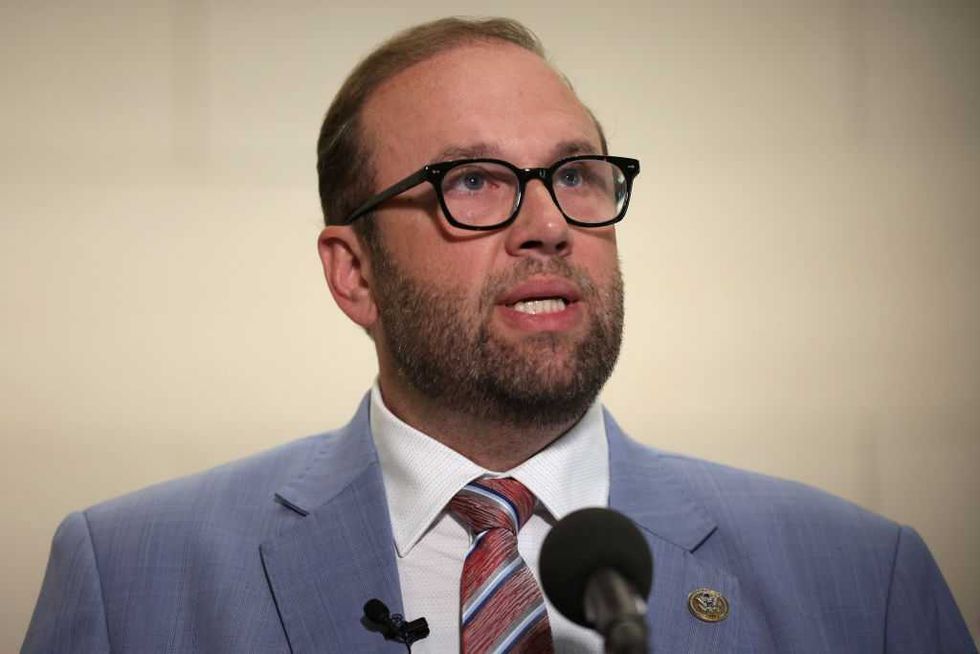
On November 19, Ways and Means Committee Chairman Rep. Jason Smith (R-Mo.) and Oversight Subcommittee Chairman Rep. David Schweikert (R-Ariz.) sent a letter to the NJ Sharing Network, demanding documents and over 30 transcribed interviews with staff to investigate whistleblowers' claims further.

The committee copied the New Jersey attorney general on that letter.

When reached for comment, the AG's office confirmed to Blaze News that it was looking into the allegations.

"Our office is aware of the allegations of potential misconduct involving New Jersey Organ and Tissue Sharing Network discussed in correspondence from the U.S. House of Representatives," a spokesperson stated. "We are investigating these allegations and are committed to ensuring that the organ donation system functions appropriately and for the purpose for which it was intended. We ask anyone with information to contact the Division of Criminal Justice at 609-376-2330."

RELATED: ‘Donor may still be alive’: How organ donation groups allegedly exploit grieving families to cash in on billions

New Jersey Attorney General Matt Platkin. Photo by Spencer Platt/Getty Images

Greg Segal, the founder and CEO of Organize, reacted to the AG's office announcement.

"After 15 years of organ donation advocacy, I have come to believe that the only way patients will be protected is when law enforcement gets involved and prosecutes criminal activity," Segal told Blaze News. "I am deeply grateful for the New Jersey attorney general. It is time to take out the trash."

The NJ Sharing Network did not respond to a request for comment.

Like Blaze News? Bypass the censors, sign up for our newsletters, and get stories like this direct to your inbox. Sign up here!
Organ group wanted to harvest from patient showing signs of life — then tried to cover it up, whistleblowers claim


Nearly a dozen whistleblowers have accused an organ procurement organization of numerous offenses, including allegedly covering up an attempted organ recovery from a patient who showed signs of life.

Ways and Means Committee Chairman Rep. Jason Smith (R-Mo.) and Oversight Subcommittee Chairman Rep. David Schweikert (R-Ariz.) sent a letter on November 19 to the New Jersey Sharing Network demanding documents and over 30 transcribed interviews with staff following the whistleblower claims.

'Industry interests have tried to dismiss allegations in the past as hearsay, but, in this case, the call is coming from inside the house.'

The letter accused the organization of "several egregious actions and potential violations of federal and state statutes that raise serious concerns about whether [the Sharing Network] has fraudulently billed Medicare and should retain their tax-exempt status."

The letter claimed that the Sharing Network skipped hundreds of patients on the wait list, harvested organs without appropriate consent, operated a fraudulent taxpayer-funded research program, potentially lied to Congress, and created a culture of fear and retaliation within the organization.

In one alleged instance where the Sharing Network ignored the proper sequence of the wait list, dozens of those skipped have since died, while several others have been removed because of worsening medical conditions.

Lawmakers expressed concern "that under the current Medicare reimbursement framework, OPOs are incentivized to allocate out of sequence in this manner to ensure reimbursement and can provide a quid pro quo to transplant hospitals."

The whistleblowers' most shocking allegation claimed that the Sharing Network attempted to "cover up" details involving a circulatory death case. Circulatory death occurs when there is an irreversible loss of circulatory and respiratory function.

RELATED: ‘Donor may still be alive’: How organ donation groups allegedly exploit grieving families to cash in on billions

Eileen T. Meslar/Chicago Tribune/Tribune News Service via Getty Images

The lawmakers' letter, which redacted the incident date, stated that the patient "reanimated" after the organ recovery process began. When the administrator on call contacted the Sharing Network about this, the organization allegedly told staff to proceed with the recovery despite the patient's signs of life. The hospital ultimately intervened and stopped the recovery process.

The hospital did not respond to a request for comment from Blaze News.

According to whistleblowers, the Sharing Network "deleted or otherwise manipulated" documents related to the case.

The OPO was also accused of discarding 100 pancreata in one day. The organs were reportedly processed for research. The committee expressed concern that the bulk discarding pointed to an effort to artificially boost Centers for Medicare & Medicaid Services performance metrics by recovering more pancreata than needed, under the guise of performing so-called research.

"While organ research has driven remarkable innovations that improve and save lives, it is concerning that [the Sharing Network] is alleged to have taken advantage of a loophole in the current framework," the letter read.

A senior Ways and Means staffer familiar with the investigation stated that Rep. Smith, if necessary, is prepared to use subpoena power to require the Sharing Network to produce the requested documents and to compel staff interviews.

"The allegations these brave whistleblowers have brought forward are some of the most disturbing we have seen in our ongoing investigation into organ procurement organizations," read a statement from Smith provided to Blaze News. "Families place extraordinary trust in this system at the most painful moments of their lives, and what we have uncovered puts the integrity of America's organ procurement system at stake. Every organization entrusted with this lifesaving work must meet the highest standards, and any refusal to do so is unacceptable."

"If this OPO or any of its senior officials attempt to mislead Congress, destroy records, or obstruct our efforts to get the truth, subpoenas are on the table," Smith continued. "Compliance is not optional. The Ways and Means Committee will not hesitate to use every tool at our disposal to protect patients, taxpayers, and the families who rely on a system that must be built on trust, as well as the brave whistleblowers who have come forward from retaliation."

RELATED: Harvested alive: Organ donor wakes up on the table

Rep. Jason Smith. Photo by Alex Wong/Getty Images

Many individuals familiar with the organ donation industry have sought to bring more national attention to issues and abuses within the OPO networks.

Greg Segal, the founder and CEO of Organize, told Blaze News that this latest congressional investigation suggested that the Sharing Network's "patient abuse is premeditated and systemic, rather than just accidents or one-offs."

"This letter was informed by a dozen whistleblowers who shared documentation regarding specific abuses and potential crimes," Segal said. "Industry interests have tried to dismiss allegations in the past as hearsay, but, in this case, the call is coming from inside the house. This is a watershed moment and, I believe, moves these investigations squarely into criminality and corruption, rather than just incompetence or bad federal policy."

Jennifer Erickson, a senior fellow with the Federation of American Scientists, called it "a public health emergency."

"The Ways and Means Committee documented shocking allegations of cover-ups at the highest levels of New Jersey Sharing Network, including the attempted harvesting of organs from a patient who was still alive," she told Blaze News.

"This is a public health emergency, and just as the Trump administration recently moved to protect patients in Florida, I hope they now take immediate action to protect patients in New Jersey," Erickson added, referring to steps taken by Health and Human Services Secretary Robert F. Kennedy Jr. to decertify a Miami-based OPO accused of Medicare fraud and lapses in patient safety.

HHS, CMS, the HHS Office of Inspector General, and the New Jersey attorney general were copied on the committee's letter.

When asked if it could confirm receipt of the letter and whether there were any plans to investigate the allegations, the attorney general's office stated, "As a general rule, the office doesn't confirm or deny the existence of investigations."

HHS told Blaze News that the Health Resources and Services Administration had received the letter and had directed the Organ Procurement and Transplantation Network "to investigate these allegations."

“As highlighted in the July 21 and September 18 HHS press releases, under Secretary Kennedy’s leadership, HHS is restoring integrity and transparency to organ procurement and transplant policy by putting patients’ lives first,” HHS stated. “These reforms are essential to restoring trust, ensuring informed consent, and protecting the rights and dignity of prospective donors and their families.”

CMS informed Blaze News that it is collaborating closely with HHS to ensure that organ procurement organizations adhere to the highest standards. The agency emphasized its ongoing commitment to protecting patients, enhancing accountability, and eliminating waste, fraud, and abuse, adding that it will continue taking appropriate action to safeguard patients and the Medicare program.

The Sharing Network did not respond to a request for comment.

Like Blaze News? Bypass the censors, sign up for our newsletters, and get stories like this direct to your inbox. Sign up here!
‘Horror story’: RFK Jr. reveals chilling organ harvesting scandal


A shocking revelation from Health and Human Services Secretary Robert F. Kennedy Jr. has exposed what he calls a “horror story” inside America’s organ donation system.

On a recent segment of Newsmax, RFK Jr. detailed a case in which a woman allegedly awoke while her organs were being harvested and did not live to tell the tale.

“It’s a horror story, and part of it is because of the capture of the agency that was regulating ORR, had a — the board that was actually regulating organ harvesting was overlapping with the contractor that was actually harvesting the organs,” he began.


“I had one instance where a family was waiting at the hospital for the body of their deceased relative. The relative was brought to one of these private organ harvesting centers, awoke while they were harvesting her organs, and then was brought back to the hospital ... where she died eventually,” he continued.

“But the family, you know, brought litigation, and that’s the only reason that we learned of this story. We’ve done a complete investigation of that company. We’ve taken the contract away from that company, and we’re reorganizing it so that we will be regulating it and running it directly at HHS and this will never happen again,” he added.

BlazeTV host Pat Gray is astonished.

“That is bizarre. And they did a thorough investigation. Turns out it’s true?” Gray says. “That’s weird.”

Want more from Pat Gray?

To enjoy more of Pat's biting analysis and signature wit as he restores common sense to a senseless world, subscribe to BlazeTV — the largest multi-platform network of voices who love America, defend the Constitution, and live the American dream.

Cheerleader's final act of kindness: 'Hero' high school student gunned down at bonfire gives life to others


A high school cheerleader who dreamed of becoming a nurse was shot during a party in a wooded area of Alabama. The 18-year-old died after being taken off life support because her gunshot wounds were so severe.

Kimber Mills was a senior at Cleveland High School, where she also ran track.

'We shouldn’t be burying our little sister.'

Mills was attending a bonfire party over the weekend in a wooded area known as "The Pit," according to AL.com.

The Jefferson County Sheriff's Office said in a statement that deputies responded to a report of a shooting in the town of Pinson just before 12:30 a.m. Sunday

"Upon arrival, deputies discovered three victims suffering from apparent gunshot wounds: a 21-year-old male, an 18-year-old male, and an 18-year-old female," the sheriff's office stated, adding that all three were taken to area hospitals.

Trussville Police Chief Eric Rush said Mills was shot in the head and the leg.

The sheriff's office later learned that a fourth shooting victim, a 20-year-old female, had been transported to a hospital in a personal vehicle.

The three surviving victims have non-life-threatening injuries.

Police said the preliminary investigation indicated that a "verbal and physical altercation escalated and resulted in gunfire."

Kimber's sister, Ashley Mills, told AL.com that the alleged shooter was trying to talk to one of Kimber's friends, offering her drinks, and trying to get close to her.

"The girl told her boyfriend, a fight involving multiple people ensued, and shots were fired," AL.com reported.

Ashley Mills said, "Kimber was caught in the crossfire."

The sheriff's office named 27-year-old Steven Tyler Whitehead as the shooter. The suspect remains in custody at the Jefferson County Jail. Whitehead is being held without bond.

Whitehead initially was charged with three counts of attempted murder. However, an additional charge of murder was filed against Whitehead on Wednesday after Mills died.

Image source: Jefferson County (Ala.) Sheriff's Office

Mills was taken to the University of Alabama Hospital in critical condition, but Ashley Mills said there was "too much trauma to her brain," and Kimber was placed on a breathing machine.

"There is no surgery that would give her a life worth living," Ashley said.

But Kimber had already decided to be an organ donor — to give others a chance at life.

"We’ve already got it set up for her to be an organ donor because that’s what she wanted,” Ashley said.

Ashley Mills told WBRC that Kimber’s heart and lungs have already been matched with recipients.

On Tuesday, the hospital staff joined Mills' family and friends for an Honor Walk — a ceremony during which medical staff line the hallway to honor a patient before being transported to the Legacy of Hope organ center roughly two blocks away.

Kimber’s brother, Michael Mills, led a prayer in the hallway.

"Heavenly Father, thank you Lord for this young woman, my sister, I love her so much Lord," Michael prayed. "I pray for swift hands of the surgeons, Lord, that we do what needs to be done to save other lives Lord."

Michael continued. "I pray no fear, no sadness Lord, no hatred. Thank you, Lord, for Kimber. Please protect us in these uncertain times."

A Legacy of Hope representative told AL.com, "Today we stand in awe of a true hero, giving of themselves so that others may live."

"May the recipients enjoy restored health and recognize the magnitude of such a rare and remarkable gift," the spokesperson stated. "Thank you, Kimber, for the life-saving legacy you are leaving behind. We honor you today and always."

RELATED: University of Kentucky cheerleader arrested after allegedly stashing her dead baby in garbage bag, hiding body in closet

Mills died Tuesday when she was taken off life support, WBRC reported.

"We shouldn’t be burying our little sister. It should be the other way around," Ashley Mills said. "It's supposed to go from oldest to youngest not youngest first."

According to WBRC-TV, Rodney Green, superintendent of Blount County Schools, released the following statement:

Our school district is deeply saddened today to learn of the passing of one of our students, Ms. Kimber Mills. Kimber was a bright, outgoing senior cheerleader for Cleveland High School. Kimber’s smile and infectious personality will certainly be missed, but she will always be remembered. Our heart is burdened for her family and for the impact this will have on the students, faculty, and staff at Cleveland High School. Please keep our Cleveland Family in your thoughts and prayers! I do want to thank everyone that has reached out to this family and supported them during this tragedy.

AL.com reported that Kimber was planning to attend the University of Alabama next year with a dream of becoming a nurse.

A GoFundMe campaign was launched to help support Mills' family, which cited Psalm 34:18: "The Lord is close to the brokenhearted; he rescues those whose spirits are crushed."

The Jefferson County Sheriff's Office did not immediately respond to a request for comment by Blaze News.

Anyone with information related to the shooting is urged to contact the Jefferson County Sheriff’s Office at 205-325-1450 or Crime Stoppers at 205-254-7777.

Like Blaze News? Bypass the censors, sign up for our newsletters, and get stories like this direct to your inbox. Sign up here!
‘Donor may still be alive’: How organ donation groups allegedly exploit grieving families to cash in on billions


Every day, roughly 30 Americans die awaiting organ transplants, while an estimated 28,000 available organs annually are never transplanted due to inefficiencies in the donor system. Compounding this tragedy, some reports indicate that grieving families, expecting to save lives, can be misled into donating their loved ones' tissues for use in research and cosmetic surgeries — a multibillion-dollar industry.

With over 100,000 patients on the organ waiting list, the nation's 55 organ procurement organizations are tasked with contacting the families of the dying and recently deceased to inquire about lifesaving organ donations. Yet behind this noble mission lies a shadowy process that raises serious questions about transparency and consent practices.

‘Families believe their consent allows for transplant of their loved [ones'] organs, which, if the death has occurred, cannot happen.’

Persistent lack of transparency

Issues within the organ procurement and transplantation industry have persisted for decades, according to studies and reports.

In 2001, the federal Department of Health and Human Services Office of Inspector General advised tissue banks to provide families with written material detailing how donated tissue may be used.

However, several surveys from 2010 to 2015 consistently found that most families were unaware that tissue could be sold for profit or used for cosmetic purposes. One study found that out of 1,000 families surveyed, only three received written materials explaining the donation process. Another study reported that 70% of families polled stated they would object to their loved ones' tissues going to for-profit businesses, yet fewer than 20% knew this could happen.

Dr. Laura Siminoff, a professor at Temple University's College of Public Health, has conducted several studies over the years concerning organ and tissue donation, including the two previously mentioned.

Siminoff told Blaze News, "The complexity emerges from the highly emotional and stressful environment in which these conversations take place. Patients are in an intensive care setting, which is often noisy and confusing. OPO staff who are charged with having complex donation discussions with families need to bring a high level of emotional sensitivity and the ability to convey complicated information so that families can make informed and authentic decisions."

A Department of Health and Human Services report noted that "families are asked to give their consent at a point in time when they are extremely vulnerable," adding that they are often asked to provide consent over the phone instead of in person.

RELATED: Hospital responds to claim Vance's young relative was denied heart transplant over vaccination status

Francine Orr/Los Angeles Times via Getty Images
After-death process

When an individual passes away in a health care institution that receives Medicare or Medicaid funding, the care facility is required to notify its local OPO.

Each OPO acts as a federal contractor responsible for procuring organs in its designated area. OPOs operate effectively as monopolies because they do not face competition from other organizations.

Even if the patient was not registered as an organ donor, the patient's next of kin can still authorize donation on his or her behalf.

In addition to organs, the OPO may also pursue consent for tissue donation, which includes cornea, skin, bone, veins, connective tissue, and other materials.

If approved, the OPO will harvest the tissue and give it to a tissue bank. Tissue banks, which can be for-profit businesses, may then sell that material back to biomedical researchers, pharmaceutical companies, research centers, and even plastic surgeons.

While organ transplants are nearly always lifesaving, tissue transplants can be used for elective life-enhancing, research, or cosmetic purposes.

Ethical concerns in donation practices

While OPOs are intended to facilitate lifesaving organ donations, their practices have raised ethical concerns about transparency and profiteering.

The Indiana Funeral Directors Association provided a document to Congress to inform lawmakers about oversight and regulation gaps within OPO processes.

The association, which is openly supportive of organ and tissue donations, explained that "families are often caught off guard or surprised by the barrage of phone calls from donor networks just moments after their loved ones die seeking approval for tissue donation."

‘It's misleading. OPOs hide the realities of what is really happening — and who is making money — off the backs of vulnerable donor patients.’

Most disturbingly, the IFDA stated that families are misled to believe the donation will save lives because OPOs neglect to distinguish between organ transplants and tissue donations.

"In order for organs to be transplanted, the person dying must be kept alive. Tissue donation is done after the death occurs," the IFDA explained. "Families believe their consent allows for transplant of their loved [ones'] organs, which, if the death has occurred, cannot happen."

The Association of Organ Procurement Organizations confirmed that for organ donation viability, a donor "patient must die in a hospital while on a ventilator" and meet other "specific medical criteria."

Andy Clayton, the executive director of the IFDA, told Blaze News that "families have articulated to us they don't understand it."

"They're thinking [they donated] organs, when in fact, all it was was tissue. And that tissue was harvested, then sold," Clayton said. "The ones that have talked to me, and I share with them the facts, are very alarmed that that wasn't disclosed to them."

"We are not against donation," Clayton continued. "We would certainly applaud a family that decides to donate organs or tissue, as long as they're informed and they know the truth."

Further, the IFDA's one-pager to lawmakers emphasized the "lucrative business" of tissue procurement, highlighting the 2023 revenue for several locally operating OPOs, with one exceeding $100 million.

Some assessments indicate that tissue can be priced up to $500 per gram. With an estimated 2.5 million tissue grafts performed each year, the global tissue banking market is projected to reach $5.17 billion by 2030.

The AOPO argued that there are circumstances in which tissue donation can be lifesaving or life-transforming, including "skin grafts to treat burn victims, heart valves to save infants born with heart defects, and musculoskeletal tissues to restore mobility for injured patients."

"A single tissue donor has the potential to heal or improve the lives of up to 75 people," the association noted.

"Dealing with the passing of a loved one is tragic," Rep. Marlin Stutzman (R-Ind.) told Blaze News. "While organ procurement organizations are well-intentioned, fielding calls from them about relinquishing parts of your loved one's body within days after death can feel off-putting or even predatory. Despite the difficulty in subject matter, more transparency is needed for families going through a loss when it comes to tissues and organs being removed from a loved one at the end of life."

RELATED: Organ donation overhaul promises to save lives

Francine Orr/Los Angeles Times via Getty Images
Regulatory gaps and informed consent

HHS' Food and Drug Administration, Centers for Medicare and Medicaid Services, and Health Resources and Services Administration provide broad oversight of OPOs, including the safety and quality of tissue used in transplantation, as well as the performance standards to qualify for taxpayer reimbursement funding.

While federal law, § 486.342, requires OPOs to have a written protocol to inform donor families about the donation process, including a list of the organs and tissues that will be recovered and the "most likely uses" for those donations, some argue that families still lack informed consent.

‘It's just a corrupt industry overseeing itself, which is to say, covering up patient harms and backroom deals.’

Greg Segal, the founder and CEO of Organize, told Blaze News that donor families are unaware of how often tissue donations are used for cosmetic testing by for-profit businesses or other purposes that are not explicitly disclosed to them.

"It's misleading. OPOs hide the realities of what is really happening — and who is making money — off the backs of vulnerable donor patients," he stated.

Organ transplant information must be reported to the Organ Procurement and Transplantation Network, which is operated under contract with HHS, and the United Network for Organ Sharing, a nonprofit organization, has historically managed this contract. Yet there is no similar mandatory universal tracking system for tissue, only a voluntary accreditation through the American Association of Tissue Banks.

Segal explained that the AATB has been allowed to act as a "quasi-regulator" for the tissue industry.

"It's just a corrupt industry overseeing itself, which is to say, covering up patient harms and backroom deals," he explained. "Why would the American Association of Tissue Banks, populated and funded by tissue banks and taxpayer-funded organ contractors, be doing real investigations into who is misleading families and then hold themselves accountable?"

Furthermore, UNOS provides OPOs with a framework that determines who on the donation list will be provided with the next available organ, based on need and other factors. Yet no similar framework exists for tissue operations, allowing OPOs to use their discretion to determine who receives donations.

"If I'm running an OPO and I'm recovering $25 million worth of tissue this year, and there is no transparency, there's no accountability, and there's no algorithmic framework for where I'm supposed to give it, I can decide where I want to give it. OPO executives basically just ask themselves, 'Who's going to offer me a really nice consulting deal? Which tissue bank is going to put me on the board and then pay me for my board service?'" Segal explained.

The lack of mandatory oversight has led to concerns about conflicts of interest within the tissue industry. For instance, some OPO executives sit on the boards of the AATB and the OPTN, as well as the boards of tissue processing companies.

Segal stated that some OPOs have "massive investments in the tissue banks."

"Executives don't have to disclose to the government or to the public if they have personal financial interests, whether that be equity or stock or so-called 'consulting agreements,'" Segal continued. "There's a lot of money that changes hands, which is why both the Senate Finance Committee and the Energy and Commerce Committee are investigating self-dealing."

Even the AATB admits that while it follows "U.S. antitrust laws closely," its role "focuses exclusively on quality and safety rather than business practices."

"AATB works to promote the safety, quality, and availability of donated human tissue, not to oversee business operations or financial models," the nonprofit told Blaze News.

Though it is a lucrative industry, the AOPO insisted that OPOs do not sell tissue. However, it noted that they can receive "reimbursements" for procuring tissues.

The AOPO told Blaze News, "It is important to understand that OPOs do not sell tissues. Instead, specialized organizations that prepare donated tissues into grafts for clinical use may reimburse OPOs for the recovery services provided, similar to how hospitals are reimbursed for providing care. These reimbursements support donation-related operations."

When asked how OPOs profit from tissue harvesting, Segal explained, "OPOs harvest tissue from dead people — many of whom had no idea what they were really consenting to — and then the OPOs give that tissue to a processor, which, in return, gives them money. You can decide what you want to call it, but I'd say it's a sale."

Financial incentives and profiteering

The profitability of tissue sales has reportedly exacerbated issues within the lifesaving organ donation system, prompting some OPOs to run their own tissue bank businesses.

Some critics claim that the current system effectively incentivizes OPOs to prioritize staffing their tissue recovery operations over their organ transplant teams. A 2020 report from the Bridgespan Group found that "OPOs have greater financial incentives to focus more on tissue recovery compared to their incentives to recover lifesaving organs."

To improve the metrics of organs procured per donor, some OPOs may opt not to obtain organs from single-organ donors. This decision further worsens the shortage of available organs, according to a 2020 letter from the House Subcommittee on Economic and Consumer Policy.

‘There's never been any accountability for OPOs. More than 95% of Americans support organ donation; that actually polls higher than puppies and ice cream.’

In 2013, even the AOPO admitted that the "current system has created a disincentive for OPOs to pursue organ recovery when there may be a lower yield of organs transplanted per donor."

The AOPO told the White House Office of Management and Budget, "If an OPO is in jeopardy of decertification ... the OPO is incentivized (for fear of being decertified) to not pursue or even evaluate the potential for donation of these types of donors," referring to "marginal organ donors that generally yield fewer organs (or no organs)."

"This practice results in fewer organs being transplanted and more lives lost," the AOPO wrote at the time.

in 2019, HHS proposed a rule it believed would result in an additional 5,000 to 10,000 lifesaving transplants each year by pushing all OPOs to reach compliance with the minimum performance standards

During a September congressional hearing, Segal contended that there should be enough available organs — with the exception of kidneys — for every individual in need of a transplant but that inefficiencies in procurement have prevented this.

OPOs are not required to meet donation and transplantation target rates to remain on hospitals' mandatory notification lists. Remaining on those lists also helps an OPO fuel its potential tissue procurement business, since it is already the hospital's first point of contact for organ recovery.

RELATED: HHS surmounts obstacles set by Democrat-appointed judges, gives thousands of bureaucrats the boot

Francine Orr/Los Angeles Times via Getty Images
Pushing for systemic overhaul

The House Energy and Commerce Subcommittee on Oversight and Investigations held a hearing in September in which several witnesses — Dr. Seth Karp, surgeon in chief of the Vanderbilt University Medical Center; Dr. Robert Cannon, associate professor of surgery and surgical director for liver transplant at the University of Alabama at Birmingham; Dr. Jesse Roach, senior vice president of government relations for the National Kidney Foundation; and Segal — testified that OPOs lack enforceable regulations.

Segal exposed "widespread abuse" allegations within the organ donation industry, which he argued have hindered the exposure of corruption and inefficiencies.

Segal stated, "There's never been any accountability for OPOs. More than 95% of Americans support organ donation; that actually polls higher than puppies and ice cream. And yet the OPTN's own research has found that OPOs only recover organs from one out of five potential donors. They are monopolies, and they've never had any enforceable regulations, and their performance has greatly suffered."

Some of Segal's concerns were far more troubling than donor family consent issues. Segal stated that he was aware of allegations of "harvesting of organs from patients who whistleblowers believe would otherwise have survived" and "unsafe patient care, including the hastening of death with fentanyl and the falsification of medical records."

Cannon corroborated many of Segal's assertions.

Cannon told lawmakers, "OPOs also lack sufficient oversight and accountability with regard to organ allocation, sometimes resulting in actions that are abusive and harmful to patients."

"I have had an OPO administrator recommend I proceed with organ procurement in the face of concerns a donor may still be alive," he continued. "I have seen a 21-year-old patient dying from liver failure have an ideal donor organ taken away from her by an OPO that was unwilling to provide one additional hour for a plane to be mobilized. Our complaint in this instance went unanswered. Unfortunately, stories such as these are not isolated instances."

To fix the broken organ procurement and donation system, Cannon told lawmakers to "tear it down to the studs and rebuild it."

‘At least 28 patients may not have been deceased at the time organ procurement was initiated — raising serious ethical and legal questions.’

The witnesses advocated for terminating the current cost-reimbursement structure of OPOs, which allow the organizations to be fully reimbursed for all expenses related to organ donations. The federal government largely moved away from this model within the health care system because it has been proven to produce poor outcomes and is vulnerable to potential abuses.

The Organ Donation and Transplantation Alliance's website warns that cost-based reimbursement comes with a "financial risk" of "over-reporting as well as under-reporting organ acquisition costs claimed for Medicare reimbursement."

"Prior Office of Inspector General (OIG) audits noted that transplant centers stated they lacked awareness and understanding of Medicare requirements or had inadvertently claimed non-allowable costs on the Medicare Cost Report," the alliance noted.

Segal claimed that OPOs are not just combining organ and tissue donation when seeking consent from donor families, but they also label various expenses as "organ and tissue"-related items to receive CMS reimbursements, which should cover only organ operations. This allows OPOs to "subsidize all the costs related to tissue," he said.

The AOPO, which represents 47 federally designated nonprofit OPOs, insisted that organ and tissue donation are "entirely separate clinical processes" that "never compete with each other," adding that "accusations that they do contradict yearly government data, which demonstrates a 14-year increase in organ donation and transplantation rates. OPOs strive to save lives by recovering every viable organ, irrespective of financial models."

Recent investigations and HHS reforms

The House Committee on Energy and Commerce held another hearing on July 22 regarding the organ procurement and transplant system, during which lawmakers questioned witnesses from HRSA, UNOS, and the OPTN. Lawmakers also heard from Barry Massa, the chief executive officer of the Network of Hope, an OPO.

The hearing mainly focused on a disturbing incident that took place in 2021 involving a Kentucky man named Anthony Thomas Hoover. He was set to undergo surgery for organ retrieval when the surgeon discovered that he was still alive, despite having been previously declared dead. The OPO assigned to the case, which later merged with the Network of Hope, faced accusations of attempting to proceed with the organ procurement process despite clear signs of life.

The surgery to remove Hoover's organs was terminated, and he survived. NPR reported in 2024 that he was still alive three years after the incident.

Massa maintained that the correct process was followed in the Hoover case, though he admitted that there were "a lot of unique things that could have been done better."

Trump's HHS has signaled that it plans to hold OPOs responsible. On July 21, the agency stated HHS Secretary Robert F. Kennedy, Jr. has threatened to shut down "deficient" OPOs.

HHS reported that HRSA examined 351 cases in which organ donation was authorized but not performed, noting that nearly 30% "showed concerning features, including 73 patients with neurological signs incompatible with organ donation."

"At least 28 patients may not have been deceased at the time organ procurement was initiated — raising serious ethical and legal questions," HHS wrote.

HRSA also instructed the OPTN to reopen the Hoover case, which was closed without any action under the former Biden administration.

‘I’m kind of thinking, “Well, we need to publicize it, but we kind of don't want to publicize it because then we'd hurt the number of people that are actually going to donate their organs.” So this is a problem.’

During July's committee hearing, Raymond Lynch with HRSA, who noted no OPO has ever previously lost its certification, confirmed that the agency has additional open investigations into the industry.

Blaze News asked HHS how it will ensure that OPOs provide clear information to donor families.

An HHS spokesperson stated that the department "is committed to ensuring that organ procurement organizations provide grieving families with clear, compassionate information while prioritizing lifesaving organ donation."

"Through HRSA-led reforms, including standardized communication training, outcome-based performance metrics, transparent public reporting, and stronger oversight, HHS is holding OPOs accountable to uphold the highest standards of ethics, transparency, and patient-centered care," HHS stated. "Through the Organ Transplantation Affinity Group, HHS supports standardized communication training — emphasizing trauma-informed care, cultural sensitivity, and family experience — backed by national experts."

The agency also stated that recent CMS and HRSA reforms will evaluate OPOs "based on actual organ donation and transplant rates (not organizational activity or self-reported data), with benchmarks and underperformance triggering reevaluation or decertification."

RELATED: Trump’s DOJ unleashes largest health care fraud bust ever, protecting taxpayer dollars

Photo by Kayla Bartkowski/Getty Images

Industry's response

When asked for comment, the AOPO and AATB expressed concerns that reporting these allegations, which they insisted were false, could have life-and-death consequences by deterring people from donating organs.

The AOPO claimed that the IFDA's letter to Congress contained "demonstrably false statements" and dismissed the cited studies as "over a decade old." The AATB similarly claimed that the studies were "not only outdated but also inaccurate."

"Today, thousands of people are removing themselves from U.S. organ donation registries, and that is directly tied to the spread of myths and accusations like the ones in the IFDA letter. This has a human cost: Less donors means that more patients who need lifesaving transplants must continue to wait and possibly die in the interim," the AOPO told Blaze News.

Both the AOPO and the AATB insisted that donor families are encouraged to ask questions about the donation process and place limits on their loved ones' donations.

During September's congressional hearing, then-Rep. Debbie Lesko (R-Ariz.) summed it up this way after listening to the witnesses' troubling concerns about the organ and tissue procurement industry: "I'm kind of thinking, 'Well, we need to publicize it, but we kind of don't want to publicize it because then we'd hurt the number of people that are actually going to donate their organs.' So this is a problem."

Critics of the existing organ donation framework make it clear that they endorse donation and are not aiming to discourage Americans from registering as donors. However, they argue that the fear among the industry that negative publicity might shrink the donor pool does not excuse organizations from necessary oversight. Instead, heightened scrutiny and transparency could optimize procurement processes, ultimately fostering greater efficiency and saving more lives by breaking free from the inefficiencies of the current monopolistic, self-policing structure.

Like Blaze News? Bypass the censors, sign up for our newsletters, and get stories like this direct to your inbox. Sign up here!

Are ‘conspiracy theorists’ right about organ donation?


“Conspiracy theorists” have been sounding the alarm about organ donation and the practice's potentially shady incentives for decades, only to have their concerns brushed aside as crazy or even selfish — until now.

Secretary of Health and Human Services Robert F. Kennedy Jr. has announced a major initiative to begin reforming the organ transplant system following an investigation that revealed horrific practices by a major organ procurement organization.

“Our findings show that hospitals allowed the organ procurement process to begin when patients showed signs of life, and this is horrifying,” Kennedy said, explaining that these organ procurement organizations must be held accountable.

Dr. Raymond Lynch is chief of the organ transplant branch at the Health Resources and Services Administration, which demanded a thorough, independent review of one federally funded organ procurement organization.


Lynch tells BlazeTV host Allie Beth Stuckey that the findings were “highly concerning.”

This particular organ procurement organization that’s been under investigation was operating in Kentucky, Southwest Ohio, and part of West Virginia, and they were found to be taking organs from patients that were showing signs of life.

And it’s been going on for much longer than this investigation.

One man, T.J. Hoover in Kentucky, was admitted to Baptist Health’s emergency room in 2021. He was unresponsive for two days before his family agreed to donate his organs. However, while he was being prepped for organ donation surgery, he began thrashing, crying, resisting, and showing signs of life.

And according to the HRSA investigation, Hoover’s case is far from the only one.

“HRSA examined 351 cases where organ donation was authorized but not completed, identifying issues — 103 cases. Of those, 73 patients showed neurological signs incompatible with organ donation, and 28 may not have been deceased when procurement began,” Stuckey says.

“The investigation uncovered poor neurologic assessments, lack of coordination with medical teams, questionable consent practices, and misclassified causes of death, especially in overdose cases,” she continues. “Not to get conspiratorial here, that’s very scary.”

One of the issues with their approach, Lynch explains, is that when potential organ donors are being assessed, there can be confusion as to whether or not their neurologic function is nonexistent or if it’s simply being “clouded by drugs.”

Not only that, but the family of the deceased donor will receive no compensation, and instead, the organ procurement organization pays the hospital for time and resources used. So some of the fees they collect are used to fund their activities.

“Is it reasonable to wonder if there would be more of an incentive, then, to allow a patient to die so that their organs could be harvested than it would be to keep them alive? Because there would be no reimbursement if that patient survives,” Stuckey comments.

“Well, to some degree we’re dependent on medical ethics, right?” Lynch says. “And this is a good faith system.”

Want more from Allie Beth Stuckey?

To enjoy more of Allie’s upbeat and in-depth coverage of culture, news, and theology from a Christian, conservative perspective, subscribe to BlazeTV — the largest multi-platform network of voices who love America, defend the Constitution, and live the American dream.