'My son's eyes were sold': The Ohio mother taking on America's organ-donation machine
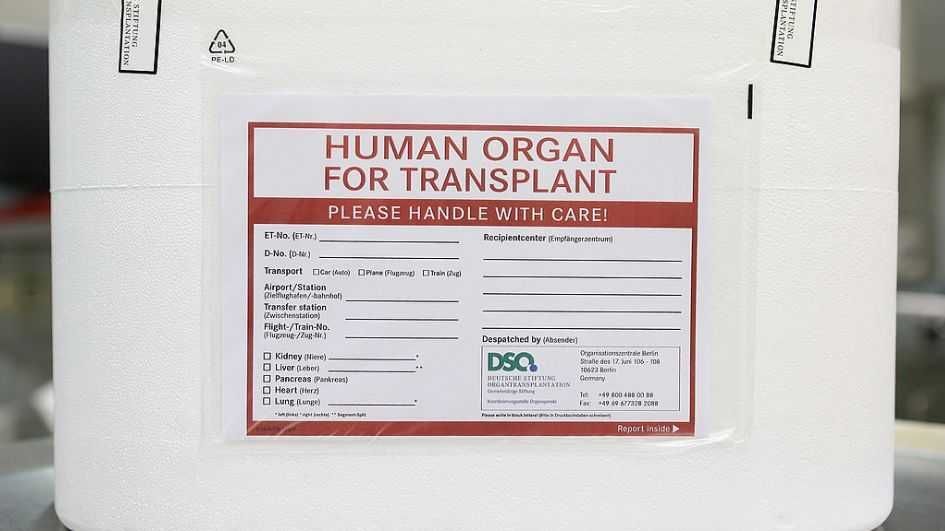
The modern administrative state has perfected the art of turning basic human relationships into a never-ending nightmare. In modern America, even the simplest family matters can become exercises in paperwork and official permission. But what happened to an Ohio mother crosses into truly disturbing territory.
When Andrea Mauk’s 18-year-old son, Damon, died suddenly, he was not a registered organ donor. Andrea had raised him as his primary custodial parent. His biological father was long estranged, played little role in his upbringing, and, according to Andrea, didn't even appear in his hospital files.
Federal investigators concluded that at least 28 patients might not have been dead when the procurement process began.
Yet Andrea says that while she was briefly out of cellphone service, hospital and organ procurement organization staff turned to Damon's biological father. Roughly 30 minutes after attempting to reach her, she says, they obtained a single phone "yes" from him authorizing the recovery of Damon's eyes and tissue. Some of that tissue would ultimately make its way as far as Argentina.
Who decides?
For conservatives who still believe the family is the primary unit of society, the story raises disturbing questions about parental authority and consent. Under Ohio's version of the Uniform Anatomical Gift Act, both parents of an adult child occupy the same level of priority for authorizing donation.
If one parent gives permission, the gift can proceed unless that parent or the procurement organization knows the other parent objects. The law requires officials to consider which relatives are "reasonably available," but that determination depends partly on whether they can be contacted in time to act within existing medical constraints.
That leaves enormous weight resting on a deceptively simple question: How long is reasonable when a mother doesn't even know someone is seeking permission to recover parts of her child's body?
"In my son's entire medical record, his father was never listed. He was not an emergency contact, HIPAA release, and we have no idea how he was even contacted," Andrea explains.
Her parents showed up at the hospital after community members tipped them off, but nobody mentioned donation. Even when Andrea called the hospital directly, she says, staff kept her in the dark. As part of the process, Andrea says the OPO had Damon's father complete a detailed medical history questionnaire about a son he barely knew. If accurate, that raises an obvious question about how reliable such a medical history could possibly have been.
Organ trade
Follow the money, and the picture becomes far more disturbing. Americans are accustomed to seeing organ donation as an act of pure altruism. But the system also has a powerful commercial dimension.
When someone dies without registering as an organ donor, the UAGA allows certain family members to authorize donation on the person's behalf. At the same time, federal regulators measure OPOs partly by their donation and transplantation rates, creating an obvious institutional incentive to secure authorizations. OPO performance can ultimately determine whether an organization retains its certification and service area. Critics fear those incentives can turn a grieving family's decision into another performance metric — all within a system where some OPO executives collect compensation exceeding half a million dollars a year.
The loophole lies in the world of "anatomical gifts" — the industry's clinical term for donated skin, bone, ligaments, eyes, and other tissue. Federal law prohibits the outright sale of human tissue for transplantation, but permits organizations to charge for its recovery, processing, storage, transportation, and distribution. In other words, the tissue itself cannot legally carry a price tag, but nearly everything done to it after donation can. The result is a peculiar system in which the donor receives nothing, yet donated tissue can generate substantial revenue as it moves through nonprofit and commercial organizations.
"My son's eyes were sold to an international hospital in Argentina and his skin and ligaments to a biologics research company," Andrea notes. "This has become a multibillion-dollar industry."
Legally, the industry distinguishes between selling human tissue and charging for the services required to recover, process, and distribute it. For a grieving mother who never authorized the donation in the first place, that distinction may understandably seem rather academic.
RELATED: RFK Jr. decertifies Kentucky organ harvesting outfit accused of ignoring signs of life in 'donors'
'Questionable consent'
Nor are concerns about the procurement system confined to Andrea's case.
Last year, the Department of Health and Human Services examined 351 cases in which organ donation had been authorized but ultimately not completed. Federal investigators found concerning features in 103 of them, including what HHS described as "questionable consent practices." Seventy-three patients showed neurological signs inconsistent with organ donation, and federal investigators concluded that at least 28 patients might not have been dead when the procurement process began. HHS ordered corrective measures and broader changes intended to strengthen safeguards throughout the system.
The concerns have persisted. In March, the Centers for Medicare & Medicaid Services issued new guidance explicitly requiring that families be given appropriate time to make informed donation decisions without coercion. CMS said the action followed reports of OPOs rushing parts of the process and pressuring grieving families.
Andrea's own search for answers eventually took her all the way to the Ohio Supreme Court. The public records litigation concerned records surrounding Damon's death and the handling of his personal property, including $1,500 in cash and an iPhone reportedly given to a man identifying himself as Damon's father — not the legality of his father's authorization of the donation. Andrea ultimately won a partial victory and $2,000 in statutory damages over improperly withheld or redacted records.
She says she also had to go through probate proceedings simply to obtain access to some of her son's files. Two years and thousands of dollars later, Andrea says she is still trying to reconstruct exactly what happened to her son and why.
The traumatized and understandably furious mother says she has repeatedly called and emailed Rep. Max Miller (R-Ohio), a member of the House Ways and Means Committee, but has received no substantive response in 18 months.
'Damon's Law'
But all is not lost. Andrea is now campaigning for a package of reforms she calls “Damon’s Law,” aimed at strengthening informed consent and family protections in the organ- and tissue-donation system. As I write, more than 16,000 citizens have signed a Change.org petition calling on Congress to enact those reforms. That pressure must grow until lawmakers have no option but to act.
Andrea's proposed reforms demand basic transparency and accountability across the board. She wants states to require DMVs to tell drivers more clearly what organ and tissue donation actually entails, rather than allowing a one-time registration to remain in force indefinitely without requiring the donor to reaffirm it.
That's not a hypothetical concern. Under Ohio law, once someone registers as a donor through a driver's license, identification card, or vehicle registration, the authorization remains effective until affirmatively withdrawn. The donor doesn't have to reaffirm the decision at renewal, and even expiration or cancellation of the license itself doesn't invalidate the gift.
And even withdrawing that gift may not mean what an ordinary person assumes it means. Ohio law expressly distinguishes between revoking an anatomical gift and refusing to make one. A donor's revocation "is not a refusal" and therefore does not necessarily prevent an authorized relative from approving a donation after death. By contrast, a formal, unrevoked refusal generally bars other people from making the gift.
The distinction may make sense to a lawyer; whether the average Ohioan understands it when checking — or unchecking — a box at the DMV is another question entirely.
Andrea also wants lawmakers to establish clearer rules for family authorization, so that an estranged biological parent cannot make such an irreversible decision without the parent who actually raised the deceased even being given a meaningful chance to object. Andrea Mauk wants a system she believes failed her family to be reformed.
Any decent, sane American should want families to know what they are consenting to — and to have a meaningful say before the decision becomes irreversible. Without serious legislative fixes, the system that failed Andrea and Damon will remain perfectly capable of doing the same thing to another family.
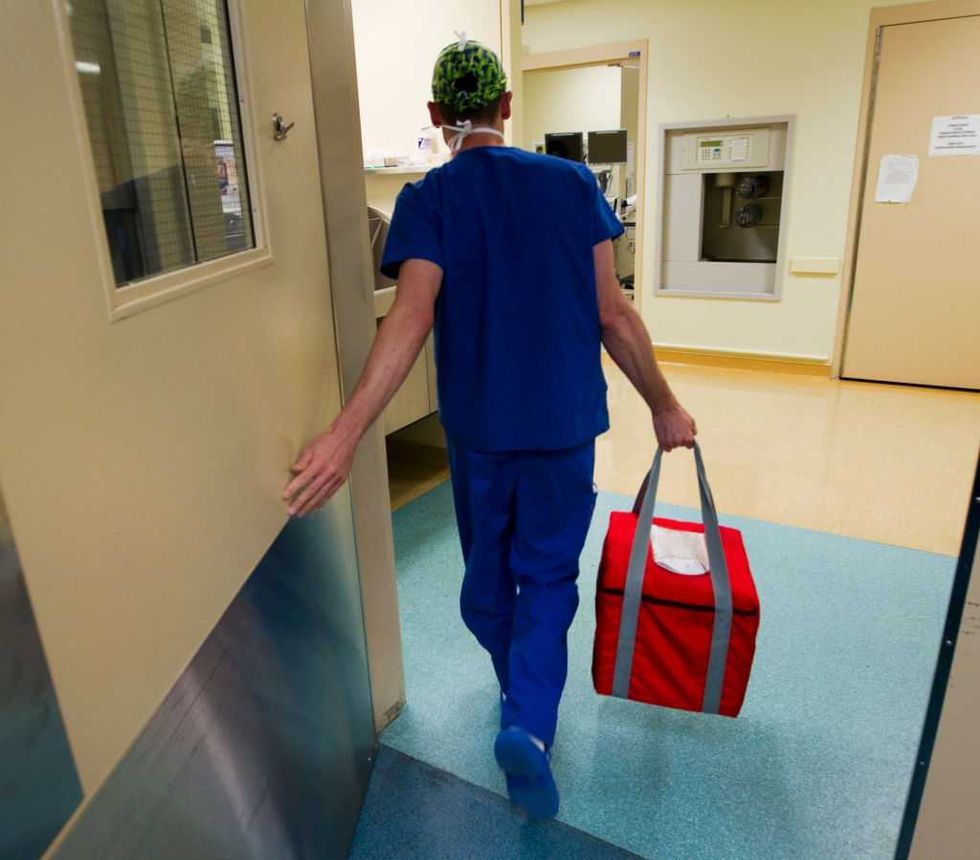 Bernard Weil/Toronto Star/Getty Images
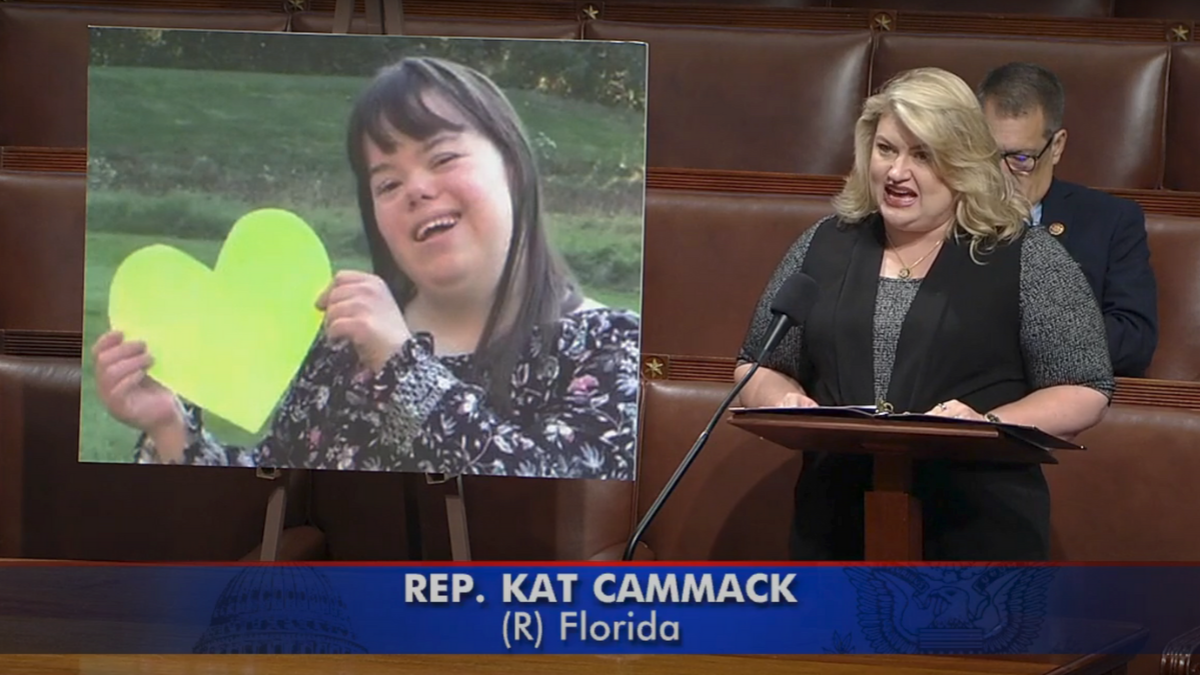 As a mother of a special needs child, I want to ensure that my daughter receives the best care possible, including if and when she needs a transplant.
 Doctors could easily pocket their scalpels and think about the implications of giving men female-specific organs. They don’t because they have a profit to make and an agenda to advance.
 Revising standards to suit the needs of medical professionals rather than patients will result in the premature deaths of many living people.
 A new organ waitlist policy would betray those who have already donated an organ and discourage others from donating in the future.
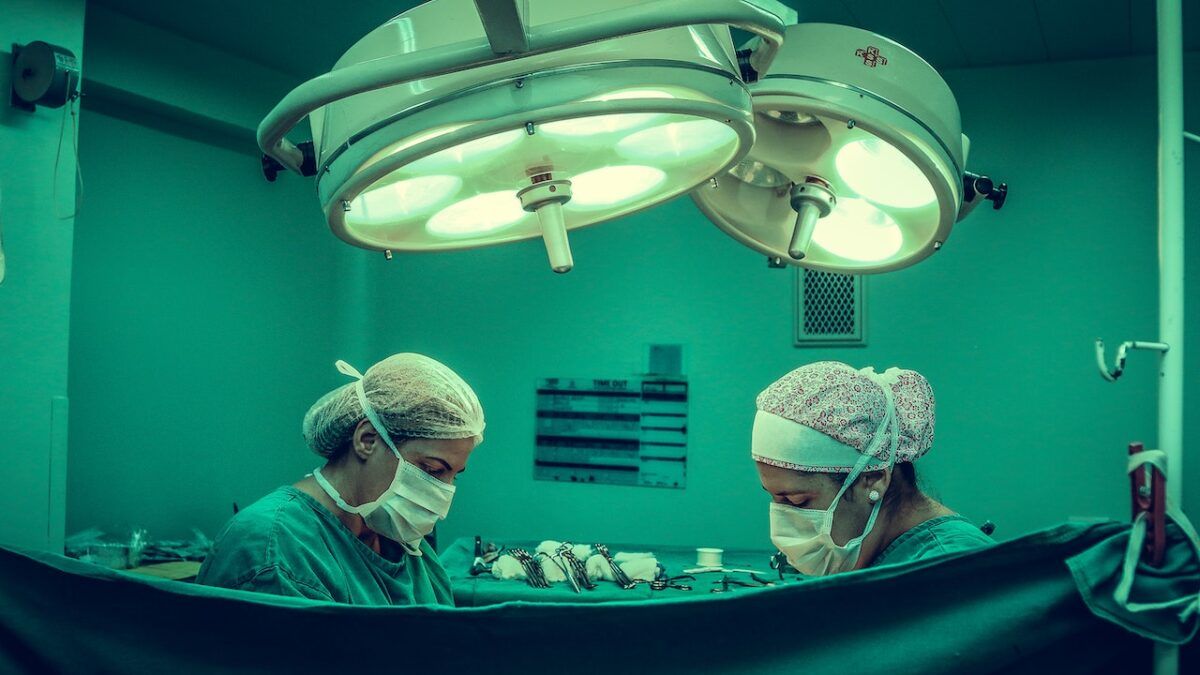 Organ-harvesting practices at the University of Nebraska Medical Center raise ethical concerns as they seemingly abandon the 'dead donor' rule.

 thefederalist.com
 www.theblaze.com
 freebeacon.com
 freebeacon.com