In Memory Of Mister Rogers’ Handyman And Music Shop Owner Joe Negri
 He played a handyman on TV, but Joe Negri's real work, shaping generations of jazz musicians in Pittsburgh, needed no make believe.
If America had an official "documentarian laureate," Ken Burns would be a shoo-in for the job.
Over the last four decades, the filmmaker has devoted his career to capturing the country's history and culture, in works ranging from "Baseball," "Jazz," and "The National Parks: America's Best Idea" to his groundbreaking 1990 masterpiece "The Civil War." And despite his avowed "yellow-dog Democrat" tendencies, he has done so with remarkable nuance.
Those rallying around the American cause are portrayed as a loose collection of criminals, anarchists, slavers, and exiled aristocrats united by high Enlightenment ideals.
Now, just in time for America’s 250th anniversary, Burns has returned with a new six-part PBS series exploring how it all got started.
"The American Revolution" arrives with suitable fanfare — and an almost absurdly star-studded cast of voice-over artists. Tom Hanks, Morgan Freeman, Samuel L. Jackson, Paul Giamatti, Josh Brolin, Meryl Streep, Ethan Hawke, Edward Norton, and Michael Keaton are among the luminaries who provide narration.
Even so, there has been a level of apprehension surrounding the show, particularly among conservatives. Could a commemoration of America's founding even work in our current moment — when even mild appeals to patriotism and national unity seem to stir up bitter partisan disputes?
Burns seems to have a found a way around this by making his retelling as clinical and unromantic as possible. He is clearly passionate about the American project, but he is unwilling to embrace the mythological or nationalistic sides of that passion.
“It’s our creation story,” historian Rick Atkinson says as he discusses the importance of the Revolution. But most of the experts Burns showcases prefer to focus on the negative, puncturing what one calls the “unreal and detached" romanticization of the founders.
Instead, we're invited to ponder the role that slavery and the theft of Native American land played in the fight for independence — not to mention a fair amount of unsavory violence perpetrated by the revolutionaries.
While the series does a good job of covering the conflicts between 1774 and 1783, it takes frequent detours to discuss the issues surrounding the revolution: the role of women contributing to the war, the perspectives of English Loyalists as they became refugees fleeing the conflict, the madness of the Sons of Liberty’s antics, and the perspectives of slaves trying to survive and find liberty too.
RELATED: Yes, Ken Burns, the founding fathers believed in God — and His 'divine Providence'
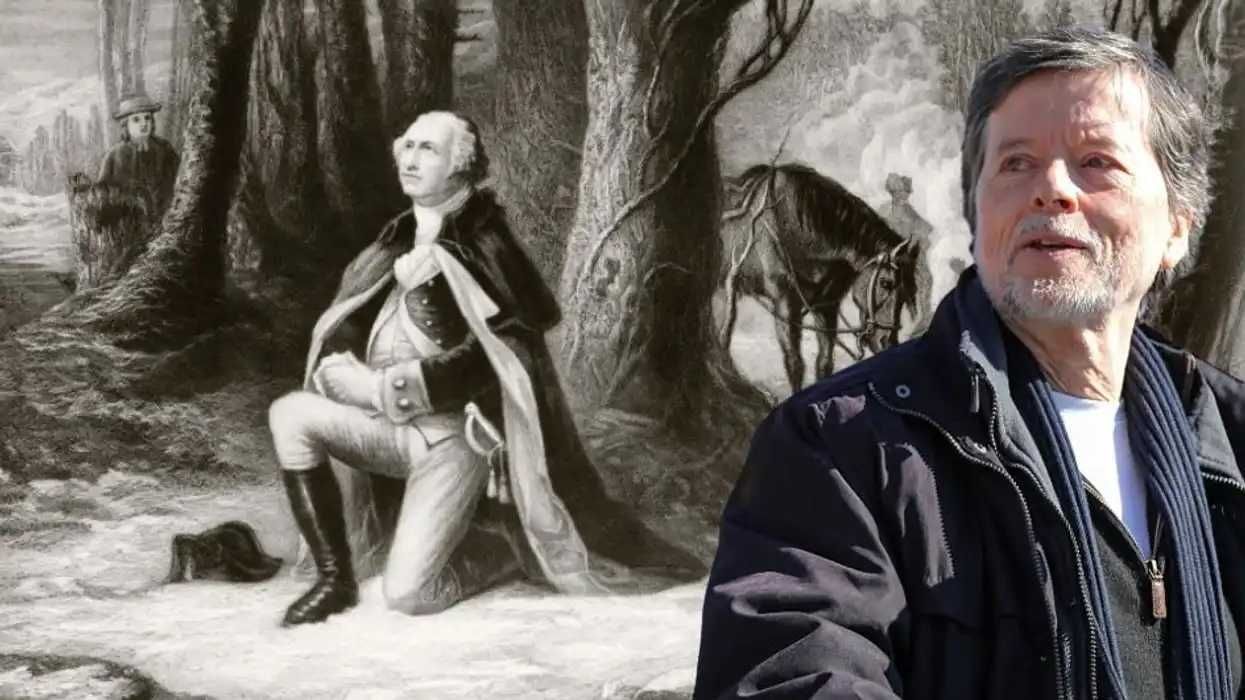
A pronounced classical liberalism pervades the storytelling, one reflecting the secular Enlightenment idealism that a “new and radical” vision for mankind could be found through self-determination and freedom, apart from the aristocratic and theocratic haze of Europe.
This vision acknowledges progressive criticism of the era’s slavery and classism, but tries to integrate those faults rather than use them as grounds to discard the entire experiment. It attempts to live within the tension of history and sift out what is still valuable, rather than abandon the project altogether.
Indeed, Burns is generally good about avoiding any sort of score-settling or modern politicking, shy of a few buzzwords. He constantly uses the word “resistance” and ends with a reflection on the potential ruination of the republic by “unprincipled demagogues,” proudly quoting Alexander Hamilton that “nobody is above the law.”
The show’s consensus is overwhelmingly that the values of the Revolution were greater than the severely flawed men who fought it. To Burns, it was not merely a war, but a radical ongoing experiment in human liberty that escaped the colonies like a virus and changed the world forever. He certainly doesn’t want to throw out the liberal project, and so he constantly circles back on defending the war’s idealism.
This accounts for the show’s title, focusing on its revolutionary implications. It wasn’t just a war, but a change in the way people thought. The show argues that “to believe in America … is to believe in possibility,” and that studying the Revolution is important to understanding “why we are where we are now.”
Unfortunately, the intervening 12 hours require the viewer to swallow a fair share of dubious and rather inflammatory claims, including that George Washington was primarily driven by his class interests as a landowner, that popular retellings often “paper over” the violent actions of the revolutionaries, and that the founders were, on balance, hypocrites.
Its overall perspective is that it is impossible to tell the nation’s origin story in a way that is “clean” and “neat,” with clear heroes and villains. Those rallying around the American cause are portrayed as a loose collection of criminals, anarchists, slavers, and exiled aristocrats united by high Enlightenment ideals.
"The Revolution" wants both this idealism and discomfort to sit equally in your mind, as you ponder how morally compromised men could change the world. As one of the historians asks, “How can you know something is wrong and still do it? That is the human question for all of us.”
Overall, Ken Burns’ latest proves a very bittersweet watch, hardly the sentimental reflection on Americanism that the country’s approaching 250th anniversary demands, but also too idealistic and classically liberal to comfortably fit anyone’s agenda. It wants to lionize the founding’s aspirational values of democracy, equality, and revolution, while assiduously avoiding praising the people involved.
It's a remarkably watchable and entertaining work of sober disillusionment.
Harvard sociologist Christina Cross is on a mission to downplay the importance of a two-parent home in black families — while claiming that instead of a stable family structure, they simply need more government aid.
“It is true that when black children grow up with both parents, they tend to experience advantages, and they do tend to have improved outcomes. It is also true, unfortunately, that they still lag behind their white peers in the same family structure,” Cross said in an interview with journalist Michelle Martin on PBS.
“And my findings indicate that much of that has to do with these wide gaps in economic resources. And so if we really want to turn the tide, we need to be thinking about how to bolster family resources instead of making cuts to key social safety net programs like Medicaid and SNAP,” she continued.
“We could be thinking about ways to help families to stay afloat during these challenging times by increasing that amount of aid,” she added.
In another clip, Martin points out that “black two-parent families are almost invisible in academic literature even though they make up nearly half of black families today.”
“Because we haven’t focused on black two-parent families, we haven’t known how drastic the opportunity gaps are for this group compared to their white peers. It has allowed us to believe for so long that the two-parent family is the great equalizer, which has actually shown up in the way that we craft policy,” Cross explained.
BlazeTV host Jason Whitlock and BlazeTV contributor Delano Squires are not even close to being on the same page as Cross.
“Christina Cross wrote about the quote-unquote ‘myth’ of the two-parent family about six years ago in the New York Times. So I’m familiar with her work, and she’s one of, you know, she’s the type of scholar who connects marriage to white supremacy and hetero-patriarchy,” Squires explains.
“So again, it’s this idea that marriage is an oppressive institution, that it’s rooted in whiteness and that it doesn’t benefit black families as much as it does white families, which obviously is completely false, but this is the type of thing that you get nowadays,” he continues.
“The next thing you know, she’s talking about more government funding for TANF and SNAP, which has nothing to do with two married two-parent families because the median household income for black married couples under the age of 65 is $122,000,” he adds.
This, Squires explains, is “higher than the median income overall for every other racial group including Asians.”
“So she starts by saying, ‘Look at black two-parent families’ and then by the time she’s finished with you, she’s talking about more government welfare programs,” he says, adding, “which almost exclusively are for unmarried women with children.”
To enjoy more fearless conversations at the crossroads of culture, faith, sports, and comedy with Jason Whitlock, subscribe to BlazeTV — the largest multi-platform network of voices who love America, defend the Constitution, and live the American dream.
 British insistence that American colonists pay for an outside power to govern them made independence inevitable and revolution likely.
 From winners like J.D. Vance and DOGE to losers like Jake Tapper and (also) DOGE, here are The Federalist Staff's picks for 2025.
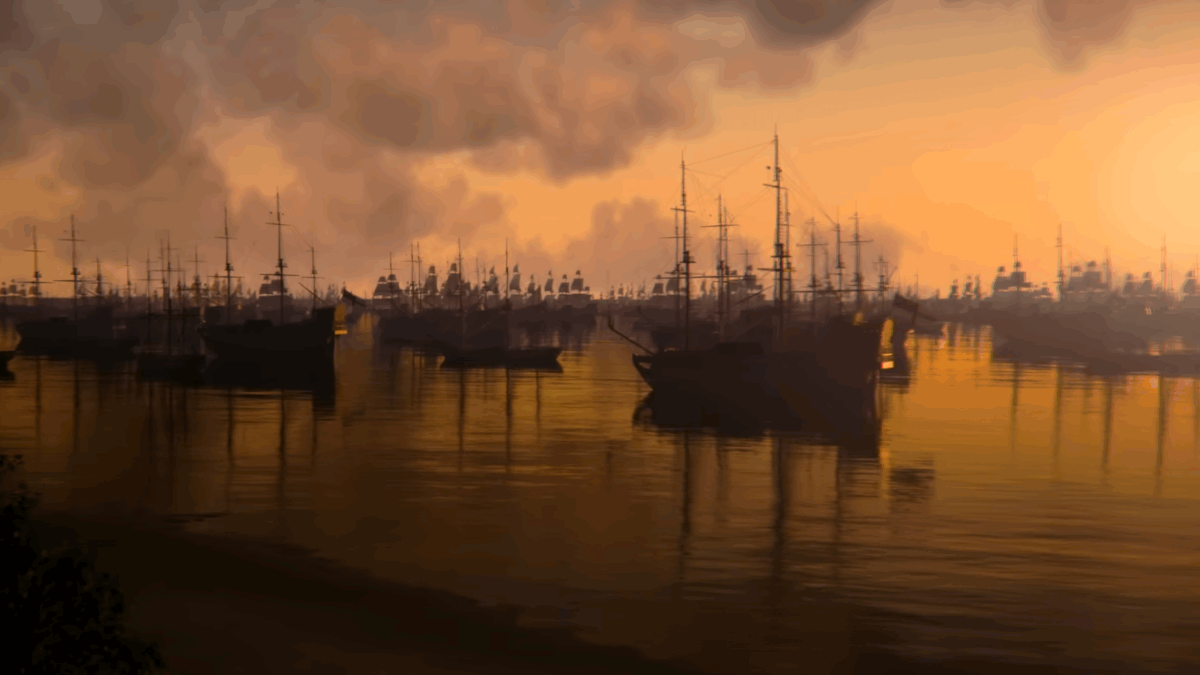 As our nation nears its 250th birthday, Ken Burns’ miniseries should give us a newfound appreciation for the sacrifices of our ancestors.
 Margaret Hoover used her interview with Anthony Kennedy to attempt to discredit SCOTUS and bait the retired justice into attacking Trump.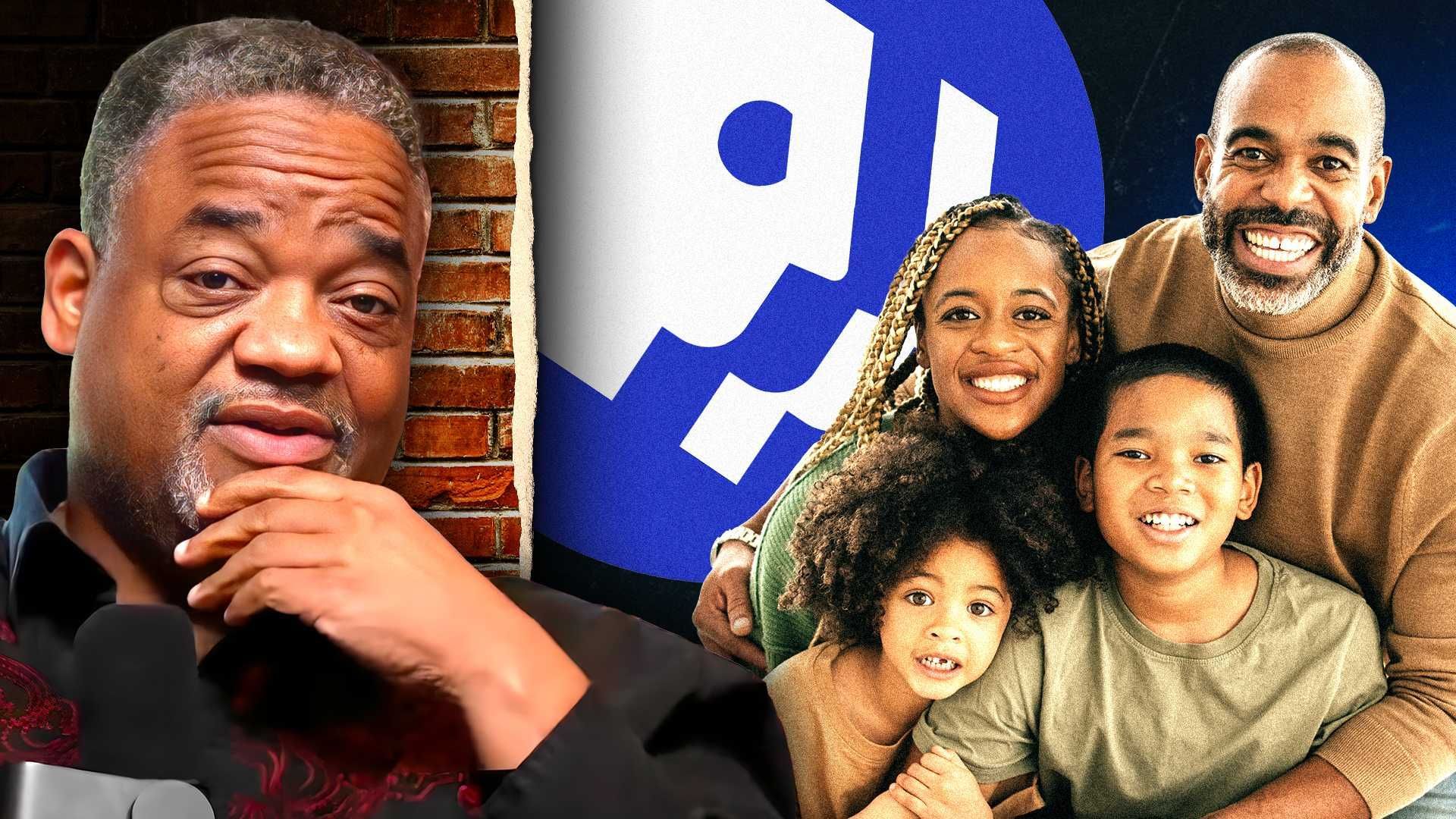
 Brian and Maggie shows how a good interviewer can still reveal much about a subject that the subject does not necessarily want to reveal.
 Over the course of the five days after the controversy broke, major CBS, ABC, and PBS broadcast shows refused to discuss Democrat Jay Jones’ violent text messages in which he fantasized about assassinating a political opponent, a new analysis revealed. NBC alone dedicated a mere 63 seconds to the Virginia attorney general candidates’ texts, Media […]
 thefederalist.com
 www.theblaze.com
 www.theblaze.com