‘Don’t Listen To The Losers’: Trump Cautions Against Criticisms Over Potential Iran Deal To Reopen Strait Of Hormuz
'It isn’t even fully negotiated yet'
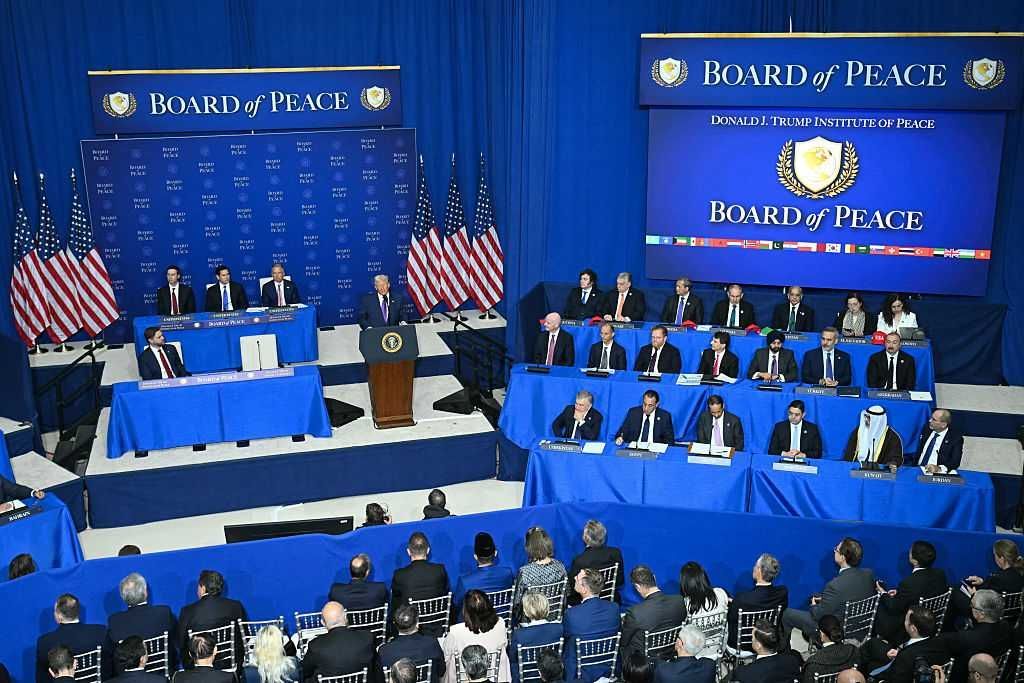
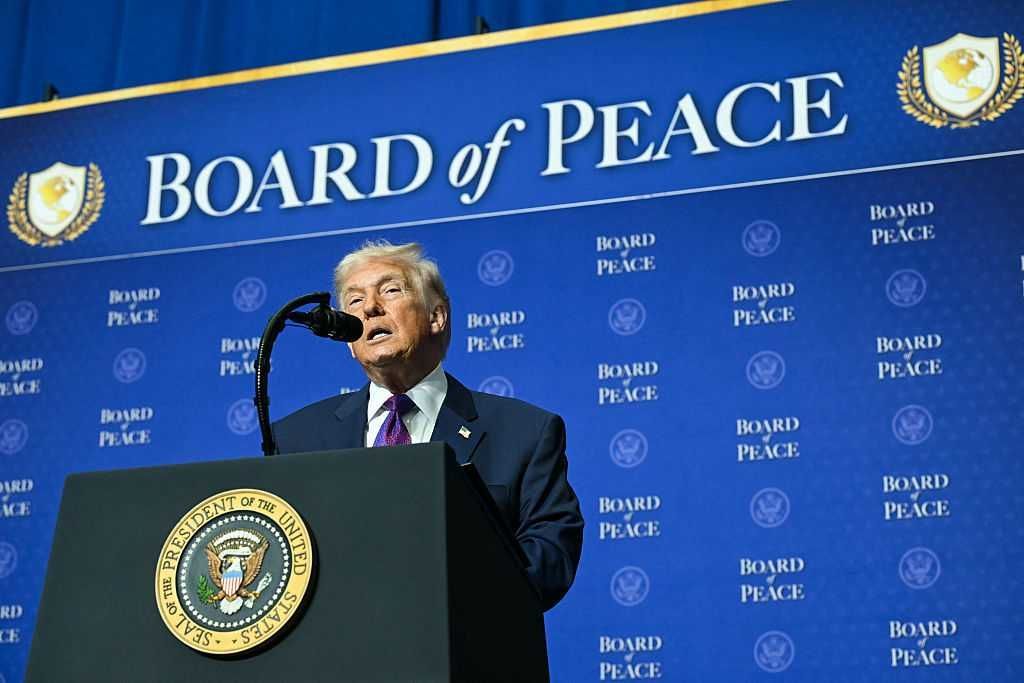
President Donald Trump hosted the first Board of Peace meeting in the nation's capital as the world waits to see America's next move against Iran.
Trump opened the inaugural diplomatic meeting Thursday flanked by members of his administration, like Vice President JD Vance and Secretary of State Marco Rubio as well as world leaders gathered to address peace in the Middle East. In true Trump fashion, Guns N' Roses blared over the speakers as attendees gathered for a photo.
'They cannot continue to threaten the stability of the entire region.'
This is the first official gathering of the board since Trump announced its formation as part of the ceasefire brokered between Israel and Hamas.
During his address, Trump announced new investments to relieve the devastation in Gaza, while also warning Israel's adversaries like Iran. But while world leaders are meeting to discuss peace, many Americans are bracing themselves for the opposite.
RELATED: Online sleuths spot numerous signs that a US strike on Iran is imminent
Trump first struck Iran in June when the United States "completely and totally obliterated" its nuclear capabilities. Since then, Netanyahu has repeatedly said that Israel is "not yet finished" with Iran, urging further American involvement as tensions escalate.
The United States has now sent a flurry of fighter planes, aerial regulars, and surveillance planes in recent days toward the Middle East, with some reports indicating a strike could come as soon as this weekend. Even still, Trump issued Iran what could be a final warning.
"Now is the time for Iran to join us on a path that will complete what we're doing," Trump said Thursday. "And if they join us, that'll be great. If they don't join us, that'll be great too, but it'll be a very different path. They cannot continue to threaten the stability of the entire region."
RELATED: Trump's unusual Cabinet meeting may reveal which officials are on thin ice
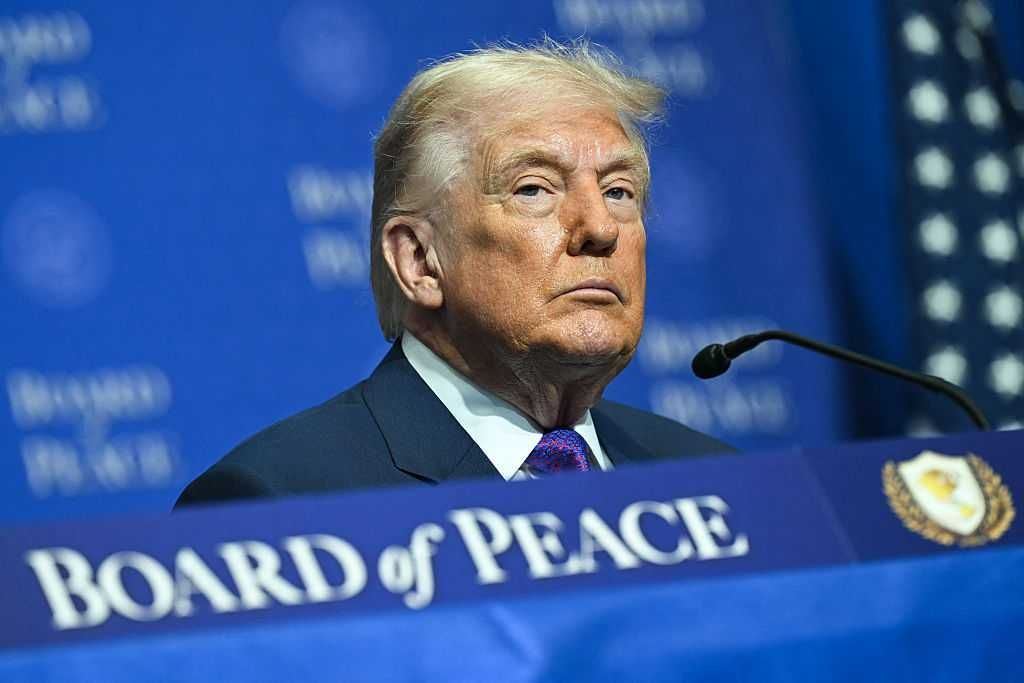
"They must make a deal, or if that doesn't happen ... bad things will happen."
Like Blaze News? Bypass the censors, sign up for our newsletters, and get stories like this direct to your inbox. Sign up here!
Ukrainian President Volodymyr Zelenskyy has effectively torpedoed President Donald Trump's peace plan.
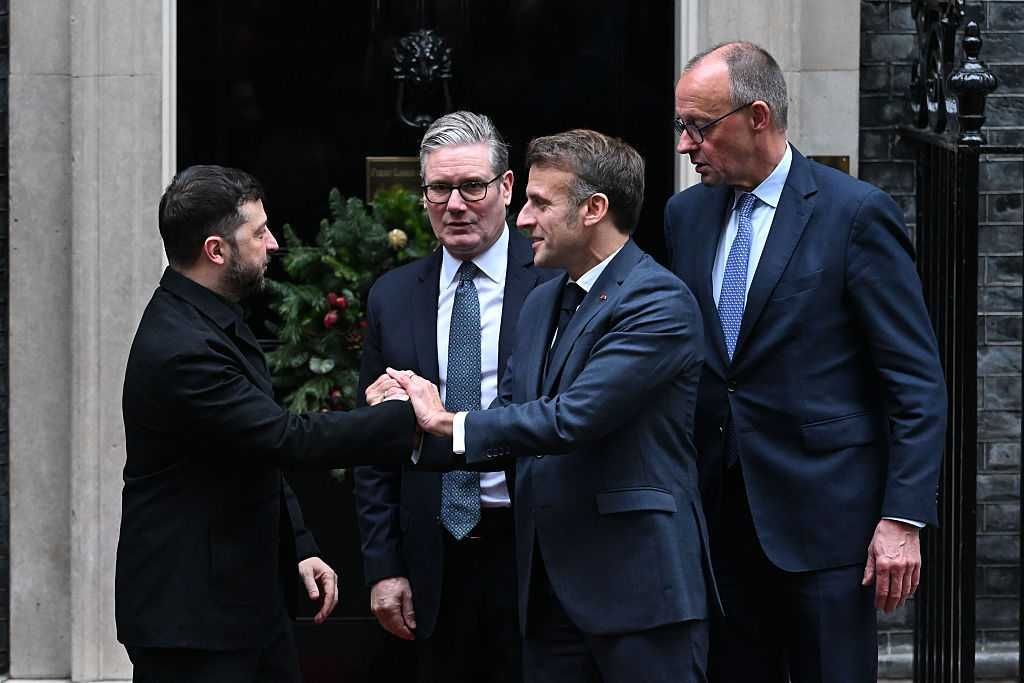
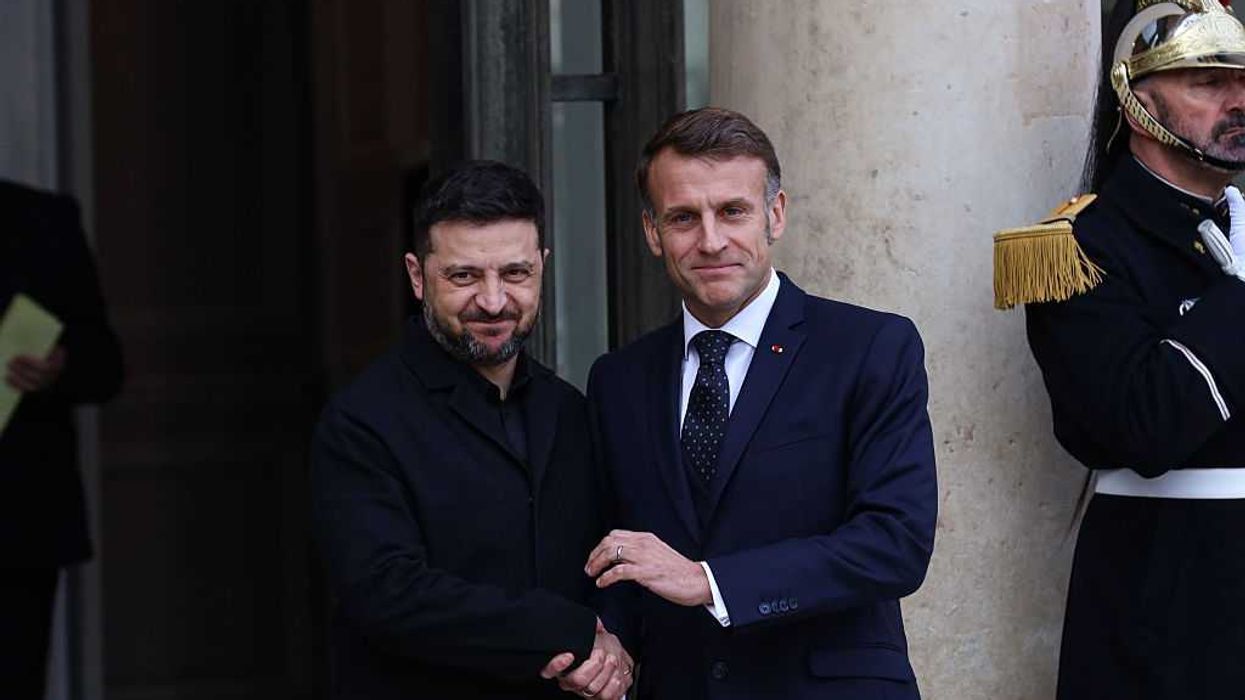
After his meeting on Monday with British Prime Minister Keir Starmer, German Chancellor Friedrich Merz, and French President Emmanuel Macron — who reportedly suggested last week that the U.S. might "betray" Ukraine — Zelenskyy reportedly told reporters that Kyiv will not cede any territory to Russia.
'A lot of people are dying. So it would be really good if he'd read it. His people loved the proposal.'
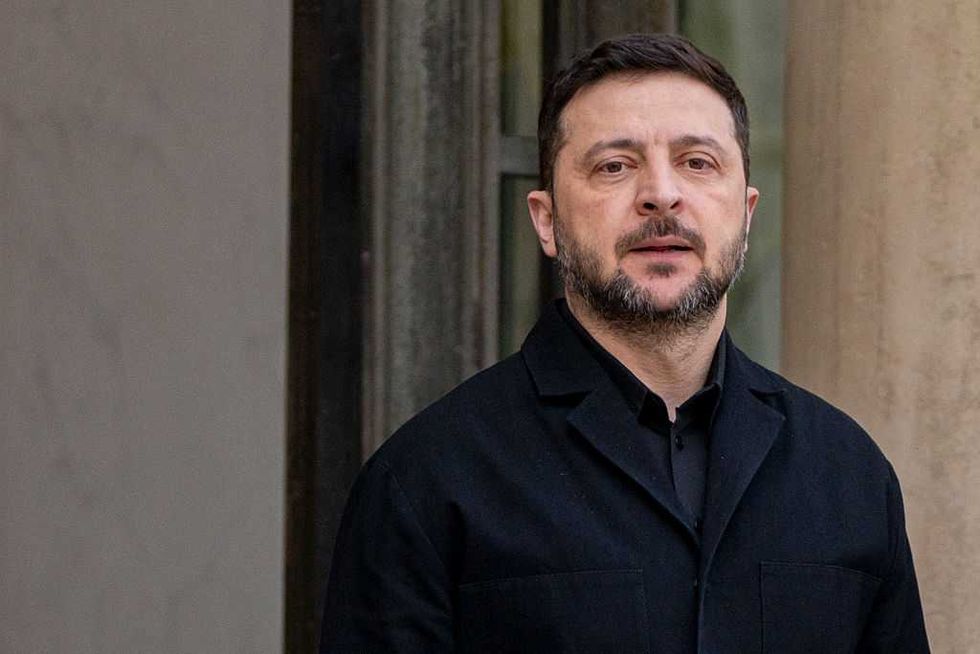
"We have no right to give anything away — not under our laws, not under international law, not under moral law," said Zelenskyy, reported the New York Post. "Russia is, of course, insisting that we give up territory. We, of course, do not want to give up anything — that is precisely what we are fighting for, as you are well aware."
Zelenskyy, whom Trump accused in February of "gambling with the lives of millions of people," added, "To be honest, the Americans are looking for a compromise today."
Russia, which has slowly captured additional territory over the past year, presently occupies around 20% of the entire country and most of the Donbas — including all of the Luhansk region, most of the largely Russian-speaking Donetsk region, much of the Kherson and Zaporizhzhia regions, and parts of the Sumy and Kharkiv regions.
Under the Trump administration's initial 28-point peace plan, embraced by Moscow but rejected by Kyiv and European leaders,
Trump has long maintained that Kyiv will have to make some territorial concessions to bring an end to war that has resulted in millions of casualties. In August, for instance, the president said that while the U.S. seeks to negotiate for some of the Russia-occupied territories back for Ukraine, inevitably "there will be some land swapping going on. I know that through Russia and through conversations with everybody."
On Monday, Zelenskyy suggested that he and Trump see things differently, stating that Trump "certainly wants to end the war. ... Surely, he has his own vision. We live here, from within we see details and nuances, we perceive everything much deeper, because this is our motherland."
'It gets to a point where it's not a democracy anymore.'
Trump said in an interview with Politico on Monday that while he credits the Ukrainian people for their bravery in defending their homeland, Russia is presently in the stronger negotiating position and "size will win, generally." Accordingly Ukraine has to "play ball," suggested the president, who was uncertain about whether Zelenskyy had even bothered to read the latest peace proposals.
"That's as of yesterday. Maybe he's read it over the night," said Trump. "It would be nice if he would read it. You know, a lot of people are dying. So it would be really good if he'd read it. His people loved the proposal. They really liked it. His lieutenants, his top people, they liked it, but they said he hasn't read it yet. I think he should find time to read it."
Zelenskyy indicated this week that he will provide Washington with his views on the current U.S. peace plan — which has reportedly shed eight of the original points Zelenskyy characterized as "anti-Ukrainian" — on Tuesday night but not until he discusses with European leaders the "reparations loan and security guarantees" he regards as critical to the peace process.
When asked what would happen if Zelenskyy rejected the deal, Trump said, "He's gonna have to get on the ball and start accepting things." As for the European leaders who appear keen to involve themselves in the process, Trump said, "They talk but they don't produce, and the war just keeps going on and on."
Trump noted further that it's time now — 18 months after Zelenskyy's term was originally scheduled to end and in the midst of an ever-worsening corruption scandal involving Zelenskyy's administration and close allies — for a Ukrainian presidential election.
"It's been a long time," said Trump.
"I think it's an important time to hold an election. They're using war not to hold an election, but I would think the Ukrainian people would, should have that choice. And maybe Zelenskyy would win. I don't know who would win. But they haven't had an election in a long time. You know, they talk about a democracy, but it gets to a point where it's not a democracy anymore."
Zelenskyy said in a statement on Tuesday, "We are committed to a real peace and remain in constant contact with the United States. And as our partners in the negotiating teams rightly note, everything depends on whether Russia is ready to take effective steps to stop the bloodshed and prevent the war from reigniting."
Like Blaze News? Bypass the censors, sign up for our newsletters, and get stories like this direct to your inbox. Sign up here!
President Donald Trump and members of his administration have worked doggedly over the past year to broker a lasting peace between Russia and Ukraine.
While there have been multiple instances when an end to the bloodshed appeared within reach, Presidents Volodymyr Zelenskyy and Vladimir Putin have both repeatedly thrown up obstacles to sealing the deal — in most cases over proposals regarding territorial concessions and security guarantees for Kyiv.
There are, however, others actors in the mix who appear content to stymie the U.S.-mediated peace negotiations.
English-language notes allegedly detailing a conference call held on Monday between Zelenskyy, French President Emmanuel Macron, German Chancellor Friedrich Merz, NATO Secretary-General Mark Rutte, and numerous other EU leaders revealed the extent of the contempt and distrust some European leaders have for the United States as it relates to Washington's role in the peace talks.
According to the notes that were leaked to the German publication Der Spiegel, Macron suggested that there was a chance that the U.S. — a nation that has kept Ukraine viable with the help of hundreds of billions of dollars and top-notch armaments as well as by sanctioning its foe — might "betray" Ukraine.
"There is a chance that the U.S. will betray Ukraine on territory without clarity on security guarantees," Macron reportedly said, adding that the territorial matter presents "a big danger" for Zelenskyy.
Macron was among the EU leaders who rejected Trump's original 28-point peace plan last month and echoed an old complaint that certain proposals would require EU consent. His office has claimed that he "did not express himself in these words" as described in the notes but did not indicate how he had expressed himself.
RELATED: Zelenskyy's hold on power uncertain as criminal charges reach his inner circle
Merz, whose nation is set to pass a new conscription scheme, reportedly said that Zelenskyy must be "very careful" in the talks ahead, noting that "they are playing games with both you and us." Der Spiegel indicated that the "they" Merz referred to was likely Trump's special envoy Steve Witkoff and the president's son-in-law Jared Kushner, who have been working on the peace negotiations.
Alexander Stubb — the Finnish president who complained in a recent interview that "all the conditions for a just peace we’ve talked so much about over the past four years are unlikely to be fulfilled" — reportedly said on the conference call, "We must not leave Ukraine and Volodymyr alone with these guys," again apparently referring to the U.S. representatives.
The notes for the call, which several participants confirmed to Der Spiegel had taken place, indicate that Rutte agreed, stating, "I agree with Alexander that we need to protect Volodymyr."
While a spokesperson for Zelenskyy told Der Spiegel he did not want to comment on the content of the call, the Ukrainian president said in a statement on Thursday, "Ukraine is prepared for any possible developments, and of course we will work as constructively as possible with all partners to ensure that peace is achieved — and that it is, after all, a dignified peace. Only a dignified peace provides real security, and we fully understand that this requires — and will continue to require — the support of our partners."
The White House did not respond to Blaze News' request for comment.
On Tuesday, Putin suggested European leaders were undermining the peace process, stating, "They don’t have a peace agenda; they’re on the side of the war," reported the Associated Press.
The Russian president further accused the Europeans of introducing "demands that are absolutely unacceptable to Russia," thereby "blocking the entire peace process."
Like Blaze News? Bypass the censors, sign up for our newsletters, and get stories like this direct to your inbox. Sign up here!
For the first time in years, the world once again views the United States as a force for strength, order, and peace. Clear, consistent American leadership backed by resolve is restoring the U.S. role as the world’s stabilizing power. That clarity is already reshaping some of the most entrenched conflicts, from the Middle East to Eastern Europe.
The breakthrough in Gaza illustrates the shift. What looked like a permanent cycle of bloodshed has given way to a ceasefire, the safe return of hostages, and the growing global isolation of Hamas — a terrorist group that has long thrived on regional instability. The success rests on American influence, quiet coordination with regional partners, and the renewed credibility that comes from a White House that means what it says.
After years of drift and decline, the world once again knows where America stands.
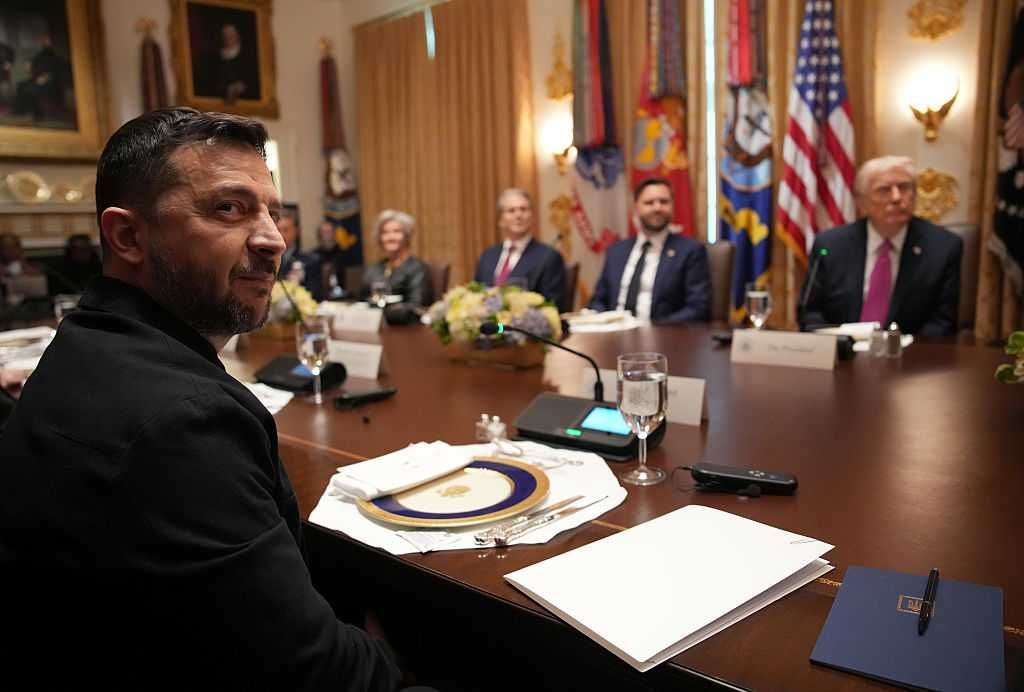
The same seriousness is now visible in Europe. Ukrainian President Volodymyr Zelenskyy’s recent visit to Washington may lead to a negotiated end to a devastating conflict that has killed hundreds of thousands and destabilized global energy and food markets. Zelenskyy described his meetings as a “big chance” to finish the war.
President Trump’s peace plan to end the Russia-NATO war in Ukraine will stop the bleeding, enable reconstruction, and reduce the strain on U.S. ammunition stocks at a moment when the Pentagon must prepare for a potential conflict with China.
Strength backed by diplomacy — not drift or apology — is what puts the United States in high esteem with much of the world again. Nations respect a country willing to confront aggression and equally willing to help broker reconciliation.
That same clarity guides the administration’s approach to economics and trade. When America projects strength abroad, it must also defend economic interests at home.
After years of watching U.S. innovation shipped overseas, the administration has signaled that America will build, produce, and lead from within. That principle drove President Trump’s deal with Australia to break China’s grip on rare earth minerals — metals essential to everything from fighter jets and missiles to smartphones and electric vehicles.
For years, Beijing used its near-monopoly on mining and refining these materials as leverage, threatening to cut off supplies whenever the U.S. challenged its aggression. The deal with Australia strengthens both nations’ capacity to mine and process these strategic resources, allowing the U.S. to build advanced technology and military systems without bowing to Chinese pressure. It’s another example of President Trump converting economic strength into national security strength.
Last week, President Trump hosted a meeting of the C5+1 — the United States and the five Central Asian republics: Kazakhstan, the Kyrgyz Republic, Tajikistan, Turkmenistan, and Uzbekistan. Founded in 2015, the group has rarely received presidential-level attention. That changed with Trump’s direct engagement.
Trump emphasized access to Central Asia’s vast reserves of rare and strategic minerals. Turkmenistan emerged as a potential transit hub for processing and exporting these resources to America. Airlines from Kazakhstan, Tajikistan, and Uzbekistan signed agreements to purchase 37 Boeing aircraft. The president also announced the Trump Route for International Peace and Prosperity, a new trade corridor designed to boost connectivity and economic integration across the region.
Leaders reaffirmed commitments to counterterrorism cooperation, energy security, and balancing regional influence from Russia and China.
RELATED: America’s addiction to Chinese money runs deeper than we care to admit
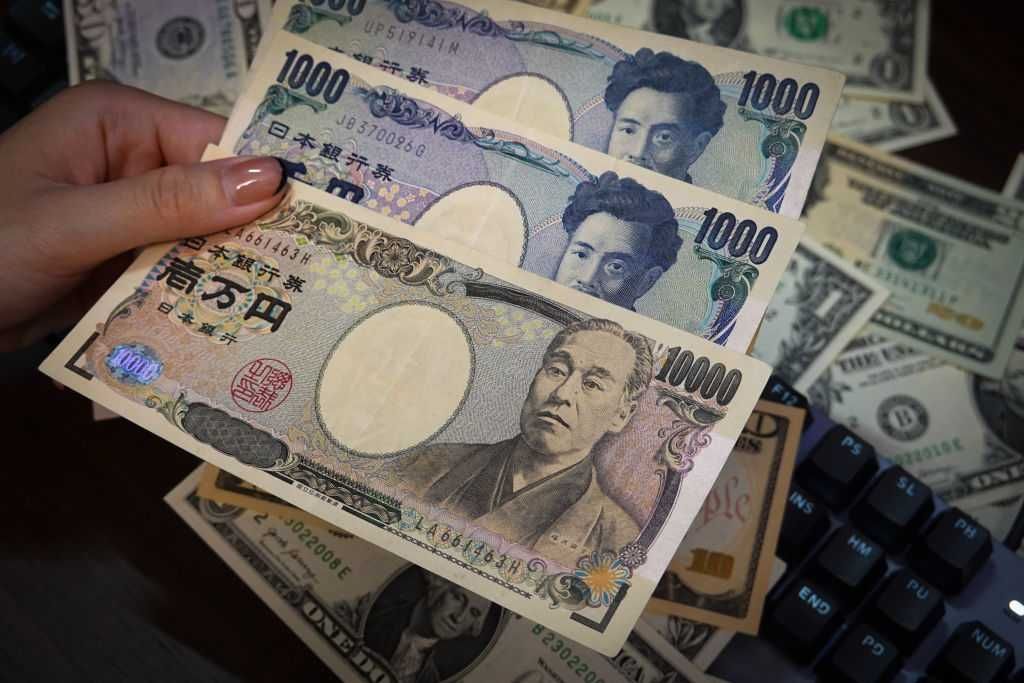
The administration’s posture on technology sends a message as unmistakable as a carrier group in the Pacific: America will defend its industries from predatory foreign dominance.
The recent approval of the Hewlett Packard Enterprise-Juniper Networks merger reflects that stance. The decision, made in consultation with national security officials, counters the global reach of China’s state-controlled telecom giant Huawei and strengthens U.S. data networks in an era defined by artificial intelligence and 5G. The move also signals that America will no longer sabotage its own companies to satisfy globalists or Beltway bureaucrats.
Predictably, Democratic attorneys general led by Colorado’s Phil Weiser — joined by congressional voices such as Sens. Cory Booker (D-N.J.) and Elizabeth Warren (D-Mass.) — denounced the decision. But their reflexive criticism doesn’t alter the administration’s commitment to peace-through-strength policies that protect American interests.
When the U.S. leads with confidence, the world responds with respect. Whether confronting turmoil in the Middle East, pressing for stability in Europe, or rebuilding supply chains and industries essential to national security, American strength has produced a safer, more stable international environment.
After years of drift and decline, the world once again knows where America stands.
Peace through strength brought the world back to the table. Strength through accountability will keep it there. That is the kind of respect no adversary can test — and no ally will forget.
President Donald Trump has in recent months brokered peaceful resolutions between numerous warring parties, including Israel and Hamas; Azerbaijan and Armenia; Rwanda and the Democratic Republic of the Congo; Cambodia and Thailand; and India and Pakistan.
The major peace he campaigned on securing between Ukraine and Russia has, however, proven elusive.
Last week, Ukrainian President Volodymyr Zelenskyy and his government's representative to the U.N. appeared to reject the fundamentals of the Trump administration's 28-point plan for peace.
The plan would have: barred Ukraine from NATO, having an army exceeding 600,000 men, and acquiring nukes but provided Kyiv with a NATO-style security guarantee from the U.S.; recognized much of the occupied territory in eastern Ukraine as Russian; set the stage for an American-backed rebuilding of Ukraine; and granted full amnesty to all parties involved in the conflict.
'Don't believe it until you see it.'
While apparently averse to several of the 28 points, Kyiv has, however, since expressed support for an altered version of the peace plan, the details of which Trump and Zelenskyy — who has reportedly not authorized anyone but himself to discuss territorial matters — may soon iron out at the White House.
An official briefed on the negotiations told the Washington Post that Trump's peace plan had been reduced from 28 points to 19 points by Monday. A European official briefed on the talks suggested that some of the provisions concerning European security didn't make it to the new draft.
Ukrainian delegate Oleksandr Bevz noted, "Many of the controversial provisions were either softened or at least reshaped" to get Kyiv on board.
RELATED: Zelenskyy's hold on power uncertain as criminal charges reach his inner circle
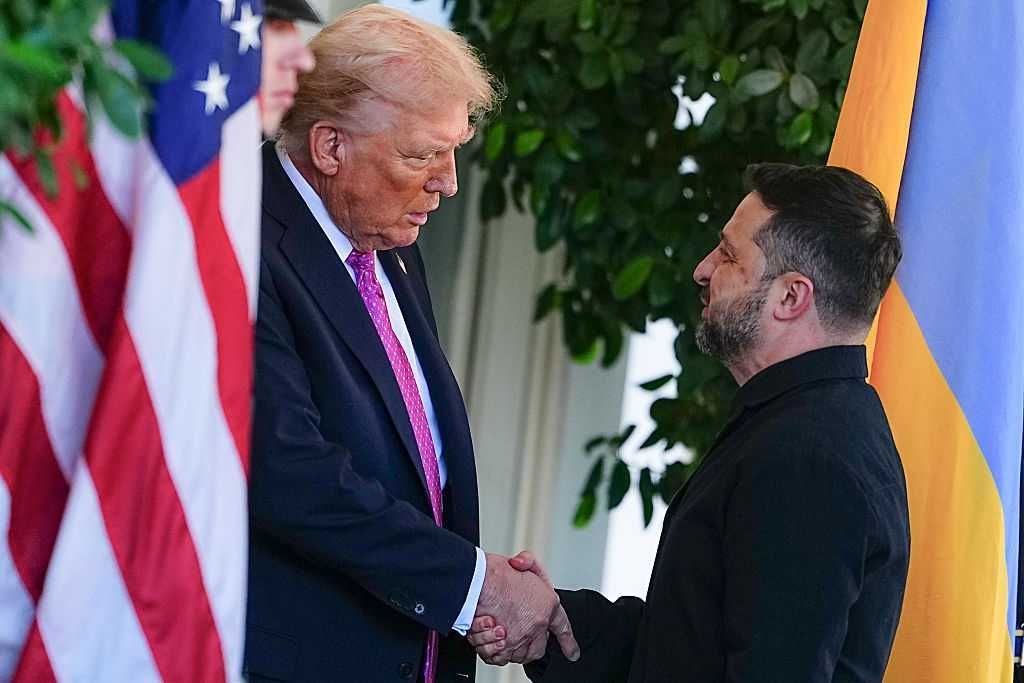
After Ukraine's delegation returned from Geneva, where they met over the weekend to discuss the American peace proposal with representatives of the Trump administration, Zelenskyy said in a statement on Monday evening that "now the list of necessary steps to end the war can become doable. As of now, after Geneva, there are fewer points — no longer 28 — and many of the right elements have been taken into account in this framework."
"Our team has reported on the new draft of steps, and this is indeed the right approach," continued Zelenskyy. "I will discuss the sensitive issues with President Trump."
Echoing Zelenskyy, Ukraine's national security secretary Rustem Umerov announced that the U.S. and Ukrainian delegations "reached a common understanding on the core terms of the agreement discussed in Geneva."
Amid U.S. Army Secretary Daniel Driscoll's meetings on Tuesday with Russian and Ukrainian officials in Abu Dhabi, which a spokesman said were "going well," a U.S. official told CNN that "the Ukrainians have agreed to the peace deal. There are some minor details to be sorted out, but they have agreed to a peace deal."
White House press secretary Karoline Leavitt confirmed on Tuesday that "tremendous progress towards a peace deal" has been made, adding that "there are a few delicate, but not insurmountable, details that must be sorted out and will require further talks between Ukraine, Russia, and the United States."
Secretary of State Marco Rubio effectively said the same thing days earlier, adding, "I honestly believe we'll get there."
During a press conference with the Belarusian foreign minister on Tuesday, Russian foreign affairs minister Sergey Lavrov noted that Moscow "welcomed" the 28-point plan but will consider the "interim" plan produced by Washington, Kyiv, and the Europeans in the coming days.
Lavrov noted, however, that Russia expects the peace plan to adhere to the terms President Vladimir Putin discussed with Trump during their August summit in Anchorage.
"We are not hurrying. We're not pushing our American counterparts. We have waited a long time since Anchorage," said Lavrov. "We are only reminding them that we stick to those agreements."
Lavrov added, "If the spirit and letter of Anchorage is erased in terms of the key understandings we have established then, of course, it will be a fundamentally different situation."
Trump noted in a Truth Social post on Monday, "Is it really possible that big progress is being made in Peace Talks between Russia and Ukraine??? Don't believe it until you see it, but something good just may be happening. GOD BLESS AMERICA!"
Like Blaze News? Bypass the censors, sign up for our newsletters, and get stories like this direct to your inbox. Sign up here!
President Donald Trump has sent Hamas a final warning just days after finalizing his historic peace deal in the Middle East.
Trump brokered and finalized his landmark peace deal between Israel and Hamas on October 13, over two years after the brutal conflict was ignited by the October 7 terrorist attack. Since the signing, skirmishes have broken out in Gaza, with Israel briefly resuming strikes and pausing aid in the region, killing dozens of Palestinians.
'They have to be good, and if they're not good, they will be eradicated.'
Israel justified the strikes by claiming two IDF soldiers were killed by Hamas militants. At the same time, other reports claimed the United States had intelligence that an Israeli bulldozer mistakenly ran over undetonated ordnance, prompting pressure from the White House to halt the strikes and continue providing aid to the region.
In the aftermath of the violent flare-ups that took place over the weekend, Trump cautioned Hamas that our allies in the region remain ready to eradicate the group.
"Numerous of our NOW GREAT ALLIES in the Middle East, and areas surrounding the Middle East, have explicitly and strongly, with great enthusiasm, informed me that they would welcome the opportunity, at my request, to go into GAZA with a heavy force and 'straighten out Hamas' if Hamas continues to act badly, in violation of their agreement with us," Trump said in a Truth Social post Tuesday.
"The love and spirit for the Middle East has not been seen like this in a thousand years!" Trump added. "It is a beautiful thing to behold! I told these countries, and Israel, 'NOT YET!' There is still hope that Hamas will do what is right. If they do not, an end to Hamas will be FAST, FURIOUS, & BRUTAL!"
Trump's repeated calls to eradicate Hamas have raised questions about the extent of America's involvement in the conflict. Last week, Trump said, "We will have no choice but to go in and kill [Hamas]," if Hamas didn't adhere to the term of the ceasefire. After violence broke out over the weekend, Blaze News asked Trump to clarify who "we" is.
RELATED: 'Who the hell cares?' Trump veers off script, urges Israeli president to pardon Netanyahu

"When you say, 'We are going to eradicate Hamas,' who is 'we'?" Blaze News asked. "Does that include American boots on the ground?"
"No. It won't be on the ground at all," Trump replied from the Cabinet Room Monday.
Trump told Blaze News that allies in the region would voluntarily "eradicate" Hamas so long as the United States signed off on it.
"I mean, we've had countries calling me when they saw some of the killing with Hamas, saying, 'We'd love to go in and take care of the situation ourselves,'" Trump said. "In addition you have Israel would go in in two minutes if I asked them to go in. I could tell them, 'Go in and take care of it.' But right now we haven't said that. We're gonna give it a little chance, and hopefully there will be a little less violence, but right now, you know, they're violent people. Hamas has been very violent."
"They have to be good, and if they're not good, they will be eradicated," he added.
Like Blaze News? Bypass the censors, sign up for our newsletters, and get stories like this direct to your inbox. Sign up here!
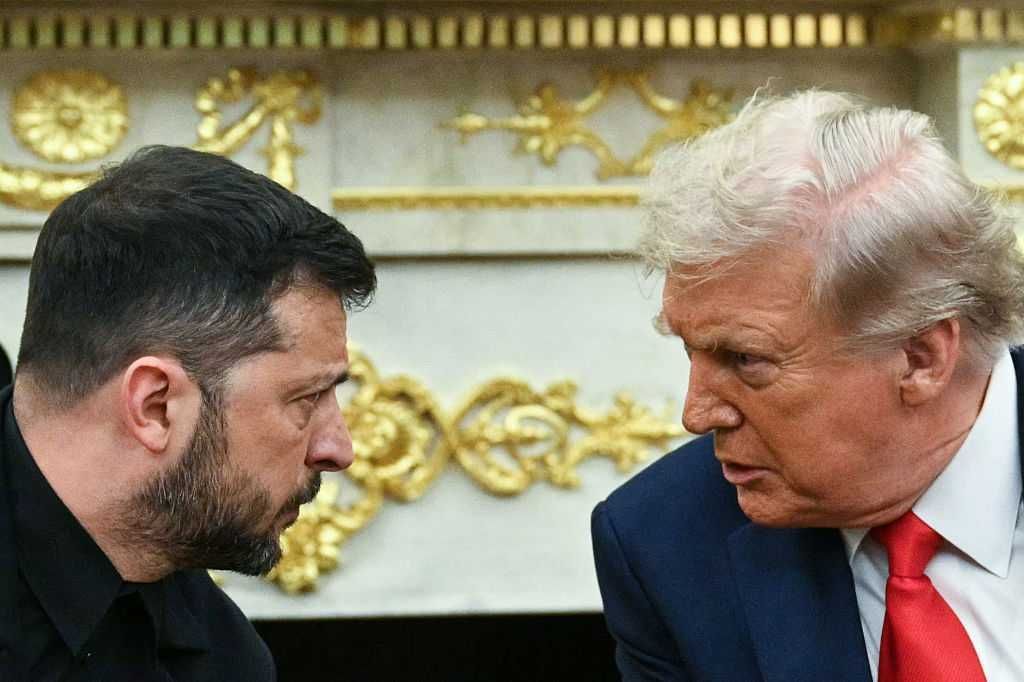
 “Every subsequent deal for Ukraine will only be worse - because we are losing. We are losing people, territory, and the economy,” Iuliia Mendel said.
 www.theblaze.com
 www.theblaze.com
 thefederalist.com