Socialists Now Run Or Are Fighting To Run Four Of America’s Biggest Cities
 DSA politicians such as Lewis George, Mamdani, and Ocasio-Cortez are in the spotlight today because of the party's increased mobilization efforts a decade ago.
Ohioans went to the polls on Tuesday in what has arguably become one of the highest-profile primaries in the country ahead of the midterm elections later this year.
The closest-watched Republican primary, of course, was for Ohio governor, and the winner will go on to face an unopposed Democratic candidate in November.
With over 98% of the votes counted, Ramaswamy had received 82.5% to Putsch's 17.5%.
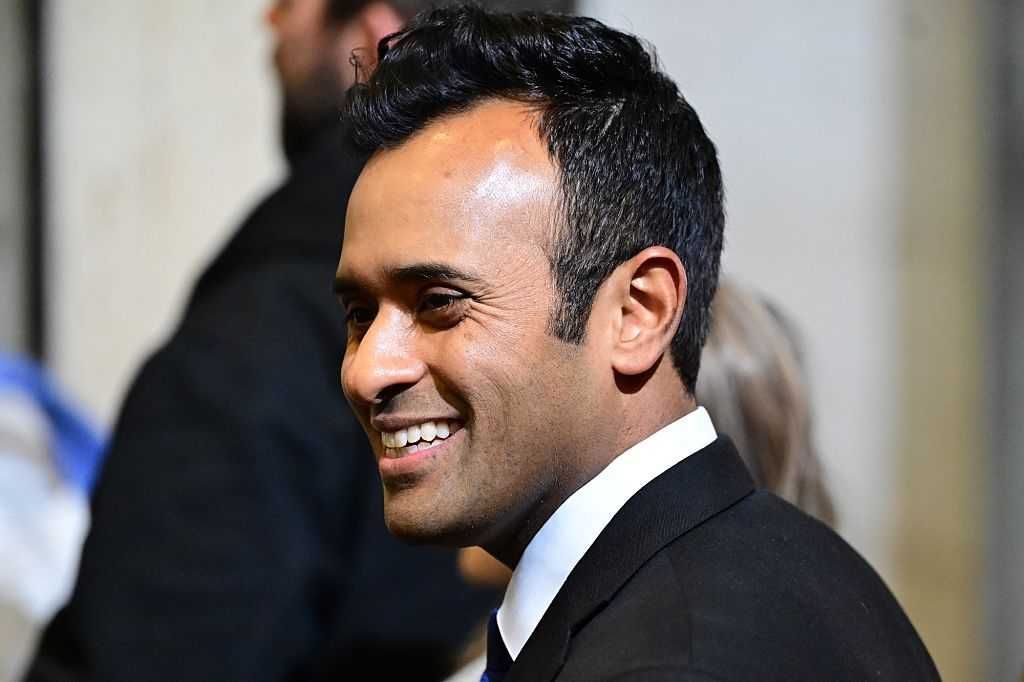
Vivek Ramaswamy, the Trump-endorsed GOP candidate, biotech entrepreneur, and former presidential candidate, faced off against "America First" candidate Casey Putsch, who has positioned himself as a "third option" against the two choices provided by the political establishment.
Ramaswamy, the favorite in recent polling, was able to beat Putsch for the GOP nomination. With over 98% of the votes counted, Ramaswamy had received 82.5% to Putsch's 17.5%.
After the race was called, Ramaswamy pledged not just to make "Ohio great again, but to make Ohio greater than we have ever been before."
Putsch told his voters on Tuesday morning, "Get out there Ohio, and don't let anyone Putsch you around," but did not post on X after the election.
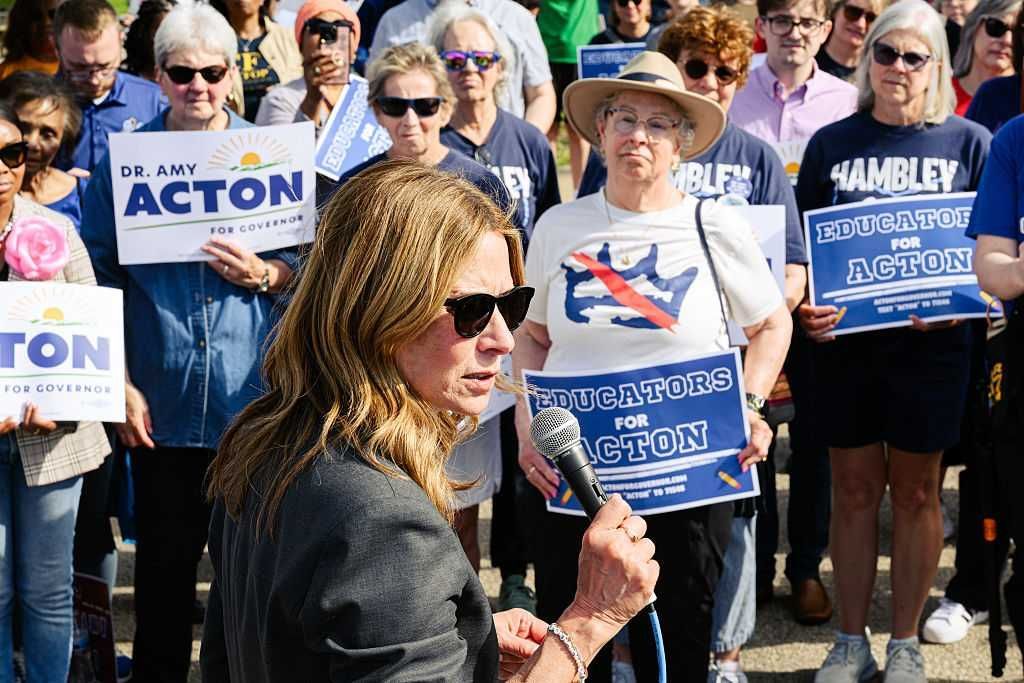
Ramaswamy will go on to face unopposed Democratic candidate Amy Acton in November. Acton has been criticized for her former role as the director of the Ohio Department of Health during the early COVID-19 pandemic response, earning the nickname "Dr. Lockdown."
Another contentious race has been raging as well.
Ohio Republican leadership is attempting to secure a 7-0 court on the state Supreme Court with a four-way challenge against Democrat Justice Jennifer Brunner.
Ninth District Court of Appeals Judge Jill Flagg Lanzinger, former Franklin County Common Pleas Judge Colleen O’Donnell, 5th District Court of Appeals Judge Andrew King, and 2nd District Court of Appeals Judge Ronald Lewis were the four Republican rivals competing in this week's primary.
As of Wednesday morning, O'Donnell holds a lead, but the race is still too close to call.
U.S. House GOP candidates in Ohio won more than half of their primary races uncontested, while Democrats had three uncontested primary races.
Like Blaze News? Bypass the censors, sign up for our newsletters, and get stories like this direct to your inbox. Sign up here!
New polling from Pew Research shows a massive contrast in opinions about Israel between younger Republicans and their older allies.
The polling, conducted in late March, additionally showed not only the typical divide between conservatives and liberals with regard to support of Israel, but also a growing, unfavorable view of Israel and President Donald Trump's ability to handle relations with Israeli leaders.
'Across all US adults, 60% have an unfavorable view of Israel.'
While the majority of Republicans still have a favorable view of Israel, younger party members are currently showing the lowest level of support of any demographic.
For Republicans over 50, just 24% have a "very/somewhat unfavorable" opinion of Israel. That number is 57% for the 18-49 age group, up seven points in just one year, and showing a glaring 33-point difference within the party.
Democrats are more unified about their dislike of Israel. Just four points separate the two age groups, averaging out to an 80% negative view of the country overall.
Across all U.S. adults, 60% have an unfavorable view of Israel, up from 53% in 2025, Pew Research reported.
When it comes to confidence in Israeli Prime Minister Benjamin Netanyahu, the sentiment among young Republicans remains the same. When asked if they have confidence in Netanyahu to "do the right thing regarding world affairs," just 25% of Republicans 18-49 have some or a lot of confidence, while 58% said they have "not too much" or none at all.
RELATED: MEMBERS ONLY: Pro-Palestine posting no problem with 'penis,' claims fired Kate Beckinsale
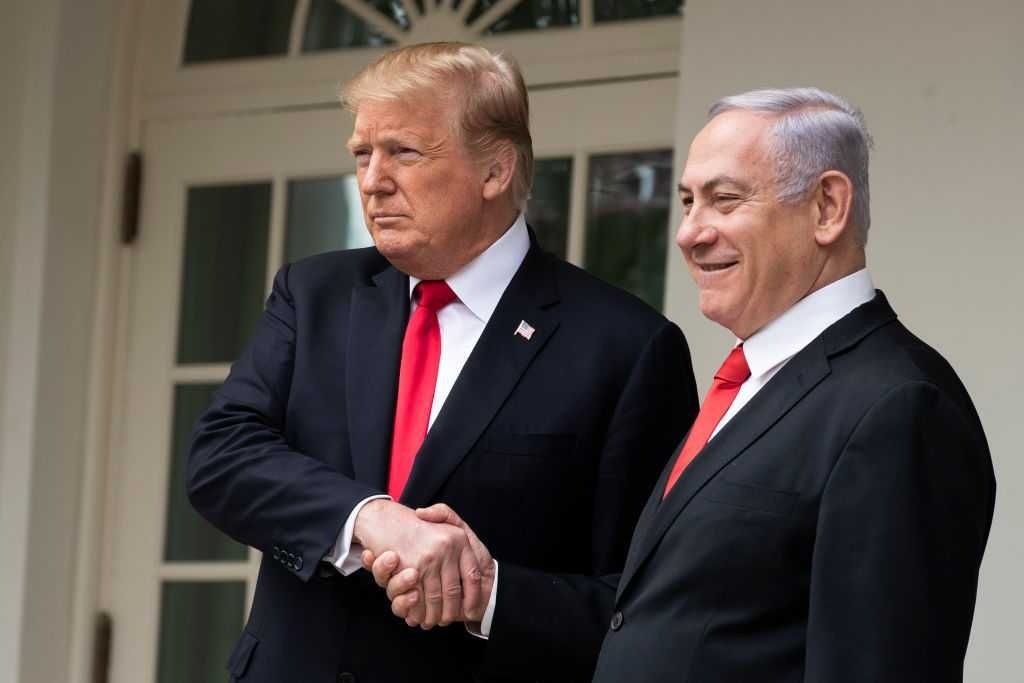
Republicans over 50 are confident in Netanyahu by a net of 66%, with just 30% having a net negative level of confidence in him. This demographic has the most confidence in Prime Minister Netanyahu.
At the same time, more than 75% of Democrats have little or no faith in the Israeli leader's ability to do the right thing.
Moreover, according to the poll, Republicans have the biggest contrast in opinions when it comes to the importance of the Israel-Hamas conflict.
RELATED: Israel ramps up attacks on Middle East target despite US-Iran ceasefire

In terms of those who said the conflict between Israel and Hamas is important to them personally, Republicans over 50 years old found it important most often at a rate of 69%. That was 12 points more than the second-highest group, which was Democrats over 50 years old.
Republicans ages 18-49, however, were the demographic most likely to say the conflict was not personally important to them at 41%, seven points higher than Democrats of the same age.
In the end, Republicans were far more likely than Democrats to have confidence in President Trump's handling of the United States' relations with Israel, with nearly three-quarters either somewhat or very confident in him.
More than 80% of Democrats polled said they were not too confident or not at all confident in Trump's handling of the situation.
The survey was conducted March 23-29 and involved 3,507 U.S. adults.
Like Blaze News? Bypass the censors, sign up for our newsletters, and get stories like this direct to your inbox. Sign up here!
Turn on Fox News, scroll social media, or listen to talk radio, and one message comes through loud and clear: Many Republicans think the SAVE America Act is the key to saving the GOP in the November midterms.
It is not.
The SAVE America Act is not a magic wand. It will not erase 14 months of drift, dysfunction, and broken promises.
Yes, requiring proof of citizenship to register and identification to vote is necessary. Yes, most Americans, regardless of party, support the idea. But Republicans are kidding themselves if they think that alone will persuade voters to reward them in November.
The rot runs much deeper, and no “one simple trick” will fix it.
Trump surged to victory in 2024 on promises to change the country’s direction in dramatic ways. Fourteen months later, too many of those promises remain unfulfilled. Some died at the hands of weak and ineffective congressional leadership. Others were thwarted by feckless Cabinet officials, such as the new czarina of the Shield of the Americas, Kristi Noem. Others fell victim to Trump’s own choices.
The core promises were clear: mass deportations, a stronger economy, lower inflation, and no new long-term foreign entanglements. Those themes helped Trump assemble a broad coalition, including a majority of young men, and deliver the biggest Republican Electoral College victory since George H.W. Bush in 1988.
Now, with just over seven months until the midterms, nearly all of those promises remain unmet or badly compromised. Facts aren’t partisan — they are just facts.
Start with immigration. For all the left’s hysteria over ICE raids, Trump has deported fewer people than Barack Obama did in the first year of his second term. That came after four years of unprecedented illegal immigration under Biden. The promise of mass deportation remains unfulfilled.
Congress hasn’t helped. Ineffective Republican leadership has let the Department of Homeland Security go without funding for over a month, slowing deportation efforts while creating chaos at airports as TSA employees go unpaid. The public sees dysfunction, not competence.
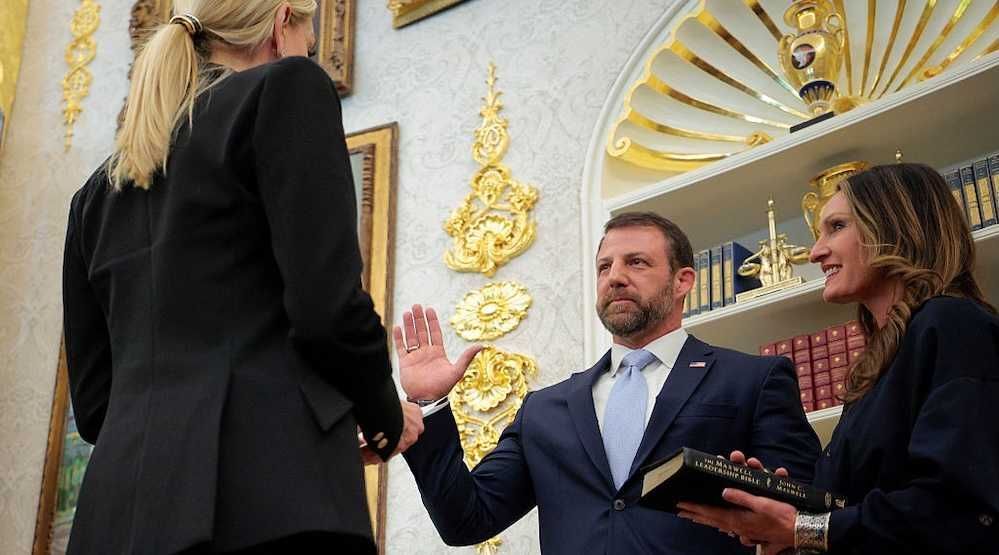
RELATED: Mullin inherits a mess at DHS. Here’s how he can still save Trump’s legacy.
Then comes the economy.
The cost of living has not gone down. Signs point the other way. Inflation could surge past 4% as energy prices rise because of the war with Iran. Food prices remain high and may climb higher as petroleum-based fertilizer gets more expensive just before planting season. Homes remain unaffordable to most Americans. The job market sits on the edge of an AI-fueled bust. The promised relief in the form of larger tax refund checks has not materialized.
The labor market struggles as rampant H-1B visa abuse keeps importing cheaper foreign labor into high-paying STEM jobs that Americans want and are trained to do. Trump and Republican leaders still talk about H-1B as though it were a strategic advantage rather than a direct threat to their own voters.
Guess what? Voters have noticed.
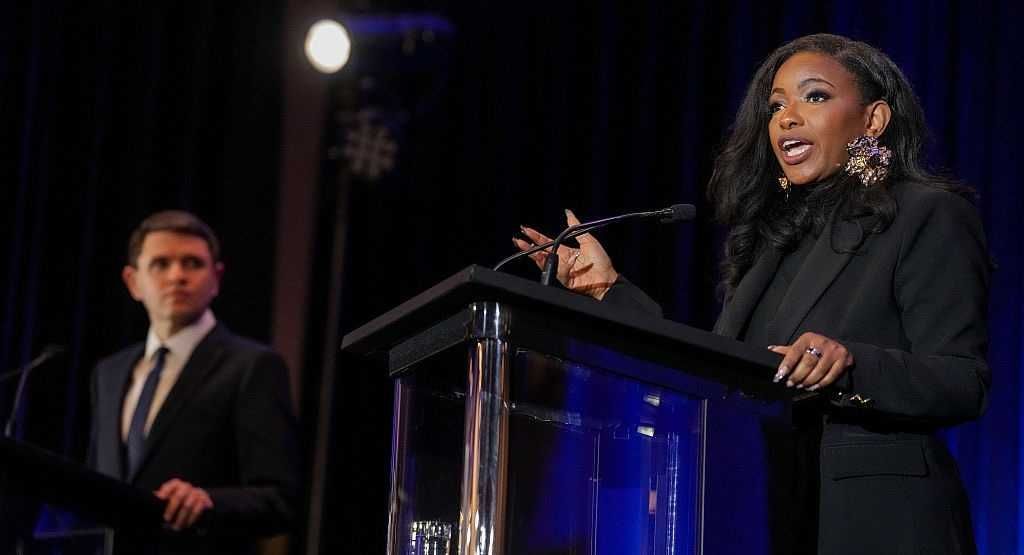
Recent polling shows Democrat James Talarico leading both Ken Paxton and Sen. John Cornyn in Texas. Former Democrat Gov. Roy Cooper holds a commanding lead in the race to replace Sen. Thom Tillis in North Carolina. Even in Maine, the Democrat challenger accused of sporting a Nazi tattoo leads Sen. Susan Collins.
RELATED: Texas Democrats just gave Republicans a gift-wrapped hypocrisy story
The bad numbers do not stop there. A glance at RealClearPolitics tells the terrifying tale.
Special elections are just as ugly. In those races, including the district that encompasses Mar-a-Lago, Democrats have run strongly among independent voters, the very bloc that helped solidify Trump’s 2024 coalition.
That is the problem Republicans refuse to face. The SAVE America Act is a common-sense bill, and Congress should pass it. Elections should be protected from ineligible voters. But the bill is not a magic wand. It will not erase 14 months of drift, dysfunction, and broken promises. It will not lower prices, deport illegal aliens, fix the job market, or persuade disillusioned independents to come back home.
Republicans do not face a midterm problem because they have failed to pass one bill. They face a midterm problem because they have failed to deliver on the reasons voters put them back in power.
In a recent interview with Bryan Tyler Cohen, former President Barack Obama was asked about the existence of aliens during a "speed round" of questions, and Obama made a shocking statement.
“They’re real,” Obama told Cohen quickly.
The clip quickly went viral, sparking renewed questions about what the former president knows and what he has previously said about UFOs and extraterrestrial life.
'Statistically, the universe is so vast that the odds are good there’s life out there.'
Obama clarified to Cohen that he has never actually “seen them” himself and dismissed long-running Area 51 conspiracy theories, saying that the government is not actively hiding aliens, unless agents somehow managed to conceal that information from the president of the United States.
But this was not the first time Obama publicly addressed the issue.

In 2021, during an appearance on "The Late Late Show with James Corden," Obama was pressed about UFOs.
“There are some things I just can’t tell you on air,” Obama said.
Though the exchange began lightheartedly, Obama shifted to a more serious tone.
“What is true, and I’m actually being serious here, is that there’s footage and records of objects in the skies that we don’t know exactly what they are,” Obama said. “We can’t explain how they moved, their trajectory. They did not have an easily explainable pattern. And so, you know, I think that people still take seriously trying to investigate and figure out what that is.”
President Donald Trump has also fielded questions about aliens on multiple occasions, including during an interview with podcast host Joe Rogan.
“I interviewed jet pilots that were solid people — perfect, great pilots, great everything. And they said, ‘We saw things, sir, that were very strange, like a round ball, but it wasn’t a comet or a meteor,’” Trump said. “‘It was something, and it was going four times faster than an F-22.’”
“There’s no reason not to think that Mars and all these planets don’t have life,” Trump added.
These previous statements from both presidents are notably similar in tone, acknowledging unexplained aerial phenomena while stopping short of confirming extraterrestrial life, making Obama's comment to Cohen all the more noteworthy.
However, Obama has since attempted to give more context to his declaration that aliens are "real."
RELATED: Pentagon psyop exposed: Military reportedly cooked up tales of alien technology in weapons cover-up

A day after the interview, Obama made a clarifying post on Instagram, saying he was "trying to stick with the spirit of the speed round."
Obama then delivered a gut punch to the community of UFO believers, saying, "Statistically, the universe is so vast that the odds are good there’s life out there. But the distances between solar systems are so great that the chances we’ve been visited by aliens is low, and I saw no evidence during my presidency that extraterrestrials have made contact with us. Really!"
Studies show that the American people remain curious about the UFO phenomenon. A 2025 poll from NewsNation/Decision Desk HQ surveyed 521 Republicans, 559 Democrats, 349 independents, and 18 “other” voters and found that 44% of Americans believe the government is concealing UFO information. Twenty-eight percent disagree, while another 28% remain unsure.
Like Blaze News? Bypass the censors, sign up for our newsletters, and get stories like this direct to your inbox. Sign up here!

 Even those who doubt the truth of Christianity should not be surprised at a religious resurgence. Here's why.
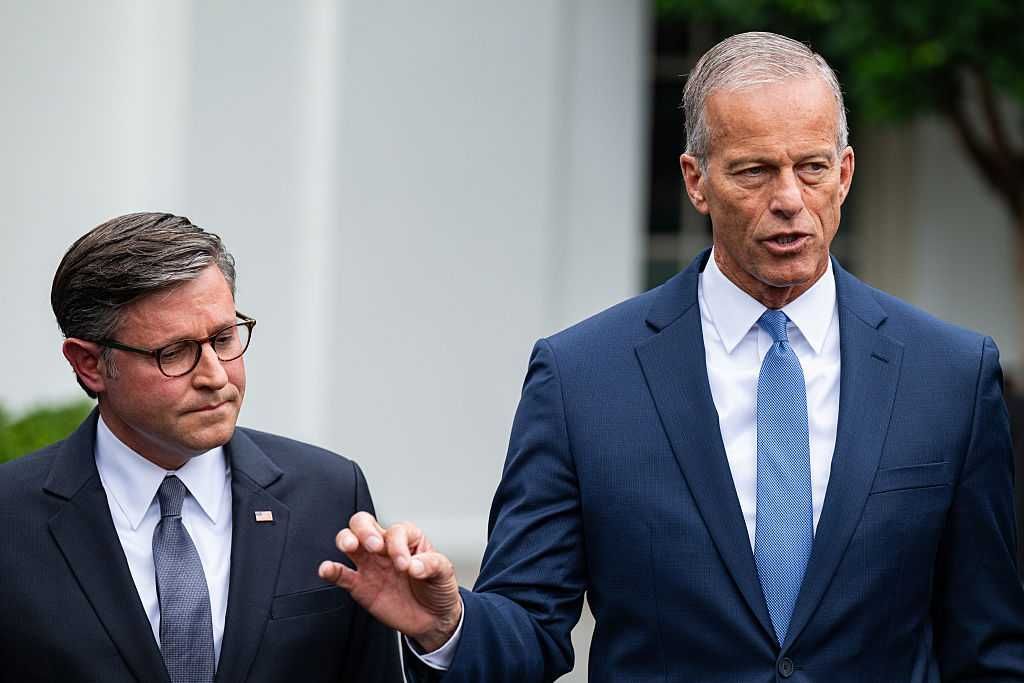
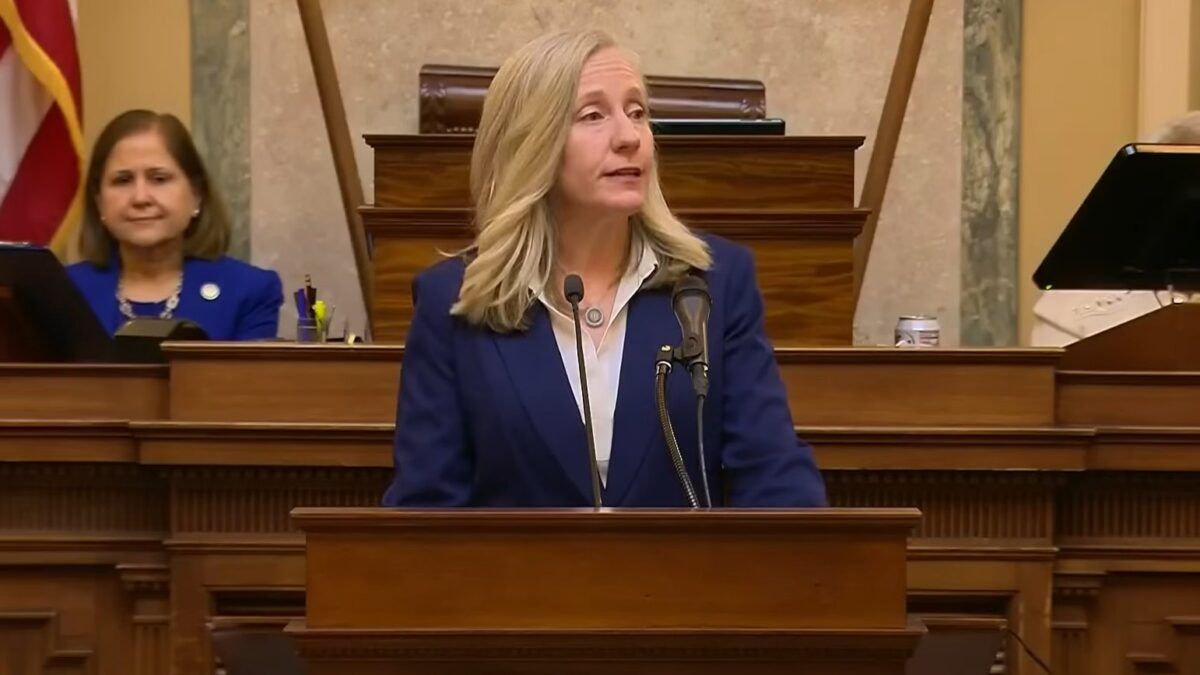 A majority of Virginia residents do not support the Democrats’ attempt to gerrymander the commonwealth’s congressional districts, according to a new poll, but it remains unclear whether the Republican Party is organized enough to get those people out to vote. According to a Roanoke College survey taken from Feb. 9 to Feb. 16, 52 percent […]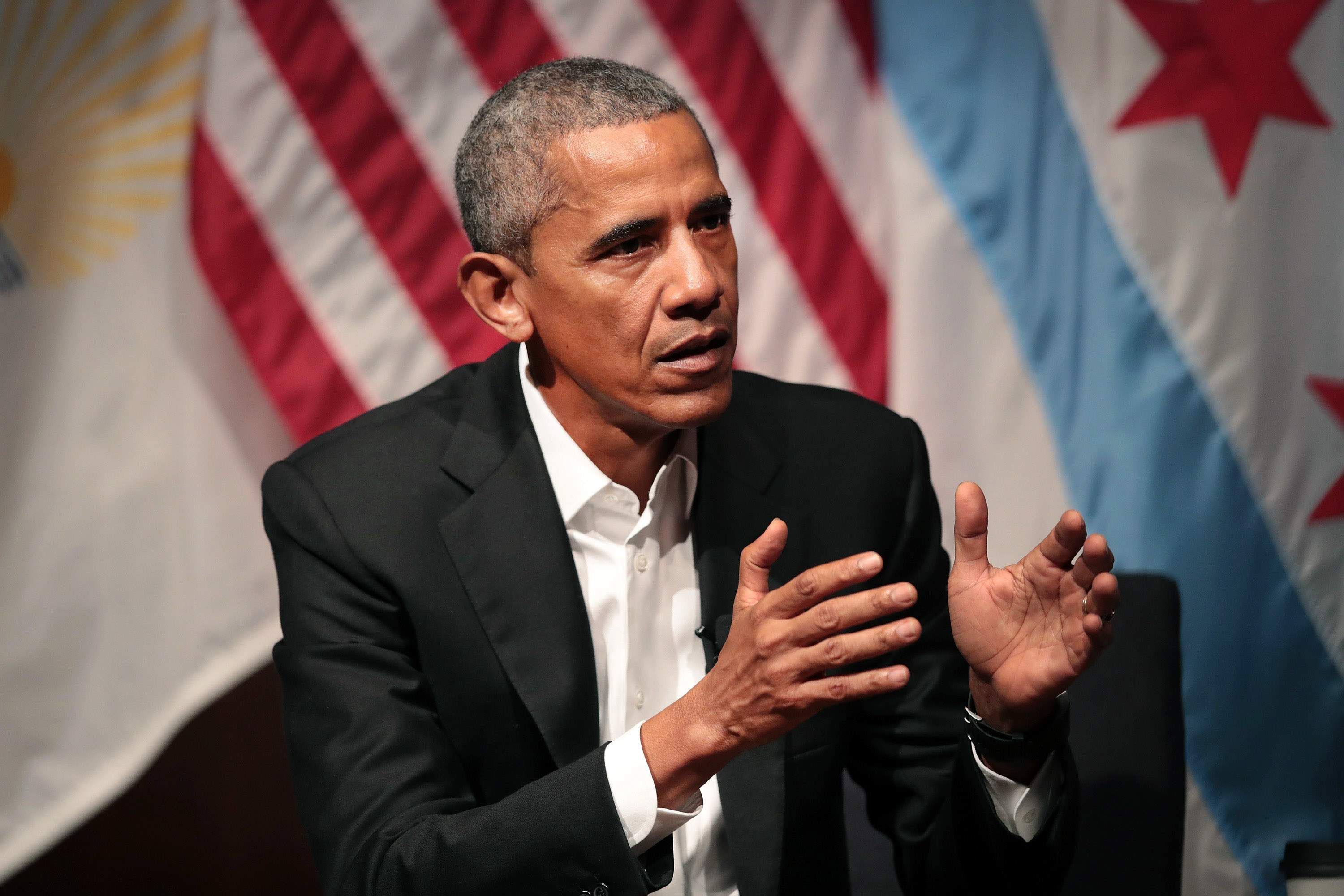
 www.theblaze.com
 www.theblaze.com
 www.theblaze.com