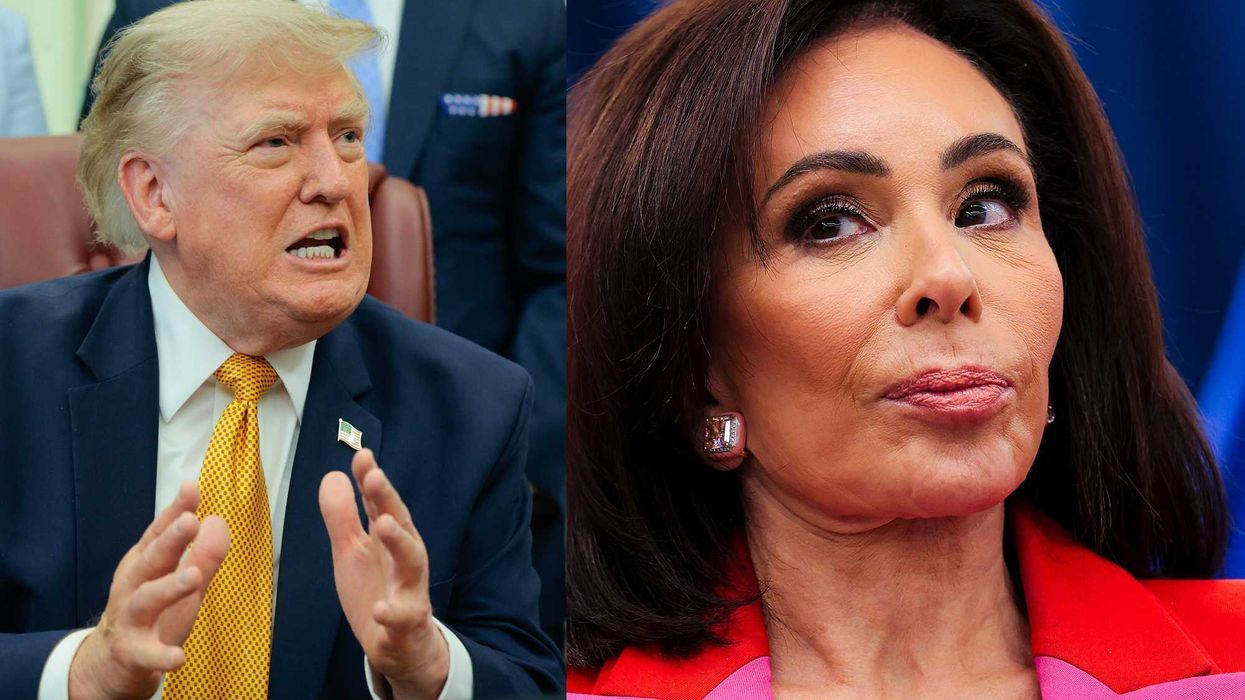
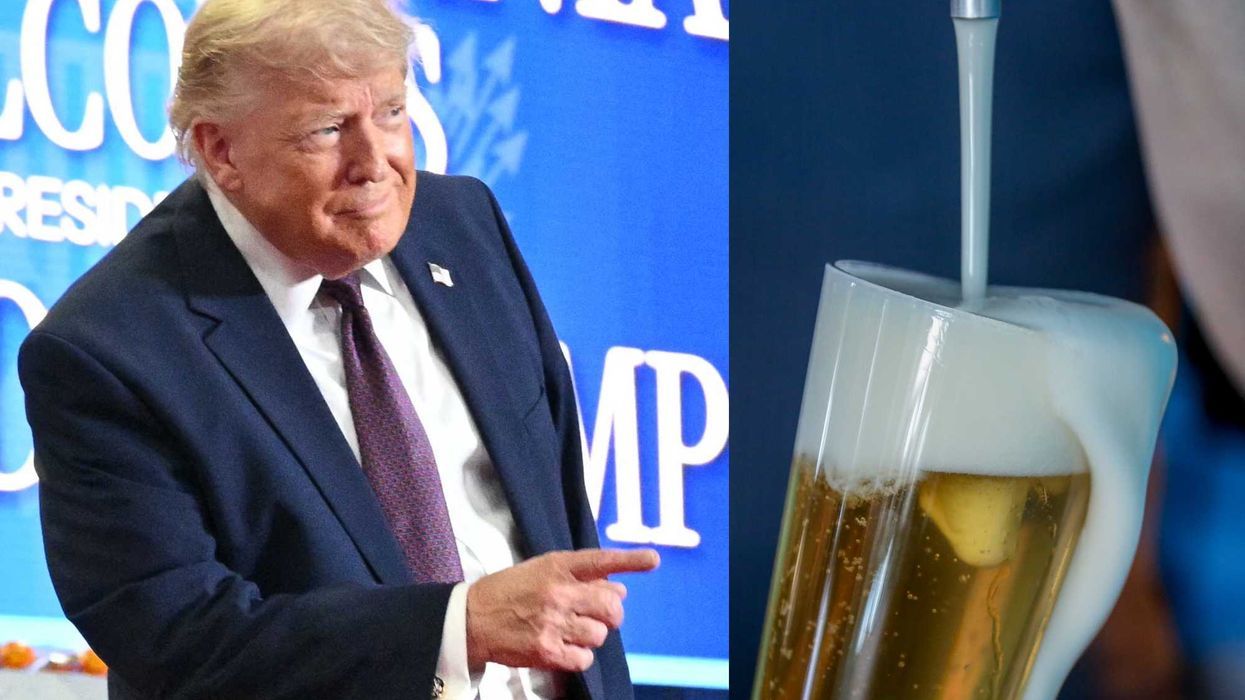
WI Brewpub Owner Pledging Free Beer If Trump Dies Now Running For Governor

Meanwhile, an FBI spokeswoman says an investigation into Kirk Bangstad remains 'ongoing' as the brewer cashes in on his 15 minutes of infamy.

What happened to No Kings? Sara Gonzales questions the left's embrace of King Charles' White House visit


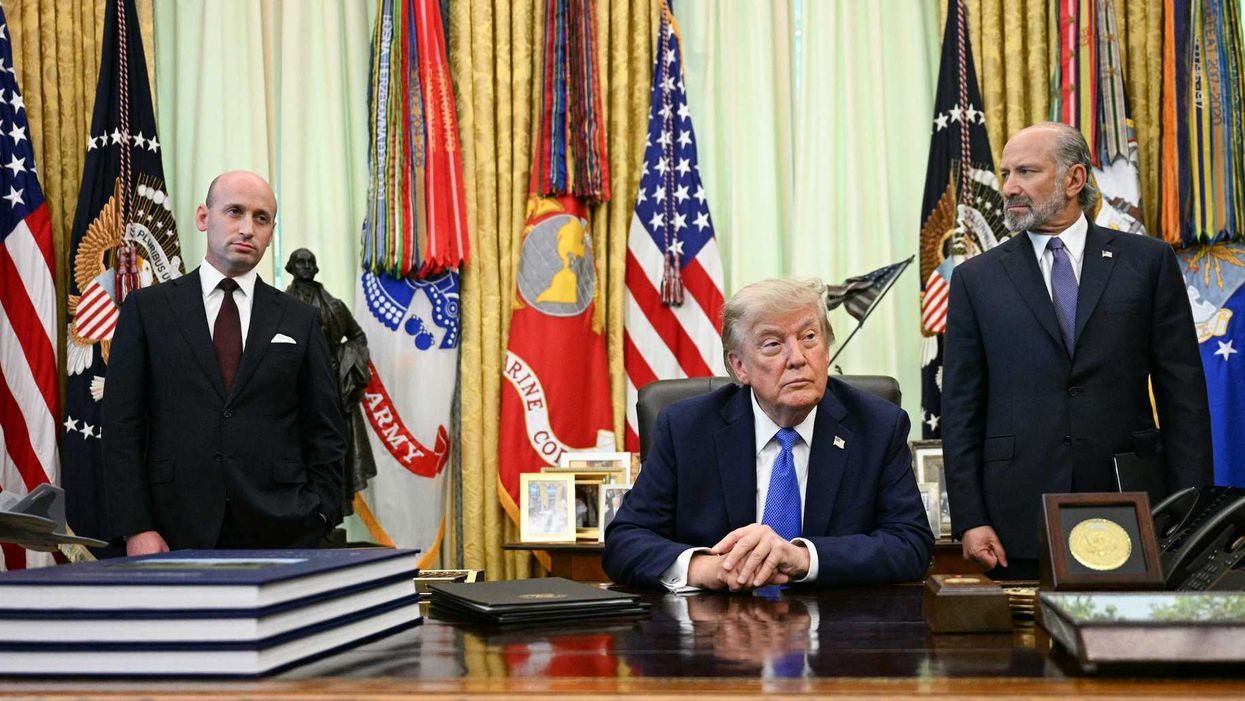
President Donald Trump and first lady Melania Trump welcomed King Charles and Queen Camilla to the White House for a state visit marking the 250th anniversary of America — the same anniversary that marks America’s freedom from having a king.

And while BlazeTV host Sara Gonzales isn’t a fan of the king, it appears that many Americans are.

“One thing I really will never truly understand is America’s fascination with Britain. I don’t get it. I don’t understand it,” Gonzales comments, pointing out that many of those Americans happen to be liberals.


“If one thing is clear in all of their rioting ... they say very clearly that they hate kings. Like they are not about kings. So you would think that they would be out there protesting no kings,” she continues.

And not only was the liberal media not going after the president for buddying up with a king, in a segment Gonzales plays on NBC4, they were celebrating it.

“Apparently, the libs love kings again. It’s cool to be a king,” Gonzales laughs.

“That is so interesting how you have all of these libs and all of these local stations who had wall-to-wall coverage of all these No Kings protests, and they were all chanting about how they hated kings,” she continues. “Now all of a sudden, it’s a memento.”

“Isn’t it so interesting how that actually shakes out when you have no morals, no values, no principles. You really believe in nothing except nihilism and chaos and destruction,” she adds, asking again, “Isn’t that interesting?”

Want more from Sara Gonzales?

To enjoy more of Sara's no-holds-barred takes on news and culture, subscribe to BlazeTV — the largest multi-platform network of voices who love America, defend the Constitution, and live the American dream.

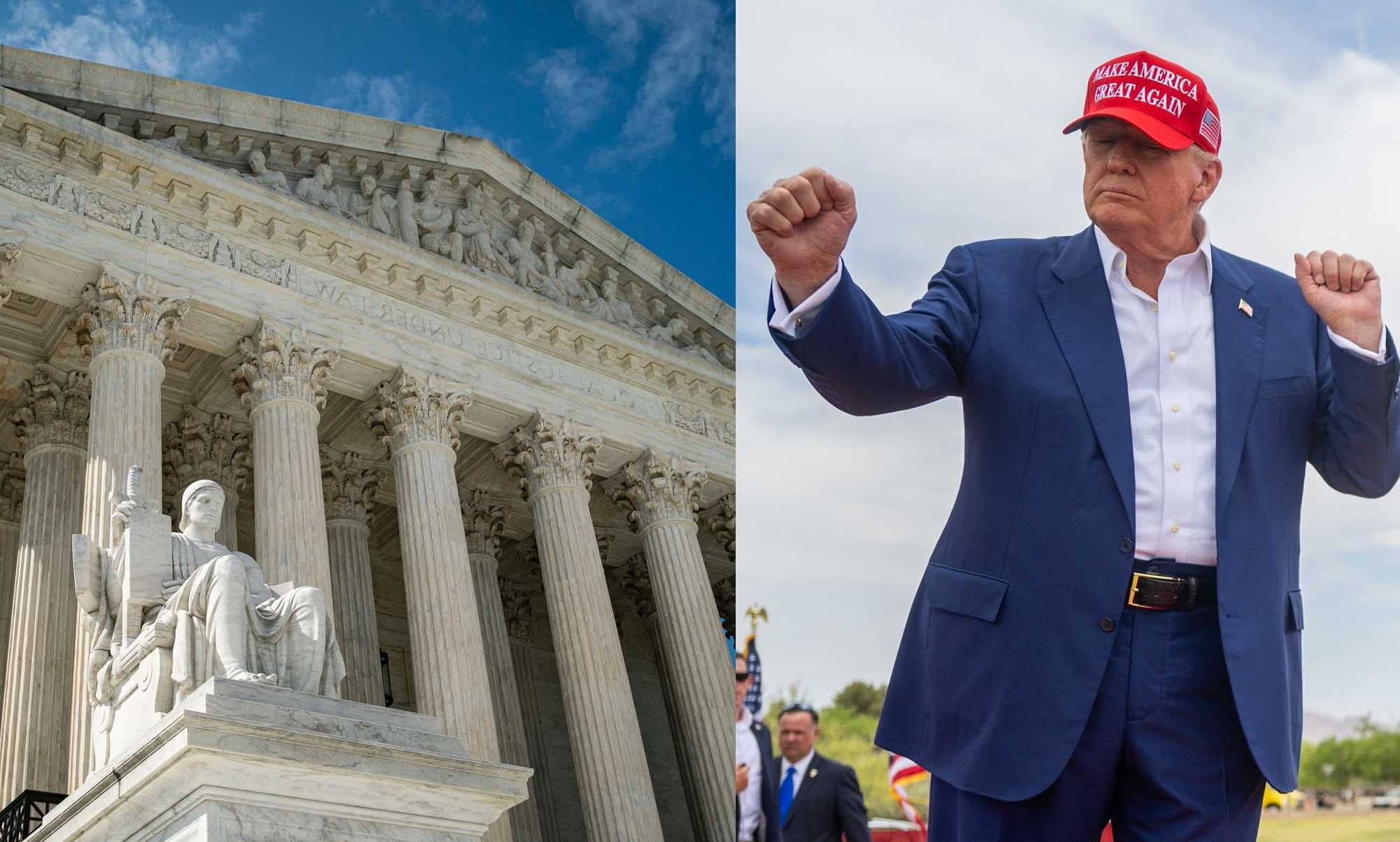
'Trump is racist' arguments seem to fall on deaf ears at SCOTUS TPS hearing about Haiti and Syria


Congress created the temporary protected status program, often abbreviated TPS, in 1990 to bar the removal of foreign nationals who hail from countries roiled by civil unrest, violence, or natural disaster, regardless of their immigration status. Under the program, the secretary of the Department of Homeland Security can designate a certain country for TPS for periods of up to 18 months.

While supposedly "temporary," these status designations — presently extended to a dozen countries and shielding millions of foreigners — have in many cases been extended for decades.

Recognizing that the conditions previously cited as justification for TPS have materially changed for the better in some countries, the Trump administration has taken steps to revoke numerous TPS designations. This initiative has, of course, enraged liberal activists and beneficiaries of the program, who have mounted various legal challenges.

The U.S. Supreme Court — which cleared the Trump administration last year to strip Venezuelan migrants of TPS — heard oral arguments on Wednesday in the consolidated cases Mullin v. Doe and Trump v. Miot regarding the revocation of TPS for Haitians and Syrians.

Ahead of the hearing, Democratic Reps. Ayanna Pressley (Mass.) and Debbie Wasserman Schultz (Fla.) joined Democratic Sens. Edward Markey (Mass.) and Lisa Blunt Rochester (Del.) in demanding the high court defend TPS for Syrians and Haitians, stating, "Do your job, uphold the law, save lives, and protect our communities."

Given conservative justices' questions and remarks during the lengthy hearing, these Democrats and the hordes of foreign squatters who've long been shielded from removal may be headed for disappointment.

Quick background

TPS has covered Haitian migrants since January 2010 and covers nearly 350,000 citizens from the Caribbean today. Syria was designated for TPS in March 2012 and has received several extensions over the past 14 years. Roughly 6,000 Syrians presently enjoy protected status.

RELATED: SCOTUS issues shocking ruling about 'racial gerrymander' map

JACQUELYN MARTIN/POOL/AFP/Getty Images

Having determined that neither country still meets the conditions for special status owing largely to significant improvements in domestic safety and stability, Trump's DHS announced the termination of Haiti's TPS in July and the termination of Syria's status in September.

These revocations, which were supposed to take effect months ago, have been held up in the courts.

In Washington, D.C., U.S. District Judge Ana Reyes — a foreign-born, Biden-appointed, lesbian judge who previously worked as a lawyer to fight the first Trump administration's immigration policy and helped the U.N. secure asylum for so-called refugees — obliged her fellow immigration activists on Feb. 2, blocking the revocation of Haiti's TPS.

'That's what you got?'

Reyes, a Uruguayan native, claimed that former DHS Secretary Kristi Noem not only violated the Administrative Procedure Act and the Fifth Amendment's due process clause when terminating the TPS designation for Haiti but had likely done so "because of hostility to nonwhite immigrants."

The U.S. Court of Appeals for the District of Columbia Circuit refused on March 6 to block Reyes' ruling, thereby keeping the special status for Haitians in place while the litigation moved forward.

In New York, U.S. District Judge Katherine Polk Failla, an appointee of former President Barack Obama, granted an injunction in November against the government's termination of TPS for Syrians. The U.S. Court of Appeals for the Second Circuit denied the government's motion for a stay pending appeal on Feb. 17, prompting the Trump administration to ask the Supreme Court to weigh in.

Divided court

U.S. Solicitor General D. John Sauer, who defended the administration's revocation of the special statuses, sparred at the outset with liberal Justices Ketanji Brown Jackson and Sonia Sotomayor over whether a TPS termination is open to judicial review, especially when the relevant statute makes expressly clear that there is to be no judicial review of any determination with respect to the TPS designation or termination or extension of a designation.

When asked by Justice Brett Kavanaugh why Congress would have barred judicial review as broadly as the administration now contends, Sauer pointed to the possible foresight that protracted legal review would inevitably undermine the temporary nature of the program and hinder the executive's ability to conduct foreign policy in a timely and confident manner.

Sotomayor and Brown proceeded to dwell on the suggestion advanced by the plaintiffs in the Haiti case and by Judge Reyes in February that "discriminatory intent" played a role in the termination of that nation's TPS designation, alluding to President Donald Trump's derisive remarks about third-world nations such as Somalia, which he characterized last year as "filthy, dirty, disgusting, ridden with crime."

While Sauer made clear that the government defended its decisions on non-discriminatory grounds, the liberal justices nevertheless appeared keen to read into extraneous comments by members of the administration, which were the primary focus of Geoffrey Pipoly, the attorney who argued on behalf of Haitian TPS beneficiaries.

RELATED: Illegal alien activists are furious at Trump administration after 'cruel' new 'Dreamer' policy drops

Alex WROBLEWSKI/AFP/Getty Images

Neither Justice Samuel Alito nor Justice Neil Gorsuch posed questions during Sauer's arguments, perhaps signaling understanding of or even agreement with them, but spent considerable time poking holes in those posed by the challengers.

Ahilan Arulanantham, a lawyer for Syrian TPS beneficiaries, emphasized that the issue is whether the DHS secretary adequately followed procedure when arriving at her decision to revoke TPS status, not whether her assessment was correct that the conditions previously justifying TPS had in fact changed.

Justice Alito did not appear to be buying what Arulanantham was selling. Instead, Alito echoed Sauer's concern that if the challengers' argument regarding the government's supposedly insufficient level of consultation with agencies was accepted, "it will create a hole in the judicial review bar that you could drive a convoy of trucks through," and that it will always be possible to second-guess the DHS secretary's decisions and process.

Pipoly, who piped up after Arulanantham's time elapsed, desperately tried to make the case that the Haitian TPS designation was based on a "sham" of a review, not grounded by empirical support but by President Donald Trump's "racial animus towards nonwhite immigrants."

Justice Alito countered, however, that "TPS was terminated for quite a list of countries," many of which are home to individuals who are or could be construed as white.

"If you put Syrians, Turks, Greeks, and other people who live around the Mediterranean in a lineup, you think you could say those people are, all of them, are they all nonwhite?" Alito said, prompting an acknowledgment from Pipoly that Syrians "may be classified as white."

After Alito nuked the notion that TPS revocation is solely bound up with race, Justice Gorsuch pressed Pipoly to disentangle the DHS secretary's determination — which is not subject to judicial review — from the DHS' ultimate termination of the TPS status.

"How can it not be judicial review of the determination if you're postponing the determination?" Gorsuch asked.

"The final agency action here that was postponed is ... the termination, not the determination, which is not subject to judicial review," Pipoly responded.

Pipoly does not appear to have won over Gorsuch with his tortured attempt to strike a distinction between the two since Gorsuch replied, "That's what you got?"

Like Blaze News? Bypass the censors, sign up for our newsletters, and get stories like this direct to your inbox. Sign up here!
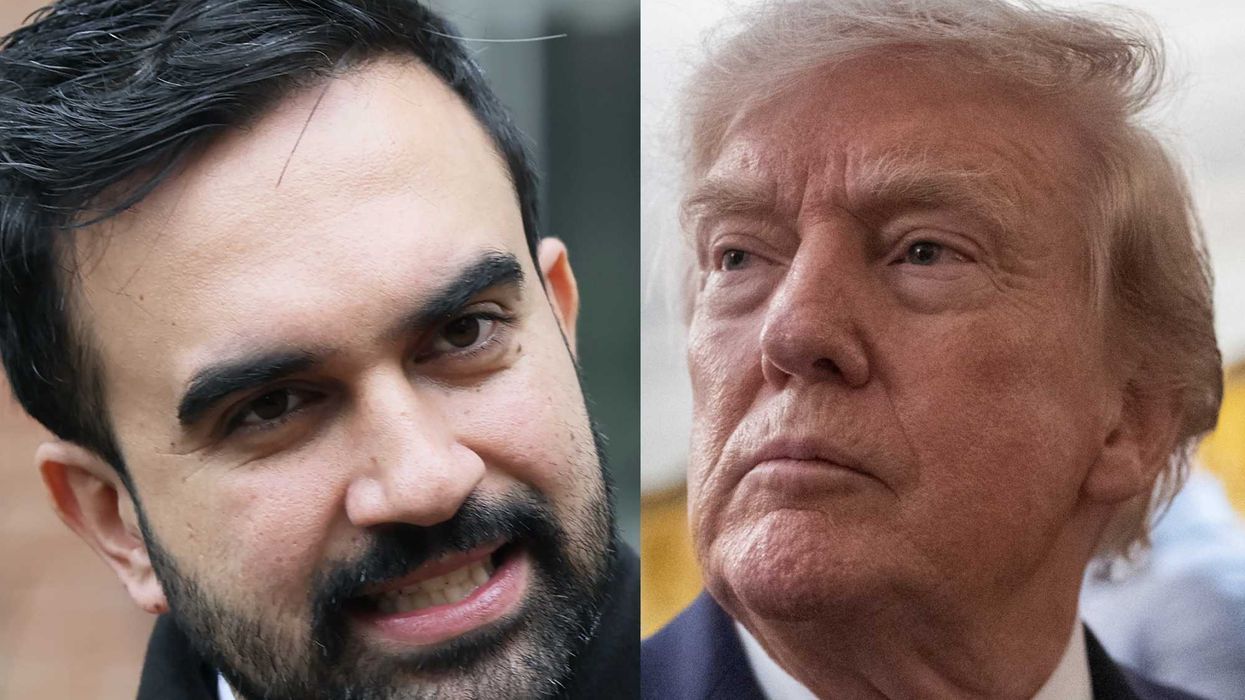
Leftist Brewery Owner With Death Wish For Trump Grabs Secret Service, FBI Attention

'The U.S. Secret Service is aware of the social media post by the Minocqua Brewing Company,' an agency official told The Federalist.

Senator: Biden Agency Used ‘Benghazi’ To Hide Emails On Planned Parenthood Loans

'... Perhaps now we know why the Biden administration did not want to share its Planned Parenthood records with Congress,' Sen. Ernst wrote.

Chuck Todd Decries Violence Around Trump He Helped Create

The political clown has long been part of the corporate media 'resistance' movement, feeding the furnace of Trump Derangement Syndrome.

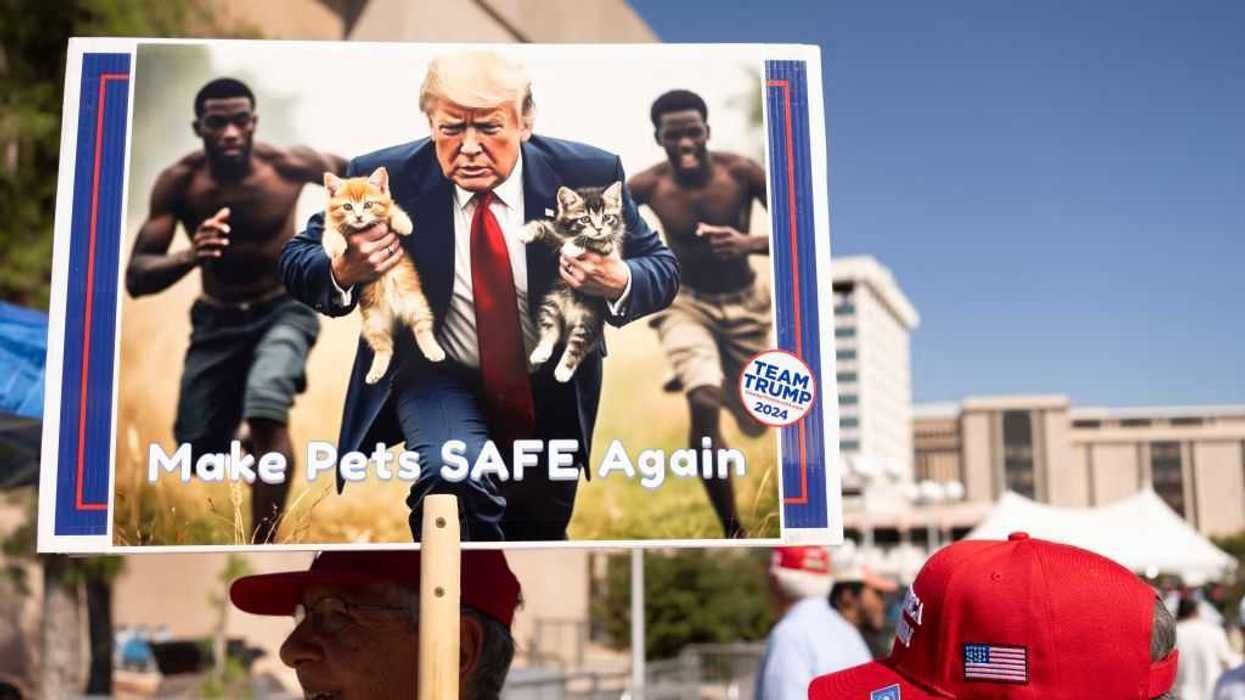
A ‘Bounty’ Of Beer Marks Another Dark Turn In Leftists’ Pursuit Of A Dead Donald Trump

Nasty Wisconsin brewery owner promised 'free beer, all day' the day Trump dies.

Red states are not waiting for Congress to pass the SAVE America Act


President Donald Trump continues to prioritize the passage of the SAVE America Act, keeping election integrity at the forefront in Washington. However, states are not waiting for Congress to act. Across the country, this shift has been building for years, and it is becoming harder to ignore.

The SAVE America Act should be passed because it aligns federal elections with the direction states are already taking.

Florida offers one of the clearest examples. Governor Ron DeSantis recently signed a state-level measure requiring documentary proof of citizenship to register to vote and directing officials to verify applicants using existing data systems. The approach mirrors what the SAVE America Act would do at the federal level. DeSantis said the law would “strengthen the security, transparency, and reliability of Florida’s election system.”

Florida is not alone. In Mississippi, Governor Tate Reeves signed the SHIELD Act, which requires officials to verify citizenship when individuals register to vote, including checks against federal databases and regular audits of voter rolls. Reeves called it “another win for election integrity” and made clear that the state intends to keep strengthening its system.

South Dakota has already enacted similar requirements this year, requiring proof of citizenship for new voter registrations and putting those rules into effect immediately. Governor Larry Rhoden said the law “ensures only citizens vote in state elections, keeping our elections safe and secure.”

These bills didn’t happen overnight. States have been moving in this direction for years. Arizona, for example, required proof of citizenship for voter registration following the passage of Arizona Proposition 200, creating a system that distinguishes between voters who provide documentation and those who do not.

That history matters. It shows that the idea of verifying citizenship at the point of registration is nothing new. What is changing now is how widely and directly states are applying it to their election systems.

Under current federal law, voter registration generally relies on applicants affirming their eligibility under penalty of perjury rather than providing documentary proof. The federal voter registration form requires applicants to attest that they are United States citizens under penalty of perjury. The National Voter Registration Act of 1993 relies heavily on self-attestation rather than documentary proof, leaving states to determine how verification is carried out. As some states move toward more structured verification, those differences become harder to ignore.

States that have moved toward documentation and data verification are operating alongside systems that still rely primarily on sworn statements.

RELATED: Uncle Sam wants YOU — to obey immigration laws

History/Universal Images Group/Getty Images

The contrast is becoming more visible as more states update their processes, raising a straightforward question about whether federal elections should operate under a consistent standard.

The SAVE America Act answers that problem directly. It would require documentary proof of United States citizenship in order to vote in federal elections, using documents such as a passport or birth certificate.

As Senator Mike Lee has argued, the SAVE America Act would secure federal elections by requiring proof of citizenship and voter identification nationwide.

Citizenship is already required to vote. A federal standard would ensure that requirement is applied the same way in every state.

Without that standard, states will continue moving in different directions, leaving federal elections governed by a patchwork of verification practices. With it, the system becomes consistent.

The SAVE America Act should be passed because it aligns federal elections with the direction states are already taking and applies a clear, uniform standard to voter registration.

States are setting the standard for verifying voter eligibility.

It is time for Congress to do its part and pass the SAVE America Act.

Suspected WHCD gunman charged


Cole Tomas Allen, 31, has officially been charged by the Department of Justice for the shooting that took place during Saturday's White House Correspondents' Dinner, including for the attempted assassination of President Donald Trump.

The suspect was seen on security cameras rushing through a checkpoint in the lobby of the Washington Hilton hotel before opening fire and shooting a Secret Serviceman who was wearing a bulletproof vest. The gunman was immediately detained, and his alleged manifesto later revealed his plans to target Trump and members of Trump's Cabinet.

As a result, Allen is facing three federal charges.

'This count is punishable by up to life in prison.'

"I want to make this clear," acting Attorney General Todd Blanche said. "This man was a floor above the ballroom, with hundreds of federal agents between him and the president of the United States. The Department of Justice approaches incidents like this with urgency and clarity of purpose."

"Violence has no place in civic life. It cannot and will not be used to disrupt democratic institutions or intimidate those who serve them, and it certainly cannot continue to be used against the president of the United States."

RELATED: Stunning new details reveal the 'depraved' motivation of the suspected WHCD shooter

ANNABELLE GORDON/AFP/Getty Images

Blanche vowed to continue investigating the incident as well as the left-wing organizations Allen was reportedly affiliated with, saying he will "ensure that accountability is swift and certain."

"Today, the Department of Justice filed three federal charges in United States District Court against Cole Tomas Allen," Blanche said. "The first count is attempted assassination of the president of the United States. This count is punishable by up to life in prison. The second count is interstate transportation of a firearm to commit a felony. This is punishable by up to 10 years in prison. And the third count is discharge of a firearm during a crime of violence, which is punishable by a mandatory minimum term of imprisonment of 10 years, a maximum of life."

Like Blaze News? Bypass the censors, sign up for our newsletters, and get stories like this direct to your inbox. Sign up here!
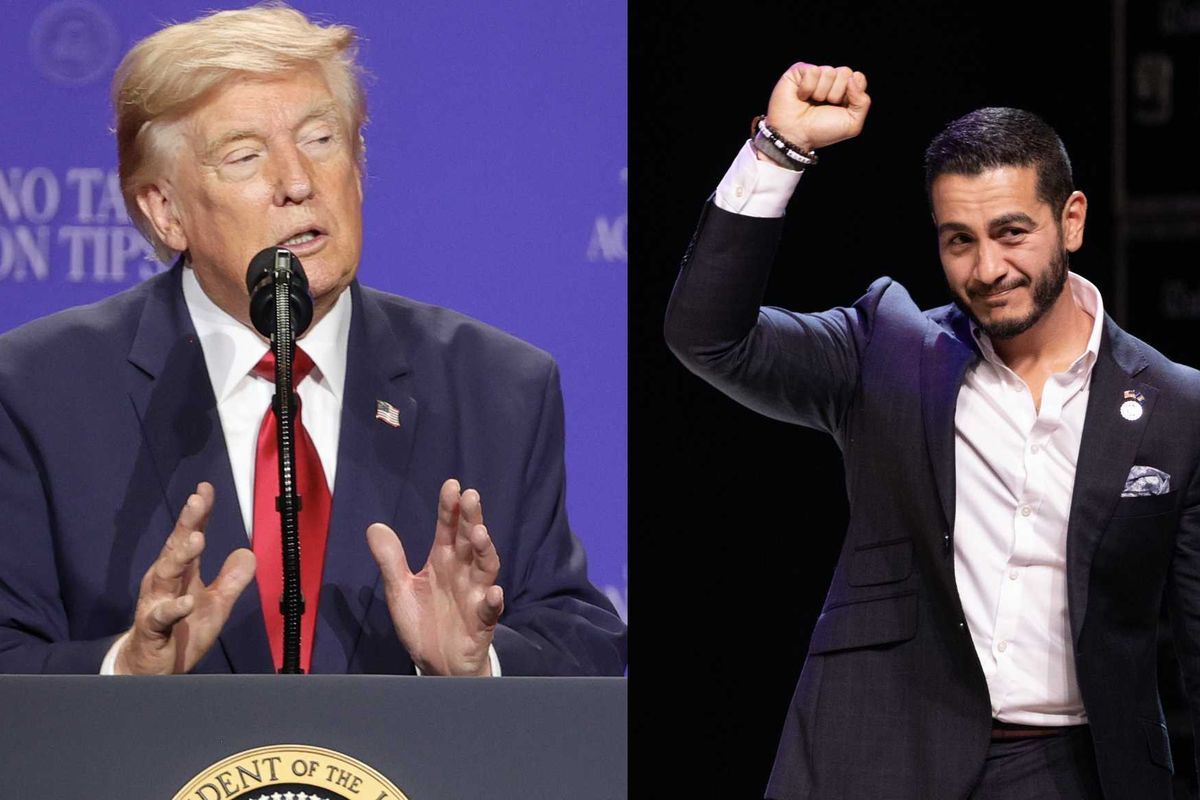
Pentagon floats ousting Spain from NATO, punishing allies for not toeing the line on Iran


The U.S-Iran conflict is unpopular at home with 58% of American adults signaling opposition in a recent Economist/YouGov poll, and surveys conducted both prior and immediately after the initial U.S.-Israeli strikes in late February revealed a general aversion to getting dragged into another foreign entanglement.

While the military intervention is unpopular in the U.S., the opposition to it is significantly greater in Europe, particularly in Spain, where such opposition has proven politically expedient for the ruling Socialist Party.

'No worries.'

In addition to criticizing the conflict, leftist Spanish officials have in recent months publicly underscored their unwillingness to materially assist the U.S., going so far as to refuse the U.S. to use the jointly run bases at Morón and Rota to strike Iran.

A U.S. official claimed to Reuters that, in an internal email, the Pentagon has floated the idea of pushing Spain out of NATO and punishing allies that failed to toe the line on the Iran conflict.

The email reportedly expresses annoyances over certain allies' reluctance or outright refusal to permit the U.S. access, basing, and overflight rights for the Iran conflict, which the official said were altogether described as "the absolute baseline for NATO."

RELATED: Navy secretary abruptly fired despite ongoing Iran blockade

President Donald Trump and Spanish Prime Minister Pedro Sanchez shake hands. Suzanne Plunkett - Pool/Getty Images

The email identifies a number of sanctions for such noncooperation that might serve to "decreas[e] the sense of entitlement on the part of the Europeans," including suspending "difficult" countries from important positions at NATO, the official claimed.

While base closures in Europe were not among the proposed responses, ousting Spain from the alliance — a move the email said would be symbolic but have a limited impact on U.S military operations — is on the table, the official added. It's unclear how such an ouster would be accomplished given NATO's founding treaty does not contain a formal mechanism to eject a member.

The email reportedly also raises the possibility of rethinking U.S. diplomatic support for European "imperial possessions" such as Britain's Falkland Islands off the coast of Argentina.

When asked about the email, Pentagon press secretary Kingsley Wilson told Reuters, "As President Trump has said, despite everything that the United States has done for our NATO allies, they were not there for us."

"The War Department will ensure that the President has credible options to ensure that our allies are no longer a paper tiger and instead do their part," said Wilson. "We have no further comment on any internal deliberations to that effect."

President Donald Trump said in a March interview with the New York Post that Spain "is a loser" and "very hostile to NATO."

"Not a team player, and we’re not going to be a team player with Spain either," added Trump, suggesting elsewhere that the U.S. could just co-opt the Spanish bases and slap Madrid with a trade embargo.

Spanish Prime Minister Pedro Sánchez, whose country's defense spending has chronically fallen short of NATO targets, brushed off the email, telling Politico, "No worries."

"We are fulfilling our obligations toward NATO," said Sánchez.

"The Spanish government's position is clear: absolute cooperation with our allies, but always within the framework of international law," added the socialist prime minister.

Following the report about the Pentagon memo, a spokesman for the German government suggested that Spain's membership was safe, reported the BBC.

"Spain is a member of NATO. And I see no reason why that should change," said the German spokesman.

Italian Prime Minister Giorgia Meloni told NATO members on Friday to stick together, noting the alliance is a "source of strength."

"We must work to strengthen NATO's European pillar ... which must clearly complement the American one," added Meloni, who was recently criticized by Trump over her defense of Pope Leo XIV.

The Department of War did not respond to Blaze News' request for comment.

Like Blaze News? Bypass the censors, sign up for our newsletters, and get stories like this direct to your inbox. Sign up here!