Ireland Lost Its Magic When It Lost Its Catholic Heritage
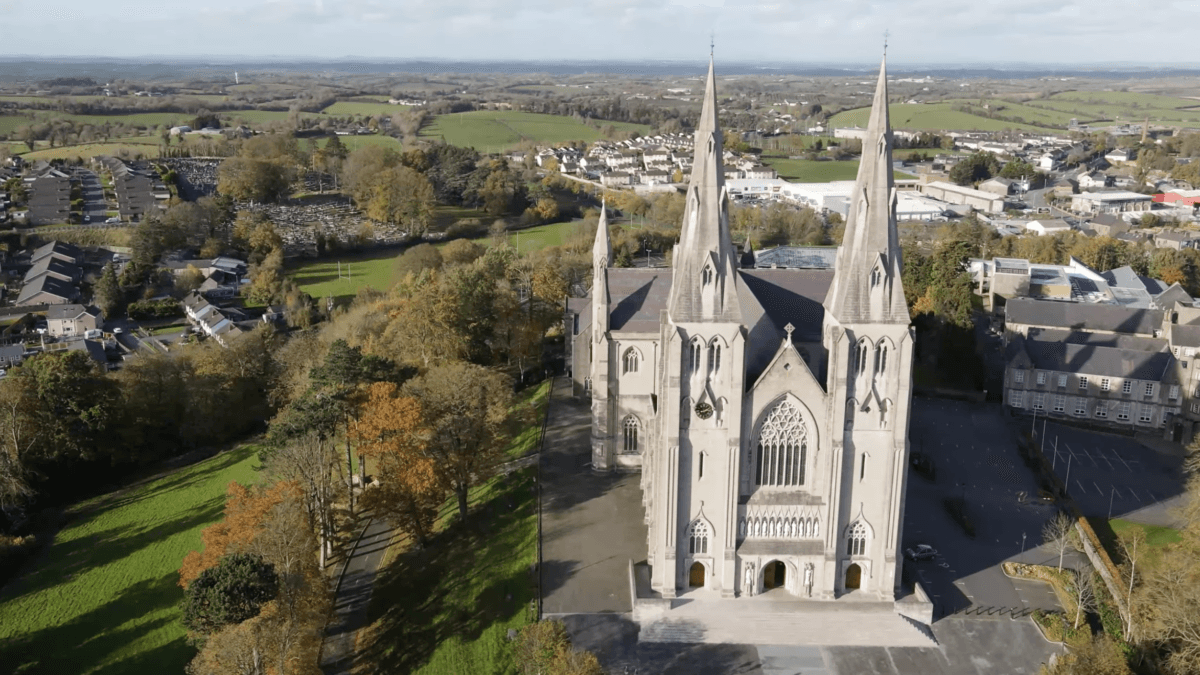 The collapse of Irish Catholicism is a cautionary tale for every religious institution and the West at large.
While history suggests that religious zeal often follows and quickly fades after events like the assassination of Charlie Kirk, prophetic visions from more than 400 years ago shine a light on our current situation and offer hope for a sustained faith revival.
Through an Ecuadorian nun, Mother Mariana de Jesus Torres, the Virgin Mary — under the title “Our Lady of Good Success” — reputedly foretold with staggering precision the ominous religious landscape of the late 20th and early 21st centuries. However, an immense loss of faith and practice — a mass apostasy — would be followed by a religious restoration.
Mother Mariana’s tale offers wisdom: God has an eternal devotion to us. He is always working, especially when the times are bleakest, and He will triumph.
Born to a Spanish noble family in 1563, Mother Mariana accompanied her religious aunt, Maria, to Quito, Ecuador, at a young age. At 15 years old, Mariana made her vows and joined the Conceptionist Order, of which she would later serve as abbess. Throughout her pious life, she had visions of our Lord, the Virgin Mary, angels, and various saints.
One evening in 1582, while praying before the Blessed Sacrament, Mother Mariana reportedly witnessed a crucified Christ bearing inscriptions related to God’s punishments for the late 20th century due to heresy, blasphemy, and impurity. During the encounter, the Blessed Mother asked the nun — who had been “judged blameless” — whether she would “sacrifice” herself for those sinners, which the nun accepted.
Mother Mariana’s mystic visions spanned decades, and they “tortured” her because of a predicted loss of innocence and modesty by children and women in the decades we are now living in. In these visions, the Virgin Mary consistently expressed her deep sorrow for the “children of these times” — because Satan “will reign” and faith would decay.
She prophesied that heresy would flourish in our times; vocations would be lacking, accompanied by rampant “sexual impropriety”; priests would scandalize the faithful; and the sacraments, particularly the Eucharist, marriage, and extreme unction, would be attacked, robbed of meaning, or forgotten. Many “frivolous souls” would be lost in the mayhem.
Despite the numerous grave warnings, the Blessed Mother also offered consolation and encouragement, telling Mother Mariana about the “merciful love of my Son” for the faithful during this period, prophesying the “happy beginning of the complete restoration.”
To spread devotion, Our Lady of Good Success instructed Mother Mariana to commission a statue, which had been “miraculously completed” by the archangels in January 1611, according to legend.
Mother Mariana died at the age of 72 on January 16, 1635. In the ensuing years, the local diocese approved and promoted the apparitions — which are now a worldwide devotion after awareness accelerated due to the accuracy of the predictions. In 1790, Father Manuel Sousa Pereira catalogued the religious nun’s life in “The Admirable Life of Madre Mariana de Jesus Torres,” and in 1986, the Archdiocese of Quito officially opened her cause for canonization.
The accuracy of the prophecies was borne out by the sexual revolution and anti-traditional posture of the 1960s, millions of children dying from abortion, and the clerical sexual abuse scandal, to name a few. From these spewed a myriad of social pathologies that have plagued not only the Catholic Church’s standing as a moral stalwart, but civilization at large. The proof has been, sadly, evident.
Vocations did collapse — as well as widespread religious practice and prayer. Marriage has declined, along with baptisms and the other sacraments. There has been a glaring lack of knowledge about the Eucharist — the source and summit of Christian life. When the basic tenets of faith are misunderstood or ignored entirely, a mass apostasy is inevitable and has taken place in the West, which has affected all Christian denominations.
The decline in American religiosity raises even broader concerns for everyone. Religiously unaffiliated residents are less civically engaged than those active in their faith lives and less charitable in terms of monetary donations. As apostasy spreads, civic associations have likewise closed, providing fewer opportunities for neighbors to commune and engage in society.
It is no coincidence, then, that a bevy of social ills are emerging from the lack of social cohesion since the early 2000s, which Harvard sociologist Robert Putnam recognized in his book, “Bowling Alone.” Since then, Americans have experienced a precipitous rise in anxiety and depression, particularly among younger demographics, leading to a pervasive “happiness crisis.” It is no wonder that people are generally despondent or searching for answers.
Increasingly, we are isolated from God, our neighbors, and ourselves.
But in Christ’s parable of the prodigal son, the titular son returned to his father after hitting rock bottom. After the strife of the 20th and early 21st centuries, is a renewal — or “restoration” as Our Lady of Good Success allegedly proclaimed — a possibility? And did we collectively have to hit our lowest point to come back to our senses and God?
The seeds for a 21st-century “Great Awakening” are not entirely improbable. Within the past year, members of Gen Z have flocked to religion more than previous generations, and the rise in religious “nones” — or the unaffiliated — has slowed. U.S. politicians have urged a “spiritual reawakening” and have expressed a desire to “bring God back” into the public square. The Trump administration established the Religious Liberty Commission to reacquaint Americans with “our Nation’s superb experiment in religious freedom in order to preserve it against emerging threats.”
While challenges remain and thousands of churches are set to close, Kirk’s death could be a spark for a surge in religious practice in a nation that has, for the past few decades, jettisoned faith. After all, an overwhelming majority of Americans still believe in God, so there may be a willing audience.
For the faithful, we not only have encouraging signs of a revival, but promises in Scripture. Christ promises to the apostles, and us, that the “gates of the netherworld shall not prevail” against the church. Ultimately, heaven will win — and hell will lose. In the end, God will restore creation, wiping every tear from our eyes, and establish a new heaven and new earth.
RELATED: Charlie Kirk sparks viral Christian revival: ‘I'm going to go take his seat for him’
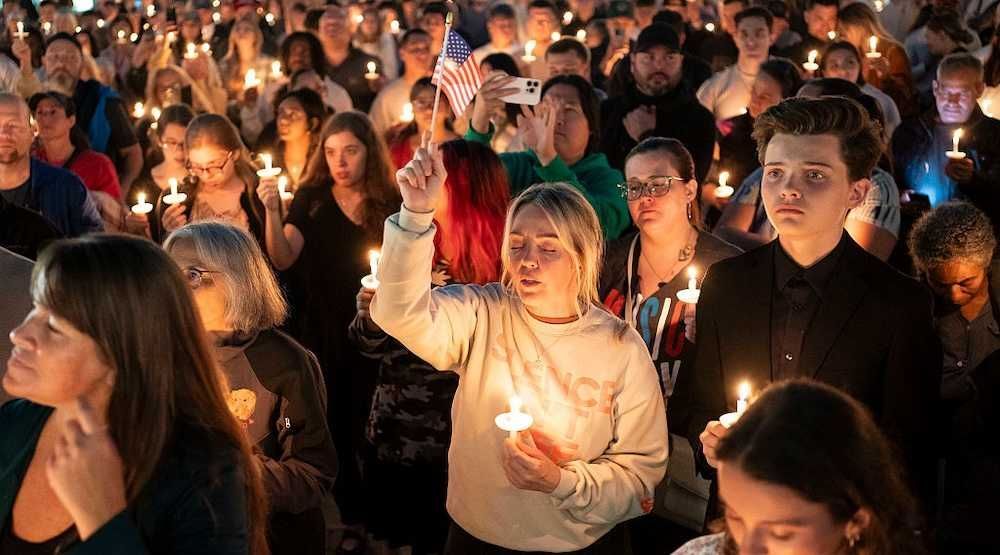
Although the apparitions of Our Lady of Good Success have so far proven true, Mother Mariana’s tale offers wisdom: God has an eternal devotion to us. He is always working, especially when the times are bleakest, and He will triumph.
With the recent increase in religious attendance, clamor for God, and discussion of a spiritual renewal in the weeks following Kirk’s death, perhaps a potential “restoration” of sorts — even if short-lived — may be looming on the near horizon. The data and cultural shift should fill us with hope and strengthen our hearts to welcome the influx of weary and inflamed souls longing for peace, meaning, and God.
Editor’s note: This article was originally published by RealClearReligion and made available via RealClearWire.
South Korea’s demographic crisis is no secret: plummeting birth rates, collapsing marriages, and a society aging faster than it can replenish itself.
What’s less discussed is how this crisis has seeped into the Catholic Church. Faced with shrinking congregations and a growing sense of irrelevance, church leaders in South Korea have not turned inward toward doctrine or upward toward God. They’ve turned, instead, to circuits and code.
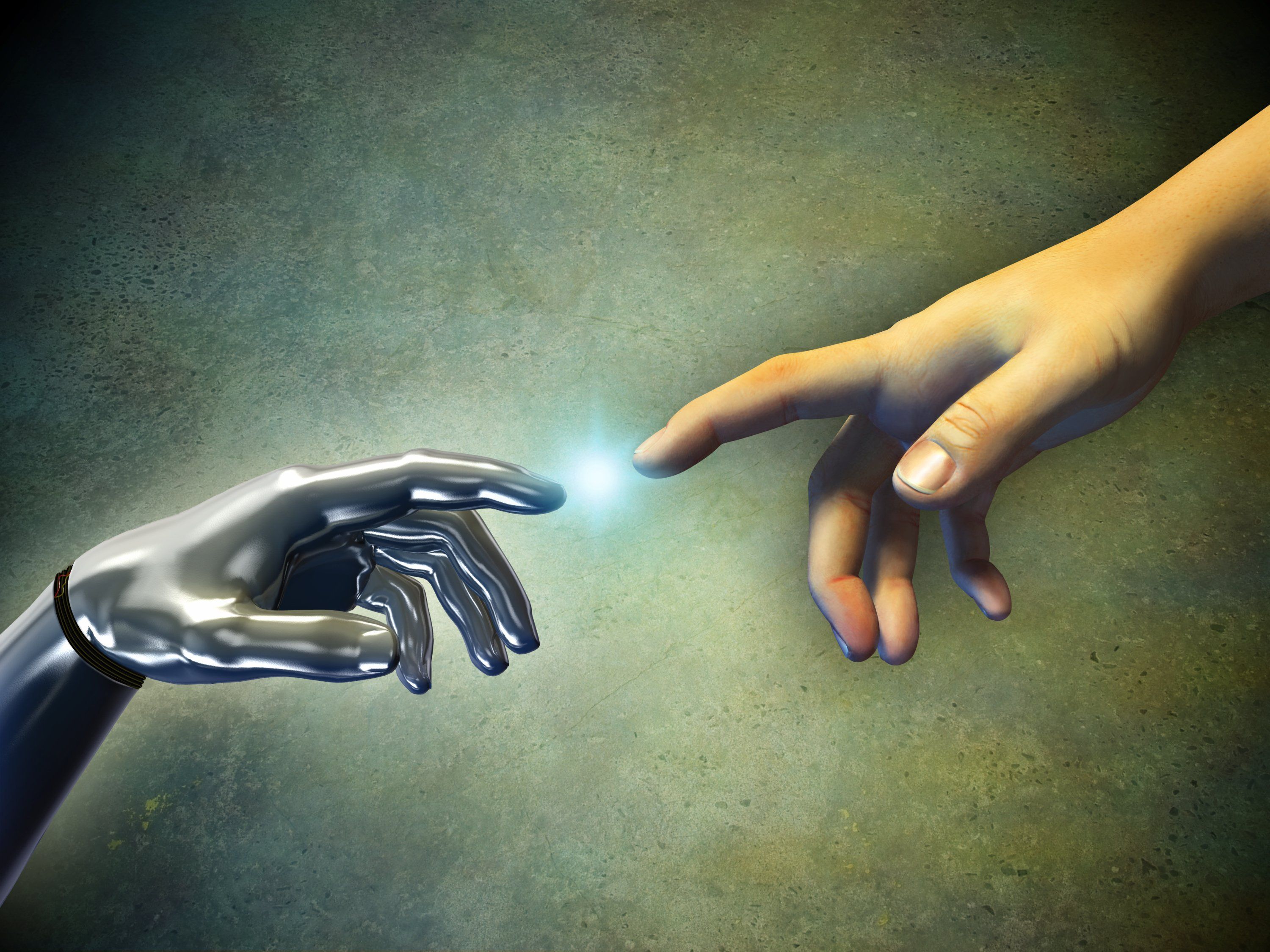
From Seoul to Suncheon, priests are now being trained to use generative AI. Not to critique it or guard the faithful from its implications, but to embrace it — enthusiastically. They're using ChatGPT to write sermons and generate liturgical music.
What once began in the minds of Silicon Valley technocrats is now being welcomed into the sanctuary.
This shift marks a deep departure from the church’s foundation. A tradition grounded in divine revelation is beginning to rely on predictive text to feed its flock. Priests are swapping prayers for prompts. Scripture is being blended with machine-generated syntax, often created by people who view religion as an outdated, outlandish myth.
Herein lies the problem: Algorithms don't understand dogma. They optimize for relevance, not revelation.
AI won’t march into a parish and demand the pulpit. It doesn’t need to. All it takes is gradual adoption, dressed in euphemisms like “pastoral efficiency” and “digital evangelization.” In the process, the church begins to outsource something essential — discernment, once the backbone of spiritual leadership, now handed off to a machine.
The gospel isn't a trend to follow. If anything, it’s the remedy for a world lost in trends.
And once AI begins shaping sermons, it also begins shaping belief. The process is slow, subtle, and in many ways suicidal. A softened passage here. A reworded doctrine there. A few iterations later, the original message remains in form but loses its force — still quoting scripture, but lacking the strength, the substance, and the sacred weight it once carried.
Truth bends to the tone of the digital mood. And the faithful, unaware, are guided by a voice that knows nothing of their souls.
Meanwhile, in Rome, the Vatican just celebrated a different kind of digital transformation.
Last month, the Catholic Church held a “digital jubilee,” honoring 1,000 priests and friars who have embraced the role of influencer. But these men are not known for spiritual authority. They’re known for gym selfies, poetic reels, and dog videos. Some offer blessings between squat reps, but none offer hope.
The church likes to call it outreach, but it’s really just image management with a halo filter. The priesthood, once a solemn and set-apart vocation, is now being curated for online consumption. Mass increasingly feels like a soft-lit content shoot, complete with drone footage and lo-fi background music. The Eucharist is staged like a backdrop. Captions do the work catechism once did. Sermons are trimmed to fit reels, and followers are counted like conversions.
RELATED: This is what happens when Christians are afraid to offend
Somewhere along the way, the line between preaching and performing vanished.
There’s a quiet seduction at work. The lure of virality, the steady drip of likes, shares, and algorithmic affirmation. But the church was never called to be entertaining, and it wasn’t built to chase engagement metrics or trend on TikTok. Its task has always been to rouse the soul, not flatter it. To call people into spiritual battle, not soothe them with hashtags and Father Fabio’s weekend vlog.
The goal was never visibility. It was salvation — a far less marketable, far more demanding thing.
In chasing relevance, the church allows the culture to set the terms. It tries to keep pace with a world that’s built to forget. But the gospel isn't a trend to follow. If anything, it’s the remedy for a world lost in trends.
When priests become influencers, they lose the distance that once gave their words weight. And when the Church lets AI in without caution, it mistakes manipulation for modernization. Homilies no longer rise from prayer or tradition. They’re assembled through autocomplete. Doctrine doesn’t need to be debated; it just needs to be updated.
But the world doesn’t need a church that mimics it. It needs a church that holds firm, one that doesn’t run the race for relevance, but stays rooted solid, unchanging, unapologetic.
That spirit isn’t gone, but reclaiming it will take courage. The kind that says no, not just to shiny tools, but to the creeping belief that real problems demand digital fixes. It means pushing back against the idea that relevance is the highest virtue. It means remembering that the priest isn’t a host, the church isn’t a brand, and the Mass isn’t content.
Truth doesn’t evolve with audience feedback. It isn’t versioned. It doesn’t run on engagement or A/B test itself. It just stands — stubborn, unmoved, inconvenient. And the church’s job has always been to stand with it, not tweak it for better traction.
If the church forgets that — and if it keeps chasing applause instead of holding the line — it won’t be silenced, persecuted, or driven underground. It’ll be liked, shared, and celebrated right into irrelevance, gradually transformed into yet another lifestyle brand, one more voice amid a noisy feed, fading away as soon as the algorithm shifts.

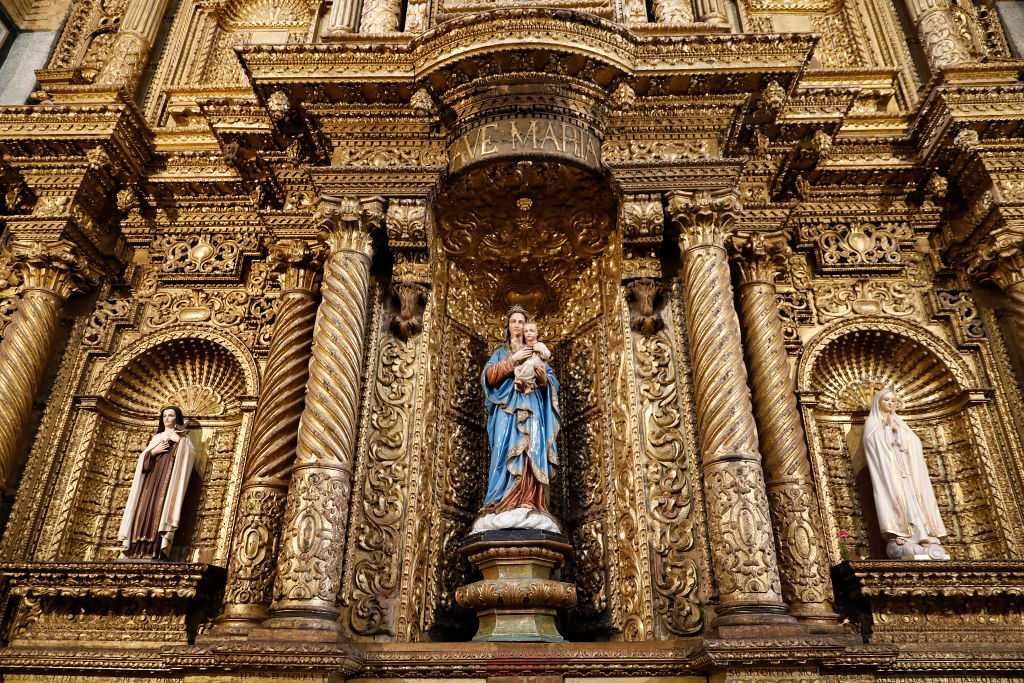
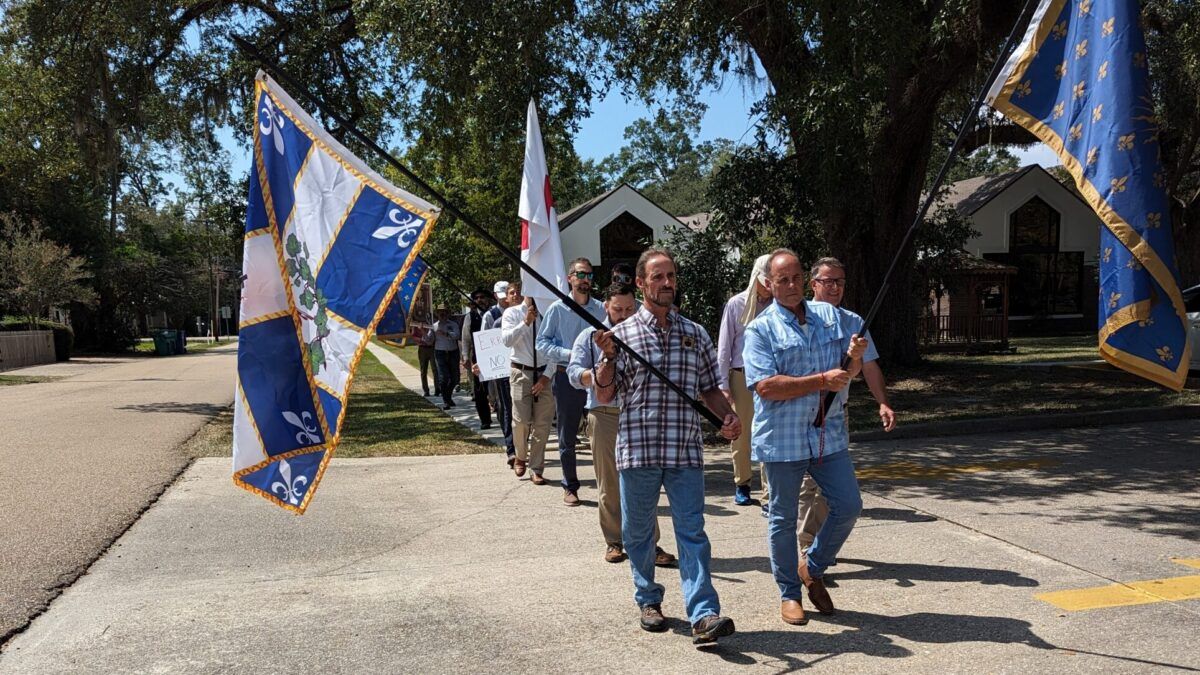 'We will not respond to antagonism, but suffer the lash as did the King of all mankind -- with humility and fortitude.'
 The Catholic Church is consolidating parishes in many major U.S. cities amid priest shortages and financial pressure from sexual abuse settlements.
 In scenes reminiscent of arthouse cinema, Wahlberg cries out to God about his life’s many limitations and losses.
 www.theblaze.com
 thefederalist.com
 www.theblaze.com
 www.theblaze.com