The potential Union Pacific merger risks upsetting America's rail industry
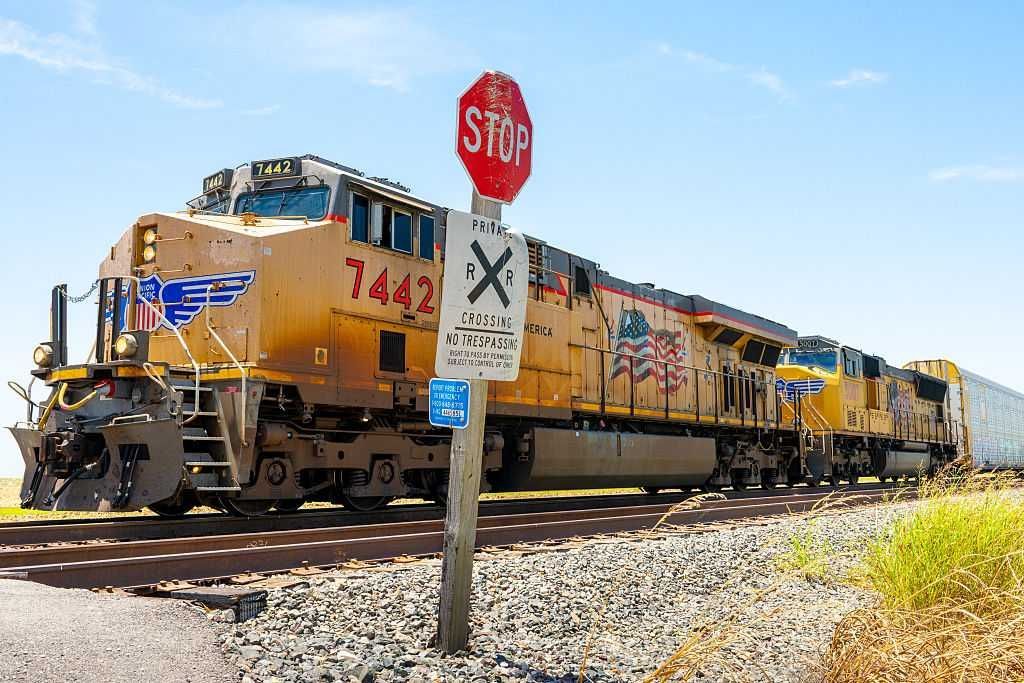
Rail transportation is the backbone of the American economy, and a proposed $85 billion merger between Union Pacific and Norfolk Southern threatens to overconcentrate market power in an already highly consolidated industry.
The consequences will ripple across the economy, raising transportation costs, weakening service, and squeezing industries that depend on rail, from agriculture to energy.
At a moment like this, regulators shouldn’t take merger parties at their word. They should demand evidence. That’s exactly what we have called for when it comes to evaluating this mega-merger, and we are pleased that the Department of Justice and the Surface Transportation Board have agreed.
This merger could further entrench consolidation in freight rail, reducing competitive options for shippers and ultimately increasing costs for businesses and consumers.
The Justice Department — in a notable recommendation consistent with its review of mergers outside the rail industry — urged the STB to require that Union Pacific and Norfolk Southern produce certain executive-level information regarding their internal assessments of the merger.
The STB took an important step in that direction on March 18, requiring Union Pacific and Norfolk Southern to turn over internal documents assessing how the deal would affect competition, pricing, and market dynamics.
These are the kinds of materials the Justice Department has long relied on to evaluate mergers because they reveal how companies themselves expect a transaction to play out.
Attorneys general across the country have warned that this merger could further entrench consolidation in freight rail, reducing competitive options for shippers and ultimately increasing costs for businesses and consumers.
The merging companies point to a limited “open gateway” commitment as proof that competition will be preserved. But Union Pacific itself dismissed similar promises in the recent Canadian Pacific and Kansas City Southern rail merger in 2023. Now it asks regulators to accept vague assurances that it will maintain open gateways at “commercially reasonable” terms without enforceable guarantees.
Union Pacific argues that the merger will drive growth, including taking 2 million trucks off the road by shifting their freight to rail. But this is an optimistic forecast that UP would face no repercussions for missing. Indeed, the recent CPKC rail merger has fallen well short of a much more modest target of 65,000 truck-to-railway conversions.
The companies also promise efficiencies and new investments but offer little detail about their pre-merger plans or whether similar gains could be achieved through other means, such as partnerships or joint ventures — much less how any such efficiencies will benefit shippers, rather than shareholders and executives.
RELATED: Digital trade corridors can fix our outdated supply chain
In other words, regulators are being asked to accept sweeping claims with limited substantiation.
The STB is right to push back on the “just trust us” approach. Internal company analyses can reveal whether executives expect service disruptions, pricing power, or integration challenges that could undermine supply chains.
They can also test whether the merger’s benefits are actually realistic. This level of scrutiny is basic due diligence, particularly in an industry where reduced competition can have economy-wide consequences, and especially when the merging railroads claim that this transaction will change American railroading for the next hundred years.
At a time when businesses and consumers are still grappling with inflation and the cost of goods, it is hard to overstate the risks of this mega-merger.
As this review proceeds, the STB should ensure that all stakeholders have the information needed to assess the merger’s true impact and the time to be heard, resisting pressure to rubber-stamp a deal this consequential for the rail industry and American consumers. Anything less risks locking in higher costs and fewer choices for years to come.
The American economy runs on rail. The STB should make sure it stays on track.
 Photo by Jabin Botsford/The Washington Post via Getty Images
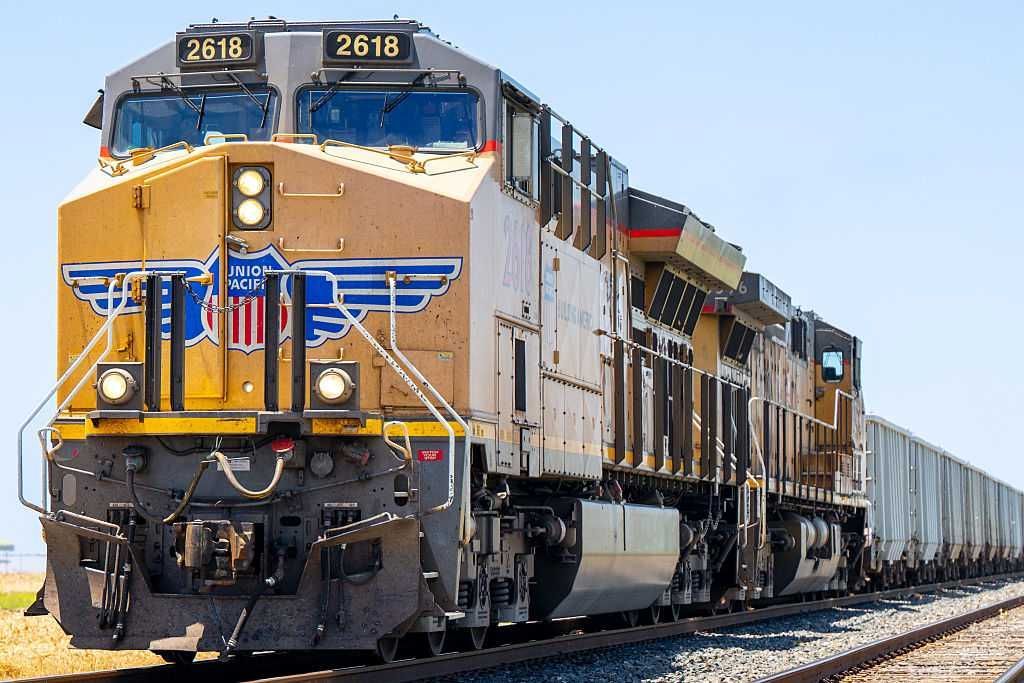 Photo by Brandon Bell/Getty Images
 Photo by Eric Lee/Bloomberg via Getty Images
 Well-placed anger can create unintended consequences because adding new layers of government control can play right into Big Business' hands.
 freebeacon.com
 www.theblaze.com
 thefederalist.com
 www.theblaze.com
 www.theblaze.com