Democrats propose purging Virginia Supreme Court so they can force through illegal power-grab
Democrats have been racking up the losses in recent weeks. In hopes of turning around their luck, they're considering the possibility of purging the Virginia Supreme Court and packing it with young yes-men.
Quick background
Following a $60 million Democrat propaganda campaign featuring former President Barack Obama, Gov. Abigail Spanberger, and other radicals, Virginia voted last month to pass a constitutional amendment that would enable the General Assembly to adopt a new gerrymandered map.
Instead of the current map, where Democrats and Republicans control and are positioned to continue controlling six and five districts, respectively, the new map would ensure that 10 out of the state's 11 congressional seats would go to Democrats in the upcoming midterm election.
'The gut-and-pack scheme sets aside any pretense of principle.'
While the Virginia Supreme Court permitted the vote on the amendment to take place, the court made clear in advance that it might ultimately have to "address" questions about the legality of the amendment and the corresponding referendum, which were deemed invalid by a lower court in the case Scott v. McDougle.
The Old Dominion's high court ruined Democrats' weekend on Friday, issuing a 4-3 decision in McDougle declaring the amendment unconstitutional. In the ruling, the court underscored that "the legislative process employed to advance this proposal violated Article XII, Section 1 of the Constitution of Virginia" because the first legislative vote on the amendment occurred after voting in the general election for the House of Delegates had already begun.
RELATED: Republican Indiana state senator has no regrets about redistricting vote
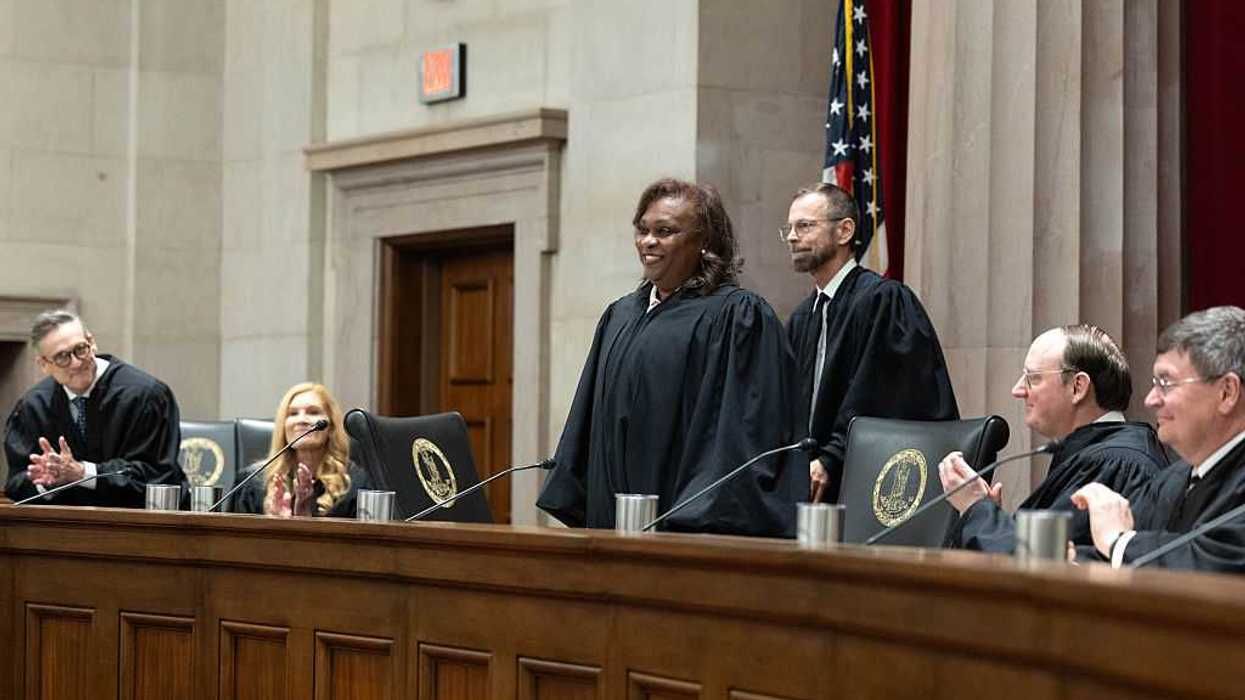
"In this case, the Commonwealth submitted a proposed constitutional amendment to Virginia voters in an unprecedented manner that violated the intervening-election requirement in Article XII, Section 1 of the Constitution of Virginia," said the court. "This violation irreparably undermines the integrity of the resulting referendum vote and renders it null and void."
As the result of ruling, the the 2021-era congressional maps, where Democrats and Republicans enjoyed a 6-5 split, will serve as the governing maps for the 2026 midterm elections.
Nuclear meltdown
Democrats bitterly lashed out at the Virginia Supreme Court over its invalidation of their illegal power-grab.
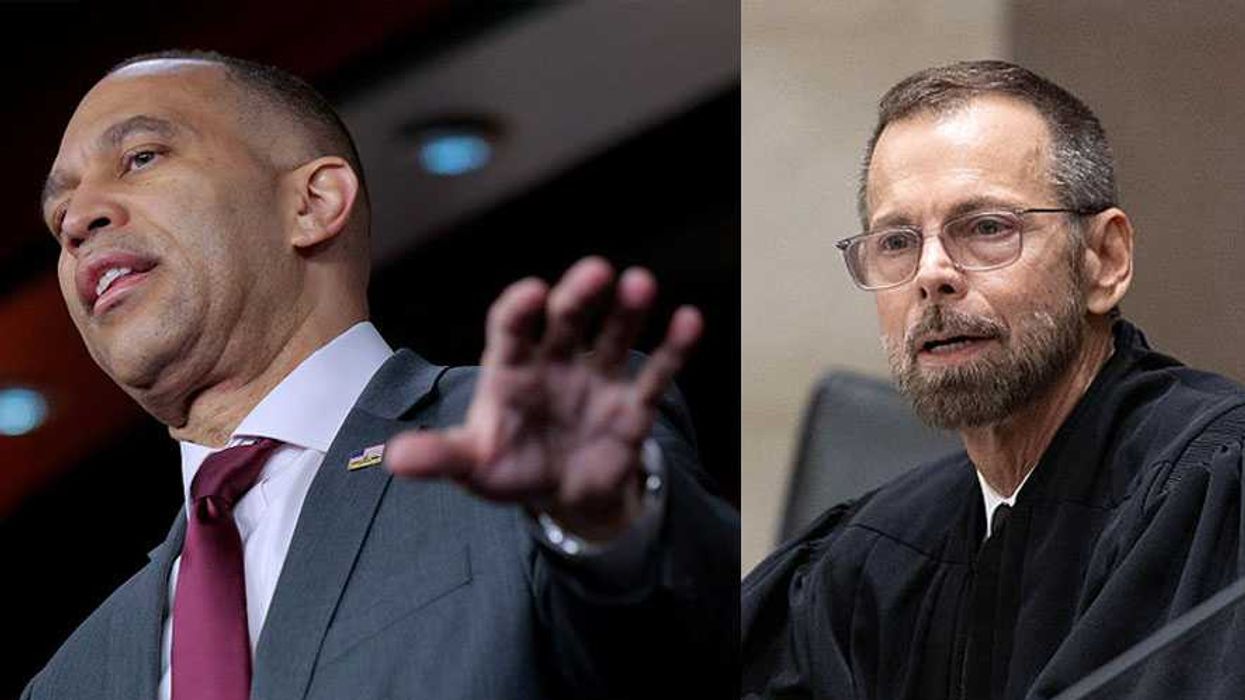
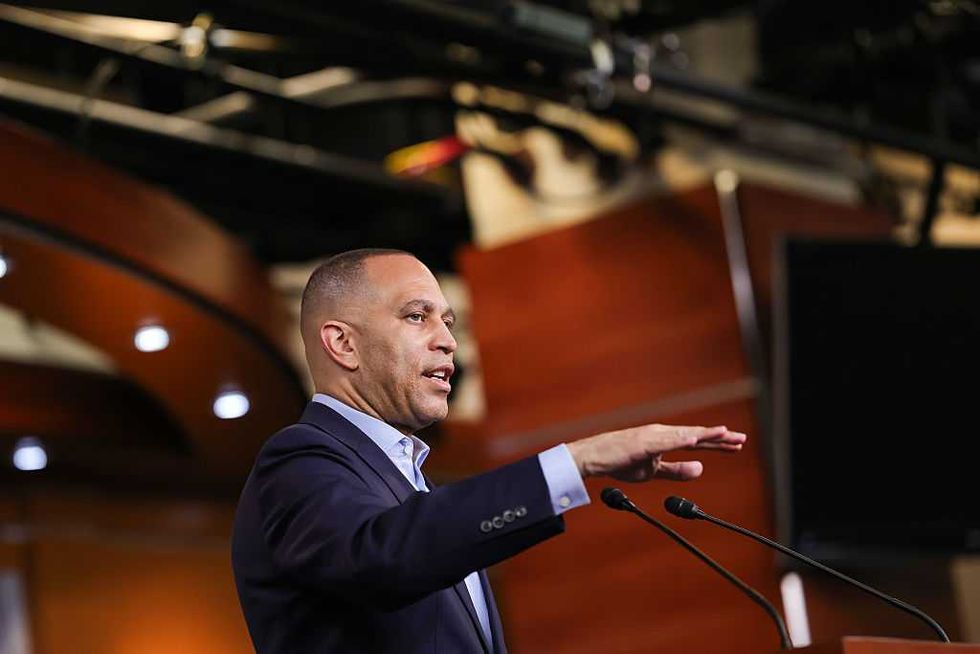
House Minority Leader Hakeem Jeffries (N.Y.), for instance, said that the "decision to overturn an entire election is an unprecedented and undemocratic action that cannot stand."
Jeffries promised that Democrats "are exploring all options to overturn this shocking decision."
Virginia Rep. Jennifer McClellan similarly claimed that "all options" are on the table and told "The Hill Sunday," "We’re going to fight every way possible, whether that’s through the courts, whether that’s through legislatures, or whether that’s at the ballot box."
While some state Democrats are hoping the U.S. Supreme Court might hear an appeal and give new life to their illegal gerrymander, others are scheming ways to eliminate key institutional obstacles to similar power-grabs in Virginia.
The steal-power-quick scheme
Democrat lawmakers including Jeffries and U.S. House members from Virginia had a private call on Saturday to discuss ways of forcing through their gerrymander and/or flipping two or three GOP-held seats under the existing map, three participants and two individuals briefed on the matter told the New York Times.
On the call, Democrats raised the possibility of purging the entire Virginia Supreme Court with the aim of handpicking justices who would reinstate their gerrymandered maps.
While Democrats might easily be able to find replacement justices whose loyalty to the ruling party trumps their loyalty to the state and U.S. Constitutions, they first need a way to empty the current bench.
According to the Times, some congressional and state Democrats are considering the possibility of lowering the mandatory retirement age for Virginia Supreme Court justices — an idea proposed in a Friday blog post by Quinn Yeargain, a woke associate law professor at Michigan State University.
"Current law sets the mandatory retirement age at 73: 'Any member who attains 73 years of age shall be retired 20 days after the convening of the next regular session of the General Assembly following his seventy-third birthday,'" wrote Yeargain. "This number is arbitrary. States around the country with similar laws mandate retirement across a wide range of ages. Virginia lawmakers can simply lower theirs. Make it 54 for Supreme Court justices — the age of the youngest justice, Stephen McCullough, who joined the majority opinion — and make it take effect immediately."
The plan, as reportedly laid on Democrats' Saturday call, would consist of multiple steps:
- In his January ruling in McDougle, Tazewell County Circuit Court Judge Jack Hurley declared invalid the Virginia constitutional amendment effort to gerrymander the maps because county officials had failed to post notice of it at courthouses and other locations at least three months before the election. Democrats would attempt to use this ruling to invalidate the 2020 constitutional amendment that created Virginia's independent redistricting commission. Democrats, if successful in arguing that insufficient notice was given in the case of the commission-creating amendment, would be able to enact whatever map they wanted.
- In order to ensure that this subversive plot could proceed, Democrats in the General Assembly would reportedly lower the mandatory retirement age for the Virginia Supreme Court justices to 54, thereby forcing out all current justices. Instead of principled authorities on the bench, the General Assembly would appoint Democrat lawyers to fill the vacancies.
The Times' sources involved with the call said that Spanberger, who would have to sign off on any legislation that lowered the judicial retirement age, had not been briefed on the proposal.
Jeffries' spokesman declined to provide the Times with comment. Virginia Senate Majority Leader Scott Surovell (D) similarly declined to provide comment.
U.S. Rep. Suhas Subramanyam (D), the son of Indian immigrants, said that he was among those on the call supportive of the plan to purge the state's supreme court.
"Everyone has got to have a strong stomach right now; this is a complete disaster waiting to happen if people are timid," said Subramanyam.
By contrast, Ryan McDougle, Republican leader of the Virginia Senate, said, "This is a brazen assault on our democracy.
"In our nation's 250th Anniversary, Democrats knowingly violate the Constitution, ram through deceptive ballot language to deceive and divide voters, then demand the Court not rule until after the vote. These hypocrites now pretend to defend democracy by removing lawfully appointed Supreme Court Justices because they blocked their illegal rewrite of the Constitution."
The Virginia GOP stated, "Those claiming to care about fairness and democracy should respect the rule of law instead of threatening to pack the Supreme Court and nullify the Virginia Constitution."
Legal scholar Jonathan Turley wrote, "The sack-and-pack scheme sets aside any pretense of principle. The Democrats would simply adopt a ridiculously low retirement age for the sole purpose of populating the court with reliable and robotic justices. The fact that an academic and various pundits would expressly float such an idea is another chilling reminder of the growing radicalization on the left."
Like Blaze News? Bypass the censors, sign up for our newsletters, and get stories like this direct to your inbox. Sign up here!

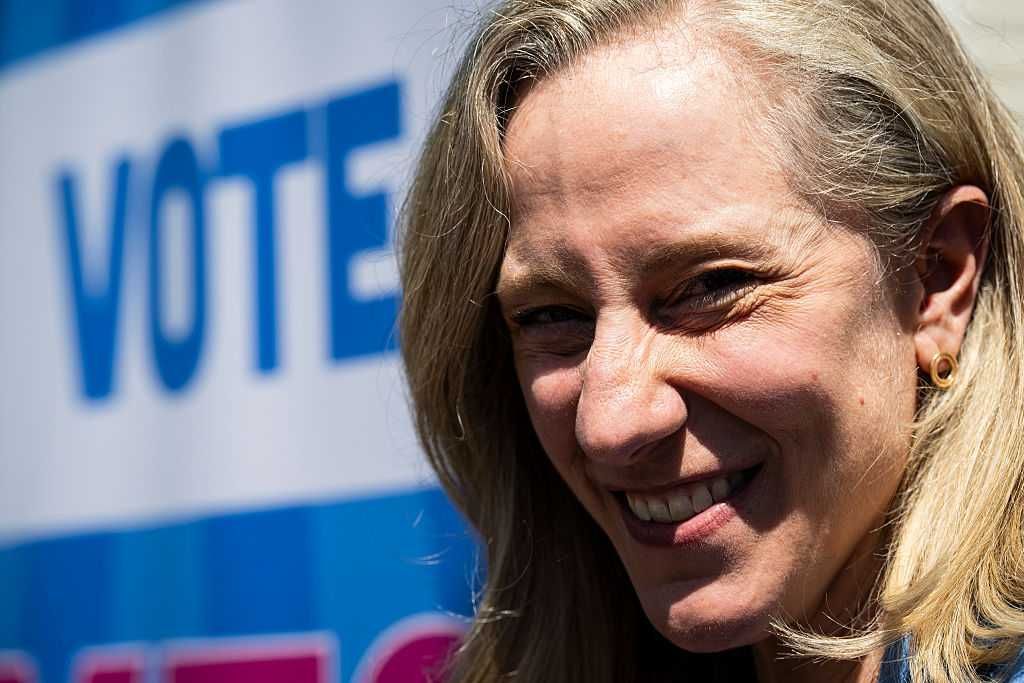 Virginia Gov. Abigail Spanberger (D), a supporter of the gerrymandering scheme. Graeme Sloan/Bloomberg/Getty Images
 A judge blasted the Dems' flowery ballot language as 'flagrantly misleading', failing to 'accurately describe the proposed amendment.'
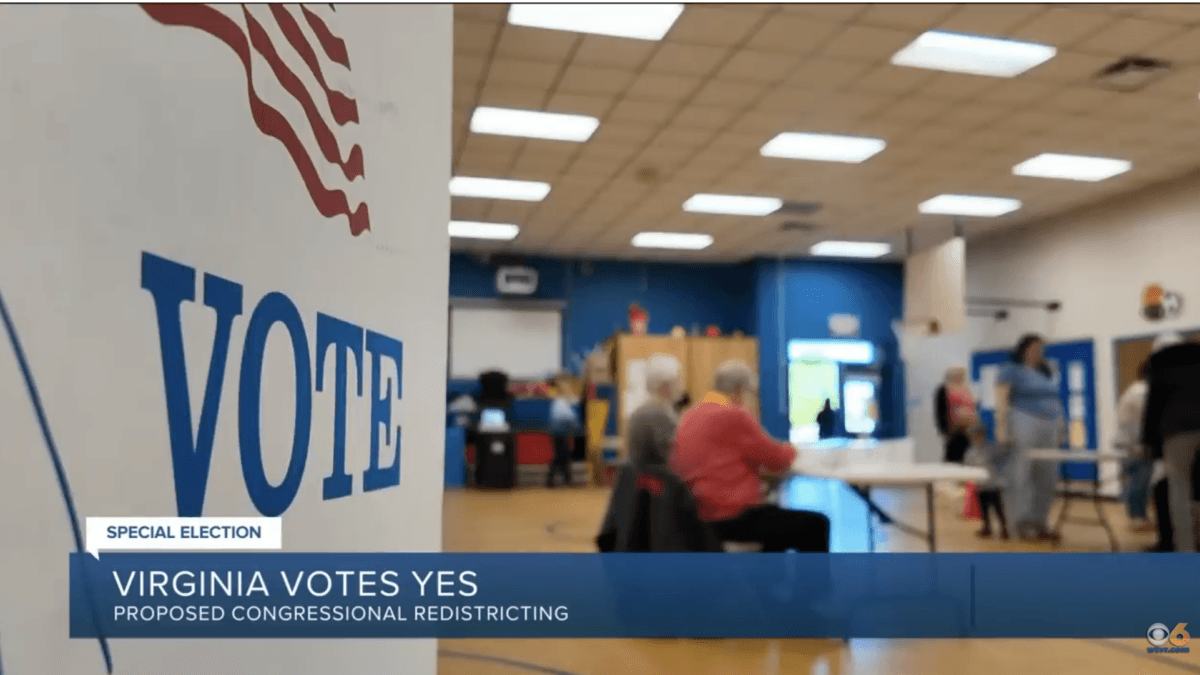 In short, Virginia’s statewide election was a national election. The only problem, frustrated Republicans say, the GOP didn’t get that.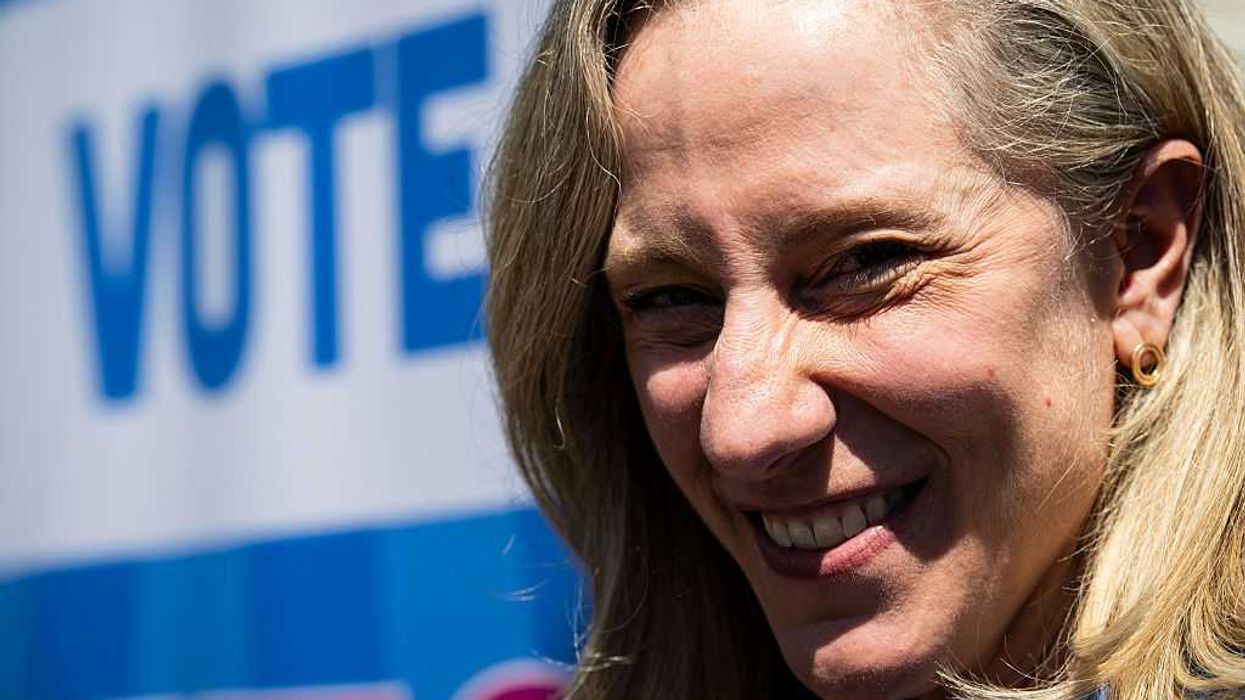
 Anna Moneymaker/Getty Images
 While the left's naked power grab may be hypocritical, partisan map-making is not the problem — legally speaking.
 Democrats in Virginia currently have the balance of power in their favor, but ballot language should not be.
 Increasingly unpopular Virginia Gov. Abigail Spanberger has deferred consideration of several extreme gun control bills until after the state’s referendum on Democrats’ gerrymandering scheme. The all but certain political move by the commonwealth’s leftist governor was announced Tuesday, when Spanberger revealed that she had sent the bills in question back to the Democrat-run General Assembly […]
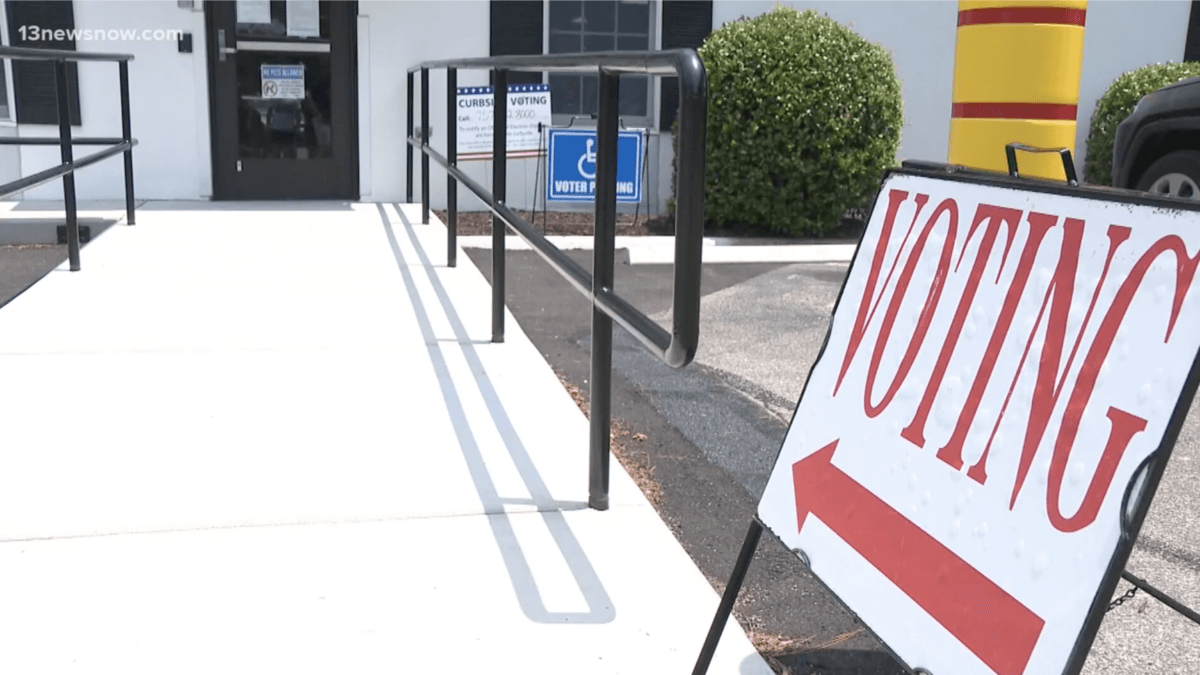 Chris Marston, general counsel for the Virginia GOP, said early voting has seen “much higher” Republican turnout than usual.
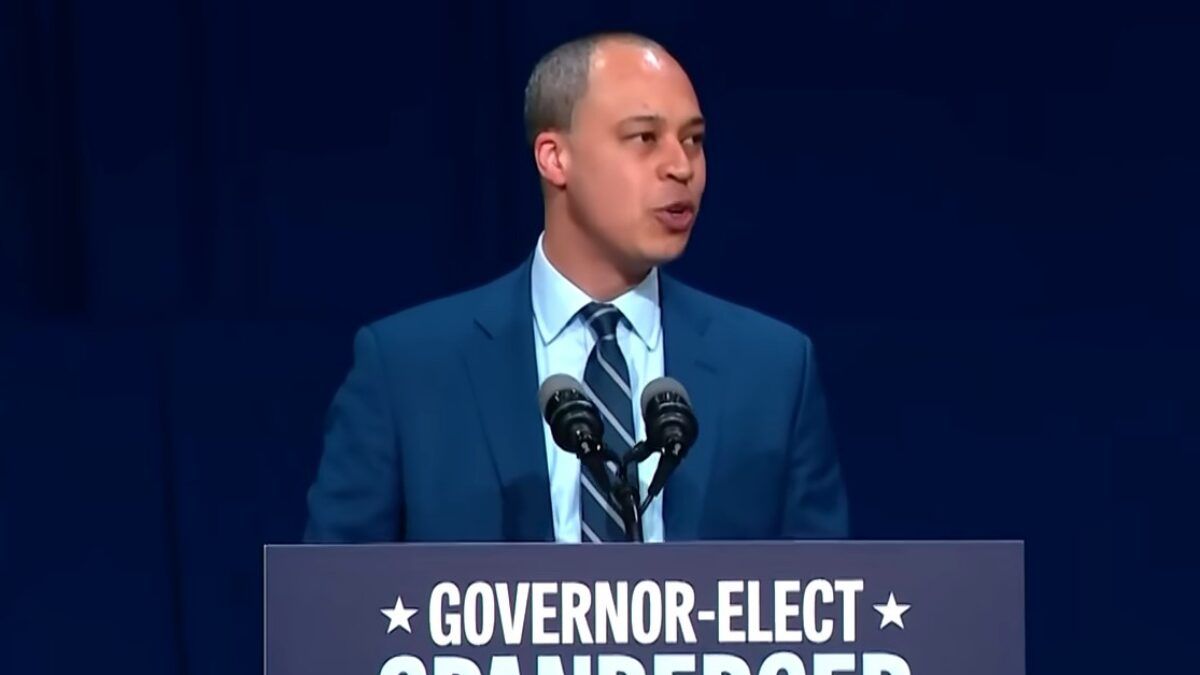 The judge ruled that the constitutional questions about the election needed to be answered after votes were cast.
 www.theblaze.com
 www.theblaze.com
 thefederalist.com