Taking the scenic route to a very serious Republican problem
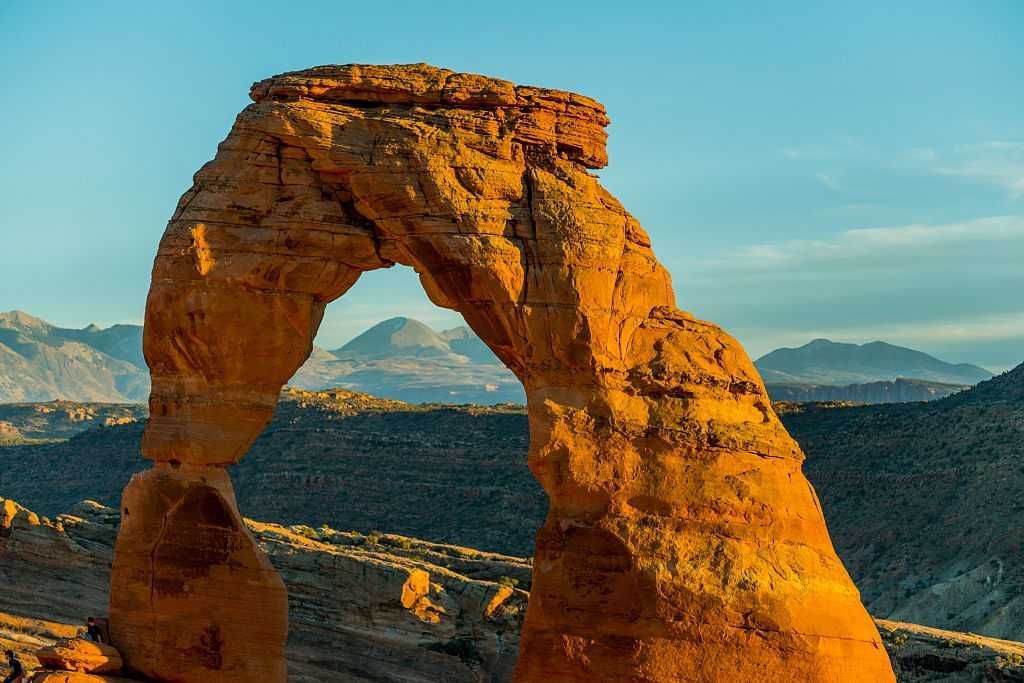
By the time you read this, my friend and managing editor Rob Eno and I should be somewhere in the Mountain West, headed southeast toward Dallas.
We are taking the scenic route.
The Republican Party is a house divided.
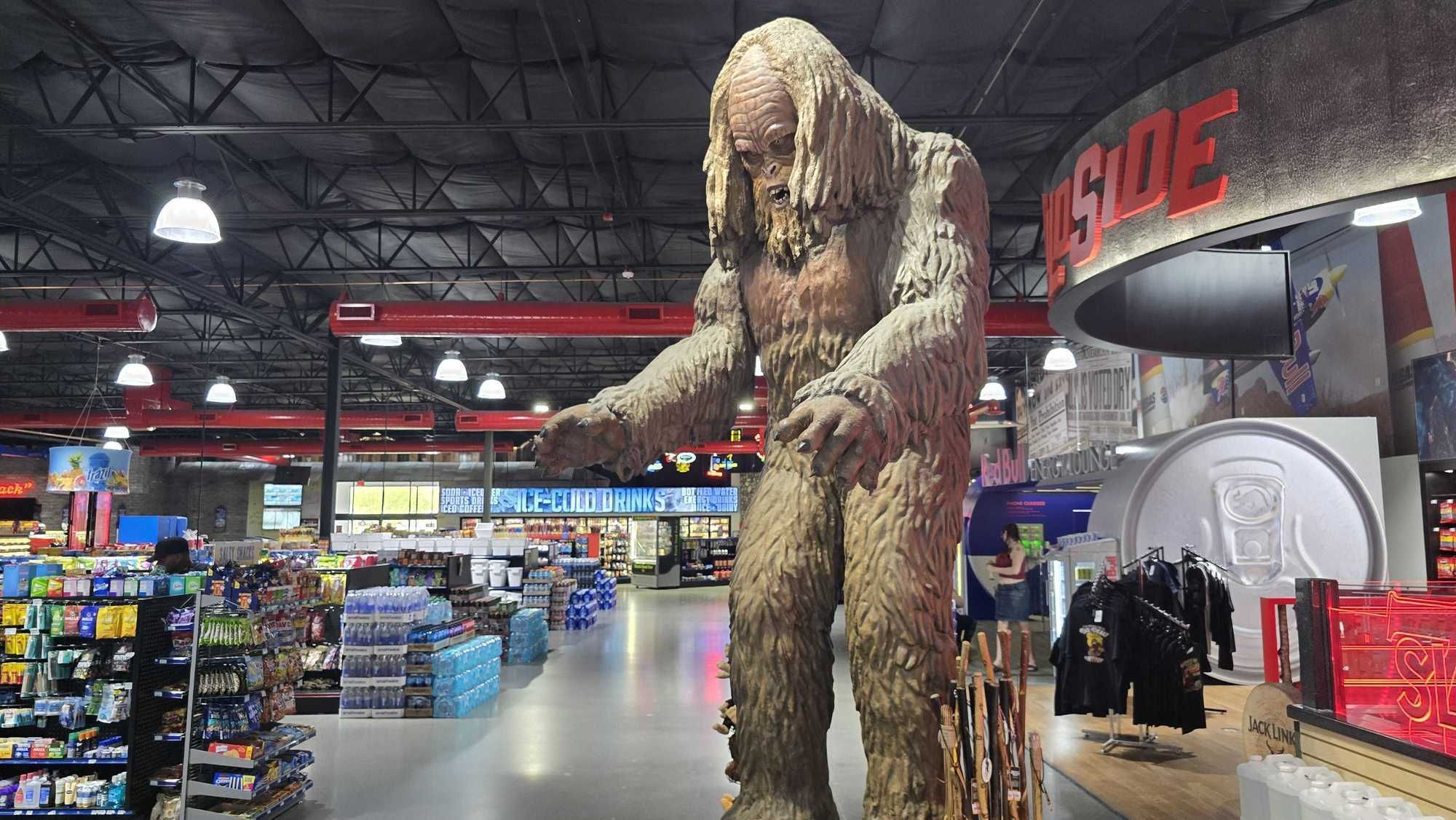
We took off Friday in a rental car from Inland Southern California. This was not entirely my idea. My doctor advised me not to fly for the time being, on account of a “blood pressure-induced event” in late March. Eno required remarkably little persuasion to turn a business trip into an expedition. He collects counties. He loves Buc-ee’s. He is weirdly excited about a 13-foot Sasquatch at a Terrible’s in Jean, Nevada.
We are also stopping in Moab, Utah, on purpose.
I have owned Edward Abbey’s “Desert Solitaire” for years and have never read it — an oversight I have always assumed I would get around to correcting eventually.
So naturally, we’re going to Moab to pay homage to a writer I respect but haven’t read.
There will be plenty more levity along the way. I expect Rob and I will have developed three podcasts and sketched out a couple of book proposals before the trip is over.
The destination calls for a bit more gravitas, however.
We're going to Dallas as part of Blaze Media’s coverage of the Republican National Committee’s first-ever midterm convention, a two-day spectacle at the American Airlines Center. President Trump will appear both nights. Vice President JD Vance will keynote the first night.
This is a big deal. Not necessarily because the convention needs to happen. Good Lord, no.
Nobody is being nominated for anything. There are no delegates fighting over a platform or credentials. Republicans are spending a princely sum of money to stage something resembling a presidential nominating convention two years before the next presidential election.
It’s political theater, pure and simple.
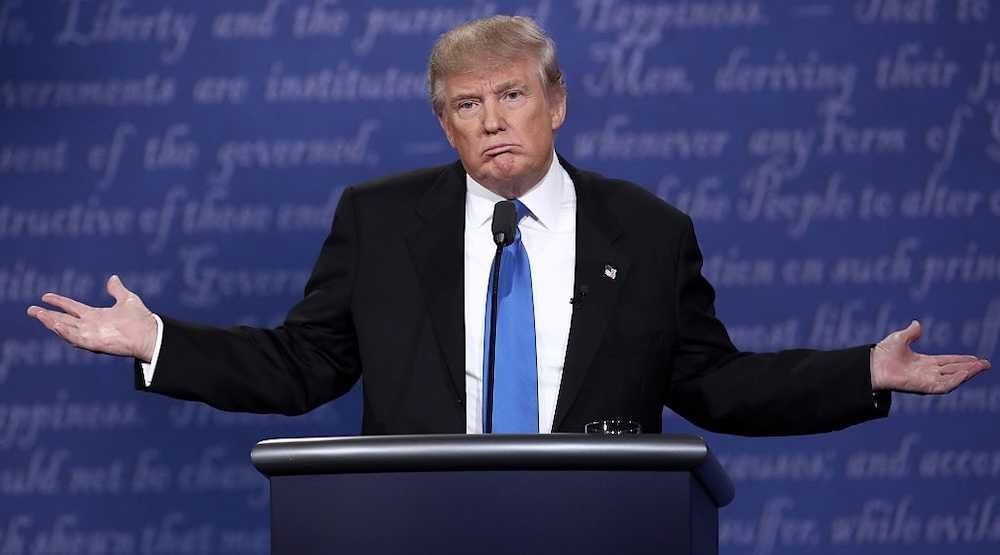
Donald Trump, of course, understands the business of show very well. He wants a spectacle ahead of a midterm election that could be very bad for Republicans.
Notice the conditional: could.
RELATED: Sorry, socialists: The internet saved your homework
I offer no predictions. The conventional wisdom says the president’s party loses seats in a midterm. Republicans have a razor-thin House majority. Trump has political problems. Nobody likes the war in Iran. Nobody likes the high cost of living. Nobody wants to pay $20 for a burrito, assuming such a thing exists. Republicans know they need to persuade voters that the country is moving in the right direction. Those anxieties are part of the reason Dallas is happening at all.
But Democrats possess a remarkable talent for self-immolation.
We have seen it with Graham Platner in Maine. We may be watching it in Michigan, where Abdul El-Sayed has spent precious weeks creating problems for himself with Jewish Democrats that Republicans would be foolish not to exploit.
Then again, Democrats can be ruthlessly effective when they choose to be. They have killed candidacies that became liabilities and cleared paths for stronger nominees. Anyone who remembers what the party establishment did to Bernie Sanders in 2016 — or how quickly Democrats jettisoned Joe Biden in 2024 — should hesitate before assuming they will simply stand around while Republicans win.
The Republicans have problems of their own, and they run deeper than any generic ballot.
Like it or not, the Republican Party is very much a house divided.
What remains of the Bush-Romney establishment still possesses considerable institutional power, especially in Congress. It is conservative in the least attractive sense of the word: hidebound, risk-averse, and frequently several election cycles behind its own voters.
MAGA defeated that establishment without entirely replacing it.
Trump transformed the Republican electorate. He changed its language, its priorities, its geographic base, and its relationship with the working class. But he also made himself indispensable to the coalition he created.
That’s dangerous.
Trump is 80. The Constitution bars him from another term. Sooner rather than later, Republicans will need to answer a question they have spent a decade avoiding: What is Trumpism without Trump?
RELATED: Who gets the GOP when Trump is gone?
If the answer is “nothing,” the Republican Party is in much worse trouble than any poll can measure.
Maybe Dallas will provide a glimmer of an answer. Maybe JD Vance will be the heir. Maybe, just maybe, economic nationalism, immigration restriction, and a less interventionist foreign policy can become a durable governing program rather than the preferences of one extraordinary political personality.
Or maybe the convention will simply be a very expensive show about Donald Trump.
Eno and I should have a better idea by Wednesday.
But first we need to traverse the mountains and the desert.
And see the Sasquatch.
 A Maryland judge has enjoined the state's Board of Elections from pushing out a ballot question drafted on the back of a broken law.
 The latest act by Democrats proving that once again November’s midterm elections come down to the sane versus the insane.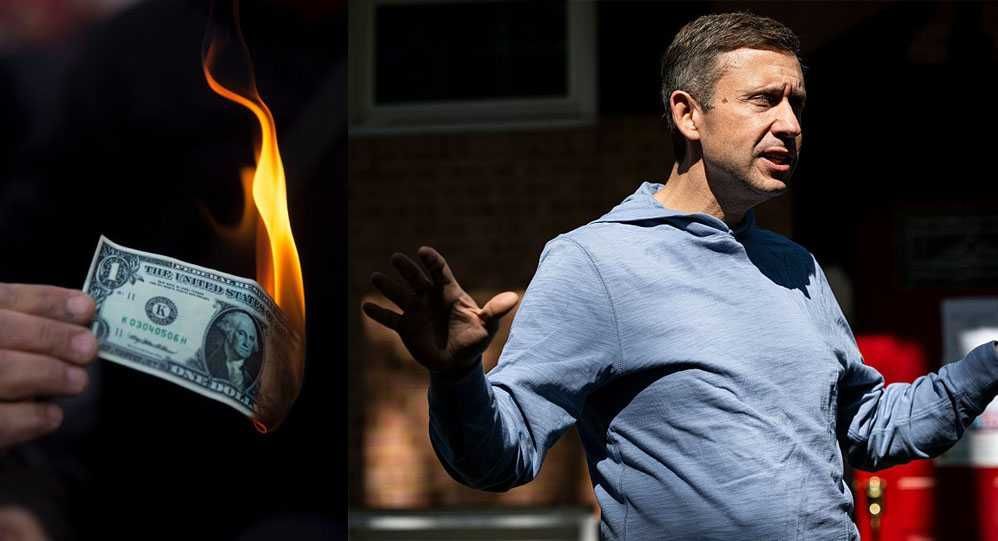
 Spencer Platt/Getty Images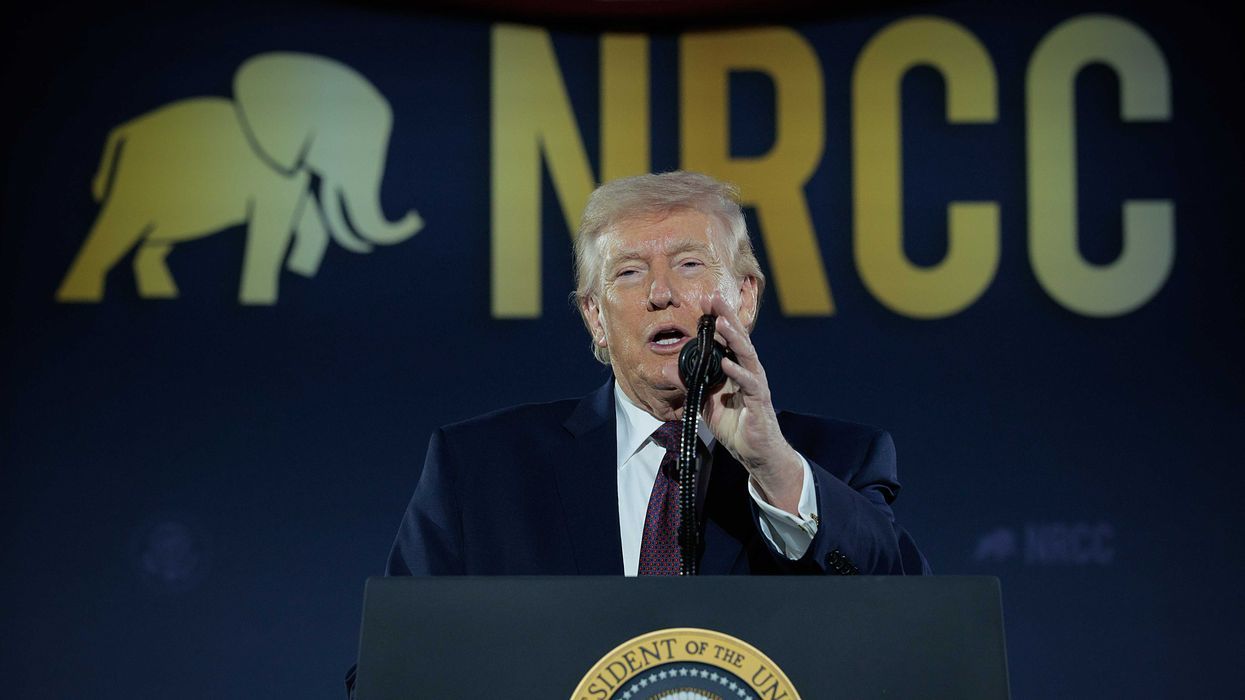
 Tom Williams/CQ-Roll Call, Inc/Getty Images
  The Campaign Legal Center (CLC) is suing to reverse an FEC opinion that allows coordination between candidates and like-minded groups.
 Elections officials will be required to use jury duty records to identify and remove noncitizens from the voter rolls.
 'That’s not a crack, that’s a huge gap,' Mark Demo, of Citizens for New Jersey Election Integrity, said of New Jersey's dirty voter rolls.
 Tom Williams/CQ-Roll Call Inc./Getty Images
 Andrew Leyden/Getty Images
 www.theblaze.com
 www.theblaze.com