Congresswoman Joyce Beatty Left With Egg On Her Face After Suing Donald Trump
'Email Vanished Somewhere'
A quiet but dangerous conflict is brewing within President Trump’s foreign policy team — a battle between the true red America First voices who made his first term successful and the same old neoconservative ideologues who have derailed U.S. diplomacy for decades.
Heightened by the bombing of Iran, this clash made headlines again earlier this month. This time, it was over botched negotiations over the return of Americans currently held by the socialist Venezuelan government.
Marco Rubio’s hatred of Latin American socialism is clear, but that shouldn’t come at a strategic cost to our country.
Trump’s special envoy Richard Grenell, a realist to his core, was on the verge of brokering a deal that would have secured the release of imprisoned Americans in exchange for Chevron’s continued operations in Venezuela. It was classic Trump diplomacy: bold, transactional, results-oriented.
But Secretary of State Marco Rubio intervened. The State Department made a much less attractive and watered-down proposal to repatriate 250 Venezuelan aliens in exchange for the American prisoners. The interests of the U.S. oil industry were completely ignored.
Wires were crossed, and the talks collapsed.
Two lessons are evident: The first and most obvious is that Grenell is responsible for talks with Venezuela and that he is the only U.S. figure Venezuela trusts — a point that shouldn’t be undermined.
The second is that Trump’s transactional diplomacy, represented by Grenell, works — when it’s allowed to. We’ve seen this with Steve Witkoff’s trips to the Middle East and the president’s own handling of NATO.
The Venezuelan government wants to negotiate with Grenell and Grenell alone — and for good reason. He speaks the language of leverage, not lectures. As special envoy, he has built a diplomatic channel that has delivered in the past. In January, for example, Grenell secured the release of six Americans, a great achievement.
RELATED: Biden did that? No, it’s Marco Rubio making gas prices skyrocket this time
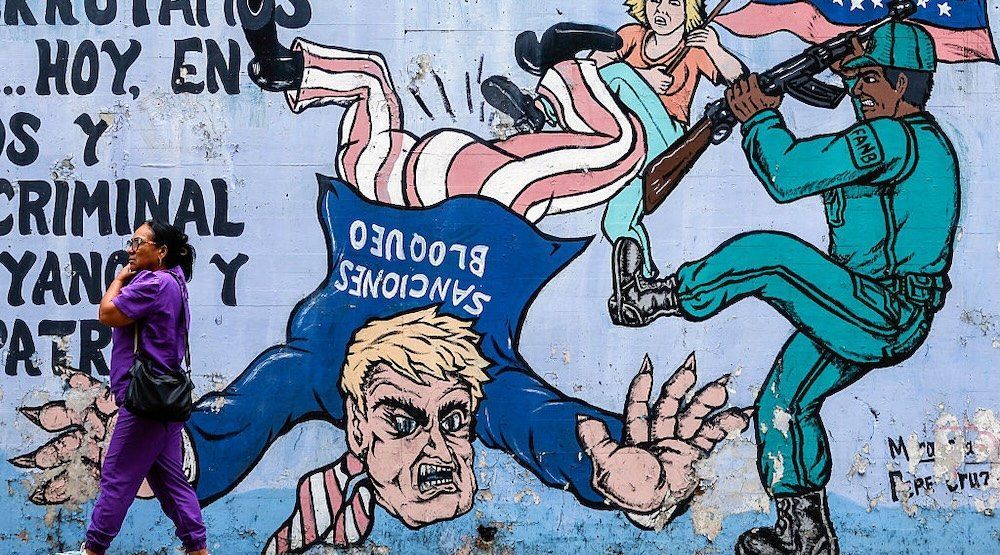
In contrast, Venezuela all but refuses to communicate with Rubio. They see him as persona non grata. His methods, based on intervention and blunt force, are bound to fail.
This is particularly true now that we live in a world where U.S. dominance is not guaranteed. And as the United States has isolated Venezuela, the Latin American nation has been pushed deeper into Beijing’s orbit.
Oil exports to China, for example, have surged since Chevron’s license to operate was canceled in May. In turn, Venezuelan exports to the U.S. and its capitalist allies have cratered.
Rubio’s hatred of Latin American socialism is clear, but that shouldn’t come at a strategic cost to our country. This isn’t a diplomatic blunder. It’s a threat to U.S. energy security and a betrayal of Trump’s promise to bring down prices at the pump.
We want Venezuelan oil and gas to head to the U.S. Gulf Coast, not Beijing. We need to protect the Monroe Doctrine, which says that no outside power should have a foothold in the Western Hemisphere.
The importance of energy security cannot be overstated. For an administration elected in large part on its promise to cut gas prices, it is a big mistake to turn our backs on Venezuela’s hydrocarbon reserves, the largest on earth.
Doing so increases American dependence on Canadian oil — not a smart move as we fight a trade war with Prime Minister Mark Carney — and on suppliers in a volatile Middle East, where Iran still looms large.
This is not to mention that the policy of isolation is damaging to Chevron, a champion of the American oil industry.
Under its former special license, Chevron was pumping out nearly a quarter of a million barrels of oil per day. This went straight to thirsty refiners on the U.S. Gulf Coast, which depend on Venezuela’s unique heavy crude oil. That lifeline has been cut, and it’s American consumers who will pay the price.
Grenell understood this and so wrapped Chevron’s status into his negotiations, a deal that put American interests first. Rubio, on the other hand, prioritized an ideological pursuit of regime change over American energy security.
President Trump should intervene.
He praised Grenell’s successful negotiations in January and should make clear that Venezuela policy is not for Rubio to decide. The goal is clear: Bring our citizens home, restart Chevron’s work, and reassert U.S. influence in our own hemisphere.
Grenell, with renewed powers, should return the United States to a policy of strategic engagement. That’s what America First really looks like. That’s the approach to foreign policy promised to us in 2024. That’s the MAGA way.
It’s time to put the neocons back in the box and go back to the bold, pragmatic diplomacy that made Trump’s first term — and will make his second — a victory for everyday Americans and a triumphant return to common sense.
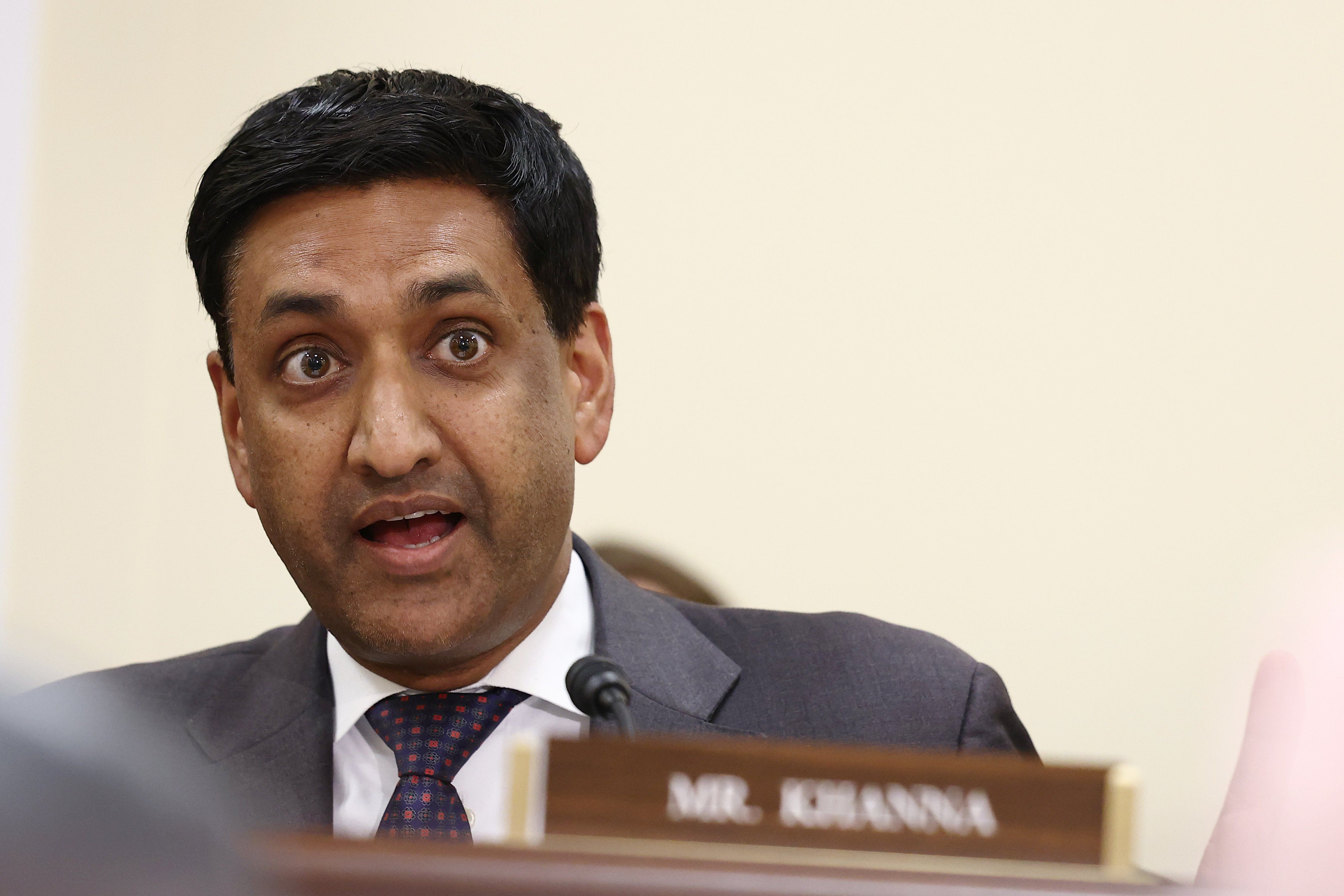
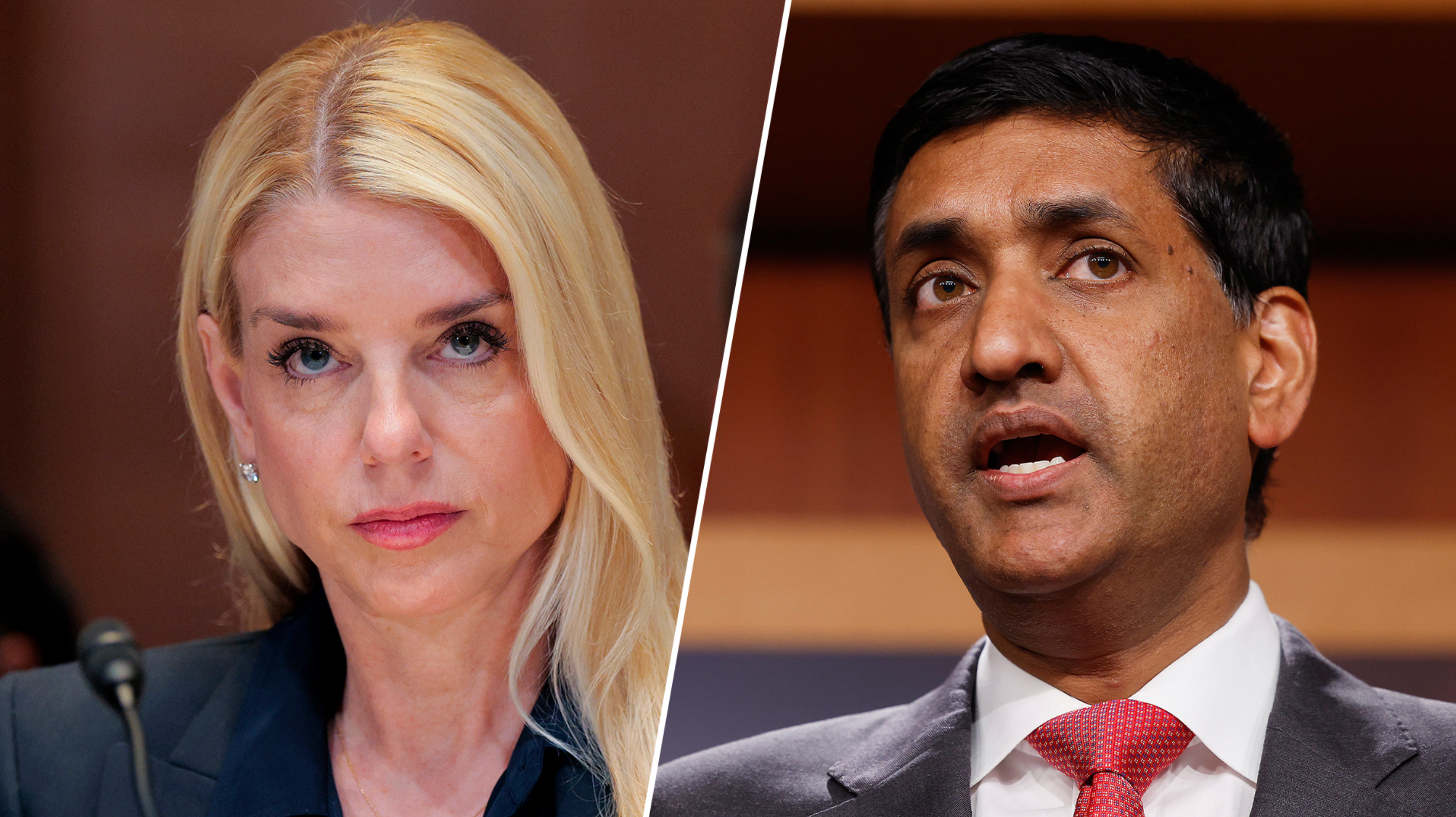
Democratic Rep. Ro Khanna of California is pouncing on the political saga surrounding the Epstein files, and he's taking his mission to Congress.
Khanna proposed an amendment to the GENIUS Act on Tuesday, which would force Attorney General Pam Bondi to make all Epstein-related records "publicly available" on a website within 30 days. This push for transparency comes as President Donald Trump and his administration have doubled down in defense of Bondi, who insisted there was no client list.
"Why are the Epstein files still hidden?" Khanna asked in a post on X. "Who are the rich & powerful being protected?"
"The Speaker must call a vote & put every Congress member on record," Khanna added.
'Let the chips fall where they may.'
RELATED: Bongino and Bondi clash over botched handling of Epstein files
After the Department of Justice leaked the now infamous Epstein memo, the MAGA base was sent into a tailspin. There has even been infighting within the administration, with a source familiar with the situation confirming a clash between Bondi and FBI Deputy Director Dan Bongino.
Although many, including Khanna, are dissatisfied with the botched handling of the Epstein files, other right-wing voices have criticized the Democrat for being opportunistic.
"I’ll take Something You Didn’t Ask For When Sleepy Joe Was in Charge for $500," Richard Grenell quipped in a post on X.
"If Democrats are so worried about the Epstein files and Epstein they shouldn't have Bill Clinton speaking at every DNC and democrat campaign event," Meghan McCain said in a post on X. "Like, who are we kidding here?"
RELATED: FBI, DOJ Epstein memo sparks right-wing outrage: 'Nobody is believing this'
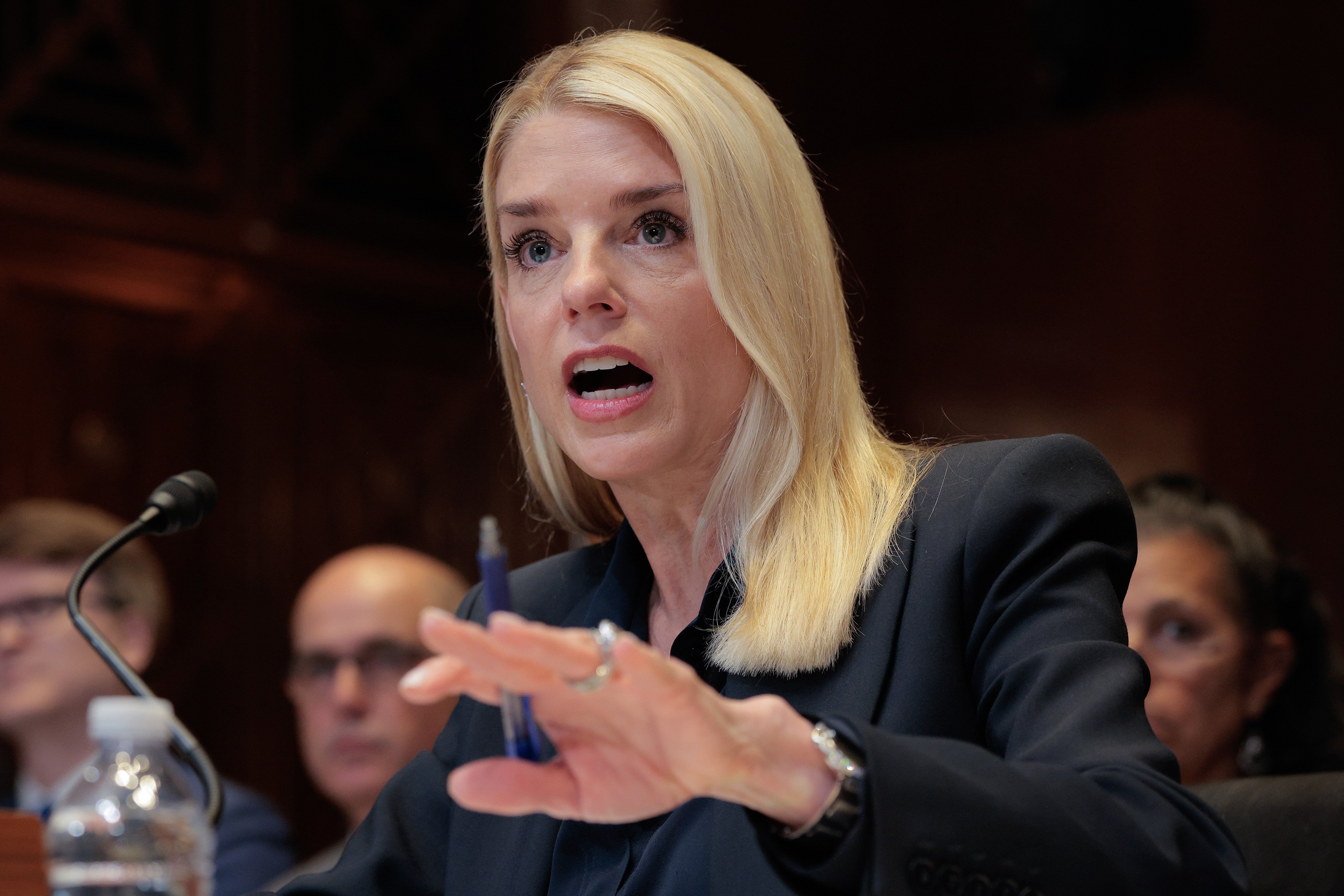
Khanna responded, signaling that the criticisms were fair but that it's more important to deliver results to the American people.
"I am just saying we should get the files out there on a bipartisan basis to restore trust," Khanna said in response to McCain. "Let the chips fall where they may."
"The criticism I am receiving is Biden should have done this," Khanna said in another post on X. "Fine. But what is good now for the public? When we have a future Dem President, if Rs say let's support Medicare for All or tax the wealthy, I wouldn't call them out about the past. I'd say great. Let's get it done!"
Like Blaze News? Bypass the censors, sign up for our newsletters, and get stories like this direct to your inbox. Sign up here!
A Washington state man held captive in Venezuela for months will soon be reunited with his family after Trump officials intervened in his case.
Joseph St. Clair — a veteran of the U.S. Air Force suffering from what his mother, Patti St. Clair, described as "severe PTSD" — went missing in November during the final weeks of the Biden administration after traveling to Colombia for treatment. Three months later, St. Clair's father, Scott St. Clair, received a call from the Colombian consulate claiming that Venezuelan dictator Nicolás Maduro's regime had taken Joseph hostage.
The federal government officially declared St. Clair wrongfully detained.
'We are overwhelmed with joy and gratitude.'
"Can you imagine his fear? Can you imagine the isolation that he must be feeling battling his unseen scars in a foreign prison, unsure if help is even coming?" Patti St. Clair said at a "Bring Our Families Home" event in Washington, D.C., in April.
At some point after President Donald Trump retook office, Trump, presidential envoy for hostage affairs Sebastian Gorka, Adam Boehler, and U.S. special envoy Richard Grenell began negotiating with Venezuelan authorities to secure St. Clair's release.
RELATED: Trump gets Venezuela to repatriate violent illegal aliens
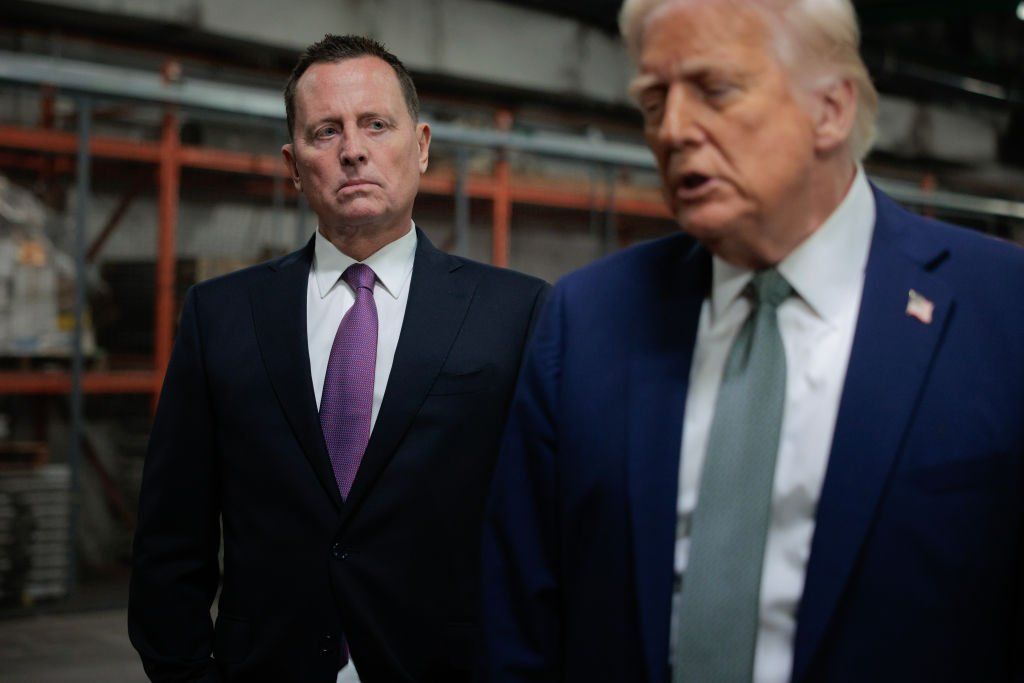
The talks must ultimately have been successful, because St. Clair was released to Grenell on Tuesday, his family said in a statement.
"This news came suddenly, and we are still processing it — but we are overwhelmed with joy and gratitude," his parents said in a statement.
Other details regarding his detainment and release remain unclear.
St. Clair served four tours in Afghanistan. He is originally from Hansville, Washington, along the shores of Puget Sound.
St. Clair was one of at least seven Americans detained in Venezuela since Maduro declared victory in a highly controversial election last July. Even the Biden administration questioned the results of the vote, with then-Sec. of State Antony Blinken expressing "serious concerns."
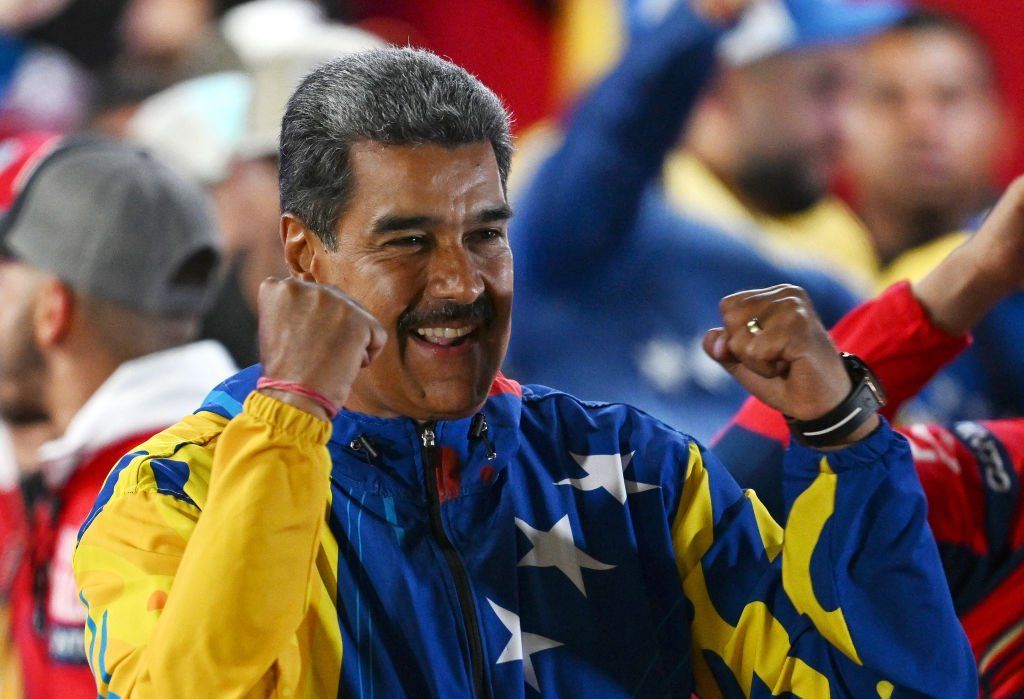
Six others were released back in February after Grenell met with Maduro.
Now that St. Clair has been released, at least 37 American hostages from countries including Afghanistan, Israel, Russia, and Kuwait have been released since Trump's inauguration in January.
"We remain in prayer and solidarity with the families of those who are still being held," the statement from the St. Clairs said. "We will never stop loving and supporting them as they continue their fight to be reunited with their loved ones."
Like Blaze News? Bypass the censors, sign up for our newsletters, and get stories like this direct to your inbox. Sign up here!

 www.theblaze.com
 thefederalist.com