Thank you, Sophie Cunningham


Too many people scare themselves into silence by making courage more complicated than it is.

For years, women such as Jennifer Sey and Riley Gaines have carried the hopes, safety, and opportunities of girls on their shoulders. We applaud them, share their interviews, and call them brave. Then we tell ourselves that we could never do what they do.

The next voice does not have to be famous. It may have to be yours.

That’s easy. Speaking when the consequences belong to us is much harder.

Only four years ago, Gaines was a college swimmer preparing to graduate and attend dental school. She had no national platform, political résumé, or plan to become one of the country’s most recognizable advocates for women’s sports.

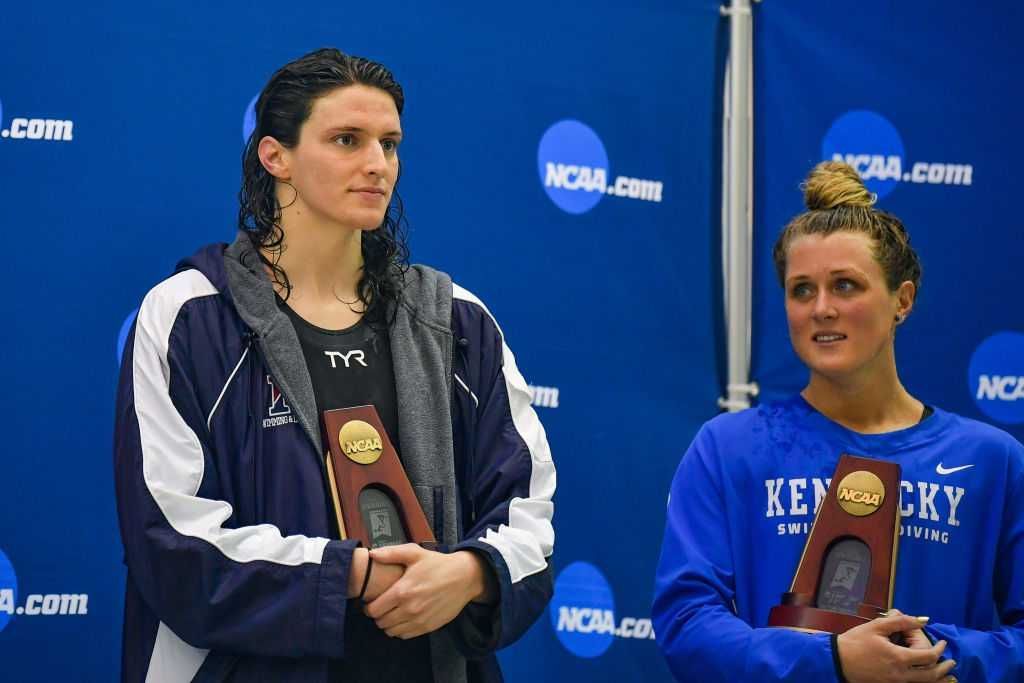
Hundreds of female swimmers were forced to compete against and share a locker room with Lia Thomas. Gaines became the name people remember because she decided that what happened required more than private disapproval.

Now we see the television appearances, speeches, photo shoots, merchandise, and crowds. We see a confident and articulate woman who has become exceptionally good at public advocacy.

What we forget is that she had to begin before she felt ready.

I know that temptation.

Nearly five years ago, at 18, I helped pass Iowa’s Save Girls Sports law, which bars male athletes from competing in women’s sports. I wrote articles, gave interviews, posted information online, and spoke at the state Capitol.

I also felt overwhelmed and badly underqualified. I was called a bigot and a transphobe. I received harassment and death threats. Being compared to a Nazi was not how I expected to spend my senior year of high school.

Over time, I learned to make peace with the insults. If someone cannot acknowledge the difference between a man and a woman, that person’s condemnation says more about his relationship to truth than it does about me.

But my 18-year-old self had not learned that yet.

During one of my first interviews, on BlazeTV host Allie Beth Stuckey’s “Relatable” podcast, I admitted that something had to be done but insisted that plenty of people were better equipped to do it.

Stuckey answered with a sentence I have carried ever since: “God doesn’t call the equipped. He equips the called.”

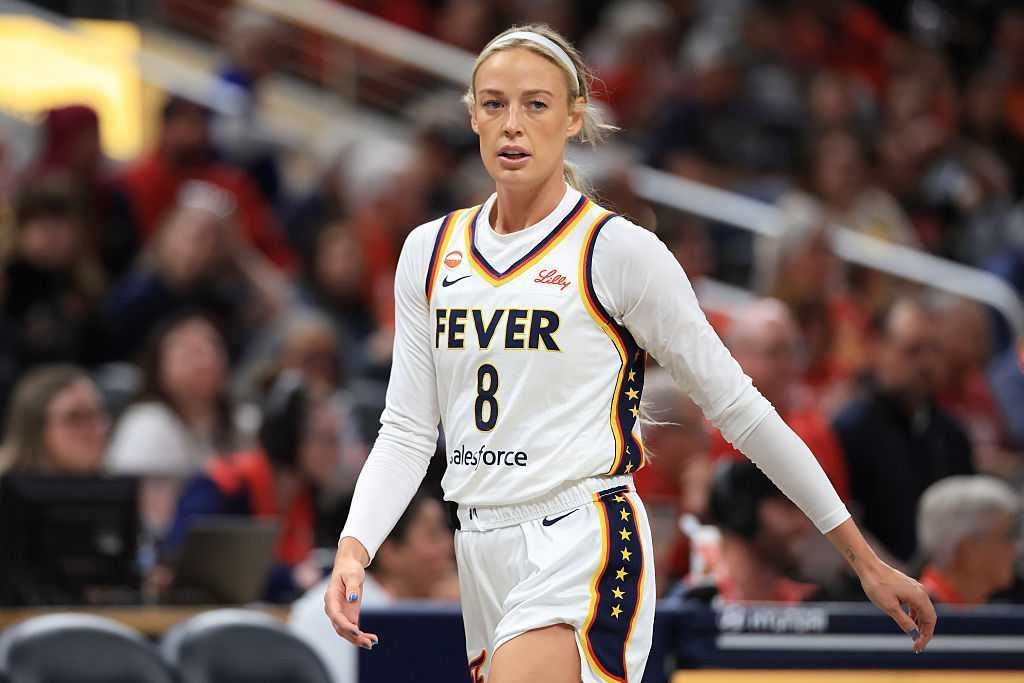
That is what I love about Sophie Cunningham. The WNBA guard did not deliver a complicated manifesto when she defended women’s spaces. She stated a basic truth plainly.

“I think that I am here to extend love,” Cunningham said. “But I also think with that love is truth, being honest. And I want to protect young girls in a locker room, or young girls in sport who shouldn’t have to go against biological men.”

When reporters pressed her, she did not retreat into qualifications or issue the ritual apology expected of public figures who violate progressive etiquette.

“I think I said what I said.”

That’s it. It’s that simple. And the answer resonated because it stripped away the excuses people use to stay silent.

RELATED: How the WNBA’s hottest star became the left’s newest headache
Michael Hickey/Getty Images

Men and women are different. Girls deserve privacy, safety, and fair competition. Saying so may provoke anger, but the argument itself is not difficult.

Cunningham’s example is more than a headline or slogan. It reminds ordinary people that public courage does not begin with a perfect résumé, a media strategy, or complete confidence.

It begins when someone decides that fear of criticism cannot carry more authority than the truth.

Games will end. Records will fall. Statistics will be forgotten. Cunningham’s willingness to speak when silence would have been safer may outlast all of them.

She was not obligated to speak because she is famous or because her platform is large. She was obligated because girls were being asked to surrender their rights to a lie.

The same obligation does not belong only to athletes, activists, or people with television audiences.

You do not have to be Riley Gaines, Jennifer Sey, or Sophie Cunningham. You do not have to consider yourself the smartest, bravest, or most articulate person in the room. You do not have to feel qualified.

You do have to stop using those doubts as permission to do nothing.

God does not ask for perfection. He asks for obedience. Again and again, He accomplishes more through willing people than they imagined themselves capable of doing.

Thank you, Sophie Cunningham, for showing how simple the first act of courage can be: Tell the truth, withstand the reaction, and refuse to take it back.

The next voice does not have to be famous. It may have to be yours.
How the WNBA’s hottest star became the left’s newest headache


Sophie Cunningham did not announce that she was joining the conservative movement. She did something more effective: She said what she believed, declined to apologize, and allowed the culture to decide what that meant.

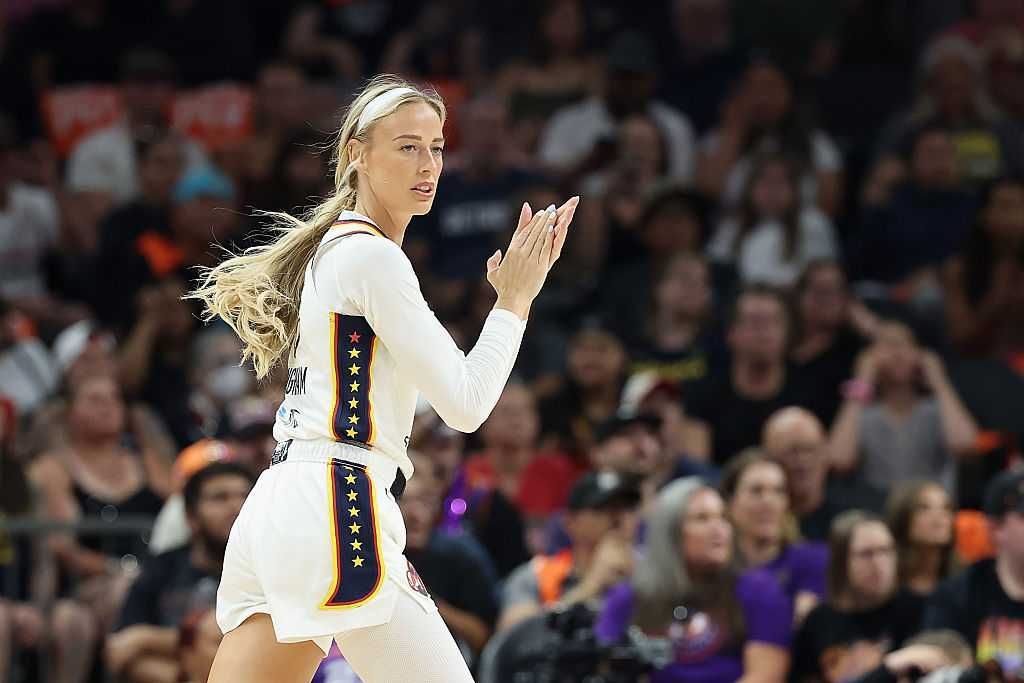
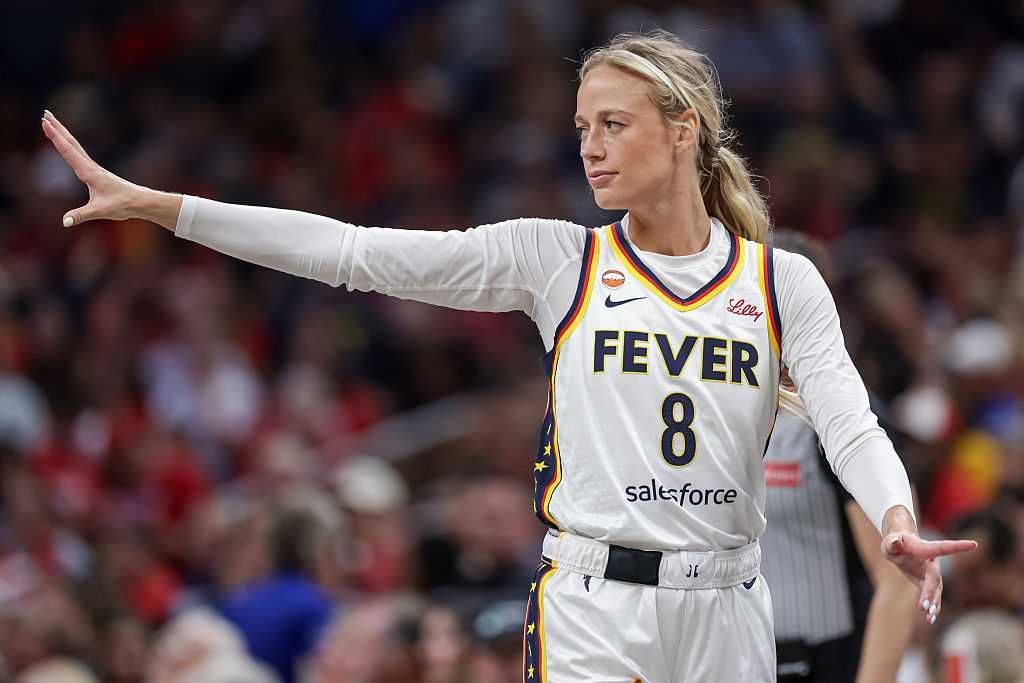
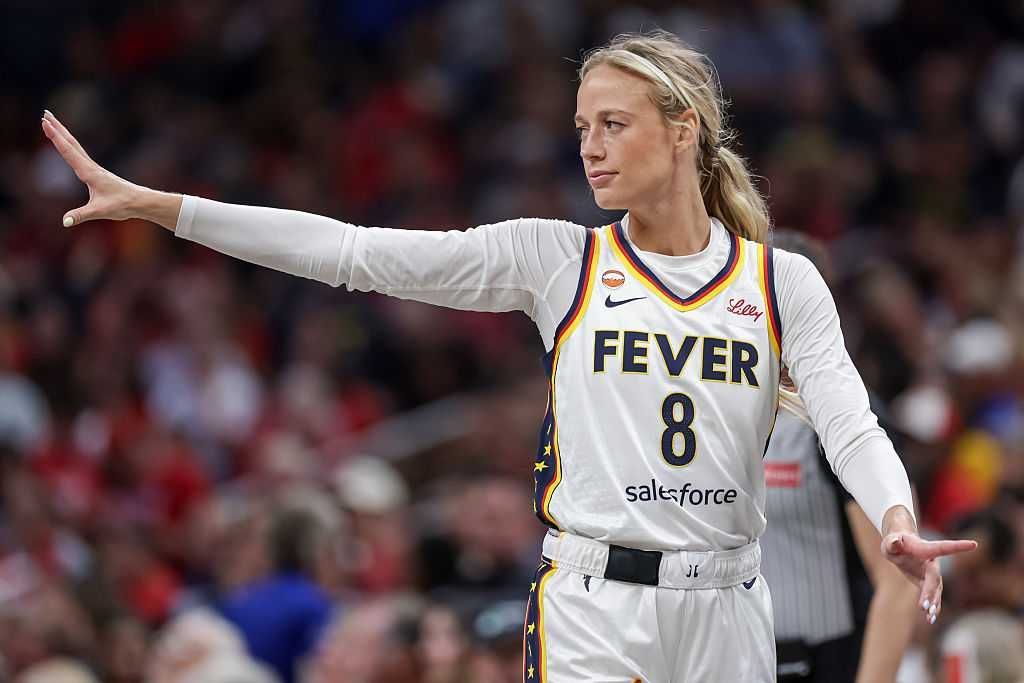
The Indiana Fever guard has emerged over the past several months as one of the WNBA’s most recognizable personalities. She protects Caitlin Clark on the court. She points, taunts, jokes, and produces memes. She embraces glamour without softening the physical edge that earned her a reputation as Clark’s enforcer.

Cunningham’s rise does not prove that the culture has changed. It does suggest that refusing progressive scripts no longer guarantees exile from public life.

Then she said men do not belong in women’s locker rooms.

That statement, and Cunningham’s refusal to retreat from it, transformed a rising basketball personality into a broader cultural figure. Conservative commentators embraced her almost immediately, but her appeal extends beyond people who follow politics — or women’s basketball.

Cunningham is connecting because she projects something increasingly rare in public life: confidence without ideological explanation.

Athletes and celebrities routinely make bold declarations, encounter resistance, and issue an apology drafted in the language of corporate risk management. Cunningham followed a different script.

“I think I said what I said,” she told a reporter who asked how transgender people might receive her comments. Cunningham added that protecting children was important and said she would remain true to her beliefs and morals.

The answer was brief, but it established the central feature of her emerging public persona. Cunningham did not turn the interview into a political speech. She also did not allow the interviewer to make her qualification for continued public life contingent upon an apology.

That restraint made the statement more powerful.

Riley Gaines, the former NCAA swimmer who has become a leading advocate for women’s sports, praised Cunningham’s willingness to speak openly inside a league known for progressive politics.

“If you’re Sophie Cunningham playing in the WNBA, which is like the most woke league of all time in the history of ever, it takes immense courage to say exactly what she did,” Gaines said.

Clay Travis and Buck Sexton urged listeners to buy Cunningham’s jersey. Megyn Kelly called her “damn fearless” and emphasized that Cunningham had “a lot to lose.

RELATED: WNBA star Sophie Cunningham comes out against men in women’s sports: ‘I want to protect young girls’

Justin Casterline/Getty Images

The support was predictable. The scale and speed of it were more revealing.

Cunningham had already built an audience through basketball. Her willingness to defend Clark during physical confrontations made her a fan favorite. The pointing meme reinforced her image as a player who enjoys conflict rather than merely endures it. Her locker-room comments gave that persona a cultural dimension.

She was no longer simply the Fever player willing to confront an opponent. She had become the athlete willing to confront a prevailing social expectation.

Cunningham expanded that profile in July when she appeared at a UFC event as a surprise guest Octagon girl.

The appearance was not framed as activism. By Cunningham’s account, it came together almost on a whim. She participated in a popular sporting spectacle, displayed her humor and femininity, and appeared comfortable with the attention.

That combination has helped distinguish her from the carefully managed public figures who appear determined to make attractiveness, glamour, or sex appeal politically inoffensive.

Cunningham does not seem embarrassed by any of it. She can be physically aggressive on the court, glamorous outside it, and direct when discussing biological sex. For many fans, those qualities complement rather than contradict one another.

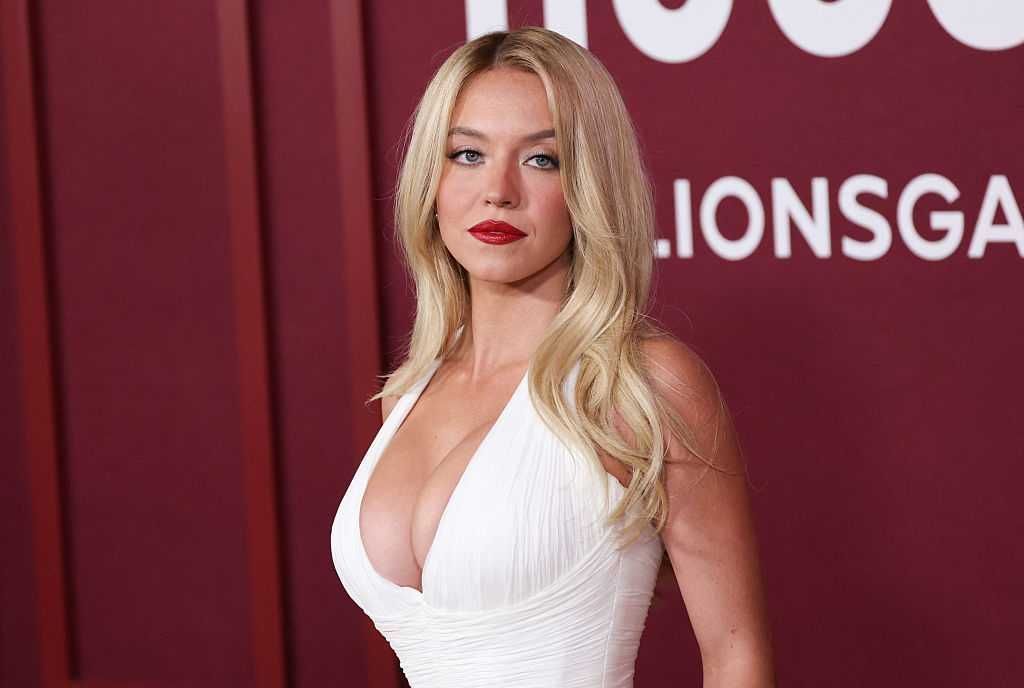
The closest recent comparison may be Sydney Sweeney.

Neither woman appears to have set out to become a conservative symbol. Sweeney became a political flash point largely because activists and journalists insisted on treating conventional beauty, femininity, and mass appeal as ideological provocations.

Cunningham is undergoing a similar transformation. She describes herself as not especially political. Her growing conservative audience has not required her to deliver a partisan endorsement or recite a movement platform. Her refusal to adopt progressive language has been enough.

RELATED: Sydney Sweeney spurns Cosmo girl’s desperate ‘MAGA Barbie’ bait

Patrick T. Fallon/AFP/Getty Images

Jennifer Sey, a former national champion gymnast and founder of the women’s apparel company XX-XY Athletics, told Blaze News that Cunningham’s support is broader than the organized right.

“Sophie Cunningham’s surge in support isn’t just from conservatives,” Sey said. “It’s coming from people who still believe in reality — and in women’s right to privacy, safety, and a fair shot in sport.”

Sey acknowledged that Cunningham probably leans conservative but argued that the label is beside the point.

“She keeps her politics to herself,” Sey said. “We back her because she’s telling the truth and defending women and girls. Full stop.”

That distinction helps explain Cunningham’s appeal.

She has not become popular because she presents herself as a political activist. She has become politically significant because she refuses to treat ordinary observations as forbidden.

Her recent locker-room remarks also fit an established pattern.

RELATED: Women’s sports finally got a reality check

Oliver Contreras/AFP/Getty Images

Late last year, Cunningham responded to WNBA star Paige Bueckers’ claim that she could beat NBA guard Josh Hart in a one-on-one game. Cunningham said an elite male player should be able to beat a female player.

The underlying point was the same: Biological differences do not disappear because acknowledging them has become culturally uncomfortable.

Sey said Cunningham’s status as an active and popular professional athlete gives her comments greater force.

“All the other pro athletes are lacking,” Sey said. “And she is making a huge impact because she is a popular player, she’s got sass, and she’s not backing down.”

Cunningham’s rise also exposes an opportunity for the WNBA.

The league has attracted unprecedented attention through Clark, but it has often struggled to welcome audiences that do not share the politics of its most vocal players. Cunningham offers a different model. She can attract fans without turning every disagreement into a lecture or every interview into an ideological test.

Whether she wants the larger role remains unclear.

Cunningham may prefer to remain an athlete with opinions rather than become a movement representative. She could decide that the commercial and professional costs are too high. One controversy, one interview, or one carefully worded clarification could alter the trajectory.

But the conditions for a larger cultural profile are already evident. She is visible, attractive, funny, physically fearless, and willing to withstand pressure. She possesses the instincts of a public personality without yet sounding like one manufactured by publicists.

Cunningham’s rise does not prove that the culture has changed. It does suggest that refusing progressive scripts no longer guarantees exile from public life.

For a player in the WNBA, that is already a big deal.

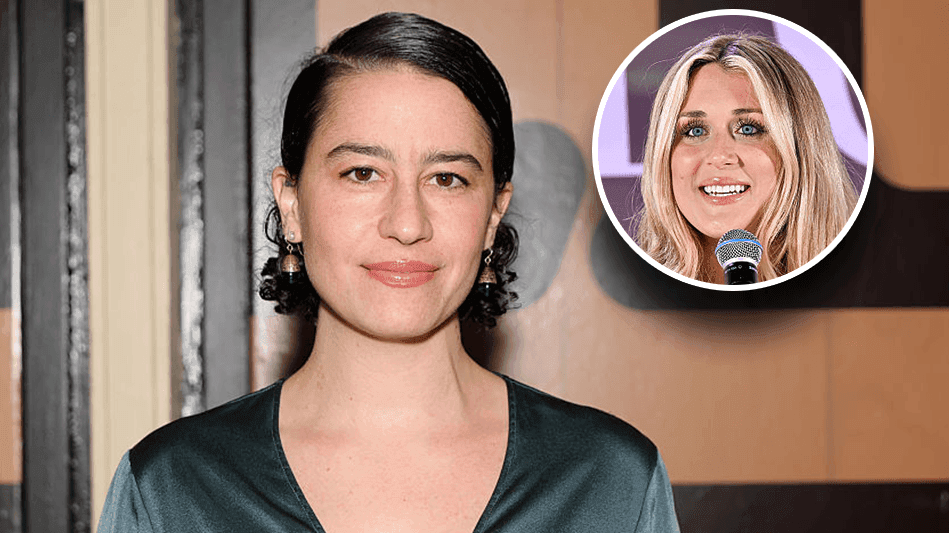
Actress Ilana Glazer attacks women's sports advocate Riley Gaines: 'You're just stealing money'


Emmy award winner Ilana Glazer described former NCAA swimmer turned anti-trans activist Riley Gaines as delusional for her campaign to keep biological men out of women's sports.

In a podcast posted Thursday, Glazer and her guest Matt Bernstein continually insulted Gaines while simultaneously saying she is part of a cruel, right-wing grifter movement.

'She is mad she lost fifth place in a swimming competition to a trans woman.'

Bernstein, a makeup artist and activist who refers to himself as a "queer Jew with long nails," gleefully insulted Gaines on the podcast "It's Open with Ilana Glazer," while calling the former NCAA swimmer a bully.

All wet

Bernstein said Gaines has been "grifting millions of dollars" for years through "bullying people with no societal capital."

Glazer then chimed in to refer to specific "right-wing people" as "sociopathic" before jumping all over Gaines. After referring to topics surrounding Gaines as "garbage," Glazer boiled the athlete's work down to being mad that she "lost fifth place."

"She is mad she lost fifth place in a swimming competition to a trans woman," she added.

Gaines tied William "Lia" Thomas — a man — for fifth place in the 2022 NCAA women's 200-yard freestyle final. The two failed to mention that Thomas also won the women's 500-yard freestyle final, making him a national women's champion.

Thomas was also famously ranked as low as No. 554 when competing in men's NCAA swimming, as opposed to reaching No. 1 against women.

RELATED: ‘I do nothing for the approval of man’: Riley Gaines delivers masterclass response after Trump’s ‘not a big fan’ jab

Shallow end

Gaines' work resulted in an executive order to keep women's sports for women only, but Glazer described the activism as "so stupid."

"That is so uncreative. That's literally stealing," Glazer said, likening Gaines' work to "anti-trans messaging, which genuinely leads to violence against trans women."

With significant vocal fry, Bernstein then stated that Gaines and other women's rights activists ignore "statistics or reality or truth" and instead profit off "the most minoritized people" in the country, referring to men who think they are women.

Nice Gaines

Bernstein did correctly characterize early comments from Gaines, however. In a 2022 interview with the Daily Wire shortly after her competition, Gaines said about Thomas, "I am in full support of her and full support of her transition and her swimming career and everything like that."

She added, "because there's no doubt that she works hard too, but she's just abiding by the rules that the NCAA put in place, and that's the issue."

RELATED: Olympic Committee adopts new policy on 'trans' athletes

Rich von Biberstein/Icon Sportswire/Getty Images
Bernstein concluded that it was the right thing to do for Gaines to simply "move on" and ultimately wish Thomas well.

Glazer then described Gaines as having a "money-making scheme" that has now merged with "some new semblance of reality that she was robbed."

Like Blaze News? Bypass the censors, sign up for our newsletters, and get stories like this direct to your inbox. Sign up here!

‘I do nothing for the approval of man’: Riley Gaines delivers masterclass response after Trump’s ‘not a big fan’ jab


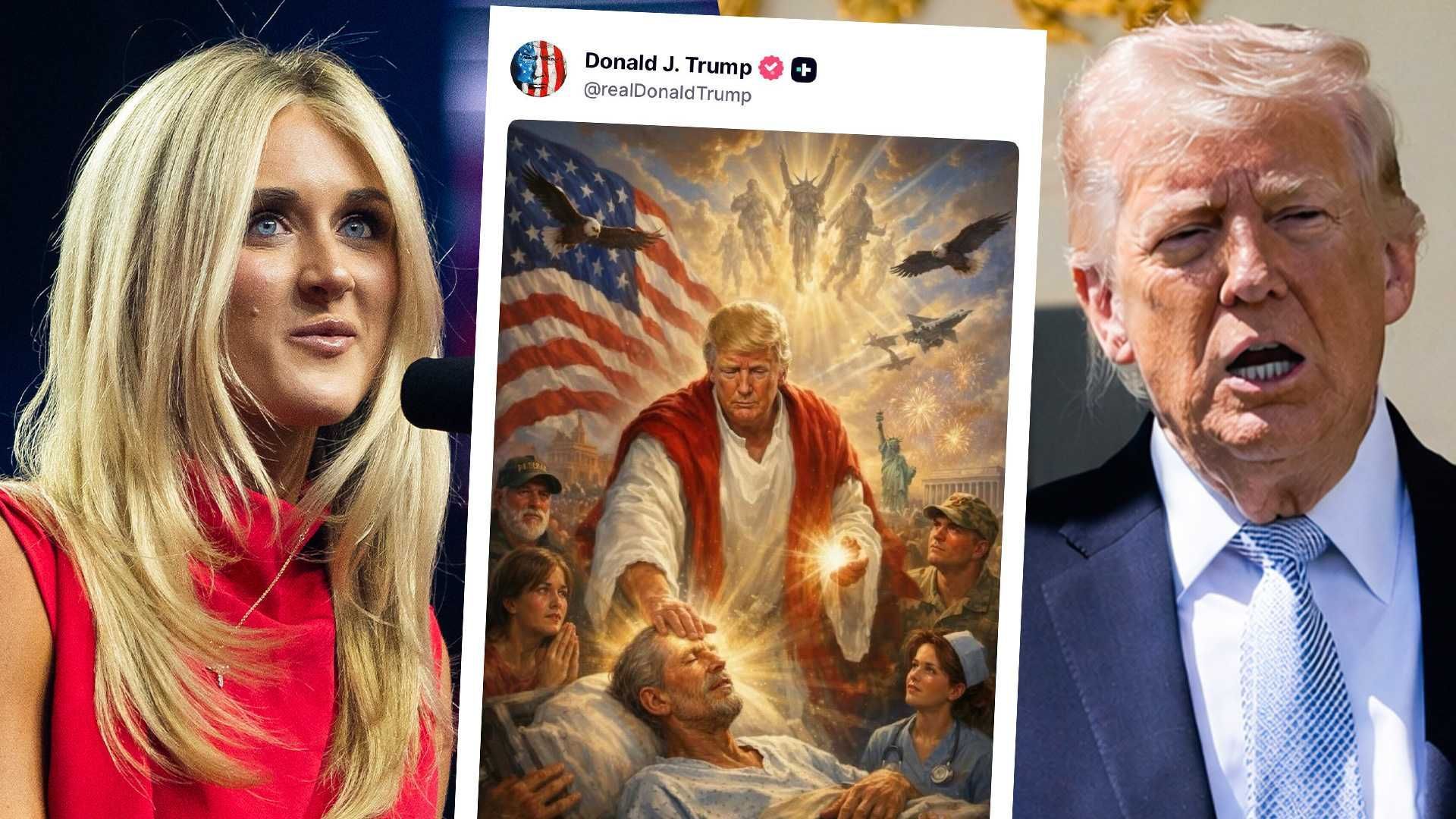
On April 12, Riley Gaines responded to President Trump’s controversial AI-generated meme depicting him as Jesus with the following X post:

After deleting his post, President Trump was asked by reporters if he removed the image because of the criticism from Gaines and other conservatives. He responded, “I didn't listen to Riley Gaines. I'm not a big fan of Riley, actually.”

Gaines posted a video response on April 14, in which she stood by her original comments on Trump’s post but also expressed continued support for the president and his America First agenda.

BlazeTV host Pat Gray admired Gaines’ response and thought she handled the tough situation with tact. On a recent episode of “Pat Gray Unleashed,” he and the panel played Gaines’ video response and reacted to it.

“I love the president. I support the president. I'm always in his corner. I think he's like a master troll, if you will. But for the life of me, I just can't understand why he would post something like this,” said Gaines.

She then addressed her original April 12 post. “I said, two things are true. Number one, a little humility would serve President Trump well. And second, God shall not be mocked. ... The comments were filled with people calling me a RINO and a grifter and a closeted liberal who's trying to destroy President Trump.”

But Gaines doubled down on her support for the president despite the offensive image and his personal jab at her.

“Following his comments, I have had a plethora of reporters from left-wing media reach out to me for comment, trying to bait me into saying something bad about President Trump because he doesn't like me,” said Gaines.

“News flash: I don't do what I do or say what I say to be liked. If that were the case, I would stick behind the slogan of 'trans women are women.' I do what I do and say what I say because I have moral conviction.”

She then delivered her official response to Trump’s dig:

“To the reporters from CNN, ABC, CBS. I love the president, and I am so grateful and glad that he is in the Oval Office. I will continue to support him and the America First agenda. At the end of the day, I do nothing for the approval of man, no matter who that man is, including the president. Our main purpose on this earth is to glorify the Lord, our Creator, our Savior, in everything that we do.”

Gaines concluded her video response by expressing desire for President Trump and others to know Jesus.

“I just know that I want to spend eternity in a very real place called heaven, and I would love for the president to be there as well. ... I am going to keep doing my part by speaking the truth and doing my best to lead people to Christ and supporting the America First agenda.”

Pat calls Gaines’ video “fantastic.”

“Wow, what a great response,” he says, praising her for refusing to “ratchet up vitriol.”

He and co-host Jeffy agree with Gaines that Trump should have shown more humility over his post.

“Why not just come out and say, ‘Hey, you know, I posted it and then I thought, what am I doing? And I took it down.’ The end,” says Jeffy.

Pat concurs, “Yeah, then you don’t have this week-long situation going on.”

To see Gaines’ video and hear more of the “Unleashed” panel’s commentary, watch the video above.

Want more from Pat Gray?

To enjoy more of Pat's biting analysis and signature wit as he restores common sense to a senseless world, subscribe to BlazeTV — the largest multi-platform network of voices who love America, defend the Constitution, and live the American dream.

Americans Can’t Afford To Keep Letting Leftists ‘Learn’ From Their Mistakes

MAGA needs to stop the next left-wing manmade disaster before Democrats can 'learn' from it. America can only survive so much more of this kind of education.

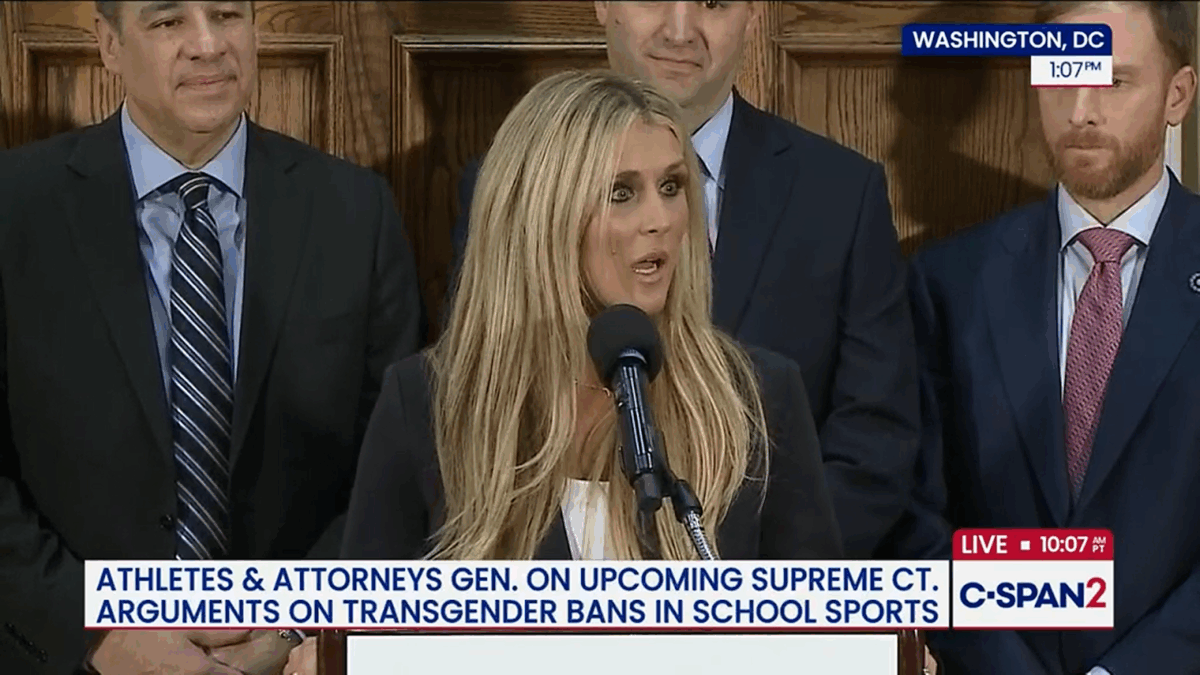
Female Athletes, Republican AGs Rally To Defend Women’s Sports At SCOTUS

'I'm pissed off ... that we've reached a point where we seemingly have an entire political party who has diminished and erased our rights as women,' said Riley Gaines.
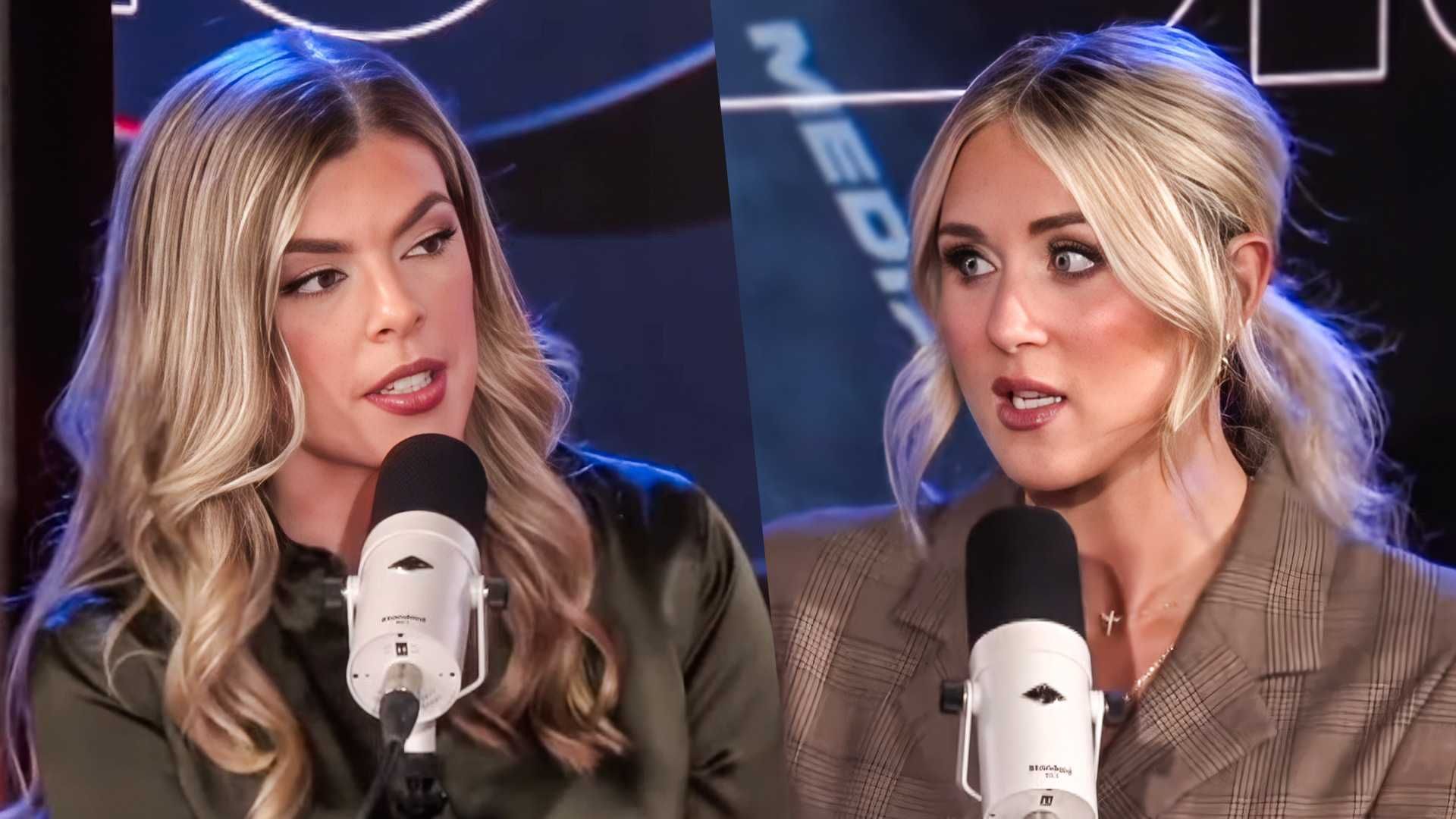
Riley Gaines: Why Americans are FINALLY pushing back on gender ideology


Women’s sports, children’s innocence, and biological reality are at the center of America’s cultural struggle — but Riley Gaines tells BlazeTV host Allie Beth Stuckey at AmFest that the tide is finally turning.

However, it took some serious struggle on Gaines’ part before she began to see a change.

“It was really hard to read some of the things that are being said about you. I mean, bear in mind, I’m a 21-year-old college student who merely just wanted to compete fairly, right? Seems like the bare minimum,” Gaines recalls.

“For saying the things that I said, such as ‘there are two sexes’ and ‘you can’t change your sex’ and ‘each sex is deserving of equal opportunity of privacy and of safety’ — for saying that, you’re vilified,” she explains.


While at the time, Gaines was hurt by the negative response, which included being called names like “racist” and “misogynist,” it’s now “water off the duck’s back.”

“I put all of the confidence and the security that I have in the fact that I’m fighting for the hope and the promise of eternal life. And once you do that, it shifts your perspective to understand that nothing of this world matters,” Gaines says.

Because of the courage of women like Gaines, Stuckey feels that the “tide is turning in a really good way when it comes to female sports.”

“You’re really in the thick of it,” Stuckey says. “Like, you see the activist attacks. You’re seeing what’s really going on on college campuses. Do you feel like the tide is turning?”

“110%,” Gaines answers. “You compare now to even a year ago, it’s very different. I think we’re seeing more people with the willingness and the boldness to say that men can’t become women. Men can’t get pregnant. Women don’t need prostate exams. Tampons don’t belong in boys' bathrooms.”

“Obviously, it sounds pretty cliche, but I do believe courage begets courage. And so when you have people like yourself, or you have President Trump in the Oval Office, that gives the people a lot of cover, right?” she continues.

“They see him doing it or you doing it, and they think, I can do that,” she adds.

Want more from Allie Beth Stuckey?

To enjoy more of Allie’s upbeat and in-depth coverage of culture, news, and theology from a Christian, conservative perspective, subscribe to BlazeTV — the largest multi-platform network of voices who love America, defend the Constitution, and live the American dream.