Ukrainian officials plotted to direct massive sums of US taxpayer aid to Biden's campaign: Intel report


Ukrainian government communications discussed a scheme to direct American taxpayer dollars to then-President Joe Biden’s campaign and the Democratic National Committee to boost Biden’s 2024 re-election bid against President Donald Trump, according to an intelligence report obtained by Just the News.

The newly unclassified documents summarize raw intercepts from U.S. spy agencies in late 2022. Officials who reviewed the files stated that there was a lack of curiosity to investigate the allegations under the Biden administration, the news outlet reported.

'In this manner, most of the US funding would be diverted to Joe Biden’s election campaign without the ability to track where exactly the funds came from.'

The American tax dollars were intended to fund a clean energy project in Ukraine amid the ongoing war with Russia.

“The Ukrainian Government and unspecified U.S. Government personnel, through USAID in Kyiv, reportedly developed a plan that would provide hundreds of millions of U.S. taxpayer dollars to fund an infrastructure project for Ukraine that would be used as a cover to send approximately 90% of funds allocated to the DNC to fund Joe Biden’s re-election campaign,” the report read, according to Just the News.

“They were confident the project would be funded initially, even though at some time in the future the project would be disapproved as unnecessary. At this time, the money would already be allocated and impossible to return or use for a different purpose,” it added.

The report named two American subcontractors that could potentially receive the funds, officials told Just the News. However, those names were redacted in the report obtained by the news outlet.

RELATED: 'USADF is garbage': Senior US foreign aid official will plead guilty to taking kickbacks, lying to feds

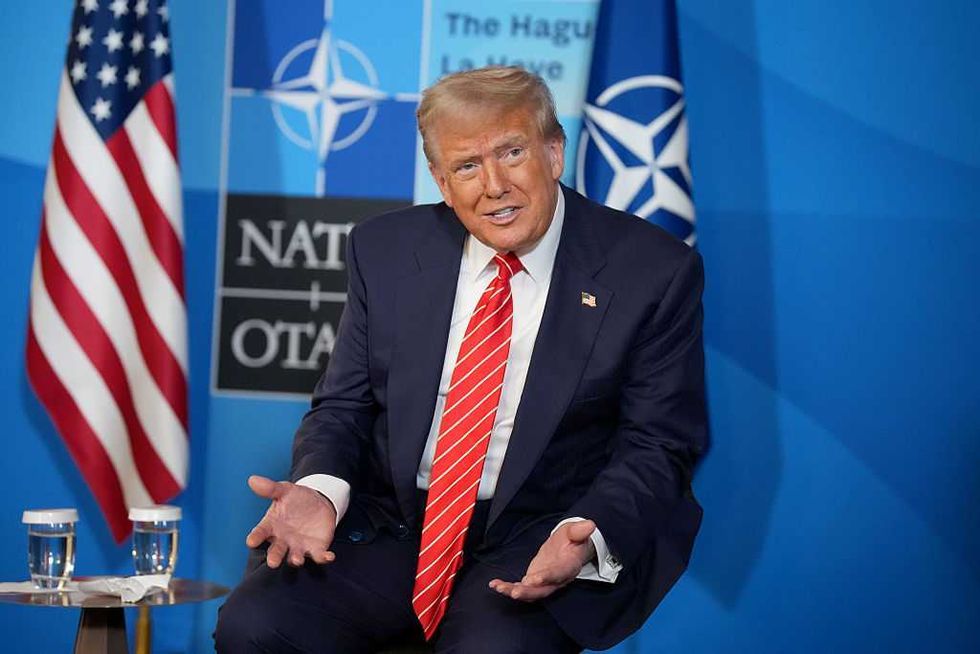
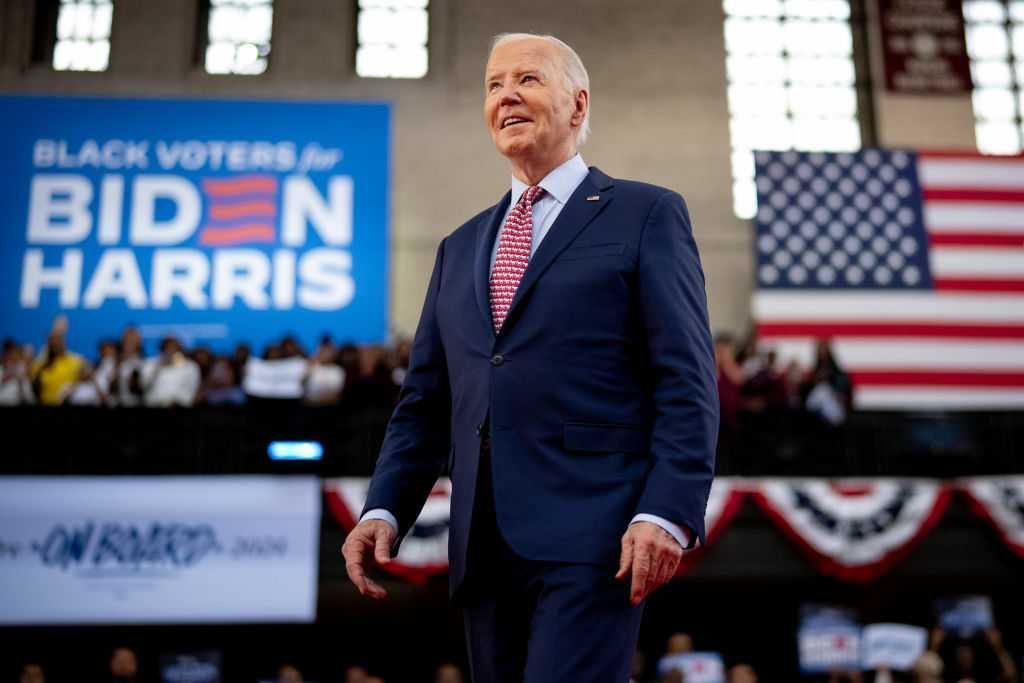
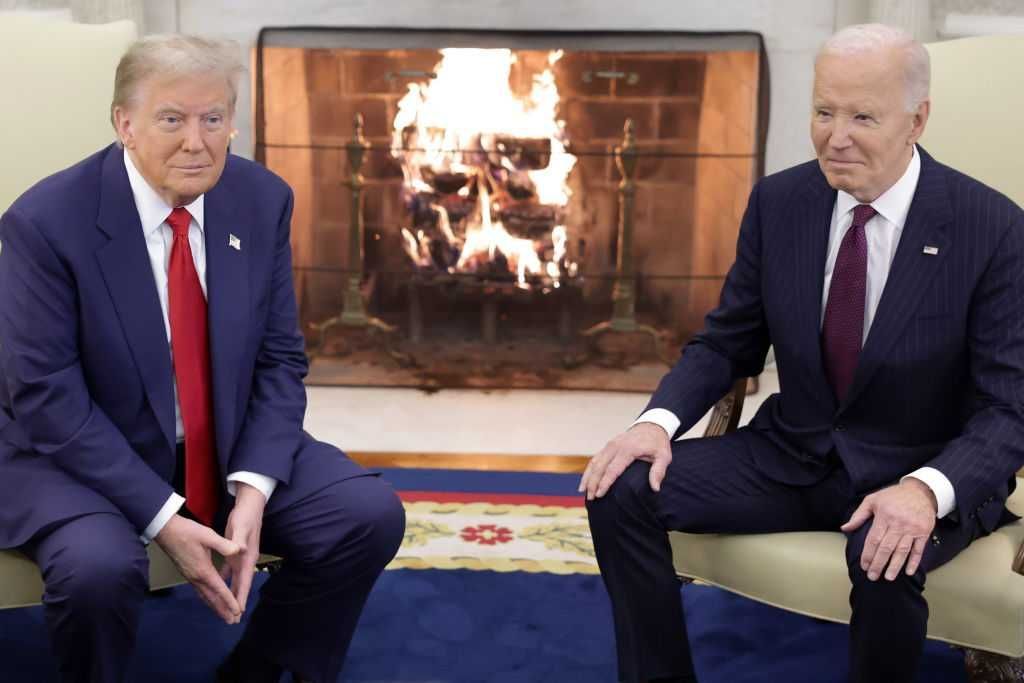
Donald Trump, Joe Biden. Photo by Alex Wong/Getty Images

“The plan included details of how subcontractors would be funded through U.S. companies so that how the funds were spent and allocated would be difficult to track,” the report continued. “Additionally, contracts would be executed that would be difficult to verify. In this manner, most of the U.S. funding would be diverted to Joe Biden’s election campaign without the ability to track where exactly the funds came from.”

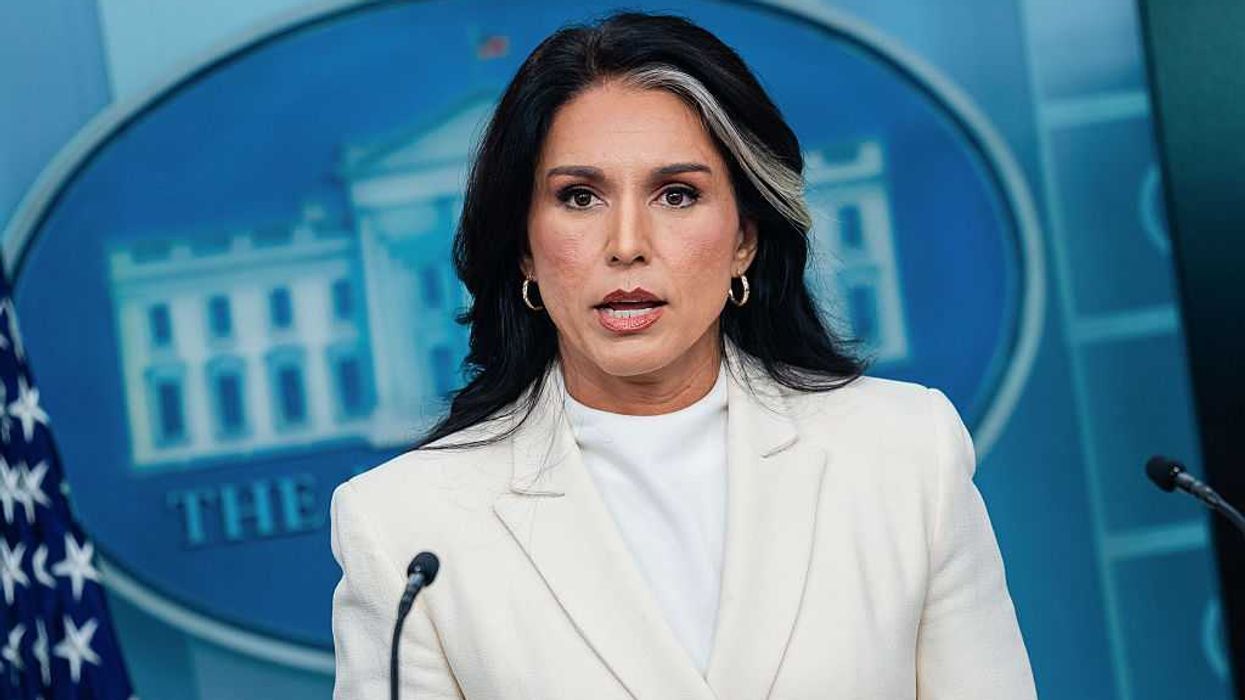
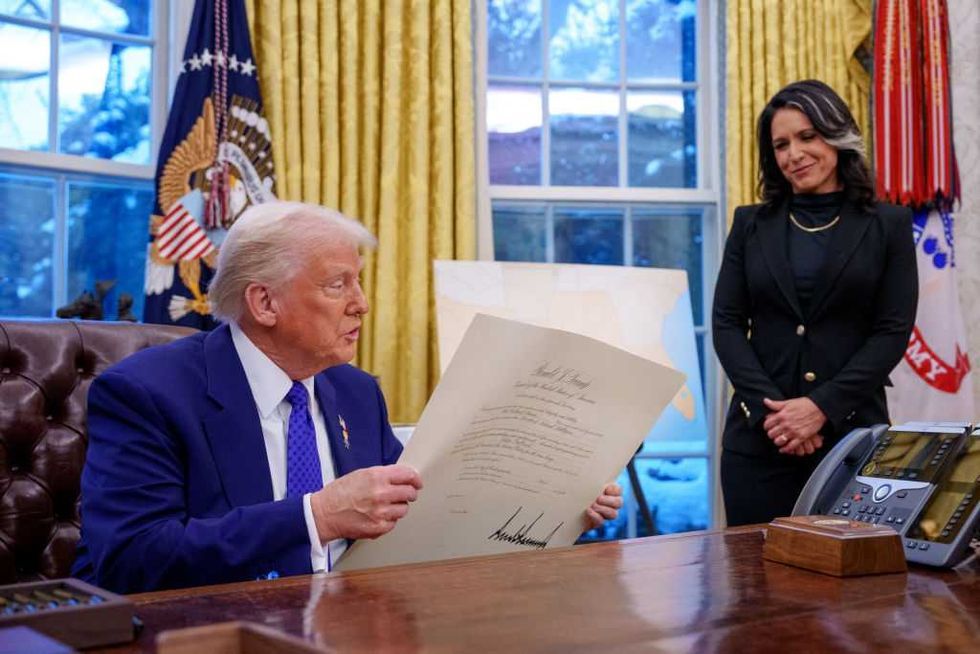
Just the News reported that Director of National Intelligence Tulsi Gabbard recently learned about the intelligence intercepts. She reportedly asked USAID officials to review their records to ascertain whether the alleged scheme was executed and whether a criminal referral should be made to the FBI.

RELATED: Tulsi Gabbard warns: Powerful foreign allies eager to pull US into war with Russia

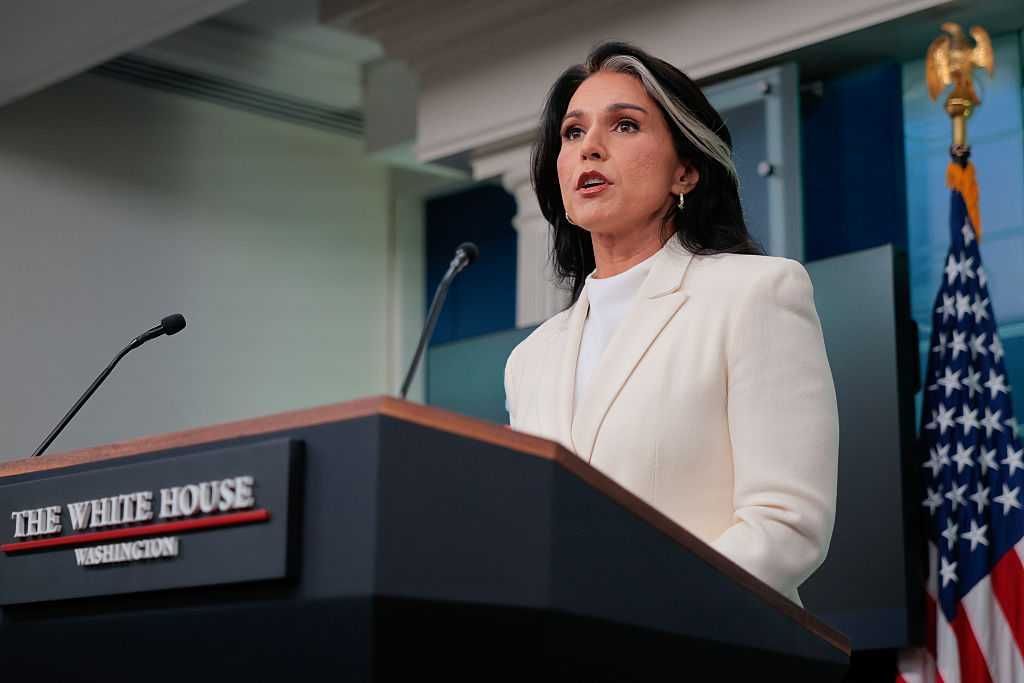
Tulsi Gabbard. Photo by Chip Somodevilla/Getty Images

An official told the news outlet that Gabbard’s team has not found substantive evidence indicating that the allegations were thoroughly investigated under Biden’s leadership. The official noted that the communications are not believed to be linked to Russian disinformation efforts.

Trump shared the Just the News article in a post on social media.

In a statement to Blaze News, a spokesperson for Gabbard confirmed the existence of related intelligence, adding that the director’s team is “working to review USAID holdings.”

Like Blaze News? Bypass the censors, sign up for our newsletters, and get stories like this direct to your inbox. Sign up here!

Tomahawks look tough. Grid disruption actually wins.


As President Trump proposes a ceasefire-in-place to stop the meat grinder in Ukraine, Vladimir Putin appears to be doing what he does best: stalling. With the U.S. busy juggling Iran, Venezuela, and even Greenland, Putin likely figures he can drag this war out long enough to wear Ukraine down and force a surrender through attrition.

Meanwhile Volodymyr Zelenskyy is brooding over not getting Tomahawk cruise missiles — weapons that could strike deep inside Russia.

The goal is irritation, disruption, and humiliation — repeated so often that people start cursing the Kremlin for creating this mess.

But instead of fixating on Tomahawks, Zelenskyy should look at the position Putin is now in. It has a historical parallel worth taking seriously.

Putin resembles Czar Nicholas II in 1917.

In both cases, Russian treasure has poured into a black hole while generals kept ordering “meat attacks” that chewed through manpower by the hundreds of thousands. In 1917, the loss of blood and money turned the nobility against the czar and set the stage for the Kerensky Revolution.

Putin’s oligarchs now sit where the czar’s nobility once sat: close enough to power to profit and close enough to disaster to panic.

Ukraine should exploit that.

A weapon of mass disruption

The goal shouldn’t be a dramatic strike that makes Russians rally around “Mother Russia.” A Tomahawk barrage would do exactly that. It would unify the country behind Putin and hand him the cleanest propaganda gift imaginable.

Ukraine needs something else: a way to transfer the misery and frustration of war to the Russian public — especially in Moscow and other major cities — without creating a patriotic surge.

Russia’s population is insulated by propaganda. Ukraine should attack the insulation, not the borders.

Winter brings slower movement and fewer offensives. That gives Ukraine an opening to run a low-cost, high-annoyance campaign modeled on a little-remembered British operation from World War II.

RELATED: Pressed on Greenland, Trump tells Davos the US has weapons he ‘can’t even talk about’

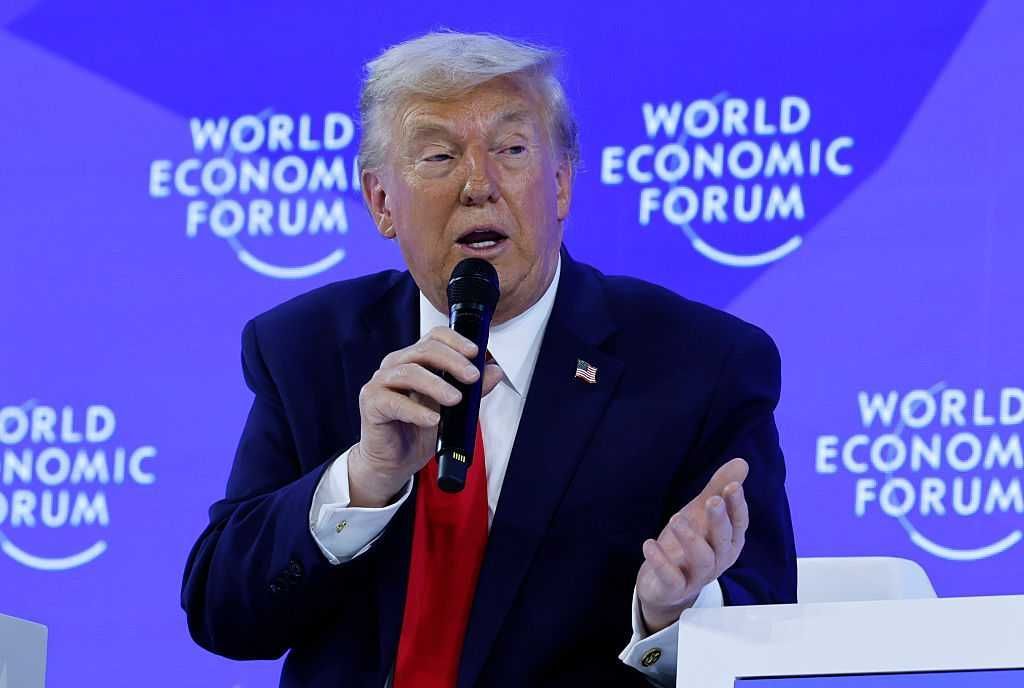
Photo by Chip Somodevilla/Getty Images

The British Royal Navy called it Operation Outward. Today strategists would call it a “cost-imposing” campaign: something cheap to launch that forces the enemy to spend far more to stop it.

The Royal Navy released nearly 100,000 weather balloons. About half carried incendiary bomblets. The rest dragged long wire strands designed to short out power lines and cause disruption across the German electrical grid. German forces had to waste time and resources trying to counter a swarm of cheap devices drifting across their territory.

Because winds in the northern hemisphere generally move west to east, the Germans couldn’t retaliate in kind.

(The Japanese later tried something similar against the United States with the Fu-Go balloons, launching roughly 9,300 of them toward the U.S. and Canada. They forced America to divert resources even though the overall damage remained limited.)

Ukraine’s geography makes this concept even more attractive. Ukraine sits southwest of Russia. That means a balloon campaign drifting into western Russia would give Moscow no easy, low-cost way to respond with the same trick.

And unlike the World War II version, Ukraine wouldn’t need incendiaries. The point isn’t to burn Russian cities or kill civilians. The last thing Ukraine needs is to create martyrs and rally Russians around Putin.

The goal is irritation, disruption, and humiliation — repeated so often that people start cursing the Kremlin for creating this mess.

The cost math

Peter Rosato of Kaymont Consolidated Industries, a major weather balloon manufacturer, estimates that an eight-foot diameter balloon costs about $5 to $7. A hydrogen generator could inflate them for only pennies more.

Using the British model, the balloon could carry a simple ballast mechanism that slowly lowers it while trailing a long tether: roughly 700 feet of hemp cord, tied to a thinner steel wire around 300 feet long. That wire drags across power infrastructure and can short out lines, forcing repairs and outages.

The British saw real success disrupting the German electrical grid. They also forced the Nazis to waste valuable fighter flight hours trying to shoot down balloons — an expensive response to a cheap threat.

Ukraine could buy 100,000 balloons at roughly $5 each and — even after adding wire and other components — build a unit for under $1 million.

Unlike the British, Ukraine also wouldn’t need the same complex altitude-control system used to guide balloons across the English Channel, France, and the Low Countries into Germany. A long, contiguous border allows Ukrainian launches to drift into Russian territory without the same navigation demands.

To improve the results, Ukraine could tweak the design. A better unreeling mechanism might outperform a simple trailing wire. A Ukrainian electrical grid specialist and a meteorologist familiar with conditions in the northeastern border region near Shostka could help optimize launch times for maximum impact.

Make it a war Russians can’t ignore

This isn’t just disruption. It’s information warfare.

The point is not only to knock out power lines but to make the disruption visible — balloons everywhere across western Russia, especially near Moscow — as proof that Putin cannot protect his own people from the consequences of his war.

Modern realities require modern execution. Ukraine couldn’t run this from fixed-launch sites. Russian reconnaissance drones would find them, and artillery or kamikaze drones would destroy them.

The operation would need to move.

A vehicle-borne launch system makes the most sense: military trucks large enough to carry inflated eight-foot balloons, gas tanks, uninflated balloons, payloads, communications gear, a generator, and basic workshop tools.

And for safety, Ukraine would likely need to use helium instead of hydrogen. Hydrogen is cheaper, but the risk of accidental detonation inside a truck is too high.

RELATED: The fastest way to stop Iran’s killers ... without firing a single shot

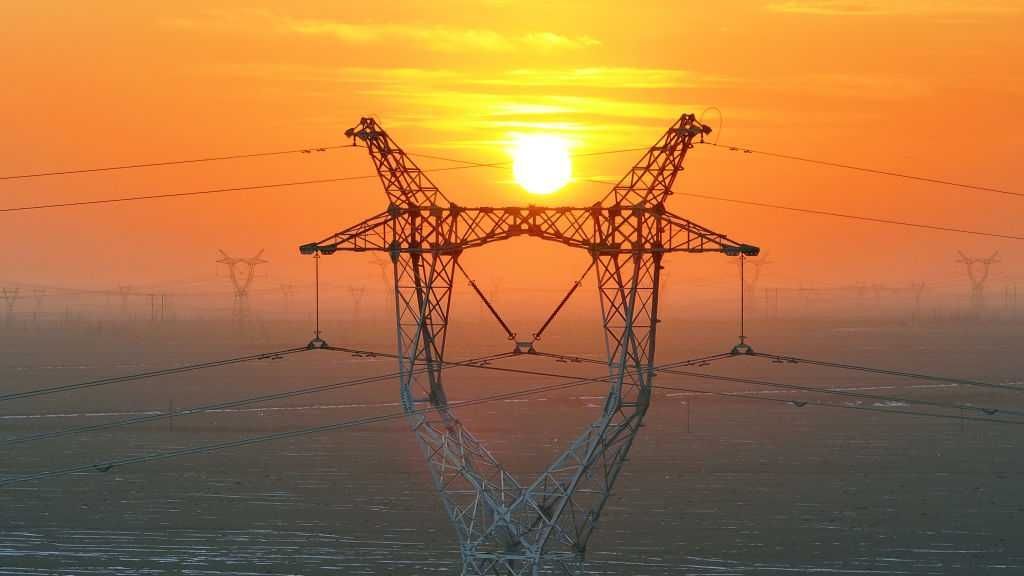
Antonina Satrevica / Getty Images

Night launches would also matter. To avoid detection, the trucks and equipment would need to be compatible with night-vision operations.

Now picture the outcome.

Imagine 1,000 yellow-and-blue balloons drifting into Russia every day, dragging wires across electrical lines.

Imagine the manpower, equipment, and aircraft Russia would have to divert from the front to hunt them down — at night — every night — for the next hundred nights.

And for the final touch, imagine the optics when Russian crews find one of these balloons in daylight, wires draped across a shorted power line, with a huge portrait of Vladimir Putin half-naked on a horse and the Russian phrase for “I did that!”

That kind of mockery lands differently when you’re freezing in the dark because of Putin’s war.

Ukraine doesn’t need Tomahawks to hit Russia where it hurts. It needs a cheap, persistent campaign that turns irritation into anger — and turns anger into political pressure on the regime that started this catastrophe.
Tulsi Gabbard warns: Powerful foreign allies eager to pull US into war with Russia


Director of National Intelligence Tulsi Gabbard told the AmericaFest crowd in Phoenix, Arizona, on Saturday that key global allies are hoping to drag the United States into a war with Russia.

Gabbard explained that the "warmongers in the deep state" are blocking Russia and Ukraine from reaching a peace agreement, undermining President Donald Trump's efforts.

'We cannot allow this to happen.'

"Predictably, they use the same old tactics that they've always used. The deep state within the intelligence community weaponizes 'intelligence' to try to undermine progress," she stated, motioning air quotes.

Gabbard said these deep-staters then leak that so-called "intelligence" to their friends in the "mainstream propaganda media" to propel a false narrative.

She went on to accuse the European Union and the North Atlantic Treaty Organization of wanting to pull the U.S. into direct battle with Russia.

RELATED: Frustrated Trump calls for Ukrainian election after Zelenskyy seemingly torpedoes another peace opportunity

President Donald Trump. Photo by Andrew Harnik/Getty Images
"[Deep-staters] foment fear and hysteria as a way to justify the continuing of the war and their efforts to undermine President Trump's efforts towards peace," Gabbard said. "And do so in this case in order to try to pull the U.S. military into a direct conflict with Russia, which is ultimately what the EU and NATO want."

"We cannot allow this to happen," she declared.

— (@)

During her AmFest speech, Gabbard also warned about the threat of Islamist ideology.

"There's a threat to our freedom that is not often talked about enough. And it is the greatest near- and long-term threat to both our freedom and our security, and that is the threat of Islamist ideology," she said.

Gabbard's comments prompted cheers and applause from the audience.

RELATED: European leaders gossip about US amid apparent efforts to torpedo Trump's Russia-Ukraine peace deal: Report

President Donald Trump, DNI Tulsi Gabbard. Photo by Andrew Harnik/Getty Images
She argued that, at its core, Islam is a political ideology that seeks to implement a "global caliphate" that would destroy freedom through Sharia law.

"This is already underway in places like Houston. This is not something that may possibly happen; it is already happening here within our borders," she continued. "Paterson, New Jersey, is proud to call themselves the first Muslim city."

You can view Gabbard's remarks about Islamist ideology beginning at the 6:50 mark in the below video:

RELATED: Secret Sharia ‘courts’ in Texas may be quietly overriding state law — Abbott calls for investigation

Gabbard added that Islamist ideology "is propagated by people who not only do not believe in freedom, their fundamental ideology is antithetical to the foundation that we find in our Constitution and Bill of Rights, which is that our Creator endowed upon us inalienable rights. The right to life, liberty, and the pursuit of happiness."

Like Blaze News? Bypass the censors, sign up for our newsletters, and get stories like this direct to your inbox. Sign up here!

Those Unhappy With Ukrainian Peace Deal Have Russia Hoaxers To Blame

Without Iraq-style lies about Russia, the collusion hoax, the impeachment farce, and the 51 intel officials laundering deception for political gain, there likely would have been no Russia-Ukraine war.
Warmongers Dredge Up Neville Chamberlain (Again) To Bash Trump’s Ukraine Peace Negotiations

How many times do I have to teach you this lesson about appeasement, warmongers?

Former Zelensky Spox: Ukraine Must Sign Peace Deal To Avoid Even Greater Losses

“Every subsequent deal for Ukraine will only be worse - because we are losing. We are losing people, territory, and the economy,” Iuliia Mendel said.
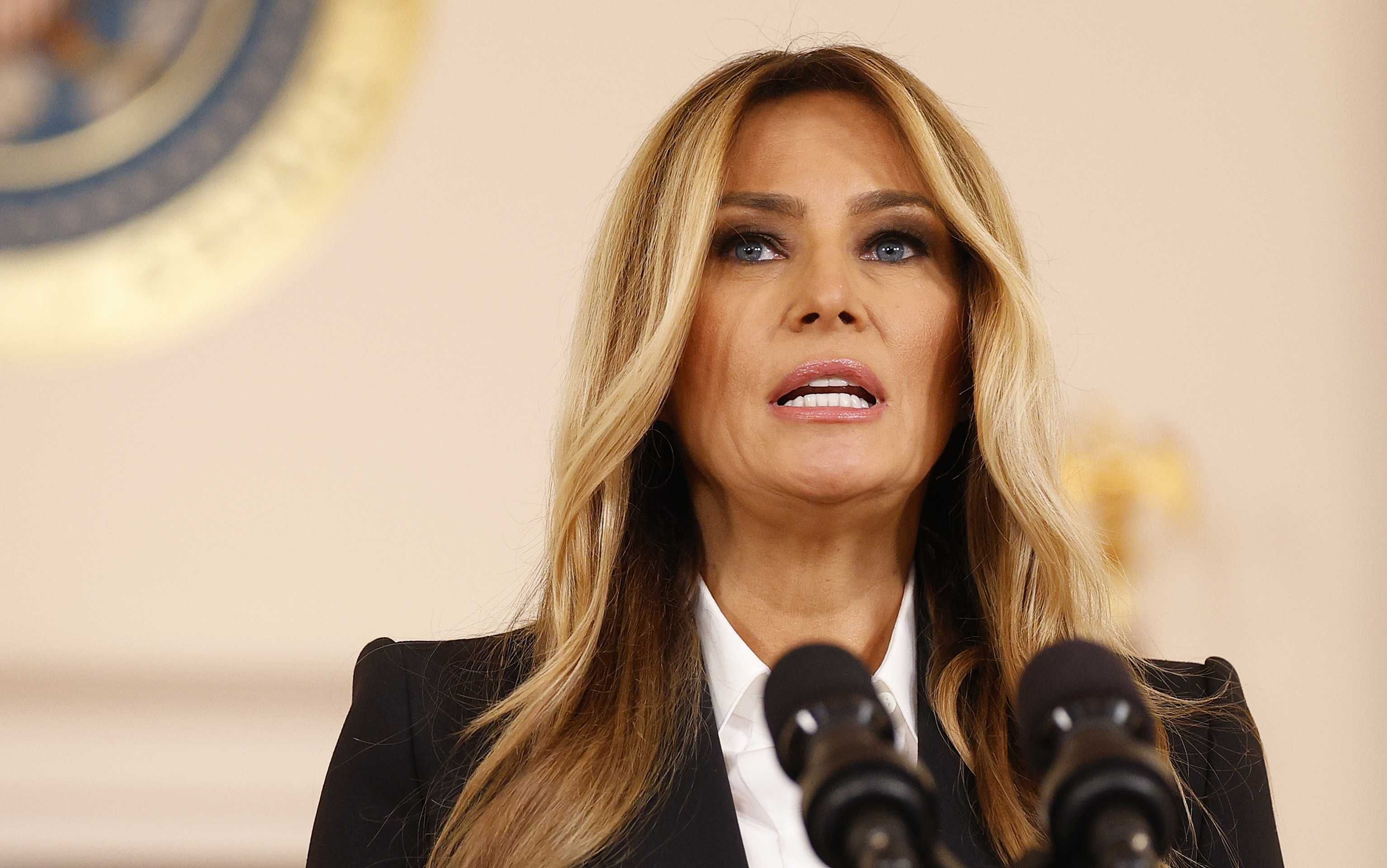
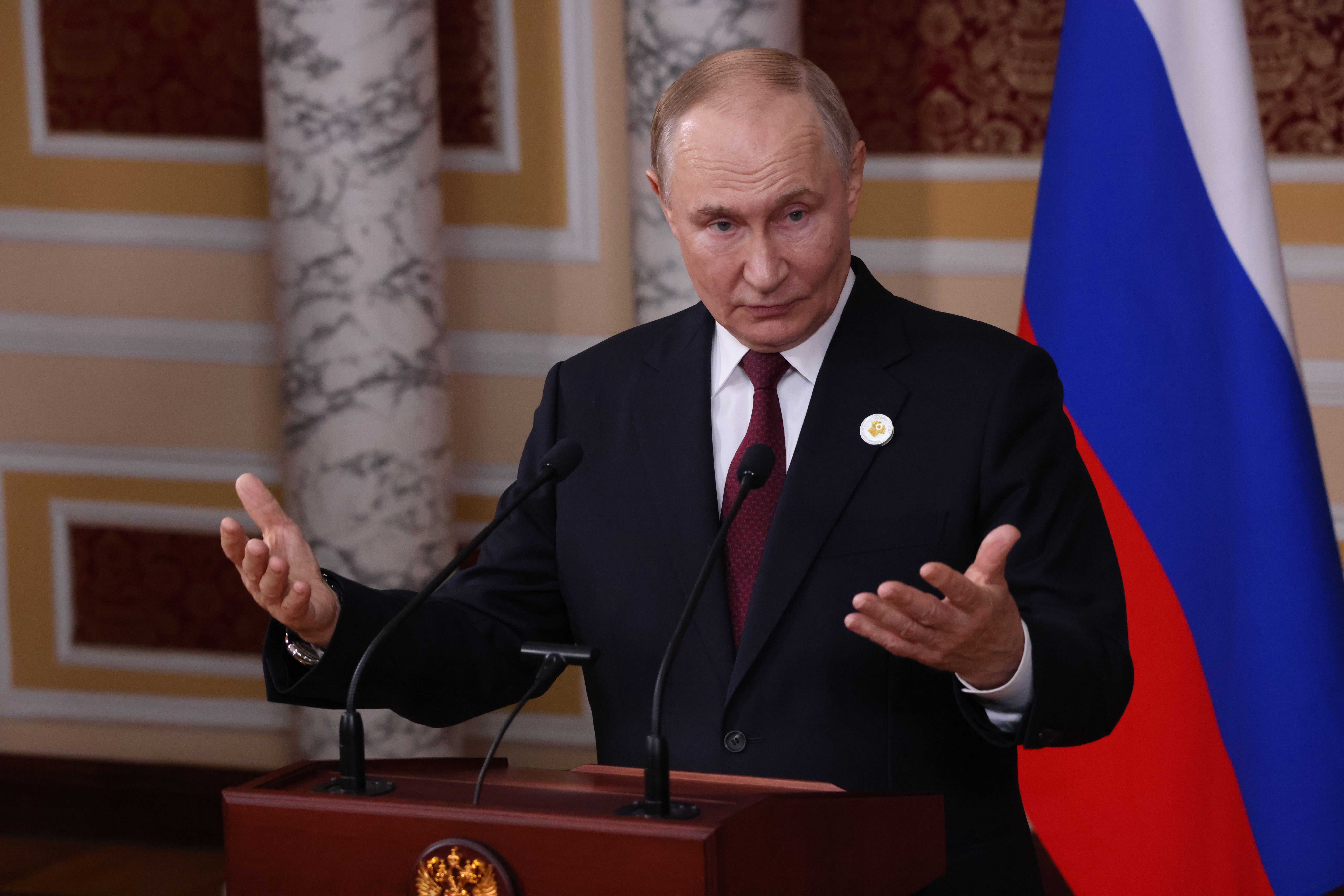
Melania Trump partners with Putin to lead humanitarian effort in war-torn region


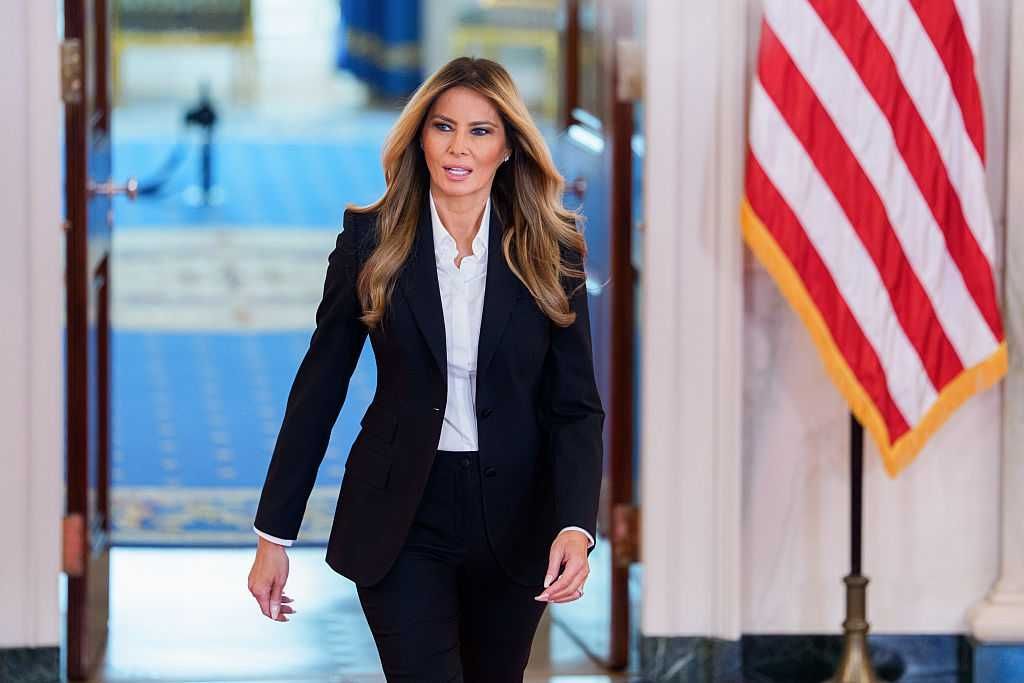
First lady Melania Trump has joined forces with an unexpected foreign leader to lead a crucial humanitarian effort in a war-torn region.

During a press conference Friday, Mrs. Trump announced her partnership with Russian President Vladimir Putin to reunite Ukrainian children with their families. So far, eight children who were displaced by the war were reunited with their families in just the last day or so, she indicated. The first lady also confirmed that she remains in communication with Putin to continue the effort.

'I hope peace will come soon. It can begin with our children.'

"A child's soul knows no borders, no flags," Trump said.

"We must foster a future for our children which is rich with potential, security, and complete with free will," she added. "A world where dreams will be realized rather than faded by war."

RELATED: Trump teases shutdown consequences for Democrats: 'A little taste of their own medicine'

Photo by Contributor/Getty Images

During her address, the first lady recounted the initial letter she wrote to Putin in August 2024, raising concerns about the children who were separated from their families due to the ongoing war between Russia and Ukraine.

"Since then, President Putin and I have had an open channel of communication regarding the welfare of these children," Trump said.

Over the last three months, both Ukraine and Russia have participated in several "back-channel meetings" that Trump says have all been "in good faith."

"Each child has lived in turmoil because of the war in Ukraine," she said, speaking about the eight children who were reunited this week. "Three were separated from their parents and displaced to the Russian Federation because of frontline fighting. The other five were separated from family members across borders because of the conflict."

RELATED: Drones shut down airports in NATO countries as suspicion falls on Russia

Aaron Schwartz/Bloomberg via Getty Images
Mrs. Trump also said that Russia has agreed to work alongside officials to return children who have turned 18 since their displacement.

"Again, this remains an ongoing effort," Trump said. "Plans are already under way to reunify more children in the immediate future. I hope peace will come soon. It can begin with our children."

Like Blaze News? Bypass the censors, sign up for our newsletters, and get stories like this direct to your inbox. Sign up here!

Putin Official Calls Russia ‘A Real Bear’ After Trump Mocked Country’s Power

A Russian official fired back at President Donald Trump with a bizarre comparison after Trump mocked the country’s military in a social media post on Tuesday. Kremlin spokesperson Dmitry Peskov disputed Trump’s characterization that Russia is a “paper tiger” during an interview with Russian-state media, insisting the country should be referred to as a “real bear.” […]

From Silicon Valley to Moscow, a supply chain of death


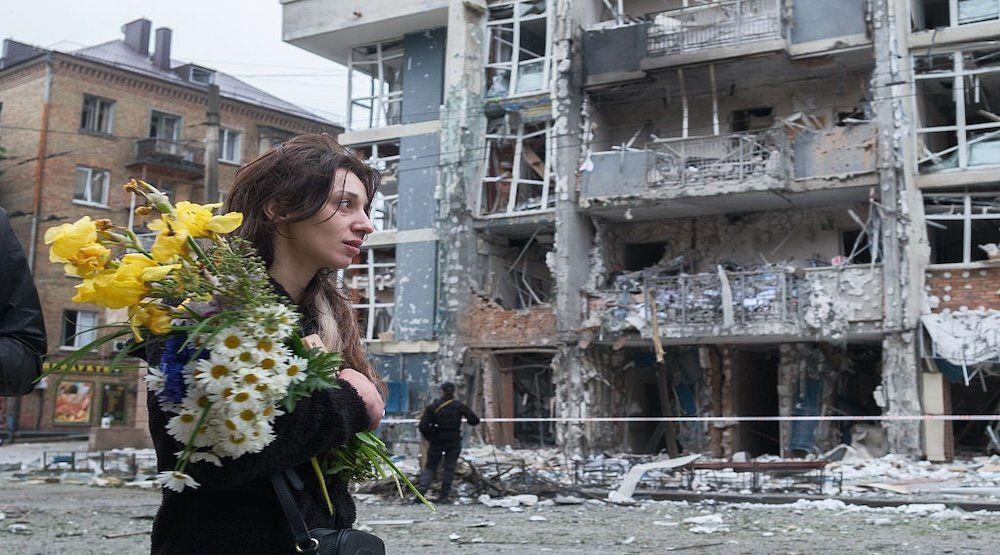
As Ukrainian cities suffer under the escalating Russian missile and drone attacks, an unsettling truth has emerged: The weapons killing innocent Ukrainians are powered by components sold by European and even U.S. companies. Confirmed across multiple investigations, these Western-made electronics are frequently found in wreckage from Russian attacks.

The Ukrainian National Police document war crimes, and in the wreckage of Russian jets and drones, they’re finding Western-made sensors, microchips, and navigation systems.

Companies whose products powered Russian weapons may find that in the court of global opinion, they’re the next Switzerland.

This is a modern echo of an old disgrace: Switzerland’s wartime profiteering during World War II. While claiming neutrality, Switzerland sold munitions to Nazi Germany. Today, many Western firms appear similar on paper — even as their products power violence in practice.

Ukrainians pay the price

The consequences, then and now, are devastating. Ukrainians bury their loved ones while billions of dollars move through “innocent” supply chains — supply chains that ultimately help lead to the very funerals and heartbreak we see today.

A 2023 study by a Radio Free Europe-Radio Liberty investigative unit found more than 2,000 different electronic components — many made by U.S., Japanese, and Taiwanese firms — inside five types of Russian Sukhoi warplanes.

Friends of mine in the Ukrainian National Police confirmed that Western-made parts routinely show up in missiles and surveillance gear recovered after attacks. These items often pass through intermediary nations, such as China, Turkey, and even some EU member states, shielding the original suppliers.

‘Out of our hands’

How do the companies respond when questioned? Most point to legal compliance, third-party distributors, and plausible deniability. “We didn’t know,” they say. “It’s out of our hands.”

But when a buyer in a Russia-aligned country suddenly orders 2,000 units of a component normally purchased in batches of 100, it shouldn’t just raise a red flag — it should sound a blaring siren, a warning no one can miss.

Imagine you’re the CEO of an imaginary company, East Elbonian MicroSystems, a U.S.-based manufacturer of high-frequency guidance chips used in both civilian drones and industrial automation. For five years, you’ve sold 100 units annually to a Turkish buyer.

Suddenly, your Turkish buyer places an order for 2,000 chips. The order comes with an up-front payment and a request for expedited delivery. You have recently read reports that chips identical to yours have been recovered from the wreckage of Russian missiles that struck Ukrainian hospitals and apartment buildings.

You don’t wait. You send a senior compliance officer to Istanbul, unannounced. “We need to see where these chips are going,” the officer says upon arrival at your Turkish buyer’s office. “We’ll need full documentation within 24 hours — sales logs, shipping manifests, end-user agreements.”

If your Turkish buyer can’t provide a legitimate explanation for the spike in orders, you terminate the relationship immediately. No more shipments. No more plausible deniability.

Legacies of shame

This is not radical. It’s standard practice in sectors like pharmaceuticals and banking. Robust end-use documentation, site visits, and statistical audits are basic components of ethical commerce. So why not in defense-adjacent tech?

The answer is as old as Switzerland’s wartime banks: profit. Tragically, the cost of not taking action is measured in shattered lives. It means more orphans growing up without parents, more widows mourning at fresh graves, more families torn apart by midnight missile strikes.

It means children losing limbs to drone shrapnel, hospitals overwhelmed with burn victims, and schools reduced to rubble. Each shipment of unchecked components contributes to a growing ledger of human suffering — paid for in blood, grief, and futures stolen before they begin.

RELATED: Survival over pride: The true test for Ukraine and Russia

Photo by Vitalii Nosach/Global Images Ukraine via Getty Images

In the U.S., politicians from both sides of the aisle ideally would write laws mandating that all firms producing dual-use components publish regular audits and require reporting on statistically unusual purchases.

Companies would have incentives to comply. History offers a powerful cautionary tale. After World War II, Switzerland faced global outrage for war profiteering. In 1998, the complicit banks agreed to a $1.25 billion settlement. The reputational damage led to public boycotts and a tainted legacy that persists to this day.

Come clean now, or face justice

Legal consequences loom for any U.S. company complicit in war profiteering. Ukrainian investigators, particularly in the National Police, are meticulously cataloging dual-use components from other countries.

When the war ends, expect publicity and accountability to follow. Companies whose products powered Russian weapons may find that in the court of global opinion, they’re the next Switzerland.

Companies that pretend not to know where their components end up still have time to redeem themselves. But that time is running out. Remember — journalists like me may be eager to tell the world exactly what you knew and when you knew it.