Leftists Will Never Self-Reflect, And They Will Never Apologize For The Horrors They Inflict
 Remorse and atonement do not exist in the leftist mindset.
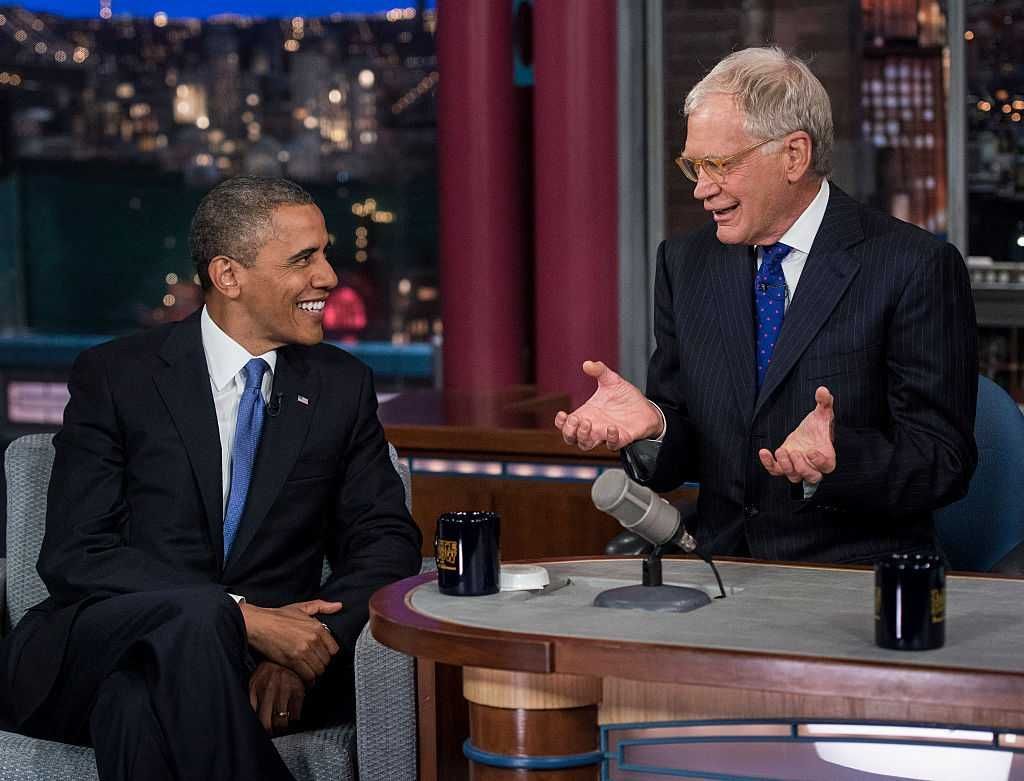
Seven days after the Benghazi attack, Barack Obama went on David Letterman’s “Late Show.”
The date was September 18, 2012. Ambassador Christopher Stevens and three other Americans were dead. The Obama administration was under mounting pressure to explain what had happened. The election was less than two months away, and the administration’s account — that the attack had grown out of a spontaneous reaction to an anti-Islam video — was already under scrutiny.
We live in an age when everything is supposedly recorded forever. Yet political memory remains remarkably fragile.
So Obama went on Letterman. Naturally.
That was one of the more striking moments in A.J. Rice’s recent “Dangerous Laughter” conversation with Drew Thomas Allen, author of “Clinton Hoax, Obama Coup: The Declassified Story of the Trump-Russia Delusion.”
Allen’s larger argument is that the political and intelligence controversies that exploded around Donald Trump in 2016 did not begin with Trump. To understand Russiagate, he says, you have to work backward through the Obama years, Benghazi, Hillary Clinton, and the intelligence community.
But the Letterman story is where the story gets genuinely strange.
Allen says that while researching his book, he found references to Obama’s Letterman appearance in material connected to the Benghazi investigation. Finding the actual interview proved harder. According to the discussion, only a small portion of the September 18 appearance remains readily available online, while the section dealing with Obama’s explanation of Benghazi is the part that is difficult to locate.
Rice notes that plenty of Letterman interviews from the same period remain online. That makes the absence conspicuous.
The missing footage does not tell us who removed it, why it vanished, or whether anyone deliberately removed it at all. Television archives are messy. Rights change hands. Old clips disappear for mundane reasons. Rice and Allen themselves discussed trying to obtain a complete copy or transcript rather than treating the missing footage as evidence of a conspiracy theory.
That is exactly the right standard. But it leaves a remarkable question: Why is a presidential interview, important enough to surface in the Benghazi record, so difficult to watch today?
Rice’s hypothesis is compelling: The interview has been “memory holed.”
RELATED: Task forces won’t cut it. Trump needs a truth commission.
The phrase comes from George Orwell’s “1984.” Winston Smith works at the Ministry of Truth, rewriting old records until yesterday’s reality conforms to today’s political narrative. The original disappears down the memory hole.
The metaphor works because political narratives harden into history with astonishing speed. A politician says something. Television repeats it, newspapers amplify it, commentators argue about it. Eventually, millions of people remember the story without remembering where the story came from.
Years later, the interpretation survives while the primary source becomes harder to find.
That’s the key to Allen’s argument, which treats Benghazi as an earlier chapter in a much longer political story. Obama was running for re-election on a record that included the killing of Osama bin Laden and the broader claim that his administration had confronted the terrorist threat. Then an American ambassador was killed in a terrorist attack weeks before Election Day.
That was plainly a political problem for the White House. What followed — the administration’s public explanation, the congressional investigations, and years of argument over what officials knew and when they knew it — became part of the larger history Allen wants readers to reconstruct.
His book moves from Benghazi through Clinton, the FBI, CIA, the Steele dossier, and ultimately Russiagate. A reader need not accept every conclusion to accept his basic challenge: Go back to the documents. Examine the original evidence. Do not mistake the version that became conventional wisdom for the record itself.
And that is where Letterman becomes more than a footnote.
Rice makes a larger point about comedy. Historically, the comedian played court jester: the figure permitted to mock the king, puncture pretension, and say what ordinary people could not. Aristophanes mocked politicians. Molière mocked the establishment. Comedy was supposed to make powerful people sweat.
Rice contends that Letterman had moved away from that role. In his telling, Obama was not entering a hostile room where a comic might spring an uncomfortable question. He was entering a friendly television environment where he could address a political crisis on favorable terrain.
That criticism can be overstated. Political comedy has always had sympathies and enemies. But the underlying standard is sound: If the comedian’s social function is to challenge power, the test should not change with the party holding it.
RELATED: Obama calls Benghazi attack a ‘wild conspiracy theory.’ Benghazi hero decimates him.
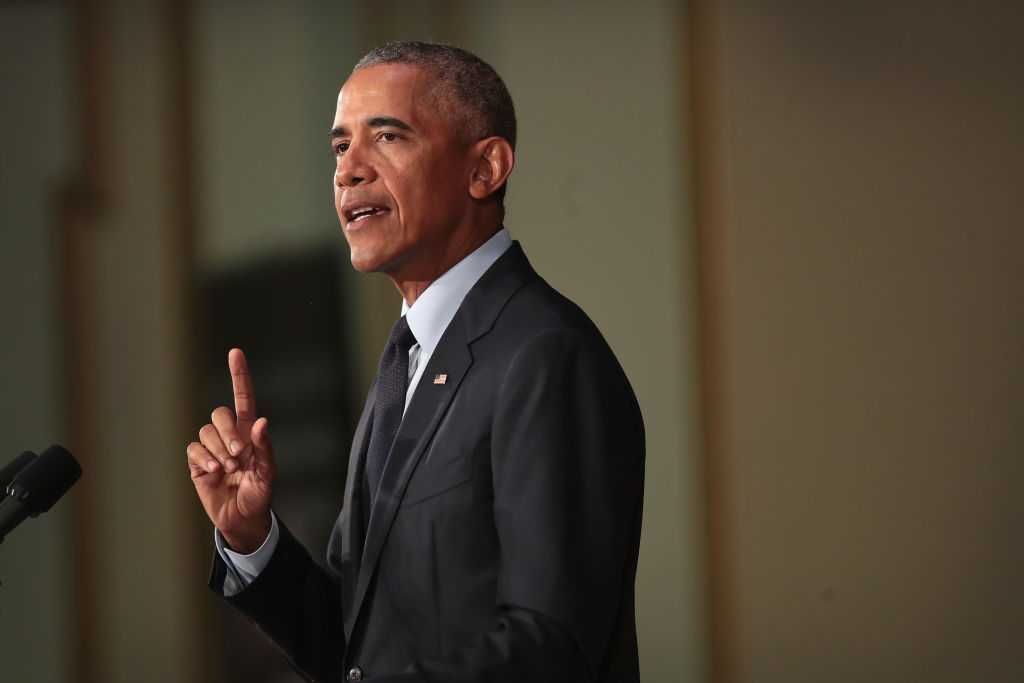
And the timing is important. This was not a president chatting about his golf game. Obama appeared on a comedy program one week after an American ambassador and three other Americans had been killed, while his administration was under pressure to explain the attack and he was campaigning for another term.
Now the most politically relevant portion of that appearance is apparently the hardest part to find.
That should make historians, journalists, and ordinary citizens curious — not conspiratorial, curious.
We live in an age when everything is supposedly recorded forever. Yet political memory remains remarkably fragile. Archives move. Clips disappear. Context separates from quotation. Eventually, the easiest version of the story becomes the version everyone remembers.
That is the real reason the Letterman episode is worth pursuing. It does not prove Allen’s larger case. It does not prove deliberate suppression. It demonstrates why citizens should insist on access to the original evidence whenever possible.
If the full interview exists, produce it. If there is a transcript, publish it. If it truly has disappeared, somebody should find out why.
The memory hole is dangerous precisely because, once the source is gone, all that remains is somebody else’s version of what was on the other side.
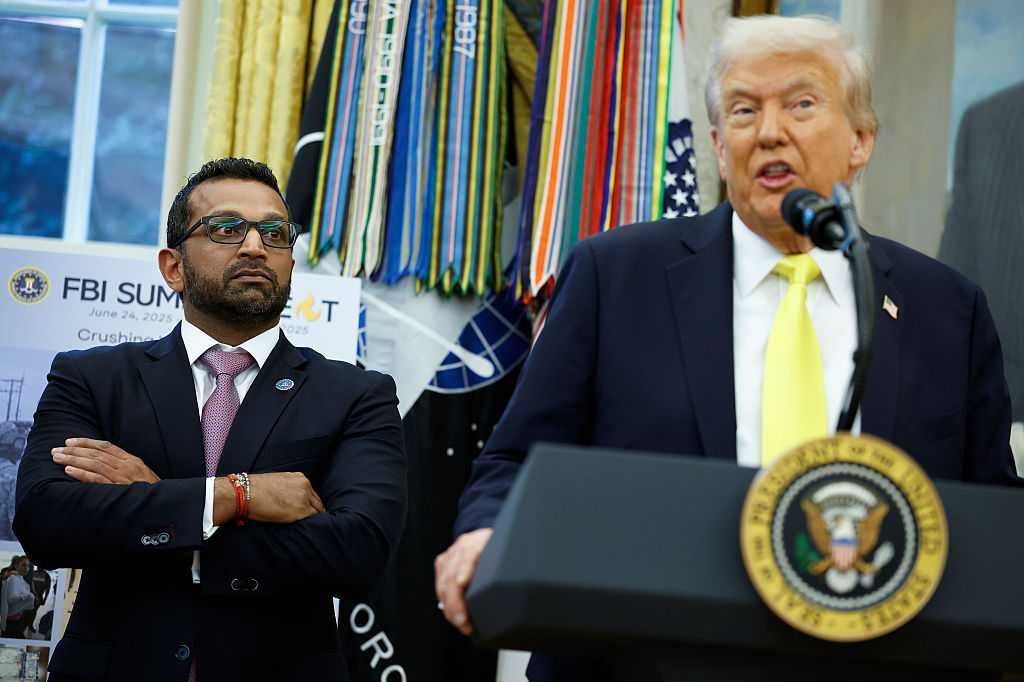
After 14 months in office, FBI Director Kash Patel has announced that the bureau will be making arrests related to the 2020 presidential election.
President Donald Trump has long said the 2020 election was rigged, tasking Patel with finding any perpetrators of this alleged election fraud. Over a year after Patel took office, the FBI director said arrests would be "coming soon."
'We've got all the information we need.'
"I lived through it, and the media came at me then too," Patel told Fox News Sunday. "That just shows you when you're over the target, you keep pummeling the target, because the media is going to try to pummel you."
"We are not going to take this and have not taken this laying down," Patel added. "We did already indict former Director [Jim] Comey, and that's going through the judicial process."
Comey was indicted in September 2025 for allegedly making false statements to Congress and for obstructing a congressional proceeding, citing Comey's testimony during a 2020 hearing before the Senate Judiciary Committee.
The Department of Justice zeroed in on Comey's claim that he had not authorized anyone at the FBI to leak stories to the media about Russiagate, which prosecutors claimed was false. Comey pleaded not guilty to the charges, and a federal judge dismissed the case in November 2025.
"I am never going to let this go," Patel said. "Because they have not only personally attacked the presidency of the United States and President Trump, but they've tried to thwart our elections and rig the entire system."
"That is not something I'm going to allow on my watch."
Although the case against Comey fell through, Patel signaled that there were more arrests coming, claiming the FBI had more than enough information to move forward.
"We've got all the information we need," Patel said about incoming arrests. "We're working with our prosecutors and the Department of Justice under [acting] Attorney General Todd Blanche, and we are going to be making arrests. And it's coming, and I promise you, it's coming soon."
Like Blaze News? Bypass the censors, sign up for our newsletters, and get stories like this direct to your inbox. Sign up here!
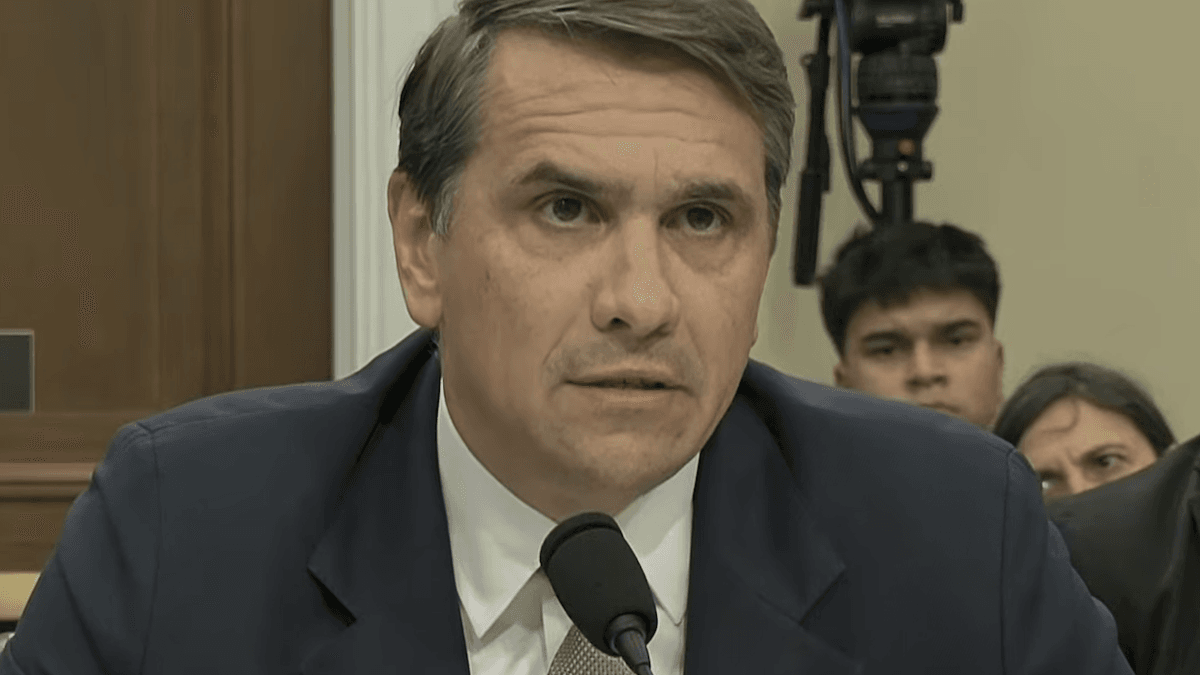 Something that the dying news media like to do is frame President Trump’s concerns with the Justice Department as though they’re animated solely by personal vendetta, rather than legitimate matters of law and order that affect everyone. Look at how they’re reacting to the president nominating Todd Blanche to serve as attorney general. The New […]
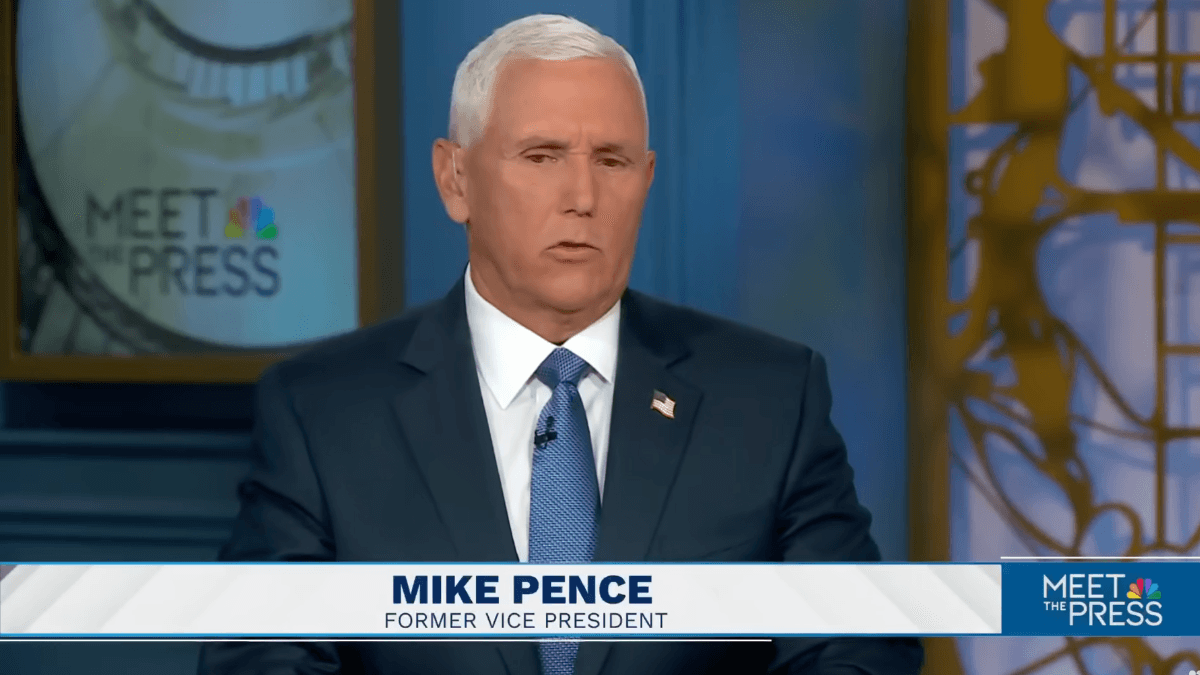 Pence is entitled to oppose compensating victims of lawfare. What he is not entitled to do is pretend he had no role in creating them.
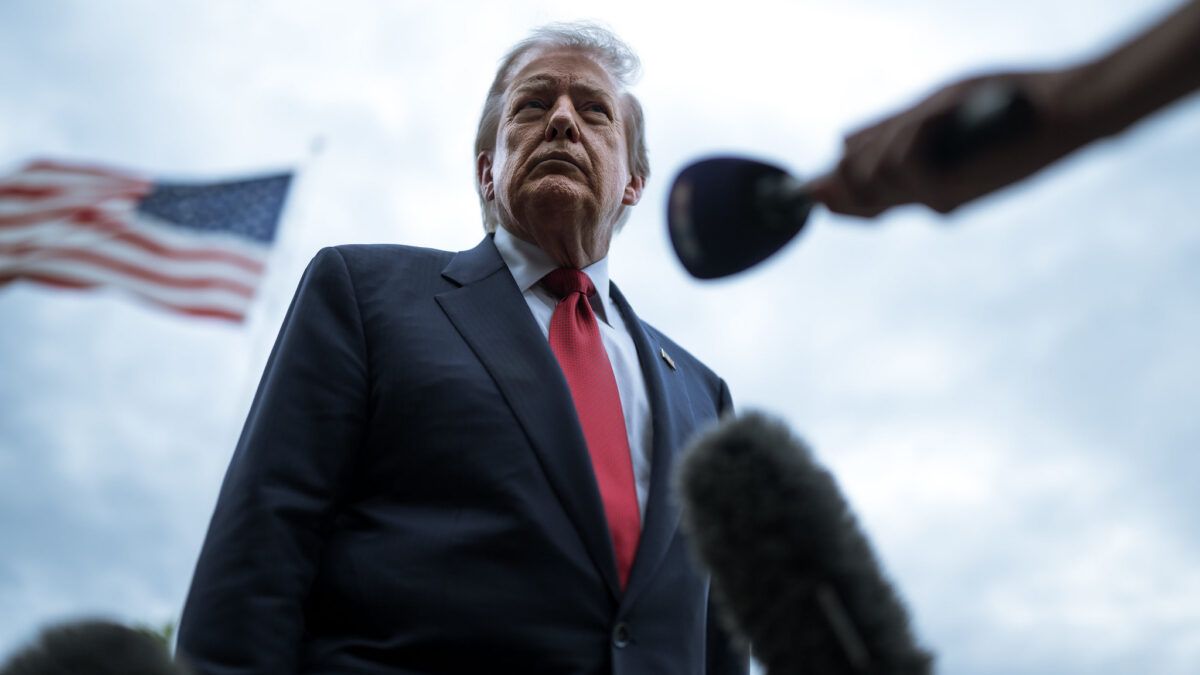 The architects of government weaponization are now in federal court blocking the fund designed to compensate their victims.
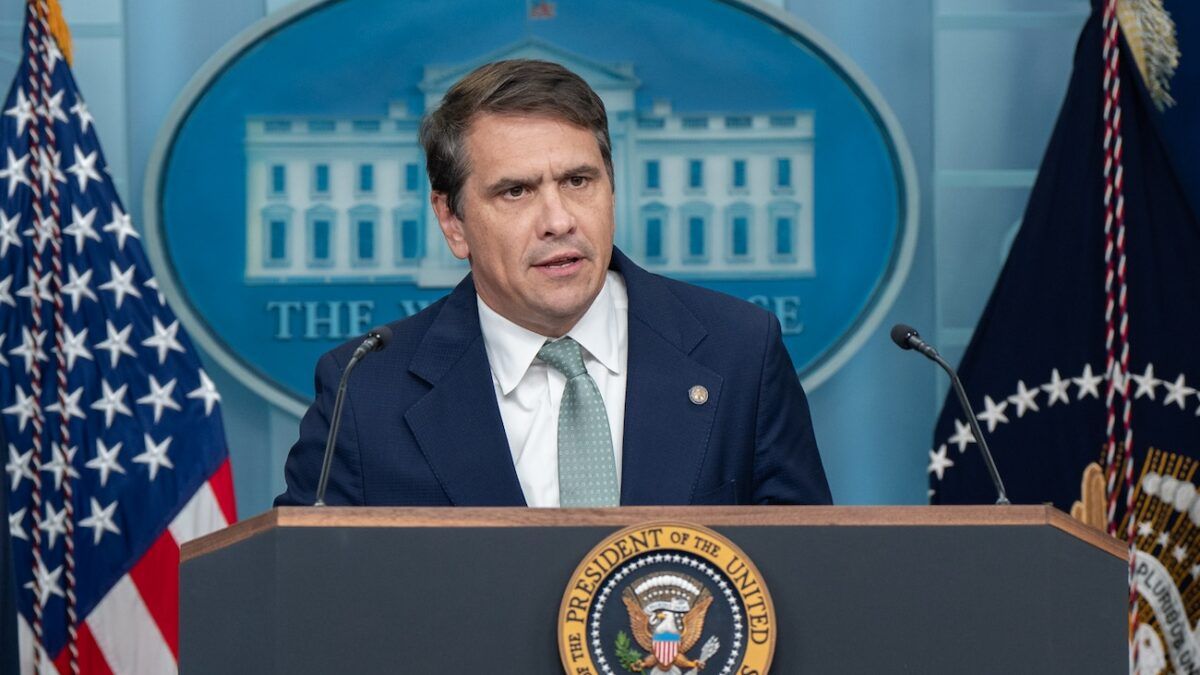 The 'cycle of weaponization' will not be broken by one side dropping its weapons while the other reloads.
 No matter what happens with the latest indictment of James Comey, his tenure heading the FBI is defined by his dishonesty and wildly irresponsible behavior.
 After a wasted decade, this is both the best opportunity and, realistically, the last real chance to get something done.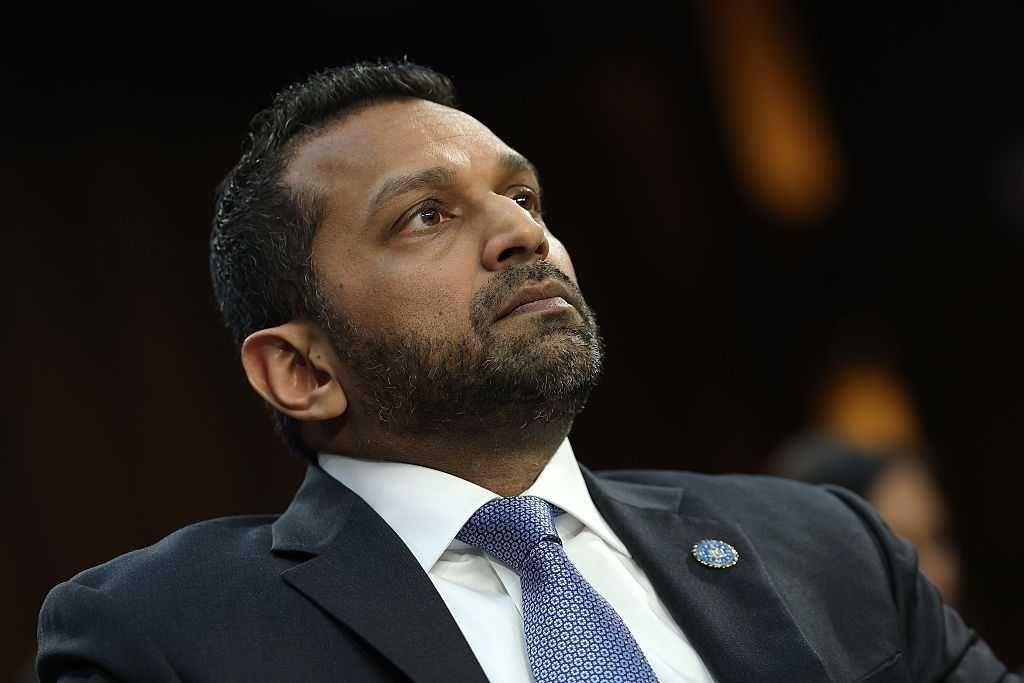
 www.theblaze.com
 www.theblaze.com