Republican support wanes as Senate overhauls key provisions in 'big, beautiful bill'


The Senate Finance Committee put out its version of the "big, beautiful bill," and support from Republican lawmakers is already beginning to slip.

The House version of the bill narrowly passed in a 215-214 vote in May after weeks of tumultuous negotiations. The House then sent the bill over to the Senate, where the Finance Committee made key changes to several tax provisions in the bill, once again provoking various ideological factions within the GOP.

'Yeah, I will not vote for this.'

RELATED: SALT Republicans left seething after Senate makes major changes to the 'big, beautiful bill'
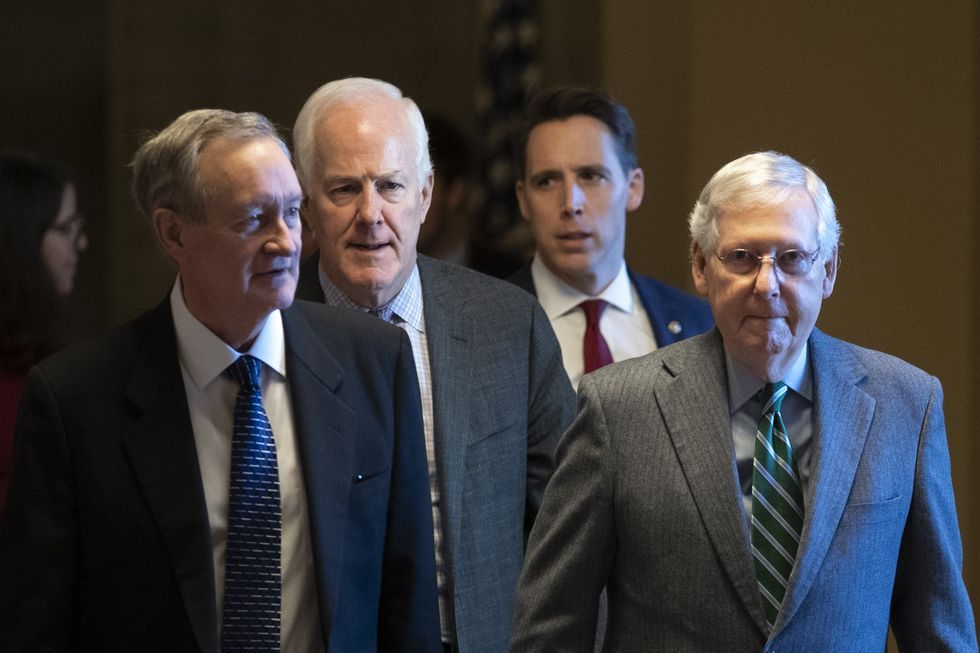
Photo by Drew Angerer/Getty Images

One of the most contested changes was lowering the SALT cap from the House's $40,000 cap back down to $10,000 in the Senate. The SALT caucus vigorously negotiated for weeks on the House side and quadrupled its original cap, which leaders have said is nonnegotiable.

As expected, SALT Republicans came out strongly against the $10,000 cap put forth by the Senate, calling the bill "insulting" and "dead on arrival." The Senate claims that the lower figure is simply a placeholder to negotiate with the House, but SALT Republicans have made clear that they won't accept anything less than $40,000.

Given their narrow House majority, Republicans can afford to lose only a handful of votes to pass the bill. Without the support from the SALT caucus, the bill would not pass the House.

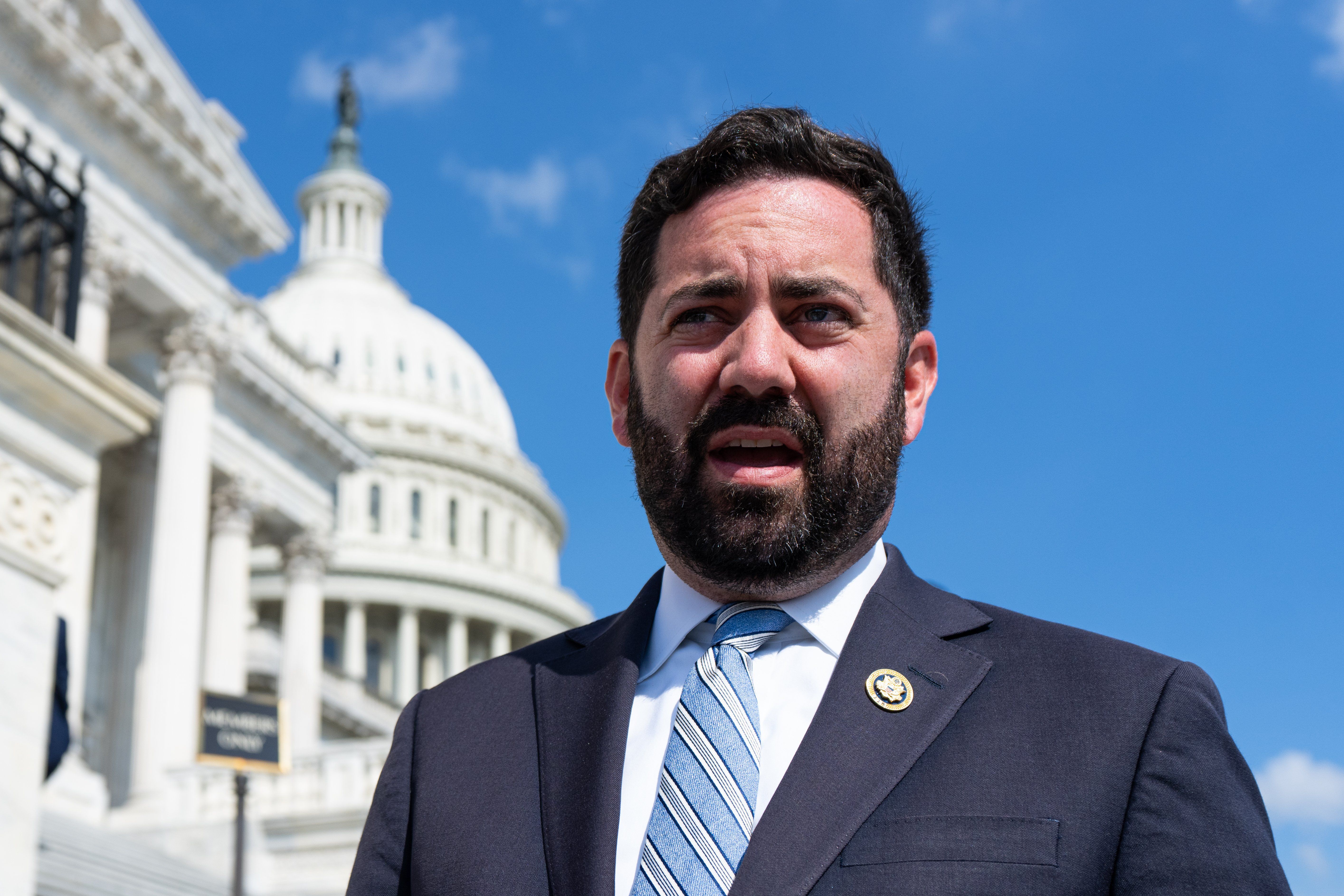
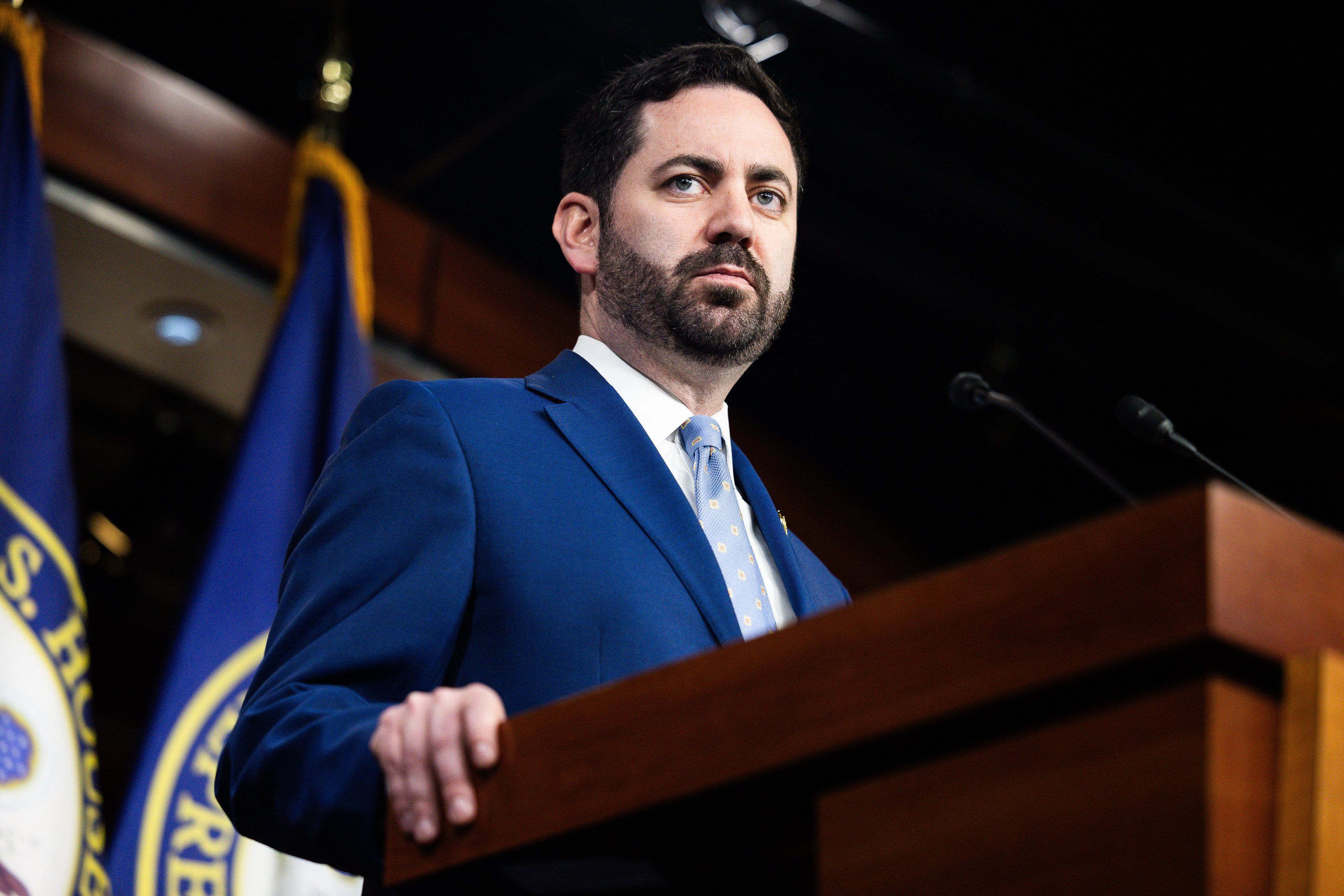
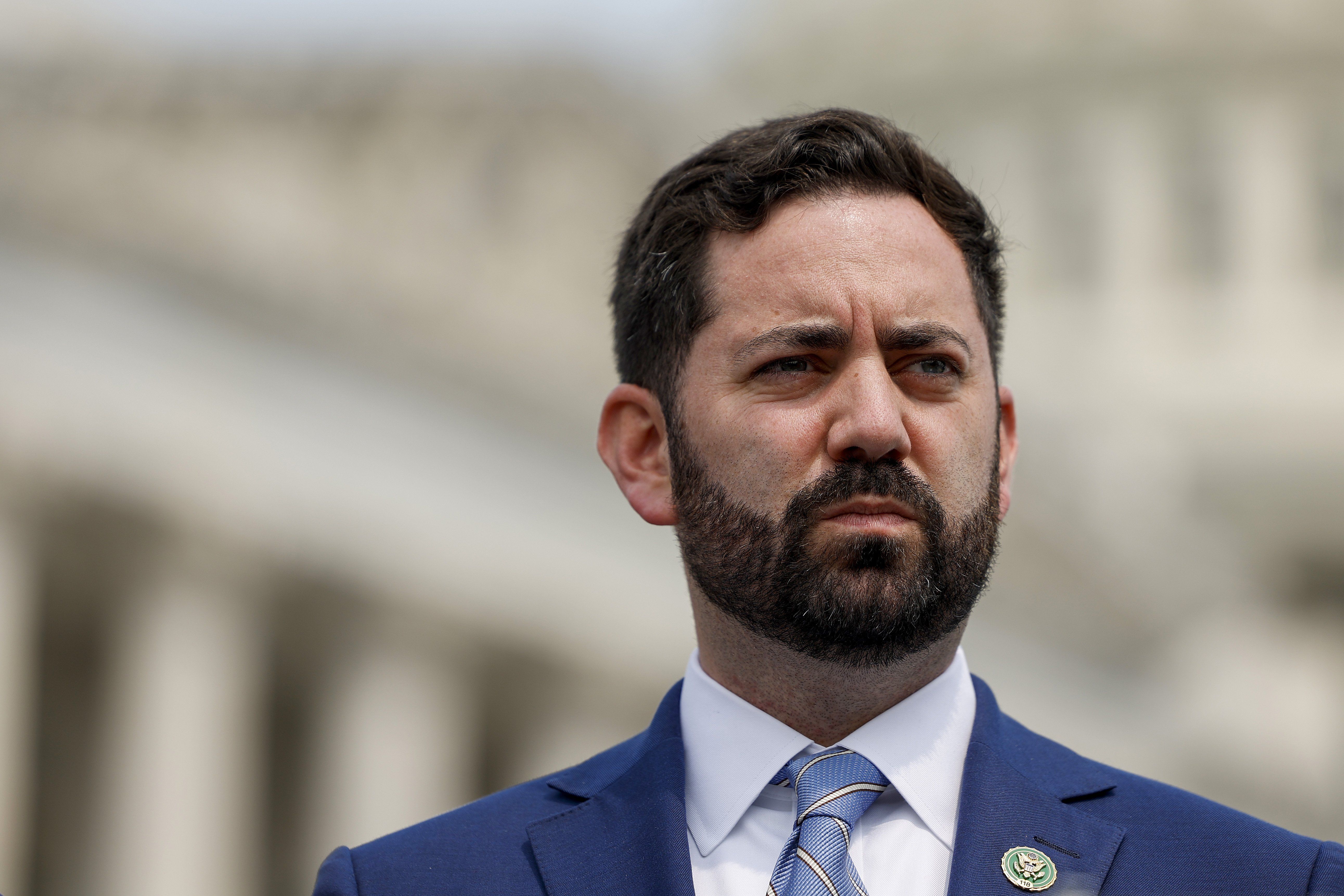
"I have been clear since Day one: sufficiently lifting the SALT Cap to deliver tax fairness to New Yorkers has been my top priority in Congress," Republican Rep. Mike Lawler of New York said Monday. "After engaging in good faith negotiations, we were able to increase the cap on SALT from $10,000 to $40,000. That is the deal and I will not accept a penny less. If the Senate reduces the SALT number, I will vote NO and the bill will fail in the House."

RELATED: House narrowly passes DOGE cuts despite Republican defectors: 'The gravy train is up'

Photo by Win McNamee/Getty Images

The Senate has also taken a gentler approach to rolling back green-energy subsidies first implemented through former President Joe Biden's Inflation Reduction Act. Certain solar and wind subsidies are now going to be extended through at least 2030 and in some cases through 2040.

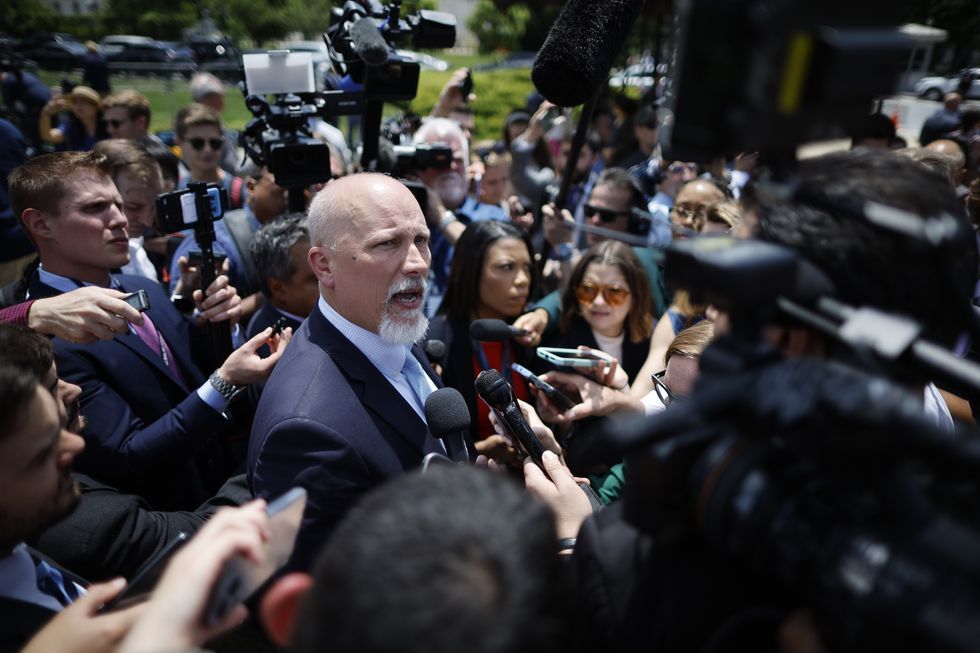
Fiscal hawks like Republican Rep. Chip Roy of Texas fought for more aggressive cuts in the House version of the bill. While the Senate softened up on green-energy subsidies, Roy is insisting on deeper cuts.

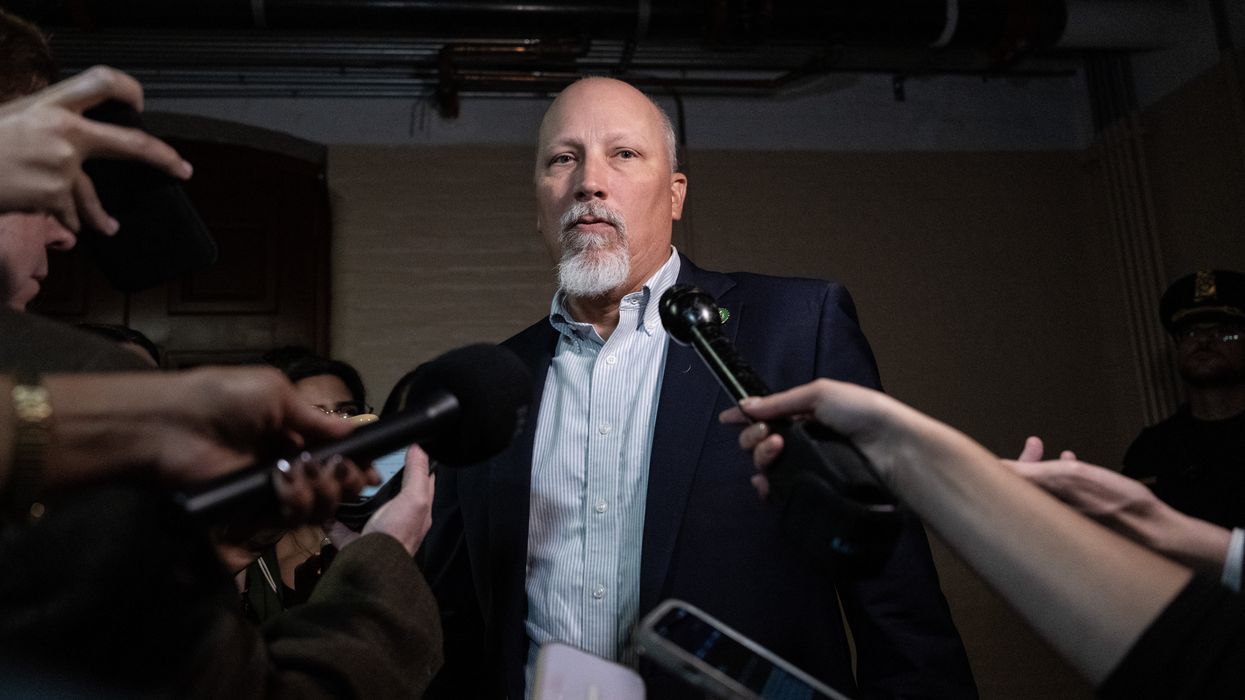
"Yeah, I will not vote for this," Roy said of the Senate's bill.

"The IRA subsidies need [to] end," Roy added. "Period."

RELATED: Democrats vote overwhelmingly to allow illegal aliens to continue voting in key district
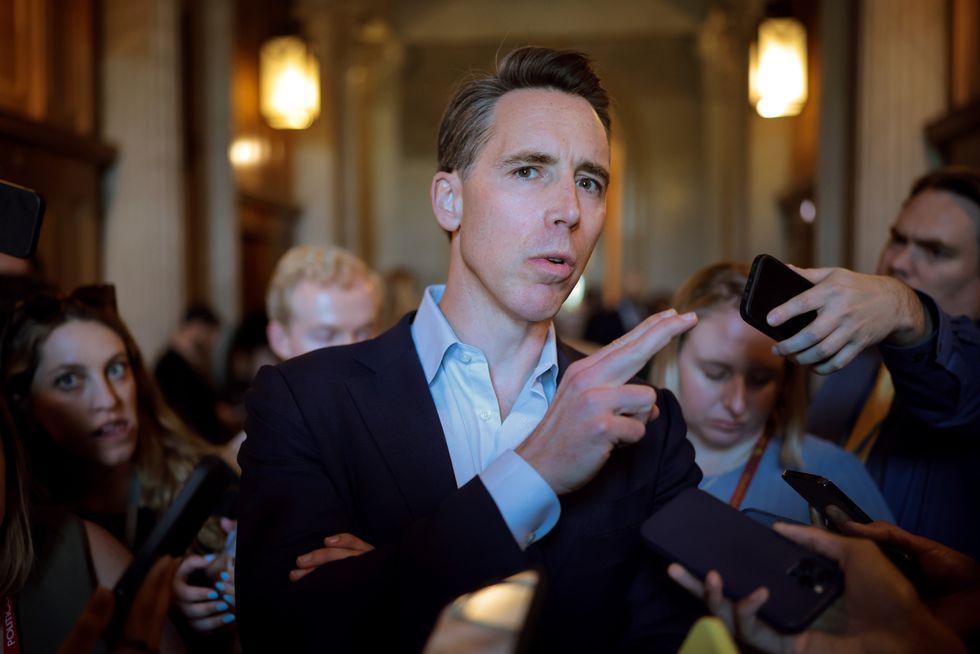
Photo by Kayla Bartkowski/Getty Images

Most critics argue the Senate's bill doesn't go far enough, but with respect to Medicaid, Republican Sen. Josh Hawley of Missouri says it went too far.

The House version freezes new provider taxes, strengthens work requirements, and puts forth certain cuts to the program in order to ensure only eligible individuals are receiving Medicaid benefits. This was crucial in securing support from fiscal conservatives like Roy, who otherwise were inclined to vote against the bill in the House.

The Senate version takes these cuts one step further, capping the expansion states' charges at 3.5% by 2031. Hawley said he was "alarmed" by this provision, noting that many rural hospitals in low-income areas rely on support from the federal government.

"This is gonna defund rural hospitals effectively in order to, what, pay for solar panels in China?” Hawley said. “I’ll be really interested to see what the president thinks about this."

Like Blaze News? Bypass the censors, sign up for our newsletters, and get stories like this direct to your inbox. Sign up here!
SALT Republicans left seething after Senate makes major changes to the 'big, beautiful bill'


The Senate Finance Committee amended major tax provisions in the House's version of President Donald Trump's "big, beautiful bill," and some Republicans are not happy about it.

The SALT Caucus, which advocates for an increased cap on state and local deductions, managed to do just that in the House version of the bill that was passed in May. After weeks of negotiating with Speaker Mike Johnson and Republican leadership, SALT Republicans were able to quadruple the original $10,000 cap to $40,000.

By appealing to the very stubborn SALT members, the House was able to pass the bill in an uncomfortably narrow 215-214 vote.

Although SALT Republicans were eventually able to get behind the landmark legislation, the Senate's amendments may have alienated them and their much-needed support.

'Not only insulting but a slap in the face to the Republican districts that delivered our majority and trifecta.'

RELATED: House narrowly passes DOGE cuts despite Republican defectors: 'The gravy train is up'

Photo by Anna Moneymaker/Getty Images

The Senate Finance Committee pushed the $40,000 cap right back down to $10,000 on Monday, treating it as a "negotiating mark." As expected, SALT Republicans are not on board.

At the forefront of this dispute is Republican Rep. Mike Lawler of New York, who, like many of his other SALT colleagues, maintains that his support for the bill is conditional.

"I have been clear since Day one: sufficiently lifting the SALT Cap to deliver tax fairness to New Yorkers has been my top priority in Congress," Lawler said in a statement Monday. "After engaging in good faith negotiations, we were able to increase the cap on SALT from $10,000 to $40,000. That is the deal and I will not accept a penny less. If the Senate reduces the SALT number, I will vote NO and the bill will fail in the House."

"Consider this the response to the Senate’s 'negotiating mark': DEAD ON ARRIVAL," Lawler added.

RELATED: Democrats vote overwhelmingly to allow illegal aliens to continue voting in key district

Photo by Andrew Harnik/Getty Images

Other SALT Republicans echoed Lawler, saying they will pull their support for the bill if the original $40,000 cap they negotiated in the House is scrapped.

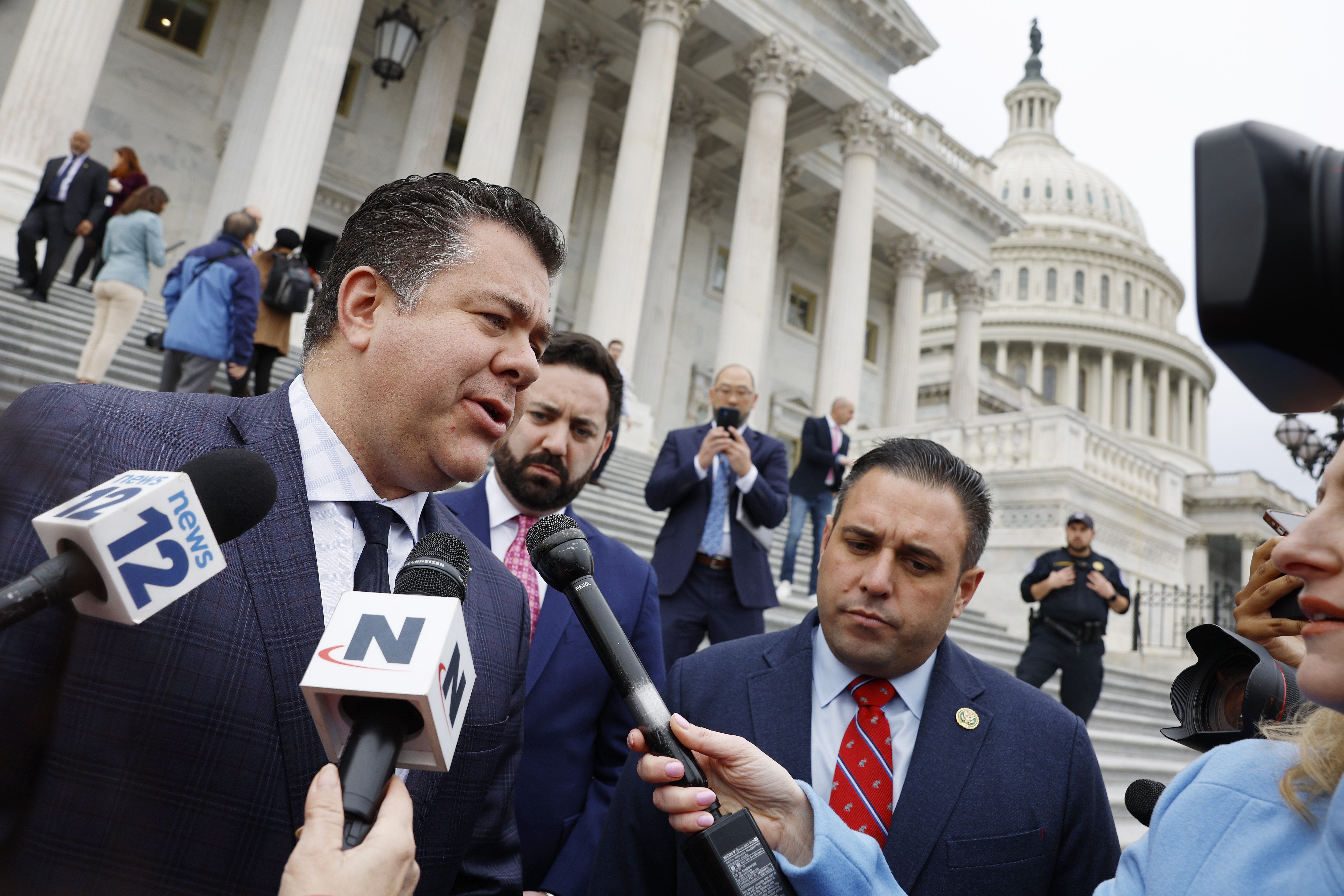
"The Senate doesn’t have the votes for $10k SALT in the House," Republican Rep. Nick LaLota of New York said Monday. "And if they’re not sold on the House’s $40k compromise, wait until they crash the OBBB and TCJA expires — when SALT goes back to unlimited at year-end. They won’t like that one bit."

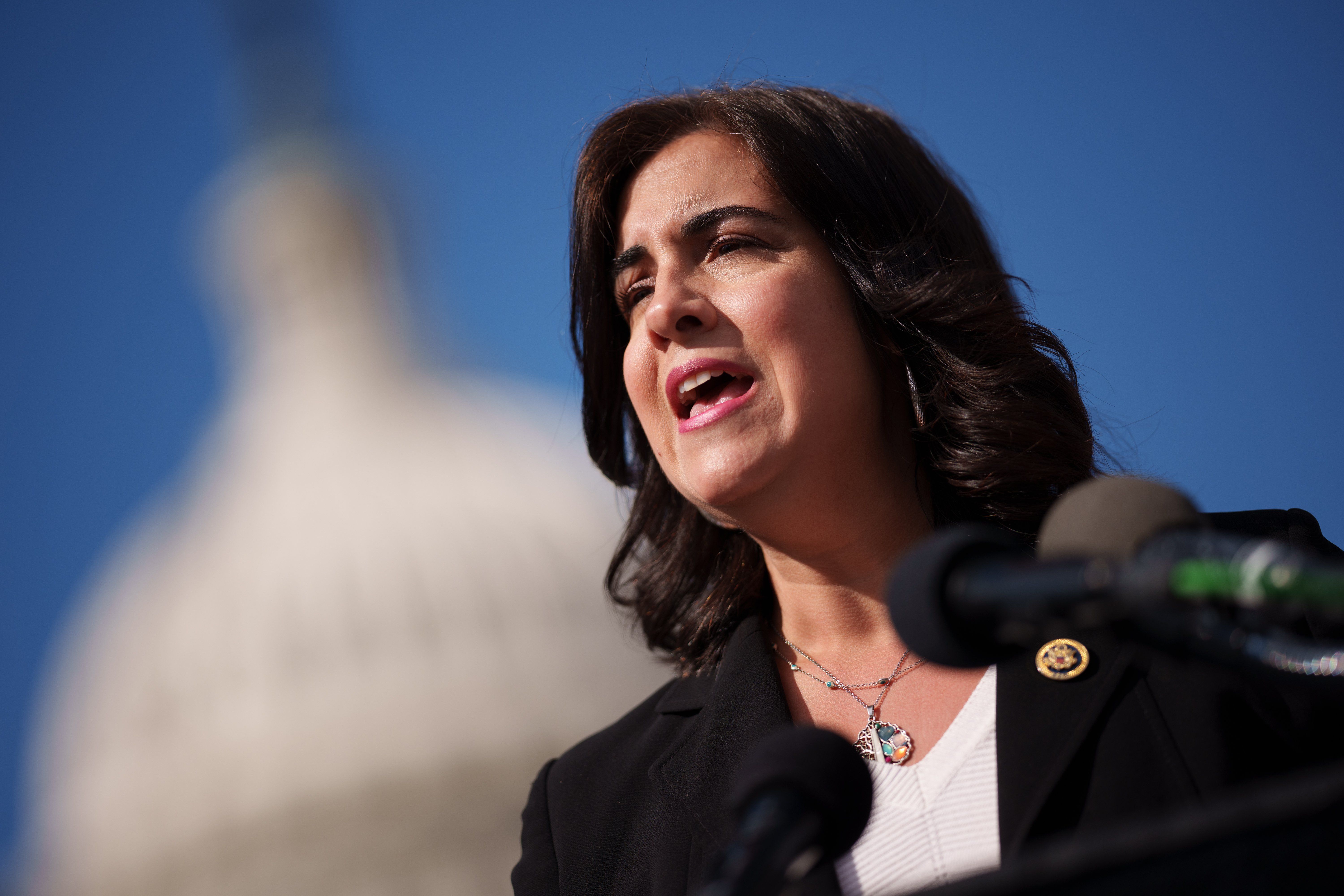
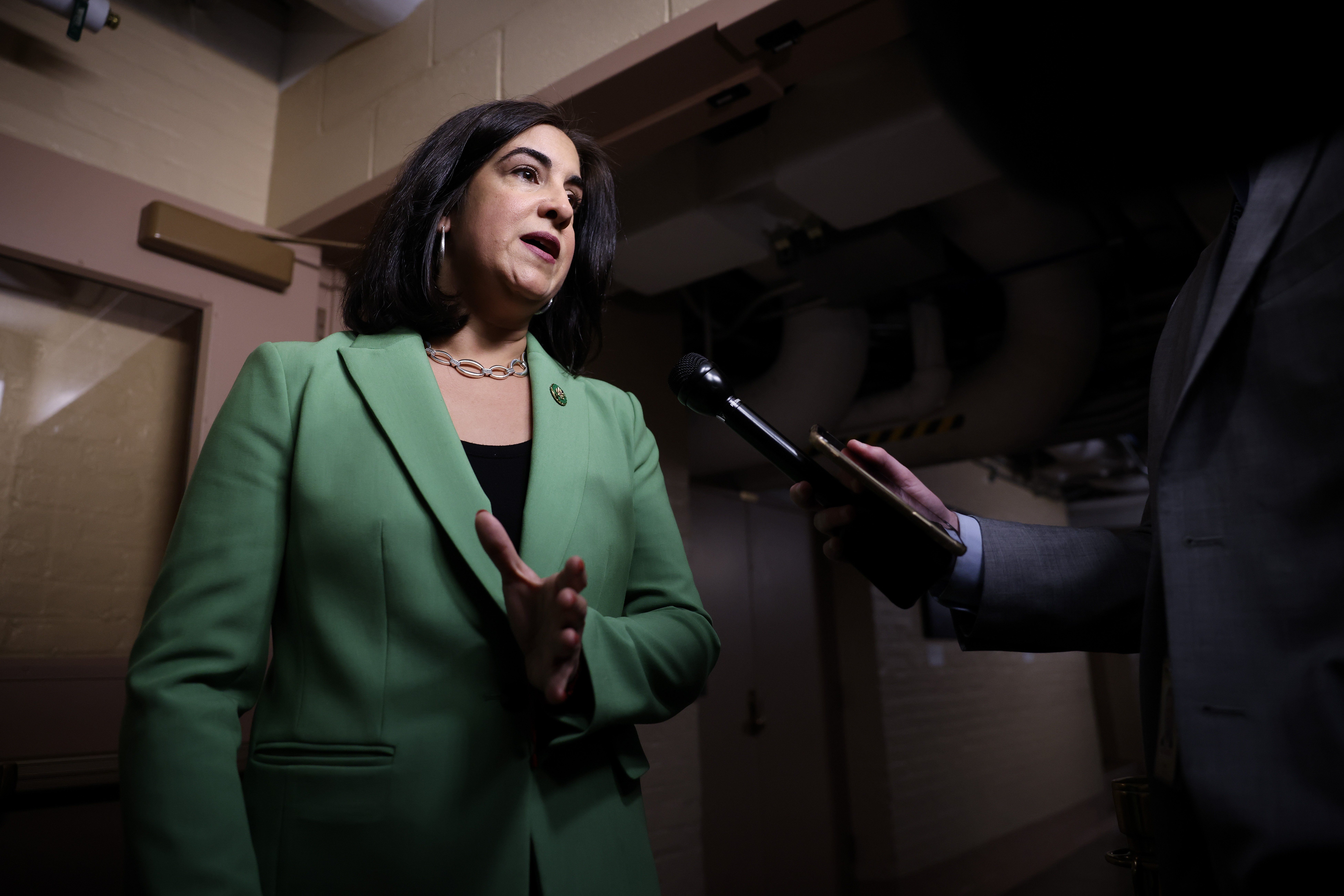
Republican Rep. Nicole Malliotakis of New York shared her SALT colleagues' frustrations. Malliotakis said the Senate's amended bill is a "slap in the face," reminding them that Republicans in moderate districts have helped secure the narrow majority they relied on to pass the legislation in the first place.

Notably, Malliotakis is the only Republican SALT member who sits on the House Ways and Means Committee, which is in charge of the tax policy drafted in the House.

RELATED: Chip Roy reveals to Glenn Beck possible motive behind Elon Musk's scathing review of the 'big, beautiful bill'

Photo by Andrew Harnik/Getty Images

"The $40,000 SALT deduction was carefully negotiated along with other tax provisions by the House of Representatives and we all had to give a little to obtain the votes to pass the Big Beautiful Bill," Malliotakis said Monday. "For the Senate to leave the SALT deduction capped at $10,000 is not only insulting but a slap in the face to the Republican districts that delivered our majority and trifecta."

"If we want to be the big tent party, we need to recognize that we have members representing blue states with high taxes that are subsidizing many red districts across the country with constituents who benefit from refundable tax credits despite paying zero in taxes," Malliotakis added.

Like Blaze News? Bypass the censors, sign up for our newsletters, and get stories like this direct to your inbox. Sign up here!

Trump's 'big, beautiful bill' narrowly passes the House, notching another win for Johnson


The House worked through the night to narrowly pass President Donald Trump's "big, beautiful bill" early Thursday morning after another tumultuous week on Capitol Hill.

The bill passed in a 215-214 vote, with one member, House Freedom Caucus Chairman Andy Harris (R-Md.), voting present. Republican Reps. Thomas Massie of Kentucky and Warren Davidson of Ohio were the lone "no" votes on the bill, and Republican Reps. Andrew Garbarino of New York and David Schweikert of Arizona refrained from voting altogether.

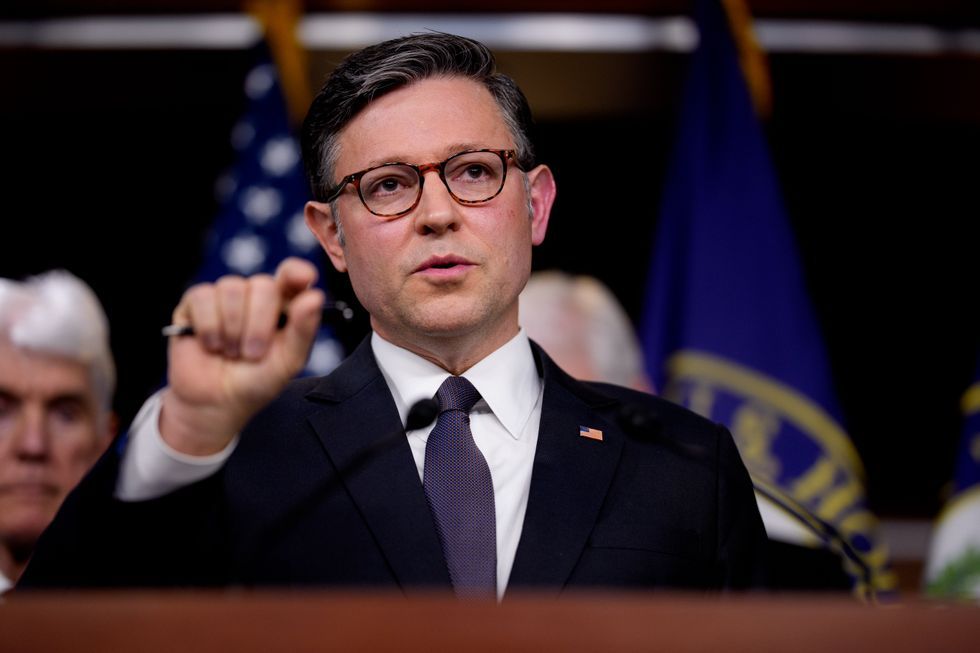
The bill's passage has proven to be another impressive feat for Speaker Mike Johnson (R-La.), who dealt with uncertainty and skepticism within the Republican conference leading up to the vote.

'Once again, they have been proven wrong.'

RELATED: Spending hawks dig their heels in as White House battles to keep 'big, beautiful bill' afloat

🚨THE “BIG, BEAUTIFUL BILL” HAS JUST PASSED THE HOUSE pic.twitter.com/Ae19tZgaQN
— TheBlaze (@theblaze) May 22, 2025

"The media and the Democrats have consistently dismissed any possibility of House Republicans succeeding in our mission to enact President Trump's America First agenda," Johnson said in a statement. "Once again, they have been proven wrong."

To the speaker's point, Johnson spent the last few weeks homing in on a balancing point that would eventually satisfy as many Republicans as he needed to get this bill passed. Fiscal hawks like Harris and Republican Rep. Chip Roy (Texas) fought for meaningful spending cuts, legitimate Medicaid reform, and eliminating IRA subsidies before they signed off on the bill. They even met with the president alongside HFC colleagues on Wednesday after Trump's Capitol Hill appearance failed to persuade them.

Johnson was also dealing with the SALT Caucus Republicans, who kept refusing overly generous offers to raise the cap on state and local deductions for their blue states. The SALT Caucus eventually accepted Johnson's offer to raise the cap to $40,000, which quadruples the current $10,000 cap.

RELATED: Senate unanimously codifies Trump's 'No Tax on Tips' policy

Photo by Anna Moneymaker/Getty Images

Now that Republicans have successfully passed this bill before their ambitious Memorial Day deadline, it is up to the Senate to take up reconciliation.

"We look forward to the Senate's timely consideration of this once-in-a-generation legislation and stand ready to continue our work together to deliver the one big, beautiful bill to the president's desk," Johnson said in the statement.

Like Blaze News? Bypass the censors, sign up for our newsletters, and get stories like this direct to your inbox. Sign up here!

Trump pressures House Republican holdouts as reconciliation talks intensify


President Donald Trump made a much-needed appearance on Capitol Hill Tuesday morning as more and more House Republicans turn on the "big, beautiful bill."

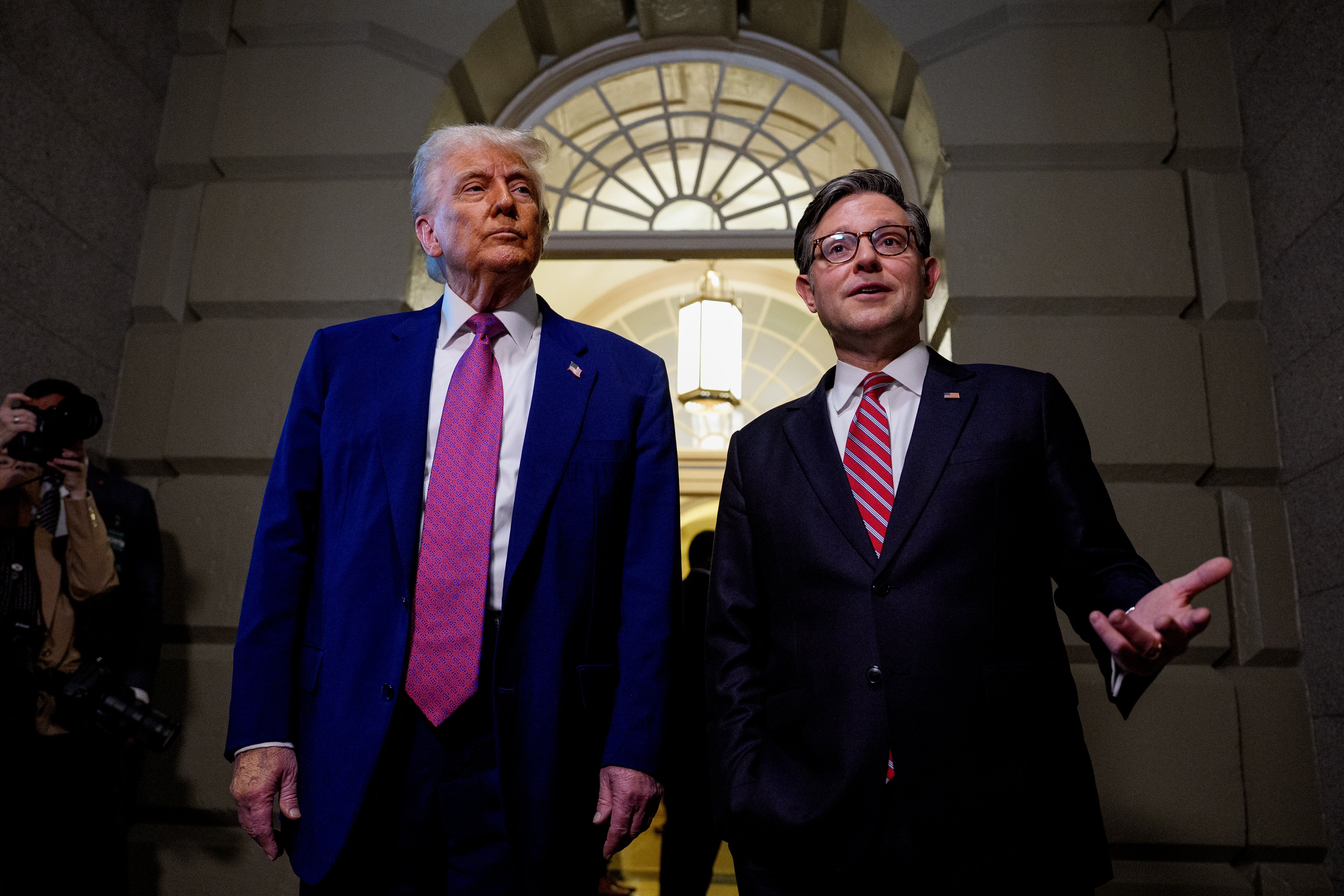
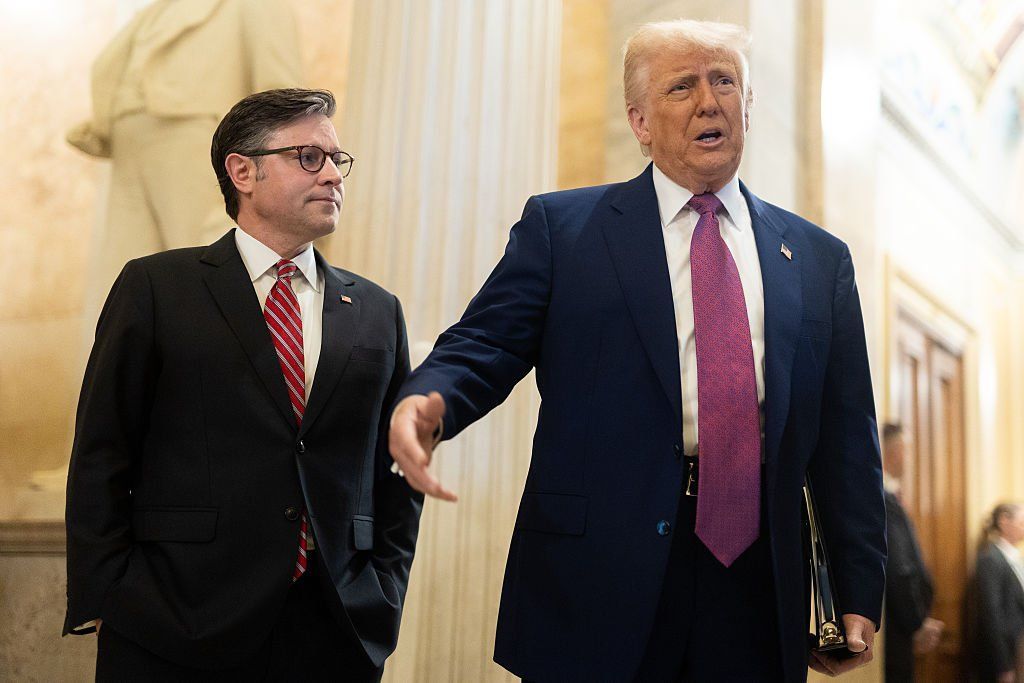
Trump met with the House Republican conference alongside Speaker Mike Johnson (R-La.), who has been working around the clock to make sure reconciliation can pass. But with just two Republican votes to spare and multiple unresolved policy negotiations, the fate of the bill still remains in the balance.

'Anybody that didn't support it, as a Republican, I would consider a fool.'

RELATED: Fiscal hawks send warning as 'big, beautiful bill' clears high-stakes vote: 'We have to do more to deliver'

POTUS gaggles with reporters after meeting with House Rs on reconciliation.

Trump says “anybody that didn’t support it, as a Republican, I would consider to be a fool.”

Several House Rs remained a “no” after the meeting.@theblaze pic.twitter.com/SdV3K5x9mZ
— Rebeka Zeljko (@rebekazeljko) May 20, 2025

During the meeting, Trump made it clear that he was losing his patience with Republican defectors and even suggested they should be primaried. Trump told members not to let SALT negotiations get in the way of reconciliation, even calling out Republican Rep. Mike Lawler of New York during the meeting.

Lawler notably rejected Johnson's latest — and very generous — offer to increase the state and local tax deduction cap to $40,000, which is a $10,000 increase from the originally proposed cap.

Trump also called out fiscal hawks, specifically Republican Rep. Thomas Massie of Kentucky, who has maintained that he won't vote for the bill. However, Massie was not alone, with multiple House Republicans saying their views on the bill have not changed.

"Anybody that didn't support it, as a Republican, I would consider a fool," Trump told reporters after the meeting. "It's a great bill for America."

RELATED: Why the GOP is so frustrated trying to negotiate with the ‘SALT Caucus’

Photo by Andrew Harnik/Getty Images

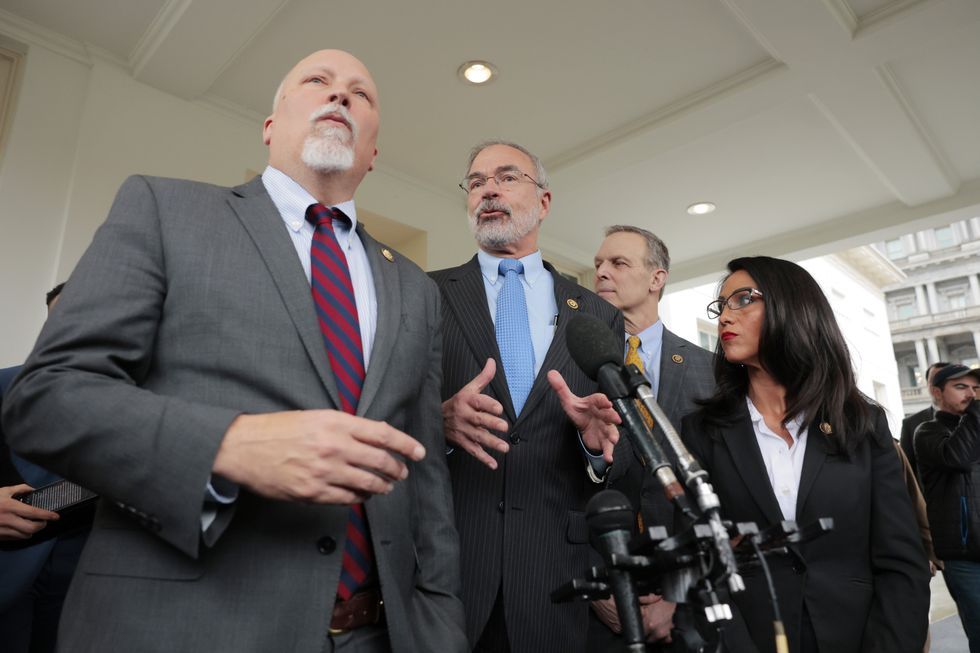
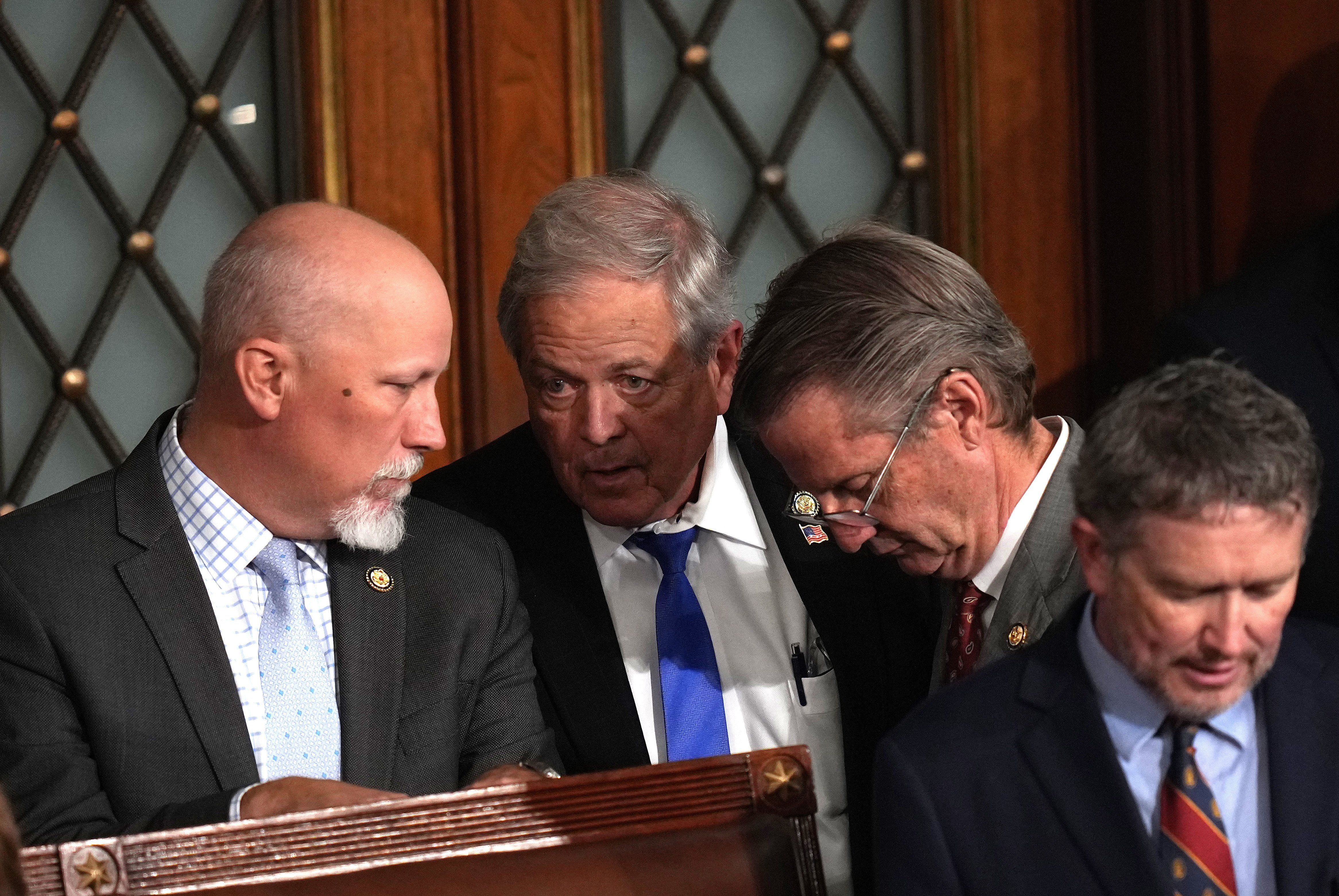
At the same time, House Freedom Caucus members, like Republican Reps. Chip Roy of Texas and Andy Harris of Maryland, still weren't persuaded by the president.

"We all are here to advance the agenda that the President ran on and that we all ran on," Roy said following the meeting. "I don't think the bill is exactly where it needs to be, yet. We need to extend the Trump tax cuts, but we also need to deliver on the spending restraint ... I think Congress can do a better job."

"The president, I don't think, convinced enough people that the bill is adequate, the way it is," Harris said. "President called for eliminating waste, fraud, abuse in Medicaid, and we have not eliminated waste, fraud, and abuse."

RELATED: Exclusive: Why Chip Roy can't support the 'big, beautiful bill': 'The swamp does what the swamp does'

Photo by Chip Somodevilla/Getty Images
Johnson made progress with fiscal conservatives over the weekend when the bill passed through the Budget Committee Sunday night after initially failing a vote on Friday. Leading up to the vote, Johnson met with the Republican holdouts and floated a 2026 start date for Medicaid work requirements rather than the original 2029 implementation date. As a result, four Republicans, including Roy, voted "present" and allowed the bill to advance.

Trump addressed Medicaid during the meeting, telling members not to "f*** around" with the program with the exception of mitigating fraud, waste, and abuse.

"The only thing we're cutting is waste, fraud, and abuse," Trump said. "We're not changing Medicaid, and we're not changing Medicare, and we're not changing Social Security.”

Although Republican defectors seem to be digging their heels in, Trump remained optimistic about the future of his bill.

"I think we're in good shape," Trump told reporters. "This was a meeting of love. There is great unity in that room."

Like Blaze News? Bypass the censors, sign up for our newsletters, and get stories like this direct to your inbox. Sign up here!

The Republicans who could derail reconciliation


Reconciliation talks are beginning to boil over as Republican factions begin attacking the "big, beautiful bill" from all angles.

Up until this week, critics have been relatively quiet about reconciliation while the majority of Republicans embraced the bill, meant to codify President Donald Trump's agenda.

To be clear, the bill does so to an extent. The tax policy is studded with pro-family provisions and includes the incredibly popular "no tax on tips" policy Trump floated during his campaign. There are Medicaid reforms intended to trim the fat and reduce fraud by enforcing work requirements. It even increases the endowment tax on elite universities like Harvard, subjecting the largest endowments to the 21% corporate rate.

But what was supposed to be the centerpiece in the Republican-led Congress has become a focal point for conflict, and Speaker Mike Johnson (R-La.) is doing what he can to plug as many leaks as possible.

'I understand that we have a thin majority, but we should deliver.'

RELATED: Vance tells Glenn Beck Congress needs to 'get serious' about codifying DOGE cuts

Kent Nishimura/Bloomberg via Getty Images

Some defectors who have been the most difficult to please are the SALT Caucus, a bipartisan bunch pushing to eliminate the $10,000 cap on state and local tax deductions. The blue-state Republicans in the caucus, like Rep. Mike Lawler of New York, have been particularly stubborn during these closed-door negotiations.

During one of their many meetings this week, the members even threw out their colleague Republican Rep. Nicole Malliotakis of New York because she supported the proposed $30,000 cap increase that came out of the Ways and Means Committee. Notably, Malliotakis is the only SALT Caucus member on the committee and therefore the only member with direct influence over tax policy, the very thing the SALT Caucus is trying to change.

Even after holding several meetings throughout the week, Johnson said that he will likely have to work through the weekend to strike a deal with SALT Caucus Republicans.

RELATED: Big, beautiful bill advances after 18-hour markup marathon while SALT talks go south

Bill Clark/CQ-Roll Call Inc. via Getty Images

Predictably, Johnson is also facing an uphill battle against conservatives on Capitol Hill, most notably those on the Budget Committee. The committee is the last to hold a markup on Friday morning, which consists of piecing together all the reconciliation portions that have come out of the 11 House committees' markups.

There are no amendments allowed in the Budget Committee. They will simply vote to advance the bill in its entirety.

The problem is that several Republicans on the committee have already committed to voting against the bill's advancement. There are 21 Republicans and 15 Democrats on the House Budget Committee, meaning Republicans can afford to lose only two votes if they want to get the bill across with a simple majority. Yet among those 21 Republicans, four of them said they are willing to tank the bill.

Republican Rep. Chip Roy of Texas told Blaze News earlier in the week that he couldn't get behind the bill because it doesn't do enough to rein in spending and address fraud in the Medicaid system.

"It has to be amended," Roy told Blaze News. "I'm not going to be able to support it as it's currently drafted, and those amendments are going to need to be, you know, relatively significant."

"I didn't come here to perpetuate a broken system," Roy added. "I understand that we have a thin majority, but we should deliver."

RELATED: Exclusive: Why Chip Roy can't support the 'big, beautiful bill': 'The swamp does what the swamp does'

Republican Reps. Ralph Norman of South Carolina, Andrew Clyde of Georgia, and Josh Brecheen of Oklahoma echoed Roy's concerns, saying they too intended to vote against the bill in committee.

Despite these naysayers, leadership is pushing on, with Budget Committee Chairman Jodey Arrington (R-Texas) saying he is confident the bill will pass committee on Friday.

"We did the hard work of setting real targets to restore fiscal sanity, and I’m confident we will have the votes in the Budget Committee tomorrow," Arrington said in a statement. "The Republican conference is working in good faith through a few scoring and policy clarifications. With something this big and beautiful, you’ve got to get it right."

If the bill manages to scrape by in the Budget Committee, it will be headed to the Rules Committee on Monday before eventually being put up for a vote on the floor before the Memorial Day target. Unlike the Budget Committee, the Rules Committee allows amendments, which Johnson, who has a historically narrow House majority, will likely need to make if he wants to get enough votes to pass the bill.

Like Blaze News? Bypass the censors, sign up for our newsletters, and get stories like this direct to your inbox. Sign up here!

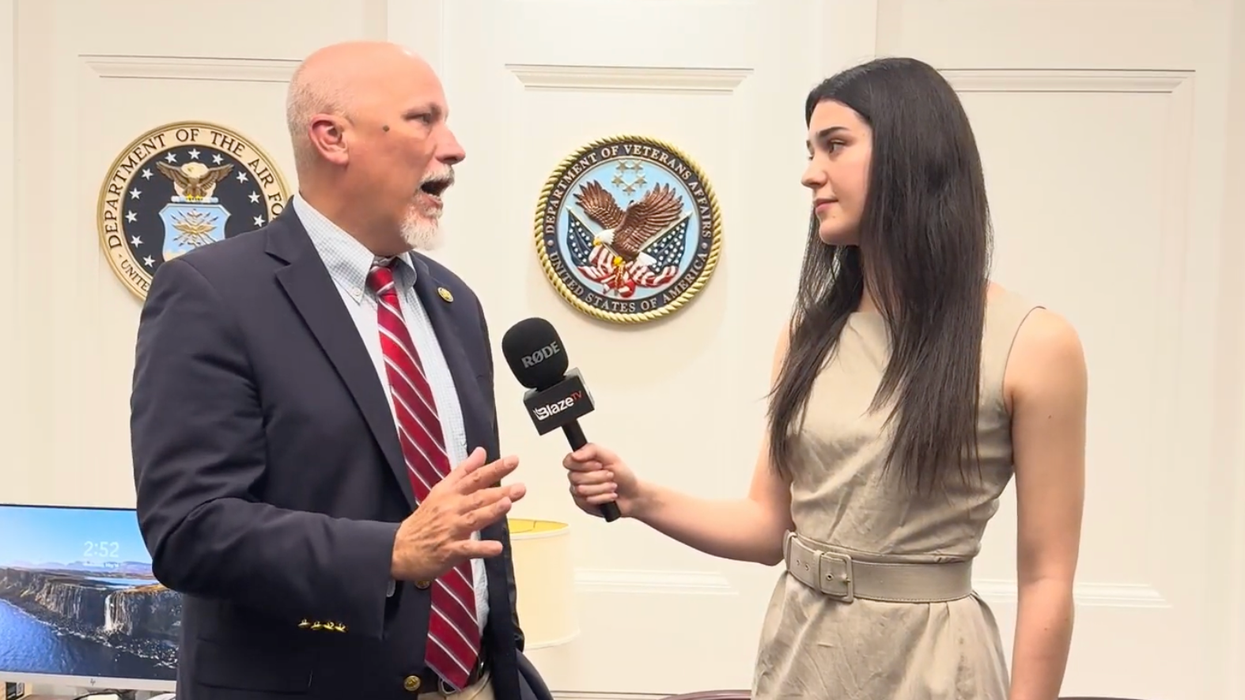
Exclusive: Why Chip Roy can't support the 'big, beautiful bill': 'The swamp does what the swamp does'


As reconciliation talks ramp up, Speaker Mike Johnson (R-La.) is doing what he can to reel in Republican defectors.

Johnson can afford to lose only three Republican votes and still get reconciliation out the door, which is shaping up to be a tall task as more and more Republicans take issue with different aspects of the "big, beautiful bill." Among them is Republican Rep. Chip Roy of Texas, who outlined his grievances in an exclusive interview with Blaze News.

'I didn't come here to perpetuate a broken system. I understand that we have a thin majority, but we should deliver.'

"Reconciliation is all about balancing our current priorities to make sure that our spending and our tax policy results in something that could be remotely described as deficit-neutral or reducing the deficit," Roy told Blaze News. "So that's kind of the first, you know, measure of whether you're going to do something successfully or not."

Photo by Anna Moneymaker/Getty Images

RELATED: Big, beautiful bill advances after 18-hour markup marathon while SALT talks go south

As Roy noted, codifying President Donald Trump's campaign promises is the unofficial measure of success on the Hill. While Trump himself has greenlit 151 executive orders as of this writing, only five bills from Congress have actually been signed into law.

"We need to deliver on the tax policy that President Trump ran on, and that would extend what he did in 2017," Roy added. "We need to deliver on spending restraint. We need to deliver on the priorities that the American people sent us here to deliver on."

"The problem is the swamp does what the swamp does," Roy told Blaze News.

Although reconciliation covers some of the MAGA mandate, Roy says it is still too flawed in its current state for him to throw his support behind the bill.

'It's a broken system, and this bill doesn't make it better,' Roy added. 'It frankly, arguably, makes it worse.'

"The problem is we've got a flawed bill. That's the bottom line," Roy added. "It has some good tax policy and some not-so-good tax policy. Some of it is not extended as it should be. We've got some good spending restraint and some bad spending policy."

Photo by Andrew Harnik/Getty Images

RELATED: SALT sellouts: GOP dumps red-state voters for New York Democrats

Roy used the proposed Medicaid reforms as a case study. One tool Republicans have used to trim down Medicaid costs and uproot fraud has been to enforce work requirements so that fewer people are able to take advantage of the system, allowing vulnerable and disabled people Medicaid was intended for to have access to the resources they need.

But as Roy pointed out, these so-called reforms have flaws of their own.

"They put the work requirements in, and they said, 'Oh, we've got work requirements,' but they don't take place until 2029, after the Trump presidency," Roy told Blaze News. "They have waivers to the work requirements even when they kick in in 2029. They do not address all the ridiculous federal funding of certain states at the expense of other states."

"It's a broken system, and this bill doesn't make it better," Roy added. "It frankly, arguably, makes it worse."

Photo by Chip Somodevilla/Getty Images

RELATED: House Republicans to hike up Harvard endowment tax in reconciliation

Roy said that unless the bill was significantly amended to rein in spending and actually reform Medicaid, he wouldn't be able to support it.

"It has to be amended," Roy told Blaze News. "I'm not going to be able to support it as it's currently drafted, and those amendments are going to need to be, you know, relatively significant."

"I didn't come here to perpetuate a broken system," Roy added. "I understand that we have a thin majority, but we should deliver."

Like Blaze News? Bypass the censors, sign up for our newsletters, and get stories like this direct to your inbox. Sign up here!

Big, beautiful bill advances after 18-hour markup marathon while SALT talks go south


The House's big, beautiful bill passed through the Ways and Means Committee Wednesday morning along party lines after an 18-hour overnight markup. While this is a win for House Republicans, additional roadblocks appeared after negotiations with SALT Caucus members took a turn for the worse.

The SALT Caucus' primary advocacy focuses on increasing and even eliminating the federal deduction cap on state and local taxes. The deduction was capped at $10,000 by the Tax Cuts and Jobs Act in 2017. While codifying many of President Donald Trump's campaign promises, like no tax on tips and overtime, the GOP tax bill also raises the SALT cap to $30,000.

'They can sit and negotiate with themselves all they want, but there will be no changes unless I and the committee agree.'

Republican Rep. Nicole Malliotakis of New York, the only SALT Caucus member who sits on Ways and Means, was also the only SALT Caucus member who supported the committee bill.

RELATED: House Republicans to hike up Harvard endowment tax in reconciliation

Photo by Kayla Bartkowski/Getty Images

"These provisions will save individuals and families thousands of dollars annually, and with today's passage out of committee, we are a step closer to delivering relief," Malliotakis said.

However, other SALT Caucus members continue to dig their heels in as the tension ramps up behind closed doors.

During a late-night meeting with leadership and SALT Caucus members, Speaker Mike Johnson (R-La.) attempted to negotiate a deal with Republicans in the SALT Caucus, all of whom represent blue states. The negotiations went south after the members booted Malliotakis from the meeting even though she is the only member with direct influence on tax policy.

“As the only SALT Caucus member on Ways and Means, all I know is they can sit and negotiate with themselves all they want, but there will be no changes unless I and the committee agree," Malliotakis said.

RELATED: Exclusive: House Republicans debunk Medicaid misconceptions as reconciliation talks resume

Tierney L. Cross/Bloomberg via Getty Images

Johnson, who initially went into the meeting hoping to strike a deal that night, later said he expects negotiations to continue through the weekend.

"This bill, as written, with a $30,000 cap for those making under $400,000, is just woefully inadequate," Republican Rep. Mike Lawler of New York said Wednesday of the bill. "So no, this does not have my support, it will not have my support, and if this bill comes to the floor for a vote, I will vote no."

Like Blaze News? Bypass the censors, sign up for our newsletters, and get stories like this direct to your inbox. Sign up here!