Congress strips merit from the military and shackles the president in one bill


The Trump administration recently released an extremely promising National Security Strategy — but the same cannot be said about the proposed National Defense Authorization Act for the 2026 fiscal year.

The House and Senate’s compromise NDAA appears to be in tension with the goals of the administration’s strategy. While the National Security Strategy prioritizes a hemispheric defense of the American homeland, the NDAA locks decision-makers into maintaining unnecessary overseas troop levels. Despite President Trump’s stated strategic aims, Congress seems intent on safeguarding the national security priorities and infrastructure of previous eras.

The NDAA represents the ‘deep state,’ a combination of entrenched interests, committees, lobbies, and bureaucracies that value continuity over strategy and reform.

Restricting the drawdown of troops stationed overseas, increasingly murky foreign entrenchment through legally binding efforts to sell arms, and dubious clauses requiring congressional approval at every turn, all serve to bind the commander in chief’s hands. All of this reeks of a shadowy order desperately trying to maintain the status quo at the expense of the will of the people who elected Donald Trump in 2024.

This cannot stand.

Section 1249 of the NDAA states that U.S. forces in Europe cannot fall below 76,000 for more than 45 days without presidential certifications to Congress. This is supposed to ensure that troop reductions present no threat to NATO partners or U.S. national security. (Absurdly, the bill requires the U.S. to consult with every NATO ally and even “relevant non-NATO partners.”) But stripping the president of essential discretion through ludicrous legislative roadblocks categorically subverts his authority under the Constitution.

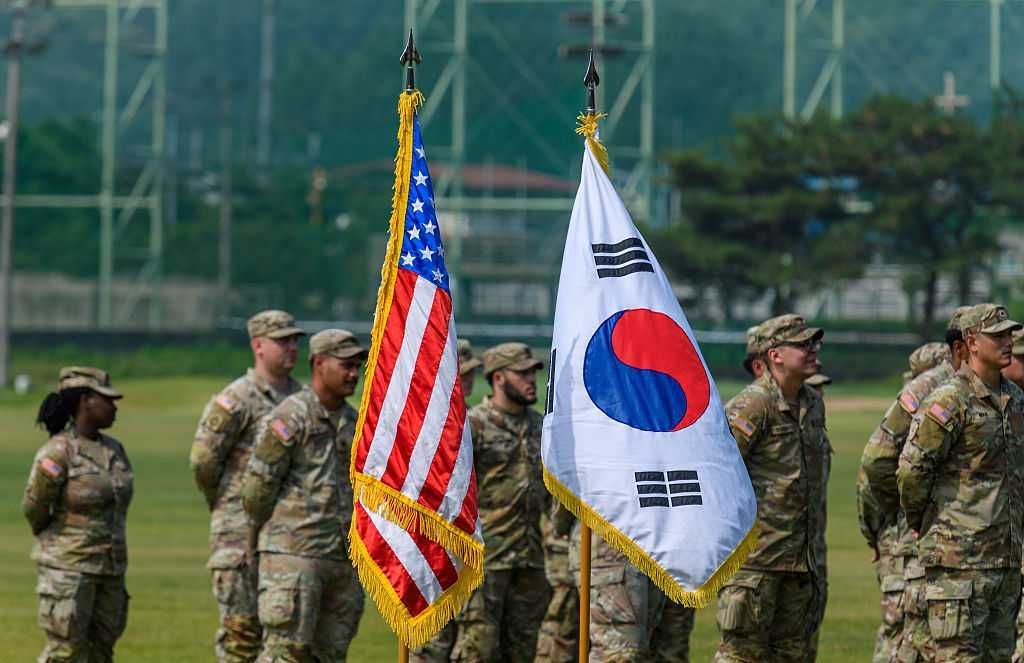
Section 1255 states that troop levels cannot dip below 28,500 in the Korean Peninsula, nor can wartime operational control be transferred without an identical trial by fire of congressional approvals and national-security certifications.

Shifting our military focus to our own backyard was a stated goal of the National Security Strategy. If this vision is to be implemented, Congress cannot serve as a bureaucratic middleman that hinders deployment flexibility through pedantic checklists.

Americans need to understand that the NDAA would obstruct the execution of President Trump’s agenda. As written, it functions as a deliberate statutory barrier to presidential decision-making. This denotes a redistribution of war powers from the elected executive to a sprawling and unaccountable institutional structure.

The NDAA represents what Americans call the “deep state,” a combination of entrenched interests, committees, lobbies, and bureaucracies that value continuity over strategy and reform.

This continuity becomes clear when you look at what the House and Senate didn’t include in the compromise NDAA. The Senate’s original bill contained a provision barring the use of DEI in service-academy admissions — a measure that would have required merit-only standards and prevented racial profiling. Congress stripped that section out. The final bill includes a few weak gestures toward limiting DEI, but none of them meet President Trump’s goal of a military that rejects race and sex as factors altogether.

RELATED: Mexico has cartel armies. Blue America has cartel politics.

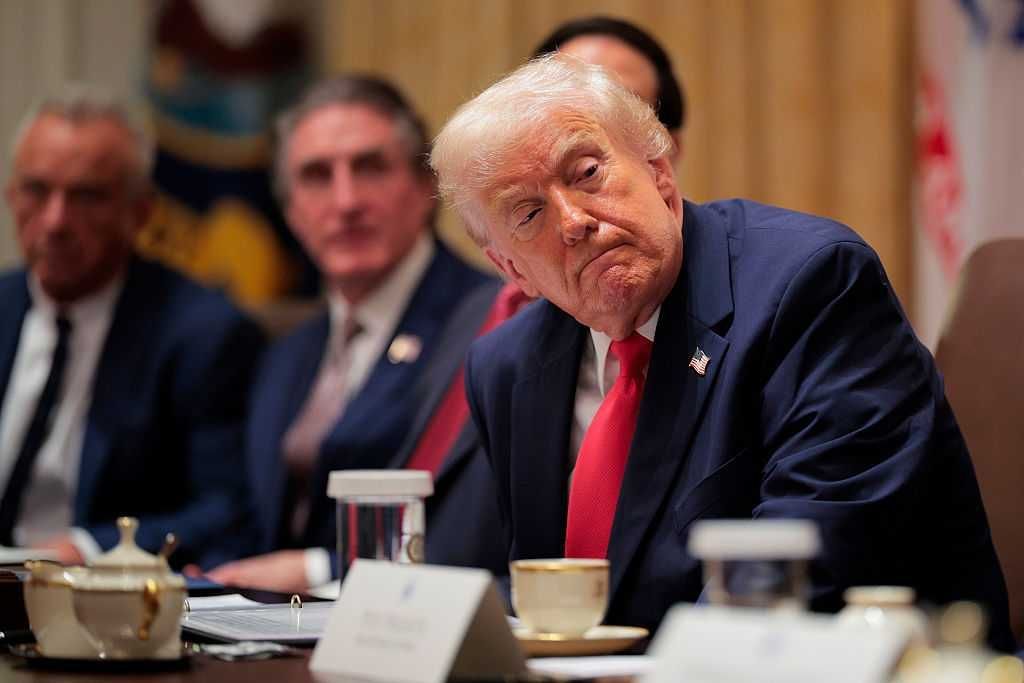
Photo by Chip Somodevilla/Getty Images

As written, the NDAA gives a future Democratic president the opportunity to reintroduce woke indoctrination in the military with the stroke of a pen. And laws favoring DEI at our nation’s most vital institutions could resurface on a whim, using typical “diversity is our strength” platitudes.

Despite its name, the NDAA functions less like a defense bill and more like the legal backbone of America’s global posture. Whatever promises the National Security Strategy makes, they cannot be realized so long as the current NDAA pulls in the opposite direction. Strategy should shape institutions — not the other way around.

In Washington jargon, the NDAA is treated as “must-pass” legislation. That label has no legal or constitutional basis. And even if it must pass, no one claims it must be signed.

The National Security Strategy reflects the will of voters; the NDAA reflects bureaucratic inertia. That is why the Trump administration cannot, in good conscience, approve this bill. Our escape from stagnation, mediocrity, and endless foreign entanglements depends on rejecting it — and time is running out.

Editor’s note: A version of this article was published originally at the American Mind.

As Europe Steps Back, Asia Steps Up

The Trump administration has once again horrified European public opinion. The National Security Strategy was released with little fanfare in the United States but landed like a bomb across the Atlantic. Lines like, "Our broad policy for Europe should prioritize … cultivating resistance to Europe’s current trajectory within European nations," reveal both the impatience a faction in the Trump administration feels toward Europe and its inability to win the internal debate.

The post As Europe Steps Back, Asia Steps Up appeared first on .

US Army says it is not replacing 'human decision-making' with AI after general admits to using chatbot


Certain decisions are best not left to machines, the Army has revealed.

A United States Army general made headlines last week when he told reporters at a media roundtable he had been using an AI chatbot to "build models to help all of us."

'He is helping the Army explore how artificial intelligence can strengthen decision-making.'

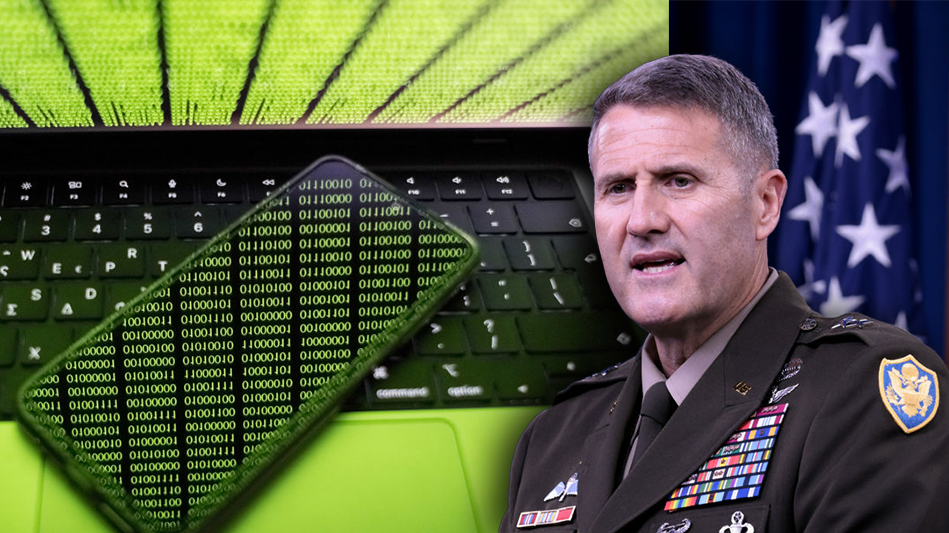
Major General William "Hank" Taylor told media at the annual Association of the United States Army conference that "Chat and I" have become "really close lately," prompting more questions than answers about the Army's use of AI.

Williams is the top United States Army commander in South Korea and makes decisions for thousands of troops. He explained to reporters that he is indeed using the technology to make decisions that affect those under his command, but to what end was unknown.

Now, the Eighth Army office has revealed to Return what exactly the high-ranking officer meant. The office said that Taylor's remarks were actually regarding the Army's "ongoing modernization efforts," which specifically relate to how technology can assist leaders in making timely and informed decisions.

At the same time, the spokesperson said that the Army does not plan on replacing human decision-makers, especially in key areas.

RELATED: From West Point to Woke Point: The long march through the ranks

Photo by KIM Jae-Hwan/SOPA Images/LightRocket via Getty Images

"All operational and personnel decisions remain the sole responsibility of commanders and their staff, guided by Army policy, regulation, and professional judgment," media relations chief Jungwon Choi told Return.

He added that while Eighth Army recognizes the opportunities and risks associated with AI, it is only looking at how to integrate "trusted, secure, and compliant systems that enhance — not replace — human decision-making."

The Army reiterated that point, stating that Taylor does not use any AI-assisted tools to make personnel, operational, or command decisions, and his remarks were only referring to using "AI-assisted tools in a learning and exploratory capacity."

The Army is not looking at "delegating command authority to an algorithm or chatbot," either, Choi reinforced.

The Department of War is tinkering with AI chatbots for its forces on the ground, however. As Return previously reported, training scenarios have already included experimentation with an offline battle-ready chatbot.

The technology, called EdgeRunner AI, allows soldiers to get instant information about mission objectives, coordinates, and other details instantaneously in an offline environment.

EdgeRunner recently wrapped up military exercises in Fort Carson, Colorado, and Fort Riley, Kansas.

RELATED: Democrats once undermined the Army. Now they undermine the nation.

Photo by JUNG YEON-JE/AFP via Getty Images

At the same time, Choi said that like many leaders, Major General Taylor has "experimented with publicly available AI-assisted tools to understand how generative AI functions, its potential uses, and the safeguards required for responsible employment."

Taylor has also explored HQDA-approved large language models to "assess how secure, compliant AI systems" can support leadership development or improve operational efficiency, for example.

The spokesman said Taylor does not endorse any specific commercial platform, and the Army did not answer as to whether he was referring to using ChatGPT when speaking to reporters, which tech outlet Futurism claimed last week.

"MG Taylor's engagement with HQDA-approved AI platforms reflects a forward-thinking approach to leadership and modernization," the army representative concluded. "By responsibly experimenting with these emerging tools, he is helping the Army explore how artificial intelligence can strengthen decision-making, improve efficiency, and prepare leaders for the evolving demands of the modern battlefield."

Like Blaze News? Bypass the censors, sign up for our newsletters, and get stories like this direct to your inbox. Sign up here!

US Army general reveals he's been using an AI chatbot to make military decisions


Even United States military brass is looking to AI for answers these days.

The top United States Army commander in South Korea revealed to reporters this week that he has been using a chatbot to help with decisions that affect thousands of U.S. soldiers.

'As a commander, I want to make better decisions.'

On Monday, Major General William "Hank" Taylor told the media in Washington, D.C., that he is using AI to sharpen decision-making, but not on the battlefield. The major general — the fourth-highest officer rank in the U.S. Army — is using the chatbot to assist him in daily work and command of soldiers.

Speaking to reporters at a media roundtable at the annual Association of the United States Army conference, Taylor reportedly said "Chat and I" have become "really close lately."

According to Business Insider, the officer added, "I'm asking to build, trying to build models to help all of us."

Taylor also said that he is indeed using the technology to make decisions that affect the thousands of soldiers under his command, while acknowledging another blunt reason for using AI.

RELATED: The government's anti-drone energy weapons you didn't know existed

Photo by Seung-il Ryu/NurPhoto via Getty Images

"As a commander, I want to make better decisions," the general explained. "I want to make sure that I make decisions at the right time to give me the advantage."

In a seemingly huge revelation for an Army officer, Taylor also revealed that it has been a challenge to keep up with the developing technology.

At the same time, tech outlet Futurism claimed that the general is in fact using ChatGPT, warning that the AI has been found to generate false information regarding basic facts "over half the time."

ChatGPT is not mentioned in Business Insider's report.

Return reached out to Army officials to ask if the quotes attributed to Taylor were accurate, if he is actually using ChatGPT, and if they believe there to be inherent risks in doing so. An official Pentagon account acknowledged the request, but did not respond to the questions. This article will be updated with any applicable responses.

It was recently reported by Return that the military is already tinkering with a chatbot of its own.

RELATED: Zuckerberg's vision: US military AI and tech around the world

SeongJoon Cho/Bloomberg via Getty Images

Military exercises in Fort Carson, Colorado, and Fort Riley, Kansas, recently took place, utilizing an offline chatbot called EdgeRunner AI.

EdgeRunner CEO Tyler Saltsman told Return that his company is currently testing the chatbot with the Department of War to deliver real-time data and mission strategy to soldiers on the ground. The chatbot can be installed on a wide variety of devices and used without an internet connection, to avoid interception by the enemy.

Like Blaze News? Bypass the censors, sign up for our newsletters, and get stories like this direct to your inbox. Sign up here!

What Charlie Kirk meant to South Koreans


On the first weekend of September, I saw Charlie Kirk speak at the Build Up Korea conference in Seoul. It was his first trip to Asia and sadly destined to be his last; five days later, he was assassinated at Utah Valley University.

The conference is an annual gathering of young Korean conservatives, with whom Kirk had become quite popular. Even after having taught university here for seven years, I still did not feel like I had a good handle on the current political scene.

When Kirk spoke of how the most pressing problems were those that came from within South Korea, a hush settled over the mostly young audience.

The issues that are divisive can appear puzzling and petty to the outsider unfamiliar with the parties involved. And the terms of debate seem to have remained the same even as the values and outlooks of people have changed, even dramatically, over the past decade.

While conservatism in South Korea was on the same page as the Republican Party in the past, the rise of the MAGA movement has complicated matters. Its slogan of “America First,” which portends the reduction of U.S. military commitments across the globe and the drawing down of U.S. forces across the globe, stands at odds with the priorities of South Korean conservatives, for whom maintaining alliance with the U.S. is a cornerstone of their politics.

Indeed, until recently, one of the major dividing lines between left and right in South Korea was that the right, as the party of business, was more outwardly directed, favoring international trade and supporting the activities of the major South Korean corporations, while the left was more inward-looking and nationalist.

A South Korean today who would be willing to declare “Korea First” is likely to belong to the shrinking number of aging leftists who want to unite the two Koreas under a social democratic system.

But the enthusiastic cheers that greeted Kirk when he took to the stage seemed to dispel any such apprehension about the future of the alliance. Kirk’s engaging presence on social media had created an eager cohort of followers among young Christians in South Korea.

The affection shown by the audience was reciprocated by Charlie, who had clearly taken the time to study contemporary South Korean society so that he could speak knowledgeably about the most serious problems it faces.

He praised how well things work in Korea and spoke of how the country had come such a long way from the poverty caused by total war. Kirk spoke of how peaceful and friendly the people are and of how wonderful it felt to be able to take public transportation without the fear of crime or walk in a park and not be menaced by violent drug addicts. This is how things should be in every modern country, and his tone took a wistful turn, as he indicated that life was no longer like this in the U.S.

To be sure, his speech contained some familiar and predictable warnings about the dangers of communism and the threat to South Korea posed by the Chinese Communist Party and by the dictatorship in the North. Invoking the times that Americans and South Koreans had fought side by side, Kirk reaffirmed the alliance as the fruit of shared sacrifice and common values.

These boilerplate remarks were met with applause from the audience, but when Kirk spoke of how the most pressing problems were those that came from within South Korea, a hush settled over the mostly young audience.

After praising South Korea for its remarkable rise from the ashes of a devastating war and the dire poverty it caused, Kirk warned that the country currently faces an existential threat of its own making. The collapsing rates of marriages and births pose the gravest threats to the nation’s future. Of course, this issue has long ago become an everyday topic of conversation, but the way Kirk approached the topic grabbed the attention of the crowd.

He spoke with great sympathy of the harsh and stressful lives endured by Korean children, who from an early age are forced to spend day and night studying for the college entrance examination. He was also familiar with the lingo used by South Koreans to describe their despair, referring to the “en-po generation,” which is used to describe the things that Koreans feel forced to give up. For example, “sam-po,” which means “three renunciations,” refers to giving up on dating, marriage, and children. “O-po,” which means five renunciations, adds “homeownership” and “friendships” to the list of the previous three. “Sip-po” refers to giving up everything, including life itself.

The care that Kirk took in learning about the most pressing crises in South Korean society did not just flatter his audience — as a people might feel warmth and reassurance when an outsider speaks both sympathetically and knowledgeably about their troubles. He also challenged the young people at the conference in a way that sparked in them hope and confidence.

Kirk reminded them of the thousands of years of history on the Korean peninsula and the terrible ordeals that Koreans had suffered in the past — wars, invasions, and famines. What would the ancestors of today’s Koreans say, he asked, if they were to learn that their descendants, living in a wealthy and prosperous nation, had stopped reproducing out of economic worries?

Kirk emphasized not only that is it morally wrong not to have children, but also that children bring joy into the lives of their parents. Koreans, he continued, need to look at every aspect of their society — law, policy, culture — to create an environment that promotes child-bearing and healthy child-rearing.

The recent impeachment of South Korean President Yoon Suk Yeol, a conservative Catholic, and the subsequent election of liberal Lee Jae-myung has left local Christians feeling embattled. The country has also felt increasing pressure from global allies to allow mass migration.

In these matters, Kirk affirmed that the struggles of Koreans were also those of Americans, who had thrown off the tyranny of the Biden administration and are at present undoing the damage caused by the regime’s policy of open borders. He ended his message by declaring that he would never forget South Korea and that he would be there for young Koreans in the future.

It is grieves my heart to note that in retrospect, he will be there in spirit. Yet, a man who planted so many seeds that bore much fruit in life will also in death become even more fruitful in renewing the lives of those who remember him.

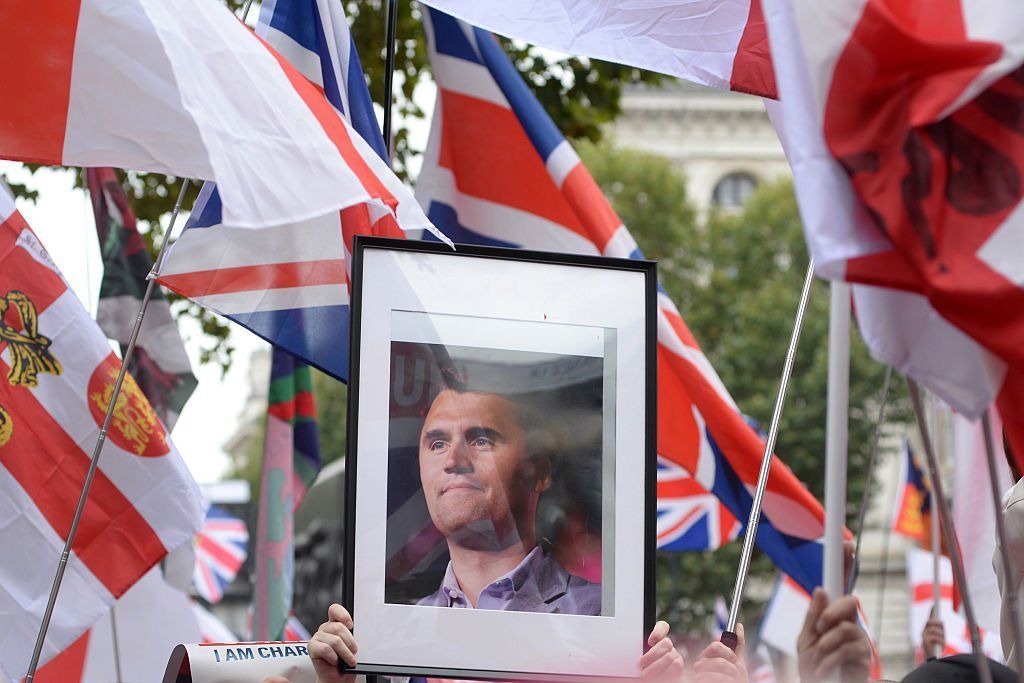
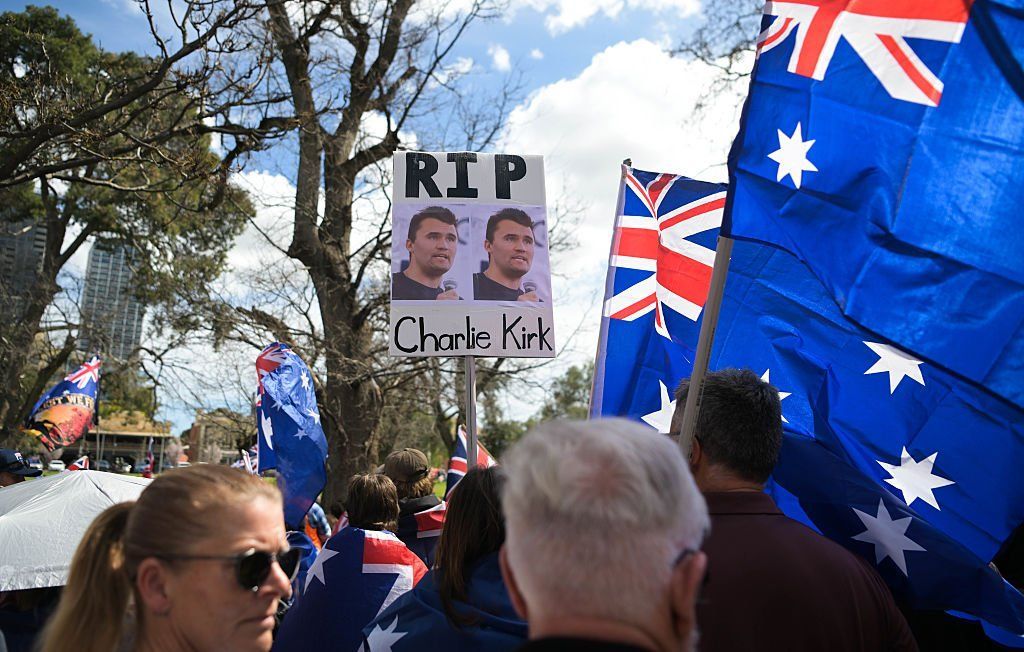
Charlie Kirk’s assassination ignites global fire: Patriots hold memorials from the UK to South Korea


The tragic assassination last week of Turning Point USA founder Charlie Kirk sparked memorials in his honor not just across the nation, but around the globe.

Canadian patriots gathered in Calgary to sing the American national anthem and chant “USA” in memory of Kirk. Those in Alberta held a vigil and sang “Amazing Grace.”

‘He gave his life fighting for America’s future, and now his impact is multiplying. The political assassination of Charlie Kirk has backfired.’

Outside the U.S. embassy in Madrid, Spain, people placed candles, flowers, and posters to create a memorial to Kirk.

“Organizers described the tribute as part of a growing global movement standing against political violence and censorship,” entrepreneur and podcast host Mario Nawfal stated. “The event was peaceful, with a moment of silence held in Kirk’s memory. Supporters say this marks a turning point, not just in America, but worldwide.”

In South Korea, a large crowd gathered and marched through the streets, waving both South Korean and American flags. Participants chanted and held signs reading, “We are Charlie Kirk.”

RELATED: Charlie Kirk sparks viral Christian revival: 'I'm going to go take his seat for him'

Photo by Tracey Nearmy/Getty Images

Germans held a candlelight vigil in honor of Charlie Kirk outside the U.S. embassy in Berlin.

“Charlie Kirk is dead,” Martin C. T. Kohler, a German politician, wrote in a post on X, inviting individuals to join the vigil. “That is the bitter truth. We must not allow this to be the ending point. Charlie stood for freedom and debate. But first and foremost, he stood for his country and his faith.”

“We want to make a statement so that everyone can see what he died for. His death must not have been in vain,” Kohler continued. “Grief must not slip into resignation. We will carry on his message.”

A youth ambassador for TPUSA’s United Kingdom chapter known as “Young Bob” addressed the crowd that had gathered to hold a vigil for Kirk.

“The radical left have been persecuting the conservatives, who have one clear message: We want to conserve our culture and our heritage,” Young Bob stated.

“We will continue in civil discourse. We will continue his work. We will pick up the megaphones, the microphones, the stands. They won’t be able to move our minds by an inch,” he continued.

RELATED: TPUSA plans historic memorial for Charlie Kirk

Photo by James Willoughby/SOPA Images/LightRocket via Getty Images

Joel Jammal, the head of TPUSA Australia, shared a video montage from a vigil in Sydney. In the audio for the montage, a speaker addressed the gathering, stating, “How strange is it, so far away from the USA, that we should feel such sadness?”

“There will not be another man like Charlie Kirk,” the video continued. “Christ is King. Christ is the one that inspired Charlie. ‘Christ’ was one of the last things Charlie said. Christ is the way, the truth, and the life. And until that is proclaimed throughout all the land, we will not be made great again as a nation.”

Memorials celebrating Kirk’s legacy were also held in Tel Aviv and New Zealand.

Benny Johnson reacted to the memorials.

“From prayer vigils on college campuses to murals and memorials around the globe, Charlie’s influence is spreading further than ever,” Johnson said. “He gave his life fighting for America’s future, and now his impact is multiplying. The political assassination of Charlie Kirk has backfired. He is more powerful now than ever. That’s the power of a martyr.”

Like Blaze News? Bypass the censors, sign up for our newsletters, and get stories like this direct to your inbox. Sign up here!

Wokeness? My students are more worried about the economy


One of the challenges of being a teacher is having to deal with how different young people are not only from yourself but also from whom you had been at the same age.

We expect political opinions, musical taste, and career aspirations to shift from one generation to the next, but with the passing of decades, it becomes harder to pinpoint the forces driving these changes.

It seemed to mean little to my students that modern people were now free to marry or not marry, or to have short-term liaisons or long-term relationships.

Take Generation Z. Most were born after 9-11 and have no real memory of the catastrophic event that brought terrorism and then war to the forefront of public attention. Moreover, Zoomers grew into their teen years shaped less by fears of terrorism and worries about war than by an increasing social liberalism.

By the time the oldest Zoomers, those born in the late 1990s, reached high school, media and educational institutions had discarded any pretense of maintaining neutrality about fundamental ethical and cultural questions in favor of actively promoting progressive stances on issues of race, sexuality, and gender.

Past progressive

Because they came of age in a climate where anything connected to religion, tradition, and middle-class norms could be condemned as backward and oppressive, Gen Z, I have found, has developed a very different relation to the values of liberal progressivism than have previous generations.

Boomers, Gen Xers, and Millennials tend to integrate gay marriage, gender transition, and identity politics into a broader narrative having to do with the continual expansion of freedom. Even when they criticize the excesses of social experimentation, they tend to emphasize the harm caused by excessive personal freedom to the health and well-being of the community.

In other words, regardless of whether one thinks this is a positive development or not, the idea that the U.S., and the rest of the world along with it, has been set on a course of increasing personal choice and expanding individual self-determination has been taken for granted by nearly all.

Vexed by sex

But this past semester, a conversation with the undergraduates in my upper-level seminar hinted that Zoomers are prepared to see these matters quite differently.

I teach at a university in South Korea with a large population of international students. Many of the Korean students have attended international schools which follow an Americanized curriculum and have grown up watching Disney and Pixar films, as well as engaging with social media that also brings them into contact with progressive ideas.

In discussing topics like sexual equality and changes in sexual mores, there was surprisingly little readiness among the students to view the right of women to have careers or the freedom to have sex outside of marriage as the result of an emancipatory political struggle.

Older liberals, of course, believe that these gains were won by fighting against a staid, conformist, and conservative establishment that was dead set against change. The basic liberal narrative divides the bad old days of unquestioning conformity from a present or a future marked by tolerance, openness, and experimentation.

While such a conception of history has been overused in contemporary society, I was shocked to discover how foreign such a way of thinking was to my students.

Freedom rot

When I brought up how much freer individuals are today in comparison to the 19th century, when an adulterous affair could lead to irrevocable banishment from respectable society, the students were hesitant to describe modern sexual mores as liberating. It seemed to mean little to them that modern people were now free to marry or not marry, or to have short-term liaisons or long-term relationships. Instead, they preferred to describe the conditions of their lives in terms that called to mind a “prison.”

What weighs on them is the predicament of living at a time when competition keeps growing ever more intense for the emblems and markers of middle-class affluence that are shrinking in supply. The idea of viewing gay marriage and even gender equality in the manner of the older generation of progressives — as a reassuring sign that the world is becoming more just, free, and equal — seems to offer little in the way of reassurance against the daunting economic realities they feel are bearing down on them.

Who’s the boss?

But it is not only the rising cost of living and the disappearance of economic opportunity that accounts for this change in mindset. What is perhaps just as decisive is the fact that Zoomers are the first generation for whom social justice and identity politics had become entrenched as the governing ideology, in which expressing the wrong views about race, gender, and sexuality could have severe consequences for one’s future.

As much as Zoomers may be convinced that the U.S. and the West committed grave moral wrongs in having colonized or dominated the world, it does not escape their attention that members of victim groups for whom previous generations had extended much sympathy have now become authority figures possessing the power to punish those who deviate from the ideological line.

Thus, Gen Z is much less likely to regard woke progressivism as an emancipatory force that will ultimately improve the lives of all. Rather, they are prone to regard it as a weighty burden that they must bear in order to demonstrate that they are good and moral people.

As with other forms of deontological ethics, it is necessary to uphold political correctness for its own sake, and not because one derives a concrete benefit or advantage from doing so. The psychological burden of carefully controlling one’s speech is the price of living in a diverse and open society, which they feel they have no choice but to accept.

That they feel they have no choice is the consequence of a progressive education, which distorts and effaces the past.

RELATED: The first disembodied generation

AFP/Getty Images

Use your illusion

Zoomers might be under far fewer illusions than Millennials about how political correctness actually functions in society, but ask them how diversity and tolerance came to be the most important values, and you are likely to get bewildered looks. Being free of the spell of the emancipatory narrative of liberalism seems to come at the price of not being able to know the story of how one arrived at the grim destination of woke liberal hegemony.

Zoomers are shrewd enough to recognize that the system which seeks to control them is a hodgepodge of prohibitions and freedoms, a mess of license and licenses, and a motley of opiates and superstitions. The insidious aim of their education appears to have been to fill them with so much confusion and uncertainty as to leave them immobilized and at a loss as to how to proceed.

This education has had the effect of making them reticent. Yet, at the same time, Zoomers can show an intense curiosity about the things their education has not taught them or sought to discourage them from learning in the first place.

Described as a cautious group, brought up in a time of ideological conformity that seeks to root out rebellion and independence, Zoomers, especially when approached in a gentle and humble spirit, are likely to embrace as helpful advice the lessons that current-year liberalism wants everyone to forget.
Trump strikes deal with South Korea after arrest of foreign workers in Hyundai plant raid


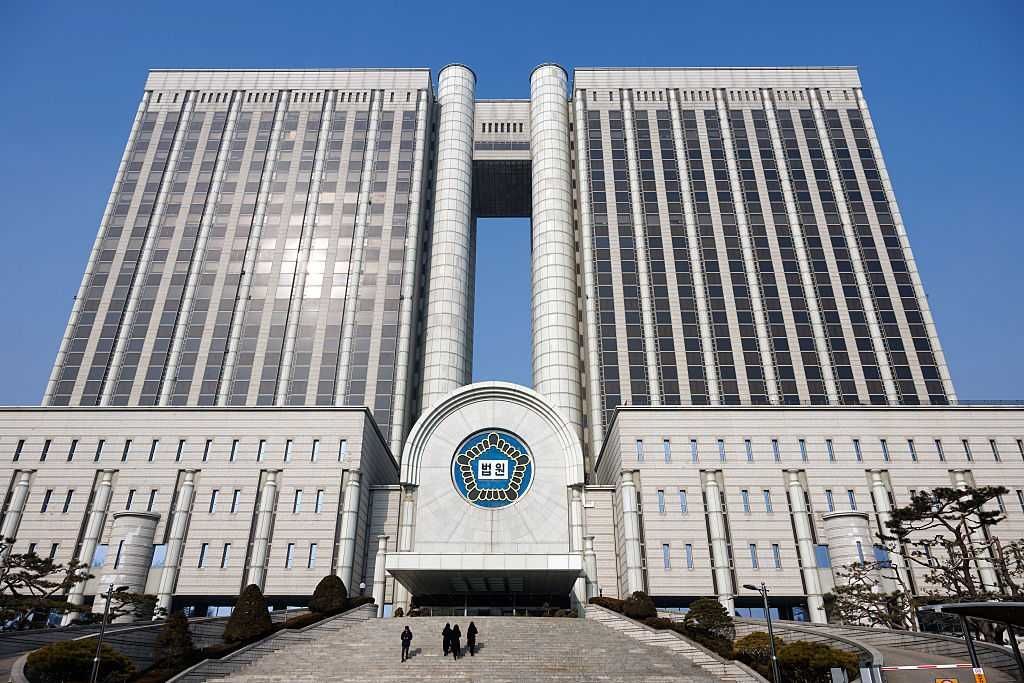
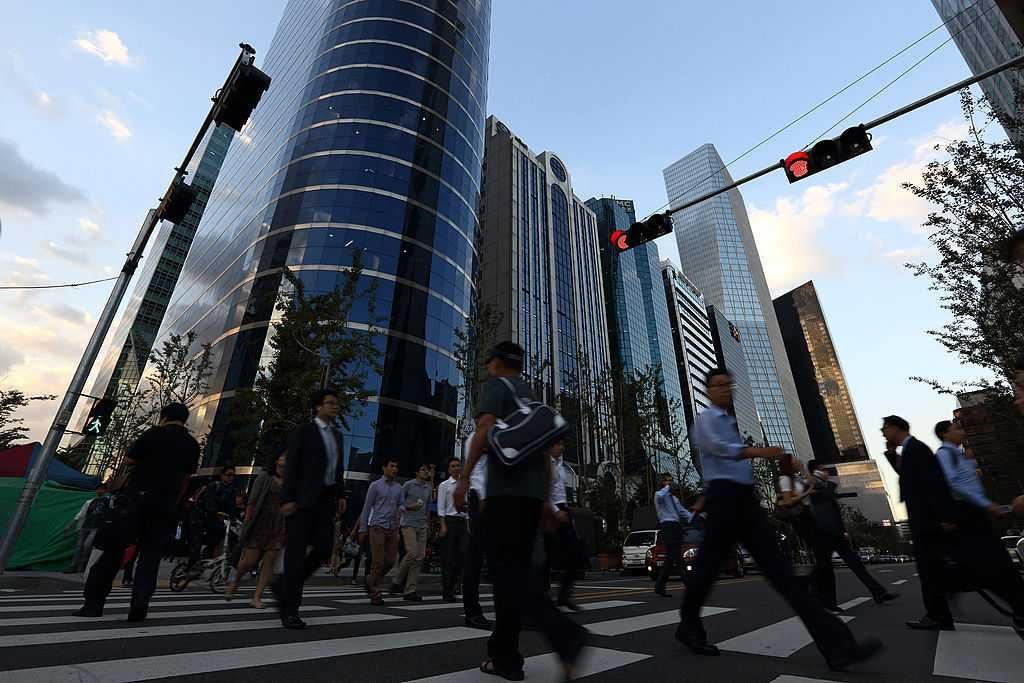
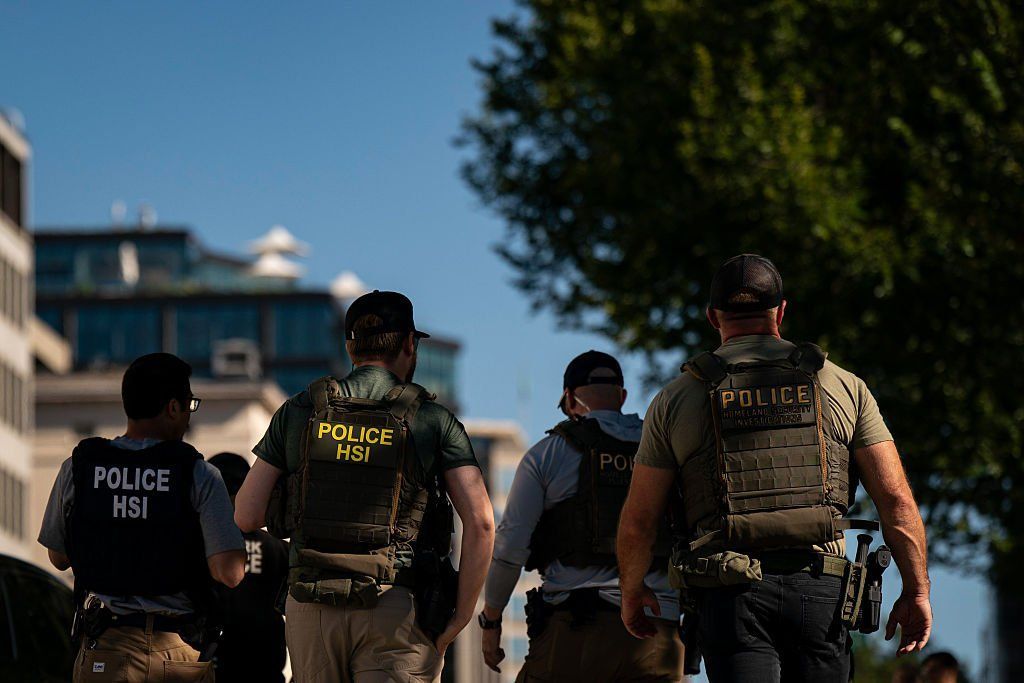
After federal agents raided a Hyundai plant in Georgia and arrested 475 illegal aliens, most of whom were South Korean nationals, President Donald Trump’s administration struck an agreement with the South Korean government for their release.

Last week, Homeland Security Investigations, alongside other federal agencies, conducted a raid as part of a “multi-month criminal investigation” into “unlawful employment practices and other serious federal crimes.”

'Your Investments are welcome, and we encourage you to LEGALLY bring your very smart people, with great technical talent, to build World Class products, and we will make it quickly and legally possible for you to do so.'

Steven Schrank, a special agent in charge of HSI for Georgia and Alabama, explained during a Friday press conference that the arrested individuals were “illegally present in the United States or in violation of their presence in the United States,” noting that they had either crossed the border illegally, overstayed their visas, or entered the country through visa waivers but were not permitted to work.

Schrank and a spokesperson for South Korea’s Foreign Ministry confirmed that most of the arrested individuals were South Korean nationals.

The Trump administration and the South Korean government reached a deal on Sunday for the release of 300 workers.

RELATED: Federal agents arrest nearly 500 in immigration raid at Hyundai plant

Photo by Smith Collection/Gado/Getty Images

“Negotiations for the release of the detained workers have been concluded, after swift responses by the relevant ministries, business agencies, and companies,” South Korean presidential chief of staff Kang Hoon-sik stated. “However, some administrative procedures remain, and once they’re completed, a chartered plane will depart to bring back our citizens.”

Trump said, “Following the Immigration Enforcement Operation on the Hyundai Battery Plant in Georgia, I am hereby calling on all Foreign Companies investing in the United States to please respect our Nation’s Immigration Laws.”

RELATED: After ICE removes illegal workers, job applicants flood meatpacking plant to replace them

Photographer: Parker Puls/Bloomberg via Getty Images
“Your Investments are welcome, and we encourage you to LEGALLY bring your very smart people, with great technical talent, to build World Class products, and we will make it quickly and legally possible for you to do so,” he continued. “What we ask in return is that you hire and train American Workers. Together, we will all work hard to make our Nation not only productive, but closer in unity than ever before.”

Hyundai Motor Company provided a statement to Blaze News on Friday, stating that it was “reviewing our processes to ensure that all parties working on our projects maintain the same high standards of legal compliance that we demand of ourselves.”

“This includes thorough vetting of employment practices by contractors and subcontractors,” the company stated.

Blaze News reached out to Hyundai for an updated statement on Monday.

Like Blaze News? Bypass the censors, sign up for our newsletters, and get stories like this direct to your inbox. Sign up here!

Federal agents arrest nearly 500 in immigration raid at Hyundai plant


Homeland Security Investigations announced a massive raid at a Hyundai plant in Georgia that resulted in the arrest of hundreds of individuals.

HSI, Immigration and Customs Enforcement, and other federal agencies participated in an operation on Thursday into “unlawful employment practices and other serious federal crimes.”

‘As of today, it is our understanding that none of those detained is directly employed by Hyundai Motor Company.’

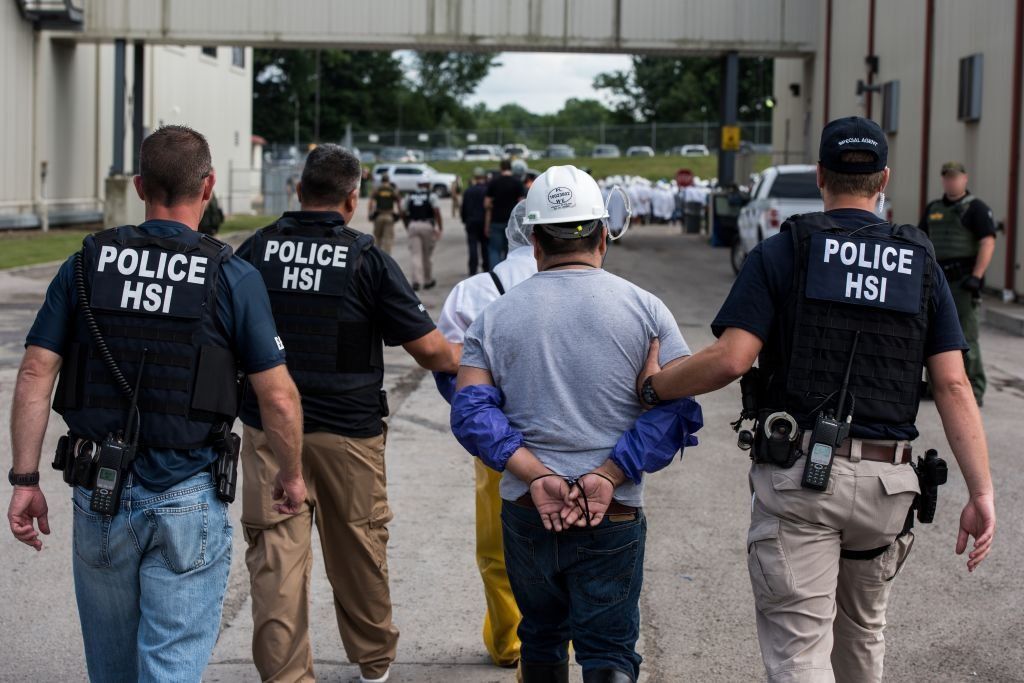
Federal law enforcement agents arrested 475 individuals who were “illegally present in the United States or in violation of their presence in the United States,” according to Steven Schrank, a special agent in charge of HSI for Georgia and Alabama.

“Yesterday, Homeland Security Investigations, in coordination with our law enforcement partners, executed a judicial search warrant as part of an ongoing criminal investigation into allegations of unlawful employment practices and serious federal crimes,” Schrank stated during a press conference on Friday.

“This was not an immigration operation where agents went into the premises, rounded up folks, and put them on buses,” he continued. “This has been a multi-month criminal investigation where we have developed evidence, conducted interviews, gathered documents, and presented that evidence to the court in order to obtain a judicial search warrant.”

He stated that the arrested individuals, the majority of whom were South Korean nationals, were “working unlawfully.” Schrank explained that some of these individuals had either crossed the border illegally, overstayed their visas, or entered the country through visa waivers but were not permitted to work.

RELATED: After ICE removes illegal workers, job applicants flood meatpacking plant to replace them

Photographer: Al Drago/Bloomberg via Getty Images

Lee Jaewoong, a spokesman for South Korea’s Foreign Ministry, stated Friday, “The economic activities of our investment companies and the rights and interests of our citizens must not be unjustly violated during U.S. law enforcement proceedings.”

The raided facility was a construction site for HL-GA Battery Company, a joint venture between Hyundai and LG Energy Solution. This plant will supply batteries to the nearby Hyundai electric vehicle manufacturing plant.

The arrested individuals worked for “a variety of different companies that were on the site.” Those determined to be illegally in the U.S. were turned over to ICE custody, according to Schrank, who called the raid “the largest single-site enforcement operation” in HSI’s history.

No criminal charges were announced as of Friday.

RELATED: Not tired of winning: Trump's 200 victories in 200 days

Photographer: Elijah Nouvelage/Bloomberg via Getty Images

Hyundai Motor Company told Blaze News, “We are aware of the recent incident at the HL-GA Battery Company construction site in Bryan County, Georgia. We are closely monitoring the situation and working to understand the specific circumstances.”

“As of today, it is our understanding that none of those detained is directly employed by Hyundai Motor Company. We prioritize the safety and well-being of everyone working at the site and comply with all laws and regulations wherever we operate,” the statement added.

Blaze News contacted HL-GA Battery Company for comment.

Mary Beth Kennedy, senior public relations specialist with the HL-GA Battery Company, previously told WSAV-TV, “HL-GA Battery Company is cooperating fully with the appropriate authorities regarding activity at our construction site. To assist their work, we have paused construction. We do not have further details at this time.”

Like Blaze News? Bypass the censors, sign up for our newsletters, and get stories like this direct to your inbox. Sign up here!

'Seems like a Purge': Trump warns of 'revolution' in South Korea ahead of summit meeting


Following a trade deal involving a tariff reduction from the original 25%, down to 15% last month, President Trump is meeting with the newly elected president of South Korea, Lee Jae Myung. The meeting will focus on trade and defense strategies, but Trump raised a different concern that will now likely color the conversation.

President Trump warned of apparent political instability in South Korea on Monday morning ahead of their meeting, even suggesting that it might be impossible to do business with the long-standing ally.

'I cannot contain my outrage at the Lee Jae Myung administration's ruthless political persecution and retaliation against the opposition, spearheaded by the special prosecution.'

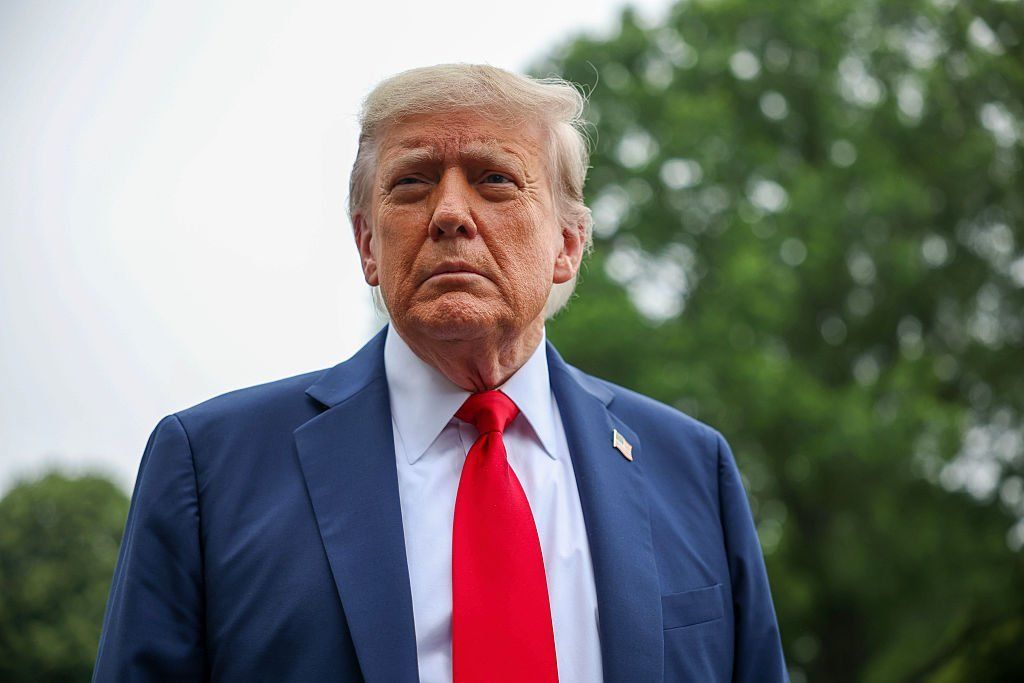
"WHAT IS GOING ON IN SOUTH KOREA? Seems like a Purge or Revolution. We can’t have that and do business there," Trump said in a Truth Social post on Monday morning. "I am seeing the new President today at the White House. Thank you for your attention to this matter!!!"

Lee, who won the presidency in June to replace the conservative party's stand-in candidate, has prioritized the economy in his short tenure. The ex-president, Yoon Suk Yeol, who fashioned himself as a Trumpian figure during his presidency to foster a connection with Trump, has been in jail since July 10.

RELATED: South Korea's January 6: Is the deep state to blame?

Photo by David Mareuil/Anadolu via Getty Images

According to the French outlet Le Monde, Lee's party recently conducted raids on the former party's headquarters, including arresting the ex-first lady Kim Keon Hee. She was arrested on charges of corruption and stock manipulation on August 12. The raid was conducted on August 13 to collect evidence of election interference.

Opposition leader Song Eon-seog reportedly slammed the raid as "nothing short of gangster behavior." "I cannot contain my outrage at the Lee Jae Myung administration's ruthless political persecution and retaliation against the opposition, spearheaded by the special prosecution," Song said in a news briefing.

President Lee headlined a dinner with local Korean Americans in Washington on Sunday night following his arrival. He is scheduled to depart on August 26.

Like Blaze News? Bypass the censors, sign up for our newsletters, and get stories like this direct to your inbox. Sign up here!