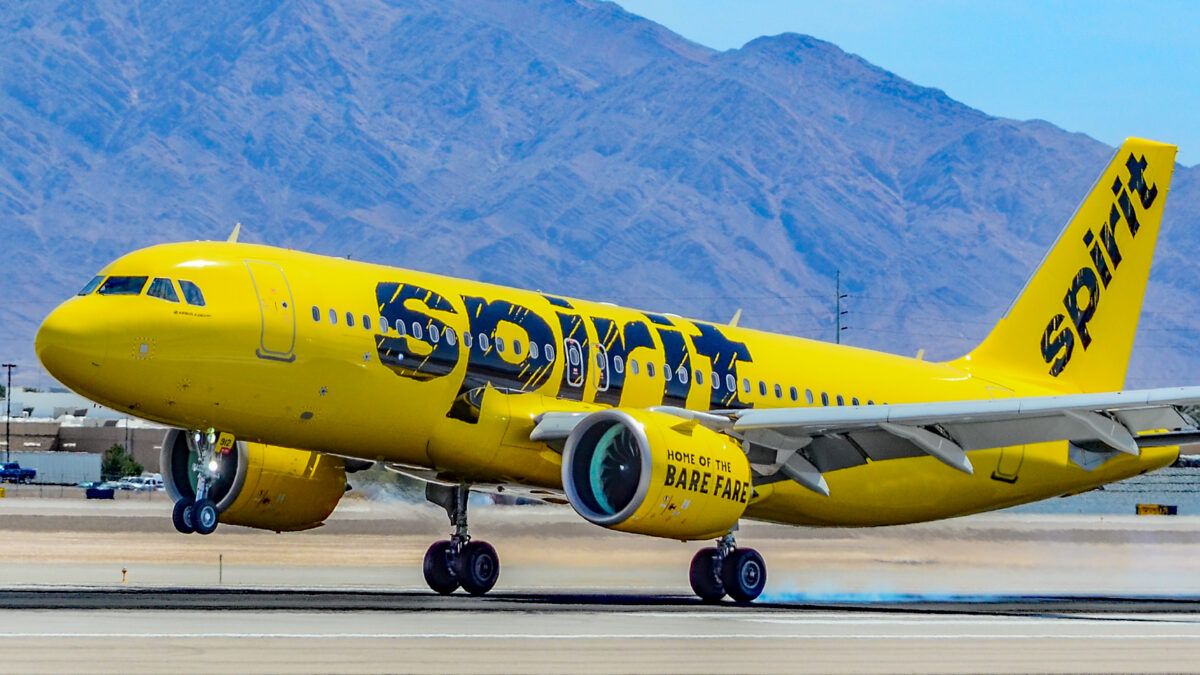
Socialist antitrust activists killed Spirit Airlines — and learned nothing
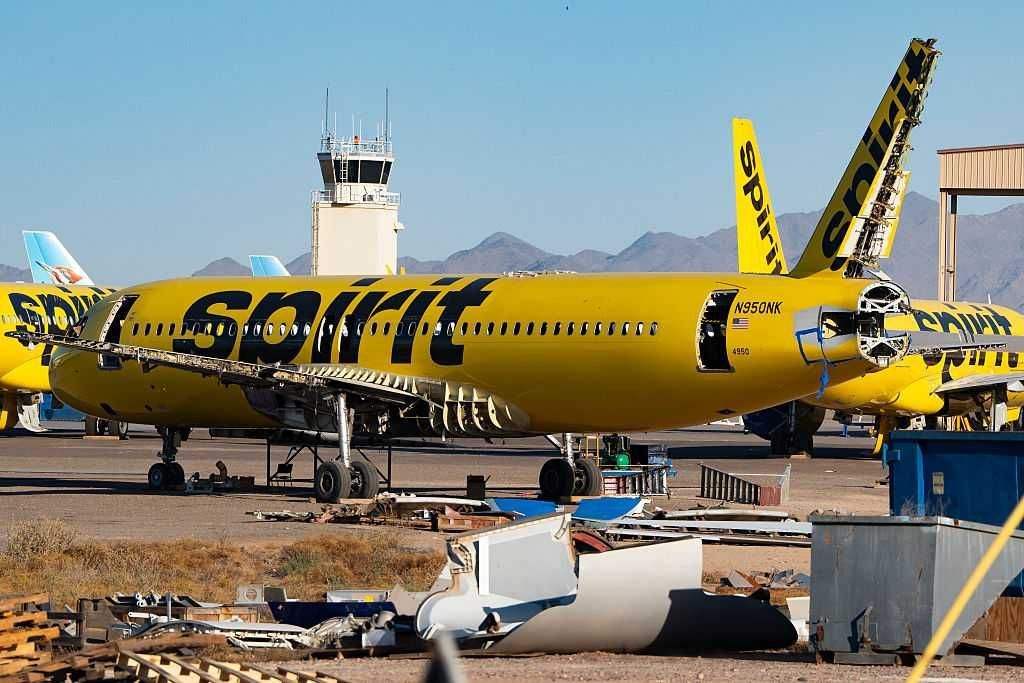


It is a bad time to fly. Willie Walsh, head of the International Air Transport Association, drove home the point this week when he warned that “war-related disruptions in the Middle East and rising fuel costs have shifted the outlook for airlines to the worse.”

Walsh pointed to the recent closure of Spirit Airlines, America’s most iconic budget carrier, and warned that more airlines could suffer the same fate if current trends continue. That means fewer choices for fliers and higher prices at the airport.

Before Democrats demand that courts second-guess another antitrust settlement, they should reckon with the consequences of the last one they cheered.

But blaming the state of air travel solely on the Iran war is far too convenient. Airlines are also struggling because overzealous regulators and left-wing antitrust activists decided they knew better than the market.

Three years ago, Spirit had a plan to survive. It struck a merger agreement with JetBlue, another economy carrier, to create a new, globally scaled affordable airline. The Justice Department joined six states and the District of Columbia to file an antitrust lawsuit blocking the deal.

In early 2024, a federal judge sided with the Biden administration and blocked the merger. Biden officials and congressional Democrats cheered. Without JetBlue’s capital, Spirit’s struggles mounted. The airline filed for bankruptcy and earlier this year shut its doors.

Now many of the same officials who applauded the court order that killed Spirit are trying to shift blame to President Trump. The American people should not buy it, especially given what those same Biden officials said at the time.

Then-Attorney General Merrick Garland called the judge’s ruling “a victory for tens of millions of travelers who would have faced higher fares and fewer choices had the proposed merger between JetBlue and Spirit been allowed to move forward.”

Senator Elizabeth Warren (D-Mass.) took to X to declare, “I’ve warned for months that a @JetBlue-@SpiritAirlines merger would have led to fewer flights and higher fares. @JusticeATR and @USDOT were right to stand up for consumers and fight against runaway airline consolidation. This is a Biden win for flyers!”

Pete Buttigieg, Biden’s transportation secretary, openly bragged about siding with the Justice Department and helping prevent the merger in the name of protecting “low fares” and “competition.”

The reality looks very different now.

Spirit’s shutdown was the first complete closure of a major U.S. carrier in 25 years. It was caused directly by the same actions the Biden administration once boasted about.

Travelers lost a low-cost option. Spirit’s more than 11,000 employees saw their lives upended. And Spirit’s disappearance will deepen the coming travel recession. The airline placed downward pressure on fares for years. Without it, prices are rising.

RELATED: Dear airlines, please stop pitching your credit cards at 33,000 feet
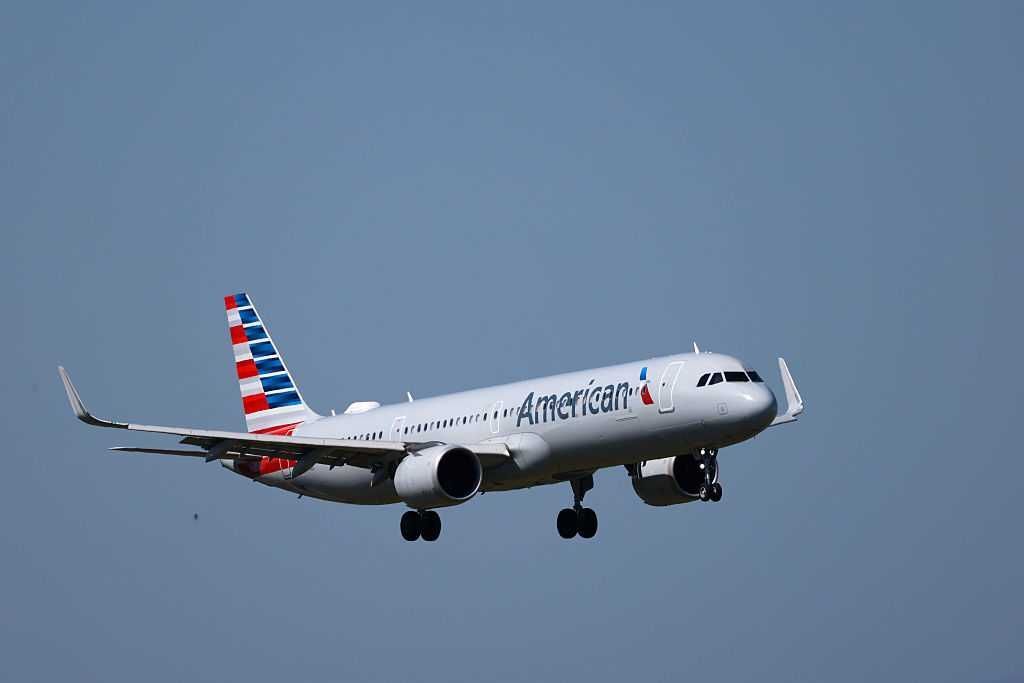
Kevin Carter/Getty Images

Travelers now face fewer choices at the airport. The remaining choices tend to be pricier, more consolidated carriers that no doubt welcomed Spirit’s demise.

One might hope antitrust enforcers would learn the obvious lesson: Bigger does not always mean worse. Sometimes mergers preserve competition. Sometimes they lower out-of-pocket costs for consumers. Sometimes blocking a merger kills the very competitor regulators claim to protect.

Unfortunately, many Democrats refuse to accept that reality.

Some of the same members of Congress and state attorneys general who supported blocking the Spirit-JetBlue merger now want courts to use the Tunney Act to second-guess other Trump administration antitrust decisions. The Tunney Act gives courts a limited role in reviewing antitrust settlements negotiated by the Justice Department. Democrats now want judges to stretch that role and challenge straightforward Trump settlements, including one merger backed by the intelligence community on national security grounds.

Historically, courts have deferred to the executive branch’s enforcement decisions. Democrats now want judges to intervene because they do not like the Trump administration’s policy choices.

Perhaps they should look in the mirror first.

Competition policy should protect consumers. It should not exist to punish private commerce, indulge ideological hostility to business, or let socialist antitrust activists pretend they can manage markets better than the people actually operating in them.

Spirit Airlines offers a painful lesson. The Biden administration, Elizabeth Warren, and other antitrust crusaders celebrated the decision that prevented Spirit from joining forces with JetBlue. Today, Spirit is gone, more than 11,000 workers have paid the price, and travelers have fewer choices at the airport.

Before Democrats demand that courts second-guess another antitrust settlement, they should reckon with the consequences of the last one they cheered.
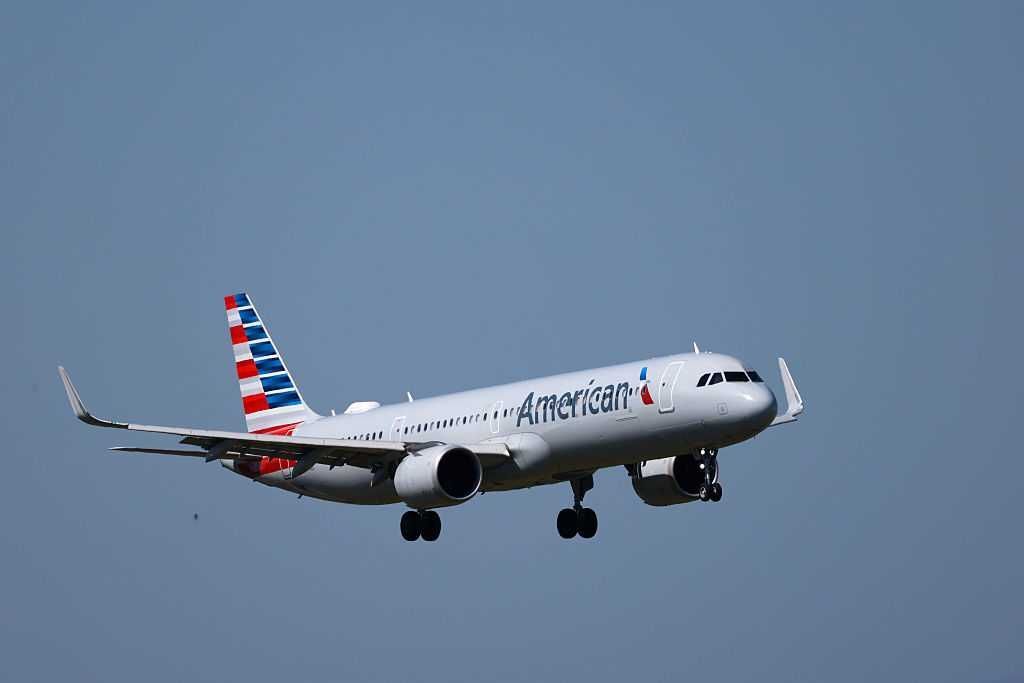

Dear airlines, please stop pitching your credit cards at 33,000 feet


I have never considered flying to be a luxurious experience, and this trip was no exception. I don’t think I’m speaking out of turn when I say that all I or anyone else on the flight from Dallas to Detroit on Christmas morning wanted was for it to be over as quickly as possible.

I had waited in the inevitable jetbridge backlog, found my seat, dutifully ignored the safety briefing, and was ready to see if I could manage an hour or so of sleep. As the plane reached cruising altitude, I — having momentarily gained the upper hand in the case of Pestritto v. airline seat — began to slip into a light doze.

In the back of my mind, I knew it was coming, but that didn't make it any more bearable. The crackle of the PA system, the monotone, forced cheerfulness of the flight attendant as he delivered the fateful words: “We’d like to take this chance to tell you about a special promotion being offered on this flight.”

For a brief instant, some small part of me considered pulling the emergency door handle. Surely the icy blast of air at 33,000 feet couldn’t be any worse than enduring the dreaded American Airlines credit card pitch.

When I arrive at the airport, I am prepared to suffer.

After this brief instant of nihilism, the better angels of my nature prevailed, and I contented myself with a silent sigh, listening to the pitch as I meditated on the script’s use of the passive voice. As if the airline were saying, “This promotion is being pitched without your consent. By whom? No idea. We would certainly never inflict such an indignity upon our paying customers.”

Let me take a moment to make my position clear. I understand that air travel is an unpleasant experience. Anyone who has taken a flight more than once in his life almost certainly understands this fact.

I have shrugged my shoulders for two hours straight in a middle seat. I have sat on the tarmac for longer than I thought possible. I have nearly missed my flight because it took four TSA officers to handle the bomb threat posed by the pink sippy cup belonging to the toddler in front of me.

All that to say: When I arrive at the airport, I am prepared to suffer.

However, air travel and I used to have an agreement. Once I made it through the ritual humiliation of the airport process and actually got to my seat on the plane, I was left more or less alone to endure the next few hours as best I could.

I grew up making two-day road trips in a Suburban with my parents and seven siblings, so I consider myself something of an expert at enduring hours of cramped travel conditions. The trick is just sort of retreating within yourself, ignoring your surroundings, and letting the dull misery of the situation become a sort of vague background noise.

This strategy is why I support Delta’s recent decision to end in-flight refreshments on trips of less than 350 miles. Unless the flight is long enough to warrant it, I don’t want my restless slumber disturbed by a voice asking if I want apple juice like it’s lunchtime at the day care or, if I’m the hapless occupant of an aisle seat, my elbow socket being rearranged by the passage of the snack cart.

I want it to just be me, my popping ears, and my very sore rear end until such time as we touch down and I can begin the "Mad Max: Fury Road" experience of trying to get off the plane.

I should have known, though, that modernity is never content to rest on its laurels. Like a roaring lion, it goes about constantly seeking whom it might devour — if by “devour” we mean “deprive of both money and will to live.” Since most airline passengers are neither sober nor watchful, the airlines are as good a place for devouring as any.

RELATED: Artemis II proves America still knows how to reach for the heavens

Jim WATSON/AFP/Getty Images

American Airlines is not alone in its quest to eliminate any and all in-flight respite. I have sat through what can only be described as lottery drawings on Spirit Airlines (may she rest in peace), heard random promotions for goodness knows what on Frontier, and been pitched on the same Delta credit card I had in my wallet at the time.

I understand, to a certain degree, why the airlines see fit to inflict these announcements on their passengers. If you look into it, you’ll find that most airlines today are basically just “banks that happen to fly planes.” They actually lose money on the flying part of the operation, which probably has something to do with the incessant attempts to bring customers over to the profitable side of the business.

The details of airline loyalty programs and how they have changed the industry is a story for another time. My concern is twofold.

First: How long can I endure these incessant credit card pitches before I commit self-harm or — far worse — break down and get one of them?

Second: What’s to stop this most heinous of sales methods from spreading to other forms of transportation? How long will it be before I have to endure automated pitches for the Honda GroundMiles Card whenever I stop at a red light?

I don’t expect much when I travel. Whether I’m sitting in Dallas traffic or at cruising altitude over Oklahoma, my greatest desire at this point is to endure the agony unassisted by the vicissitudes of corporate marketing.

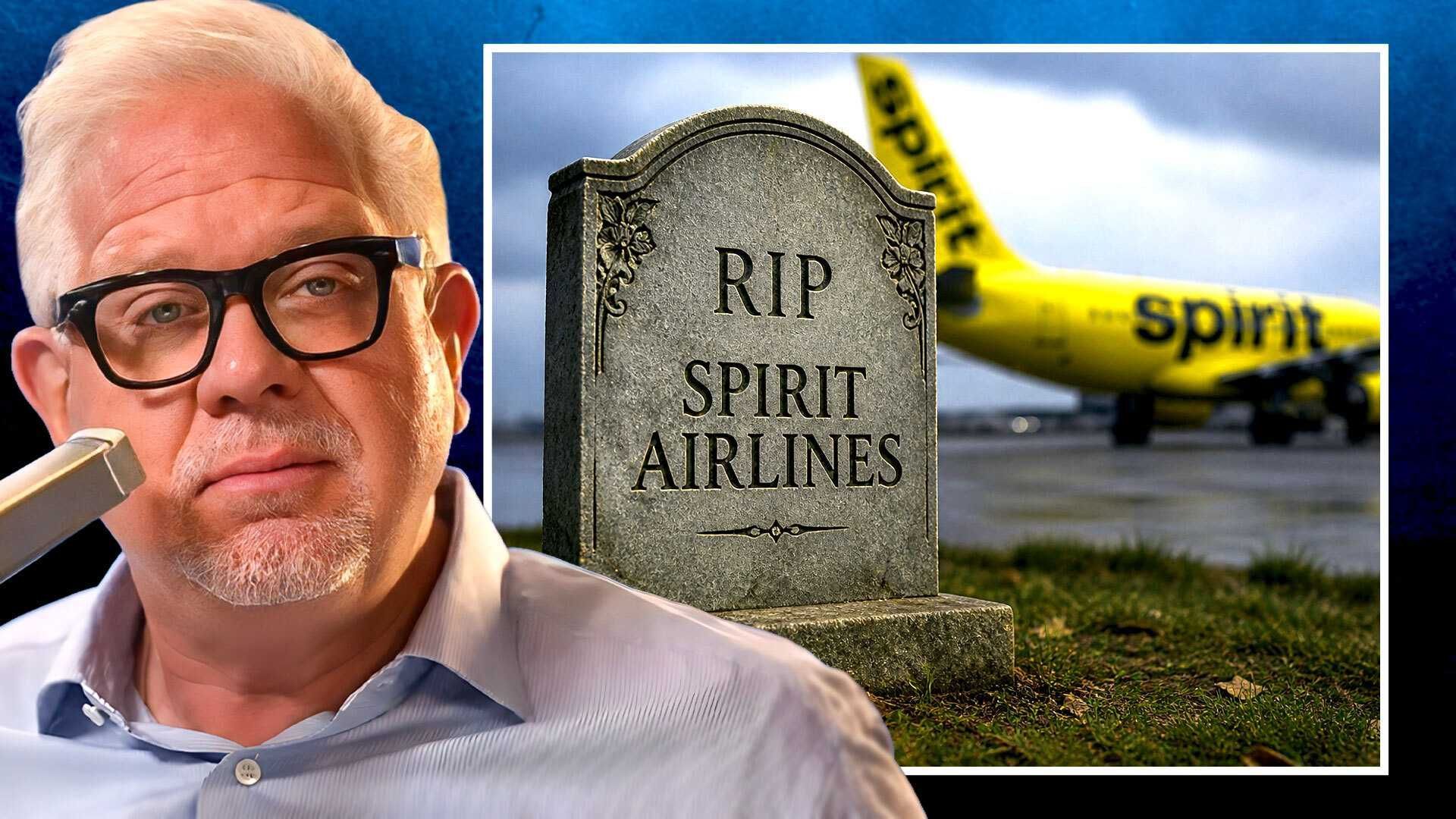
Glenn Beck: Spirit Airlines is gone — and Democrats helped kill it


While progressives claim the Spirit Airlines collapse was good for consumers, Glenn Beck and Carol Roth argue the exact opposite happened: Regulators strangled a struggling company’s lifeline and handed even more market power to the major airlines.

“Spirit Airlines is out, and Elizabeth Warren, when she announced this with Joe Biden — that they weren’t going to merge with JetBlue — she said that’s a ‘win’ for the Republic and win for Biden."

“It’s not a win for anybody who had, you know, tickets on a cheap airline to go someplace — to go see Grandma, or go back to school, or whatever it was. That’s not a win for you today. All these people have lost their jobs. The airline is closed, and the only ones that will win are the bigger airlines,” Glenn tells financial expert Carol Roth.


“They are always wrong and never in doubt,” Roth agrees.

“And this is a very dangerous combination, because, you know, you can have this moral preening, but it doesn’t replace economic reality. And they are so decoupled from the economic reality, either because they don’t understand or because they don’t care,” she says.

And Roth knows this from experience.

“I’m a recovering investment banker. We see this all the time. You have a company that needs a lifeline, and another company steps in and it’s letting the market sort it out,” she explains.

“What they did is they took a struggling company and they said, ‘No, you cannot have that lifeline. Look, we did a good thing,’ and like you said, now we have less choice. Now we have people who are out of a job. Now we have, you know, less of an opportunity for this to work its way out in the markets and in the system,” she continues.

“They’re not helping. And they’re making it harder for Americans to thrive, to be successful, and in some cases just to afford the cost of living,” she says. “And unfortunately, that’s where we’re at today.”

Want more from Glenn Beck?

To enjoy more of Glenn’s masterful storytelling, thought-provoking analysis, and uncanny ability to make sense of the chaos, subscribe to BlazeTV — the largest multi-platform network of voices who love America, defend the Constitution, and live the American dream.

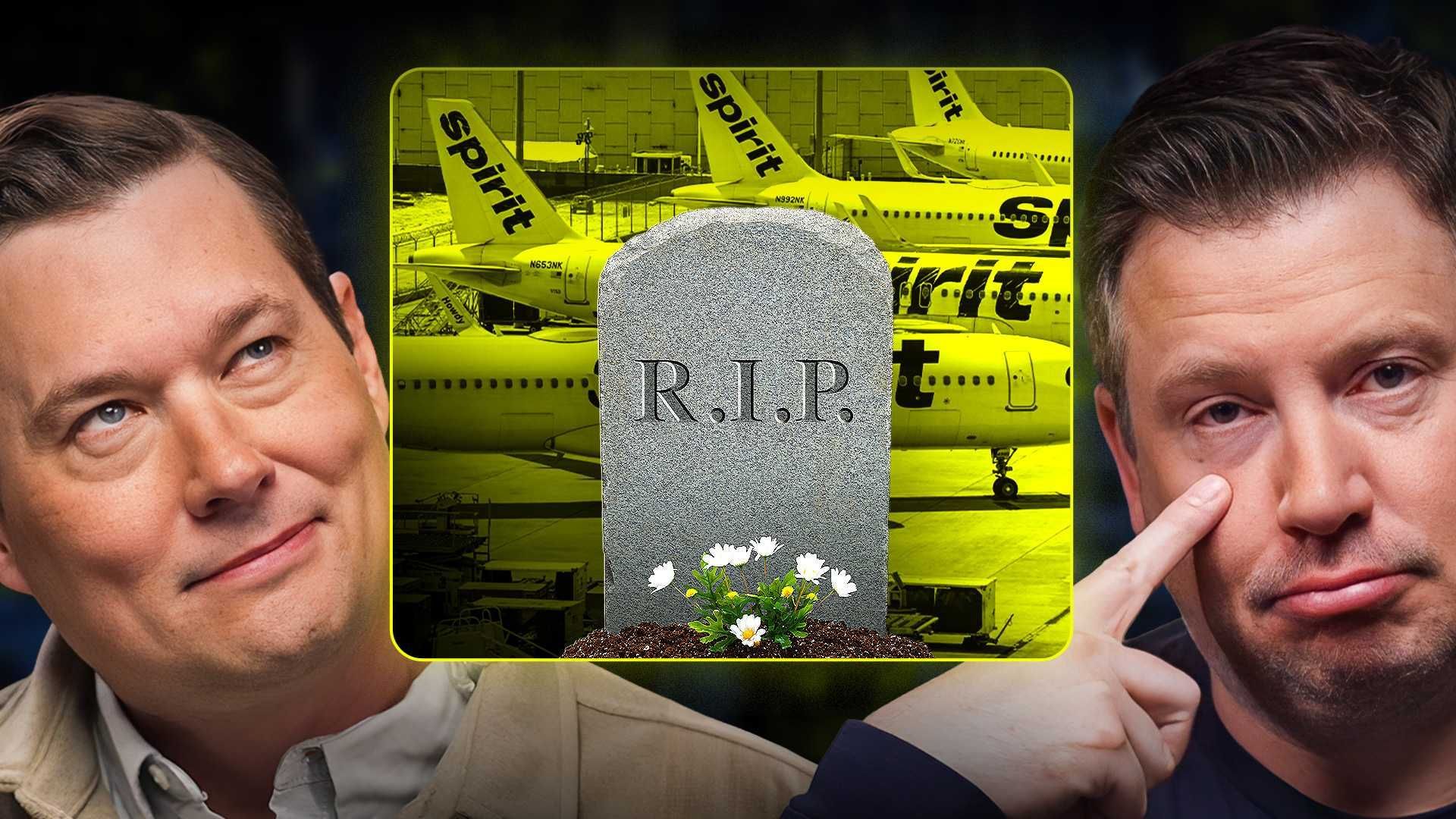
‘Fewer choices = higher prices’: Elizabeth Warren laments Spirit shutdown she helped cause


Last Sunday morning, after 34 years of service, Spirit Airlines announced it's shutting down operations effective immediately after failing to secure a $500 million government bailout amid financial struggles and high fuel costs. All flights are canceled, passengers are stranded and seeking refunds/rebookings, and thousands of people are out of a job.

BlazeTV hosts Stu Burguiere and Dave Landau were not surprised to hear the news.

But Stu says pricey jet fuel isn’t why the company collapsed. “There's been a lot of things that have caused the problems ... for Spirit Airlines over the years,” he says.

The hosts then play a humorous video montage of Spirit Airlines' lowlights, which include several passenger fights, a Spirit Airlines employee angrily yelling vulgar insults at a co-worker, and a baggage handler violently throwing passengers’ suitcases.

All jokes aside, the collapse of Spirit Airlines is bad news for everybody — even people who never flew with the airline.

“The best thing about Spirit was not necessarily flying Spirit; it was the competition of Spirit's prices,” says Stu. “Other airlines had to deal with them, and if they kept prices too high, people would say, ‘Well, you know, Spirit might not be the best airline in the world, but I'm going to take that because I'm saving so much money.’ These other airlines can now be like, ‘Well, we can let prices slide up."’

“It’s already going up,” says Dave, noting that he flies constantly for his comedy tours.

“I want to know where the points are going. I had a lot of Spirit points. You think they'll put them back on my EBT card?” he jokes.

Stu says that according to the sources he’s been listening to, people who booked flights with Spirit points are essentially out of luck.

“If you booked stuff with points, you're basically wiped out. You can put in a claim ... for bankruptcy proceedings to get value for your points. You'll be at the very bottom of the list of people getting stuff back,” he explains.

Some people may have to kiss traveling goodbye altogether.

“A lot of people who the only way they could go on vacation is fly a Spirit Airlines ... now they won't be able to go,” says Stu. “There’s a lot of negatives here.”

Sen. Elizabeth Warren (D-Mass.) apparently agrees.

In response to the news of Spirit’s shutdown, she wrote, “The Big Four airlines (American, Delta, Southwest, United) control 75% of the U.S. market. Fewer choices = higher prices for you.”

“Elizabeth Warren's upset because she's always upset. Everything that's happened is somehow a personal affront to her. And it's always capitalism's fault every single time,” says Stu.

“Four airlines splitting 75% ... is not a monopoly,” he corrects.

“That would be the opposite of a monopoly. That would be a competing market,” quips Dave.

But Warren’s faulty economics isn’t Stu and Dave’s biggest issue with her. In 2024, Warren strongly supported blocking the JetBlue-Spirit merger that many critics say would have saved the airline.

“The reason why Spirit doesn't exist is Elizabeth Warren!” exclaims Stu.

To hear more, watch the episode above.

Want more from Stu and Dave?

To enjoy more of Stu and Dave's lethal blend of wit, humor, and insightful commentary subscribe to BlazeTV — the largest multi-platform network of voices who love America, defend the Constitution, and live the American dream.

No, The Trump Administration Shouldn’t Bail Out Spirit Airlines

The president’s talk of a potential $500 million bailout for Spirit Airlines would deflate conservatives’ spirit at a critical juncture.
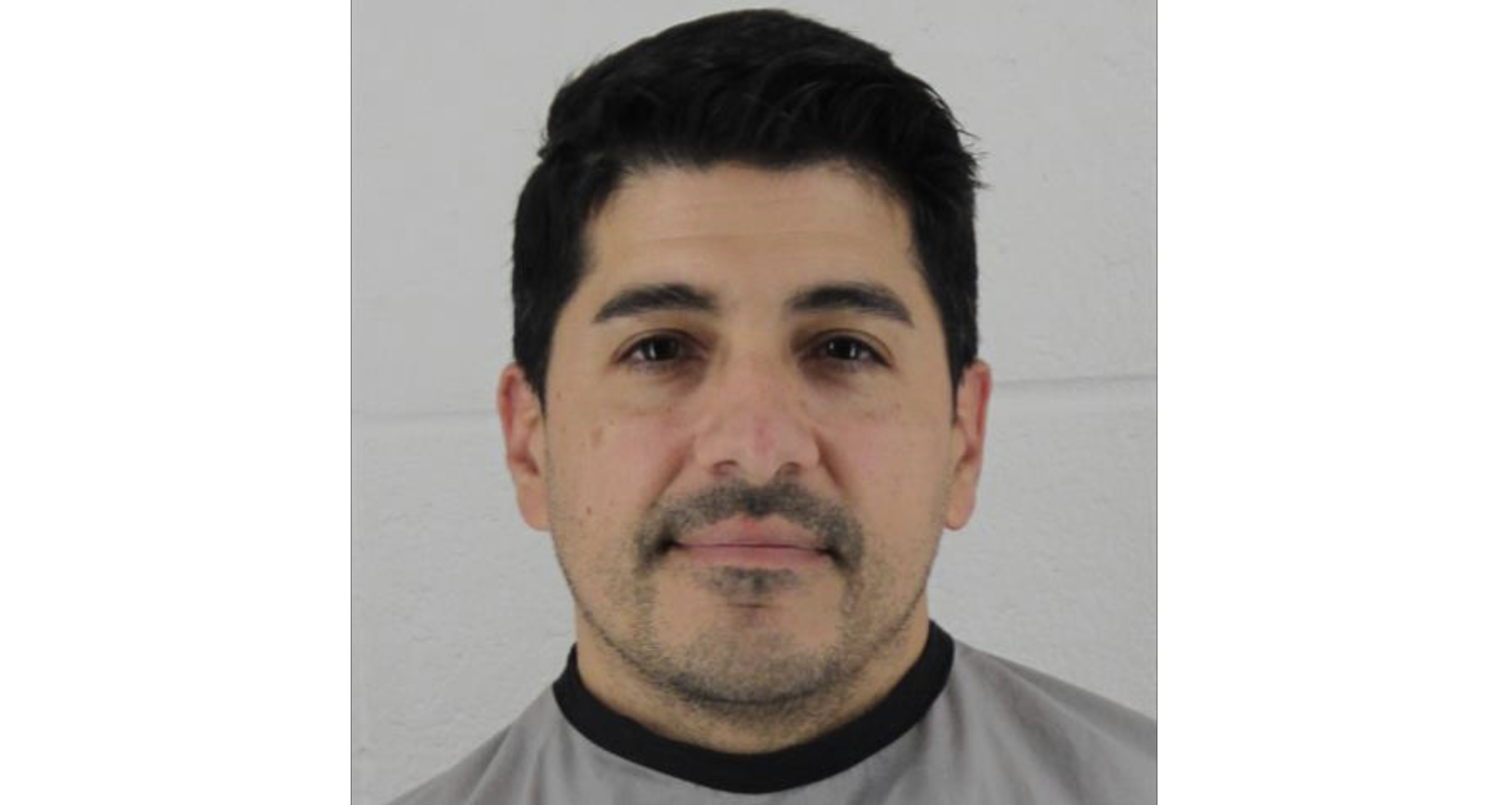
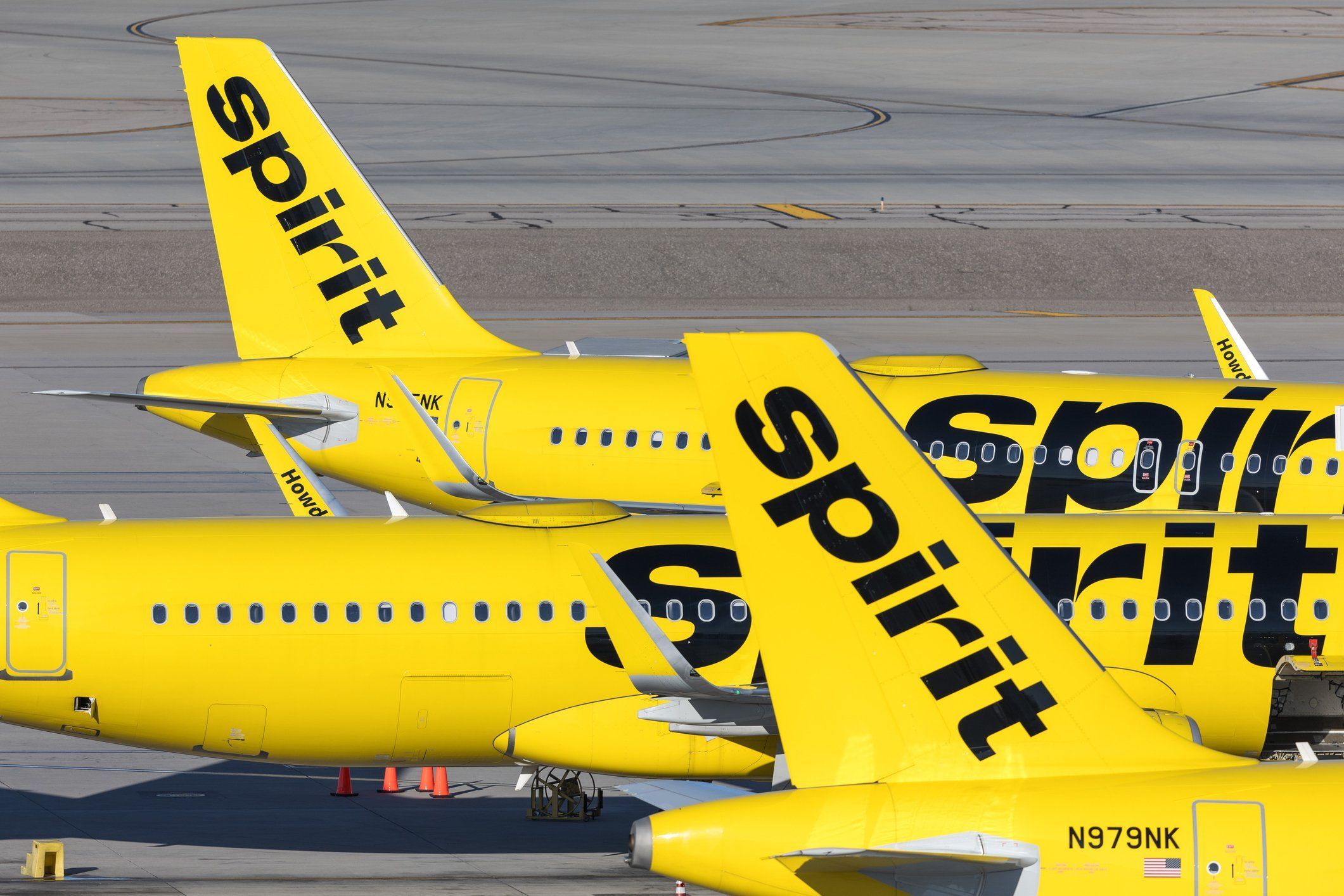
Spirit Airlines pilot reportedly arrested at airport amid accusations involving alleged underage victims


A Spirit Airlines pilot reportedly was arrested at an airport amid accusations involving alleged underage victims.

Dominic A. Cipolla — a 40-year-old pilot with Spirit — was arrested July 17 while he was working at the Louis Armstrong New Orleans International Airport, the Guardian reported.

'The pilot was removed from duty pending our investigation into the matter.'

A Spirit spokesperson informed the paper that the airline was "aware of a matter involving a pilot at Louis Armstrong New Orleans International Airport … which was unrelated to the performance of their job duties."

"The pilot was removed from duty pending our investigation into the matter," the spokesperson stated. "And we arranged for another pilot to operate the flight."

According to a July 11 criminal complaint out of Kansas, Cipolla is accused of stalking two children in Olathe.

Citing the complaint filed in Johnson County District Court, the New York Times reported that Cipolla was charged with two counts of stalking the minors with "reckless conduct causing fear."

RELATED: 'If you challenge me, it will result in your death': Watch fists fly on Frontier flight as passenger gets pummeled

Photo by Jetlinerimages via iStock / Getty Images
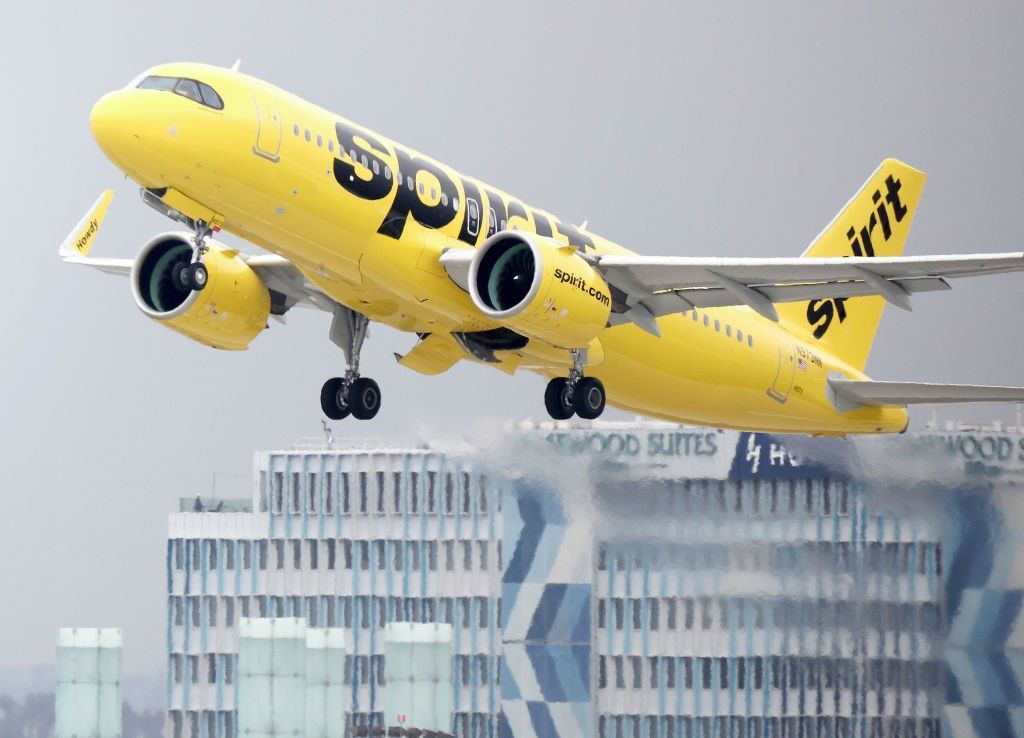
The criminal complaint offers no specifics about the alleged behavior, only stating that the incident occurred “on or about” Aug. 5, 2024.

The Guardian added that the birth dates of the alleged victims listed in court documents indicate "they are approximately 12 and 17 years old."

The Guardian said the charge involving the younger alleged victim is a felony because of the person's age and carries a prison sentence of up to three years. The other charge is a misdemeanor that carries a sentence of up to one year in jail and a fine of up to $2,500.

On Saturday, Cipolla was taken to the Johnson County Jail in Kansas. According to jail records, he was released the same day after posting a $12,500 bond.

Cipolla is scheduled to make his initial court appearance next Tuesday, according to records.

As part of the terms of his release, Cipolla is not permitted to leave Kansas without the approval of the Johnson County District Court. He also is forbidden to make any contact with children.

Court records say Cipolla is a resident of Kansas City, Missouri, which is roughly 22 miles north of Olathe.

Citing a now-deleted LinkedIn account, the New York Times reported that Cipolla has been a first officer with Spirit Airlines since 2022.

The Johnson County District Attorney’s Office, which brought the charges against Cipolla, did not immediately respond to Blaze News' request for comment.

But attorney Brandan Davies said in a statement on Cipolla's behalf that he's “a two-time combat veteran with not so much as a speeding ticket on his record," the Guardian reported, adding that Cipolla "denies the allegations against him and asks that the media allow the court process to take place."

As Blaze News recently reported, federal agents reportedly stormed the cockpit of a Delta Air Lines plane and dragged a pilot off the commercial airliner. The pilot was hit with 24 charges related to sexual assault of a child 10 years or younger.

The ex-girlfriend of the arrested Delta Air Lines pilot also was arrested and charged in the disturbing case that allegedly involves her young daughter, according to officials.

Like Blaze News? Bypass the censors, sign up for our newsletters, and get stories like this direct to your inbox. Sign up here!

Teen arrested after allegedly saying 7 words that led to airplane evacuation. But mom says it was just a joke.


An unnamed Missouri teen had been visiting friends in South Florida and was set Monday to return home to Kansas City on a Spirit Airlines flight out of the Fort Lauderdale-Hollywood International Airport.

'I don't believe he acted criminally. He was acting as an immature 16-year-old in my opinion.'

Flight 1332 was scheduled to depart at 2:37 p.m. Monday, according to flight tracker Flightradar24. However, the flight would not depart until more than five hours later — at 7:44 p.m. — due to an alleged disturbance in the cabin that ignited concern among passengers and crew members.

Authorities claim that a teen passenger made a false bomb threat.

The Miami Herald reported that the 16-year-old suspect said, "I have a bomb in my pocket."

Spirit Airlines told WTVJ-TV that the commercial airliner taxied to a remote location, and passengers were safely deplaned. Law enforcement inspected the aircraft and cleared the plane after not finding any explosive devices.

People magazine reported that Spirit Airlines lost approximately $50,000 in connection with the incident.

RELATED: 'My laptop is a bomb': Florida man's alleged mid-flight bomb threat forces emergency landing — now the FBI is involved

Broward Sheriff's Office deputies took the teen into custody.

The teenager faces charges of criminal mischief over $1,000 and false report of a bomb or explosive, according to the sheriff's office.

The Herald noted that a woman who said she’s the teen’s mother indicated that her son was sitting on the plane as it was set to depart when he made the statement — and a woman in the aisle next to his seat reported it.

But the teen's mother added to the Herald that her son is a "good kid" and that the remark was a "slang joke" about his masculinity and not a bomb threat.

The teen's father asked a judge for leniency during a Tuesday hearing in juvenile court.

"I would just like to ask for grace in this matter," Phillip Schmidt said, according to WTVJ. "I don't believe he acted criminally. He was acting as an immature 16-year-old in my opinion."

However, the judge was not swayed by this argument and ordered the teen to undergo a psychological evaluation and remain in custody at a juvenile facility.

Like Blaze News? Bypass the censors, sign up for our newsletters, and get stories like this direct to your inbox. Sign up here!

America First antitrust isn’t ‘socialism’ — it’s self-defense


In a recent Wall Street Journal op-ed, Robert Bork Jr. attacked Gail Slater, President Trump’s new assistant attorney general for antitrust.

I remember watching with sadness and dismay in 1987 as Mr. Bork’s father, the late Judge Robert Bork, endured a malicious and unfair confirmation process that ended with the Senate rejecting his nomination to the Supreme Court. Now, to my regret, his son has “borked” Slater in much the same way.

The heart of Trump’s America First antitrust agenda: Protect markets before they grow too big to regulate. Break up monopolies so Washington doesn’t have to control them.

Rather than engaging with Slater’s actual record, Bork resorted to baseless claims. He suggested her antitrust philosophy boils down to a simplistic belief that “big is bad, little is good.” That isn’t her philosophy, she’s never said that, and it’s dishonest to imply otherwise.

The Trump administration’s antitrust team isn’t capitulating to monopolies. It’s doing the opposite — charting a course that breaks from the status quo of the last four years of Joe Biden and eight years under President Obama.

Monopolies rightly understood

Bork claims that Gail Slater and Federal Trade Commission Chairman Andrew Ferguson “discarded the consumer welfare standard,” the long-standing antitrust principle that limits government action to cases where consumers suffer harm. But Bork sets up a straw man. Slater never said anything of the sort — not in her speech, not even by implication.

In fact, Slater made her position clear: She supports “respecting the original public meaning of the statutory text and the binding nature of Supreme Court and other relevant precedent.” That’s not a rejection of the consumer welfare standard.

Bork also misrepresented Slater’s concern over monopolistic control by tech platforms. He mocked her for saying these companies “control not just the prices of their services, but the flow of our nation’s commerce and communication.” Bork scoffed: “What prices? Facebook, Instagram, Google, LinkedIn, and YouTube don’t charge consumers a penny.”

RELATED: YouTube deserves its own antitrust scrutiny

Photo by Jakub Porzycki/NurPhoto via Getty Image

Slater might have spelled out more clearly how these platforms profit through exploitative practices and suppress conservative voices through debanking, shadow-banning, and viewpoint discrimination. But her time was limited. Bork’s refusal to acknowledge the damage done to conservatives by monopolies that dominate the flow of information is not just blind — it’s disgraceful.

I, for one, applaud a Justice Department finally willing to confront monopolies not just over dollars, but over speech. Americans deserve protection whether the cost of control impinges upon their wallets or their freedom.

This isn’t Biden 2.0

Calling Slater a continuation of Biden’s antitrust policy is the coup de grâce of Bork Jr.’s “borking” campaign. The claim doesn’t hold up. From day one, Slater made clear her intention to restore objectivity and restraint to antitrust enforcement — anchored in law, not ideology. Biden’s FTC and Justice Department had weaponized antitrust, targeting deals that posed no real threat to consumers, often on laughably flimsy grounds.

Bork, in another op-ed, pointed to the Biden administration’s lawsuit against Visa over razor-thin fees as an example of legitimate enforcement. But Visa wasn’t harming consumers. The lawsuit looked more like an effort to strong-arm a private firm into acting as another weapon in the administration’s anti-conservative arsenal — just as it had done with major banks and social media platforms.

The Biden administration even blocked the merger of Spirit and JetBlue, smaller carriers that offered real competition to the Big Four airlines. The move led to bankruptcy, obviously hurting consumers. Had Democrats won last November, the Big Four likely would have been expected to repay the favor politically.

But those were Biden’s decisions — not Slater’s. She has already made clear she intends to reverse course. She’s not in office to weaponize antitrust law. Her aim is to enforce the law and uphold precedent.

In an April interview with Sohrab Ahmari, Slater didn’t mince words: “If you’re doing a merger that’s benign, we’ll just get out of the way.” In her first public address on April 21, she pledged to give economists a stronger role in enforcement and criticized regulation that “saps economic opportunity by stifling rather than promoting competition.”

That doesn’t sound like central planning. It sounds like a welcome return to sanity.

Deregulation by prevention

So why is Bork trying to paint her as Chairman Mao? Probably because Slater understands what many in D.C.’s think-tank class still miss: Big Business isn’t always Big Government’s victim. More often, they work together. Corporate giants gain dominance, then lobby for regulations that kneecap smaller competitors.

Bureaucrats play along because it’s easier to deal with one entrenched firm than a dozen fast-moving upstarts. That’s not capitalism — it’s cartel economics. And for once, a president is pushing back.

Slater has made it clear that monopolies don’t just crush competition — they endanger core American freedoms. She watched Big Tech silence dissent during the 2020 election. Her response? Use antitrust to reduce the need for government, not expand it.

That’s the heart of Trump’s America First antitrust agenda: Protect markets before they grow too big to regulate. Break up monopolies so Washington doesn’t have to control them. Call it what it is — deregulation by prevention. It’s the opposite of socialism. In truth, restoring power to the people, not the government, is exactly what the founders envisioned. Just read the 10th Amendment.

A seismic shift

FTC Commissioner Mark Meador, a Trump appointee, points out that “consumer welfare” doesn’t just mean cheap products. It also means protecting Americans from economic overlords who silence dissent, distort democracy, and punish disfavored speech. Sound familiar?

Meador rightly rejects the progressive notion that “bigness” is always bad. But he also rejects Bork-style libertarianism that shrugs at monopolies unless they raise prices. That view ignores what consumer welfare really demands — fair markets, not just cheap goods.

The 2024 election wasn’t just a political win for Trump. It marked a seismic shift in what the Republican Party stands for.

Democrats now serve Wall Street, Silicon Valley, and multinational conglomerates. Trump’s GOP champions the working American — the factory worker, the tradesman, the small business owner.

Too often, well-meaning but outdated Republicans cry “socialism” when anyone dares challenge corporate power. But they’re not defending capitalism. They’re defending a rigged system. And voters finally noticed.

Trump wasn’t sent back to Washington to coddle monopolies or rubber-stamp mergers. He was sent to drain the swamp — including the one where corporate lobbyists and bureaucrats make backroom deals to preserve their government-aided monopoly grip. If that makes the old guard nervous, they can always file a complaint — with one of their apps.