Watchdog: From Fake Students To Disney Cruises, K-12 Fraudsters Stole $225 Million From Taxpayers Over 7 Years
 'When school administrators with access to funds go unchecked, embezzling and misusing public money, it’s a loss for the students.'
The next big fight over your car isn’t about gas prices, emissions, or electric vehicles. It’s about something bigger: who controls the road — and how much control they have over you while you’re on it.
What’s happening in Illinois should get drivers’ attentions. Lawmakers are advancing the Road Usage Charge Act, introduced by state Rep. Ram Villivalam (D), as a pilot program to study a mileage-based tax. On paper, it sounds routine. In reality, it’s the first step toward replacing the gas tax with a system that charges you for every mile you drive.
History shows that once a system like this exists, it rarely stays limited to its original purpose.
For decades, drivers have paid for roads through fuel taxes. You fill up, you pay your share. It’s simple, predictable, and largely invisible. But as more drivers move into electric vehicles and high-efficiency cars, gas tax revenue is declining. States like Illinois, which rely heavily on that revenue, are looking for alternatives.
Instead of cutting spending or rethinking how funds are used, they’re moving toward a system that expands oversight.
Illinois drivers are already paying for the road — heavily. Under Gov. JB Pritzker (D), the state doubled its gas tax in 2019, making it one of the highest in the country. Add tolls, registration fees, and local taxes, and drivers are already funding the system at a premium. Now comes the next step: charging not for fuel, but for movement itself.
A mileage-based tax — often called a vehicle miles traveled tax — sounds straightforward. Drive more, pay more. But the details matter. Some proposals rely on annual odometer reporting. Others involve installing tracking devices or using connected vehicle data.
This is where it stops being just a tax policy.
Once a system is in place to measure how far you drive, it can also measure when you drive, where you go, and how often you travel. Even groups like the American Civil Liberties Union have raised concerns about the risks that come with collecting that kind of data. And history shows that once a system like this exists, it rarely stays limited to its original purpose.
RELATED: FIRST LOOK New York International Auto Show: Cool cars, but drivers still face sticker shock

Supporters argue this is about fairness. If electric vehicle owners aren’t paying gas taxes, they should still contribute to road funding. On its face, that argument makes sense. But this proposal doesn’t just target EVs. It applies to everyone — including drivers already paying high fuel taxes every time they fill up.
The result could be double taxation.
There’s also the cost of running the system itself. A mileage-based tax isn’t free to administer. It requires new technology, enforcement mechanisms, and ongoing oversight. Those costs don’t disappear — they get passed on to drivers, adding another layer of expense before you even get to the per-mile charge.
Before any of that happens, there’s a more basic question: Where is the current money going? States already collect billions through gas taxes, tolls, and vehicle fees. Before asking drivers to pay more — or pay differently — there should be clear accountability for how those funds are being used.
That question rarely gets answered.
What tends to grow instead is the system itself — more programs, more layers, more cost.
Illinois has already seen pushback on similar proposals. A 2019 effort was shelved after public backlash. Drivers understood what was at stake: not just higher costs, but more oversight and less control.
At its core, this is about how driving is changing. Driving in America has always meant a certain level of independence — the ability to go where you want, when you want, without someone tracking the details. A mileage-based system, especially one tied to data collection, begins to change that, turning driving into something that’s measured, recorded, and managed.
That’s a fundamental shift.
To be clear, declining gas tax revenue is a real issue. As vehicles become more efficient and electric adoption grows, states will need to adapt. But there are simpler ways to do it. If EVs aren’t contributing equally, adjust registration fees. Create transparent, targeted solutions. Keep the system straightforward and limited.
What’s being proposed goes further. It builds a framework that could apply to every driver, not just the segment creating the revenue gap. And once that framework exists, it won’t stay narrow — these systems tend to expand over time.
Illinois may be calling this a pilot program. But other states are watching closely.
Drivers should be asking a basic question: Is paying for the road one thing — and being tracked to use it something else entirely?
Because once the system is in place, it won’t be easy to roll back.
Do you spend too much time in your car?
Your local state authorities think you do — and they’re quietly pushing through laws that will give them the power to do something about it.
Don’t want to pay a mileage tax? Don’t drive. Need to commute to a job 40 miles away? That’s your problem. Visit family out of state too often? Expect to pay a premium.
Meet Massachusetts Senate Bill S.2246. Introduced by state Senate Majority Leader Cynthia Creem, it sets the stage for a future where the government tracks and potentially limits how many miles you drive each year. This isn’t a fringe proposal — it’s working its way through the legislature right now, and similar ideas are being tested in other states across the country.
Is this really about emissions — or is it about power and control?
The Massachusetts legislation proposes the creation of a new government entity that would track vehicle miles traveled, or VMT, and implement policies to reduce them over time. While the bill doesn’t yet impose mileage caps, it does instruct state agencies to create a “reasonable pathway” to cut how much people drive annually.
Translation: A government-mandated limit on personal travel is no longer hypothetical — it’s being drafted right now.
Bill S.2246 also outlines coordination with automakers and the use of vehicle inspection data to monitor individual mileage. It even suggests changes to urban planning, encouraging the development of walkable neighborhoods and fewer parking options, all with the goal of getting you out of your car — whether you want to or not.
This bill didn’t come out of nowhere. It’s modeled on similar policies in places like Colorado and Minnesota, where pilot programs are already testing new ways to tax drivers based on how far they travel.
While Massachusetts leads this particular charge, it’s far from alone. A number of states are exploring ways to replace traditional gas taxes with per-mile taxes. They claim it’s about addressing the rise of electric vehicles and declining fuel tax revenue. But behind that talking point is a broader plan to monitor and manage how people use their personal vehicles.
States to watch include:
“Pilot project.” Sounds like an innocent trial run, doesn’t it? But pilot projects have a way of becoming law — slowly, quietly, and without voter input.
RELATED: A Look at Oregon's Program to Tax Drivers by the Mile
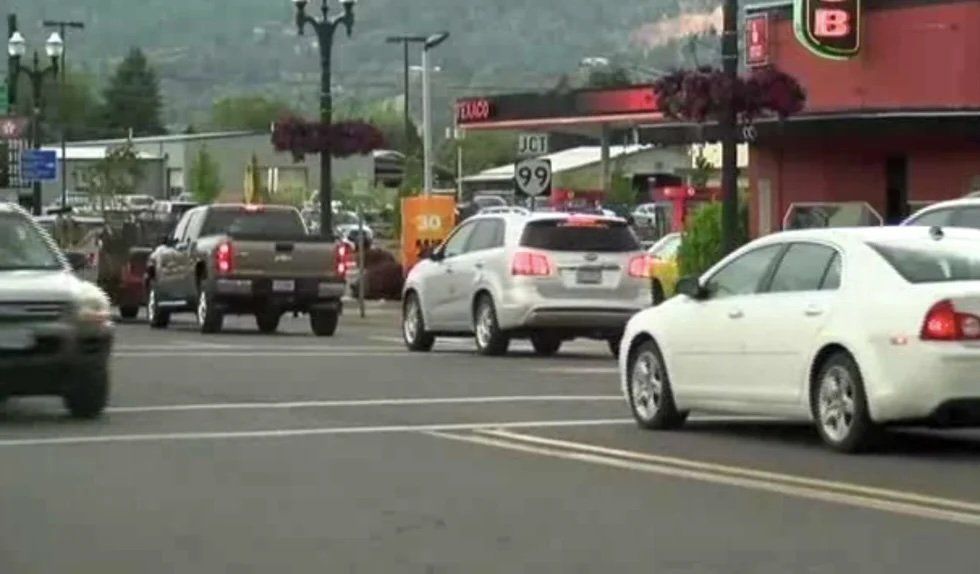
Supporters say these measures are about managing traffic or protecting the environment. But let’s be honest: This is about expanding state authority into private life.
It’s not just taxation. It’s surveillance. Think about it: If a government agency has the authority to track your mileage, it has the authority to restrict it. Combine that with modern vehicles equipped with GPS, connected services, and remote data-sharing, and we’re talking about a future where the state doesn’t just monitor your driving — it can penalize it.
Don’t want to pay a mileage tax? Don’t drive. Need to commute to a job 40 miles away? That’s your problem. Visit family out of state too often? Expect to pay a premium. This is a direct attack on working Americans, rural residents, and anyone who depends on their vehicle for daily life.
It’s no coincidence that many of these policies target personal liberty while funneling more money into government-approved programs — public transit, bike lanes, and urban planning initiatives that don’t serve the vast majority of residents.
What’s being proposed isn’t a substitute for the gas tax. It’s an additional layer of taxation — one that disproportionately affects low-income Americans, small-business owners, and people who live outside city centers. People who can’t hop on a bus or ride a bike to work will end up paying the most.
It also opens the door to data collection on a scale we’ve never seen before. Once the government starts tracking your mileage, what’s next? Will your insurance rates be tied to state mileage thresholds? Will “excessive driving” be taxed as a form of noncompliance?
We’ve seen this approach before — quietly introduce “pilot” programs, sell them as innovative or necessary, and then expand them into mandates. It’s the same strategy used with toll lanes, emissions testing, and now digital IDs and connected vehicles.
The Massachusetts’ bill is especially troubling because the state has a reputation for pushing back on centralized control. It was one of the first states to pass a right-to-repair law and strengthen data privacy for consumers. But even in that context, this legislation is moving forward — slowly, with little attention, and under the radar of most residents.
The goal is simple: Shift transportation from a private activity to a regulated service. If that doesn’t concern you, it should.
Freedom of movement is a basic American right. If lawmakers are going to put a price tag on it — or worse, limit it — then every citizen should be aware and vocal.
Now is the time to contact your legislators and let them know you oppose mileage tracking and per-mile taxation.
Many of these programs are pushed by consulting firms and vendors who profit from tracking infrastructure. As I always say, follow the money.
These kinds of authoritarian initiatives don’t care if you’re Republican or Democrat. And once government control over your mobility is normalized, it won’t stop at driving. The same logic can be applied to where you shop, when you travel, or how often you leave your home.
What’s happening in Massachusetts is a test case. If this legislation moves forward, expect a wave of similar bills in other states — all claiming to modernize transportation while actually expanding government power over your everyday life.
Personal vehicles represent more than just transportation. They’re a symbol of independence, flexibility, and the freedom to move as you choose. That freedom is under attack — not with a bang, but with quiet legislation buried in statehouse committees.
Watch closely. Push back early. Because once this kind of control is codified into law, it doesn’t go away easily. We need to get in front of these laws before it’s too late.
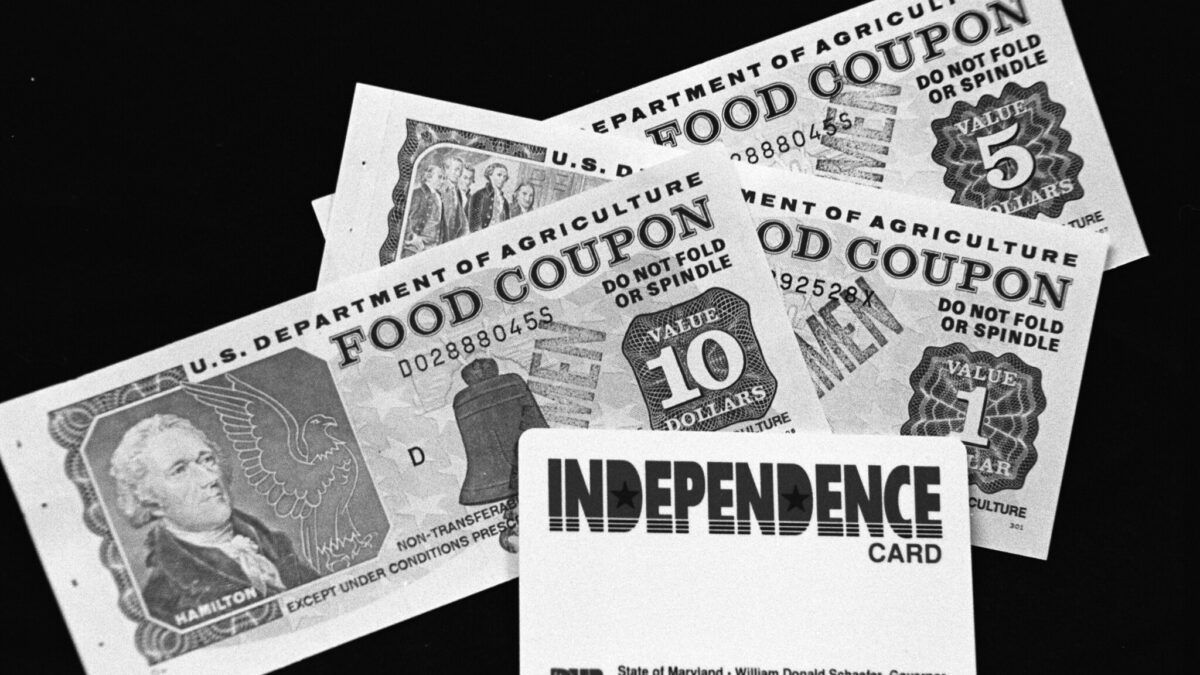 The DOJ discovered millions of dollars in fraud hidden in false food stamp reporting.
 New Hampshire Republicans are projected to maintain trifecta control of state government heading into 2025.
 It remains crucial that politicians be put on the record to hold them accountable for their use of the public trust.
 Our nation's monuments reflect the people who made it their home, the struggles they endured, and the values that made it possible.
 Arguably, Ron DeSantis has done more good for conservatives as a governor than national Republican leaders have in the past two years.
 www.theblaze.com
 www.theblaze.com