
Gay Marriage Is On A Collision Course With Children’s Rights
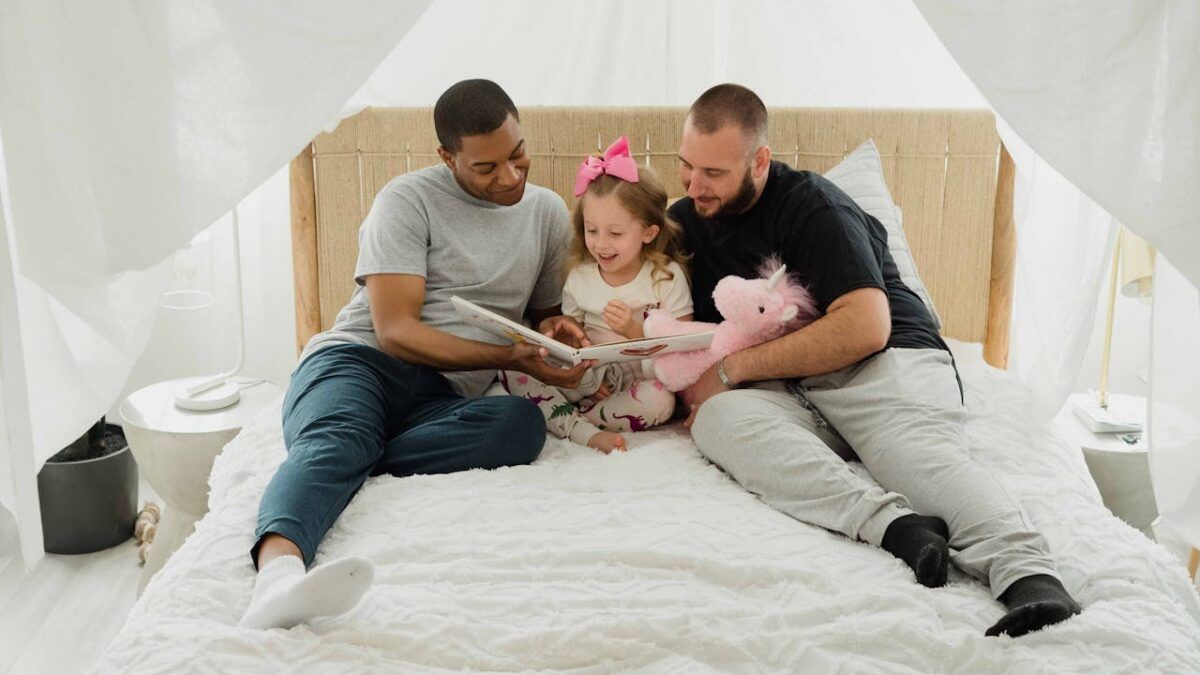 Two viral videos this week made visible what gay marriage proponents have worked for more than a decade to keep out of view.
Surrogacy Left These 21 Children Parentless After Alleged Abuse. Until It’s Banned, They Won’t Be The Last
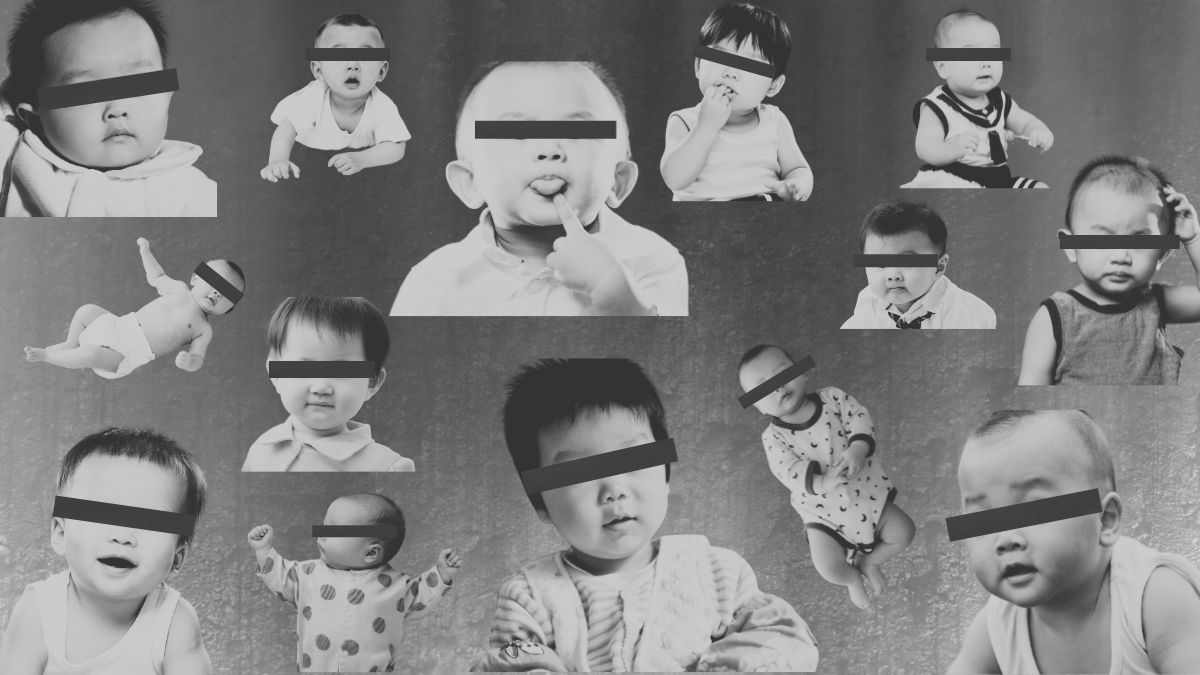 No amount of regulation can fix a system that is predicated on encroaching on a child’s natural right to his biological mother and father.
'50 high-quality sons': Chinese men are siring US citizen 'mega-families' via surrogacy: Report
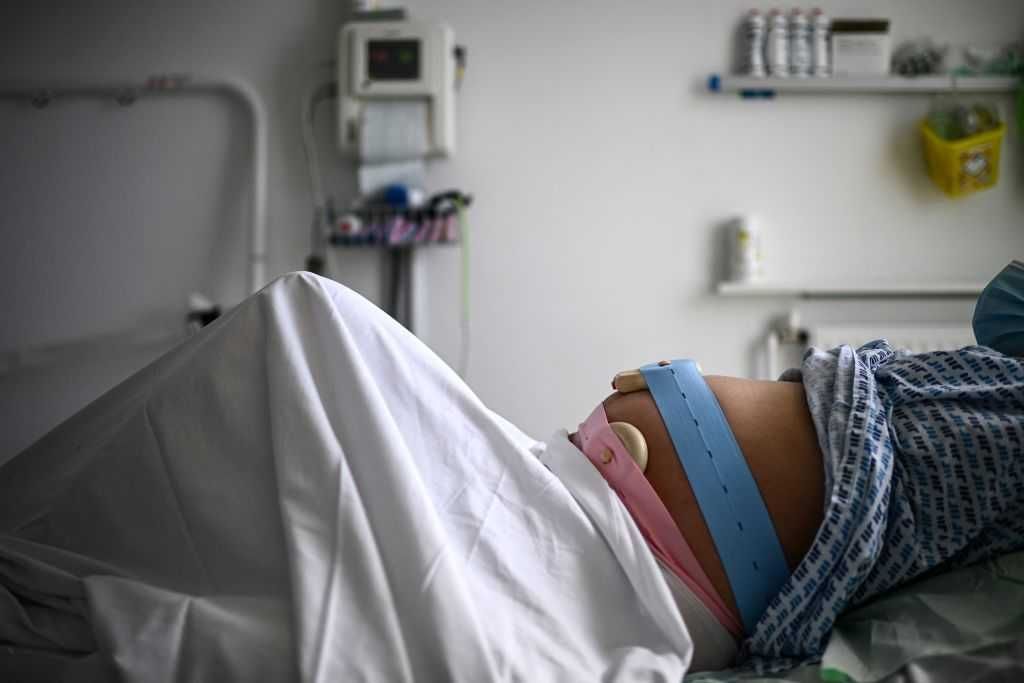
Chinese elites are reportedly building "mega-families" by commissioning U.S. surrogates to produce for them scores of American-born children. This practice, which has apparently encouraged the growth of a secondary industry of accommodation, has prompted concerns about underregulation of the surrogacy industry as well as about birthright citizenship.
A recent Wall Street Journal report detailed multiple cases where affluent individuals in communist China — where surrogacy is illegal — have shelled out millions for U.S.-based surrogates to "help them build families of jaw-dropping size."
At a cost of up to $200,000 per child, they can reportedly send their genetic material abroad, have their babies carried to term, delivered, cared for, and ultimately shipped back.
Xu Bo, an anti-feminist billionaire in the gaming industry, reportedly told an American family court judge in 2023 that he hoped to have 20 boys born in the U.S. through surrogacy, with the hope that they could one day take over his business. At the time, several of his surrogate-born children — whom he had yet to meet — were being raised by nannies in California.
A social media account operated by Xu noted in a message reviewed by the Journal that he hoped to have "50 high-quality sons," and Xu's company has since bragged that Xu has supposedly paid to sire over 100 children through surrogacy in the United States.
Wang Huiwu, the CEO of Sichuan-based education group XJ International Holdings, has fathered 10 girls through American surrogates using the eggs he purchased for at least $6,000 a pop from models, a musician, and others, the Journal reported. Wang apparently wants girls, as he figures they could one day marry world leaders.
Xu, Wang, and other elites in the adversarial nation who are similarly motivated to commission armies of children with American citizenship apparently don't have to step foot in the United States to start or complete the process.
At a cost of up to $200,000 per child, they can reportedly send their genetic material abroad, have their babies carried to term, delivered, cared for, and ultimately shipped back. Agencies, law firms, and nanny services have emerged to help accommodate the growing foreign demand.
RELATED: Buying fatherhood: The devastating toll of our rent-a-womb society
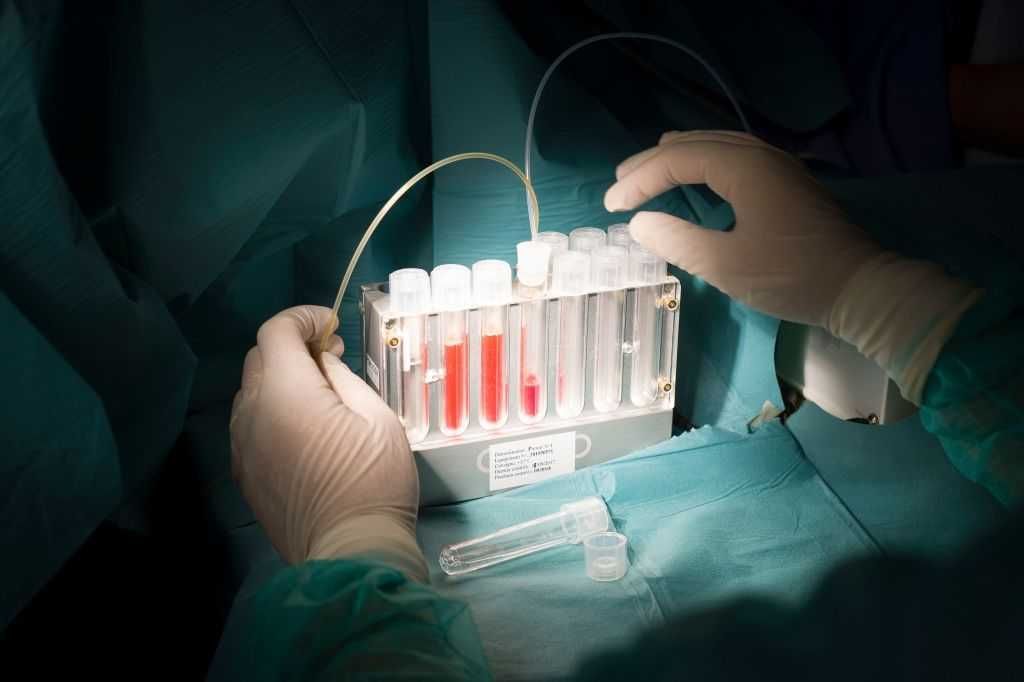
Nathan Zhang, the CEO of IVF USA, told the Journal that whereas his clientele were historically parents trying to bypass China's one-child policy, he has begun to see an increasing number of "crazy rich" clients who are paying for dozens or even hundreds of U.S.-born babies with the aim of "forging an unstoppable family dynasty."
Zhang indicated that he rejected one Chinese businessman as a client who sought over 200 children via surrogates after he proved unable to account for how he might raise them all. Not all such requests, however, are turned down.
The Journal cited, for instance, the case of a California surrogacy agency whose owner confirmed the fulfillment of an order for a Chinese individual seeking 100 children in recent years.
While industry groups apparently recommend that agencies and IVF clinics refrain from working with parents seeking more than two simultaneous surrogacies, such recommendations often go unheeded, fueling concerns among critics over the industry's lack of oversight.
A study published last year in the peer-reviewed journal Fertility and Sterility noted that international gestational surrogacy has grown greatly over the past two decades — of the 40,177 embryo transfers to a prospective mother in the U.S. from 2014 to 2020, 32% were for foreigners.
Foreign intended parents "were more likely to be male sex (41.3% vs. 19.6%), older than 42 years (33.9% vs. 26.2%), and identify as Asian race (65.6% vs. 16.5%)," the study said.
Of all the international parents siring children in the U.S. through surrogacy during the six-year window, 41.7% were from China.
The study stressed that "given that individuals are increasingly traveling to the U.S. for this care, it is imperative to understand the trends and outcomes of international gestational surrogacy in the U.S."
According to Emma Waters, a policy analyst for the Center for Technology and the Human Person at the Heritage Foundation, international commercial surrogacy is a "situation of immigration fraud as well as a national security risk."
After all, Chinese men — the cohort most commonly exploiting the system — can deploy their U.S.-born, China-raised, and Chinese Communist Party-influenced children to advance Beijing's interests in the United States.
Last month, Sen. Rick Scott (R-Fla.) introduced the Stopping Adversarial Foreign Exploitation of Kids in Domestic Surrogacy Act with the aim of preventing adversarial nations, including China, from using American surrogates to obtain U.S. citizenship for their children.
"America's surrogacy system is meant to help individuals build families — it should never be the avenue to allow abuse, neglect, or deceit of innocent women and babies," Scott said. "And it's terrifying that this might be at the hands of foreign adversaries with the sole intent of having a child that is a U.S. citizen."
The U.S. Supreme Court agreed earlier this month to hear arguments for and against President Donald Trump's order to end birthright citizenship. Success on the part of the president may serve to devalue Chinese elites' breeding scheme.
Like Blaze News? Bypass the censors, sign up for our newsletters, and get stories like this direct to your inbox. Sign up here!
Surrogacy: Inside the industry that rents women’s bodies

Egg donation and surrogacy have been lauded as ways not only to make a large sum of cash, but also to help those in need. But whether it’s an exploited military wife or a college student pressured by financial desperation, the truth about the practice is heartbreaking.
“A new study came out … that showed almost half of people who sell their gametes go on to regret it,” Kallie Fell tells Allie Beth Stuckey, who points out that gametes are eggs or sperm.
“I just am thinking back to that college student who’s enticed by the financial gain and her altruistic motives are exploited. And just to think that half of them regret that or wonder where their children might be,” she continues.
Many of those who choose to sell their eggs or sperm are advertised to on social media, which Stuckey has noticed via large mom influencer accounts.
“I don’t know if these people are being paid, but I see a lot of influencers, who they’re mom influencers, and all of a sudden they’re on this surrogacy journey. I just saw Miss Rachel, who I know a lot of people love. Seems like a very sweet person and a very good mother. She just welcomed a child via surrogacy,” Stuckey says.
“And it just adds to this narrative that surrogacy … is this altruistic, you know, benign, benevolent process that goes on. But it’s not,” she says, asking Fell, “Would you say that surrogates are exploited in the same way that egg-sellers are?”
“Absolutely,” Fell responds. “I think a different population is often targeted for a surrogate mother than an egg donor. They're two very different populations. Surrogate mothers … it seems like more and more are contacting me daily with their horror stories.”
“Surrogate mothers tend to be women who, again, very altruistic. They want to help. They had easy pregnancies. They typically have small children at home, but they’ve had easy pregnancies and they’ve had a friend or someone else they know that struggled with infertility and they want to give the gift of life,” she continues.
But it’s not just their altruism that draws them to surrogacy.
“I found too in our research that military wives are another big target … from fertility agencies for surrogacy because they’re at home with small children. They’re often hard to employ because they’re moving around a lot with their partners in the military. And this is a way that they can contribute to their household and also help another family,” Fell explains.
And unfortunately, the risks of surrogacy are not fully known — as it's a fairly new artificial process.
“Surrogates have to be pumped with hormones as well in order to carry the child, because you have to be in the same part of your cycle that you would be if a naturally, you know, a fertilized egg was going to implant into your uterus. So your endometrial lining has to be just right,” Fell explains.
“We don’t know all the consequences of that,” she says.
What they do know is that surrogates tend to be higher risk and have increased numbers of C-sections, preterm births, placental abruptions, placental abnormalities, high blood pressure, gestational diabetes, "all of these things,” she continues, adding, “The list goes on.”
Want more from Allie Beth Stuckey?
To enjoy more of Allie’s upbeat and in-depth coverage of culture, news, and theology from a Christian, conservative perspective, subscribe to BlazeTV — the largest multi-platform network of voices who love America, defend the Constitution, and live the American dream.


Couple Who Rented A Womb Forces Surrogate To Abort In Case The Baby Is Imperfect
 Chilling stories like Marty and Melinda Rangers' aborted baby should cause more people to question the surrogacy industry.
 www.theblaze.com
 thefederalist.com