Jesus' brother's bones? The hotly disputed treasure that shocked Jase Robertson
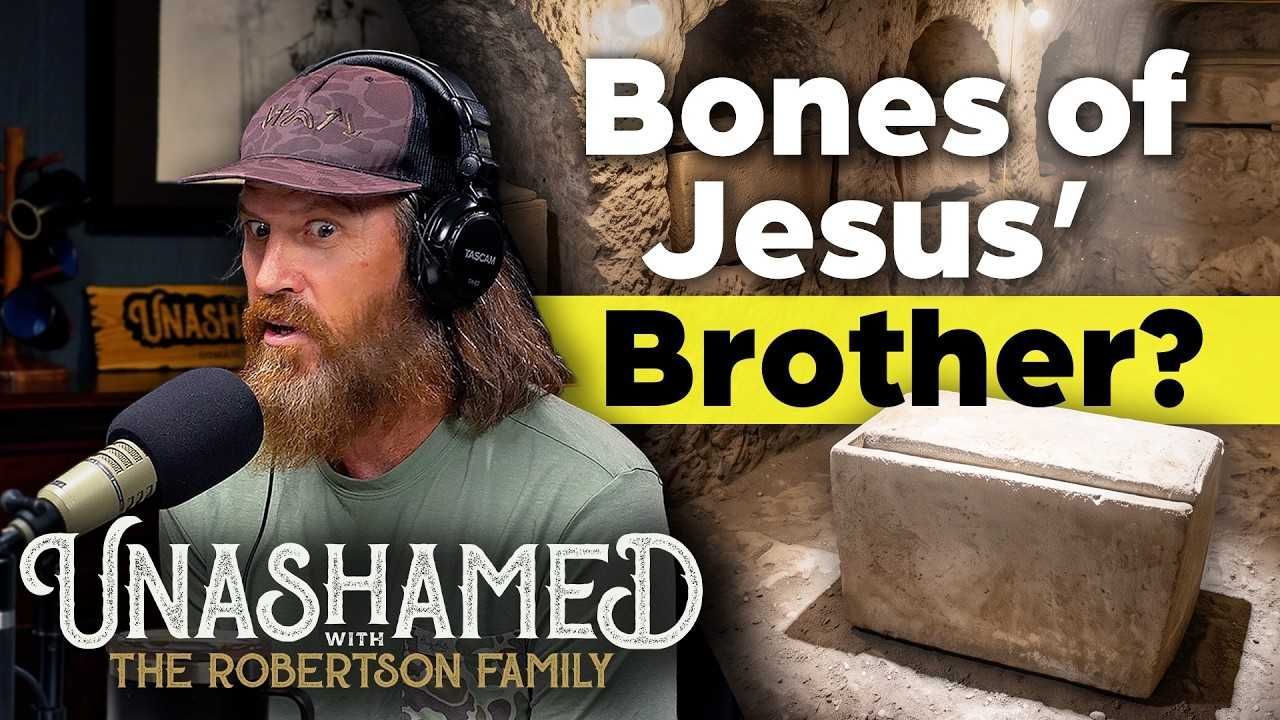


When he’s not filming “Unashamed” podcasts, duck hunting, or hanging out with his family, Jase Robertson can usually be found combing the land with his metal detector. His interest in treasure hunting sparked several years ago when a family friend battling cancer introduced him to the hobby. His enthusiasm for metal detecting grew over time and eventually culminated in the Fox Nation series “Duck Family Treasure.”

This deep fondness for unearthing lost treasure recently drew Jase to a story about a lost biblical treasure that many have forgotten or perhaps never heard of. On a recent episode of “Unashamed,” Jase shared the fascinating and mysterious tale of Oded Golan and the James Ossuary.

Golan is a Tel Aviv-based Israeli antiquities collector. According to his testimony, he purchased a bone box in the mid-1970s from a Jerusalem antiquities dealer, paying only a modest sum. The box bore an Aramaic inscription that read: “James, son of Joseph, brother of Jesus.”

The implications of such a discovery, Jase explains, were enormous because if proved legitimate, it would “give proof to the Bible itself.”

But for decades, Golan didn’t think much of the box or its inscription. As a secular Jew, he didn't connect it to the biblical James. Around 2001, however, he happened to show the box to a visiting French epigrapher André Lemaire, who instantly recognized the potential significance.

Lemaire published his analysis of Golan’s bone box in “Biblical Archaeology Review.” The ossuary was then briefly exhibited at the Royal Ontario Museum in Toronto, causing worldwide sensation as possible first archaeological evidence linked to Jesus.

“This turned into an eight-year trial,” Jase exclaims.

The public attention attracted the Israel Antiquities Authority, which then convened experts to analyze the box’s inscription. They ultimately declared the "brother of Jesus" part was a modern forgery, citing patina analysis, style differences, and other evidence.

“I'm a treasure hunter so I was familiar with [patina],” says Jase. “The patina all seemed legit except on the part where it said ‘brother of Jesus.’”

But this accusation makes him a bit skeptical. “[The box] had a lot of patina on it, which you can't fake patina. ... Any treasure hunter knows that,” he says.

The experts’ conclusion that the “brother of Jesus” inscription was forged ignited a massive international scandal, complete with police raids on Golan’s home, dramatic claims of a sophisticated forgery ring, and headlines labeling it the “forgery trial of the century.”

The ensuing years-long legal saga became a grueling courtroom battle of rival experts, ending in Golan’s 2012 acquittal on forgery charges (though he was convicted on a minor trading offense). The judge, however, noted the verdict did not prove the inscription authentic.

“They just really couldn't prove that it wasn't authentic,” says Jase.

The ossuary was eventually returned to Golan. It remains one of the most controversial artifacts in biblical archaeology, with scholars still divided on its authenticity.

Jase wonders if the authorities’ seeming frenzy to disprove the inscription stemmed from Judaism’s rejection of Jesus as deity.

“In their mind, they're like, ‘Well, Jesus is not the son of God. This guy's got some proof,’” he remarks.

Ultimately, whether the box contained the actual bones of Jesus Christ’s brother James is not a matter of great importance, Jase argues.

While he believes there’s “pretty strong evidence” the bone box could be legitimate, trying to prove its authenticity is “the wrong search,” he says.

“I really feel like in my heart that we serve God in faith. If you're trying to look to prove there's a God, I just don't think that's the way God designed it.”

To hear more, watch the episode above.

Want more from the Robertsons?

To enjoy more on God, guns, ducks, and inspiring stories of faith and family, subscribe to BlazeTV — the largest multi-platform network of voices who love America, defend the Constitution, and live the American dream.
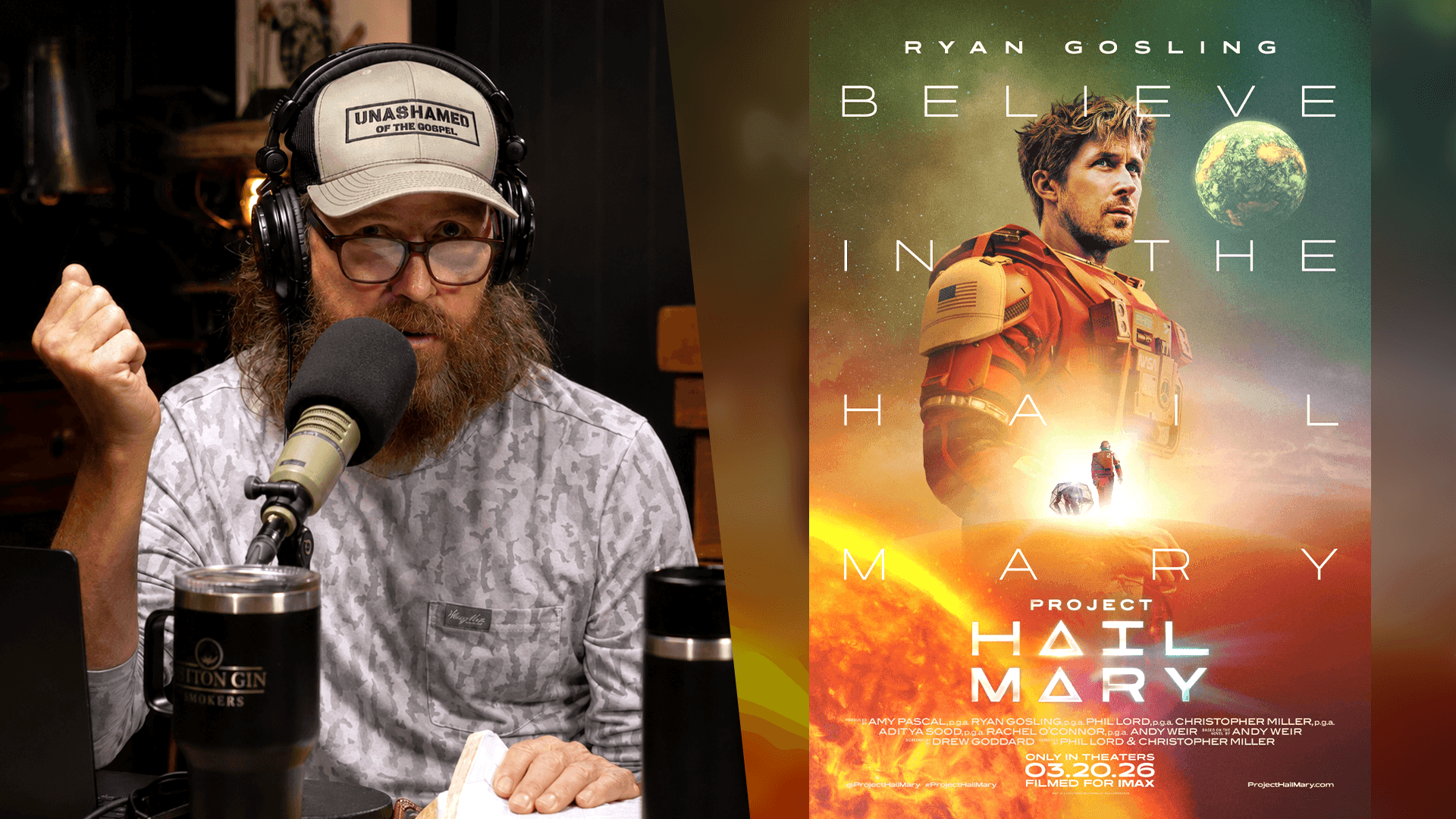

Jase Robertson ‘shocked’ by Phil quote hidden in ‘Project Hail Mary’ — but won't reveal which one


When Jase Robertson found himself in a movie theater featuring “Project Hail Mary,” he thought he was about to watch a football movie or a film on the Virgin Mary.

What he actually saw stunned him so intensely that it now ranks among his “top five” most shocking experiences ever.

“The reason I was shocked is there was so many spiritual vibes to this movie,” he said on a recent episode of “Unashamed.”

Between the main characters being named Grace and Rock, several nods to the idea of a "savior of the world," and themes of self-sacrifice and redemption, Jase was astonished that Hollywood produced such a film, especially in this age.

But then the real stunner came.

“There is a Phil Robertson quote in the movie,” Jase exclaims.

After the movie ended, Jase set out with a mission to discover the "story” behind how a big-budget Hollywood blockbuster managed to slip a Phil quote into the script.

Artificial intelligence gave him a strange answer: The line in “Project Hail Mary” was not a Phil Robertson quote, even though it is “a universal accepted fact” that he coined the phrase.

But Jase doesn’t need AI to confirm what he knows is true. “There is a Phil Robertson quote in there, and I didn't think that was an accident based on everything else I had seen.”

Jase, calling the movie “top-notch,” praises the directors for allowing the film to “play both sides” of the spiritual argument.

He recalls a scene in which Ryland Grace (played by Ryan Gosling) has a spiritual conversation with Eva Stratt, the no-nonsense administrator who gets tapped by world governments to lead Project Hail Mary.

Grace inquires whether or not she believes in God, to which she replies, “It's better than the alternative.”

“It was just like, well, I know which side of the production that line came from,” says Jase, calling the film “a wonderful experience.”

To hear more, watch the episode above.

Want more from the Robertsons?

To enjoy more on God, guns, ducks, and inspiring stories of faith and family, subscribe to BlazeTV — the largest multi-platform network of voices who love America, defend the Constitution, and live the American dream.
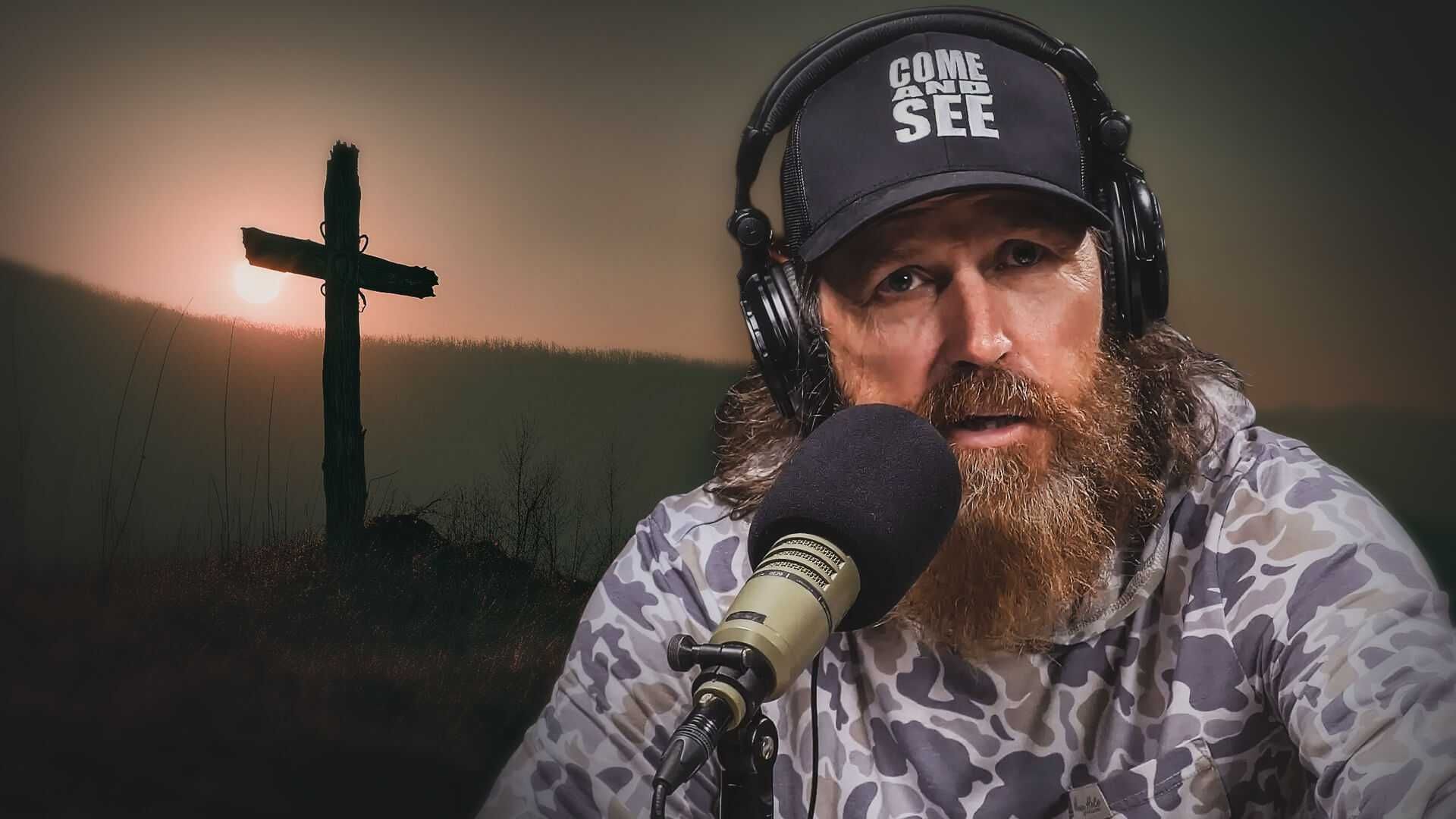
Marine vet stuns Robertsons with biblical theory linking aliens, Nephilim, and demons


Interest in the extraterrestrial continues to mount in the wake of President Trump’s recent order to declassify government documents on UFOs/UAPs. Theories about what aliens and flying saucers really are dominate social media every day.

On a recent episode of “Unashamed,” Jase and Al Robertson along with Zach Dasher welcomed Marine veteran, Mighty Oaks founder, and author Chad Robichaux to the show to share his wild biblical theory on UFOs, giants, and demons.

Whether or not what’s in the government files — historical sightings, military encounters, astronaut reports, etc. — is real or fake, Robichaux believes the church is obligated to address the subject so it doesn’t “throw people off their faith.”

The majority of Christendom, he explains, holds an “anthropocentric view,” meaning it interprets humanity as the epicenter of the created cosmos.

Robichaux fears that if something related to the extraterrestrial proves true, it would shatter this widely held worldview and throw Christians into a state of confusion and doubt.

He highlights the biblical passages about the “secret places and secret things” of God’s universe and the numerous mentions of various celestial beings.

“I think [humans] are special,” he caveats. “God sent His only son on earth to die for us. We're special and made in His image, but that doesn't mean necessarily we're the only one.”

Robichaux believes that “The Book of the Watchers,” the first section of the Book of Enoch — an ancient Jewish text that expands on the origins of Genesis 6’s mysterious half-human/half-god Nephilim — provides reliable information as it “doesn’t contradict the gospel in any way.”

According to the text, a group of 200 “Watchers” (angels assigned to watch over humans on the earth) rebelled by mating with human women, producing the Nephilim and necessitating the Noachian flood.

But being neither fully human nor fully god, the Nephilims’ fate was unique, says Robichaux.

“They can't go to eternal death or life like us, and so their spirits ... roam the earth, and this is what the Book of Enoch says: The demonic world that we're facing, the spiritual demons that we see in our world, are the disembodied spirits of these giants,” he explains.

Perhaps modern UFO sightings and "alien" encounters are these same Nephilim spirits manifesting in physical or interdimensional forms to deceive humanity.

If Christians want to stay rooted in truth, Robichaux argues that their anthropocentric perspective must be replaced with a Christocentric view that sees Jesus Christ as the hub of the cosmos’ wheel and humans — as well as every other created being — as spokes.

If this becomes the Christian worldview, “little green men [coming] off a spaceship” won’t shake believers’ faith, he says.

To hear more, watch the episode above.

Want more from the Robertsons?

To enjoy more on God, guns, ducks, and inspiring stories of faith and family, subscribe to BlazeTV — the largest multi-platform network of voices who love America, defend the Constitution, and live the American dream.
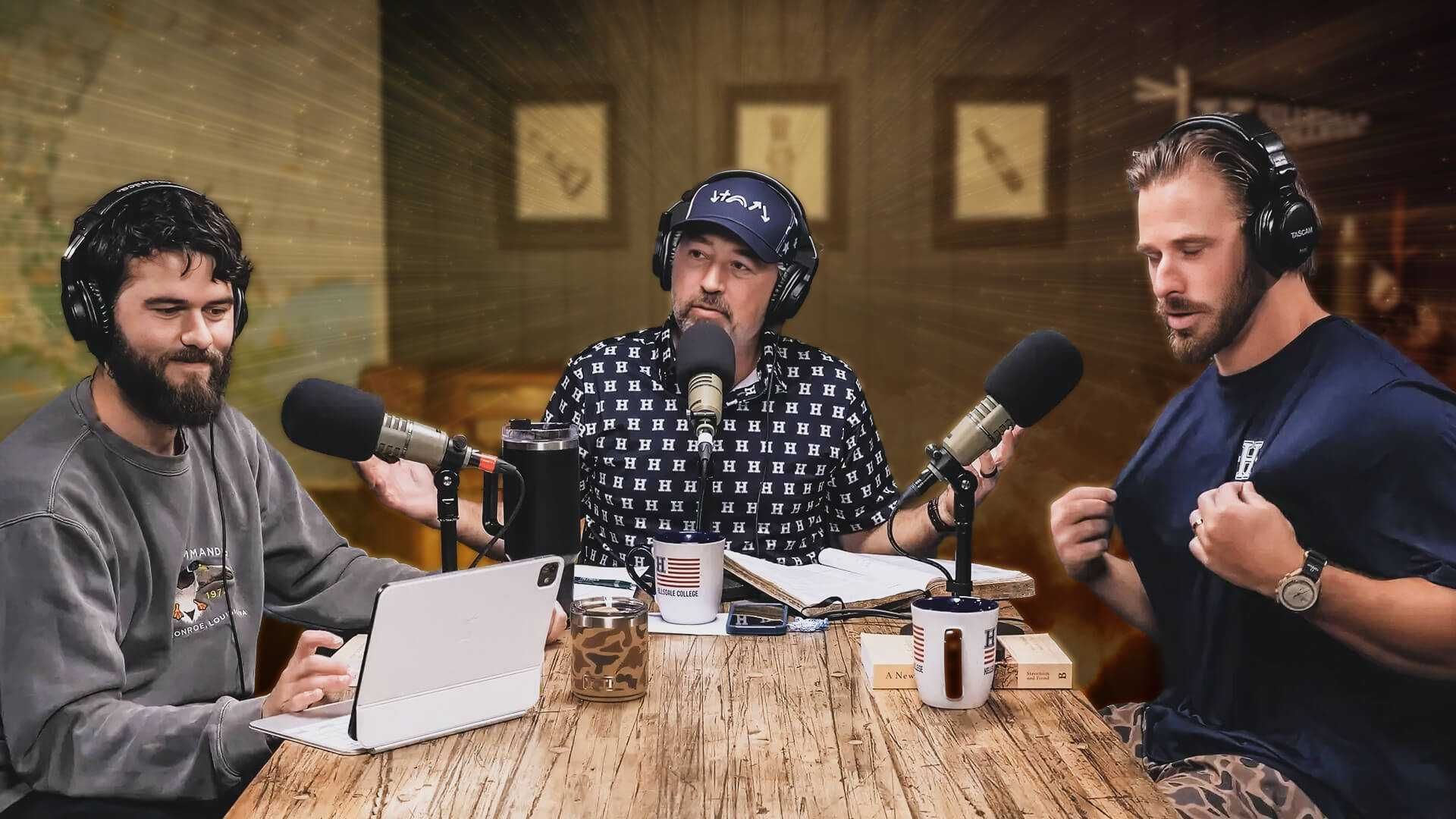
The Robertsons reveal the biggest mistake Christians make when sharing their testimonies


Sharing one’s testimony of faith feels intimidating for a lot of people. Many Christians, churches, and discipleship programs get their guidelines from the apostle Paul’s testimony in Acts 26 when he stood before King Agrippa and shared his coming-to-faith story — starting with his former life, moving to his encounter with Jesus, and concluding with his decision to repent and follow Christ.

While Acts 26 is one of the most commonly used biblical models for creating personal testimony templates in Christian discipleship, Jase Robertson says that people are overcomplicating what should be a simple task.

“There’s one point,” he says, that a testimony hinges on: We give our lives up because He gave his life up for us.

A testimony, Jase says, “should be 99.9% about what He did, and your 0.1% is, I gave my life to Him.”

“Your testimony is, you’re going to point to Jesus and say, ‘You want to define love? You want to define how my life turned around? It all started with God becoming a human and giving up His life,’” he says.

Al agrees and says that too many people when sharing their testimonies overfocus on the bad things they did before they knew Christ, but “those things don’t matter” in light of the redemption Christ freely offers.

“The good part of the testimony is: I finally relented. I finally submitted,” he says.

This submission, Al argues, shouldn’t be just the focus of our testimonies; it should be the focus of the entire Christian walk. He points to the marriage passage in Ephesians 5:21, which instructs married couples to “submit to one another out of reverence for Christ.”

“That’s the idea,” Al says. “It’s the giving up of yourself, and it’s not just for marriage, but of course, it’s for everything.”

To hear more, watch the episode above.

Want more from the Robertsons?

To enjoy more on God, guns, ducks, and inspiring stories of faith and family, subscribe to BlazeTV — the largest multi-platform network of voices who love America, defend the Constitution, and live the American dream.

Why modern rejection of God goes back to ancient church heresy: The Robertsons break it down


There was a time when God revealed himself in astonishing, tangible ways.

In the Old Testament, he led the Israelites through the wilderness by appearing as a pillar of cloud and fire; he descended on Mount Sinai with thunder, lightning, thick smoke, and a loud trumpet blast to deliver the Ten Commandments; he took the prophet Elijah to heaven in a whirlwind with a chariot and horses of fire; and the list goes on.

But since the coming of Jesus, God has been much more subtle in how he reveals himself. Many Christian testimonies include encounters with God, but they are usually experienced in quiet, personal moments.

John Luke Robertson believes this is why so many people today refuse to believe in God. On this episode of "Unashamed," he joins Al Robertson, Zach Dasher, and Christian Huff to unpack exactly that.

John Luke points out that Jesus’ own life and ministry were clearly marked by subtlety.

“He could have said at 12 years old, ‘I'm the Messiah,’ and started it from there, but He waited till He was 30,” he explains.

Even after his ministry began, Jesus often told people — including his disciples and those he healed — to keep his miracles secret. Multiple times in the Gospels, he is recorded saying “my time has not yet come” when people tried to force his hand or make him king too soon.

When he finally faced the cross, Jesus still remained subtle in admitting his divinity, responding to direct questions like “Are you the Son of God?” or “Are you the King of the Jews?” with humble affirmations such as, “You have said so” or “you say that I am.”

“All the way up till the very end, he didn't have this big reveal of who he was. … And I think we see that same thing with God now,” says John Luke.

John Luke recalls hearing an atheist explain that he doesn’t believe in God because if he were real, “He would have revealed himself more openly.”

But if you look back through history, this isn’t a modern issue. For centuries people have been demanding more obvious or dramatic power.

“I was just reading this book talking about the same thing,” says Christian. “It was these two early historians … and they were saying they don't believe the gospel and Jesus because they're like, ‘After the resurrection, why would he appear to women and to peasants? ... Why would he not appear to Caesar and Pilate and all these powerful people?”’

In the next segment of the show, the panel moves deeper into how this expectation of a more dramatic, public revelation of God has roots in ancient heresies that the early church had to confront — errors that still influence skeptical thinking today.

To hear it, watch the episode above.

Want more from the Robertsons?

To enjoy more on God, guns, ducks, and inspiring stories of faith and family, subscribe to BlazeTV — the largest multi-platform network of voices who love America, defend the Constitution, and live the American dream.

When is anger righteous? The Robertson brothers share Phil’s rule.


Scripture has many warnings about anger. Ephesians 4:31 tells us to put away “all bitterness and wrath and anger and clamor.” Psalm 37:8 warns against anger and wrath. James 1:20 says “the anger of man does not produce the righteousness of God.”

And yet, anger is an emotion we all experience. Even Jesus himself expressed it at times.

So how do we know when our anger is righteous and when it leads us into rebellion against God?

On a recent episode of “Unashamed,” Al and Jase addressed this very question, drawing on the longstanding wisdom of their father, Phil Robertson — the late beloved patriarch of the family.

The key, they explain, is examining what the anger is rooted in. Righteous anger, when boiled down, is ultimately an overflow of love rather than hate.

Al shares a personal example.

“My dad ... became angry at me when the lifestyle that I was living was against the covenant of our family,” he reflects.

“I took that as I was being forsaken and shunned by him, ... but I was 180 degrees wrong. The only reason he had that conversation is because he did love me.”

When Al finally turned from his prodigal ways, his father’s anger immediately gave way, revealing the deep love that had fueled it all along.

“When I came back, guess who was right there waiting — not with hate, not with forsakenness, not with separation, but, ‘Welcome home, son’? The same dad,” he says. “Why? Because his love for me never stopped.”

“A lot of times people think anger is a sin, but it’s not a sin. Anger can lead you to sin,” Al continues, noting that the Bible mentions anger “over 600 times,” but “85% of the 600 times, God is the one who’s angry.”

To hear the Robertsons dive deeper into the powerful tension between God’s love and wrath — especially how they beautifully intersect at the cross — watch the episode above.

Want more from the Robertsons?

To enjoy more on God, guns, ducks, and inspiring stories of faith and family, subscribe to BlazeTV — the largest multi-platform network of voices who love America, defend the Constitution, and live the American dream.
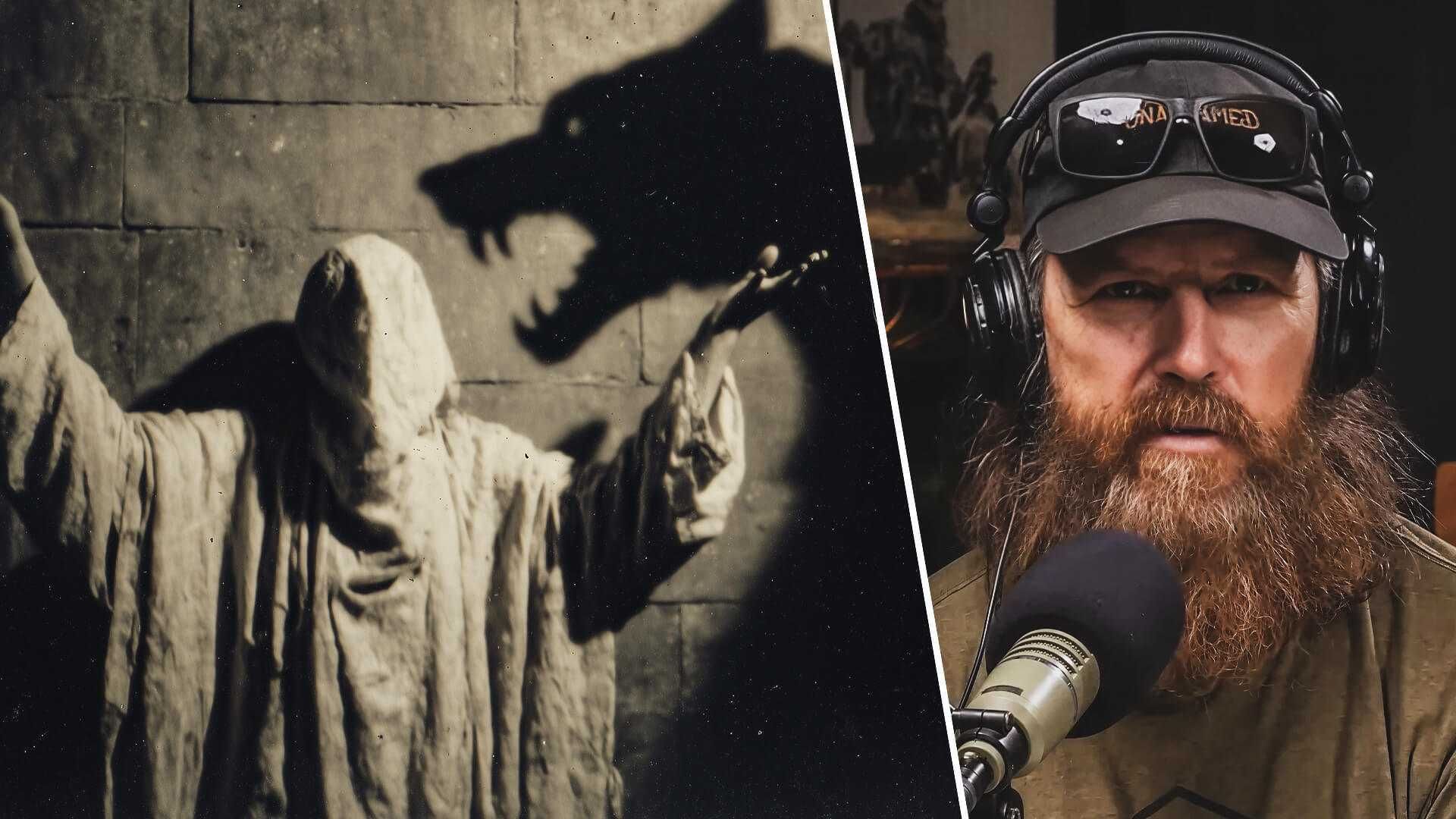
Melissa Dougherty warns: This wildly popular movement is masquerading as Christianity and leading millions astray


Most Christians see the New Age movement’s deep ties to occultism and witchcraft and recognize it as a demonic worldview. But there’s an adjacent movement that, despite its inextricable connection to New Age, is packaged as a Christian belief system.

That movement is called New Thought. It’s a spiritual movement that influenced New Ageism that centers on how the power of the mind shapes reality — emphasizing positive thinking, the law of attraction, mental healing, the divine nature of humanity, and the idea that Infinite Intelligence or God is within all things and accessible through right thinking.

This is the movement author and Christian apologist Melissa Dougherty found herself in before she became a true Christian.

On this episode of “Unashamed,” Melissa unpacks the good-sounding but ultimately evil mechanics of the New Thought movement that has millions of people duped into thinking they’re Christians.

“If I were to define New Thought in two words, it would be metaphysical Christianity. All that means is that everything that you see physically has a spiritual counterpart, including words,” Melissa says.

Instead of reading Scripture in its proper historical context to decipher what’s being communicated, New Thought, she explains, positions the reader as “the arbiter.”

“You're the one that interprets it on how it feels to you and what it means to you. Because metaphysically speaking, truth is found from within, not outside of yourself, because God is in you,” she says. “So it's a subjective interpretation. ... There's a higher, deeper, esoteric, hidden meaning within that text that's meant for you.”

Melissa boils down the movement into one simple concept: “It’s the positive thinking movement in America with Jesus as its mascot.”

People in this movement believe that they “create [their] reality” through cognition. “Sickness, poverty, things like that are all a state of mind. How you feel creates your reality,” Melissa says.

This results in a lot of “distortion of truth,” she laments. For example, “there’s a saying in New Thought that when you look in the mirror, there’s a god staring back at you, and that’s the secret ... of what Jesus was really trying to say.”

While this “sounds really good,” Melissa says, it’s a lie. That’s why she titled her book “Happy Lies” — because it shines a true biblical light on the positive-sounding but heretical New Thought movement.

“It duped me,” she confesses.

To hear more, watch the full episode above.

Want more from the Robertsons?

To enjoy more on God, guns, ducks, and inspiring stories of faith and family, subscribe to BlazeTV — the largest multi-platform network of voices who love America, defend the Constitution, and live the American dream.
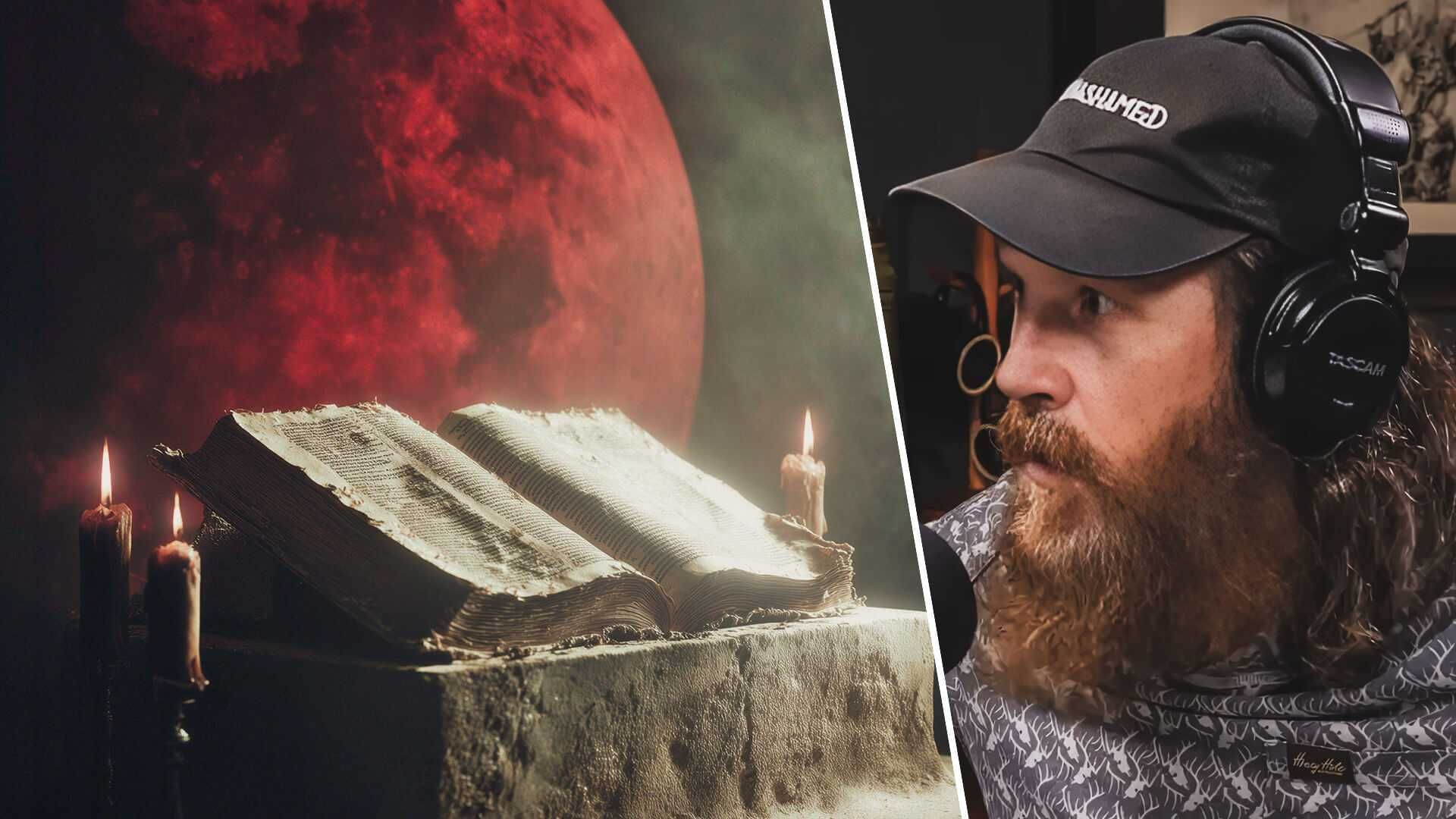
Robertsons drop the ultimate ‘litmus test’ to spot false prophets


Scripture is crystal clear about the dangers of false prophets. In the book of Matthew, they are described as deceptive figures who appear harmless as sheep but are inwardly destructive like ravenous wolves, often leading people astray through lies, false signs, or teachings that contradict God’s word.

But sometimes “false teacher” is a label used to defame and discredit a true teacher.

“It’s a real threat on one end, but then it’s also an accusation that is thrown around very loosely,” Zach Dasher said on a recent episode of “Unashamed with the Robertson Family.”

In this world of truly false teachers and those who have just been wrongly labeled one, how are Christians to know who to avoid and who to trust?

Dasher says there’s a simple “litmus test” we can use to help us navigate this common dilemma.

“The litmus test for me, and I think the litmus test in Scripture,” he says, revolves around how these teachers “treat the body [of Christ].”

He references Ezekiel 34:2-3: “Should not shepherds feed the sheep? You eat the fat, you clothe yourselves with the wool, you slaughter the fat ones, but you do not feed the sheep.”

In this passage, God rebukes Israel’s leaders (the “shepherds”) for selfishness. Instead of caring for and feeding the people (the “sheep”), they are only feeding themselves — eating the best food, taking the wool for clothing, and slaughtering the fattest animals for their own benefit — while neglecting to provide for or protect the flock.

These same warnings about corrupt leadership echo throughout the Bible — from Isaiah to Jude.

A true shepherd, Dasher says, “eats last.”

“I think that’s the caveat. So when you are looking at ministry leaders and you’re looking at teachers and you’re looking at shepherds, look at their ministry. Look at the fruit of their life. Are they elevating themselves at the expense of the body? Are they using people?” he continues.

He gives the example of the “prosperity gospel” — the belief that tithing and donations result in divine blessings of material wealth, health, and success — as a truly heretical doctrine.

It’s not uncommon to see teachers of the prosperity gospel “go buy an airplane with [their congregations’] money,” he says.

“I mean, that is a shepherd feeding [himself].”

To hear more of the panel’s wisdom, watch the video above.

Want more from the Robertsons?

To enjoy more on God, guns, ducks, and inspiring stories of faith and family, subscribe to BlazeTV — the largest multi-platform network of voices who love America, defend the Constitution, and live the American dream.
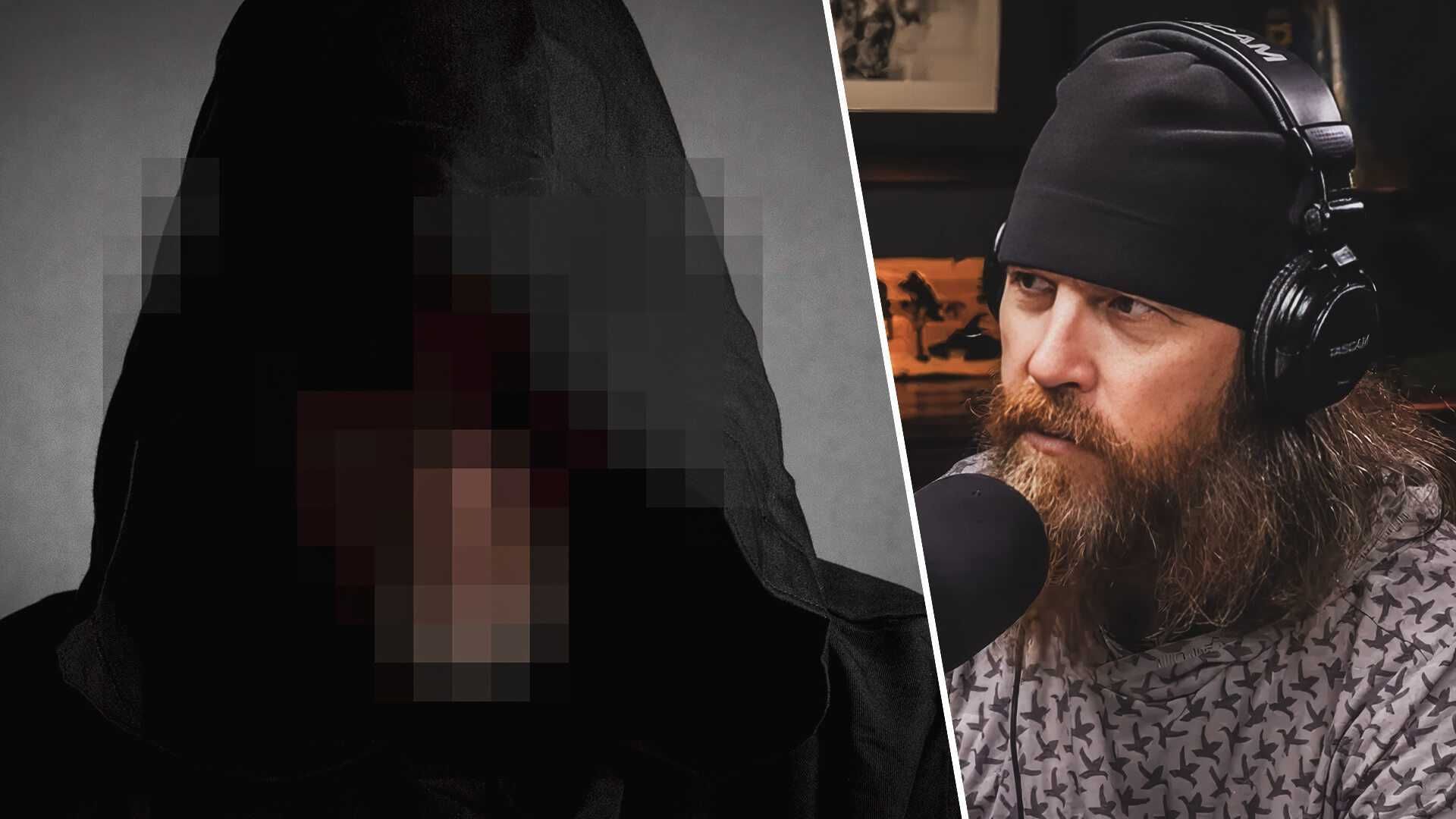
Blood moon & Middle East conflict spark end-times hype: Jase Robertson reveals the 2 questions Christians should never ask


Following the striking total lunar eclipse — commonly called a blood moon — that turned the moon a vivid copper red in the early hours of March 3, and amid the escalating U.S.-Israel military campaign against Iran, discussions of biblical end times prophecies are surging once again.

Given that blood moons occur roughly every 2-2.5 years, conflict involving Israel in the Middle East has persisted for decades, and the fact that Scripture clearly states that no one except God knows when Jesus will return, this kind of hysteria frustrates Jase Robertson.

“I believe the Bible — that only the Lord knows,” he says, reminding us that even Jesus himself doesn’t know the exact date of his return (Matthew 24:36).

But despite Scripture’s clarity that nobody knows when Christ will return, many professing Christians are nonetheless tempted to make grand predictions about the end of the world — sometimes down to exact day and hour.

Jase says these people are asking the wrong kinds of questions. On this episode of “Unashamed,” dives into the two wrong questions Christians should never ask about the end times — and the two right ones they should focus on instead.

The first “wrong question,” he says, is “when is it going to happen?”

“Wrong question,” he repeats, citing 1 Thessalonians 5:1-2, which reads, “Now, brothers and sisters, about times and dates we do not need to write to you, for you know very well that the day of the Lord will come like a thief in the night.”

The second “wrong question” is “where are we going?”

“Wrong question,” Jase says again, reading from 1 Thessalonians 4, which shifts the focus away from location and gives Christians the only assurance they need: They will be “with the Lord.”

There are only two questions Christ-followers should be asking about the end times, says Jase.

The first is: If you do live to see the return of Christ, “who are you with?”

“This is one that's answered. … [You’re] with Him!” he exclaims.

The second good question is: “For how long?”

“Forever,” says Jase, citing 1 Thessalonians 4:17, which promises that “we will be with the Lord forever.”

“The Bible is about who you're with — not where you're going and not when it's going to happen.”

Want more from the Robertsons?

To enjoy more on God, guns, ducks, and inspiring stories of faith and family, subscribe to BlazeTV — the largest multi-platform network of voices who love America, defend the Constitution, and live the American dream.

Forget obsessing over the Antichrist: The Robertsons say it's already here


Much lore surrounds scripture’s mysterious “Antichrist” — the false messiah prophesied to come in the End Times as a supreme and final embodiment of rebellion against God prior to Christ’s Second Coming.

For centuries, Bible scholars have debated this climactic future figure; Christians have theorized about who it might be (often pointing to corrupt elites); and Hollywood has used the sinister being as horror movie fuel.

But this hyper-fixation on the capital-A Antichrist, says BlazeTV host Jase Robertson, can distract from another part of scripture perhaps even more worthy of our attention: There are already antichrists living among us.

No place in scripture is this more evident than in 1 John.

In 1 John 2:18, he warns that “many antichrists have come.” Two chapters later, he lays bare what an antichrist is: “every spirit that does not acknowledge Jesus” (4:3). This kind of spirit, he says, is “not from God” and is “already in the world.”

In other words, the denial of Jesus’ deity is the spirit of the antichrist, and it’s lurking everywhere.

John’s words remain strikingly relevant today. The spreading of darkness, erosion of truth, and deterioration of morality are evidence that the spirit of the antichrist is alive and well.

It’s this reality — not a future singular villain, the Robertsons warn — that impacts our daily lives, and yet many Christians, perhaps to their detriment, obsess over who the Antichrist is or will be.

“Look, I've got a guy who I love dearly. He's one of my best friends in the world, and he got to 2 Thessalonians 2 in his Bible study, and he's never gone forward or backwards,” says Jase. “He wants to know who the ‘man of sin’ is, and he wants a detailed account.”

Second Thessalonians 2:3 mentions a “man of sin” proclaiming himself God, who many Christians and scholars interpret as a direct reference to the final Antichrist.

Jase believes his friend, and others who get hung up on pinpointing the Antichrist, is missing the bigger point.

“The one in us is greater,” says Jase, referencing 1 John 4:4.

“The ‘man of sin’ — I don't need to know exactly if that's one person. I see that in men everywhere,” he continues.

The question it ultimately comes down to, says Jase, is: “Are you in Jesus or are you anti-Jesus?”

“I think [antichrists] are people who are intentionally trying to persuade people and deceive people away from Christ,” adds co-host Zach Dasher, “and the reason why I say that is because in [1 John 2] verse 26, he says, ‘The reason why I write these things to you about those who are trying to deceive you.”’

Even though John was writing in the late first century, his words hold just as true in our time.

Zach points to a story he heard recently about a young Christian whose faith was badly “damaged” after he watched a series of social media videos from a professor who was making “incredibly compelling cases of why the Bible's not real, why Jesus isn't who He said He was.”

Eventually, however, it was exposed that this professor’s arguments were “blatant lies.”

“I think that’s more the spirit of the Antichrist,” says Zach.

To hear more of the panel’s discussion, watch the full episode above.

Want more from the Robertsons?

To enjoy more on God, guns, ducks, and inspiring stories of faith and family, subscribe to BlazeTV — the largest multi-platform network of voices who love America, defend the Constitution, and live the American dream.