The fourth bus of the Apocalypse


I recently traveled to Georgia to speak at an event. The trip out went smoothly. For the return, I arrived at the Atlanta airport early for a flight to Denver, then Bozeman.

That was the itinerary. The weather had prepared a competing proposal.

Back on the interstate, the bus lurched through every curve and pothole. By dawn, the airport was in sight. We perked up. Too soon.

Storms in Denver delayed us in Atlanta for an hour and a half. Once airborne, we took a longer route around the weather, only to learn that Denver was no longer an option.

We diverted to Grand Junction, which is not Denver.

I cannot blame the airline for the weather. Colorado has never shown much interest in coordinating its thunderstorms with commercial aviation.

In Grand Junction, we sat on the tarmac another hour awaiting news.

I will not identify the airline. I will only say its name rhymes with “reunited,” which none of us were with our schedules, connecting flights, or remaining optimism.

By the time a plan emerged, the pilots had timed out. Several flight attendants had timed out. Before long, most passengers had emotionally timed out as well.

With no hotel rooms available, the airline announced that three buses would take us the nearly 250 miles to Denver.

On the bus, passengers offered plans for Denver. Someone suggested that we pray for the sweet embrace of death.

Granted, that passenger was me. But still, somebody said it.

Heading into the Colorado darkness toward the Rockies, there was a mild discussion about renaming ourselves the Donner Party.

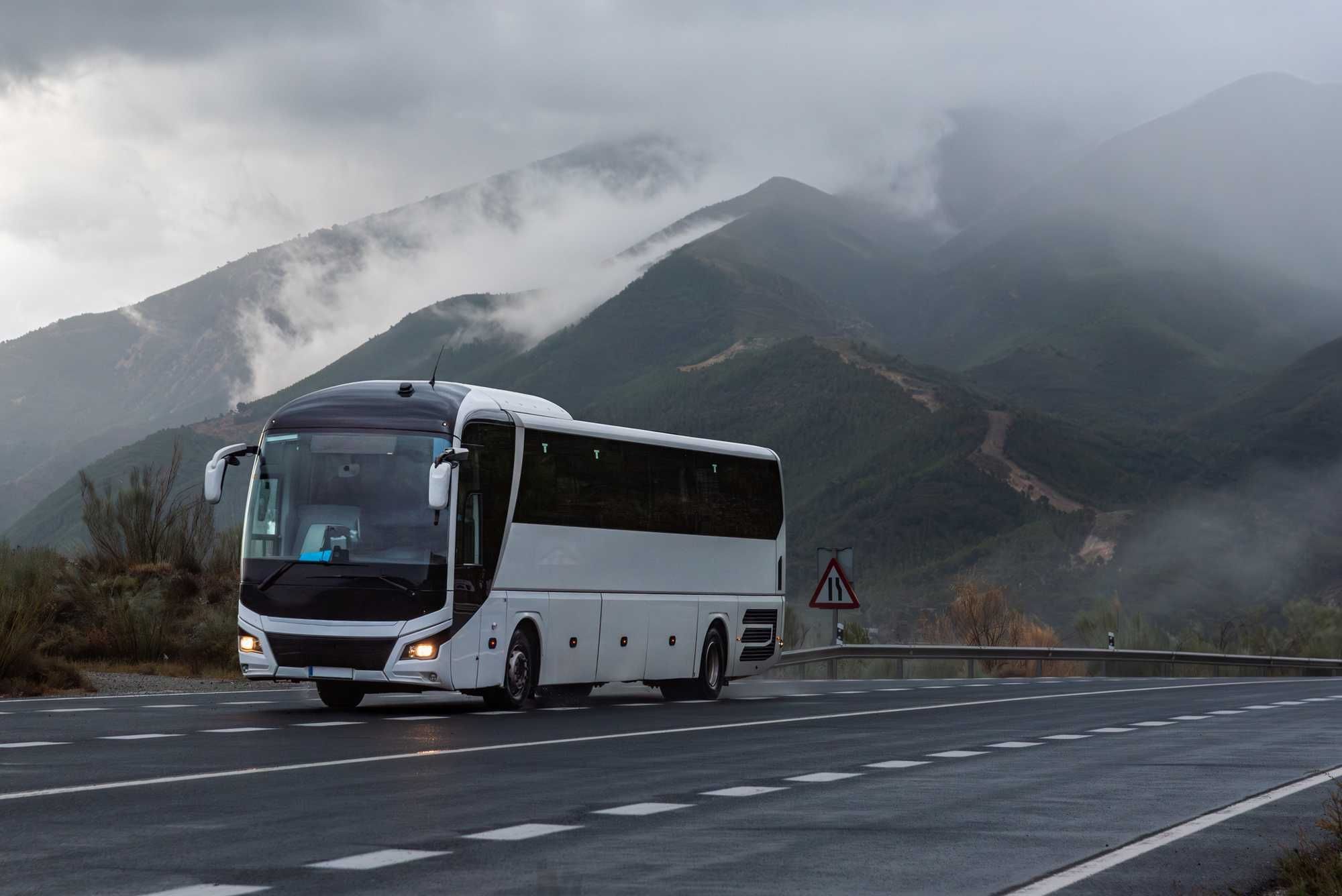
Somewhere east of Grand Junction, our bus began breaking down. The driver limped into a gas station parking lot.

RELATED: What Montana taught this Southern storyteller about shutting up

Karla Ann Cote/NurPhoto/Getty Images

We needed a replacement. We waited another hour and a half.

“Where are we?” someone asked.

“One of Dante’s circles,” I muttered.

The gas station sat beside a dark river that, by then, I could only assume was the Styx. I scanned the water for Charon. His ferry seemed more dependable than our bus.

Eventually, word came that another bus was being sent. We had started with three. Now a fourth was coming to our rescue.

“Oh yay,” I sighed. “The fourth bus of the Apocalypse.”

When it arrived, the absurdity developed a liability problem.

One passenger was a man with disabilities. Neither bus was accessible. Airport personnel had helped him onto the first, but at the gas station, we had no equipment and no trained crew.

Thankfully, my wife, Gracie, was safe at home in Montana. After 40 years of caring for her, I recognized the unspoken assumption: Exhausted passengers with no equipment would somehow transfer this gentleman.

But “we’ll figure it out” is not a safe plan.

One wrong move could have sent him or one of us to the emergency room, with a deposition to follow.

I called the local paramedics and asked for trained help. They eagerly arrived and got him safely onto the replacement bus.

Despite the sighs, dark jokes, and a smattering of words unsuitable for an airport announcement, nobody came to blows, left anyone behind, or became the star of an airport video.

When the transfer was complete, I told the paramedics to send the bill to the airline. While they were at it, they could add my consulting fee.

Back on the interstate, the bus lurched through every curve and pothole. By dawn, the airport was in sight.

We perked up.

Too soon.

At the airport, our driver hit the clearance sign warning that the bus was too tall. The sign, unlike most of the evening’s arrangements, proved accurate.

He backed away and found another way in. We could see the terminal. Several of us pleaded to walk.

One even whimpered.

OK, that was me too.

By then, it seemed the airport simply did not want us there.

RELATED: The myth of the ‘good person’

Calvindexter/Getty Images

Inside, airline staff began sorting out missed connections. An agent was helping me when another came to the desk and said, to no one in particular, that a passenger was unhappy and she wasn’t going to deal with the person.

I don’t know what had happened between them. But after our night, I was surprised she’d found only one.

As Election Day approaches, I keep thinking about that gas station and a bus full of strangers.

Many people feel stranded, waiting for somebody who promised to get them where they need to go. Promises count, and people should be held to them. But at 2 o’clock in the morning, the man at risk could not wait for the people who had sent us down that road to reappear.

Our driver knew who to call for another bus. I knew who to call for trained help. The paramedics came. The rest of us waited when all we wanted was to get moving.

Strangers worked together, and the man came with us.

We can disagree about the route, the driver, and whose job it was to send the bus. When someone is at risk, we can still pull together, find help, and wait until everyone is aboard.

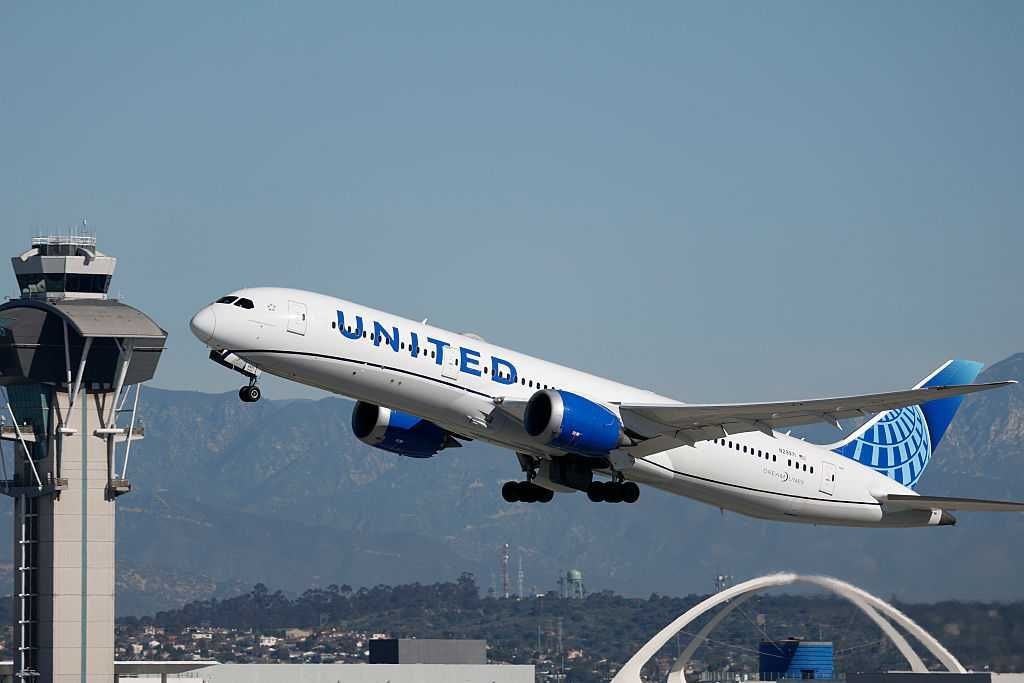
United was printed on our tickets.

By dawn, I knew the difference between putting it on a ticket and putting it into practice.
One airline makes special offer to snowflake passengers wanting to boycott Trump International Airport, leaked memo says


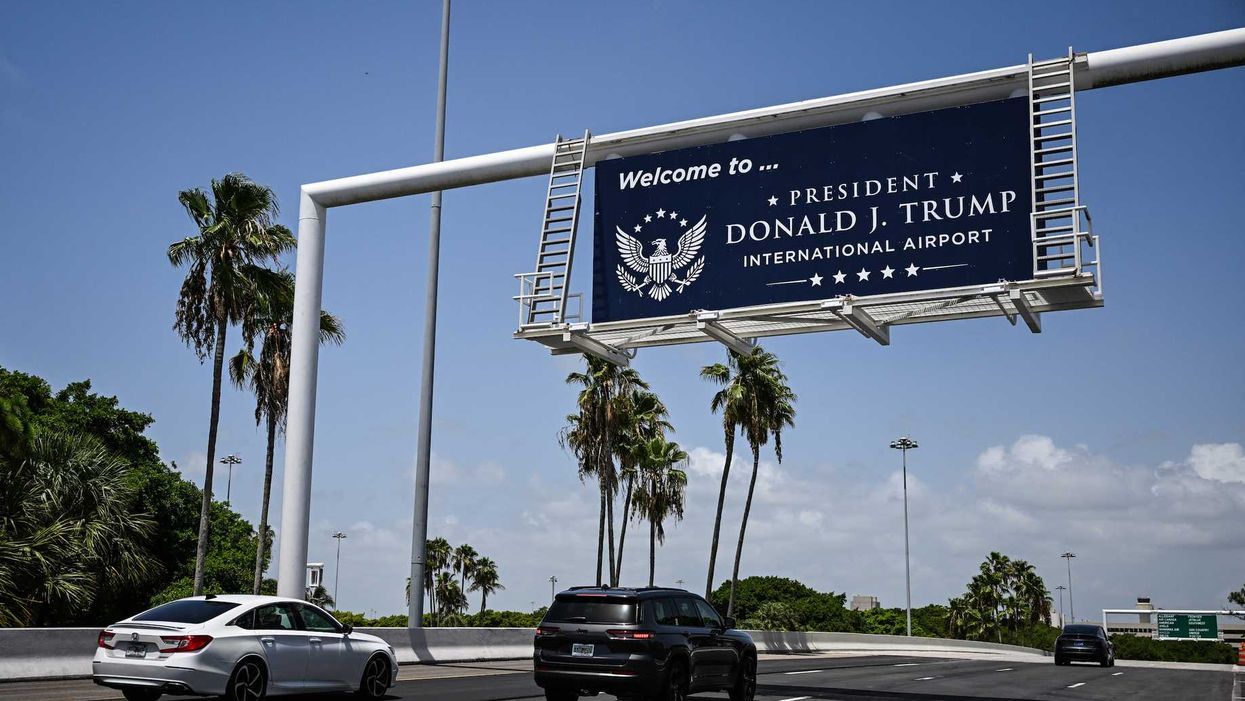
Anti-Trump passengers to Florida who will suffer trauma from flying into President Donald J. Trump International Airport in West Palm Beach may have a free option available to them from one airline.

Many on the left claimed to be boycotting the airport after it was officially renamed on July 9. It was previously named Palm Beach International Airport.

The airline pushed back ... and claimed their rules 'don't allow for changes because of an airport's name or three-letter code.'

According to a memorandum sent to United Airlines reservation agents and obtained by Live and Let's Fly, passengers who object to landing at the airport could be rerouted to Ford Lauderdale Airport or Miami International Airport.

The memo even offers a statement that agents can use when confronted by a snowflake passenger:

"I understand that you'd rather not fly to this airport anymore. We can look at nearby airports like Fort Lauderdale or Miami instead. Is that an acceptable alternative?" the memo suggests, according to Live and Let's Fly.

The airline pushed back in a statement to the New York Post and claimed its rules "don't allow for changes because of an airport's name or three-letter code."

The president's Trump Force One plane was the first to land on the tarmac of the airport after the name change. Many of his supporters and allies praised the decision to change the name, which was signed into law by Republican Florida Gov. Ron DeSantis.

"There is no person who has done more for Florida and our country, and no one more deserving of this incredible honor," Eric Trump responded on social media at the time.

RELATED: Outrage erupts over new passport celebrating America's 250th — and guess whose image is on it

"Congratulations Dad — I'm happy to have played a big role in making this happen," the president's son continued.

The airline also said the memorandum was poorly worded and that passengers may make changes to their ticket for many reasons without incurring charges.

Like Blaze News? Bypass the censors, sign up for our newsletters, and get stories like this direct to your inbox. Sign up here!

United Airlines pilot allegedly threatens passengers with FBI intervention over Wi-Fi hot spot name


A pilot allegedly threatened to call authorities this month over a Wi-Fi name that was determined to be a potential security threat.

The story came from a person who claimed to have been a passenger on a United Airlines flight that featured an awkward moment when the pilot addressed the travelers and issued a warning.

'You could feel everyone looking around.'

The alleged passenger said the pilot came over the speaker "sounding extremely serious" and said the name of the Wi-Fi hot spot was being interpreted as a potential threat and security issue, Simply Flying reported.

According to the witness, the pilot warned whoever was hosting the network labeled "Free Palestine, F Zionists" had "30 seconds" to disable it or remove it from public view or he was going to have the FBI meet the aircraft when it landed.

"FBI will meet the plane," the passenger recalled hearing.

"The entire cabin got dead silent," the witness alleged in a post on Reddit. "You could feel everyone looking around, trying to figure out who it was."

RELATED: Dear airlines, please stop pitching your credit cards at 33,000 feet

Karl Gehring/Denver Post/Getty Images

The social media user also claimed that while some of the passengers looked nervous, others were laughing because they thought it was an absurd situation.

The storyteller said it felt like an example of hyper-political-polarization, where regular people are bringing political messaging into almost any situation, causing institutions to react with full force rather than risk missing a warning sign.

The quick escalation is what the storyteller found most startling, noting that there was no request from a flight attendant, but rather a serious public announcement that turned an "edgy hot spot name" into a security issue.

However, it is not irregular for pilots or flight crews to raise the alarm over Wi-Fi names out of an abundance of caution.

RELATED: ‘Fewer choices = higher prices’: Elizabeth Warren laments Spirit shutdown she helped cause

Nasir Kachroo/NurPhoto/Getty Images
In February, Hungarian airline Wizz Air had fighter jets scrambled during a flight from London to Tel Aviv over a Wi-Fi network labeled "Terrorist" written in Arabic. According to PYOK, security forces were waiting to meet the plane at Ben Gurion Airport.

PYOK also reported on an incident from January when fighter jets from both France and Spain were scrambled over a Turkish Airlines flight from Istanbul to Barcelona. This incident related to a network named "I HAVE A BOMB. EVERYONE WILL DIE."

United Airlines did not respond to a request for comment about the recent alleged incident.

Like Blaze News? Bypass the censors, sign up for our newsletters, and get stories like this direct to your inbox. Sign up here!

Investigator of LaGuardia plane crash suggests 'multiple failures' caused the collision; survivors respond


More details and responses have emerged after tragedy struck New York's LaGuardia Airport on Sunday night.

Blaze News previously reported that an Air Canada Express CRJ-900 plane operated by regional partner Jazz Aviation struck a Port Authority Airport Rescue and Firefighting vehicle that was responding to a separate incident.

'I feel like the pilots saved our lives.'

The incident, which occurred between approximately 11:40 p.m. and 11:47 p.m. on Sunday, according to multiple official sources, was likely caused by "multiple failures," according to a lead investigator.

An air traffic controller could be heard saying, "I messed up," shortly after the incident, which killed both pilots and hospitalized 41 other people, including the two workers in the emergency vehicle involved in the collision.

RELATED: 'I messed up': LaGuardia Airport shut down after deadly collision

The air traffic controller was coordinating the response to another, unrelated issue with a United Airlines flight across the tarmac. There were reports of a strange odor.

National Transportation Safety Board chair Jennifer Homendy appeared on "Fox & Friends" Tuesday and said that "we have a lot of questions" about the incident. She said it was "too early" to begin casting blame on any one actor involved.

"We have found in all of our investigations that it is not a single error that led to a terrible tragedy," Homendy said.

"It takes multiple failures to occur for an accident like this. So we're going to look very comprehensively."

Thirty-two of the 41 injured had been released from the hospital as of Monday morning, Kathryn Garcia, executive director of the Port Authority of New York and New Jersey, said during a press conference. However, she reported that there were some serious injuries as well.

Many of the passengers of the flight told reporters that they felt they owed their lives to the late pilots, who did everything in their power to prevent a worse collision.

The New York Post reported that Rebecca Liquori told CNN on Monday that she is "forever indebted" to pilot Antoine Forest and first officer Mackenzie Gunther.

“I feel like the pilots saved our lives,” Liquori told CNN’s Erin Burnett on Monday. “They’re the reasons I was able to make it home safe to see my boys, and my heart goes out to their families.”

Jack Cabot, another passenger, had similar thoughts on the incident. “Right as we hit the ground, we kind of felt, like, the brake was pretty hard, and we all felt something was wrong,” Cabot told the CBC News Network. “And then, it was just this sudden, overwhelming, like, panic, because we’d hit something, and there was nobody in control.”

LaGuardia reopened at 2:00 p.m. on Monday, though Runway 4, the scene of the crash, is expected to be closed for longer due to the investigation and removal of debris.

There will reportedly be a more detailed press conference on Tuesday, though Homendy told Fox that "conclusions will take time."

Like Blaze News? Bypass the censors, sign up for our newsletters, and get stories like this direct to your inbox. Sign up here!

'It's about time': Passengers who refuse to use headphones may be kicked off this airline


Airline etiquette has been on the decline for years, and people have doubted that air travel could ever again be a pleasant experience. However, a large airline has updated its policies, and many say that change could be a good start.

United Airlines updated its contract of carriage document late last month to include a section about audio and video content that will ensure a more peaceful — and quieter — travel experience.

'I think we need to pack our manners whenever we go on an airplane, whenever we travel.'

United Airlines now notes in its "Refusal of Transport" section that the airline may refuse transport or permanently ban passengers who refuse to wear headphones while listening to audio and video content on a plane.

“We’ve always encouraged customers to use headphones when listening to audio content — and our Wi-Fi rules already remind customers to use headphones,” United spokesman Josh Freed said in an email to the Washington Post.

RELATED: Private jet linked to 'top anti-ICE / anti-Trump' lawyers crashes, resulting in 6 fatalities

“It seemed like a good time to make that even clearer by adding it to the contract of carriage," Freed added.

When asked about the new policy, Florida-based etiquette expert Jacqueline Whitmore said, "It's about time."

"I think we need to pack our manners whenever we go on an airplane, whenever we travel. And the violators of this, ironically, are parents — parents who don't put earbuds in their children's ears or headsets" on them.

Like Blaze News? Bypass the censors, sign up for our newsletters, and get stories like this direct to your inbox. Sign up here!

Fire ignites near DC runway, forcing United plane to make emergency landing


A United Airlines flight from Washington, D.C., to Tokyo made an emergency landing following an engine failure on Saturday afternoon.

The United Airlines Boeing 777-200ER landed at Washington Dulles International Airport shortly after taking off for Tokyo. During takeoff, the plane started a brush fire near the runway, according to AeroXplorer.

'United is grateful to our crews and to the teams at Washington Dulles for their quick work to help ensure the safety of everyone involved.'

Multiple spokespersons explained that the plane experienced a loss of power in one engine shortly after takeoff, AeroXplorer reported. This loss of power reportedly caused a discharge that ignited the brush fire.

No injuries were reported among the 275 passengers and 15 crew members.

Emily McGee, the Metropolitan Washington Airports Authority spokesperson, said, "The fire was extinguished and the flight returned to Dulles, landing safely at about 1:30 p.m. when it was checked by airport fire responders."

RELATED: Video shows Japan Airlines plane collide into Delta airplane at Seattle-Tacoma International Airport

Photo by Joan Valls/Urbanandsport/NurPhoto via Getty Images

United Airlines hailed the preparedness of the crew, which ensured the safe return of the flight.

"Shortly after takeoff, United flight 803 returned to Washington Dulles and landed safely to address the loss of power in one engine. There were no reported injuries. We’ve temporarily closed a United Club lounge at Dulles to help assist our customers and work to get them to their destinations. United is grateful to our crews and to the teams at Washington Dulles for their quick work to help ensure the safety of everyone involved," a United Airlines spokesperson said at the time.

Like Blaze News? Bypass the censors, sign up for our newsletters, and get stories like this direct to your inbox. Sign up here!

Oy Vey! United Flight to Tel Aviv Announces Its Only In-Flight Meal Is a Ham Sandwich

Oy, the humanity. A United Airlines flight from Newark to Tel Aviv briefly sent passengers into a tailspin when staff announced that the only food available for a mid-flight meal for passengers in economy would be ham sandwiches. The announcement came just moments after United flight 84 took off and left many Jews on board […]

The post Oy Vey! United Flight to Tel Aviv Announces Its Only In-Flight Meal Is a Ham Sandwich appeared first on .

Corporate America is eating its seed corn — and our future


“Don’t eat your seed corn.” Every farmer gets it. Every American with common sense gets it. The only people who don’t? The people who run corporate America.

A farmer keeps part of this year’s crop for planting next year. He could sell it now and pocket more cash — but then there’s nothing to plant, nothing to harvest, nothing to live on later. That’s obvious to anyone who works the land.

Capitalism creates wealth. But when wealth is extracted at the expense of the product, the people, and the future — that’s not capitalism. That’s predatory ransacking.

But in today’s boardrooms, the rule is reversed. Short-term profit is all that matters. Strip the future bare, cash out, and leave the mess for someone else to clean up.

The rewards for this corporate vandalism are massive: fat bonuses, stock windfalls, golden parachutes. The damage — lost jobs, gutted industries, shoddy products — is someone else’s problem.

And the fastest way to pull it off? Slash costs to the bone. Ship jobs overseas. Push out the people who know the business best. Wreck customer service. Kill innovation. Downgrade quality until the product barely passes as the same thing you used to make.

Private equity and corporate strategists have a new trick for squeezing customers dry: “revenue mining.” That means cross-selling, upselling, jacking up prices, and hiding the real costs in creative contracts.

At first, it works. Existing customers tend to stick around — inertia keeps them from bolting right away. But each gimmick drives off a slice of loyal business. Combine that with lower service quality and cheaper products, and the exodus accelerates. Before long, the company is stuck with an overpriced product, lousy service, and no easy way to attract new customers.

I’ve watched this play out in my own life. My exterminator. My alarm company. My HVAC service. All wrecked by the same formula. The local phone number? Redirected to a call center overseas — if I can navigate the phone tree. The people I used to know? Gone. The contract? Suddenly much more expensive.

The service I get for my trouble? Less than before. And when the tech finally arrives, all he says is, “Things are much different now.” They might wring one more payment out of me, but I’m already shopping for a local outfit that treats me like a customer instead of prey.

In short, they ate their seed corn. They got one fat harvest out of me, then pushed me straight into the arms of their competition — for good.

At least my dentist is still a one-man shop who owns his own business. But even dentistry is under siege. Private equity-backed dental chains are giving dentistry a bad name, pushing unnecessary procedures just to meet revenue targets.

A USA Today investigation titled “Dentists under pressure to drill ‘healthy teeth’ for profit” uncovered one such example:

Dental Express was part of North American Dental Group, a chain backed by private-equity investors. At least a year earlier, the company had told dentists like Griesmer to meet aggressive revenue targets or risk being kicked out of the chain. Those targets ratcheted up pressure to find problems that might not even exist.

In my professional career, I have seen too many examples of the same pattern: private equity buying and destroying great businesses that had loyal customer bases. To be fair, I have also seen examples of private equity groups buying a business, embracing its product, and continuing to provide good service. I wish it weren’t the exception, though.

More often, private equity groups treat the acquisition as a mine: extract the capital through dividends and existing customers while accruing significant debt. In fact, the funds used to purchase the business are often borrowed and never even repaid.

Dig until empty, leave a crater, and move on.

An X user put it perfectly:

Some private equity is genuinely investing in the business to grow a solid business. This is good, full stop.

Some private equity buys up dying businesses, breaks them up, sells off the valuable bits and sometimes lets the worthless bits go through bankruptcy, taking advantage of bankruptcy laws to profit. This is good, actually, as it recycles the resources of dying businesses into good businesses.

The third type of private equity buys good businesses that are doing OK or even doing well. Then they sell off all the assets, load the company up on as much debt as they can, pay themselves giant dividends, and then take advantage of the same bankruptcy laws to discharge all the debt so they never have to pay it back. This is really bad.

This isn’t just happening to small companies. It’s hitting America’s industrial backbone.

I’ve written before about how Carlos Tavares, the former CEO of Stellantis (corporate parent of Chrysler, Dodge, and Jeep), awarded himself a $39 million compensation package for making short-term decisions that briefly maximized profit before revenue and sales collapsed, leaving dealers with overpriced, outdated inventory. He made off with the profits, then left behind a hollow pipeline for the dealers truly committed to Stellantis.

RELATED: Private equity’s losing streak is coming for your 401(k)

Greenseas via iStock/Getty Images

I also covered Boeing’s disastrous $43 billion stock buyback binge. The short-term boost to its share price came at the expense of critical investment in its products — and has cost the aerospace giant $35 billion since 2019. To plug the hole, Boeing had to raise another $15 billion in capital and push back the already overdue launch of the 777, citing “negligent engineering.”

That phrase used to be unthinkable in the aerospace industry. Boeing made it possible by gutting its engineering and technical staff to feed Wall Street.

The consequences keep coming. This month, United Airlines grounded much of its fleet after a failure in its proprietary “Unimatic” flight system. The airline claims it doesn’t know what caused the failure.

But I have a strong suspicion.

In recent years, United has aggressively outsourced its technical operations to contractors using foreign labor — often H-1B visa workers — at lower cost. One subcontractor, Vista Applied Solutions Group, boasts that it helps clients “increase productivity” while achieving “considerable cost savings.”

That’s great — until the system fails and planes can’t fly. United may have saved on salaries. The short-term reduction in salary expense has eaten United’s seed corn, leaving the company with a technology system that can’t keep its planes in the air.

It is imperative for those of us who defend capitalism to also repudiate those engaged in practices that give it a bad name. Capitalism creates wealth. But when wealth is extracted at the expense of the product, the people, and the future — that’s not capitalism. That’s predatory ransacking.

And it deserves our scorn.

Why Are There So Many Aviation Accidents?

Recent aviation tragedies and near misses do not come as a surprise. The path to safety failure has been years in the making.

United Airlines flight from LA to China forced to turn around mid-flight because pilot made 'embarrassing' mistake


A United Airlines flight from California to China was forced to turn around mid-flight because the pilot made the egregious mistake of forgetting to bring his passport, according to reports.

A United Airlines flight departed from Los Angeles International Airport just before 2 p.m. on Saturday. United Flight UA 198 was flying from LAX to Shanghai, China.

'How could someone mess up this badly at work?'

However, the pilot reportedly realized that he had forgotten to bring his passport on the international flight to China.

Radar shows the airliner traveling over the Pacific Ocean before making a U-turn and flying back to California.

Two hours into the flight, the plane had to turn around and divert to the San Francisco International Airport, according to CNN.

Citing a statement from United Airlines, NBC News reported that the "pilot on the flight did not have their passport."

“We arranged for a new crew to take our customers to their destination that evening," United stated.

Yang Shuhan — a Chinese passenger aboard the flight — told CNN that the pilot sounded “frustrated” while announcing on the intercom that he “forgot (his) passport.”

Data on FlightAware.com showed the plane landing in San Francisco shortly after 5 p.m. on Saturday.

“Your flight diverted to San Francisco due to an unexpected crew-related issue requiring a new crew,” a United Airlines spokesperson stated, according to travel site View from the Wing. “Once they arrive, we’ll get you back on your way to Shanghai as soon as possible. We sincerely apologize for this disruption and appreciate your patience.”

The failed flight touched down in Shanghai approximately six hours behind schedule. The New York Post reported that passengers were provided with "$15 meal vouchers and compensation."

There were 257 passengers and 13 crew members onboard the United airliner.

Alleged travelers on the plane vented on social media regarding the rerouted flight.

An alleged passenger wrote on the X social media platform, "UA 198 diverted to SFO because the pilot forgot his passport? Now stuck 6+ hours. Completely unacceptable. United, what compensation are you offering for this total mishandling?”

United Airlines replied, “Hi there. We sincerely apologize for this unexpected travel disruption."

An alleged passenger reportedly said on the Chinese social networking platform Rednote, "How could someone mess up this badly at work?"

Shukor Yusof — founder of Singapore-based Endau Analytics, an advisory company for the aviation industry — called the "absent-mindedness" mistake “embarrassing” and “unacceptable” for a prominent international airline like United Airlines, adding that it “shows a lack of discipline.”

A reported traveler told CNN, “I’m feeling pretty frustrated. Because of the delay, I have to reschedule all my plans for Monday, which is really inconvenient.”

Like Blaze News? Bypass the censors, sign up for our newsletters, and get stories like this direct to your inbox. Sign up here!