Once-favored Democrat suspends Senate campaign, opening door for extremist Graham Platner



The Senate race in Maine just got a surprise shakeup as election season draws near.

Incumbent Maine Democratic Gov. Janet Mills announced on Thursday that she will be dropping out of the Senate race.

'I very simply do not have the one thing that political campaigns unfortunately require today: the financial resources.'

Mills announced that she will be suspending her campaign while touting her achievements, which she said have ultimately been frustrated "by a Republican administration that is blind to science, deaf to the cries of those in need of medical care, and ignorant of the needs of regular families."

In her statement, she continued: "While I have the drive and passion, commitment and experience, and above all else — the fight — to continue on, I very simply do not have the one thing that political campaigns unfortunately require today: the financial resources. That is why today I have made the incredibly difficult decision to suspend my campaign for the United States Senate."

RELATED: 2 more staffers ditch Graham Platner's troubled Senate campaign amid Nazi, communism scandals
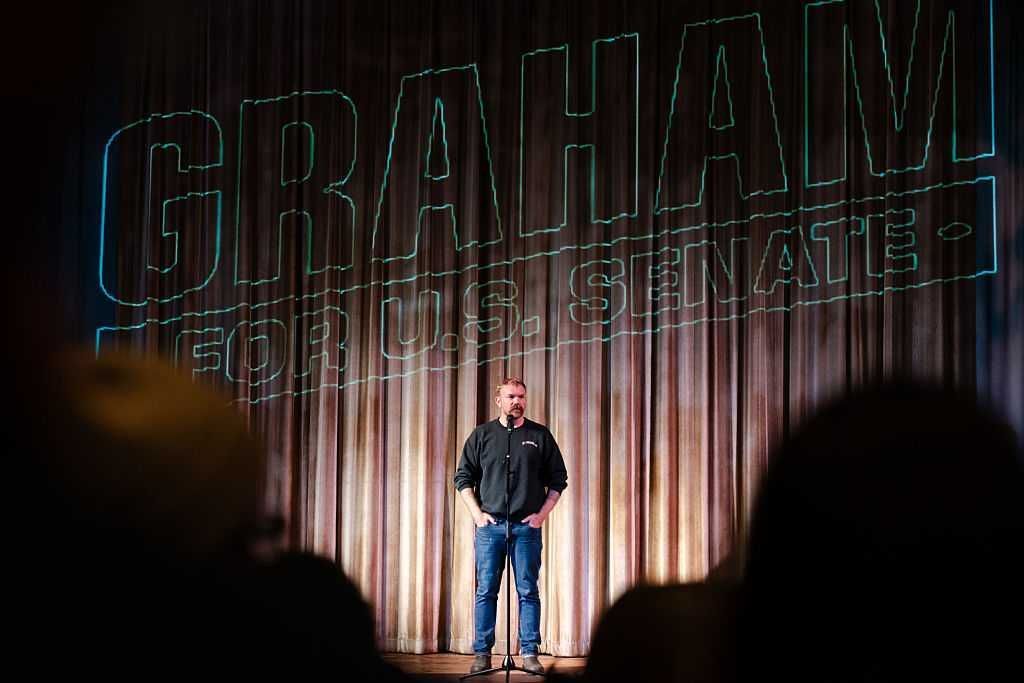
Graham PlatnerSophie Park/Getty Images

Janet Mills is currently 78 years old. Had she been elected, she would have been one of the oldest freshman senators in history.

Despite being a favorite at the beginning of the race, Mills fell behind in the polls and in fundraising compared to her Democratic primary opponent, far-left progressive candidate Graham Platner. The Maine primary election is scheduled for June 9.

Mills stepping away from the race likely sets up Platner to face Republican incumbent Sen. Susan Collins in the general election.

Like Blaze News? Bypass the censors, sign up for our newsletters, and get stories like this direct to your inbox. Sign up here!

Giant of the Senate

Though we rightly celebrate the young volunteers who went South in the civil rights movement of the 1960s, most stayed only several months or perhaps a few years. Nowadays few remember the names of the small number who remained for the balance of their lives, like Charles Sherrod in southwest Georgia and Robert Mants in Lowndes County, Ala. Similarly, two decades later, someone could decide to become a community organizer on the Far South Side of Chicago before leaving after three years for Harvard Law School, a life in electoral politics, and a lazy retirement in multiple mansions.

The post Giant of the Senate appeared first on .

Trump's 'big, beautiful' agenda passes first major Senate test


President Donald Trump's Big, Beautiful Bill passed a major procedural milestone at 11:07 p.m. Saturday night, when the United States Senate voted 51-49 to invoke cloture. Cloture is an essential step in the upper legislative chamber, limiting the remaining time members have to debate and starting the countdown to when they can vote on passage.

The late-night vote was a close call on a lengthy and arduous process. Vice President J.D. Vance was on hand at the Capitol from around 8:20 p.m. on, in case his vote was needed. In his Executive Branch capacity, Vance serves as president of the Senate -- a constitutional role that empowers him to preside over Senate proceedings and cast the tie-breaking vote in cases of gridlock.

In the end, his vote was not needed for this hurdle; Republican Sen. Ron Johnson (Wisc.) -- a Trump ally but also a fiscal hawk and vocal critic of the bill -- switched his vote to a yes, allowing cloture to proceed. Republican Sens. Rand Paul (Ky.) and Thom Tillis (N.C.) voted no. Tillis's no vote was based on objections to restrictions the bill will place on states gaming their end of the 50-50 Medicaid expenses split with the federal government. Paul, a D.C. libertarian, was never counted on for a "yes."

RELATED: The Medicaid tax trick pitting old-guard Republicans against the populist new right

The Big, Beautiful Bill, or H.R. (House Resolution) 1, as it's officially designated, funds key aspects of the White House's agenda, from deportations to border enforcement, making his first-term tax cuts permanent and adding no taxes on tips or overtime. It will be the signature legislative accomplishment of Trump's first year back in the Oval Office.

Cloture is a Senate procedure that limits further debate on a bill -- in this case, to 10 hours each, for the Republican and Democratic parties. Democrats drew the process out further by exercising their right to have Senate clerks read the bill first -- no small process for a 940-page bill. At 7:35 a.m., the Senate press gallery tweeted clerks had completed 470 pages of reading, or half of the bill, in the preceding 8 hours and 27 minutes -- setting them up for completion early Sunday evening.

Once they're done, Republicans are expected to yield most of their 10 hours -- starting the 10-hour timer for Democrats to debate passage overnight. Senate Majority Leader John Thune (R-S.D.) will be able to hold a final vote by early Monday morning.

If the Senate passes the bill, es expected after a successful cloture vote, it will go the House of Representatives, where the president and his legislative affairs team are actively engaged in courting Republican holdouts and critics to vote yes.

Despite Democrat Screeching, Years Of Hill Work Has Kash Patel Cruising Toward Confirmation

Despite Democrat Screeching, Years Of Hill Work Has Kash Patel Cruising Toward Confirmation

Chuck Todd Fears Swing-State Dem Senator’s Days In Washington Are Numbered

'Casey is being outspent and there’s… something missing'

‘Extremely Alarmed’: Strategists Break Down Major Red Flag For Democrats In Latest Polling

'Extremely Alarmed': Strategists Break Down Major Red Flag For Democrats In Latest Polling