How Federal Law Enforcement Rescued Memphis From Third-World Murder Stats
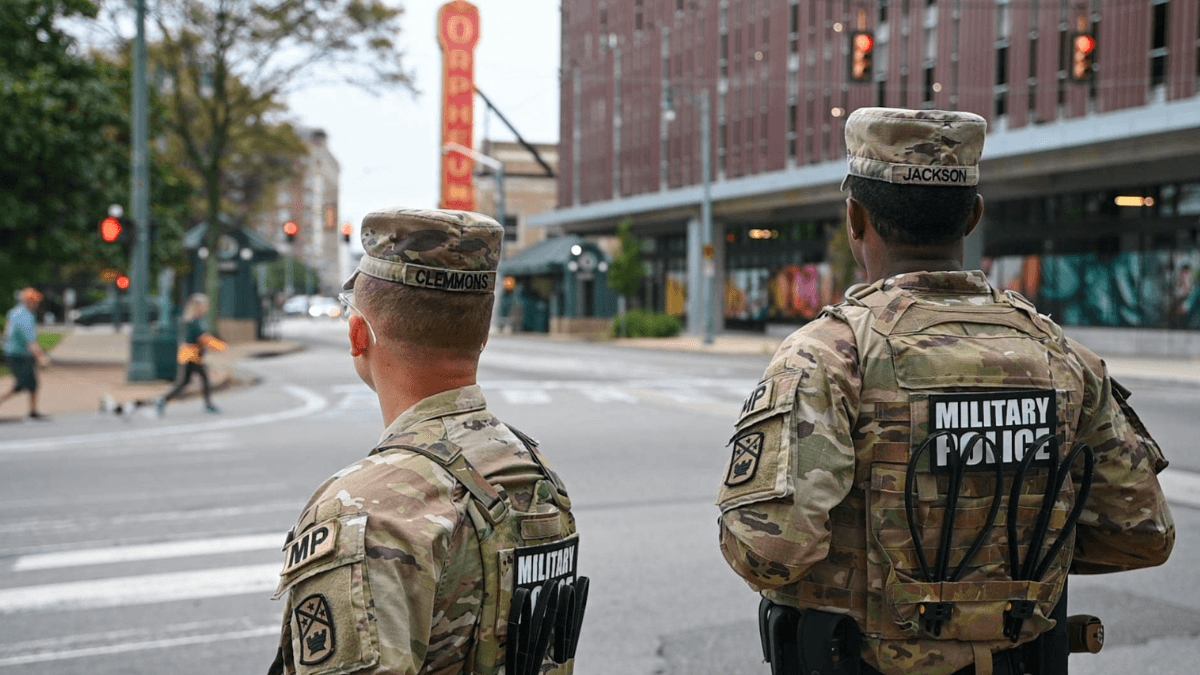 The National Guard and law enforcement officers have overwhelmingly benefited people in Memphis.
Crime is bad. Violent crime is worse. That’s obvious. It’s not a partisan point. Most Democrats — I happen to be one of them — don’t cheer lawlessness. In fact, 68% of us say crime is a major problem in big cities. A few progressives have attacked police, but they sit far outside the mainstream. Most Democratic voters hold a higher opinion of law enforcement than of traditional liberal pillars like organized labor or public schools.
So if everyone agrees crime is bad, the real argument isn’t over morality — it’s over solutions.
We all agree crime is bad. The question is whether we fight it with empty theatrics or serious, sustained policing.
That’s where President Trump’s anti-crime efforts collapse. Talking tough doesn’t make streets safer. His approach wastes money, strains resources, and distracts from the hard work of policing.
Trump’s main crime-fighting move has been deploying the National Guard to large cities like Washington, D.C., and Los Angeles. Chicago, Portland, and San Francisco are also on the president’s list. The images look dramatic, but they don’t reduce crime.
The Posse Comitatus Act bars the president from using the military as a domestic police force, which makes it unclear whether Guardsmen can legally arrest suspects or patrol neighborhoods. Most Guardsmen don’t want to cross that line — and they aren’t trained to. In Washington, the Guard’s own report lists its activities: clearing trash, spreading mulch, and painting fences. Good work, yes — but not policing.
These deployments also carry a hefty price tag. The Los Angeles mission, involving 4,000 guardsmen and 700 Marines for less than two months, cost about $118 million. Washington’s ongoing deployment could exceed that. Long-term operations in cities like Memphis, Portland, and Chicago would drive the bills even higher.
And those aren’t the only costs. The Guard is already stretched thin. Disaster relief missions during brutal wildfire and hurricane seasons have drained manpower and equipment. Overseas deployments to Iraq and Afghanistan reduced recruitment and retention. If the president keeps sending Guardsmen into American cities, they may not be ready when the country faces a real disaster — or, heaven forbid, a war.
Instead of chasing headlines, Trump could invest in what actually reduces crime. His One Big Beautiful Bill Act offered funding only for local agencies that cooperate with federal immigration enforcement. It provided nothing to hire or retain more police or prosecutors — the people who actually solve crimes and clear backlogged cases.
The solution is straightforward: Redirect the hundreds of millions spent on National Guard deployments into state and local law enforcement. Departments nationwide face critical shortages. Chicago alone needs about 1,300 more officers.
RELATED: The city that chose crime and chaos over courage

History proves this works. Between the late 1960s and early 1990s, violent crime surged 371%. By 1991, the U.S. murder rate hit a historic peak. Then came the bipartisan 1994 Violent Crime and Law Enforcement Act. The law funded new prisons, domestic violence prevention programs, and — most importantly — about 84,000 additional police officers.
The result? Crime fell sharply. Violent crime has dropped roughly 50% since then. The law had flaws — cutting inmate access to higher education was one — but safer streets remain its chief legacy.
If President Trump truly wants to make America safer, he should stop staging photo ops and start funding proven methods. Deploying the National Guard is costly, risky, and legally questionable. Hiring cops, prosecutors, and judges works — and has worked for decades.
We all agree crime is bad. The question is whether we fight it with empty theatrics or serious, sustained policing. The answer should be as clear as the problem itself.
I know what it’s like to live in the neighborhoods white liberals only mention when it suits them. I’ve lived on the South Side of Chicago. I’ve lived in Southeast D.C. I’ve seen crime with my own eyes, and I’ve experienced the fear that comes with it.
I’ve walked streets where parents teach their kids to drop at the sound of gunfire. I’ve seen drug corners where police barely bother to show up because they know the system won’t back them. And I’ve watched Democrats — who run these cities decade after decade — pretend nothing is wrong until an election season or a TV crew arrives.
The truth is out. Democrats have failed — in DC, in Chicago, in New York, and across the country.
Every four years, they roll in with cameras and promises. They shake hands, hug babies, stand in front of boarded-up storefronts, and pledge “change.” Then they disappear back to their safe neighborhoods, leaving residents with the same violence, the same fear, and the same hopelessness.
That isn’t leadership. It’s exploitation. I know because I’m a black man who worked as a Democratic staffer not so long ago. I’ve been in the rooms where campaign strategy is written. I’ve heard the cynical playbook: “Do a barbershop tour.” “Visit a black church on Sunday.” Deliver a few lines about “taking back the community” — then roll right back out. When the cameras leave, so do they.
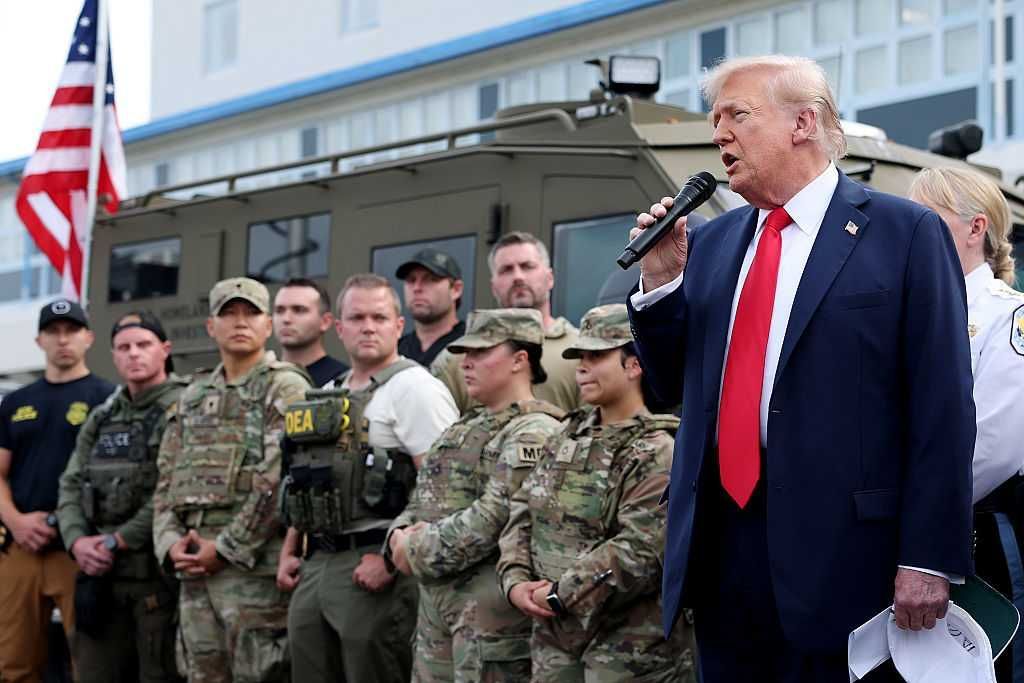
Now, when President Trump does what Democrats refuse to do — when he sends in federal law enforcement and the National Guard to cities that won’t protect their own people — those same white liberals suddenly find their voice. They shriek about “authoritarianism.” They cry about “militarization.” They insist crime is “under control.”
It’s dishonest. It’s insulting. And it proves how little they care about the lives being lost. What they really care about is their four minutes on MSNBC.
Take Washington, D.C. Liberals wave charts claiming violent crime is down. But the city got caught manipulating the numbers. A police commander was placed on leave for allegedly altering stats to make the streets look safer. Whistleblowers confirmed what residents already knew: Violent crimes were downgraded or mislabeled so politicians could maintain the illusion of control. That’s no conspiracy theory. It’s now a federal investigation.
Yet, Democrats still claim Trump’s intervention wasn’t necessary. They say crime is “exaggerated.” They say the city is “safe.” Tell that to families who won’t let their kids walk home after dark. Tell it to small-business owners robbed so often they don’t bother reporting anymore. Tell it to mothers in Anacostia burying their sons while city officials massage the data for press conferences.
Chicago tells the same story. Democrats have ruled the city for generations, but whole neighborhoods on the South and West Sides remain plagued by violence and poverty. I lived there. I saw it. And here’s the truth: Polite white liberals from gentrified districts or leafy suburbs don’t want to see it. They want to protect the illusion that Democrats defend the poor, even as they use these communities as political props.
Chicagoans plead for help at City Council meetings every week, and Democratic aldermen ignore them. No wonder grassroots groups like Chicago Flips Red are gaining ground.
New York is no different. In Alexandria Ocasio-Cortez’s district, major crime has spiked 70% since she took office in 2019 — more than double the citywide average. Residents there say what residents in every Democrat-run city say: Our leaders don’t care. They show up for headlines, then vanish when the bullets start flying.
Donald Trump saw that reality. He campaigned on it. He walked into those neighborhoods and spoke plainly to people who had been ignored for decades. That’s why millions more black voters supported him in 2024 — a political earthquake. It’s a warning to Democrats: Their monopoly on minority voters is collapsing.
White liberals screaming on cable news about Trump’s law-and-order strategy don’t live in the neighborhoods where gunfire is commonplace. They don’t send their kids to the schools where gangs recruit. They don’t shop at the corner stores hit by weekly robberies. They don’t ride the buses or walk the sidewalks ordinary people in D.C., Chicago, and the Bronx walk every day.
They can afford to believe crime is “under control.” They can afford to believe more gun control will fix things, ignoring the obvious truth: Criminals don’t care about your new laws. They can afford denial because they can afford to live somewhere else.
But crime is not under control. It never has been. And until leaders — real leaders — admit it and act, people in these communities will keep suffering. Trump understands that. Democrats never have.
RELATED:Trump to DC: Public safety isn’t optional

So when white liberals lecture that Trump is wrong to send federal law enforcement into cities that can’t protect their residents, I have one question: Where were you? Where were you when crime stole futures and destroyed families? Where were you when Democrats cooked the books to protect their power? Where were you when Biden was in charge or when AOC’s district saw crime explode?
You weren’t there. You didn’t care. And that’s why the Democratic Party is collapsing.
The truth is out. Democrats have failed — in D.C., in Chicago, in New York, and across the country. They’ve failed black voters. They’ve failed working-class Americans. That’s why support for their party sits at record lows. That’s why more voters are walking away.
The future doesn’t belong to the party of denial and decay. It belongs to the people who demand safety, security, and accountability. It belongs to those ready for real change.
Donald Trump is delivering that change. Democrats never will.
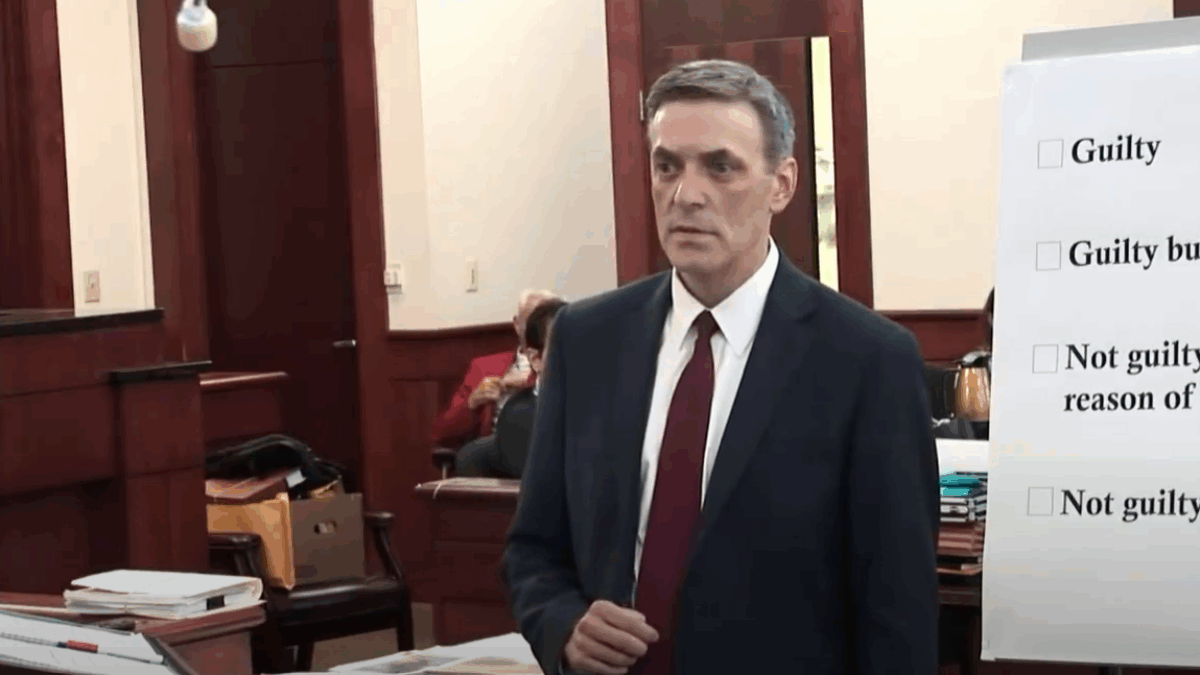 'I promise you, you will be sick and tired of my face and my voice until this gets fixed,' Steve Federico said in the hearing, 'I will fight until my last breath for my daughter.'
 Senseless violence in our cities isn’t an unsolvable problem. Street psychotics like Decarlos Brown Jr. need to be locked away.
 Like so many other school shooters, the Minneapolis shooter's parents divorced in 2013, when we was around age 12.
 thefederalist.com
 www.theblaze.com