Even Democrats Oppose John Roberts Letting Foreign Citizens Tilt The House Of Representatives
 Americans overwhelmingly believe congressional seats should be distributed solely based on the number of U.S. citizens in each state.
I have spent more than two decades working in politics and have been involved in roughly 50 campaigns, from local races to presidential contests. If there is one lesson I have learned, it is this: Never tell voters that what they are experiencing isn’t real.
With the midterm elections eight weeks away, too many campaigns risk making that mistake. Washington wants to talk about foreign policy, economic indicators, and political strategy. Voters are looking at receipts, and those receipts tell a different story.
Voters can forgive difficult circumstances. What they will not forgive is being told those circumstances don’t exist.
In the week ending September 7, the national average for diesel reached a record $5.97 a gallon. That matters far beyond truck stops. Farmers, contractors, freight carriers, and delivery networks all depend on diesel.
When those costs rise, they move through the supply chain. Fuel becomes part of the grocery bill, the restaurant bill, the cost of construction, shipping, and nearly everything else Americans buy. The consumer ultimately pays.
The line between foreign policy and affordability is not always clean. Wars, sanctions, and instability abroad can raise oil prices and transportation costs at home. But voters experience those events through household economics: the price on the pump, the supermarket receipt, and the balance in the checking account.
Politicians love macroeconomics. Voters live in microeconomics.
A candidate can talk about GDP, job creation, or the stock market, but those figures do not erase what a family pays for groceries, housing, insurance, and energy. The voter's checking account gets the final vote.
As much as it pains me to admit it, Democrat strategist James Carville got at least one thing right. During Bill Clinton’s 1992 presidential campaign, Carville drove home a simple message: “It’s the economy, stupid.” More than three decades later, Republicans would be wise to remember the lesson.
I have seen campaigns become consumed with the issue they want voters to care about rather than the issue voters actually care about. Those are not always the same thing.
The evidence this year is hard to miss. A July Pew Research Center survey found that voters most wanted congressional candidates to discuss economic issues, especially prices and affordability. In a companion survey, 66% said they were very concerned about food and consumer-goods prices, 64% about housing costs, and 56% about gasoline prices.
RELATED: Can a $1.2 trillion giveaway become a fiscal bargain?
Foreign policy and national security still matter. China, Russia, Iran, and America’s place in the world cannot be dismissed. No single issue will decide every race. But elections are personal, and voters usually encounter national policy through its effect on daily life.
A parent in a supermarket aisle is not conducting a geopolitical analysis while comparing grocery prices. A driver filling the family SUV is watching the numbers on the pump. Both are asking the same question: How much is this going to cost me?
They are thinking about the mortgage, electric bill, car payment, insurance, groceries, gas, child care, and credit cards. They are wondering why an income that once felt comfortable now seems barely sufficient. That is affordability, and it will decide November.
Economic frustration helped return Donald Trump to the White House. Republicans cannot assume that the issue automatically works in their favor now. They cannot tell families struggling with grocery and fuel bills that everything is fine or insist that distant events matter more than household finances.
That does not require Republicans to abandon foreign policy or the administration’s agenda. It requires candidates to acknowledge what voters are experiencing and explain what they intend to do about it. There is an enormous political difference between saying, “The economy is great,” and saying, “We’ve made progress, but prices are still too high, and here is what we’re doing next.”
RELATED: Free money wins elections — and that’s why America’s debt will keep growing
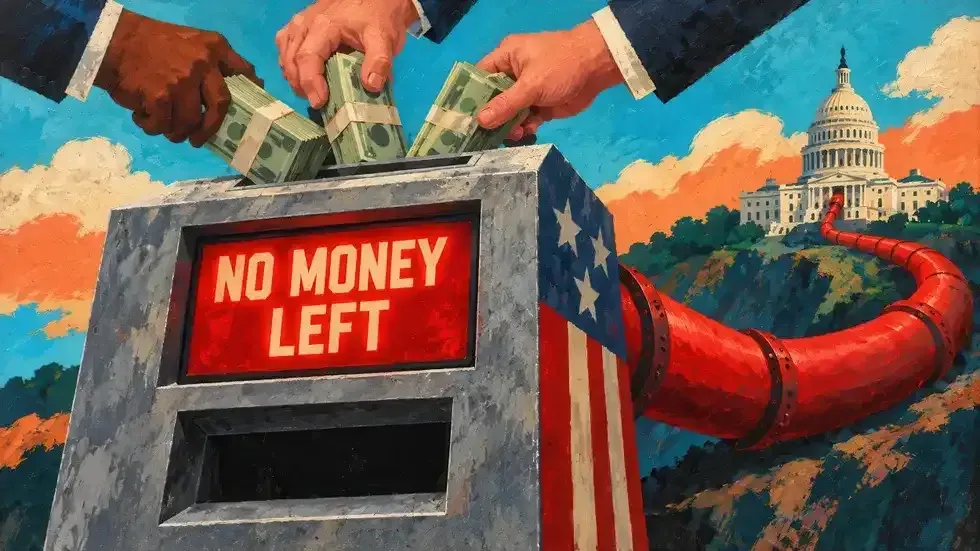
Democrats should not celebrate, either. Economic frustration does not automatically translate into support for Democratic policies. Voters will judge which candidates understand their financial situation and offer credible solutions. That gives both parties an opportunity, but neither a guaranteed victory.
Campaigns succeed when candidates understand what voters are feeling. They fail when consultants persuade candidates that voters should care about something else. After roughly 50 campaigns, I have found that voters can forgive difficult circumstances. What they will not forgive is being told those circumstances don’t exist.
The question in November will not be whether Washington can produce statistics showing that parts of the economy are strong. It will be whether Americans believe they can afford their lives.
When they enter the voting booth, they will not be carrying economic charts. They will be carrying their grocery receipts.
Democrats increasingly treat their voters’ choices as provisional because party activists and much of the political press allow it. From Joe Biden’s replacement in 2024 to current attacks on Senator John Fetterman (D-Penn.), the party establishment respects election results only until those results become inconvenient. That habit damages the party’s credibility on election integrity and may eventually damage the establishment itself.
Two years ago, Democrats already had their presidential nominee. Joe Biden had won every Democratic presidential contest except American Samoa and faced no serious challenge (unlike Jimmy Carter in 1980). He had also won the 2020 nomination and occupied the White House.
Democratic leaders keep courting the left’s energy while blocking some of its candidates from power. That arrangement cannot last forever.
After Biden’s disastrous debate performance, however, Democrat officials and donors spent weeks demanding that he withdraw. Their pressure campaign set aside months of primaries in which roughly 14 million Democrats had supported him. No presumptive major-party nominee in the modern primary era had withdrawn so late.
Democrats did use a formal replacement process. Biden’s withdrawal unbound nearly all of his delegates, Harris qualified for the ballot, and during a virtual roll-call vote, 99% of participating delegates voted for her. But primary voters never chose Harris for president in 2024, and party leaders never held an open convention in which competing candidates could make their case. By the convention, Harris and Tim Walz were already the ticket.
That was the first do-over: Primary voters chose Biden, and delegates later chose Harris after party leaders drove Biden from the race.
Maine supplied a clearer example this year. Voters nominated Graham Platner for Senate with more than 156,000 votes. After a woman accused Platner of rape — an allegation he denied — he withdrew on the last day Maine law allowed Democrats to replace him on the ballot.
Party delegates then selected Troy Jackson, who had not competed in the Senate primary and had finished third in the gubernatorial primary, by a 566-5 vote. The party followed Maine law, but primary voters had no say in their replacement nominee.
Wisconsin shows another kind of intervention. After the establishment favorite left the governor’s race amid campaign-finance trouble, David Crowley re-entered with Gov. Tony Evers’ backing and narrowly defeated democratic socialist Francesca Hong. Voters made the final choice, so Wisconsin was no do-over. It does show how quickly party leaders mobilize when the left threatens to capture a nomination.
Pennsylvania now shows another variation of the fix. Democrats nominated Fetterman for Senate in 2022 and stood by him after a serious stroke.
They called Fetterman a fighter and a maverick, just what the Senate needed. When he won, Senate Democrats rallied around him and even loosened the dress code for him. Then he broke with progressives over Israel, arguing that it had a right to defend itself after Hamas’ terrorist attack.
A recent Wall Street Journal report said Fetterman had neglected many Senate duties, citing accounts from former staffers. Some Democrat lawmakers and activists immediately attacked him; one Democratic National Committee vice chairman said “2028 can’t come soon enough.” Depart from party orthodoxy, and you’re through.
RELATED: AOC made socialism cool. Now the socialists want her gone.
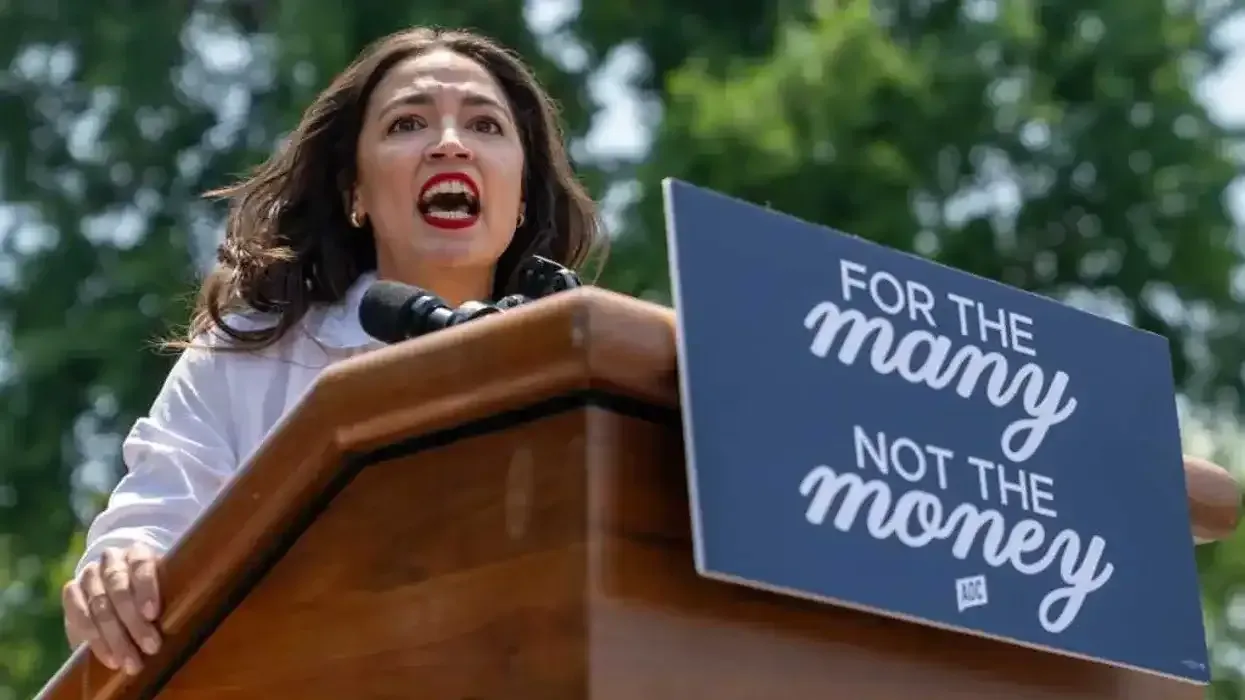
This pattern succeeds because party voters rarely punish it and much of the political press treats each episode as an isolated event. Voters whose choices party leaders set aside receive little sustained attention. Nothing to see here. Move along.
Repeatedly overriding primary outcomes also weakens Democrats’ claims to defend election integrity. If they don’t care about their own members’ votes, they don’t care about yours. No wonder they oppose election oversight when they want to overlook their own primaries.
The establishment’s short-term victories may carry long-term costs. In 2016, DNC officials favored Hillary Clinton over Bernie Sanders. Yet Sanders and his faction now exert more influence over the party than Clinton does.
The Democratic left has grown stronger even as establishment figures try to contain it. Each intervention deepens resentment among activists who believe party leaders accept their votes only when they approve the result.
Democrat leaders keep courting the left’s energy while blocking some of its candidates from power. That arrangement cannot last forever.
Eventually, procedural trickery will no longer protect the Democrat establishment from the faction it has encouraged but repeatedly tried to keep off the ballot.
As Republicans head toward what looks like a perilous midterm election, affordability is on everyone’s lips. The Biden administration never convinced voters that it had brought food and housing costs under control. Some Republicans have tried to pretend the problem does not exist; others have acknowledged it without making meaningful progress.
Both Joe Biden and Donald Trump made choices that worsened the pressure, from expanding federal spending to deepening costly foreign commitments. Neither party has a durable solution. The Congressional Budget Office projects a $1.9 trillion deficit for fiscal year 2026, and debt held by the public now tops 101% of GDP. Spending and inflation are not accidents at the edge of mass democracy. They follow from its incentives, and nothing will change until the incentives do.
In a democracy, giving voters something is the winning strategy, and Trump likes winning.
The affordability crisis has several causes, but much of the immediate pain comes from the cumulative rise in prices. Wages may rise and bank balances may grow, yet each dollar buys less. Inflation is a pernicious tax precisely because it is hidden. Normal taxes must be enacted and collected openly. No one votes directly for inflation, which instead erodes the value of money people have already earned and saved. It punishes careful savers while rewarding borrowers and speculators.
Deficit spending can fuel inflation when government expands demand faster than the economy can supply goods and services. Creating money makes it easier to distribute benefits today, but it can reduce the currency’s purchasing power tomorrow. Inflation also lightens the real burden of government debt by reducing the value of what was borrowed. The average person, however, rarely has early access to new money or the sophisticated financial instruments wealthy investors use to hedge against rising prices. He feels the loss at the grocery store.
The oldest move in politics is to offer people a material reward for their support. Every system does it, but democracy makes the exchange especially powerful because elections confer legitimacy. A politician rarely calls the arrangement a “bribe.” He routes the benefit through a program aimed at groups likely to reward him at the polls. The legal form gives the transaction respectability, but voters still understand the bargain.
Donald Trump recently dispensed with even that pretense. At the Republican midterm convention last week, he promised $5,000 to every adult citizen if Republicans retain the House and Senate. An independent estimate put the cost at more than $1.2 trillion, and Congress would have to approve it. Whether the payments ever materialize is not the point. The offer mocks the fiscal restraint conservatives claim to espouse. Conservative commentators objected, but Trump brushed them aside. He understands the incentives. He promised not to cut Social Security and Medicare because benefits win votes. In a democracy, giving voters something is the winning strategy, and Trump likes winning.
RELATED:The GOP still has a loser mentality

Warnings about democracy long predate modern America. Plato and Aristotle distrusted rule by the demos, and the American founders built a constitutional republic with layers of insulation against popular majorities. Their fear was simple: Once voters discover they can use the state to transfer other people’s money to themselves, restraint collapses. A republic may survive only if institutions impose limits that elections alone will not.
Is the $5,000 check good fiscal policy? Of course not. It’s a disaster. A transfer approaching $1.2 trillion would widen the deficit and almost certainly worsen inflation, especially in an economy already near capacity. Pandemic-era fiscal stimulus did not single-handedly cause the 2021-2022 inflation surge; supply shocks and monetary policy mattered too. But New York Federal Reserve research found that fiscal support contributed materially.
Is the check good politics? Yes. In a democracy, vote-buying is an optimal strategy, and anyone who refuses it risks losing to someone who will. Democrats have principles that let them hand out money and receive praise — and votes. Republicans profess principles that should forbid it. Sound economics grants no electoral advantage.
Reckless spending is terrible policy, but it can win elections. Conservatives may campaign on austerity, but austerity rarely inspires voters. If progressives alone use the winning strategy, conservative fiscal theory becomes irrelevant. Losers do not write budgets or exercise executive power. Both parties therefore spend when they hold office, though they direct the money toward different constituencies. The democratic incentive is to distribute everything you can while you can, because the other side may take power tomorrow and spend it instead.
RELATED: We need lawfare for white men

The philosopher Nick Land captured the logic in “The Dark Enlightenment”:
As the democratic virus burns through society, painstakingly accumulated habits and attitudes of forward-thinking, prudential, human and industrial investment are replaced by a sterile, orgiastic consumerism, financial incontinence, and a “reality television” political circus. Tomorrow might belong to the other team, so it’s best to eat it all now.
None of this is hopeful. Conservatives have made preserving mass democracy a principle even as the system rewards policies they oppose. A constitutional republic needs constraints on majoritarian appetite, but there is little political will even for modest spending cuts, much less fundamental limits on the franchise. The brutal truth is that both parties will keep spending recklessly while blaming each other for rising debt and prices.
As long as mass democracy reigns, buying votes with public money will remain one of the surest ways to gain and hold power. Every politician wants power.
“Accuracy comes before speed.” That was California Secretary of State Shirley Weber’s message to voters in a press release issued two days after officials began counting ballots from June’s primary. In the same release, she reminded voters that the count could continue for up to 30 days after Election Day.
Weber argued that California is “taking the time to do this work correctly” to protect voters’ rights and ensure election integrity.
After 2022, 2024, and this year’s primary, the problem no longer looks like a glitch. It looks like a pattern created by poor policy choices.
She is right about one thing: Accuracy matters.
Every lawful ballot should be counted. Every voter should be confident that election officials will get the count right.
But a week after Election Day, California was still processing 1.4 million ballots under a system that routinely extends vote counting for days and sometimes weeks after voters cast their ballots.
That raises a question California’s leaders seem increasingly unwilling to answer: Why are voters repeatedly told they must choose between accurate elections and timely results?
This is not the first time California has found itself in this mess.
In 2022, several California congressional races remained unresolved long after Election Day while control of the U.S. House hung in limbo. Two years later, California took 38 days to certify its election results. Now in 2026, Californians are again waiting weeks after Election Day for final results.
The details change. The outcome does not. Californians keep waiting.
So why does this keep happening?
The answer starts with California election law. According to CalMatters, the delay is due in part to policies California adopted to make voting easier after the COVID-19 pandemic: Every registered voter receives a mail ballot, and ballots remain valid as long as they are postmarked by Election Day and arrive at county elections offices within seven days.
Election law expert Hans von Spakovsky has argued that California’s slow vote count is not an isolated incident or unexpected complication. It is the way the state’s election system is designed.
RELATED: ‘Fraudster’s paradise’: Feds plan to file election fraud charges in California
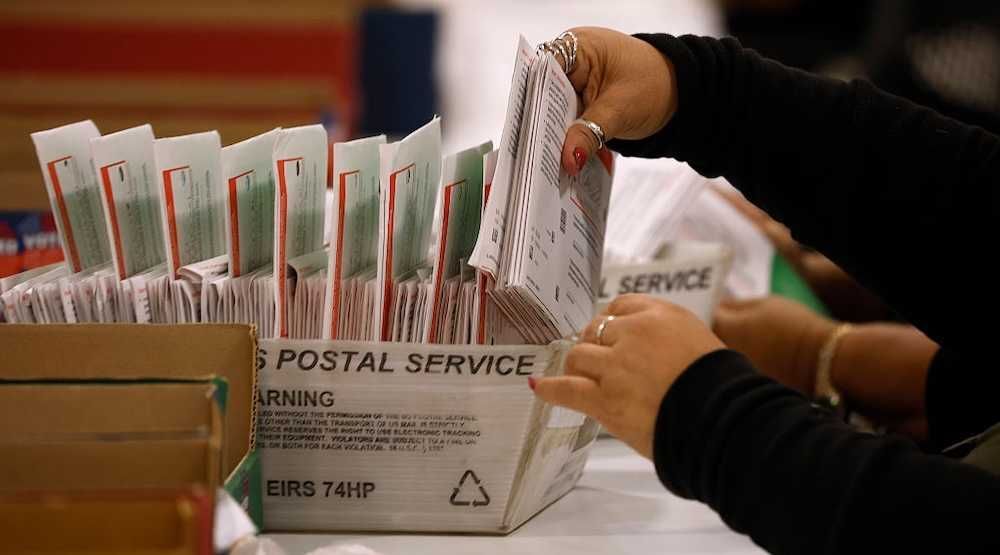
In other words, California is not experiencing an unexpected delay. It is experiencing the predictable results of the laws it chose.
Gov. Gavin Newsom (D) helped cement those policies in 2021 when he signed AB 37, making universal vote by mail permanent. His office promoted the law as “landmark elections legislation” that would expand vote by mail and strengthen election integrity.
Yet, Californians are now being sold the idea that waiting days or weeks for election results is simply the reality of modern elections.
It is not. It is the reality of California elections.
Timely results are part of election integrity. The longer ballots remain uncounted, the longer election officials must maintain secure chains of custody, verification systems, and storage. Delay does not automatically mean fraud. But delay does create more opportunities for confusion, suspicion, and avoidable controversy.
If California leaders want faster results, they should examine the policies that slow them down.
Instead, voters are told these delays are the unavoidable cost of administering elections in a large state. That explanation falls apart under scrutiny.
Look at Florida. The 2000 presidential election exposed serious weaknesses in that state’s election system. Legislators responded by reforming the state’s election administration and ballot-processing procedures.
Today, Florida is one of the fastest states in the country to report election results.
Florida allows election officials to begin processing mail ballots before Election Day, giving counties a head start on verification. The state also requires most mail ballots to be received by Election Day rather than days afterward. Voters whose signatures are missing or do not match generally have a much shorter window to fix those problems than California voters do.
Florida proves that accuracy and speed are not mutually exclusive.
California has chosen a different approach.
This is about more than administrative efficiency. In five months, Californians will return to the polls for the midterm election. Voters deserve confidence that the results will be accurate. They also deserve confidence that those results will arrive on time.
RELATED: Homeless people on Skid Row claim they were paid to vote — and not for Spencer Pratt

Lawmakers should examine whether ballots should continue arriving after Election Day and still be counted. They should review whether lengthy ballot-curing timelines help voters or simply extend uncertainty. Election officials should also receive every opportunity to process ballots before Election Day so results can be reported faster once polls close.
Most important, California leaders should stop pretending accuracy and speed are enemies. Florida proves they are not.
Weber says accuracy comes before speed. California voters should ask why they cannot have both.
After 2022, 2024, and this year’s primary, the problem no longer looks like a glitch. It looks like a pattern created by poor policy choices.
California built an election process that can take a month after Election Day to resolve.
Voters should stop accepting that as normal.
It has been a dismal year for ranked-choice voting.
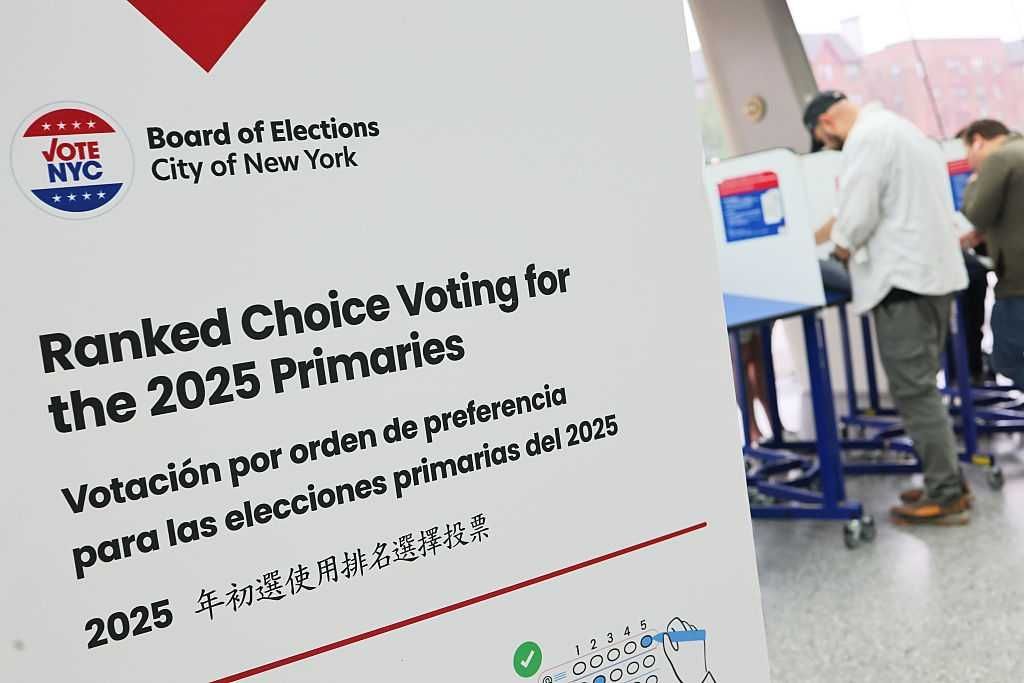
RCV allows voters to rank candidates instead of choosing one. It then runs multiple rounds of counting, adjusts rankings, and discards “exhausted” ballots to determine a winner.
Lawmakers, courts, cities, and voters are increasingly rejecting a system that makes elections harder to understand and easier to distrust.
Two states have already banned it. One state’s pilot program was phased out. A statewide ballot proposal failed to qualify. Several city councils rejected it. A state supreme court struck down an expansion bill. And the year still has months to go.
The states that banned RCV this year were Indiana and Ohio. The Ohio legislature first introduced a ban in 2023. It passed the Senate but not the House. This year, lawmakers passed it through both chambers on the second attempt, with Sens. Theresa Gavarone (R) and Bill DeMora (D) leading the effort. Republican Gov. Mike DeWine signed the bipartisan bill into law in February.
Indiana acted even faster. Lawmakers introduced a similar ban and enacted it two months later. The legislation reflected growing concern that RCV makes elections less transparent and harder for voters to trust.
“It is important to ensure Indiana’s voting system is secure and accurate for Hoosier voters. Having to rank each candidate could end up being a vote against the voter’s intended candidate, creating confusion and frustration, which is why we need this law in place,” said state Sen. Blake Doriot (R), the bill’s sponsor.
RCV supporters also suffered a setback in Utah, where the pilot program ended this year. Before the program closed, more than 20 cities tried it, but supporters never moved the state toward broader adoption. Multiple cities dropped out before the program ended.
In Michigan, Rank MI Vote’s RCV ballot proposal fell 200,000 signatures short of qualifying. RCV donors can find one consolation: At least they will not have to spend millions on another failed ballot measure, as they did in six states in 2024.
RELATED: Trump’s endorsement power keeps saving the wrong Republicans
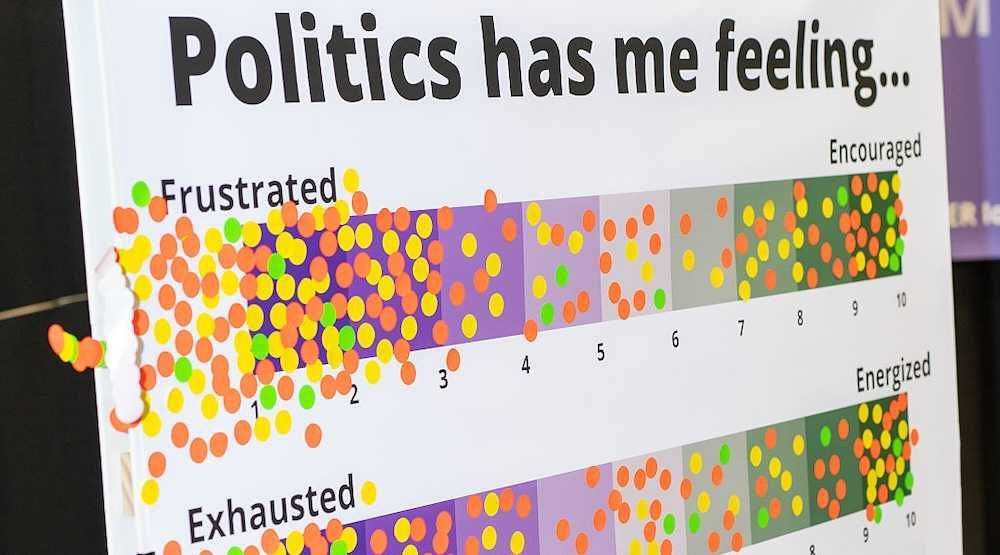
Albuquerque, New Mexico, also rejected RCV. The city council voted it down 6-3. The bill’s sponsor claimed switching from the current runoff system would save money, but the proposal failed because of concerns over system upgrades, staff training, and a long public education campaign. Similar proposals also failed in Vista, California, and Appleton, Wisconsin.
The District of Columbia offers another warning. Voters approved RCV, but the city has struggled to prepare for implementation. District residents will use the system for the first time in June, and a recent Opportunity D.C. survey found that 43% of voters remain unaware of the change. To address the confusion, the Board of Elections is spending $50,000 to educate voters.
D.C. Councilmember Wendell Felder introduced emergency legislation to delay implementation until 2027. The bill failed, so voters and election workers will have little time to prepare.
Finally, an effort to expand RCV in Maine was struck down in March when the state Supreme Judicial Court ruled the bill unconstitutional. Because the Maine Constitution requires a plurality for state elections, RCV remains limited to federal elections.
Every year, ranked-choice voting’s backers promise simplicity, fairness, and reform. This year showed the opposite. Lawmakers, courts, cities, and voters are increasingly rejecting a system that makes elections harder to understand and easier to distrust.
Like a highly contagious mind virus, democratic socialism is spreading fast among young Americans. The numbers, the polls, and the election results all point in the same direction: A growing share of the next generation is not just flirting with socialism — it is warming to it.
One poll from late 2025 found that nearly 60% of Americans ages 18 to 24 — and well north of 50% ages 25 to 29 — said they would support a democratic socialist for president in 2028. That support even included about a quarter of self-identified Republicans and 42% of moderates.
America needs a return to proper free-market economic policies — and a cultural renewal that treats liberty not as a slogan, but as a birthright worth defending.
Recent local elections reinforce the point. Democratic socialist mayors on both coasts — Zohran Mamdani in New York City and Katie Wilson in Seattle — won close to 80% of the youth vote in their respective races.
Plenty of institutions deserve blame for this trend. Public schools. Teacher unions. Academia. Legacy media. Social media. Hollywood. Parents too. Each has played a role in shaping how young Americans see the country and what they think “fairness” requires.
But focusing on those inputs misses the deeper driver.
A troubling share of young Americans believes the economy is rigged against them.
In late 2025, the Heartland Institute and Rasmussen Reports conducted polls on how young Americans view the U.S. economy and the American dream. The results were bleak. Only about 2 in 10 young Americans said they expect their economic future and personal happiness to be better than their parents’. Roughly three-quarters said housing costs have reached a “crisis level,” and they believe their odds of owning a home are shrinking by the day.
That despair didn’t come from nowhere.
This generation came of age in the aftermath of the Great Recession. They watched corporate bailouts become routine and “crony capitalism” harden into a feature of the system. They watched politicians arrive in Washington broke and leave rich, often by playing stock-market games that would end careers in the private sector.
They grew up under the shadow of foreign wars that burned trillions on “nation-building” while much of America decayed. They watched the dollar lose value as Washington normalized out-of-control spending, money printing, and debt accumulation. They watched manufacturing shrivel while leaders prioritized globalism over domestic production, dimming the prospects for secure, high-paying jobs.
RELATED: The party that made life more expensive wants credit for noticing
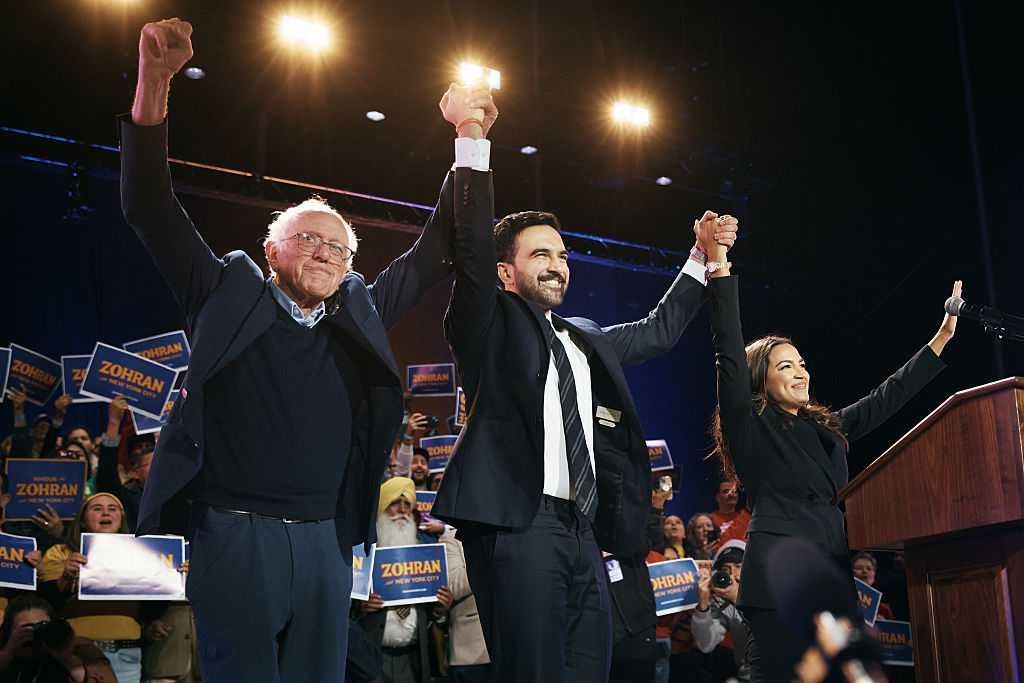
Put it together, and you get a generation primed to reject the system — and open to any ideology that promises to punish the winners and rewrite the rules.
Layer on the post-9/11 surveillance state, and the picture darkens further. Many young Americans have never lived in a country where privacy and liberty felt secure. They’ve grown numb to constant monitoring and to platforms that decide what they see, share, and believe. It should not surprise anyone if their commitment to free speech, property rights, and personal liberty weakens under that pressure.
That is why diagnosing the rise of democratic socialism requires more than blaming schools or Hollywood. Those are symptoms and accelerants. The cause is deeper: America has drifted away from too many of the principles that made it a beacon of freedom and a land of opportunity.
If that is true, the remedy won’t come from scolding young Americans for their politics. It will come from proving, again, that free markets can build a stable life, that honest work can buy a home, and that the rules apply to the powerful as well as the weak.
To reduce the appeal of democratic socialism, America needs a return to proper free-market economic policies — and a cultural renewal that treats liberty not as a slogan, but as a birthright worth defending.
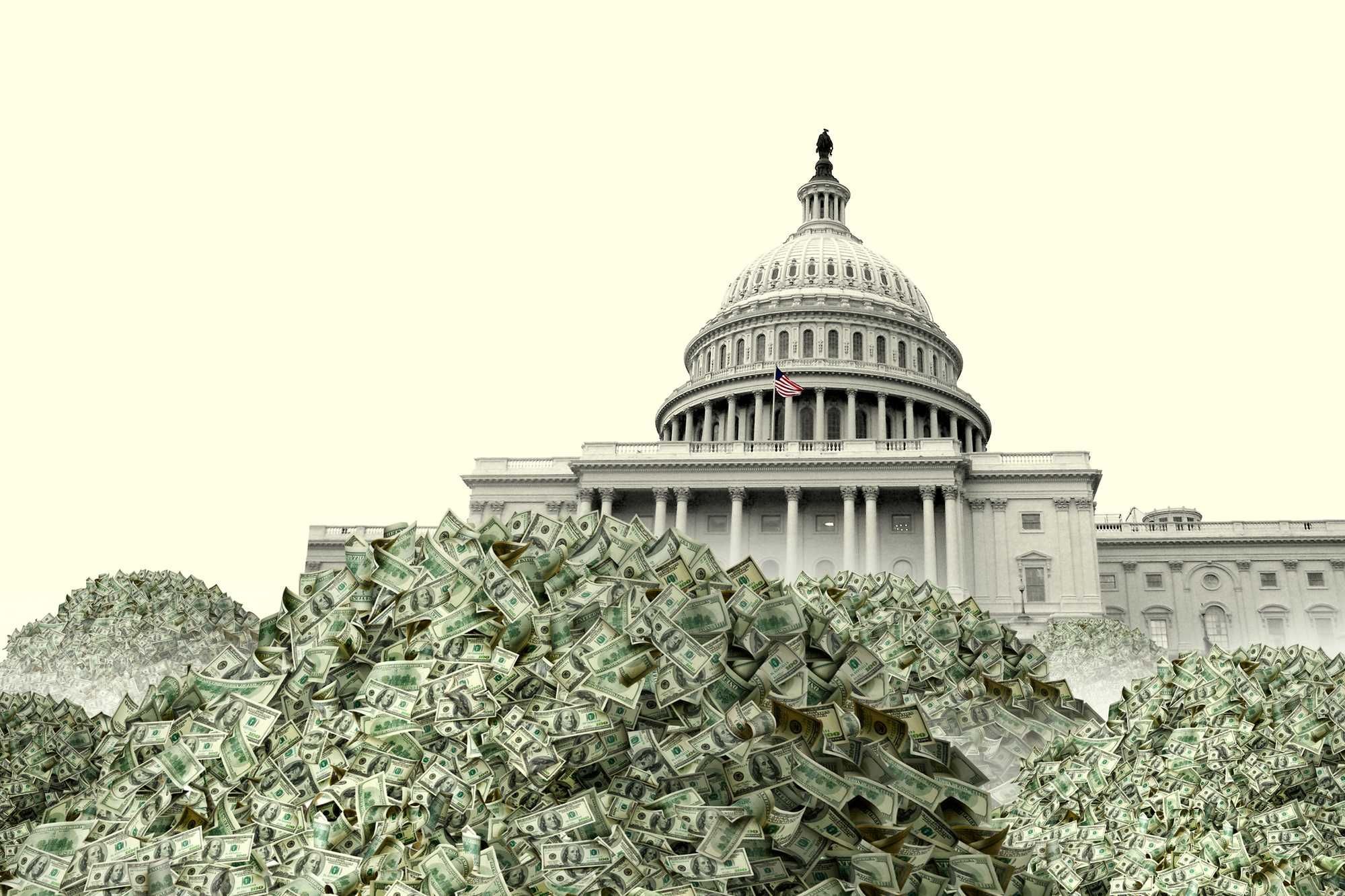
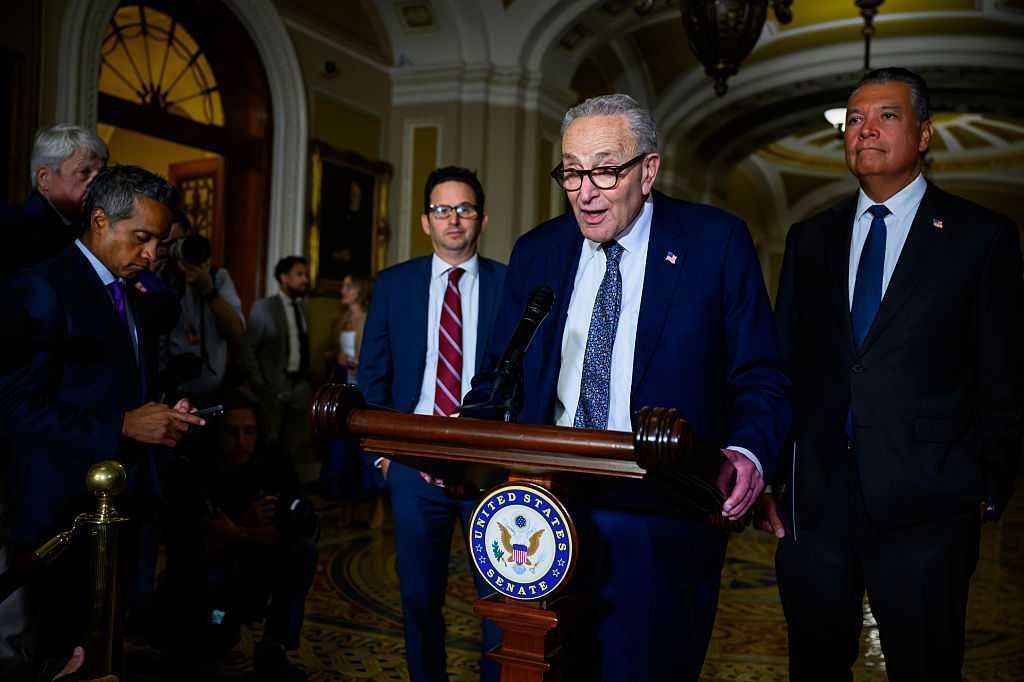
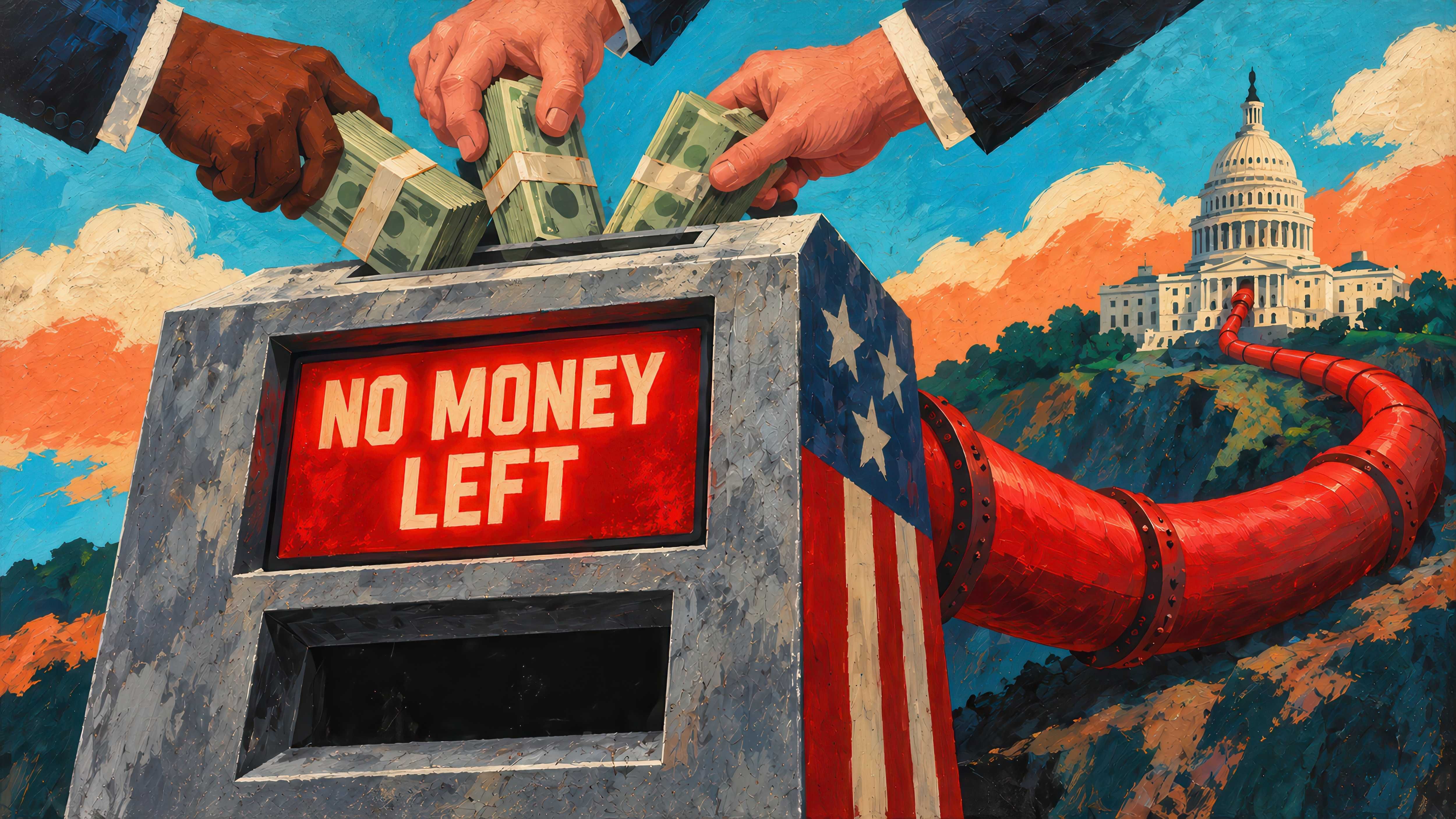
 A Princeton researcher just proved that Georgia's 'secret' ballots can be matched to individual voters using nothing but publicly available records.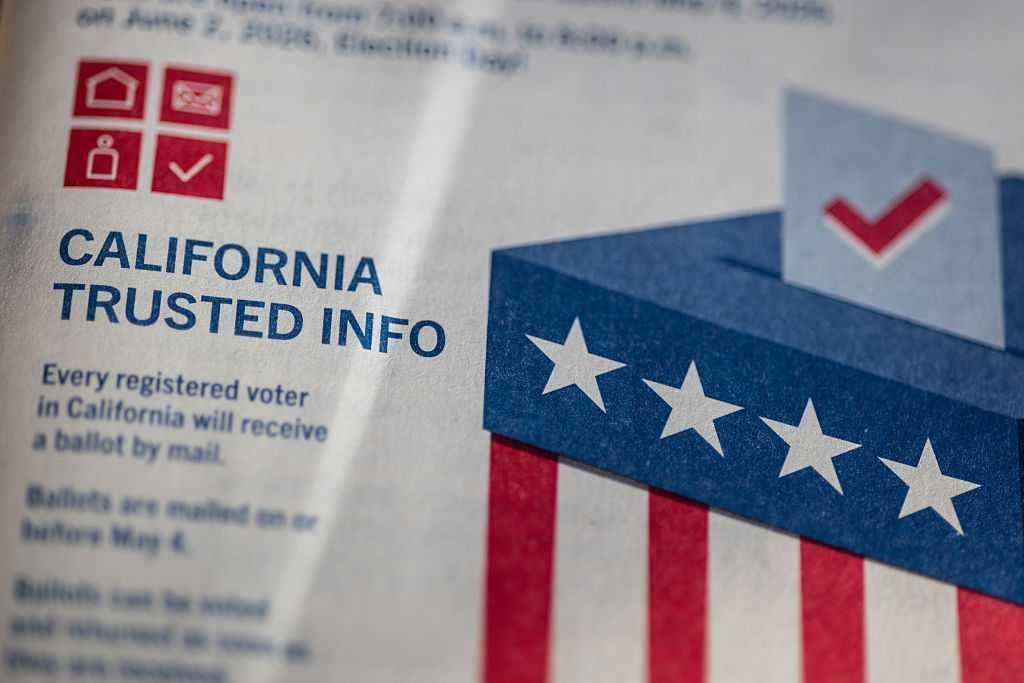
 A new handbook released this week guides state lawmakers through a comprehensive plan for making elections free and fair.
 Republicans have a superior and more successful vision for America, but they have to commit to it and sell it to voters.
 www.theblaze.com
 thefederalist.com
 www.theblaze.com