![]()
Voters in three states head to the polls on Tuesday, March 3, in the first major test of whether the America First movement will dominate the 2026 midterms, as several prominent Republican incumbents face key primary challenges.
'I just haven't made a decision on that race yet.'
Texas
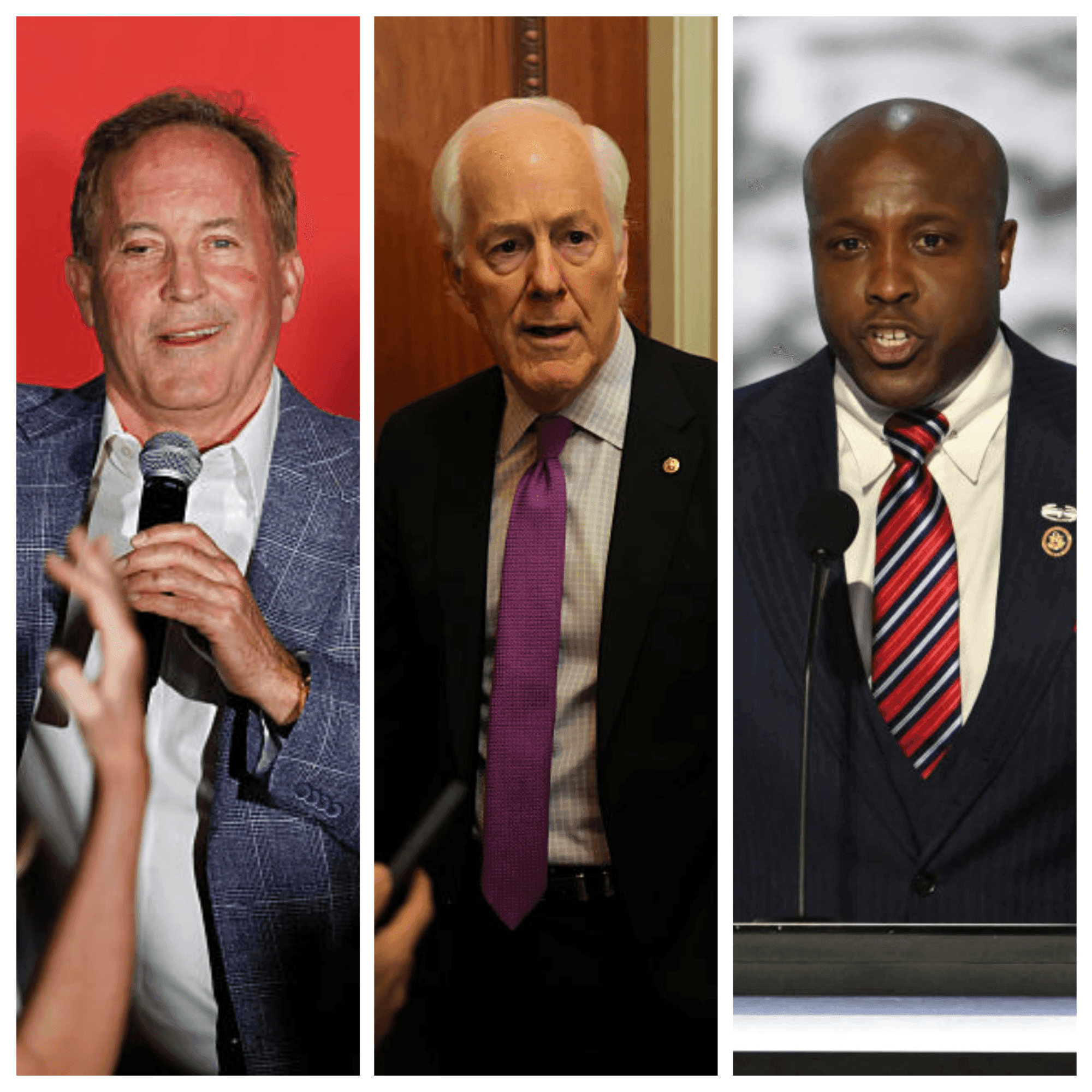
The highest-profile race Tuesday is arguably the Senate primary matchup between incumbent Sen. John Cornyn, Texas Attorney General Ken Paxton, Rep. Wesley Hunt, and several other Republican candidates.
It is the most costly Senate primary race in history, with over $122 million spent. Cornyn, who was first elected in 2002, accounts for over 57% of total spending, with $69 million in ad buying by his campaign and outside groups. Total ad buy in support of Hunt is $12 million; for Paxton, $4.1 million.
Paxton has accused Cornyn of betraying Trump and the America First movement.
“I’m running to beat Fake Republican John Cornyn. The race is a DEAD HEAT,” Paxton said on Monday as part of an effort to encourage his conservative supporters to contribute to his campaign.
![]() Photo by Richard Rodriguez/Getty Images
Photo by Richard Rodriguez/Getty Images
Cornyn warned Texans not to vote for Paxton.
“Ken Paxton will be the kiss of death for Republicans on the ticket in November of 2026,” Cornyn said in February.
"I think the attorney general, if he's the nominee, could very well lose the seat," he continued. "But if he doesn't lose the seat, he's not going to win except by the hair of his chin. And unfortunately, that will not help the down-ballot races."
President Donald Trump has not endorsed any candidates in the Texas Senate GOP primary race.
"I just haven't made a decision on that race yet," Trump told reporters in February.
"I like all three of them," Trump said, referring to Cornyn, Paxton, and Hunt. "Actually, I like all three. Those are the toughest races. They've all supported me. They're all good, and you're supposed to pick one, so we'll see what happens."
Also seeking to take over Cornyn's seat, on the Democrat side, U.S. Rep. Jasmine Crockett is facing off against state Rep. James Talarico. Total ad spending in support of Crockett reaches roughly $4.5 million, with $20.8 million for Talarico.
A poll from the University of Texas at Tyler showed Crockett, who received an endorsement from former Vice President Kamala Harris last week, with a double-digit lead over Talarico.
“Heading into Election Day, especially with multiple polls showing me ahead," Crockett told her supporters, "I want you to be ready to tune out the noise, the falsehoods, and the onslaught of attacks from D.C. insiders, the Epstein class, and all those who benefit from the status quo.”
RELATED: Cardi B and Kamala Harris endorse Jasmine Crockett for pivotal US Senate race in Texas: 'Okurrr'
![]() Jasmine Crockett. Photo by Al Drago/Getty Images
Jasmine Crockett. Photo by Al Drago/Getty Images
With Paxton running in the Senate election, multiple Republicans have thrown their hats into the ring to become the state's next attorney general, including Rep. Chip Roy, attorney Aaron Reitz, and state Senators Mayes Middleton and Joan Huffman.
Texas voters will also select their nominee in the gubernatorial primary election, with the general election scheduled for November 3. Gov. Greg Abbott (R) is seeking a fourth term and faces several challengers.
There are also 38 U.S. congressional seats in Texas up for grabs in Tuesday's election.
Incumbent Rep. Tony Gonzales is up for re-election amid a political crisis over a scandal involving a former staffer who died by suicide. Gonzales is set to have a rematch against Brandon Herrera, a firearms influencer who nearly beat Gonzales in a 2024 runoff.
![]() Tony Gonzales. Bill Clark/CQ-Roll Call Inc./Getty Images
Tony Gonzales. Bill Clark/CQ-Roll Call Inc./Getty Images
Incumbent Rep. Dan Crenshaw (R), elected to the House in 2018, is the only Texas Republican incumbent who has not received Trump's endorsement this election cycle. He is facing competition from three Republican candidates: attorney Martin Etwop, Army veteran Nicholas Plumb, and state Rep. Steve Toth.
Polling in Texas opens at 7:00 a.m. and closes at 7:00 p.m local time. Voting in the Republican or Democrat primary does not require party affiliation. However, voters who choose to participate in one party's primary will be affiliated with that party for the rest of 2026. This affiliation will prevent those voters from casting ballots in the other party's runoff election.
If no candidate secures more than 50% of the primary vote, the top two candidates will advance to a runoff election on May 26.
North Carolina
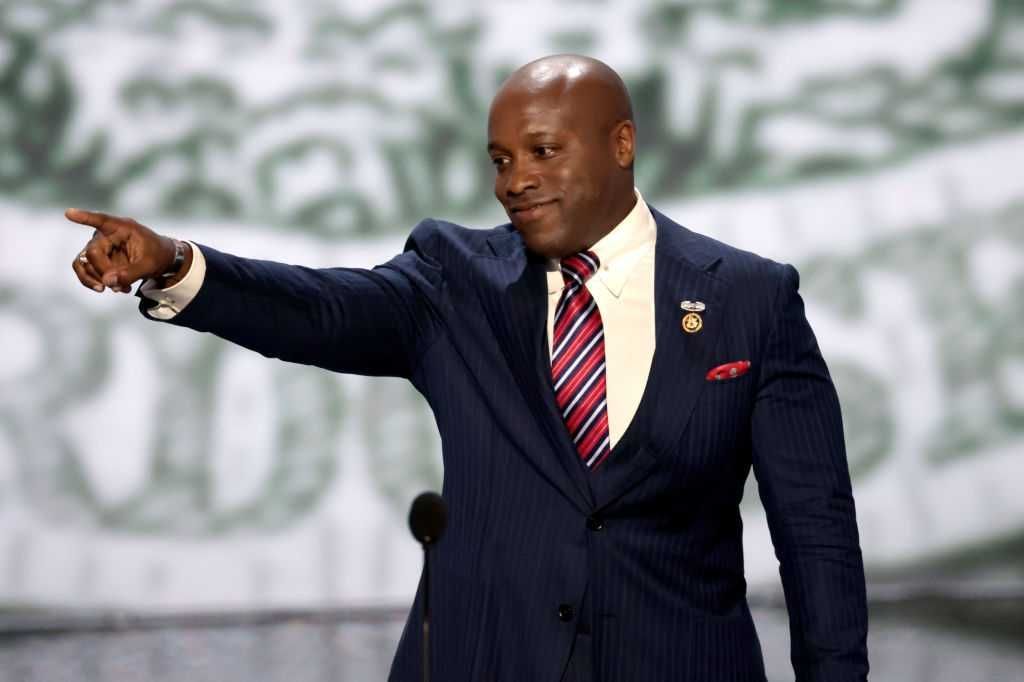
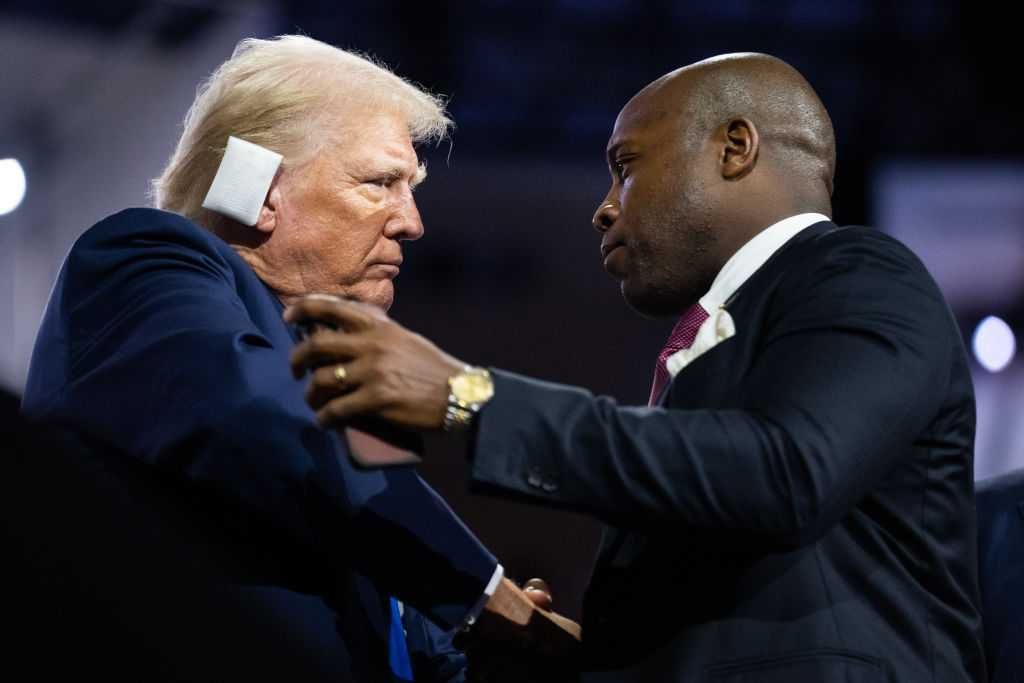
In June, Sen. Thom Tillis (R) announced his retirement, prompting a dozen candidates, including six Republicans and six Democrats, to run for his seat. Former Republican Party Chair Michael Whatley, who secured Trump's endorsement, is the most prominent name on the GOP side. Former Gov. Roy Cooper is leading the Democrat primary election.
![]() Donald Trump and Michael Whatley. Photographer: Cornell Watson/Bloomberg/Getty Images
Donald Trump and Michael Whatley. Photographer: Cornell Watson/Bloomberg/Getty Images
North Carolina voters will also cast their ballots to select 14 candidates for the U.S. House of Representatives.
Polls open at 6:30 a.m. and close at 7:30 p.m. local time. The state holds partially closed elections, in which voters can select only their party's ballots. Unaffiliated voters may choose a Republican or Democratic ballot, but they cannot vote in more than one primary.
In North Carolina, a runoff election is triggered when the second-place candidate requests it, but this applies only in primaries where the first-place candidate receives 30% or less of the vote. The state's potential runoffs would be held on May 12.
Arkansas
Arkansas Gov. Sarah Huckabee Sanders (R) is up for re-election. While she is running unopposed in the Republican primary, Democrats have a contested primary on Tuesday to choose who will face Sanders. Democrats will decide between state Sen. Fredrick Love and businesswoman Supha Xayprasith-Mays. Libertarian Party candidate Colt Shelby will be on the ballot in the general election on November 3.
Incumbent Sen. Tom Cotton (R), who took office in 2015, is competing to retain his seat against two Republican candidates: Pastor Micah Ashby and Arkansas State Police Trooper Jeb Little.
RELATED: 3 contentious Texas primaries that hang in the balance
![]() Tom Cotton. Photo by Andrew Harnik/Getty Images
Tom Cotton. Photo by Andrew Harnik/Getty Images
All of Arkansas' four U.S. House districts are holding primary elections on Tuesday.
Arkansas' polling sites will be open from 7:30 a.m. to 7:30 p.m. local time. The state conducts open primaries, allowing voters to select either a Republican or Democratic ballot at the polls without registering with the chosen party.
The state's runoff elections are triggered if no candidate secures more than 50% of the vote. These runoff elections would be held on March 31.
Like Blaze News? Bypass the censors, sign up for our newsletters, and get stories like this direct to your inbox. Sign up here!
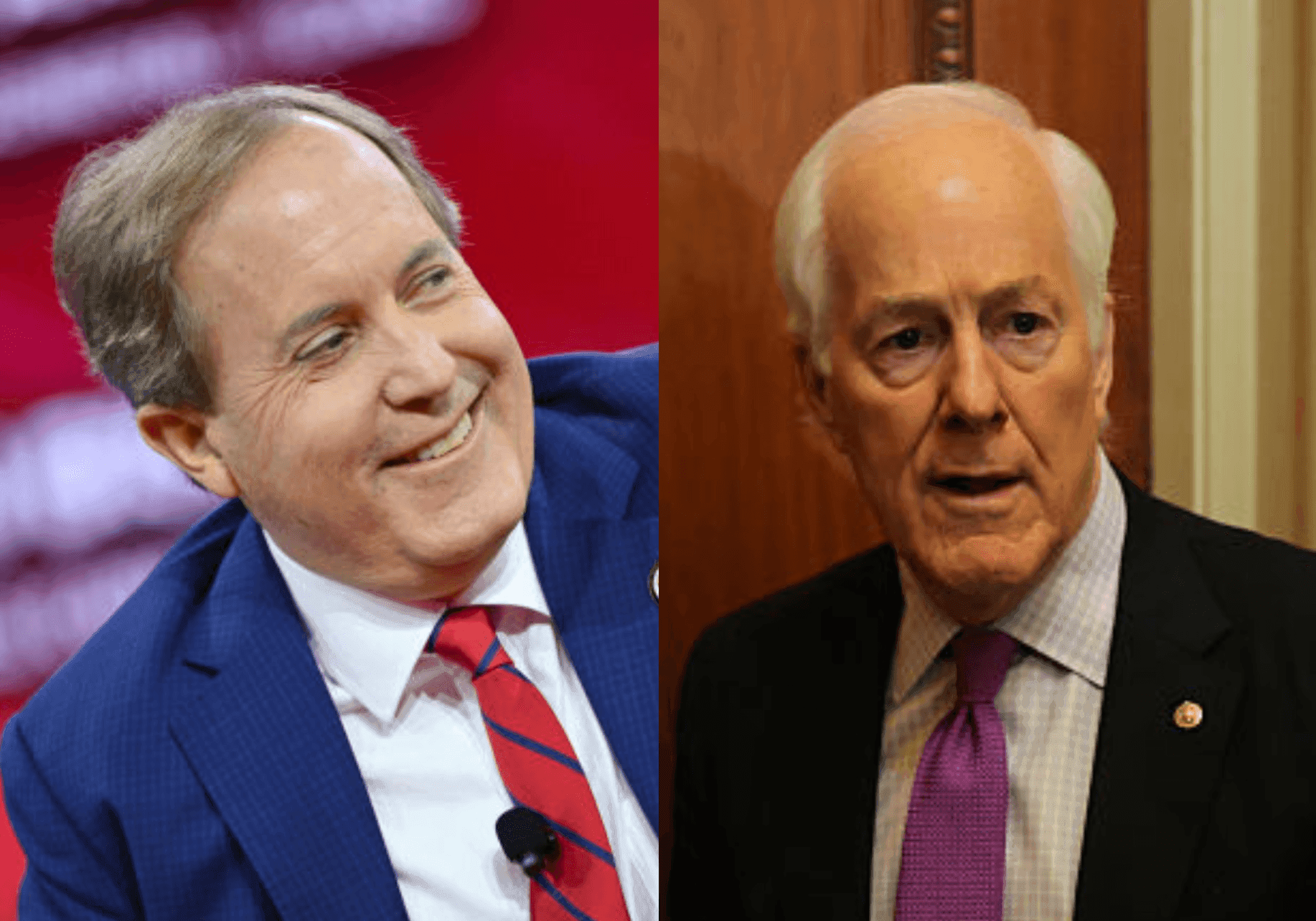
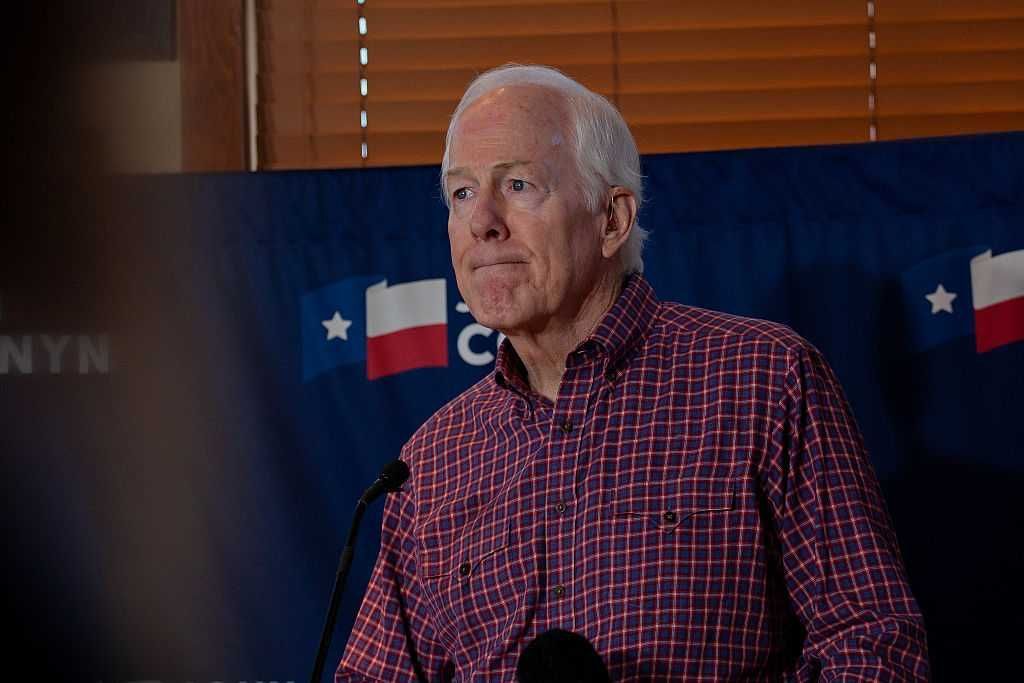
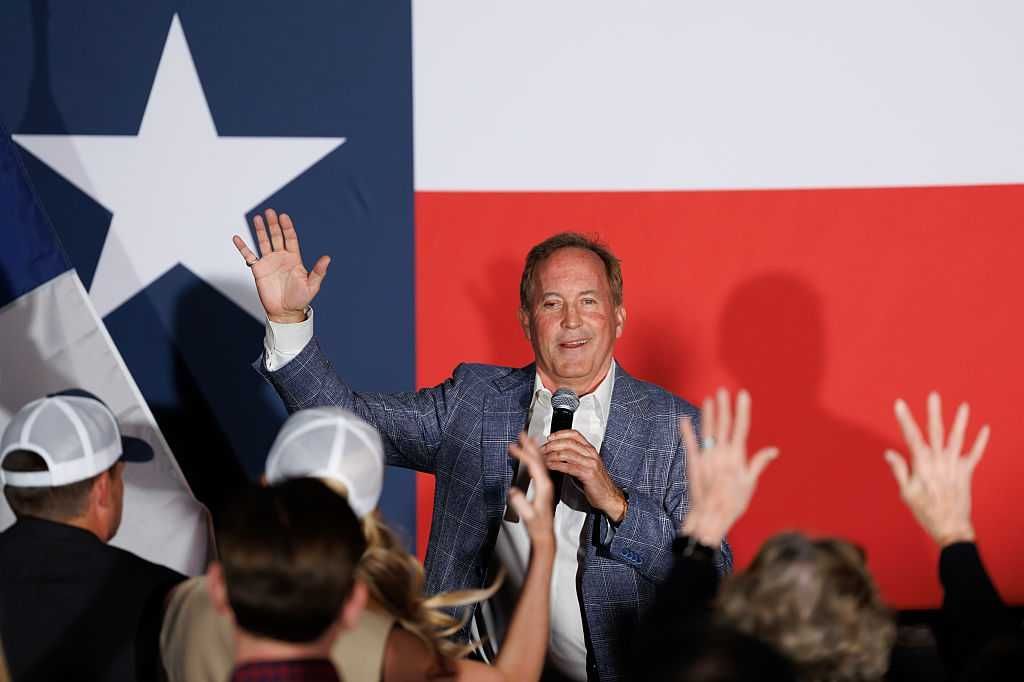
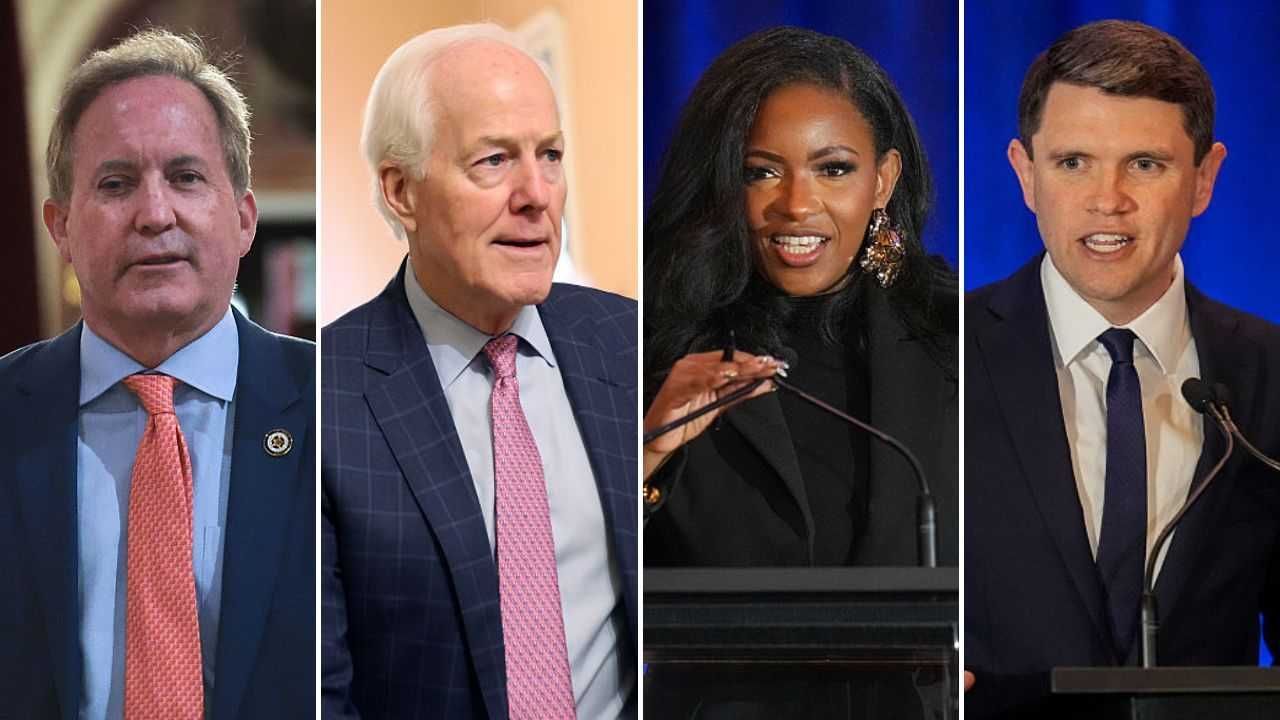
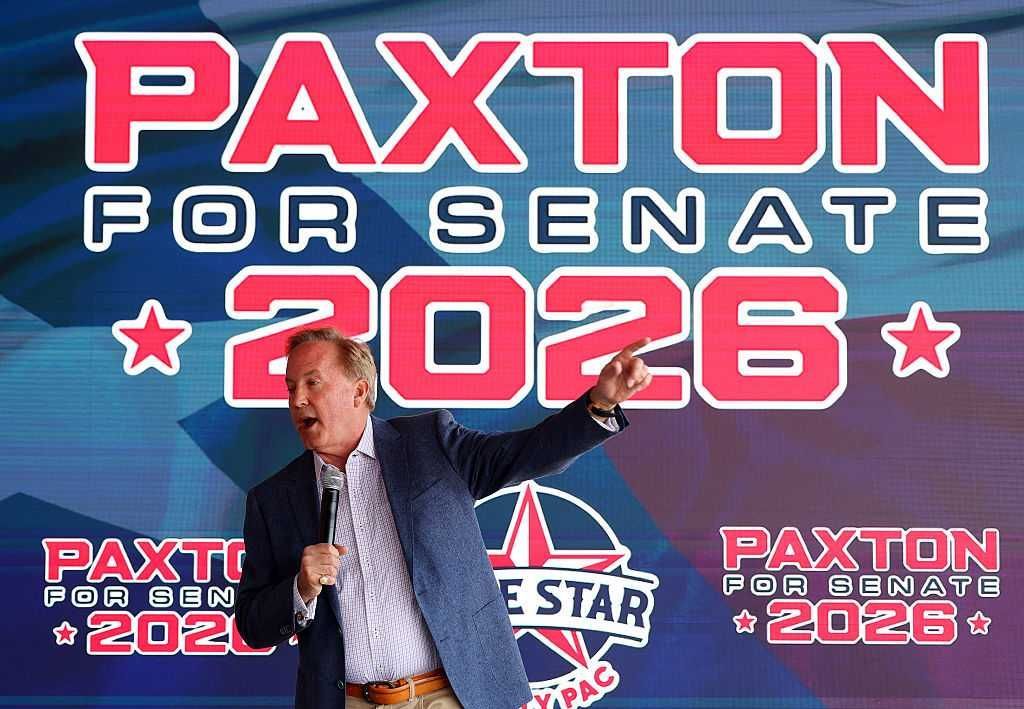 Photo by Richard Rodriguez/Getty Images
 Jasmine Crockett. Photo by Al Drago/Getty Images
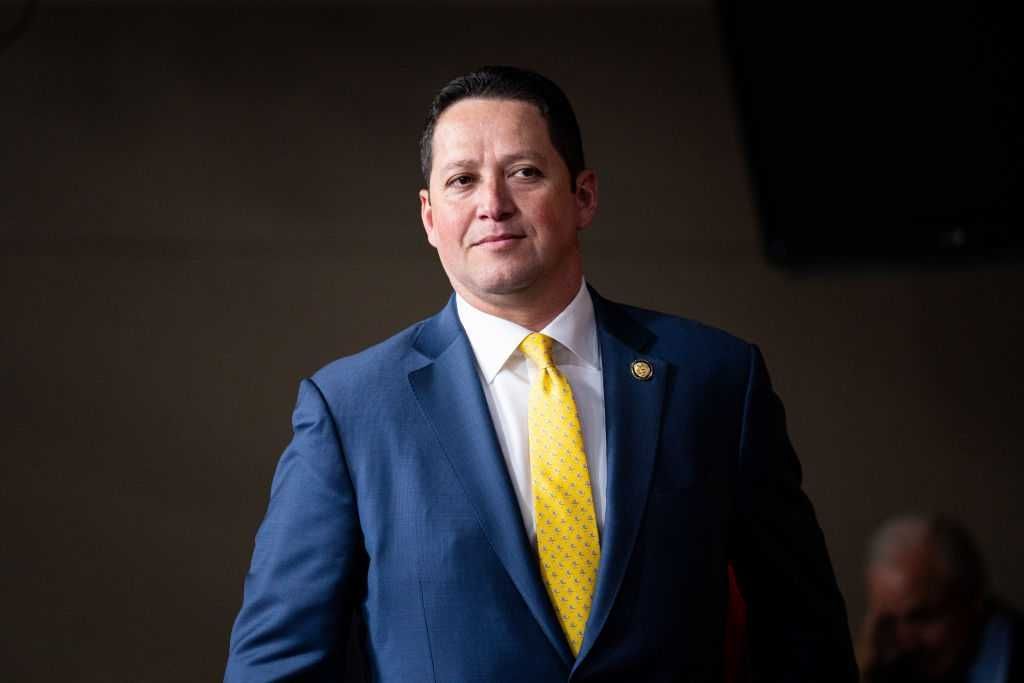 Tony Gonzales. Bill Clark/CQ-Roll Call Inc./Getty Images
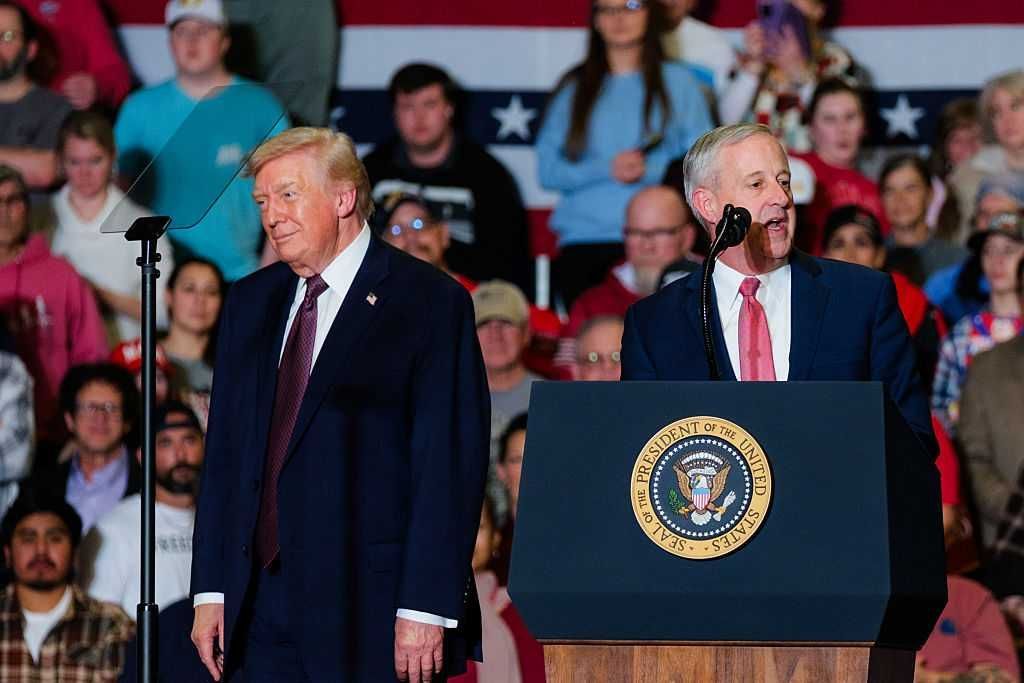 Donald Trump and Michael Whatley. Photographer: Cornell Watson/Bloomberg/Getty Images
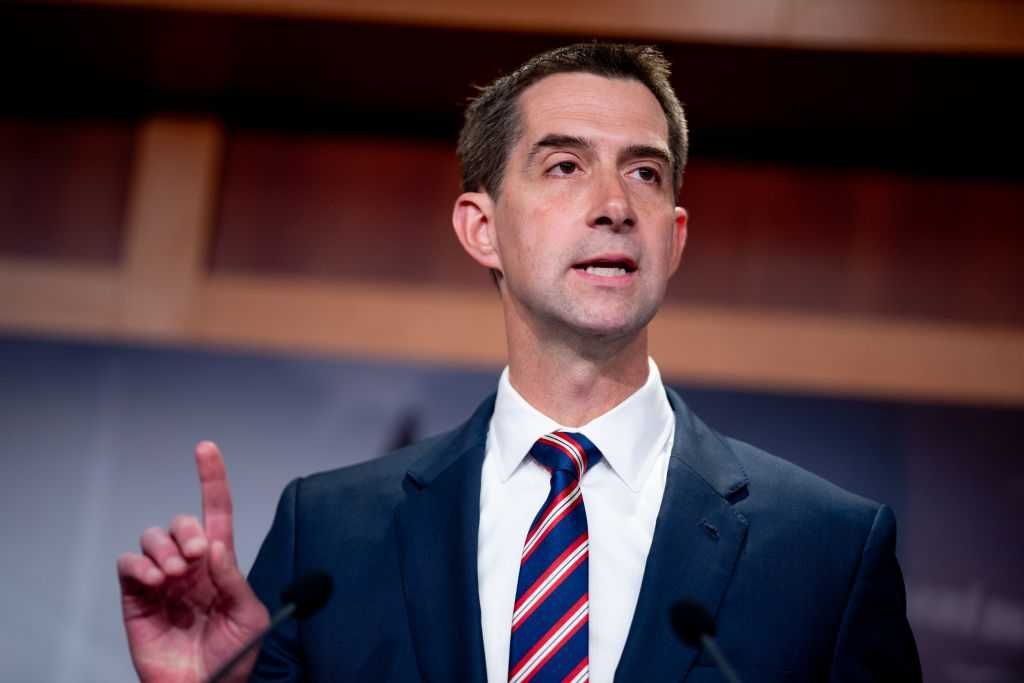 Tom Cotton. Photo by Andrew Harnik/Getty Images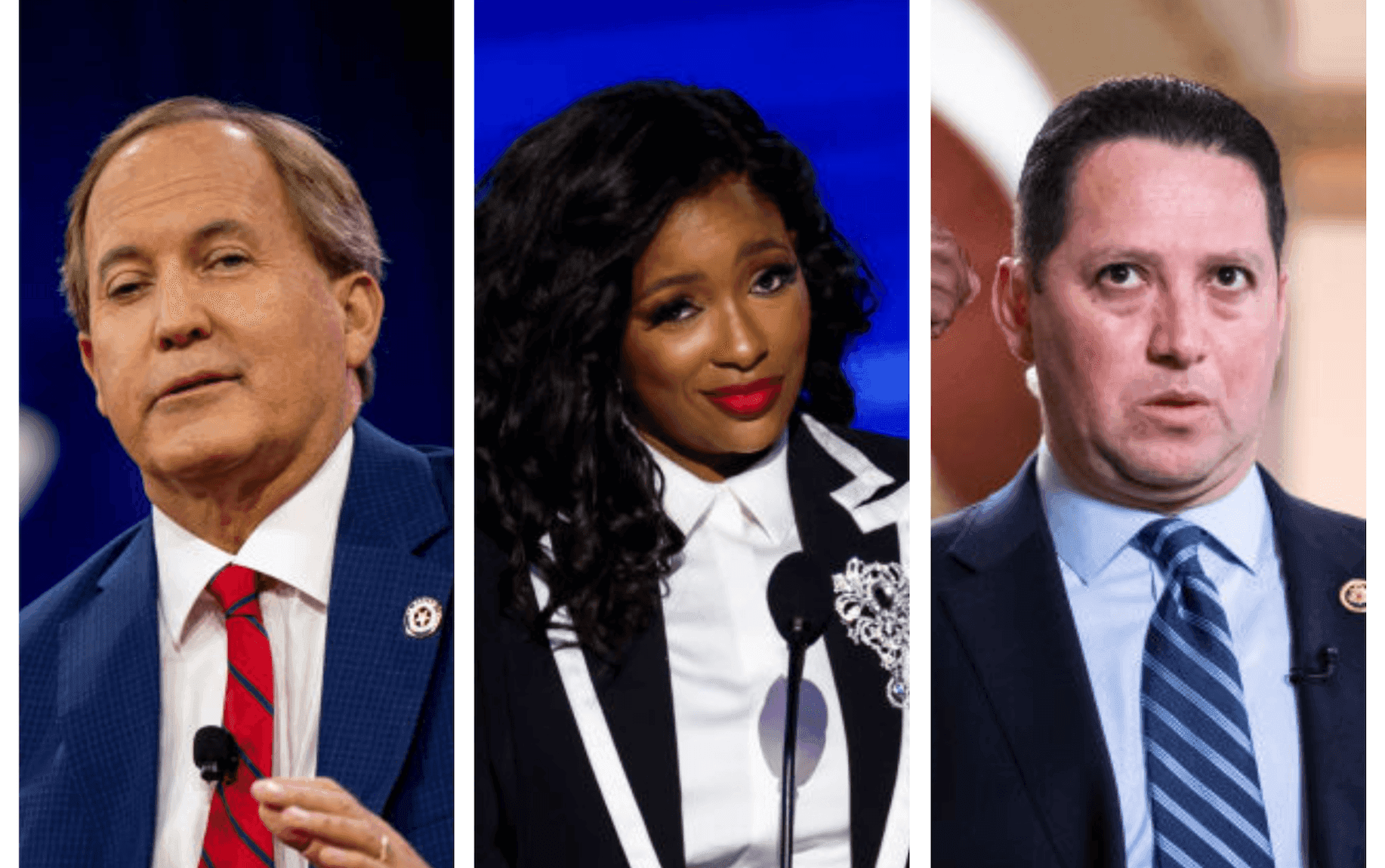
 Felix/Bloomberg via Getty Images, Photo by Kayla Bartkowski/Getty Images, Photo by ANDREW CABALLERO-REYNOLDS/AFP via Getty Images
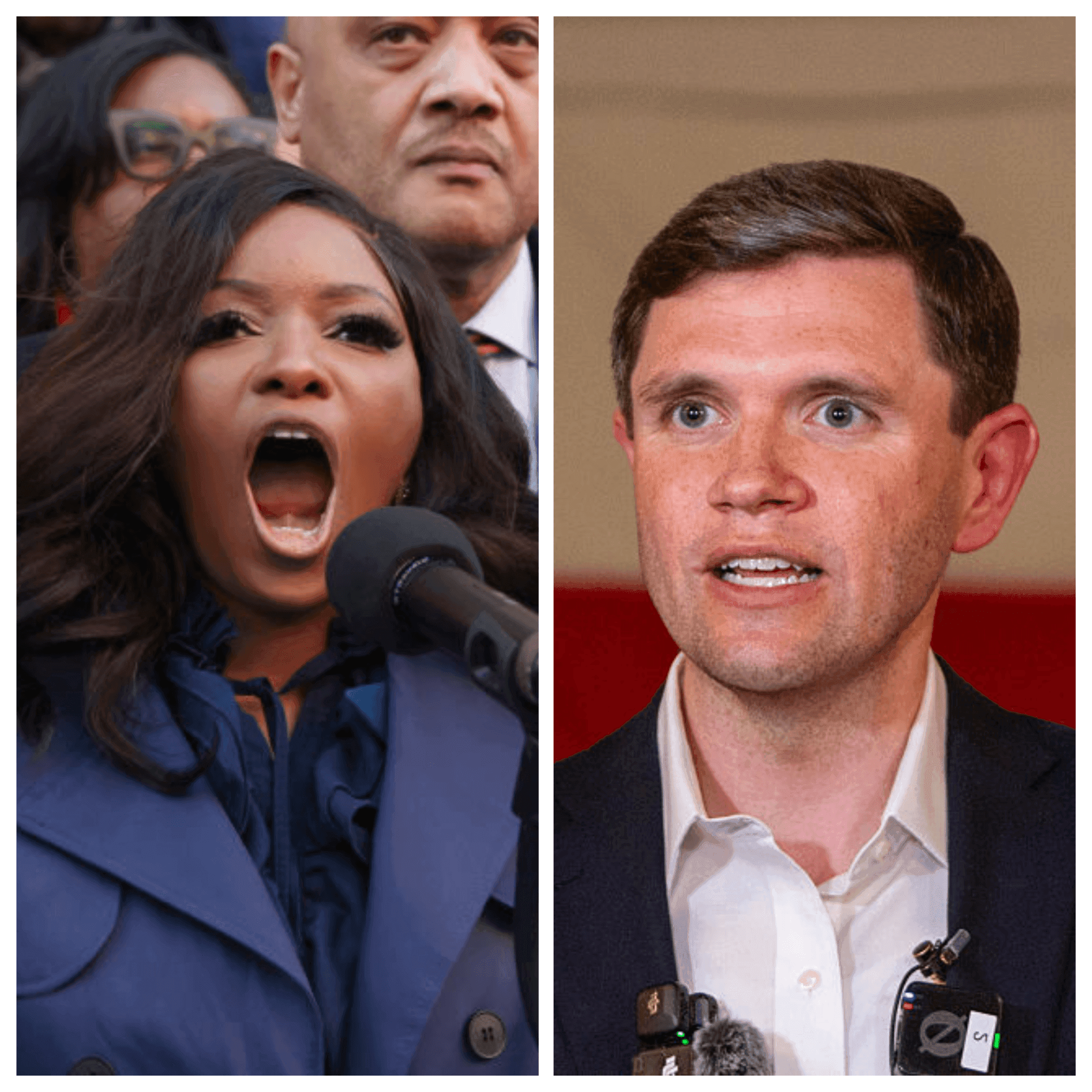 Photo by Alberto Silva Fernandez/Getty Images, Photo by Jemal Countess/Getty Images for MoveOn
 Bill Clark/CQ-Roll Call, Inc via Getty Images, by Scott Stephen Ball for The Washington Post via Getty Images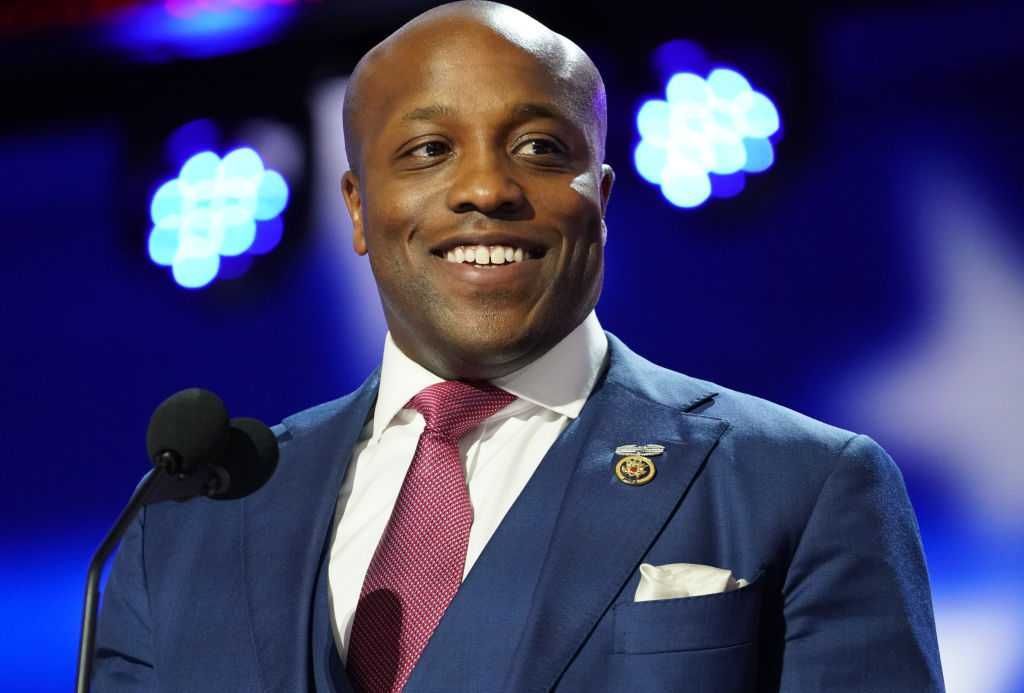
 Photo by Chip Somodevilla/Getty Images
 Hannah Beier/Bloomberg via Getty Images
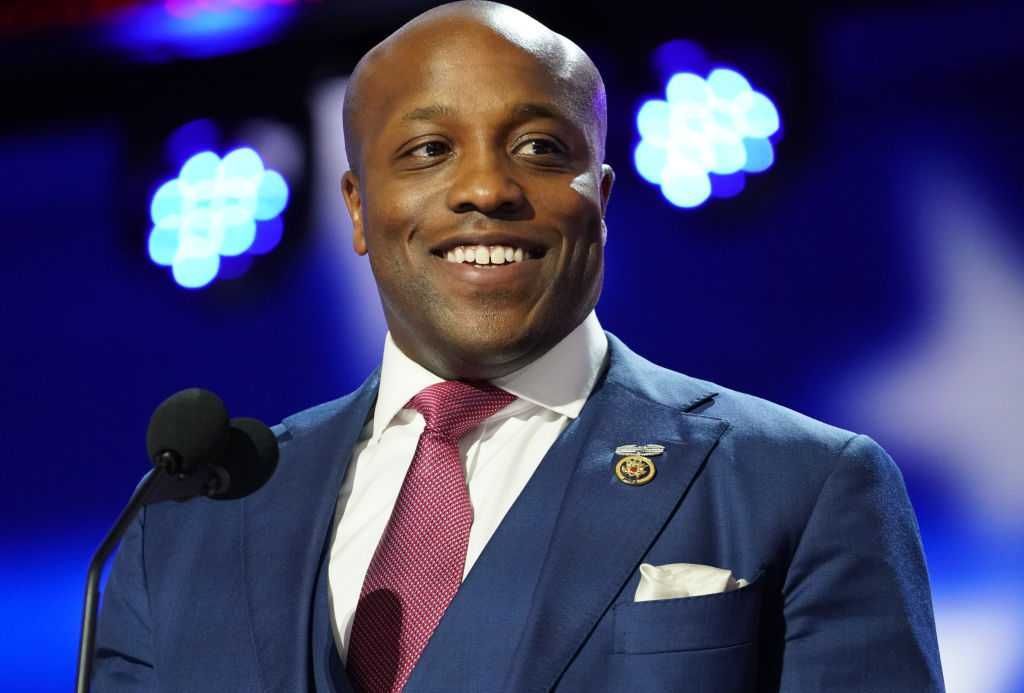
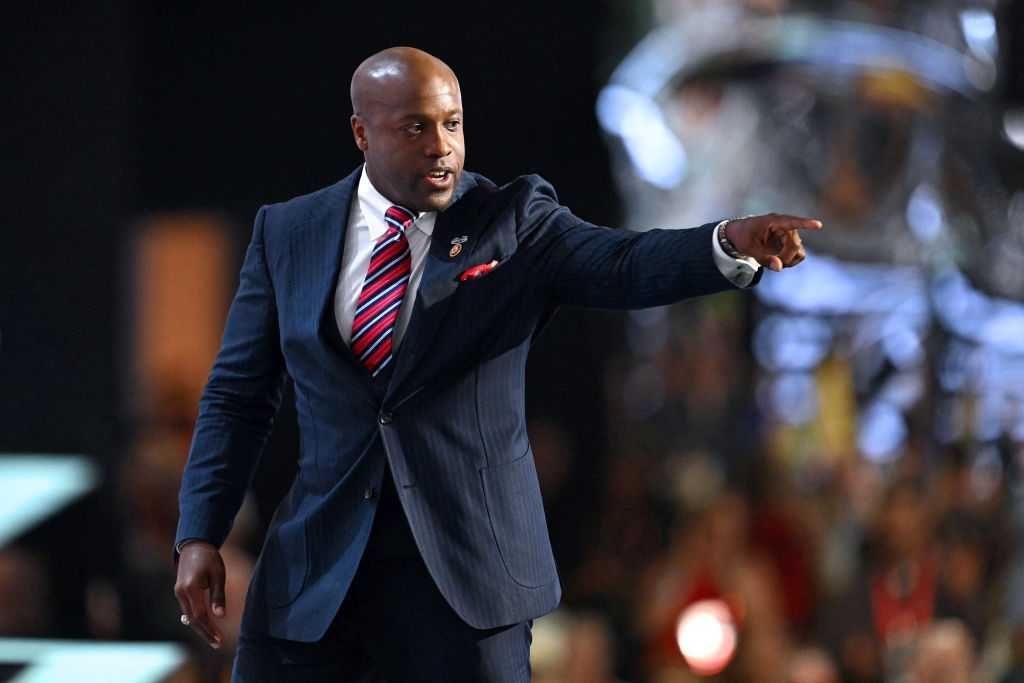 Photo by ANGELA WEISS/AFP via Getty Images
 Tom Williams/CQ-Roll Call, Inc via Getty Images
 www.theblaze.com
 www.theblaze.com